Last updated: 2026-10-10
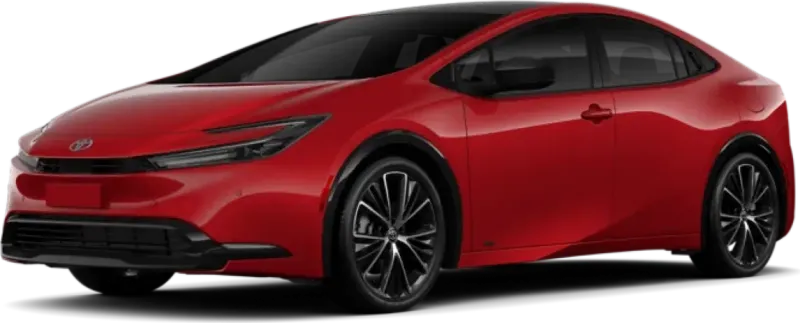
2018 Toyota Prius Reliability Report
The 2018 Toyota Prius has good reliability and low repair costs, but owners report airbag failures and windshields that crack on their own.
Recalls
3
Complaints
51
Complaint Rate
5.8per 10,000 sold
Est. Repair Cost
$408
Annual Fuel Cost
$1,050–$1,300
Detailed Score Breakdown
Component-weighted complaints normalized by sales volume
Independent repair cost ratings
Recall count weighted by severity
Breadth of reported problem categories
The Verdict
Facelift-year Prius with a mid-pack standing among its model years, 51 owner complaints, and three recalls covering equipment, electrical, and hybrid propulsion systems.
Top Issues to Watch
- VISIBILITY/WIPER (5)
- AIR BAGS (5)
- EXTERIOR LIGHTING (5)
Generation & Refresh (US)
2018 received a facelift update for the Fourth generation (XW50).
- Changes: Redesigned headlights and tail lights; Introduced all-wheel drive model.
- Year 3 in this generation (2016–2021).
- 4th generation Prius (US).
What this means for buyers
Refresh years bring updates but can also introduce new issues. Check early recall data before buying.
2016: Fourth generation (XW50) Launch
Generation start — new platform.
2018: This Model Year (Refresh)
2018 received a facelift update for the Fourth generation (XW50).
Should You Buy the 2018 Toyota Prius?
Good reliability is the short answer. Among 2018 sedans, this Prius sits well above average, though within its own scored years it lands in the middle of nine. Independent repair-cost data puts yearly repairs at $408 against $526 for its class, and federal crash tests give it 5 of 5 stars. The 2019 rates about the same, with fewer complaints (36 against 51) but more recalls (5 against 3).
The serious complaints are few but worth knowing. Two owners say airbags did not deploy in major crashes, one a highway side impact at about 70,000 miles, with no warning light beforehand. Another says airbags fired below 5 mph in a parking lot. Windshields crack with no visible impact, and some replacements cracked again. Automatic high beams can go dark for up to about 2 minutes. Two crash reports describe surging or lost braking at very low speed.
Ask for proof that the three recalls (equipment, electrical system, hybrid propulsion system) were completed. Check the glass for cracks and test the automatic high beams on a dark road.
Compared to the 2019 Toyota Prius, which scored 1 points lower.
Pros
- +Acceptable reliability score
- +$118 cheaper to maintain than avg midsize cars
- +Low major repair risk (11%)
- +Below-average complaint rate for Sedan
Cons
- −Moderate recall count
- −UNKNOWN OR OTHER: Moonroof glass shatters without warning at freeway speed and showers the cabin... (6 complaints)
- −AIR BAGS: Airbags fail to deploy in serious crashes (5 complaints)
Compare 2018 Toyota Prius With
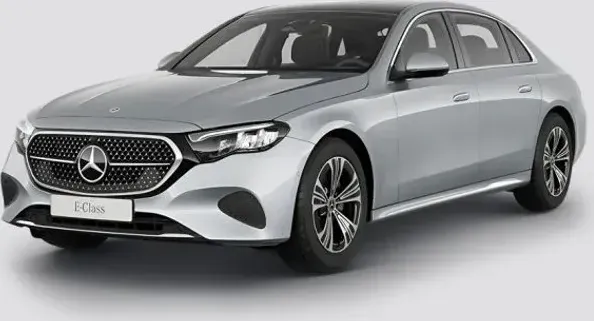
2018 Mercedes-Benz E-Class
Reliability: 55/100
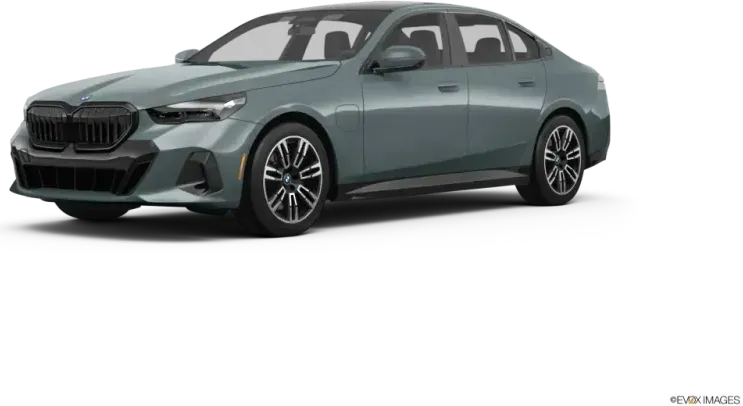
2018 BMW 5 Series
Reliability: 59/100
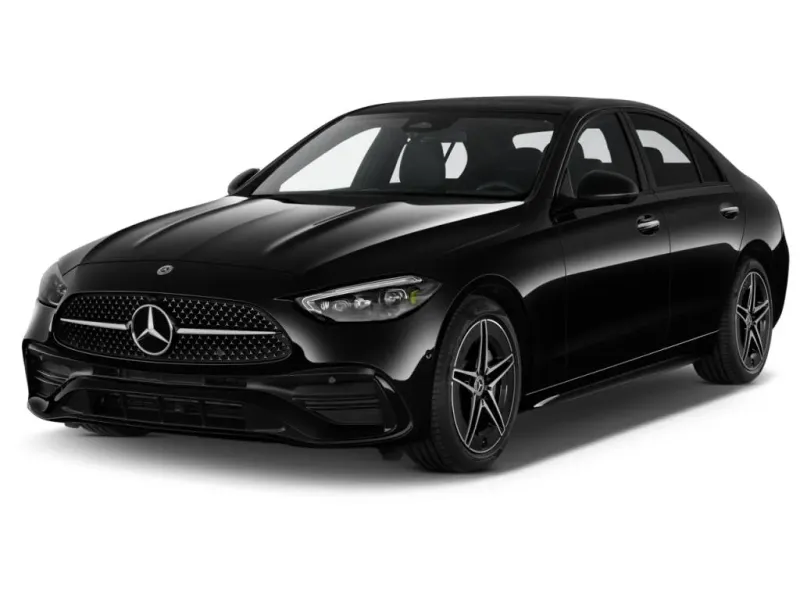
2018 Mercedes-Benz C-Class
Reliability: 51/100
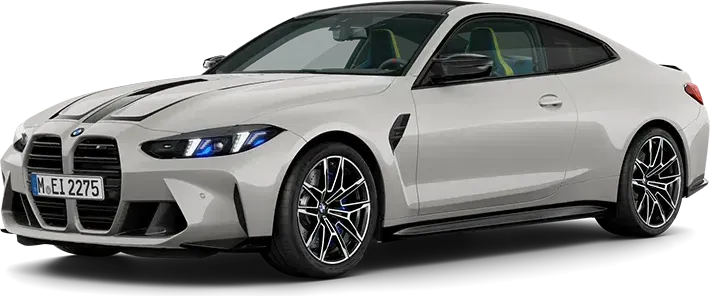
2018 BMW 4 Series
Reliability: 54/100
Common Problem Categories
Safety
LOW RISK- 3 manufacturer recalls issued
Other
HIGH RISK- UNKNOWN OR OTHER (6)
- VISIBILITY/WIPER (5)
Recall Overview
3
recalls on record
A moderate 3 recalls are on file for the 2018 Toyota Prius. Each one points to a specific safety or compliance issue identified by the manufacturer or NHTSA — check the list below before buying.
NHTSA.gov →Complaint Breakdown
5.8
per 10,000 soldSegment avg: 25.7
Safety Incidents
10
Crashes
0
Fires
8
Injuries
0
Deaths
NHTSA 5/5 Stars
Data sourced from NHTSA complaint filings and manufacturer recall notices. Complaint narratives are owner-reported.
2018 Toyota Prius Recall Details
3 recalls have been issued for the 2018 Toyota Prius. All recall repairs are performed free of charge at authorized dealerships.
EQUIPMENT
Toyota Motor Engineering & Manufacturing (Toyota) is recalling certain 2018 Toyota Prius C vehicles sold in Puerto Rico. The front passenger air bag and recommended child occupant seating positions label may not have been attached during assembly. As such, these vehicles fail to comply with the requirements of Federal Motor Vehicle Safety Standard (FMVSS) number 208, "Occupant Crash Protection."
Consequence
If the label is missing, occupants may not follow the proper restraint usage guidelines, increasing the risk of injury in the event of a crash.
Remedy
Toyota will notify owners and will mail the removable labels to all known owners of the subject vehicles, free of charge. The recall began on April 11, 2018. Owners may contact Toyota customer service at 1-888-270-9371. Toyota's number for this recall is J0L.
ELECTRICAL SYSTEM
Toyota Motor Engineering & Manufacturing (Toyota) is recalling certain 2016-2018 Toyota Prius vehicles. A portion of the engine wire harness connected to the hybrid Power Control Unit (PCU), could contact the cover at this connection and wear, causing an electrical short circuit.
Consequence
An electrical short can increase the risk of a fire.
Remedy
Toyota will notify owners, and dealers will inspect the engine wire harness assembly and replace it if damage is found. A protective sleeve or protective tape will be included to prevent any future damage. These repairs will be performed free of charge. The recall began October 30, 2018. Owners may contact Toyota customer service at 1-888-270-9371. Toyota's number for this recall is J0T.
HYBRID PROPULSION SYSTEM
Toyota Motor Engineering & Manufacturing (Toyota) is recalling certain 2018-2019 Prius C vehicles. The DC-DC converter may fail resulting in the auxiliary battery no longer receiving power from the converter, which may cause a loss of drive.
Consequence
A loss of drive increases the risk of crash.
Remedy
Toyota will notify owners, and dealers will replace the DC-DC converter with a new one, as necessary, free of charge. The recall began August 23, 2019. Owners may contact Toyota customer service at 1-888-270-9371. Toyota's number for this recall is K0K.
Buying a used 2018 Toyota Prius? Check its history first
Visibility/wiper problems lead owner complaints about the 2018 Toyota Prius, and 3 recalls were issued for it. A VIN check shows whether this car's recall work was done, plus accident, title, and odometer history.
- Accidents
- Open Recalls
- Title History
- Odometer Rollback
2018 Toyota Prius NHTSA Safety Ratings
Overall Safety Rating
Crash Test Results by Configuration (expand)
Gas Powertrain
Rollover risk: 10.7%
Safety Technologies
PHEV Powertrain
Rollover risk: 0.0%
Safety Technologies
Toyota PriusRepair Costs & Maintenance
Maintenance Rating
4Maintenance rating: 4 out of 5Based on NHTSA complaint patterns, recall severity, and publicly available cost benchmarks.
Est. Annual Maintenance
$408
vs $526 avg for midsize cars
vs $652 avg for all vehicles
Repair Frequency
0.5
unscheduled repair visits per year
Severe Repair Probability
11%
chance of a major repair
Annual Cost Comparison
Category-level averages derived from publicly available industry reports (AAA, CarMD). Model-level estimates produced by Auto Reliability Index.
Toyota Prius Resale Value
The Toyota Prius is estimated to retain about 58.1% of its original value after 5 years, based on observed used-car listings.
This benchmark covers the Toyota Prius model overall and is not specific to the 2018 model year.
- Value Retained
- 58.1%
- Depreciation
- 41.9%
- Listings Analyzed
- 123
after 5 years
over the same period
U.S. used-car listings
Listings observed in . This is a historical market benchmark, not a current price quote.
Explore Toyota Prius depreciation and resale value on CarResaleValue.comMPG & Annual Running Costs
Plug-in Hybrid
46–56 MPG
Running cost: $1,450–$1,700/yr
Fuel + repair
48–58 city / 43–53 hwy MPG
Running cost includes EPA fuel-cost estimate and independent repair-cost data (repair cost estimated at model level). Excludes routine maintenance, depreciation, and insurance. Data as of 2018 EPA label cycle.
Plug-in Hybrid trims
| Trim | Drive | Trans. | City | Hwy | Comb | Fuel Cost |
|---|---|---|---|---|---|---|
| Prius Prime 1.8L 4-cyl | Front-Wheel Drive | Automatic (variable gear ratios) | 55 | 53 | 54 | $1,100 |
Used Buying Checklist
Key things to inspect or verify before purchasing a 2018 Toyota Prius.
Inspect the windshield and moonroof glass for cracks, chips, or signs of recent replacement.
Scan the airbag system for stored codes such as B1656 and confirm the airbag light goes out after startup.
Follow traffic at around 25 mph and watch for sudden automatic braking with no obstacle ahead.
Drive a dark road at night and confirm the automatic high beams come back on after oncoming cars pass.
Scan for codes P0113 and P0102 and ask for records of any Hybrid System Failure warning.
On a slope, shift into drive and reverse, release the brake, and confirm the car stays in gear.
Creep into a parking space and confirm the car stops smoothly without surging when braking.
Pair your phone, make a call, and play audio to check for stereo reboots.
2018 Toyota Prius Common Problems by Component
51 owner complaints grouped by vehicle system.
UNKNOWN OR OTHER
6 complaintsMoonroof glass shatters without warning at freeway speed and showers the cabin with shards. One injury is reported, and Toyota told that owner moonroofs are not covered under warranty. Complaints about the pre-collision system go both ways. One describes hard automatic braking at about 25 mph with nothing ahead, which nearly caused a rear-end crash. Another describes no warning at all when closing on slow traffic. Other filings cover a stereo that reboots when a phone connects, Bluetooth music playing over navigation prompts, and a backup alarm loud enough to drown out the rear cross-traffic alert.
VISIBILITY/WIPER
5 complaintsWindshields crack with no visible impact, either during normal highway driving or while the car sits parked. A pop or a hairline crack quickly spreads across much of the glass. Some owners have replaced the windshield and then seen the new glass crack again. One quote put the replacement at about $900, and a cheap resin repair did not stop the crack from spreading. A separate report describes the moonroof shattering on the freeway, with a glass shard injuring the driver's finger.
AIR BAGS
5 complaintsSafety-relatedAirbags fail to deploy in serious crashes. The reports include a head-on collision at 25-30 mph and a highway side impact at about 70,000 miles. In both cases no warning light came on beforehand, and the car was totaled. One report describes the opposite problem: airbags firing below 5 mph in a parking lot, which caused burns and a crash. Airbag warning lights also come on by themselves. In one case the light was traced to code B1656 and a snapped wire at the driver seat belt buckle.
EXTERIOR LIGHTING (5 complaints)
EXTERIOR LIGHTING
5 complaintsAutomatic high beams cut out and stay dim, usually after bright oncoming headlights pass or in rain. The system goes dark for anywhere from 25-30 seconds to about 2 minutes. During that time the high beams cannot be turned on by hand unless the automatic feature is switched off, which leaves drivers short of light on unlit rural roads. One dealer reproduced the fault on a second Prius, but Toyota technical assistance calls it normal. Winter drivers also report LED head and tail lights caking over with ice and snow.
ELECTRICAL SYSTEM (4 complaints)
ELECTRICAL SYSTEM
4 complaintsA "Hybrid System Failure" warning appears at highway speed. It is followed by a check-engine light, an order to pull over, and messages saying power steering and power brakes are shutting off. One dealer fixed a loose cable, but the warning came back. Codes P0113 and P0102 show up at startup along with check-engine and collision-sensor warnings, and one dealer asked for a $110 diagnostic fee even though the car was under warranty. Other filings cover a dead driver door lock actuator and, for the Prius C, a 12V battery with no replacement available.
POWER TRAIN (4 complaints)
POWER TRAIN
4 complaintsSafety-relatedSudden forward lurches while creeping into a parking space with the brake applied lead these reports. In one case the car jumped a curb stop and hit a brick wall, injuring the driver. Other reports describe the engine revving while the car does not move away from a stop, in 100F heat with the AC on full. One owner reports the transmission dropping from drive or reverse into neutral more than 10 times. Another complains that the car pulls forward under power as soon as the brake is released.
STRUCTURE (4 complaints)
STRUCTURE
4 complaintsSafety-relatedTwo crash reports filed under this heading describe sudden surging or lost braking at very low speed. Those crashes ended in impacts with a garage and a tree, and one car was declared a total loss. A sunroof also exploded at 45-50 mph on the freeway and was replaced under warranty. Another filing describes the underbody heat shield near the battery, held by four plastic pins, tearing loose over a speed bump. The dealer blamed the driver for that damage. Few of these reports involve the body structure itself.
SERVICE BRAKES (3 complaints)
SERVICE BRAKES
3 complaintsSafety-relatedThe brake pedal fails to stop the car in slow, heavy traffic, which leads to low-speed rear-end crashes. One crash came with sudden acceleration and with the pre-collision and brake warning lights on. In another, no warning light came on. Neither the dealers nor Toyota representatives found a brake fault in either case. A separate complaint describes a high-pitched chirp from the brake pedal on a new car that continued after the brake booster was replaced. The dealer called the sound normal.
SEATS (2 complaints)
SEATS
2 complaintsSafety-relatedThe driver seat moves forward and back during a rear-end collision. In the one crash report, the driver's knee hit the underside of the dash and the driver's head slammed into the headrest. Afterward the driver could no longer reach the pedals. The front passenger seat stayed in place, and the collision repair estimate did not mention the seat. The only other filing blames the driver seat for severe back pain.
VEHICLE SPEED CONTROL (2 complaints)
VEHICLE SPEED CONTROL
2 complaintsSafety-relatedUnintended acceleration at low speed, in or leaving a parking lot, is the pattern in both reports. One car surged into a parked vehicle at 6,000 miles, and the dealer could not find a cause. In the other, the car surged right after being shifted into drive, and the brake pedal felt locked through several fast turns onto a main road. Both reports describe a real loss of control with little time to react.
Best & Worst Toyota Prius Years
Best Toyota Prius Years to Buy
Based on reliability index scoreToyota Prius Years to Avoid
No Toyota Prius years are statistical outliers in our data.
Scores stay between 76 and 84 across 9 scored model years.
Toyota Prius Reliability Score Trend
Scores 0–100. Higher is better. Current year highlighted.
| Year | Score | Rating |
|---|---|---|
| 2018 | 78/100 | Good |
| 2019 | 77/100 | Good |
| 2020 | 79/100 | Good |
| 2021 | 82/100 | Excellent |
| 2022 | 78/100 | Good |
| 2023 | 76/100 | Good |
| 2024 | 77/100 | Good |
| 2025 | 78/100 | Good |
| 2026 | 84/100 | Excellent |
Toyota Prius Reliability Compared to Other Years
2018 Toyota Prius Reliability by Powertrain
The 2018 Toyota Prius is available with 2powertrain options. Here's how they compare on reliability.
| Powertrain | Complaints | Recalls | Incidents* | Crash Rating |
|---|---|---|---|---|
| Gas | 39 | 3 | 6 | 5 out of 5 |
| PHEV | 12 | 0 | 4 | N/T |
| Total | 51 | 3 | 10 |
NHTSA tracks complaints by vehicle configuration when that detail is available. Model-level reports that do not identify a specific powertrain are included in Total but not assigned to a row. A plus sign indicates a confirmed minimum; — means no complaints could be attributed to that specific powertrain. N/T = Not tested by NHTSA.
* Incidents = crash + fire reports. A single complaint can include multiple incident types.
Frequently Asked Questions
Is the 2018 Toyota Prius reliable?
What are the most common problems with the 2018 Toyota Prius?
Does the 2018 Toyota Prius have airbag problems?
Does the 2018 Toyota Prius have windshield cracking problems?
How does the 2018 Toyota Prius compare with the 2019?
Don’t buy a 2018 Toyota Prius without checking its VIN first — hidden accidents, title issues, and open recalls could cost you thousands.
How we score the 2018 Toyota Prius
Of the four inputs behind this score, the 2018 Toyota Prius does best on how many systems draw complaints (84/100) and worst on complaint severity (74/100). Scores weight complaint severity at 35%, repair costs at 30%, recall impact at 20%, and the spread of complaints across systems at 15%, with complaint counts adjusted for US sales. Read the full methodology.
Get notified when new recalls or reliability data is added for the Toyota Prius.
No spam. Only data updates for this model.
Browse More Toyota Models

Toyota 4Runner
Score: 84/100
Toyota Avalon
Score: 80/100
Toyota C-HR
Score: 80/100
Toyota Camry
Score: 88/100
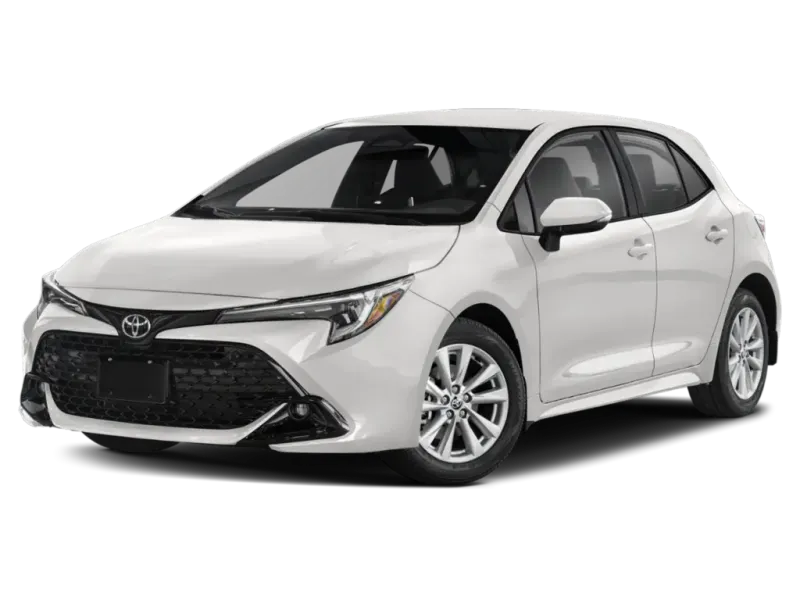
Toyota Corolla
Score: 94/100
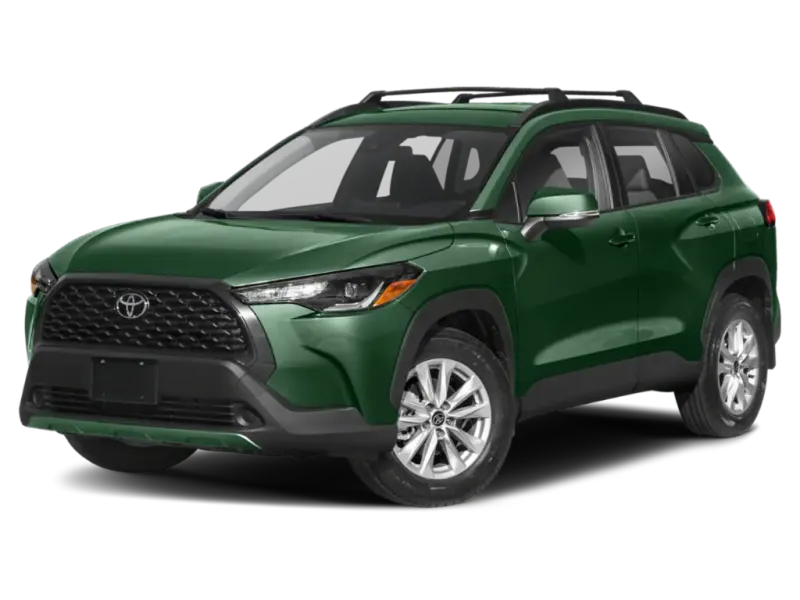
Toyota Corolla Cross
Score: 94/100
Browse More 2018 Vehicles
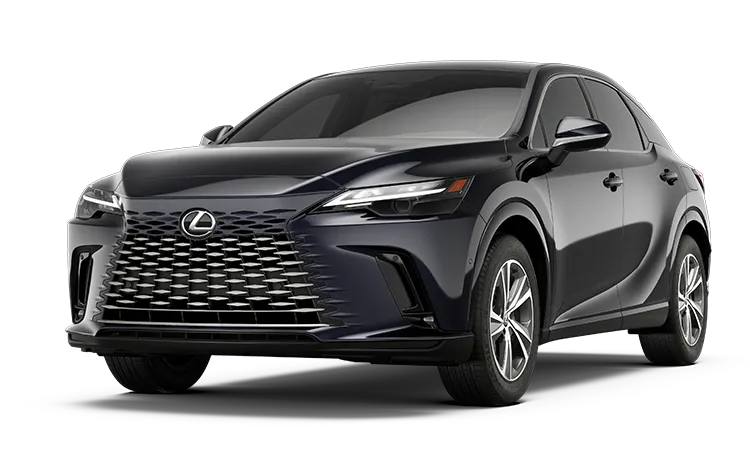
2018 Lexus RX
Score: 85/100
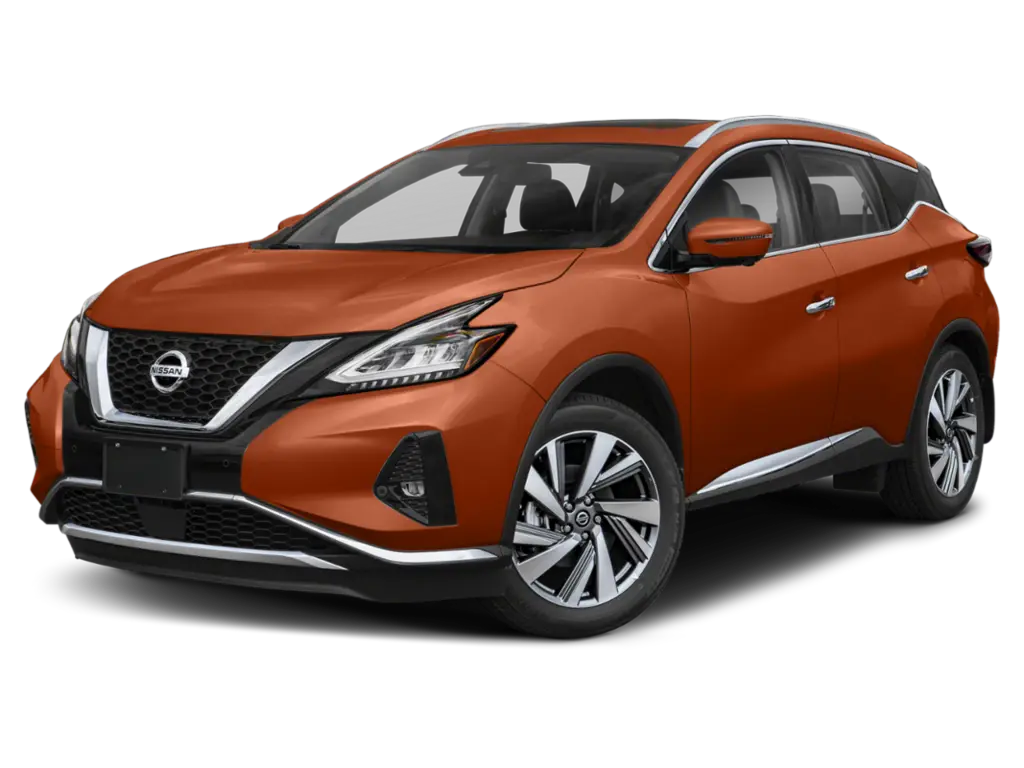
2018 Nissan Murano
Score: 82/100
2018 Lexus IS
Score: 81/100
2018 Lexus ES
Score: 80/100
2018 Toyota Corolla
Score: 80/100
2018 Buick Encore
Score: 80/100
See incorrect data? Report an issue