Last updated: 2026-10-10
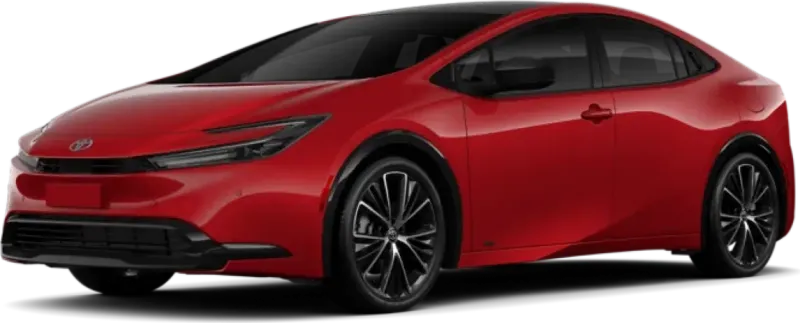
2025 Toyota Prius Reliability Report
The 2025 Toyota Prius has good reliability, but its driver-assist features can shut off when the infotainment screen freezes.
Recalls
4
Complaints
10
Complaint Rate
1.8per 10,000 sold
Est. Repair Cost
$408
Annual Fuel Cost
$1,050–$1,250
Detailed Score Breakdown
Component-weighted complaints normalized by sales volume
Independent repair cost ratings
Recall count weighted by severity
Breadth of reported problem categories
The Verdict
Good reliability with only 10 owner complaints, but the infotainment screen can freeze and disable automatic braking and cruise control.
Top Issues to Watch
- FORWARD COLLISION AVOIDANCE (2)
- WHEELS (1)
- POWER TRAIN (1)
Should You Buy the 2025 Toyota Prius?
Reliability is good, and it lands close to average among 2025 sedans. Within the Prius lineup it sits in the middle of nine scored model years. Federal crash tests gave it 5 of 5 stars.
The complaint that matters is about driver-assistance features. Owners say the screen can freeze on the "Experience Drive Connect" prompt, and the safety systems stay disabled while it is stuck. Others describe the 12-inch screen flickering between light and dark, switching from Apple CarPlay to satellite radio on its own, and cruise control showing as unavailable. The risk is automatic braking turning off without the driver noticing. Only 2 complaints cover this, and neither gives a mileage. Federal records list 4 recalls, in back over prevention, the electrical system, and latches, locks and linkages.
Ask for the VIN recall history and confirm those areas were handled. On a test drive, check that the screen behaves and cruise control is available. The 2024 rates about the same but has more complaints and recalls. The 2026 rates better, though it has had little time to collect complaints.
Compared to the 2026 Toyota Prius, which scored 6 points higher. See also the 2024 Toyota Prius for an earlier comparison.
Pros
- +Acceptable reliability score
- +$118 cheaper to maintain than avg midsize cars
- +Low major repair risk (11%)
- +Below-average complaint rate for Sedan
Cons
- −Moderate recall count
- −FORWARD COLLISION AVOIDANCE: Driver-assistance features can drop out when the infotainment system misbehaves (2 complaints)
- −UNKNOWN OR OTHER: Blind spots are hard to check, especially for taller drivers (2 complaints)
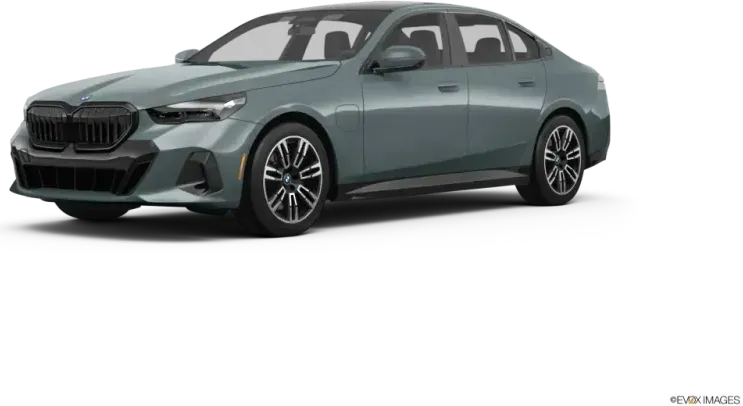
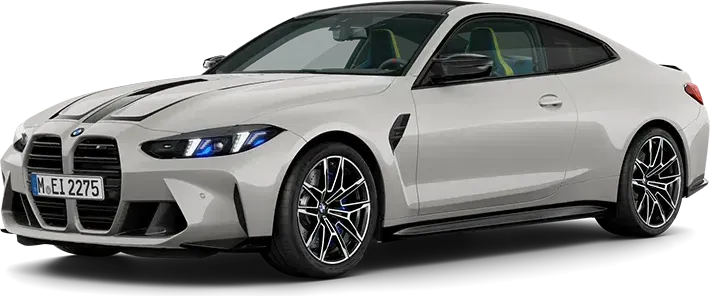
Compare 2025 Toyota Prius With
Common Problem Categories
Safety
LOW RISK- 4 manufacturer recalls issued
Other
HIGH RISK- FORWARD COLLISION AVOIDANCE (2)
- UNKNOWN OR OTHER (2)
Recall Overview
4
recalls on record
A moderate 4 recalls are on file for the 2025 Toyota Prius. Each one points to a specific safety or compliance issue identified by the manufacturer or NHTSA — check the list below before buying.
NHTSA.gov →Complaint Breakdown
1.8
per 10,000 soldSegment avg: 2
Safety Incidents
1
Crashes
0
Fires
1
Injuries
0
Deaths
NHTSA 5/5 Stars
Data sourced from NHTSA complaint filings and manufacturer recall notices. Complaint narratives are owner-reported.
2025 Toyota Prius Recall Details
4 recalls have been issued for the 2025 Toyota Prius. All recall repairs are performed free of charge at authorized dealerships.
BACK OVER PREVENTION
Toyota Motor Engineering & Manufacturing (Toyota) is recalling certain 2022-2026 Toyota, Lexus, and Subaru Solterra vehicles equipped with a Panoramic View Monitor (PVM) system. Please see the recall report for a complete list of models. A software error may cause the rearview camera to freeze or display a blank screen when the vehicle is in reverse. As such, these vehicles fail to comply with the requirements of Federal Motor Vehicle Safety Standard (FMVSS) number 111, "Rear Visibility."
Consequence
A rearview camera that fails to display an image can reduce the driver's view behind the vehicle, increasing the risk of a crash.
Remedy
Dealers will update the parking assist software, free of charge. Owner letters were mailed January 2, 2026. Owners may contact Toyota's customer service at 1-800-331-4331. Toyota's numbers for this recall are 25TB13 and 25LB06. Subaru's number for this recall is WRE25.
ELECTRICAL SYSTEM, LATCHES/LOCKS/LINKAGES
Toyota Motor Engineering & Manufacturing (Toyota) is recalling certain 2023-2024 Prius Prime, 2023-2026 Prius, and 2025-2026 Prius Plug-in Hybrid vehicles. Water may enter the rear door switch and cause a short circuit, allowing an unlocked rear door to open unexpectedly.
Consequence
A door that unexpectedly opens while the vehicle is moving increases the risk of injury.
Remedy
Dealers will modify the rear door switch circuits, free of charge. Interim letters notifying owners of the safety risk are expected to be mailed March 15, 2026. Additional letters will be sent once the final remedy is available. Owners may contact Toyota's customer service at 1-800-331-4331. Toyota's numbers for this recall are 26TB03 and 26TA03. This recall expands and replaces NHTSA recall number 24V274. Vehicles repaired under the previous recall will need to have the new remedy performed.
Buying a used 2025 Toyota Prius? Check its history first
Forward collision avoidance problems lead owner complaints about the 2025 Toyota Prius, and 4 recalls were issued for it. A VIN check shows whether this car's recall work was done, plus accident, title, and odometer history.
- Accidents
- Open Recalls
- Title History
- Odometer Rollback
2025 Toyota Prius NHTSA Safety Ratings
Overall Safety Rating
Crash Test Results by Configuration (expand)
Gas Powertrain
Rollover risk: 10.2%
Safety Technologies
PHEV Powertrain
Rollover risk: 9.2%
Safety Technologies
Toyota PriusRepair Costs & Maintenance
Maintenance Rating
4Maintenance rating: 4 out of 5Based on NHTSA complaint patterns, recall severity, and publicly available cost benchmarks.
Est. Annual Maintenance
$408
vs $526 avg for midsize cars
vs $652 avg for all vehicles
Repair Frequency
0.5
unscheduled repair visits per year
Severe Repair Probability
11%
chance of a major repair
Annual Cost Comparison
Category-level averages derived from publicly available industry reports (AAA, CarMD). Model-level estimates produced by Auto Reliability Index.
Toyota Prius Resale Value
The Toyota Prius is estimated to retain about 58.1% of its original value after 5 years, based on observed used-car listings.
This benchmark covers the Toyota Prius model overall and is not specific to the 2025 model year.
- Value Retained
- 58.1%
- Depreciation
- 41.9%
- Listings Analyzed
- 123
after 5 years
over the same period
U.S. used-car listings
Listings observed in . This is a historical market benchmark, not a current price quote.
Explore Toyota Prius depreciation and resale value on CarResaleValue.comMPG & Annual Running Costs
Plug-in Hybrid
48–57 MPG
Running cost: $1,450–$1,650/yr
Fuel + repair
49–57 city / 47–56 hwy MPG
Running cost includes EPA fuel-cost estimate and independent repair-cost data (repair cost estimated at model level). Excludes routine maintenance, depreciation, and insurance. Data as of 2025 EPA label cycle.
Plug-in Hybrid trims
| Trim | Drive | Trans. | City | Hwy | Comb | Fuel Cost |
|---|---|---|---|---|---|---|
| Prius PHEV SE 2.0L 4-cyl | Front-Wheel Drive | Automatic (variable gear ratios) | 53 | 51 | 52 | $1,150 |
| Prius PHEV 2.0L 4-cyl | Front-Wheel Drive | Automatic (variable gear ratios) | 50 | 47 | 48 | $1,250 |
Used Buying Checklist
Key things to inspect or verify before purchasing a 2025 Toyota Prius.
Start the car several times and confirm the infotainment screen gets past the Drive Connect prompt without freezing.
Check the dash for warnings that automatic braking or other safety features have turned off.
Turn on adaptive cruise control during the test drive and confirm it never shows as unavailable.
Run Apple CarPlay through the whole test drive and watch for screen flicker or a switch to radio.
Adjust the seat for your height and check the blind spots using the mirrors and rear window.
Change lanes with a car alongside and confirm the blind spot monitor warns you every time.
Ask whether Drive Connect is active, and check for a touchscreen ad you cannot dismiss.
2025 Toyota Prius Common Problems by Component
10 owner complaints grouped by vehicle system.
FORWARD COLLISION AVOIDANCE
2 complaintsDriver-assistance features can drop out when the infotainment system misbehaves. Reports describe the screen freezing on the "Experience Drive Connect" prompt, which is tied to Toyota's subscription service, and the safety systems stay disabled while it is stuck. Other reports describe the 12-inch screen flickering between light and dark, switching from Apple CarPlay to satellite radio by itself, and cruise control or adaptive cruise showing as unavailable. The main risk is automatic braking switching off without the driver knowing. Only 2 complaints are on file, and neither gives a mileage.
UNKNOWN OR OTHER
2 complaintsBlind spots are hard to check, especially for taller drivers. Complaints point to the rear window, side mirrors, and wide rear pillar as limits on the view. They also say the electronic blind spot detection works only some of the time, so it cannot fill the gap reliably. The camera-based rearview mirror on the Limited is cited as a fix. A separate complaint objects to a touchscreen advertisement that stays on screen unless the owner subscribes to Drive Connect, and calls it a driver distraction. There are 2 complaints, with no mileage given.
WHEELS
1 complaintAutomanufactures are Phasing Out Spare Tires Toyota and other automakers no longer include spare tires in new vehicles. I recently experienced the serious consequences of their decision . While driving to work in my new 2025 Toyota Prius, I got a flat tire. I manage to get to work and parked in a parking garage. My husband came to help and went to install the spare. He opened the trunk and found Styrofoam under the liner with a tire inflation kit... no spare tire! We had a horrible experience for the next three days!!! So... Consumer Beware: • Tire kit is not a solution; it does not work for all leaks. • Tow trucks can not access cars in parking garages due to low height. • Driving out could damage tire rims. • Health risks from exposure to the tire inflation chemicals: headaches within an hour, lasting into the next day, skin irritation, and respiratory inflammation/congestion. Time, Labor, and Cost; (It's all on the consumer) After days and many hours of calling Toyota, the dealer, and tire shops, we had to: • drive back to remove the flat tire • order a new tire • deliver to the flat tire to the shop • pick up the new tire the next day • drive back to replace the flat ourselves. Solutions / Warnings: • Spare tire: Toyota does not make one, leaving consumers without options. • Consumers must rely on unreliable tire kits, roadside assistance towing to a dealership (which could not help because tow trucks can not fit in parking garage) or do it all yourself. • No adequate health warnings on the tire kit—contains natural rubber (latex), propylene, and ammonia. Toyota reps offered no empathy or real solutions, only demeaning statements that consumer should know that Toyota (and other automakers) no longer includes spare tires only ineffective tire kits, leaving Toyota and others removing spare tires to save money and appear to improve gas mileage creates serious risk for consumers.
POWER TRAIN (1 complaints)
POWER TRAIN
1 complaintRandomly, the car have a delay of approximately 2 seconds when I hit the gas pedal. It happened multiple times, 2-3 times per day. The gas pedal can pe pressed to the floor, it won’t react. After 2 seconds or so it will react and drive normally. I noticed this is happening when the car is in EV mode ( I’m either stopped at red light, or I’m slowing down a bit/taking a turn. This is a hazardous situation and very dangerous.
SERVICE BRAKES (1 complaints)
SERVICE BRAKES
1 complaintI started hearing a scratching/rubbing noise from the brake, and feeling the scratching/rubbing through the brake pedal, making it difficult to push down. I almost crashed in the ally into my garage, but the emergency braking took over and stopped the car very suddenly, snapping my neck a bit, and it is still sore as of me writing this report. Since then brake pedal makes scratching/dry rubbing noise with heavy rubbing and grabbing feel through pedal. It only happens at 20mph or below during quick stops (not smooth stop, press pedal quickly), at 15-25% pedal position. When holding pedal at that position while moving, rubbing/grabbing through the pedal feels rhythmic like it's related to wheel rotation. If car is creeping in Neutral or Drive (no gas pedal pressed), and you lightly press the pedal, you can hear and feel like something is grabbing/releasing/grabbing/releasing. Sometimes it the brake pedal resists and there is a very loud rubbing or grinding noise, and I have to press the pedal very hard. This can also be replicated when the car in in Park. Lightly pressing on the brake pedal causes the braking pump to make a whirring sound to build pressure (this is normal), but at the end there is a scratching sound and grinding feeling in the pedal. I took it to the dealer 3 days after purchasing it on June 25th, 2025 and the assistant service manager reproduced the issue in front of me, and thought it was the brake actuator going bad or something with ABS. However, the master tech at the dealer just drove it around, DID NOT CHECK ANY COMPONENTS except the thickness of the brake pads, and declared everything fine. I fear for my safety in this car. If I am involved in an accident, it will be because the braking system failed in this car and the dealer refused to fix it.
ELECTRICAL SYSTEM (1 complaints)
ELECTRICAL SYSTEM
1 complaintThe wireless charging in my vehicle and others have reported the same problem. The phone gets so hot to the touch while charging that it is causing cell phones to shutdown and possibly damage them. There needs to be a update to provide cooling air to the charging area to avoid customers phone damage or worse a possible fire due to the extreme temperature the phones are obtaining.
VEHICLE SPEED CONTROL (1 complaints)
VEHICLE SPEED CONTROL
1 complaintSafety-relatedAs I was pulling my car into a parking space with the brake applied lightly, the car suddenly lost braking and lurched forward when the front wheels touched the curb. This caused the front of the car to jump the curb and hit a tree a foot or two away. My foot was on the brake during this and the car did not brake automatically, or engage any other sort of safety measure. This was terrifying and I could have easily hit a pedestrian or injured myself and the passengers of my vehicle on impact. I completely lost control of the vehicle's braking due to this issue. Since the incident happened today, my vehicle has not yet been inspected. No warning lamps of any kind had been activated. The car was nearly brand new. Upon further investigation, there are numerous reports of similar events happening to Toyota hybrids over the years. A simple google search for this turns up many reports. These reports center around sudden loss of braking from the regenerative braking system and a "lag" before conventional braking is applied that causes the forward lurch due to the momentum of the car. Many others on online forums seem to also suggest running into this issue specifically when the wheels hit a bump. This sounds exactly like what happened to my car, causing it to lose control despite my having the brake applied. It is insane that such a problem has existed for years in the braking system without being fixed by Toyota.
EXTERIOR LIGHTING (1 complaints)
EXTERIOR LIGHTING
1 complaintThe headlights at night are too low. They only illuminate 1 car's length away and Toyota doesn't want to touch it to raise it more. I asked my local dealer SF Toyota Service Center, where I said "It feels dangerous", and they just kinda shrugged their shoulders. This is not a defect, it seems to be as intended (or at least as rolled off the factory floor) because other 2023 Prius owners agree it is aimed too low. Someone believes they were "optimized" for the Radar Cruise Control camera, and not the driver. Some also report that an internal component of the headlight is casting a shadow within the light beam, indicating a second issue related to the headlight visibility. My ask: I want Toyota to fix both issues on my vehicle. I feel limited to day driving which is a problem, especially when I want to do outdoor recreational activities like hiking in the mountains or seeing a sunset at the top of a mountain. The beam cutoff is too low when the road isn't flat. This is especially a problem when there are zero reflectors on the road, which is an issue in areas like the highway into Santa Cruz.
Best & Worst Toyota Prius Years
Best Toyota Prius Years to Buy
Based on reliability index scoreToyota Prius Years to Avoid
No Toyota Prius years are statistical outliers in our data.
Scores stay between 76 and 84 across 9 scored model years.
Toyota Prius Reliability Score Trend
Scores 0–100. Higher is better. Current year highlighted.
| Year | Score | Rating |
|---|---|---|
| 2018 | 78/100 | Good |
| 2019 | 77/100 | Good |
| 2020 | 79/100 | Good |
| 2021 | 82/100 | Excellent |
| 2022 | 78/100 | Good |
| 2023 | 76/100 | Good |
| 2024 | 77/100 | Good |
| 2025 | 78/100 | Good |
| 2026 | 84/100 | Excellent |
Toyota Prius Reliability Compared to Other Years
2025 Toyota Prius Reliability by Powertrain
The 2025 Toyota Prius is available with 2powertrain options. Here's how they compare on reliability.
| Powertrain | Complaints | Recalls | Incidents* | Crash Rating |
|---|---|---|---|---|
| Gas | 10 | 2 | 1 | 5 out of 5 |
| PHEV | 0 | 2 | 0 | 5 out of 5 |
| Total | 10 | 4 | 1 |
NHTSA tracks complaints by vehicle configuration when that detail is available. Model-level reports that do not identify a specific powertrain are included in Total but not assigned to a row. A plus sign indicates a confirmed minimum; — means no complaints could be attributed to that specific powertrain. N/T = Not tested by NHTSA.
* Incidents = crash + fire reports. A single complaint can include multiple incident types.
Frequently Asked Questions
Is the 2025 Toyota Prius reliable?
What are the most common problems with the 2025 Toyota Prius?
Does the 2025 Toyota Prius have forward collision avoidance problems?
How many recalls does the 2025 Toyota Prius have?
How much does the Prius cost to repair each year?
Don’t buy a 2025 Toyota Prius without checking its VIN first — hidden accidents, title issues, and open recalls could cost you thousands.
How we score the 2025 Toyota Prius
Of the four inputs behind this score, the 2025 Toyota Prius does best on repair costs (80/100) and worst on complaint severity (75/100). Scores weight complaint severity at 35%, repair costs at 30%, recall impact at 20%, and the spread of complaints across systems at 15%, with complaint counts adjusted for US sales. Read the full methodology.
Get notified when new recalls or reliability data is added for the Toyota Prius.
No spam. Only data updates for this model.
Browse More Toyota Models

Toyota 4Runner
Score: 84/100
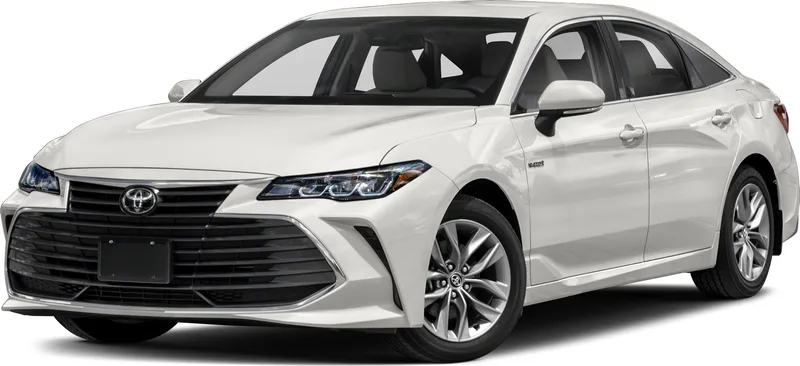
Toyota Avalon
Score: 80/100
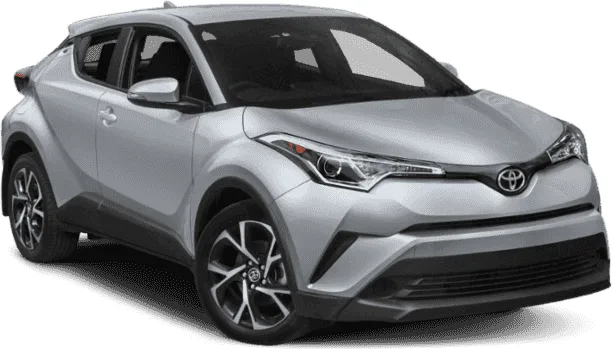
Toyota C-HR
Score: 80/100
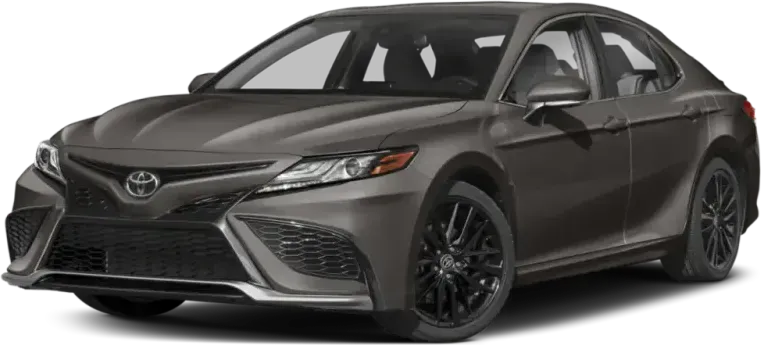
Toyota Camry
Score: 88/100
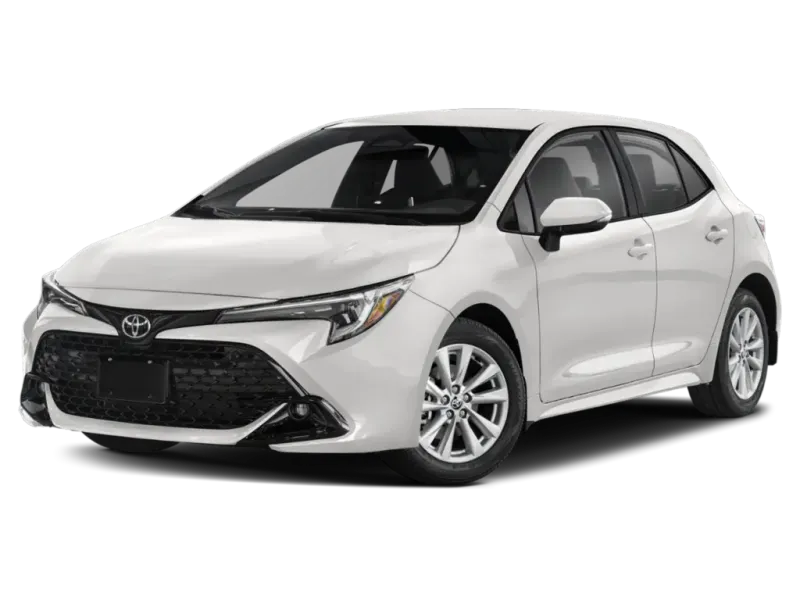
Toyota Corolla
Score: 94/100
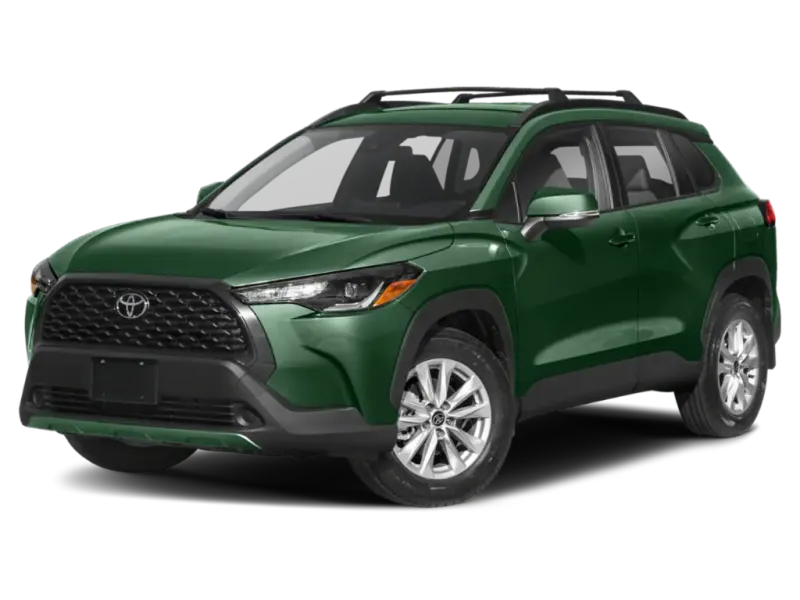
Toyota Corolla Cross
Score: 94/100
Browse More 2025 Vehicles
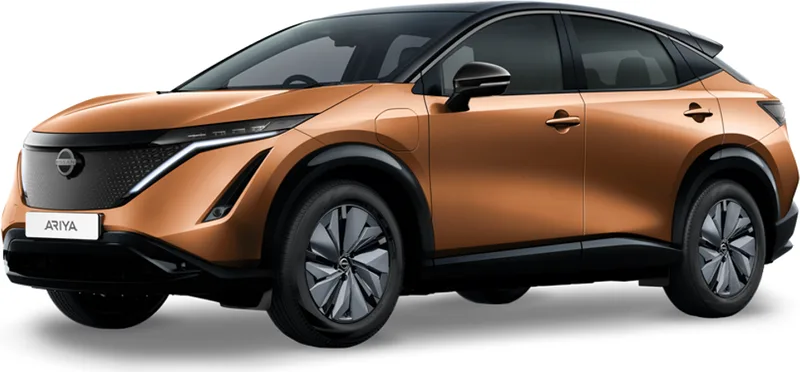
2025 Nissan Ariya
Score: 88/100
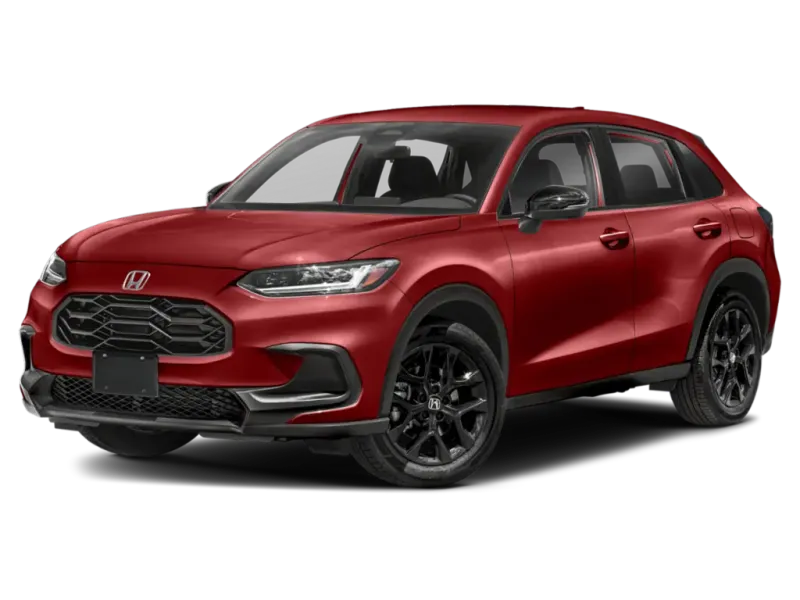
2025 Honda HR-V
Score: 88/100
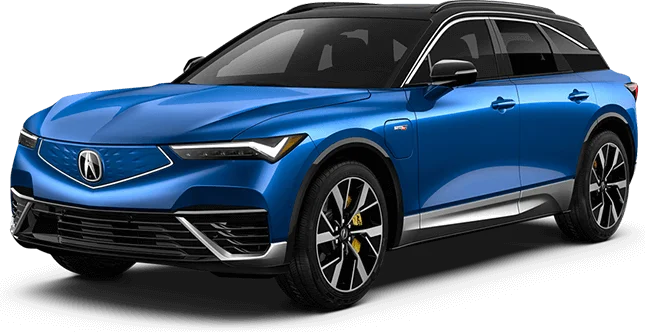
2025 Acura ZDX
Score: 88/100
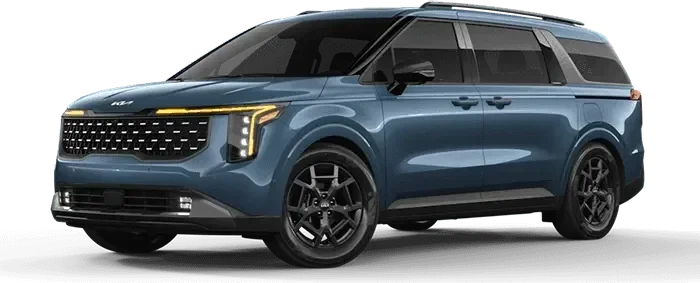
2025 Kia Carnival
Score: 88/100
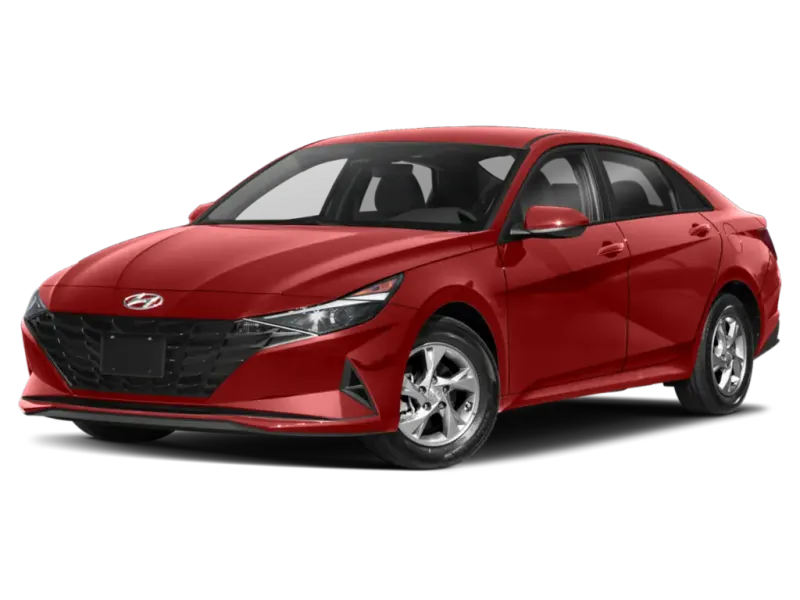
2025 Hyundai Elantra
Score: 87/100
2025 Toyota Corolla Cross
Score: 86/100
See incorrect data? Report an issue