Last updated: 2026-10-10
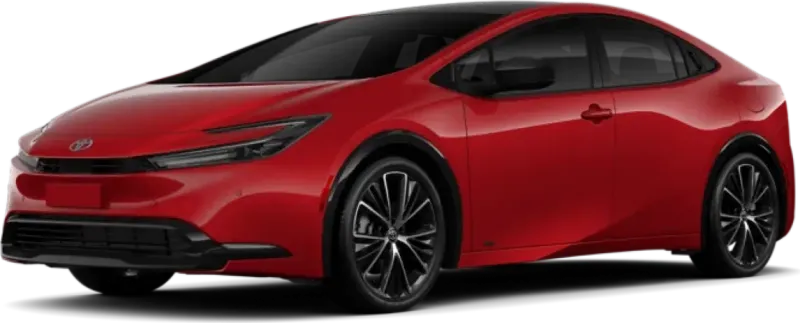
2023 Toyota Prius Reliability Report
The 2023 Toyota Prius rates good, but tire blowouts on 19-inch wheels and 12V battery no-starts are the problems to check.
Recalls
8
Complaints
18
Complaint Rate
5per 10,000 sold
Est. Repair Cost
$408
Annual Fuel Cost
$1,050–$1,250
Detailed Score Breakdown
Component-weighted complaints normalized by sales volume
Independent repair cost ratings
Recall count weighted by severity
Breadth of reported problem categories
The Verdict
First year of the fifth generation and the weakest of nine scored Prius years, mainly because of tire blowouts on 19-inch wheels and 12V battery no-starts.
Top Issues to Watch
- ELECTRICAL SYSTEM (3)
- TIRES (2)
- WHEELS (2)
Generation & Refresh (US)
2023 is the first model year of the Fifth generation (XW60).
- First-year models may have unresolved issues from the new design.
- Redesigned for the 2023 model year.
- Refreshed in 2024.
- 5th generation Prius (US).
What this means for buyers
First-year models carry more risk — early production issues are common. Consider waiting for the second year if reliability is a priority.
2023: Fifth generation (XW60) Launch
Generation start — new platform.
2024: Mid-Cycle Refresh
Updated features and styling tweaks.
Should You Buy the 2023 Toyota Prius?
Buy it with some checks. Reliability is good, and it sits above average among 2023 sedans. Independent repair-cost data puts yearly repairs at $408, against $526 for the class, and the federal crash-test rating is 5 of 5 stars. Still, this is the weakest of the nine scored Prius years. It is the first year of the fifth generation, and the 2022 and 2024 models rate about the same.
Tires and wheels are the main worry. Owners report sidewall failures and blowouts, some at around 25 mph, with no warning light first. Most involve the 19-inch Michelin tires. One car had 7 failures by 30,000 miles. Limited models with 19-inch wheels come without a spare. The second issue is electrical. Some cars will not start because the 12V battery goes dead, and dealers find nothing wrong. Others lose remote and door lock function. Federal records show 8 recalls, including electrical and latch or lock areas, and some owners wait on parts.
Check the wheel size and whether a spare is included. Ask the seller for tire replacement history and for proof that every recall repair is done.
Compared to the 2024 Toyota Prius, which scored 1 points higher. See also the 2022 Toyota Prius for an earlier comparison.
Pros
- +Acceptable reliability score
- +$118 cheaper to maintain than avg midsize cars
- +Low major repair risk (11%)
- +Below-average complaint rate for Sedan
Cons
- −Above-average recall count
- −ELECTRICAL SYSTEM: Car sometimes won't start because the 12V battery loses power for no clear... (3 complaints)
- −UNKNOWN OR OTHER: Windshield can crack with no impact (3 complaints)
Compare 2023 Toyota Prius With
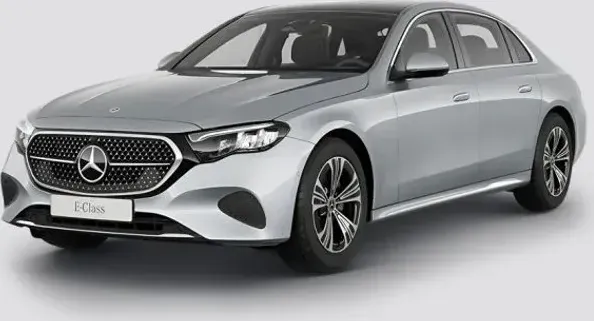
2023 Mercedes-Benz E-Class
Reliability: 63/100
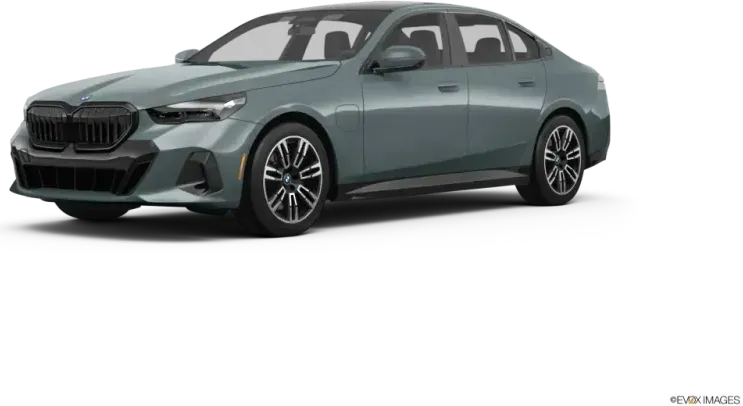
2023 BMW 5 Series
Reliability: 70/100

2023 Mercedes-Benz C-Class
Reliability: 53/100
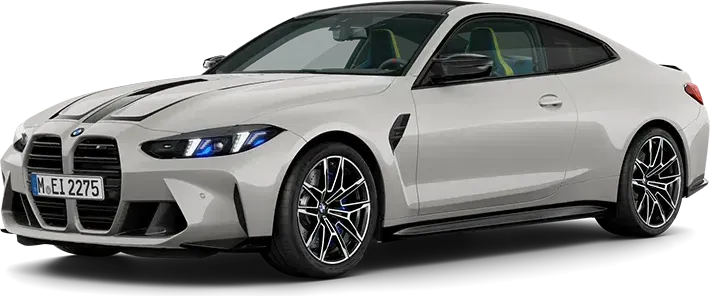
2023 BMW 4 Series
Reliability: 63/100
Common Problem Categories
Safety
LOW RISK- 8 manufacturer recalls issued
Other
HIGH RISK- ELECTRICAL SYSTEM (3)
- UNKNOWN OR OTHER (3)
Recall Overview
8
recalls on record
The 2023 Toyota Prius has 8 recalls on record, which is above average. A high count can flag multiple component concerns, though it also shows the manufacturer is actively addressing known issues.
NHTSA.gov →Complaint Breakdown
5
per 10,000 soldSegment avg: 14.4
Safety Incidents
1
Crashes
0
Fires
1
Injuries
1
Deaths
NHTSA 5/5 Stars
Data sourced from NHTSA complaint filings and manufacturer recall notices. Complaint narratives are owner-reported.
2023 Toyota Prius Recall Details
8 recalls have been issued for the 2023 Toyota Prius. All recall repairs are performed free of charge at authorized dealerships.
ELECTRICAL SYSTEM, LATCHES/LOCKS/LINKAGES
Toyota Motor Engineering & Manufacturing (Toyota) is recalling certain 2023-2024 Prius and Prius Prime vehicles. Water may enter the rear door switch and cause a short circuit, allowing an unlocked rear door to open unexpectedly.
Consequence
A door that unexpectedly opens while the vehicle is moving or during a crash increases the risk of injury.
Remedy
Dealers will replace both right and left rear door opener switches, free of charge. Owner letters were mailed August 9, 2024. Owners may contact Toyota customer service at 1-800-331-4331. Toyota's numbers for this recall are 24TB06 and 24TA06.
EQUIPMENT
Gulf States Toyota, Inc. (GST) is recalling certain Toyota 2023 GR Supra, 2024 4 Runner, Corolla, Grand Highlander, Grand Highlander Hybrid, Land Cruiser Hybrid, Tacoma, Tacoma Hybrid, 2023-2024 BZ4X, Corolla Cross Hybrid, GR Corolla, GR86, Highlander, Highlander Hybrid, Prius, Prius Prime, Sequoia Hybrid, Tundra, Tundra Hybrid, Venza Hybrid, 2023-2025 Crown, and 2025 Camry Hybrid vehicles equipped with GST accessories. The load carrying capacity modification label may display inaccurate added weight values. As such, these vehicles fail to comply with the requirements of Federal Motor Vehicle Safety Standard number 110, "Tire Selection and Rims."
Consequence
A vehicle with an incorrect maximum capacity weight value may be overloaded, which can increase the risk of a crash.
Remedy
GST will mail new labels to owners, free of charge. Owner notification letters were mailed September 16, 2024. Owners may contact GST customer service at 1-800-444-1074. GST's number for this recall is 24R2.
BACK OVER PREVENTION
Toyota Motor Engineering & Manufacturing (Toyota) is recalling certain 2022-2026 Toyota, Lexus, and Subaru Solterra vehicles equipped with a Panoramic View Monitor (PVM) system. Please see the recall report for a complete list of models. A software error may cause the rearview camera to freeze or display a blank screen when the vehicle is in reverse. As such, these vehicles fail to comply with the requirements of Federal Motor Vehicle Safety Standard (FMVSS) number 111, "Rear Visibility."
Consequence
A rearview camera that fails to display an image can reduce the driver's view behind the vehicle, increasing the risk of a crash.
Remedy
Dealers will update the parking assist software, free of charge. Owner letters were mailed January 2, 2026. Owners may contact Toyota's customer service at 1-800-331-4331. Toyota's numbers for this recall are 25TB13 and 25LB06. Subaru's number for this recall is WRE25.
Buying a used 2023 Toyota Prius? Check its history first
Electrical system problems lead owner complaints about the 2023 Toyota Prius, and 8 recalls were issued for it. A VIN check shows whether this car's recall work was done, plus accident, title, and odometer history.
- Accidents
- Open Recalls
- Title History
- Odometer Rollback
2023 Toyota Prius NHTSA Safety Ratings
Overall Safety Rating
Crash Test Results by Configuration (expand)
Gas Powertrain
Rollover risk: 10.2%
Safety Technologies
PHEV Powertrain
Rollover risk: 9.2%
Safety Technologies
Toyota PriusRepair Costs & Maintenance
Maintenance Rating
4Maintenance rating: 4 out of 5Based on NHTSA complaint patterns, recall severity, and publicly available cost benchmarks.
Est. Annual Maintenance
$408
vs $526 avg for midsize cars
vs $652 avg for all vehicles
Repair Frequency
0.5
unscheduled repair visits per year
Severe Repair Probability
11%
chance of a major repair
Annual Cost Comparison
Category-level averages derived from publicly available industry reports (AAA, CarMD). Model-level estimates produced by Auto Reliability Index.
Toyota Prius Resale Value
The Toyota Prius is estimated to retain about 58.1% of its original value after 5 years, based on observed used-car listings.
This benchmark covers the Toyota Prius model overall and is not specific to the 2023 model year.
- Value Retained
- 58.1%
- Depreciation
- 41.9%
- Listings Analyzed
- 123
after 5 years
over the same period
U.S. used-car listings
Listings observed in . This is a historical market benchmark, not a current price quote.
Explore Toyota Prius depreciation and resale value on CarResaleValue.comMPG & Annual Running Costs
Plug-in Hybrid
48–57 MPG
Running cost: $1,450–$1,650/yr
Fuel + repair
49–57 city / 47–56 hwy MPG
Running cost includes EPA fuel-cost estimate and independent repair-cost data (repair cost estimated at model level). Excludes routine maintenance, depreciation, and insurance. Data as of 2023 EPA label cycle.
Plug-in Hybrid trims
| Trim | Drive | Trans. | City | Hwy | Comb | Fuel Cost |
|---|---|---|---|---|---|---|
| Prius Prime SE 2.0L 4-cyl | Front-Wheel Drive | Automatic (variable gear ratios) | 53 | 51 | 52 | $1,150 |
| Prius Prime 2.0L 4-cyl | Front-Wheel Drive | Automatic (variable gear ratios) | 50 | 47 | 48 | $1,250 |
Used Buying Checklist
Key things to inspect or verify before purchasing a 2023 Toyota Prius.
Check whether the car has 19-inch wheels, since most complaints about sidewall failures and flats involve that size.
Inspect every tire sidewall for bulges, cuts, plugs, or patches near the edge of the tread.
Open the cargo area and confirm a spare tire or an unused puncture repair kit is there.
Look for cracks along the base of the windshield near the hood.
Close the rear hatch several times and check the plastic trim under the window for cracks or looseness.
Lock and unlock both front doors with the remote several times and confirm each door responds.
Ask for service records showing no-start events, 12V battery jump-starts, or dealer checks for battery drain.
Run the VIN through a recall lookup and confirm the dealer completed all open recall repairs.
2023 Toyota Prius Common Problems by Component
18 owner complaints grouped by vehicle system.
ELECTRICAL SYSTEM
3 complaintsThe car sometimes won't start because the 12V battery loses power for no clear reason. It then needs a jump, and the no-start returns repeatedly. Dealers find the battery fully charged with no parasitic drain, so no fix follows. Other reports describe the front door locks failing. The remote stops opening the doors even after a new key fob battery, and the fault can spread from the driver door to the passenger door. Some complaints describe a recall repair on hold because the dealer's parts are not yet available.
UNKNOWN OR OTHER
3 complaintsThe windshield can crack with no impact. The crack starts at the base near the hood and spreads into the driver's view, sometimes within the first 6 months, and dealers have treated it as an owner-paid repair. The plastic trim under the rear hatch window can also crack and work loose, raising worry that it could fall off on the road. Dealers have called that a probable warranty issue. Complaints also note that the rear seats have no air vents, so rear passengers get hot in summer.
TIRES
2 complaintsSidewalls fail and blowouts happen even at low speeds around 25 mph, with no warning light first. Most complaints center on the Michelin Primacy 195/50R19 tires, with repeated blowouts and replacements, sometimes with a different brand. Road debris damage can also be impossible to fix with the included puncture repair kit. On 17-inch Bridgestone Ecopia tires, a slashed tire has required replacing both the tire and the wheel. A blowout in traffic can leave the car stranded.
WHEELS (2 complaints)
WHEELS
2 complaintsFlats and sidewall failures happen far more often than owners expect, mostly on cars with 19-inch wheels. Reports describe 7 failures by 30,000 miles on a single car. Dealers often refuse to repair punctures near the tire's edge. Limited models with 19-inch wheels come without a spare, and the original Michelin 195/50R19 tires are described as hard to get from dealers or tire stores, which can leave a car running on a patched tire. Sudden sidewall failures are seen as a safety risk while driving.
SEAT BELTS (1 complaints)
SEAT BELTS
1 complaintBody / Liftgate The rear hatch unexpectedly dropped and fell on my head while the vehicle was stationary. The right-side rear hatch gas strut separated from the body at the mounting point. The left-side rear hatch gas strut had also shown signs of imminent failure and subsequently broke near its mounting point. This resulted in loss of hatch support and uncontrolled closure, creating a risk of head and upper-body injury. The failure appears related to structural stress at the strut mounting locations, not misuse. Seat Belt – Rear Center Passenger The rear center passenger seat belt upper cover can be easily pulled off by passengers, which breaks the plastic retaining tab. When the tab breaks, plastic fragments fall into the seat belt mechanism, causing the belt to jam and fail to retract properly. This results in impaired seat belt function, which is a safety concern for rear passengers. The vehicle has not been modified, and the failure occurred during normal use. Vehicle mileage at time of incident was approximately 150,000 miles. The rear center passenger seat belt issue has been present since the vehicle was new. The rear center passenger seat belt mechanism was replaced twice by the dealer during the warranty period, with one replacement performed as a goodwill repair after Toyota Corporate declined coverage. Despite these repairs, the same issue reoccurred, indicating a persistent design-related vulnerability rather than isolated misuse. The issue results in seat belt jamming and failure to retract, which is a safety concern.
STRUCTURE (1 complaints)
STRUCTURE
1 complaintThe rear plastic where the handle to open the truck is easily damaged and can cause water or damage inside the vehicle.
POWER TRAIN (1 complaints)
POWER TRAIN
1 complaintThe contact owns a 2023 Toyota Prius. The contact stated that while sitting in traffic with the brake pedal depressed, the vehicle started rolling backward even though the gear shifter was in drive(D). The contact stated that upon attempting to accelerate, the vehicle failed to respond and continued to roll backward. The contact stated that after turning off and restarting the vehicle, the vehicle responded as needed. There was no warning light illuminated. The vehicle was not diagnosed or repaired by a dealer or an independent mechanic. The manufacturer was not notified of the failure. The failure mileage was unknown.
SERVICE BRAKES (1 complaints)
SERVICE BRAKES
1 complaintThe 12 volt battery was low, apparently from opening and closing doors during a camping trip. After a few days of sitting unused, I attempted to drive the vehicle. I pushed the start button and the car indicated that it was "ready". When I went to shift the transmission into Drive, the transmission went into Neutral instead and stuck there. At the same time, "low battery" indicators began flashing and the displays started blanking out and flashing. I again attempted to shift into Drive so that I could initiate the gas engine and recharge the battery while driving. However, I could not shift out of neutral and then the car went out of "ready" mode but was still powering accessories. When I attempted to restart the car, it would not let me because it was in neutral. At this time, I tried to shift back into park (push-button) and got an error message that said, Parking Brake Unavailable. So here I am with a vehicle that I need to start to get the battery charged but it won't let me out of Neutral or into Park, which prevents it from starting. Repeated attempts to get the car into Park electronically were not successful and there is not a manual parking brake. The issue is that there was no way to exit the vehicle to get help without risk of it rolling away. And from a technical standpoint, while there was not enough power to shift into park or actuate the parking brake, the vehicle was still powering all non-critical functions like infotainment system, AC, convenience lights, windshield wipers, headlights, parking lights, etc. Some things could be powered down, others could not. It seems to me that, in the absence of a manual parking brake, powering the parking system electronically should have priority over all other systems. In short, I was stuck in the vehicle with my foot on the brake pedal to prevent a rollaway accident. Had I not realized this, I easily could have exited and been run over trying to pop my hood for a jump start. Or rolled over the people downhill.
FORWARD COLLISION AVOIDANCE (1 complaints)
FORWARD COLLISION AVOIDANCE
1 complaintThe car was being driven on US287 south from Wichita Falls, TX toward Fort Worth, Texas on an open road, in the middle of the afternoon, in clear sunshine, no clouds, no rain. On a stretch of the highway where the road dipped down into a gully, and had a normal rise afterwards, the automatic braking system activated, gave a warning of an impending collision and applied the brakes to stop the car HARD. Luckily, there was no traffic ahead or behind the vehicle at the time of the incident. The car came almost to a stop before it realized that there was no danger ahead of the vehicle and the automatic braking system released from the emergency situation at about 5 mph. If there had been cars on the highway following the vehicle, it is doubtful that they would have been able to slow down in time to prevent a rear end collision. The vehicle was slowed down in a maximum breaking action on an open highway, with an open road ahead of the vehicle. The system interpreted a hill ahead of the car as a danger to be avoided.
STEERING (1 complaints)
STEERING
1 complaintSafety-relatedDriving at highway speed on Interstate 30. Warning lights came on the dashboard. The Prius began to stall. Could not steer vehicle to shoulder. Prius came to a stop in the outside lane of travel. Rear-ended by Tractor Trailer rig. Passenger died. Driver sustained serious injuries. Witnesses called 911 prior to the collision to report that a vehicle had stalled on the interstate with its flashers on.
Best & Worst Toyota Prius Years
Best Toyota Prius Years to Buy
Based on reliability index scoreToyota Prius Years to Avoid
No Toyota Prius years are statistical outliers in our data.
Scores stay between 76 and 84 across 9 scored model years.
Toyota Prius Reliability Score Trend
Scores 0–100. Higher is better. Current year highlighted.
| Year | Score | Rating |
|---|---|---|
| 2018 | 78/100 | Good |
| 2019 | 77/100 | Good |
| 2020 | 79/100 | Good |
| 2021 | 82/100 | Excellent |
| 2022 | 78/100 | Good |
| 2023 | 76/100 | Good |
| 2024 | 77/100 | Good |
| 2025 | 78/100 | Good |
| 2026 | 84/100 | Excellent |
Toyota Prius Reliability Compared to Other Years
2023 Toyota Prius Reliability by Powertrain
The 2023 Toyota Prius is available with 2powertrain options. Here's how they compare on reliability.
| Powertrain | Complaints | Recalls | Incidents* | Crash Rating |
|---|---|---|---|---|
| Gas | 15 | 4 | 1 | 5 out of 5 |
| PHEV | 3 | 4 | 0 | 5 out of 5 |
| Total | 18 | 8 | 1 |
NHTSA tracks complaints by vehicle configuration when that detail is available. Model-level reports that do not identify a specific powertrain are included in Total but not assigned to a row. A plus sign indicates a confirmed minimum; — means no complaints could be attributed to that specific powertrain. N/T = Not tested by NHTSA.
* Incidents = crash + fire reports. A single complaint can include multiple incident types.
Frequently Asked Questions
Is the 2023 Toyota Prius reliable?
What are the most common problems with the 2023 Toyota Prius?
Does the 2023 Toyota Prius have tire problems?
How many recalls does the 2023 Toyota Prius have?
How does the 2023 Toyota Prius compare with the 2022 and 2024 models?
Don’t buy a 2023 Toyota Prius without checking its VIN first — hidden accidents, title issues, and open recalls could cost you thousands.
How we score the 2023 Toyota Prius
Of the four inputs behind this score, the 2023 Toyota Prius does best on repair costs (80/100) and worst on recall impact (71/100). Scores weight complaint severity at 35%, repair costs at 30%, recall impact at 20%, and the spread of complaints across systems at 15%, with complaint counts adjusted for US sales. Read the full methodology.
Get notified when new recalls or reliability data is added for the Toyota Prius.
No spam. Only data updates for this model.
Browse More Toyota Models

Toyota 4Runner
Score: 84/100
Toyota Avalon
Score: 80/100
Toyota C-HR
Score: 80/100
Toyota Camry
Score: 88/100
Toyota Corolla
Score: 94/100
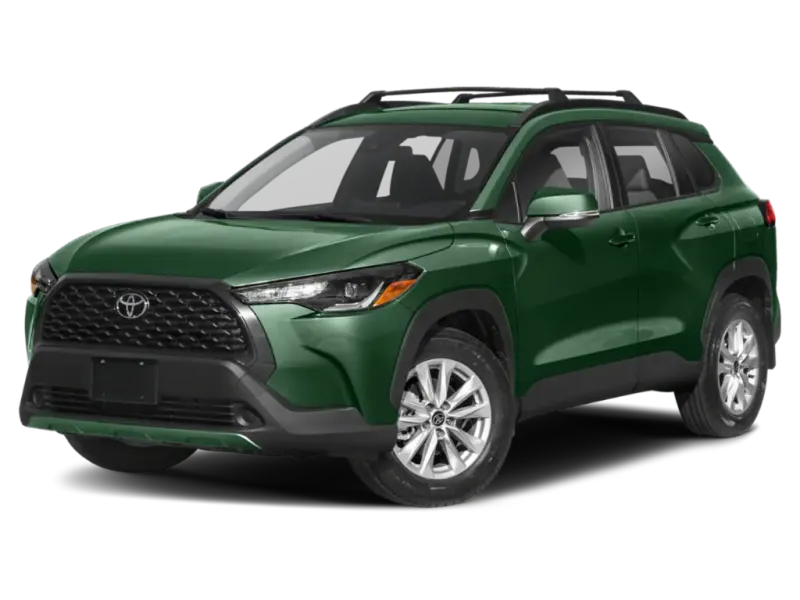
Toyota Corolla Cross
Score: 94/100
Browse More 2023 Vehicles
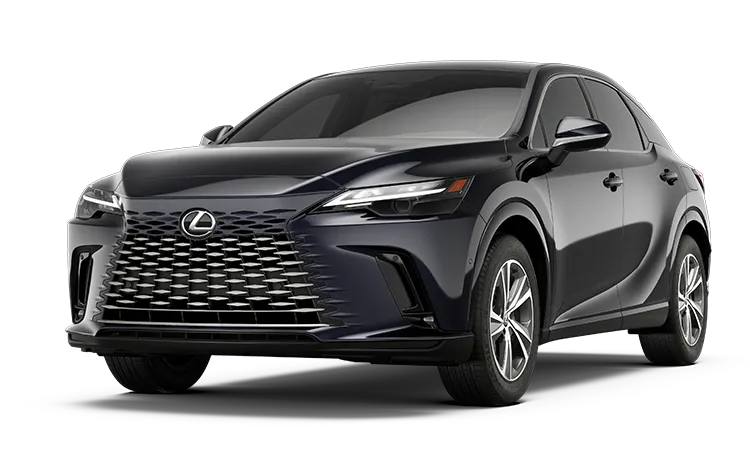
2023 Lexus RX
Score: 85/100
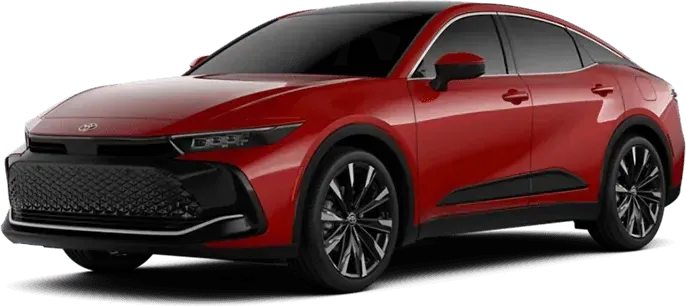
2023 Toyota Crown
Score: 84/100
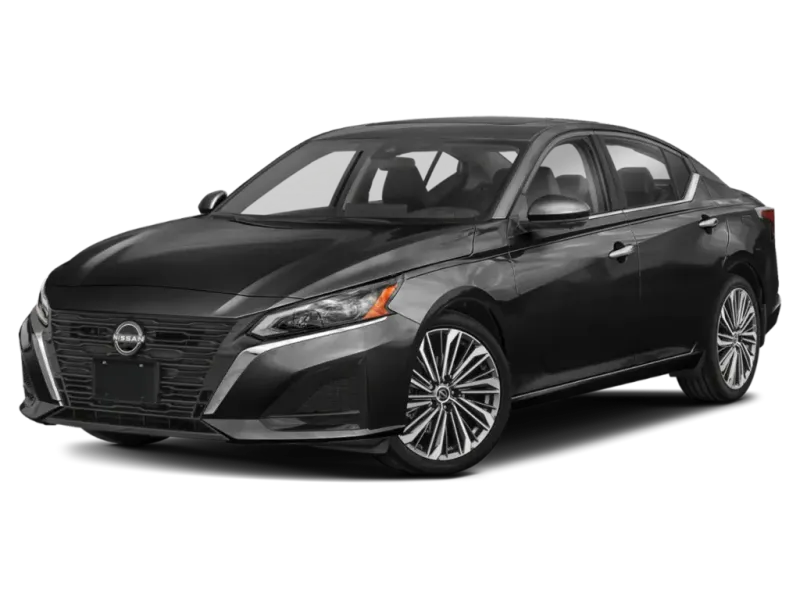
2023 Nissan Altima
Score: 84/100
2023 Lexus IS
Score: 83/100
2023 Acura RDX
Score: 82/100
2023 Kia Carnival
Score: 82/100
See incorrect data? Report an issue