Last updated: 2026-10-10
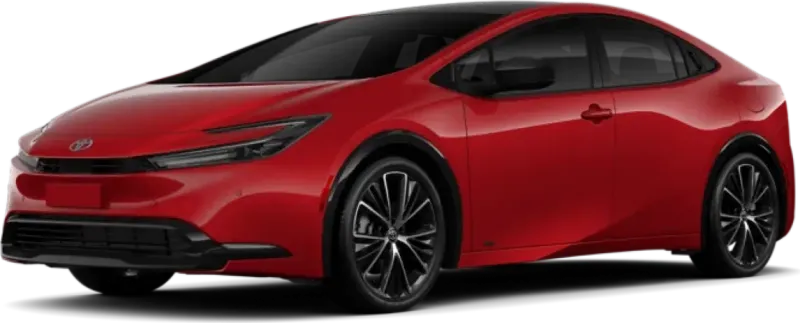
2019 Toyota Prius Reliability Report
The 2019 Toyota Prius has good reliability, well above most 2019 sedans, but owners report early brake rotor wear and airbag complaints after crashes.
Recalls
5
Complaints
36
Complaint Rate
5.2per 10,000 sold
Est. Repair Cost
$408
Annual Fuel Cost
$1,050–$1,300
Detailed Score Breakdown
Component-weighted complaints normalized by sales volume
Independent repair cost ratings
Recall count weighted by severity
Breadth of reported problem categories
The Verdict
Good standing against other 2019 sedans, but among the weaker Prius years, with brake rotor wear and airbag non-deployment complaints leading the filings.
Top Issues to Watch
- SERVICE BRAKES (5)
- ELECTRICAL SYSTEM (4)
- AIR BAGS (4)
Generation & Refresh (US)
2019 is 1 year after the facelift refresh.
- Year 4 in the Fourth generation (XW50) (2016–2021).
- Well-established in its generation — most early issues should be resolved.
- 4th generation Prius (US).
What this means for buyers
Post-refresh years tend to be among the most refined — updates have been applied and early kinks worked out.
2016: Fourth generation (XW50) Launch
Generation start — new platform.
2018: Mid-Cycle Refresh
Updated features and styling tweaks.
2019: This Model Year
2019 is 1 year after the facelift refresh.
Should You Buy the 2019 Toyota Prius?
Reliability is good, and well above average among 2019 sedans. Within the Prius lineup it sits among the weaker of nine scored years. It earned 5 of 5 federal crash-test stars, and independent repair-cost data puts yearly repairs at $408 against $526 for its class. The 2018 and 2020 rate about the same.
Brakes draw the most complaints. Owners describe grooved, overheated, corroded rotors, with squealing, grinding and a pulsing pedal. One report describes losing power brake assist at 55 mph, fixed with a new brake booster and master cylinder. Four owners say airbags did not deploy in crashes. Others describe the car surging at parking-lot speeds while the brakes failed to stop it. Tires also lose air or blow out at low mileage, often with no warning first. Federal recall records list five recalls, covering the hybrid propulsion system, stability control, service brakes, electrical system and equipment.
Ask the seller for proof that every recall was completed, plus brake service records. Inspect the tires and rotors, and look closely at the airbag system on any car with a crash history.
Compared to the 2020 Toyota Prius, which scored 2 points higher. See also the 2018 Toyota Prius for an earlier comparison.
Pros
- +Acceptable reliability score
- +$118 cheaper to maintain than avg midsize cars
- +Low major repair risk (11%)
- +Below-average complaint rate for Sedan
Cons
- −Moderate recall count
- −UNKNOWN OR OTHER: Coolant leaks internally from the exhaust center pipe and drains the reservoir (7 complaints)
- −SERVICE BRAKES: Brake rotors groove, overheat, and corrode early (5 complaints)
Compare 2019 Toyota Prius With
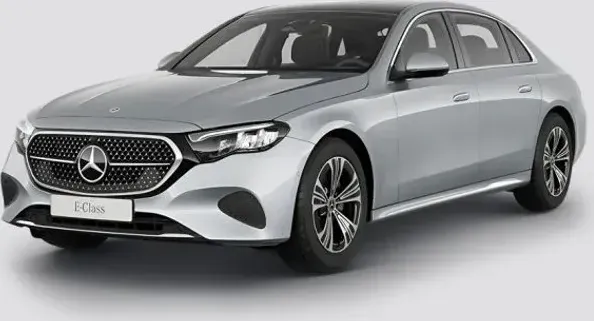
2019 Mercedes-Benz E-Class
Reliability: 54/100
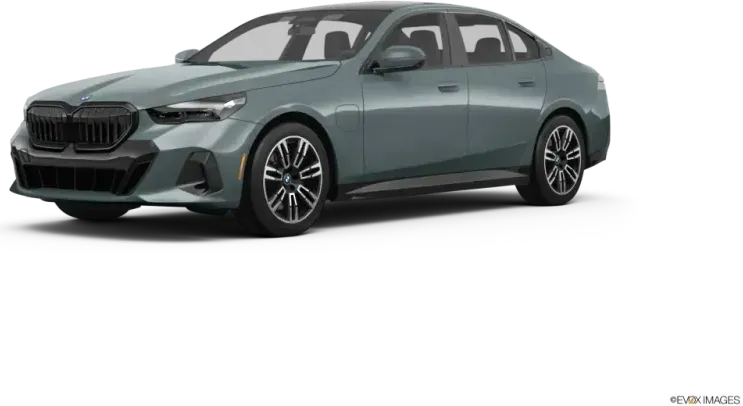
2019 BMW 5 Series
Reliability: 62/100

2019 Mercedes-Benz C-Class
Reliability: 50/100
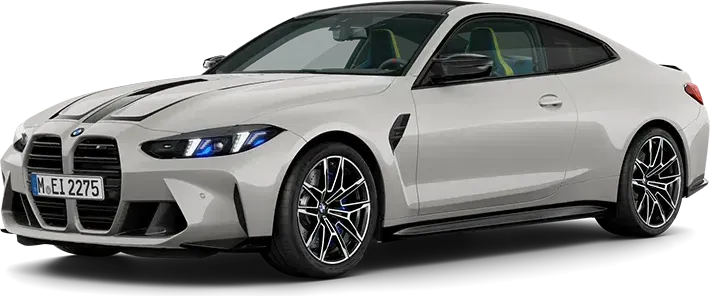
2019 BMW 4 Series
Reliability: 55/100
Common Problem Categories
Safety
LOW RISK- 5 manufacturer recalls issued
Other
HIGH RISK- UNKNOWN OR OTHER (7)
- SERVICE BRAKES (5)
Recall Overview
5
recalls on record
A moderate 5 recalls are on file for the 2019 Toyota Prius. Each one points to a specific safety or compliance issue identified by the manufacturer or NHTSA — check the list below before buying.
NHTSA.gov →Complaint Breakdown
5.2
per 10,000 soldSegment avg: 19.1
Safety Incidents
7
Crashes
0
Fires
2
Injuries
0
Deaths
NHTSA 5/5 Stars
Data sourced from NHTSA complaint filings and manufacturer recall notices. Complaint narratives are owner-reported.
2019 Toyota Prius Recall Details
5 recalls have been issued for the 2019 Toyota Prius. All recall repairs are performed free of charge at authorized dealerships.
EQUIPMENT
Gulf States Toyota (GST) is recalling certain 2019 C-HR, 4Runner, Avalon, Avalon Hybrid, Camry, Camry Hybrid, Highlander, Land Cruiser, Prius, RAV4, Sequoia, Tacoma, Sienna, Tundra and Yaris vehicles. The text on the load capacity label may become illegible. As such, these vehicles fail to comply with the requirements of Federal Motor Vehicle Safety Standard (FMVSS) number 110, "Tire Selection and Rims."
Consequence
If the driver cannot read the label, they may unknowingly overload the vehicle, increasing the risk of a crash.
Remedy
GST will notify owners, and dealers will provide corrected load carrying capacity modification labels, free of charge. The recall began May 24, 2019. Owners may contact GST customer service at 1-800-444-1074. GST's number for this recall is 19R1.
HYBRID PROPULSION SYSTEM
Toyota Motor Engineering & Manufacturing (Toyota) is recalling certain 2018-2019 Prius C vehicles. The DC-DC converter may fail resulting in the auxiliary battery no longer receiving power from the converter, which may cause a loss of drive.
Consequence
A loss of drive increases the risk of crash.
Remedy
Toyota will notify owners, and dealers will replace the DC-DC converter with a new one, as necessary, free of charge. The recall began August 23, 2019. Owners may contact Toyota customer service at 1-888-270-9371. Toyota's number for this recall is K0K.
ELECTRONIC STABILITY CONTROL (ESC), SERVICE BRAKES
Toyota Motor Engineering & Manufacturing (Toyota) is recalling certain 2019 Lexus LS500, LC500, ES300h, UX250h, LS500h, Toyota Prius, RAV4 HV, 2019-2020 Toyota Prius Prime, and 2020 Corolla HV vehicles. The brake booster pump may fail causing a deactivation of the Vehicle Stability Control system and a loss of braking assist. As such, these vehicles fail to comply with the requirements of Federal Motor Vehicle Safety Standard (FMVSS) number 126, "Electronic Stability Control Systems."
Consequence
Deactivation of the vehicle stability control system or a loss of braking assist increases the risk of a crash.
Remedy
Toyota will notify owners, and dealers will inspect and, if necessary, replace the brake booster pump, free of charge. The recall began September 20, 2019. Toyota owners may contact Toyota customer service at 1-888-270-9371 and Lexus owners may contact Lexus customer service at 1-800-255-3987. Toyota's numbers for this recall are K1L/K0L. Lexus' numbers for this recall are K2F/KLF.
Buying a used 2019 Toyota Prius? Check its history first
Service brakes problems lead owner complaints about the 2019 Toyota Prius, and 5 recalls were issued for it. A VIN check shows whether this car's recall work was done, plus accident, title, and odometer history.
- Accidents
- Open Recalls
- Title History
- Odometer Rollback
2019 Toyota Prius NHTSA Safety Ratings
Overall Safety Rating
Crash Test Results by Configuration (expand)
Gas Powertrain
Rollover risk: 10.7%
Safety Technologies
PHEV Powertrain
Rollover risk: 0.0%
Safety Technologies
Toyota PriusRepair Costs & Maintenance
Maintenance Rating
4Maintenance rating: 4 out of 5Based on NHTSA complaint patterns, recall severity, and publicly available cost benchmarks.
Est. Annual Maintenance
$408
vs $526 avg for midsize cars
vs $652 avg for all vehicles
Repair Frequency
0.5
unscheduled repair visits per year
Severe Repair Probability
11%
chance of a major repair
Annual Cost Comparison
Category-level averages derived from publicly available industry reports (AAA, CarMD). Model-level estimates produced by Auto Reliability Index.
Toyota Prius Resale Value
The Toyota Prius is estimated to retain about 58.1% of its original value after 5 years, based on observed used-car listings.
This benchmark covers the Toyota Prius model overall and is not specific to the 2019 model year.
- Value Retained
- 58.1%
- Depreciation
- 41.9%
- Listings Analyzed
- 123
after 5 years
over the same period
U.S. used-car listings
Listings observed in . This is a historical market benchmark, not a current price quote.
Explore Toyota Prius depreciation and resale value on CarResaleValue.comMPG & Annual Running Costs
Plug-in Hybrid
46–56 MPG
Running cost: $1,450–$1,700/yr
Fuel + repair
48–58 city / 43–53 hwy MPG
Running cost includes EPA fuel-cost estimate and independent repair-cost data (repair cost estimated at model level). Excludes routine maintenance, depreciation, and insurance. Data as of 2019 EPA label cycle.
Plug-in Hybrid trims
| Trim | Drive | Trans. | City | Hwy | Comb | Fuel Cost |
|---|---|---|---|---|---|---|
| Prius Prime 1.8L 4-cyl | Front-Wheel Drive | Automatic (variable gear ratios) | 55 | 53 | 54 | $1,100 |
Used Buying Checklist
Key things to inspect or verify before purchasing a 2019 Toyota Prius.
Check the coolant reservoir level and ask for records of exhaust pipe coolant leak repairs.
Look over the roof panel for rust bubbles or paint lifting.
In an open lot, shift into reverse at low speed and confirm the car moves backward smoothly without surging.
On the test drive, feel for brake pedal pulsation, listen for grinding, and check the rotors for corrosion or grooves.
Watch the dash for brake, anti-lock, or pre-collision warnings during startup and the test drive.
Check all four tires for bulges, exposed belts, or a wobble at speed, and confirm the pressure warning system works.
On a Prius Prime, check whether there is a spare tire, since the car comes with only a puncture repair kit.
Ask for any crash history and have a shop check the airbag system for stored faults.
2019 Toyota Prius Common Problems by Component
36 owner complaints grouped by vehicle system.
UNKNOWN OR OTHER
7 complaintsCoolant leaks internally from the exhaust center pipe and drains the reservoir. The engine temperature light may stay off until the coolant is gone. Out-of-warranty repair quotes run over $2000, and one leak showed up at 70,000 miles. Other reports describe rust coming through the roof from the inside, stalling in the rain, and a pedestrian warning sound that is hard to hear or not working. One report says a navigation setting can only be changed while driving. In another, the car moved forward after the driver selected reverse.
SERVICE BRAKES
5 complaintsBrake rotors groove, overheat, and corrode early. Drivers hear squealing and grinding and feel the brake pedal pulse. One Prius Prime went back for rotor problems twice in 6 weeks at 20,000 miles. Corroded rotors were not covered under warranty. More serious reports describe losing power brake assist at 55 mph along with braking-power-low and anti-lock warnings, which took a new brake booster and master cylinder to fix. Another describes false braking and steering interference that started after a brake service.
ELECTRICAL SYSTEM
4 complaintsSafety-relatedAt parking-lot speeds, the car surges forward or backward on its own and the brakes do not stop it. Two such reports ended in crashes, and in one the dealer found nothing wrong. A rain-related fault turns on a parking assist sensor warning that keeps beeping even after the sensors are cleaned. It stops once the rain does. Separately, a Prius Prime's doors locked on their own while it was charging, at 1,080 miles.
AIR BAGS (4 complaints)
AIR BAGS
4 complaintsSafety-relatedAirbags fail to deploy in collisions, including crashes that totaled the car and hits to the passenger side. All 4 reports involve crashes, and 2 report injuries. Two of the complaints also say the brakes did not respond when the driver pressed the pedal. In one the car slid into a stopped vehicle, and in the other it accelerated unexpectedly after being rear-ended. Any Prius with a crash history deserves a close look at the airbag system.
WHEELS (4 complaints)
WHEELS
4 complaintsTires lose air, blow out, or develop snapped belt cords that cause a wobble. Several owners say no tire pressure warning came on first. One blowout at 70 mph caused a loss of control. Failures show up at low mileage, and one set had cords snapped on all four tires at 44K miles. Prius Prime owners point out that the car has no spare tire, only a puncture repair kit. That kit cannot fix a tire that is badly damaged.
VEHICLE SPEED CONTROL (3 complaints)
VEHICLE SPEED CONTROL
3 complaintsSafety-relatedThe car accelerates while the driver brakes into a parking space. That report involves a crash, and the manufacturer's inspection found no problem. Another complaint describes the car dropping from 55 mph to a stop within seconds on a freeway exit, with the accelerator unresponsive for a few seconds afterward. A third describes the whole instrument panel going blank on a new car at 61 miles, and the technician could not find the cause.
TIRES (3 complaints)
TIRES
3 complaintsTread separates from the sidewalls at 70 mph with no tire pressure alert, and a front-end shimmy can get bad enough to shake the cabin. Belts also fail early. One set showed exposed steel belting and snapped cords on all four tires at 44K miles. Another blowout came at 27,540 miles on the factory original Toyo NanoEnergy tires. Dunlop Enasave is the other brand named in these reports. One driver stopped safely on a grass median after a blowout.
POWER TRAIN (2 complaints)
POWER TRAIN
2 complaintsThe exhaust heat-exchanger coolant pipe leaks. Losing coolant can cause sudden overheating and reduced power or a shutdown while driving. A dealer called one car unsafe to drive until the pipe was replaced, quoted $2,249, and said the part was on back order with no ETA. Another complaint describes the pre-collision system becoming unavailable and a loud cranking noise from the engine about a month after purchase. The dealer found the PCS sensor missing from that car.
ENGINE AND ENGINE COOLING (1 complaints)
ENGINE AND ENGINE COOLING
1 complaintThe contact owns a 2019 Toyota Prius. The contact stated there was a coolant leak and the coolant level was low. There was no indication of coolant on the ground. The check engine and engine HOT warning lights were illuminated. The contact stated that the failure was related to TSB: 0135-19. The vehicle was taken to the local dealer where it was diagnosed that there was a coolant leak in the front exhaust pipe heat exchanger. The parts to repair the vehicle were on backorder. The vehicle was not repaired. The manufacturer was not contacted. The failure mileage was approximately 95,000.
SEAT BELTS (1 complaints)
SEAT BELTS
1 complaintThe issue is with the back middle seat belt. When the back right passenger seat, which is a 2/3 seat is placed down in order to accommodate long pieces of lumber, it remains stuck there as the seatbelt for the middle seat will not release. The seatbelt mechanism for the middle seat is located in the 2/3 seat which is stuck in the down position. Therefore, we cannot use the middle seat nor the back right seat because the seatbelt for the middle seat is locked in place and not releasing. So the back right seat is lying down and stuck there as the seatbelt for the middle seat is locked unable to release. Living alone, I rarely use the middle seat for passengers. Honestly, that seatbelt has probably only been used five times in five years. Obviously, this poses a Safety problem.
Best & Worst Toyota Prius Years
Best Toyota Prius Years to Buy
Based on reliability index scoreToyota Prius Years to Avoid
No Toyota Prius years are statistical outliers in our data.
Scores stay between 76 and 84 across 9 scored model years.
Toyota Prius Reliability Score Trend
Scores 0–100. Higher is better. Current year highlighted.
| Year | Score | Rating |
|---|---|---|
| 2018 | 78/100 | Good |
| 2019 | 77/100 | Good |
| 2020 | 79/100 | Good |
| 2021 | 82/100 | Excellent |
| 2022 | 78/100 | Good |
| 2023 | 76/100 | Good |
| 2024 | 77/100 | Good |
| 2025 | 78/100 | Good |
| 2026 | 84/100 | Excellent |
Toyota Prius Reliability Compared to Other Years
2019 Toyota Prius Reliability by Powertrain
The 2019 Toyota Prius is available with 2powertrain options. Here's how they compare on reliability.
| Powertrain | Complaints | Recalls | Incidents* | Crash Rating |
|---|---|---|---|---|
| Gas | 28 | 4 | 7 | 5 out of 5 |
| PHEV | 8 | 1 | 0 | N/T |
| Total | 36 | 5 | 7 |
NHTSA tracks complaints by vehicle configuration when that detail is available. Model-level reports that do not identify a specific powertrain are included in Total but not assigned to a row. A plus sign indicates a confirmed minimum; — means no complaints could be attributed to that specific powertrain. N/T = Not tested by NHTSA.
* Incidents = crash + fire reports. A single complaint can include multiple incident types.
Frequently Asked Questions
Is the 2019 Toyota Prius reliable?
What are the most common problems with the 2019 Toyota Prius?
Does the 2019 Toyota Prius have brake problems?
How many recalls does the 2019 Toyota Prius have?
Is the 2019 Toyota Prius better than the 2018 or 2020?
Don’t buy a 2019 Toyota Prius without checking its VIN first — hidden accidents, title issues, and open recalls could cost you thousands.
How we score the 2019 Toyota Prius
Of the four inputs behind this score, the 2019 Toyota Prius does best on how many systems draw complaints (84/100) and worst on recall impact (71/100). Scores weight complaint severity at 35%, repair costs at 30%, recall impact at 20%, and the spread of complaints across systems at 15%, with complaint counts adjusted for US sales. Read the full methodology.
Get notified when new recalls or reliability data is added for the Toyota Prius.
No spam. Only data updates for this model.
Browse More Toyota Models

Toyota 4Runner
Score: 84/100
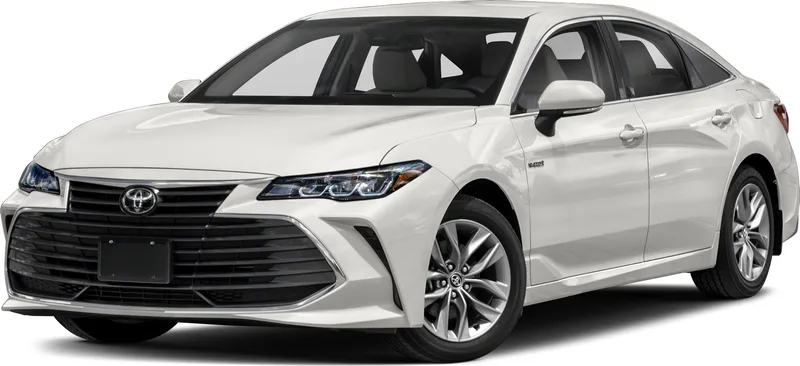
Toyota Avalon
Score: 80/100
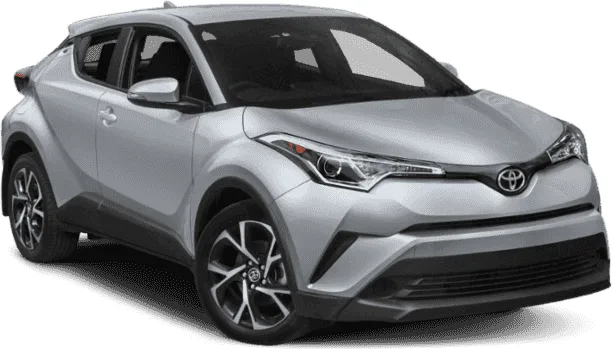
Toyota C-HR
Score: 80/100
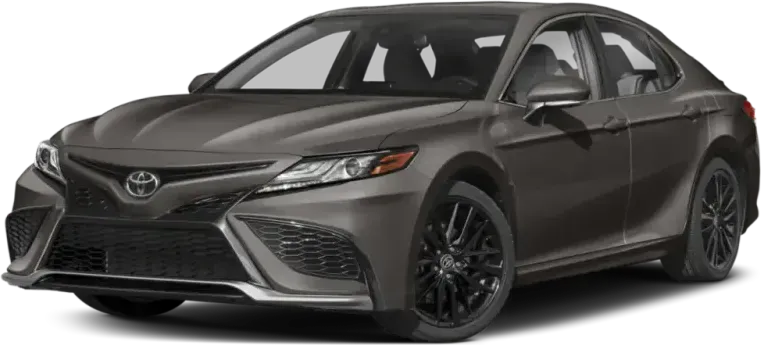
Toyota Camry
Score: 88/100
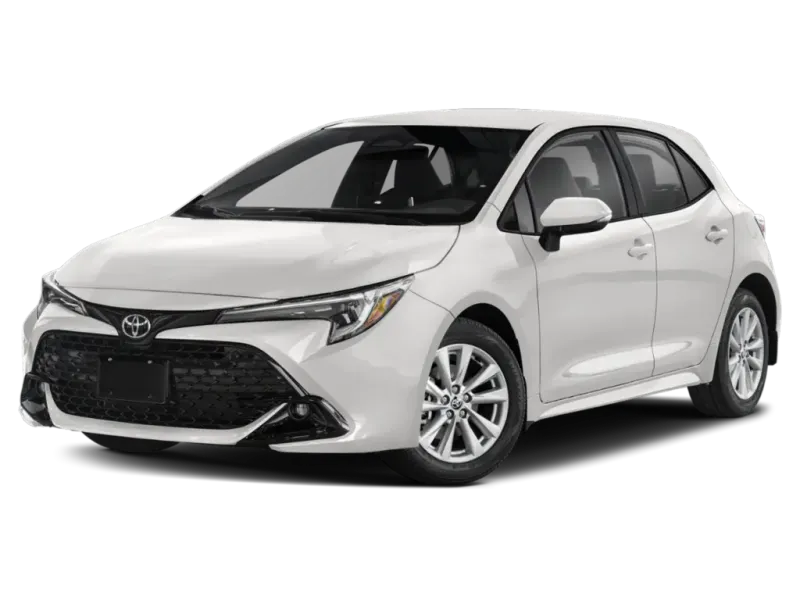
Toyota Corolla
Score: 94/100
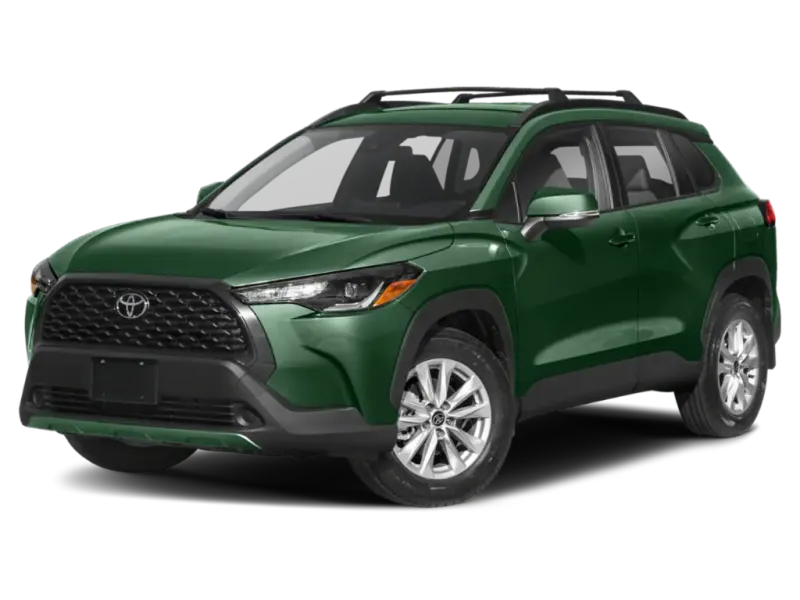
Toyota Corolla Cross
Score: 94/100
Browse More 2019 Vehicles
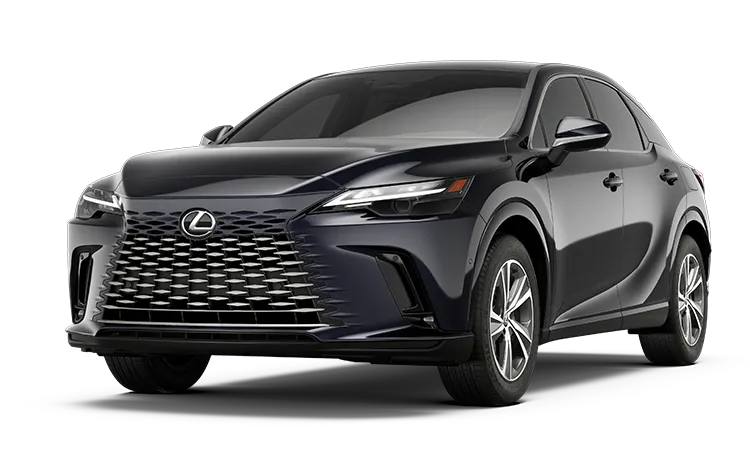
2019 Lexus RX
Score: 82/100
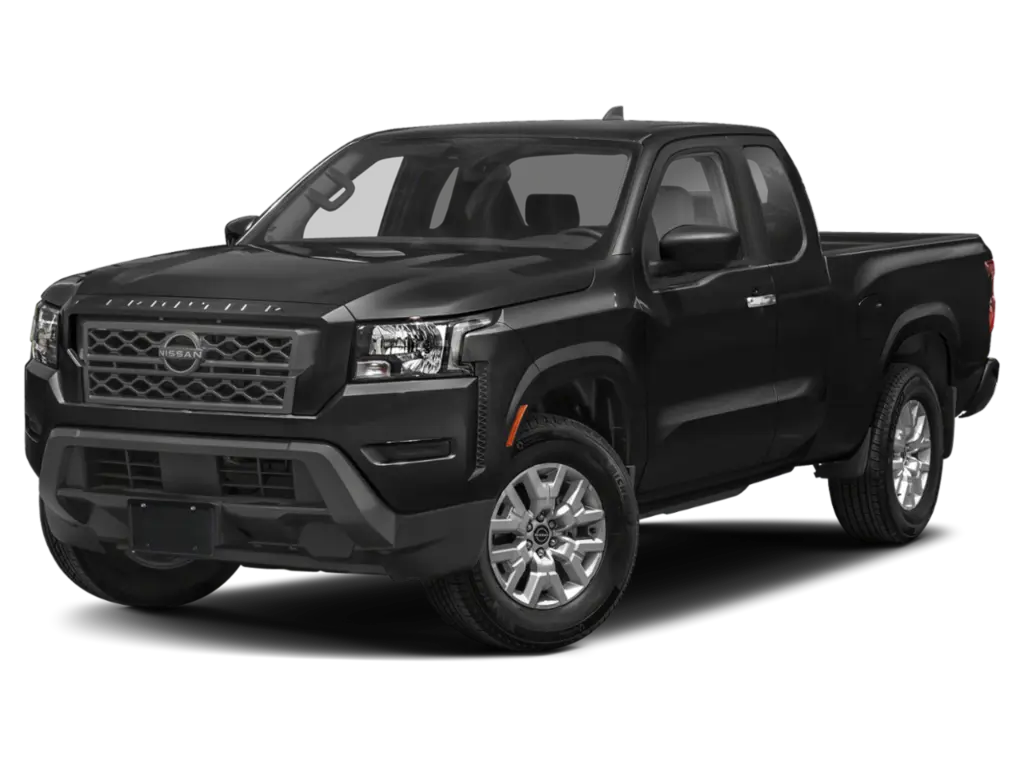
2019 Nissan Frontier
Score: 80/100
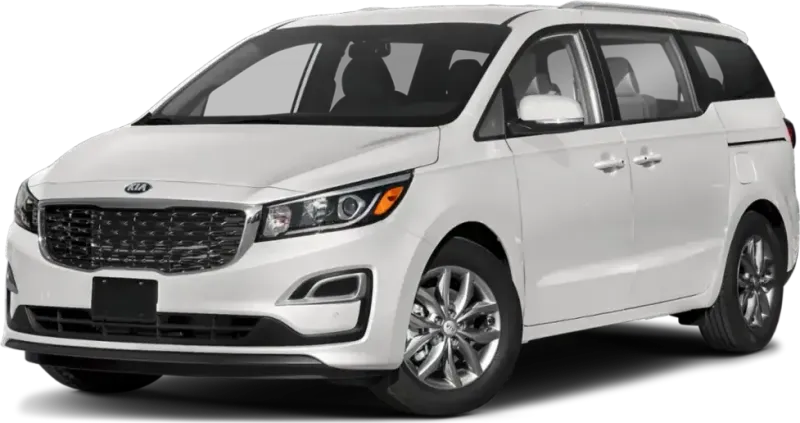
2019 Kia Sedona
Score: 80/100

2019 Lexus IS
Score: 79/100
2019 Chevrolet Impala
Score: 79/100
2019 Mazda 3
Score: 78/100
See incorrect data? Report an issue