Last updated: 2026-10-10
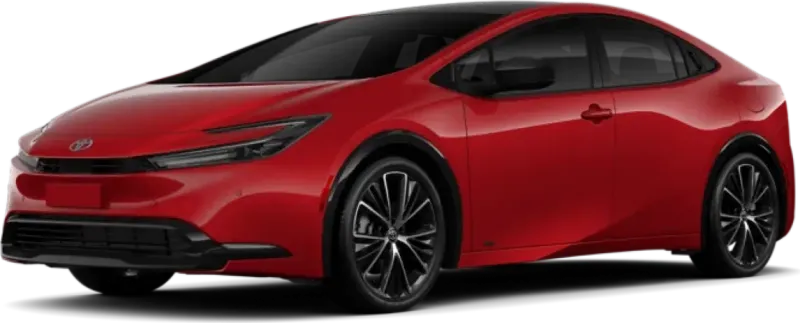
2020 Toyota Prius Reliability Report
The 2020 Toyota Prius has good reliability and low repair costs, but owners report sudden low-speed surges and early tire sidewall failures.
Recalls
1
Complaints
30
Complaint Rate
6.9per 10,000 sold
Est. Repair Cost
$408
Annual Fuel Cost
$1,050–$1,300
Detailed Score Breakdown
Component-weighted complaints normalized by sales volume
Independent repair cost ratings
Recall count weighted by severity
Breadth of reported problem categories
The Verdict
Strong for its class with one recall, though owners report sudden low-speed surges, dark screens, and early tire sidewall failures.
Top Issues to Watch
- VISIBILITY/WIPER (5)
- ELECTRICAL SYSTEM (4)
- TIRES (4)
Generation & Refresh (US)
2020 is 2 years after the facelift refresh.
- Year 5 in the Fourth generation (XW50) (2016–2021).
- Well-established in its generation — most early issues should be resolved.
- 4th generation Prius (US).
What this means for buyers
Post-refresh years tend to be among the most refined — updates have been applied and early kinks worked out.
2016: Fourth generation (XW50) Launch
Generation start — new platform.
2018: Mid-Cycle Refresh
Updated features and styling tweaks.
2020: This Model Year
2020 is 2 years after the facelift refresh.
Should You Buy the 2020 Toyota Prius?
Good reliability, and a solid pick among used sedans. Owner complaints and recall records put this year well above the average 2020 sedan, and among the stronger of the nine scored Prius years. Independent repair-cost data estimates about $408 a year to keep it running, against $526 for its class. It also earned five stars in federal crash testing.
The complaints that matter are about control. Owners describe the car surging at low speed while leaving a parking lot or entering a garage, in some cases ending in a fence, pole, or curb. One driver reported the transmission dropping into neutral on the freeway. Dashboard and media screens can go dark while driving, which hides the defrost and climate controls. Tire sidewalls have also bulged or blown out, once at 3400 miles. One federal recall covers electronic stability control and service brakes.
Ask the seller for proof that the recall work was done, plus any tire replacement records. The 2019 rates about the same but has more complaints and recalls. The 2021 rates better and has no recalls.
Compared to the 2021 Toyota Prius, which scored 3 points higher. See also the 2019 Toyota Prius for an earlier comparison.
Pros
- +Acceptable reliability score
- +$118 cheaper to maintain than avg midsize cars
- +Low major repair risk (11%)
- +Low recall count
Cons
- −VISIBILITY/WIPER: Frost forms on the inside of the windshield while the car is parked, and... (5 complaints)
- −ELECTRICAL SYSTEM: Sudden full-throttle acceleration at low speed is the most serious pattern here (4 complaints)
Compare 2020 Toyota Prius With
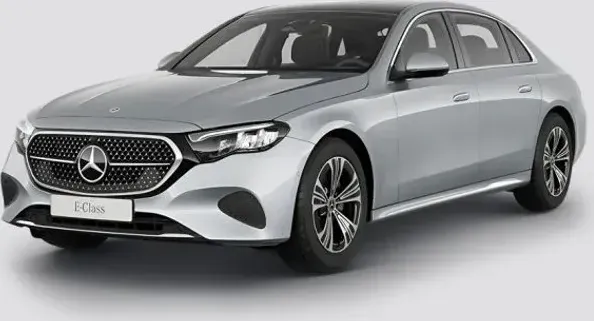
2020 Mercedes-Benz E-Class
Reliability: 56/100
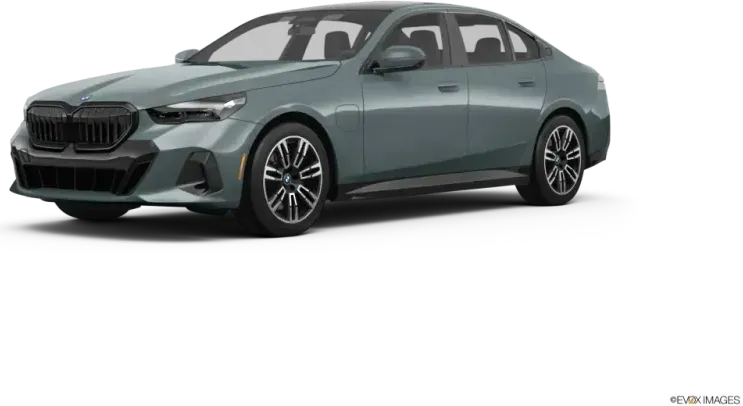
2020 BMW 5 Series
Reliability: 67/100

2020 Mercedes-Benz C-Class
Reliability: 43/100
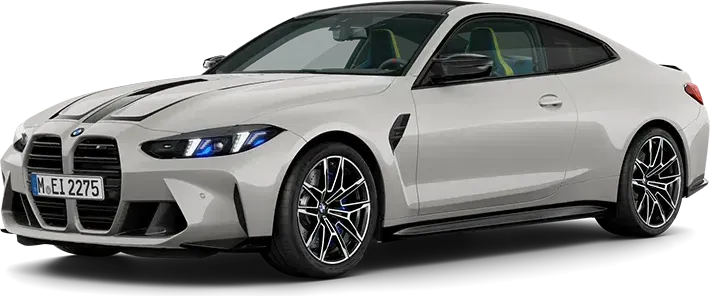
2020 BMW 4 Series
Reliability: 52/100
Common Problem Categories
Safety
LOW RISK- 1 manufacturer recall issued
Other
HIGH RISK- VISIBILITY/WIPER (5)
- ELECTRICAL SYSTEM (4)
Recall Overview
1
recall on record
The 2020 Toyota Prius carries 1 recall — a low count. Authorized dealers repair any open recall free of charge, regardless of warranty status.
NHTSA.gov →Complaint Breakdown
6.9
per 10,000 soldSegment avg: 17.9
Safety Incidents
11
Crashes
0
Fires
6
Injuries
0
Deaths
NHTSA 5/5 Stars
Data sourced from NHTSA complaint filings and manufacturer recall notices. Complaint narratives are owner-reported.
2020 Toyota Prius Recall Details
1 recall has been issued for the 2020 Toyota Prius. All recall repairs are performed free of charge at authorized dealerships.
ELECTRONIC STABILITY CONTROL (ESC), SERVICE BRAKES
Toyota Motor Engineering & Manufacturing (Toyota) is recalling certain 2019 Lexus LS500, LC500, ES300h, UX250h, LS500h, Toyota Prius, RAV4 HV, 2019-2020 Toyota Prius Prime, and 2020 Corolla HV vehicles. The brake booster pump may fail causing a deactivation of the Vehicle Stability Control system and a loss of braking assist. As such, these vehicles fail to comply with the requirements of Federal Motor Vehicle Safety Standard (FMVSS) number 126, "Electronic Stability Control Systems."
Consequence
Deactivation of the vehicle stability control system or a loss of braking assist increases the risk of a crash.
Remedy
Toyota will notify owners, and dealers will inspect and, if necessary, replace the brake booster pump, free of charge. The recall began September 20, 2019. Toyota owners may contact Toyota customer service at 1-888-270-9371 and Lexus owners may contact Lexus customer service at 1-800-255-3987. Toyota's numbers for this recall are K1L/K0L. Lexus' numbers for this recall are K2F/KLF.
Buying a used 2020 Toyota Prius? Check its history first
Visibility/wiper problems lead owner complaints about the 2020 Toyota Prius, and 1 recall was issued for it. A VIN check shows whether this car's recall work was done, plus accident, title, and odometer history.
- Accidents
- Open Recalls
- Title History
- Odometer Rollback
2020 Toyota Prius NHTSA Safety Ratings
Overall Safety Rating
Crash Test Results by Configuration (expand)
Gas Powertrain
Rollover risk: 10.7%
Safety Technologies
PHEV Powertrain
Rollover risk: 0.0%
Safety Technologies
Toyota PriusRepair Costs & Maintenance
Maintenance Rating
4Maintenance rating: 4 out of 5Based on NHTSA complaint patterns, recall severity, and publicly available cost benchmarks.
Est. Annual Maintenance
$408
vs $526 avg for midsize cars
vs $652 avg for all vehicles
Repair Frequency
0.5
unscheduled repair visits per year
Severe Repair Probability
11%
chance of a major repair
Annual Cost Comparison
Category-level averages derived from publicly available industry reports (AAA, CarMD). Model-level estimates produced by Auto Reliability Index.
Toyota Prius Resale Value
The Toyota Prius is estimated to retain about 58.1% of its original value after 5 years, based on observed used-car listings.
This benchmark covers the Toyota Prius model overall and is not specific to the 2020 model year.
- Value Retained
- 58.1%
- Depreciation
- 41.9%
- Listings Analyzed
- 123
after 5 years
over the same period
U.S. used-car listings
Listings observed in . This is a historical market benchmark, not a current price quote.
Explore Toyota Prius depreciation and resale value on CarResaleValue.comMPG & Annual Running Costs
Plug-in Hybrid
46–56 MPG
Running cost: $1,450–$1,700/yr
Fuel + repair
48–58 city / 43–53 hwy MPG
Running cost includes EPA fuel-cost estimate and independent repair-cost data (repair cost estimated at model level). Excludes routine maintenance, depreciation, and insurance. Data as of 2020 EPA label cycle.
Plug-in Hybrid trims
| Trim | Drive | Trans. | City | Hwy | Comb | Fuel Cost |
|---|---|---|---|---|---|---|
| Prius Prime 1.8L 4-cyl | Front-Wheel Drive | Automatic (variable gear ratios) | 55 | 53 | 54 | $1,100 |
Used Buying Checklist
Key things to inspect or verify before purchasing a 2020 Toyota Prius.
Ease into several parking spaces at walking speed and confirm the car never surges and the brakes hold.
Make firm stops from moderate speed and feel for pedal vibration or a sliding sensation.
Inspect every tire sidewall for bulges or ballooning, and note the tire brand.
Have a shop read stored engine, throttle, transmission, and hybrid system warning codes.
Watch the gauge display and touchscreen for blanking, and test heat, air conditioning, and defrost controls.
On the highway, confirm the transmission stays in drive and never drops to neutral by itself.
Look under the hood for chewed wiring or a damaged air filter.
Check the windshield near the camera for cracks and both outside mirror glasses for looseness.
2020 Toyota Prius Common Problems by Component
30 owner complaints grouped by vehicle system.
VISIBILITY/WIPER
5 complaintsSafety-relatedFrost forms on the inside of the windshield while the car is parked, and clearing it takes 20 minutes or more. One report adds that the wipers turn water and snow into ice. Other complaints describe a long crack spreading from under the camera area after defroster use at about 8000 miles, and outside mirror glass falling off while driving. In that case the dealer replaced the whole mirror. The one crash-related report involves an aftermarket dashboard cover that blocked a sensor and darkened the screen while reversing, ending in a low-speed bump.
ELECTRICAL SYSTEM
4 complaintsSafety-relatedSudden full-throttle acceleration at low speed is the most serious pattern here. Two reports describe the car surging while leaving a parking lot or entering a garage, then hitting a fence or a pole. One crash injured the driver and triggered a check-engine warning about engine, throttle, or transmission control. Separately, screens go dark. The instrument display stops showing speed, fuel, and odometer, and the media touchscreen blanks partly or fully while driving. That cuts off access to heat, air conditioning, and defrost controls.
TIRES
4 complaintsSidewalls blow out or balloon with little warning. This happens at highway speed on smooth pavement and at low speed right after a full stop. Failures come early: one at 3400 miles, another at 24k, where the dealer found bulging on all four tires. One report names the original-equipment Toyo NanoEnergy A41 in 195/65R15 size. Another involves replacement Goodyear Assurance MaxLife tires. None of these complaints reports a crash, but a blowout at highway speed carries a real risk of losing control.
POWER TRAIN (4 complaints)
POWER TRAIN
4 complaintsSafety-relatedThe car accelerates on its own while creeping into a parking spot. In one case it jumped a curb and hit two vehicles. Another report describes the transmission dropping from drive into neutral on the freeway with no driver input, leaving the car without power until it was shifted back. Rodents chewing through wiring and the air filter set off a check hybrid system warning and rough running, and the dealer bill came to $13066.81. One complaint covers transmission and suspension repairs after a tow.
SERVICE BRAKES (3 complaints)
SERVICE BRAKES
3 complaintsSafety-relatedThe brake pedal fails to stop the car. Two of the three complaints end in crashes, with two people injured. In one, the brakes did not respond on the highway in a car with 700 miles, and the car was totaled. In another, the car sped up instead of stopping while parking in a garage. A third report, at about 67,000 miles, describes a vibrating pedal and an on-ice feel at 40 mph with no warning light. Both crash reports describe brake failure and sudden acceleration happening together.
UNKNOWN OR OTHER (3 complaints)
UNKNOWN OR OTHER
3 complaintsSafety-relatedSudden surging while pulling slowly into a parking space dominates this category. Drivers say the car shot forward even after they moved to the brake. One of these surges ended in a crash into a concrete pole that injured the driver. Another owner reports two surges about a year apart. The first time, collision-avoidance braking stopped the car short of a fence. The third complaint mentions the original dealership tires but does not describe a failure.
VEHICLE SPEED CONTROL (3 complaints)
VEHICLE SPEED CONTROL
3 complaintsSafety-relatedSudden acceleration at parking-lot speeds, around 5 mph, is the only pattern, and all three complaints end in crashes. Drivers describe the car surging while turning or pulling into a space, with the brakes failing to slow it, wheels squealing, and no warning lights. Cars jumped curbs, went into bushes, sideswiped a parked car, and hit a wall. In every report that mentions a dealer, the car was not diagnosed or repaired. Reported mileages are 15,670 and about 54,300.
AIR BAGS (2 complaints)
AIR BAGS
2 complaintsSafety-relatedNo air bag deploys in either reported crash. In one, the car surges forward while parking at 14,000 miles and hits a building, severely damaging the front end. In the other, a driver who ran a red light strikes the car. The owner reports that the anti-collision sensors and the air bag both failed to respond, and two people were injured.
BACK OVER PREVENTION (1 complaints)
BACK OVER PREVENTION
1 complaintAfter heavy rains, the car says the park assist doesn't work, as well as the parking sensor system. There is a warning sign that says it doesn't work.
ELECTRONIC STABILITY CONTROL (ESC) (1 complaints)
ELECTRONIC STABILITY CONTROL (ESC)
1 complaintPROXIMITY SENSORS GENERATED AN ALERT THAT PARKING ASSISTANCE SENSORS NEEDED CLEANING DURING MODERATE RAIN CLEANING THE SENSORS DID NOT RESOLVE THE ISSUE. STOPPED AT DEALER TO HAVE IT CHECKED AND WAS ADVISED THAT THE SENSOR DO THAT IN INCLEMENT WEATHER AND I WOULD NEED TO LEARN TO LIVE WITH IT. IF IT WAS JUST THE PARKING SENSORS IT WOULD NOT BE AS SIGNIFICANT BUT I DID DETERMINE THE FRONT ACCIDENT ASSISTANCE DID NOT FUNCTION AS IT SHOULD HAVE - AS I APPROACHED A VEHICLE IN FRONT OF ME WITH CRUISE CONTROL THE SPEED REDUCTION THAT WAS SUPPOSED TO OCCUR DID NOT HAPPEN. HAD I NOT BEEN CHECKING TO SEE WHAT WOULD HAPPEN IF THE PROXIMITY SENSORS WERE MALFUNCTIONING IT COULD HAVE RESULTED IN AN ACCIDENT. I DID NOT ATTEMPT ANY OTHER ACTIONS WHICH RELY ON PROXIMITY SENSORS TO FUNCTION AS I DID NOT WANT TO CAUSE OR BE INVOLVED IN AN ACCIDENT. I WAS DRIVING AT THE TIME AND I EXPECT THAT ALTHOUGH THE ALERT SPECIFICALLY MENTIONED PARKING SENSORS, THE FACT THAT THE CAR DID NOT SLOW AS TOYOTA HAS INDICATED IT SHOULD LEADS BE TO BELIEVE THAT ANY AND ALL "DRIVER ASSISTANCE TECHNOLOGIES" MAY FAIL WHEN THAT ALERT OCCURS RESULTING IN POTENTIAL ACCIDENTS AND INJURIES THE VSC OFF INDICATOR WAS FLASHING AT THE TIME. *TR
Best & Worst Toyota Prius Years
Best Toyota Prius Years to Buy
Based on reliability index score2021
2020
(Current Model)
2022
Toyota Prius Years to Avoid
No Toyota Prius years are statistical outliers in our data.
Scores stay between 76 and 84 across 9 scored model years.
Toyota Prius Reliability Score Trend
Scores 0–100. Higher is better. Current year highlighted.
| Year | Score | Rating |
|---|---|---|
| 2018 | 78/100 | Good |
| 2019 | 77/100 | Good |
| 2020 | 79/100 | Good |
| 2021 | 82/100 | Excellent |
| 2022 | 78/100 | Good |
| 2023 | 76/100 | Good |
| 2024 | 77/100 | Good |
| 2025 | 78/100 | Good |
| 2026 | 84/100 | Excellent |
Toyota Prius Reliability Compared to Other Years
2020 Toyota Prius Reliability by Powertrain
The 2020 Toyota Prius is available with 2powertrain options. Here's how they compare on reliability.
| Powertrain | Complaints | Recalls | Incidents* | Crash Rating |
|---|---|---|---|---|
| Gas | 14 | 0 | 6 | 5 out of 5 |
| PHEV | 16 | 1 | 5 | N/T |
| Total | 30 | 1 | 11 |
NHTSA tracks complaints by vehicle configuration when that detail is available. Model-level reports that do not identify a specific powertrain are included in Total but not assigned to a row. A plus sign indicates a confirmed minimum; — means no complaints could be attributed to that specific powertrain. N/T = Not tested by NHTSA.
* Incidents = crash + fire reports. A single complaint can include multiple incident types.
Frequently Asked Questions
Is the 2020 Toyota Prius reliable?
What are the most common problems with the 2020 Toyota Prius?
Does the 2020 Toyota Prius have unintended acceleration problems?
Has the 2020 Toyota Prius been recalled?
Is the 2020 Toyota Prius better than the 2021?
Don’t buy a 2020 Toyota Prius without checking its VIN first — hidden accidents, title issues, and open recalls could cost you thousands.
How we score the 2020 Toyota Prius
Of the four inputs behind this score, the 2020 Toyota Prius does best on recall impact (88/100) and worst on complaint severity (71/100). Scores weight complaint severity at 35%, repair costs at 30%, recall impact at 20%, and the spread of complaints across systems at 15%, with complaint counts adjusted for US sales. Read the full methodology.
Get notified when new recalls or reliability data is added for the Toyota Prius.
No spam. Only data updates for this model.
Browse More Toyota Models

Toyota 4Runner
Score: 84/100
Toyota Avalon
Score: 80/100
Toyota C-HR
Score: 80/100
Toyota Camry
Score: 88/100
Toyota Corolla
Score: 94/100
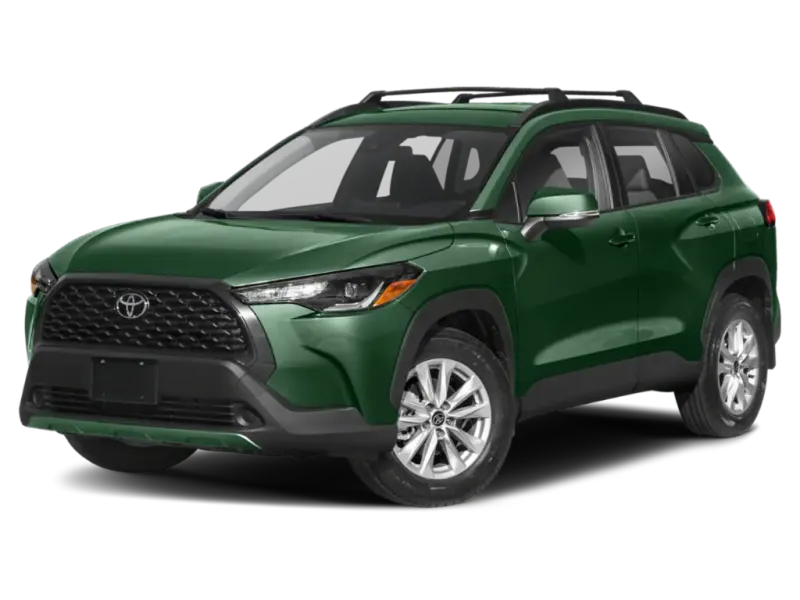
Toyota Corolla Cross
Score: 94/100
Browse More 2020 Vehicles
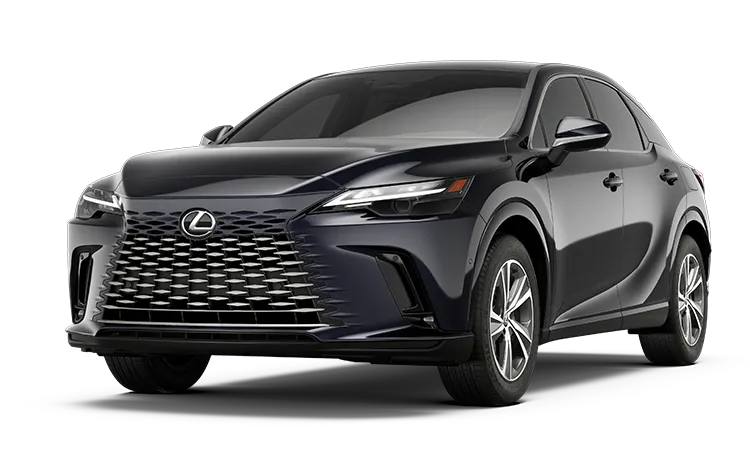
2020 Lexus RX
Score: 86/100
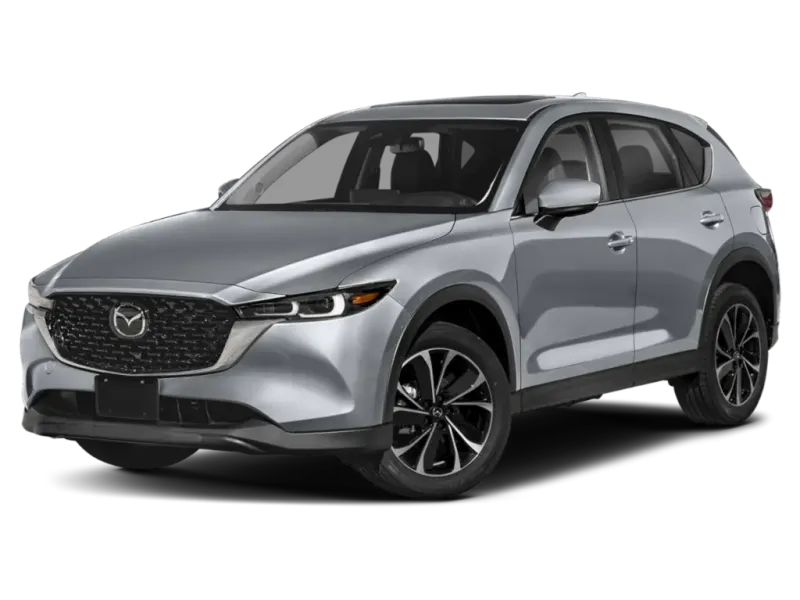
2020 Mazda CX-5
Score: 86/100
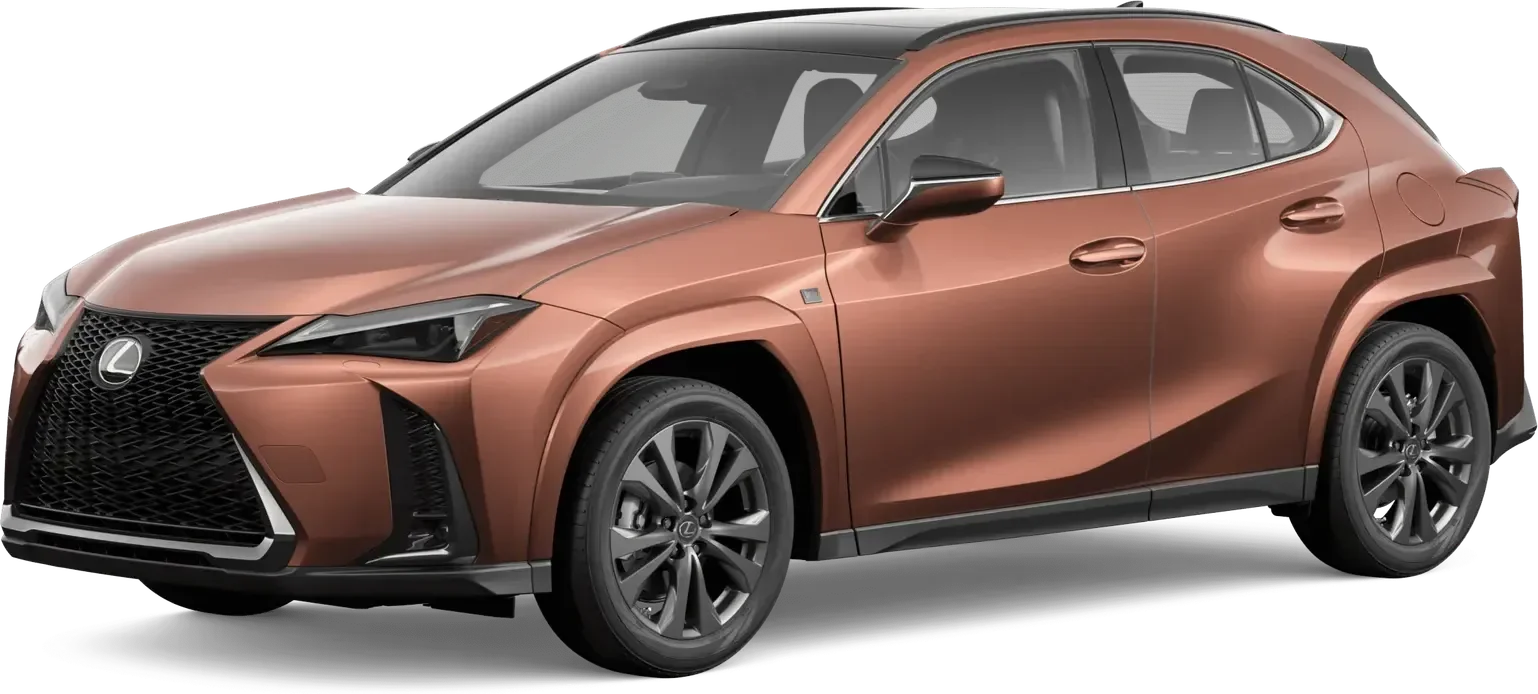
2020 Lexus UX
Score: 84/100
2020 Lexus ES
Score: 83/100
2020 Lexus IS
Score: 83/100
2020 Dodge Grand Caravan
Score: 83/100
See incorrect data? Report an issue