Last updated: 2026-10-10
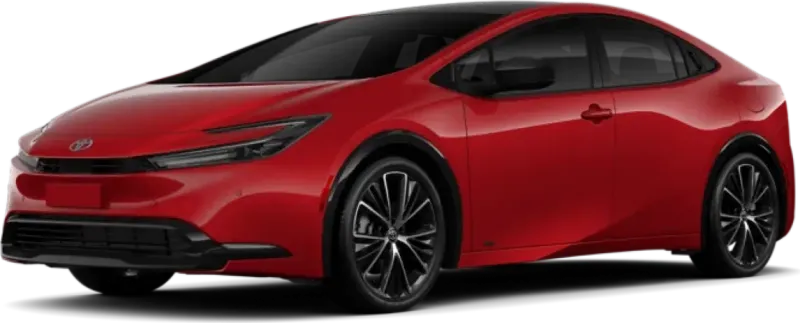
2021 Toyota Prius Reliability Report
The 2021 Toyota Prius has excellent reliability and no recalls, though a few owners report sudden low-speed surges while parking.
Recalls
0
Complaints
15
Complaint Rate
2.5per 10,000 sold
Est. Repair Cost
$408
Annual Fuel Cost
$1,050–$1,200
Detailed Score Breakdown
Component-weighted complaints normalized by sales volume
Independent repair cost ratings
Recall count weighted by severity
Breadth of reported problem categories
The Verdict
Excellent reliability with no recalls and about half the complaints of 2020 and 2022, but a few reports of low-speed surges while parking.
Top Issues to Watch
- FORWARD COLLISION AVOIDANCE (2)
- ELECTRICAL SYSTEM (2)
- POWER TRAIN (2)
Generation & Refresh (US)
2021 is the last model year of the Fourth generation (XW50).
- Final-year models are typically the most refined version of a generation.
- 3 years after the last refresh (2018).
- 4th generation Prius (US).
What this means for buyers
Final-year models are usually the most polished version of a generation, but resale value may dip as buyers anticipate the next redesign.
2016: Fourth generation (XW50) Launch
Generation start — new platform.
2018: Mid-Cycle Refresh
Updated features and styling tweaks.
2021: This Model Year
2021 is the last model year of the Fourth generation (XW50).
Should You Buy the 2021 Toyota Prius?
Reliability for this year is excellent, well above the average 2021 sedan and among the stronger of nine scored Prius years. Owners filed 15 complaints, and federal recall records list none. The 2020 and 2022 models rate worse, with about twice the complaints and recalls on file for each. Independent repair-cost data puts model-wide upkeep at $408 a year against $526 for the class.
The serious reports are about control, not wear. Two owners describe a sudden surge at very low speed while parking, with no pedal input. Both crashed, and two people were injured. One says the brake did not respond for about 10 seconds. Two other reports involve radar cruise control, which sped up toward a stopped car in one crash and drifted out of the lane in another. One Prius Prime rolled away after being put in park.
Reports are few, but ask the seller for dealer records on any cruise control or parking complaints. Test the cruise control before you buy. The reports give no mileage, so a lower-mileage car is not a safer bet.
Compared to the 2022 Toyota Prius, which scored 4 points lower. See also the 2020 Toyota Prius for an earlier comparison.
Pros
- +Strong reliability score
- +$118 cheaper to maintain than avg midsize cars
- +Low major repair risk (11%)
- +No recalls issued
- +Below-average complaint rate for Sedan
Cons
- −ELECTRICAL SYSTEM: Unintended acceleration is the reported failure (2 complaints)
- −5 crash incidents reported in owner complaints
Compare 2021 Toyota Prius With
2021 Mercedes-Benz E-Class
Reliability: 56/100
2021 BMW 5 Series
Reliability: 66/100
2021 Mercedes-Benz C-Class
Reliability: 47/100
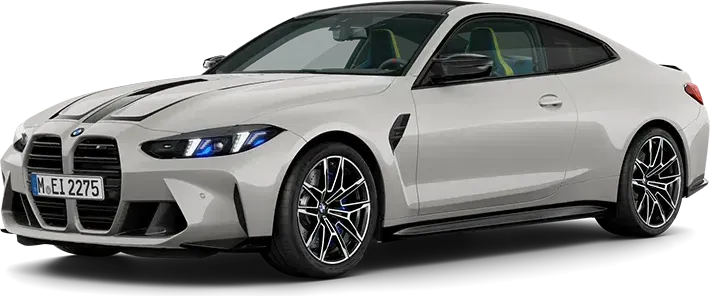
2021 BMW 4 Series
Reliability: 57/100
Common Problem Categories
Other
HIGH RISK- FORWARD COLLISION AVOIDANCE (2)
- ELECTRICAL SYSTEM (2)
Recall Overview
0
recalls on record
No recalls are on record for the 2021 Toyota Prius — uncommon, and a strong signal of manufacturing quality.
NHTSA.gov →Complaint Breakdown
2.5
per 10,000 soldSegment avg: 16.7
Safety Incidents
5
Crashes
0
Fires
2
Injuries
0
Deaths
NHTSA 5/5 Stars
Data sourced from NHTSA complaint filings and manufacturer recall notices. Complaint narratives are owner-reported.
Buying a used 2021 Toyota Prius? Check its history first
Forward collision avoidance problems lead owner complaints about the 2021 Toyota Prius, and 0 recalls were issued for it. A VIN check shows whether this car's recall work was done, plus accident, title, and odometer history.
- Accidents
- Open Recalls
- Title History
- Odometer Rollback
2021 Toyota Prius NHTSA Safety Ratings
Overall Safety Rating
Crash Test Results by Configuration (expand)
Gas Powertrain
Rollover risk: 10.7%
Safety Technologies
PHEV Powertrain
Rollover risk: 10.7%
Safety Technologies
Toyota PriusRepair Costs & Maintenance
Maintenance Rating
4Maintenance rating: 4 out of 5Based on NHTSA complaint patterns, recall severity, and publicly available cost benchmarks.
Est. Annual Maintenance
$408
vs $526 avg for midsize cars
vs $652 avg for all vehicles
Repair Frequency
0.5
unscheduled repair visits per year
Severe Repair Probability
11%
chance of a major repair
Annual Cost Comparison
Category-level averages derived from publicly available industry reports (AAA, CarMD). Model-level estimates produced by Auto Reliability Index.
Toyota Prius Resale Value
The Toyota Prius is estimated to retain about 58.1% of its original value after 5 years, based on observed used-car listings.
This benchmark covers the Toyota Prius model overall and is not specific to the 2021 model year.
- Value Retained
- 58.1%
- Depreciation
- 41.9%
- Listings Analyzed
- 123
after 5 years
over the same period
U.S. used-car listings
Listings observed in . This is a historical market benchmark, not a current price quote.
Explore Toyota Prius depreciation and resale value on CarResaleValue.comMPG & Annual Running Costs
Plug-in Hybrid
49–56 MPG
Running cost: $1,450–$1,600/yr
Fuel + repair
51–58 city / 47–53 hwy MPG
Running cost includes EPA fuel-cost estimate and independent repair-cost data (repair cost estimated at model level). Excludes routine maintenance, depreciation, and insurance. Data as of 2021 EPA label cycle.
Plug-in Hybrid trims
| Trim | Drive | Trans. | City | Hwy | Comb | Fuel Cost |
|---|---|---|---|---|---|---|
| Prius Prime 1.8L 4-cyl | Front-Wheel Drive | Automatic (variable gear ratios) | 55 | 53 | 54 | $1,100 |
Used Buying Checklist
Key things to inspect or verify before purchasing a 2021 Toyota Prius.
Creep into a parking space at walking pace several times and walk away if the car surges or lurches.
Test the brakes hard at low speed in an empty lot and confirm they stop the car firmly.
Use radar cruise in light traffic and confirm it slows smoothly for stopped cars ahead.
Drive on the highway with lane keeping on and watch for drifting to the lane edge.
Run the car with the windows closed and check the cabin with a portable carbon monoxide detector.
Shift into park on a slight slope, remove the key, and confirm the car does not roll.
On a Prius Prime, start the car while it is plugged into a charger and confirm it powers up.
Look under the hood and underbody for chewed wiring, nesting material, or droppings.
2021 Toyota Prius Common Problems by Component
15 owner complaints grouped by vehicle system.
FORWARD COLLISION AVOIDANCE
2 complaintsSafety-relatedRadar cruise control can misjudge a stopped car ahead. One crash report says that after the lead car changed lanes, the system sped up instead of braking and hit a stopped vehicle at low speed. A separate complaint involves lane keeping in radar cruise mode. The car hugs the far edge of the lane or veers out of it on some drives, and only a full restart clears the fault. The dealer could not reproduce the problem. The reports give no mileage.
ELECTRICAL SYSTEM
2 complaintsSafety-relatedUnintended acceleration is the reported failure. The car surges forward with no pedal input, usually at very low speed while pulling into a parking space. Drivers describe the surge as violent and over in a second or two, with no time to react. One report also says the brake did not respond, and control returned only after about 10 seconds. Both complaints involve crashes, with 2 people injured. The reports give no mileage.
UNKNOWN OR OTHER
2 complaintsSafety-relatedSudden lurching while parking shows up here too. The car jumps forward into a wall as if the accelerator stuck, hard enough to deploy the front airbag. A second, unrelated complaint reports carbon monoxide leaking into the cabin at 7000 miles. The owner reports repeated poisoning, and the dealer could neither find the source nor measure CO levels in the car. One of the 2 complaints is crash-related. Both describe serious safety risks.
POWER TRAIN (2 complaints)
POWER TRAIN
2 complaintsA parked car rolling away is the most serious report. On a Prius Prime, the car was shifted into park and the key removed, then the car rolled into a neighbor's driveway and grazed another vehicle. The same owner reports that the car would not start while connected to the charger. The dealer did not diagnose or repair it. A separate complaint describes rodents getting in and damaging components the owner says are left unprotected. The reports give no mileage pattern.
FUEL/PROPULSION SYSTEM (1 complaints)
FUEL/PROPULSION SYSTEM
1 complaintWhen i am going down it's charging when the charge reaches 6 from 8 the engine starts working and stop changing at that point and the power continues comes from engine only without the hybrid battery and there are no codes
VEHICLE SPEED CONTROL (1 complaints)
VEHICLE SPEED CONTROL
1 complaintThe contact owns a 2021 Toyota Prius. The contact stated while driving approximately 35 - 45 MPH, the vehicle independently accelerated. The brake pedal was depressed but failed to stop the vehicle immediately. The contact swerved around the vehicle in front and ended up on the opposite side of the roadway. The contact attempted to avoid oncoming traffic and swerving around all the other vehicles and ended up in a ravine. The contact's husband depressed the START/STOP button from the passenger’s side to turn off the vehicle, enabling the vehicle to come to a stop. The contact restarted the vehicle and continued to drive the vehicle to the dealer at slow speeds. The dealer was unable to determine the cause of the failure. The vehicle was not repaired. The manufacturer was made aware of the failure by the dealer. The failure mileage was 56,000.
WHEELS (1 complaints)
WHEELS
1 complaintWHILE DRIVING ON THE I 4 WE HAD A BLOWOUT ON THE REAR PASSENGER TIRE. THE CAR HAD LESS THAN 200 MILES ON IT SO IT WAS BRAND NEW. THE DEALERSHIP FOUND OBJECT IN THE TIRE THAT COULD HAVE CAUSE THE PROBLEM THE ONLY CONCLUSION I COULD COME TO IS THAT THIS TIRE WAS DEFECTIVE. THE DEALERSHIP SAID I COULD HAVE RUN OVER A LARGE OBJECT OR A LARGE POTHOLE, WHICH I DOUBT.
BACK OVER PREVENTION (1 complaints)
BACK OVER PREVENTION
1 complaintThe contact owns a 2021 Toyota Prius Prime. The contact stated that while shifted into reverse(R), the rearview camera intermittently went black. No warning light was illuminated. In addition, the contact stated that while driving at various speeds, the rearview camera intermittently went black. The local dealer was contacted. The vehicle was not diagnosed or repaired. Upon further investigation, the contact related the failure to an unknown NHTSA Campaign; however, the VIN was not under recall. The manufacturer was made aware of the failure. The failure mileage was approximately 27,696.
SERVICE BRAKES (1 complaints)
SERVICE BRAKES
1 complaintThe contact owns a 2021 Toyota Prius Prime. The contact stated while driving 45–50 MPH and approaching a stop sign, the brake pedal was depressed but the vehicle failed to respond. The driver continued to pump the brake pedal, but the vehicle failed to respond and depressed to the floorboard. The vehicle accelerated, veered across the road, jumped the curb, and stopped. There were no warning lights illuminated. The local dealer was not contacted. The vehicle was not diagnosed or repaired. The manufacturer was contacted, and an engineer determined that the brakes were working properly. The failure mileage was approximately 34,000.
AIR BAGS (1 complaints)
AIR BAGS
1 complaintSafety-relatedBrakes of my Toyota Pirius Prime did not work after I was hit on my right side. Brakes completlety was out. Also I was not able to run the car. The cars brakes should work even I got an accident to precent some further damage to other cars.
Best & Worst Toyota Prius Years
Best Toyota Prius Years to Buy
Based on reliability index score2021
(Current Model)
2020
2022
Toyota Prius Years to Avoid
No Toyota Prius years are statistical outliers in our data.
Scores stay between 76 and 84 across 9 scored model years.
Toyota Prius Reliability Score Trend
Scores 0–100. Higher is better. Current year highlighted.
| Year | Score | Rating |
|---|---|---|
| 2018 | 78/100 | Good |
| 2019 | 77/100 | Good |
| 2020 | 79/100 | Good |
| 2021 | 82/100 | Excellent |
| 2022 | 78/100 | Good |
| 2023 | 76/100 | Good |
| 2024 | 77/100 | Good |
| 2025 | 78/100 | Good |
| 2026 | 84/100 | Excellent |
Toyota Prius Reliability Compared to Other Years
2021 Toyota Prius Reliability by Powertrain
The 2021 Toyota Prius is available with 2powertrain options. Here's how they compare on reliability.
| Powertrain | Complaints | Recalls | Incidents* | Crash Rating |
|---|---|---|---|---|
| Gas | 6 | 0 | 1 | 5 out of 5 |
| PHEV | 9 | 0 | 4 | 5 out of 5 |
| Total | 15 | 0 | 5 |
NHTSA tracks complaints by vehicle configuration when that detail is available. Model-level reports that do not identify a specific powertrain are included in Total but not assigned to a row. A plus sign indicates a confirmed minimum; — means no complaints could be attributed to that specific powertrain. N/T = Not tested by NHTSA.
* Incidents = crash + fire reports. A single complaint can include multiple incident types.
Frequently Asked Questions
Is the 2021 Toyota Prius reliable?
What are the most common problems with the 2021 Toyota Prius?
Does the 2021 Toyota Prius have unintended acceleration problems?
Does the 2021 Toyota Prius have any recalls?
Is the 2021 Toyota Prius better than the 2020 or 2022?
Don’t buy a 2021 Toyota Prius without checking its VIN first — hidden accidents, title issues, and open recalls could cost you thousands.
How we score the 2021 Toyota Prius
Of the four inputs behind this score, the 2021 Toyota Prius does best on recall impact (100/100) and worst on complaint severity (74/100). Scores weight complaint severity at 35%, repair costs at 30%, recall impact at 20%, and the spread of complaints across systems at 15%, with complaint counts adjusted for US sales. Read the full methodology.
Get notified when new recalls or reliability data is added for the Toyota Prius.
No spam. Only data updates for this model.
Browse More Toyota Models

Toyota 4Runner
Score: 84/100
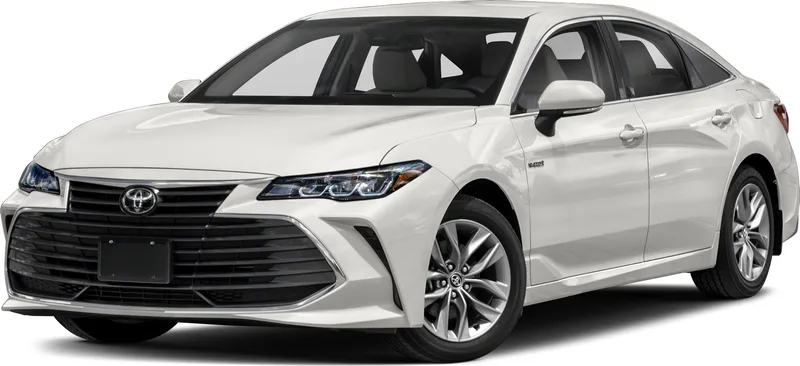
Toyota Avalon
Score: 80/100
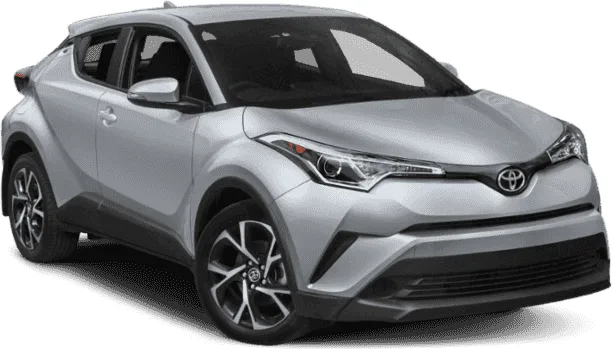
Toyota C-HR
Score: 80/100
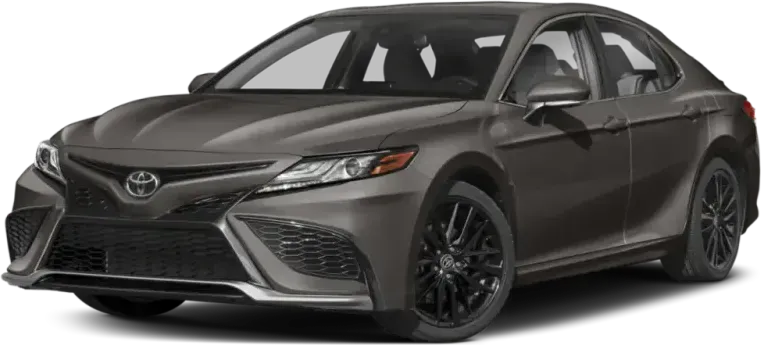
Toyota Camry
Score: 88/100
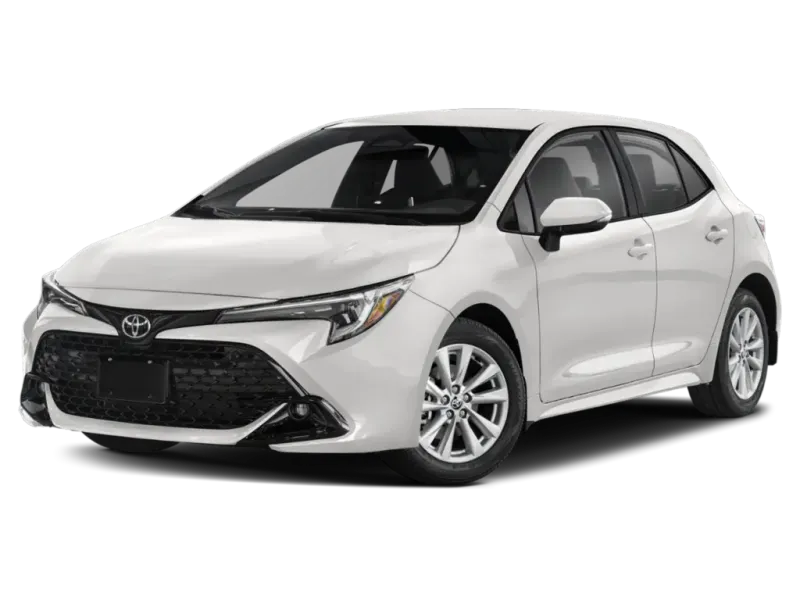
Toyota Corolla
Score: 94/100
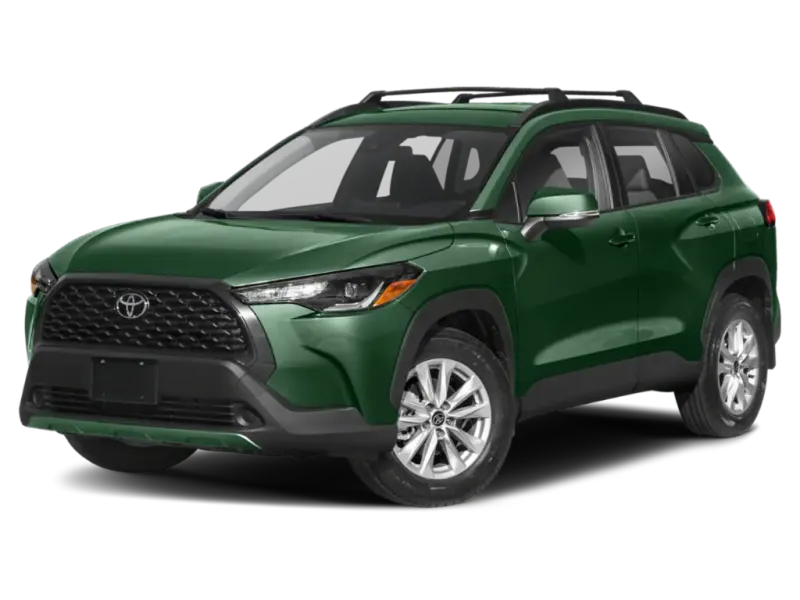
Toyota Corolla Cross
Score: 94/100
Browse More 2021 Vehicles
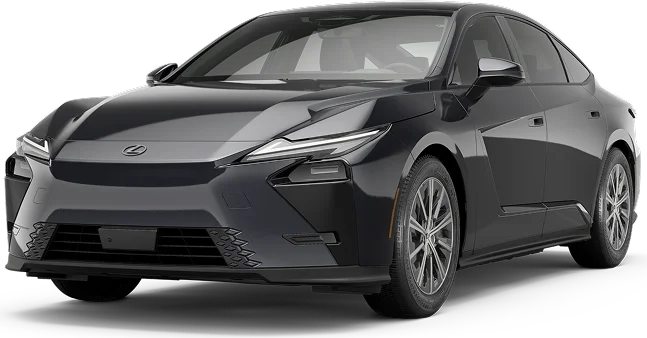
2021 Lexus ES
Score: 88/100
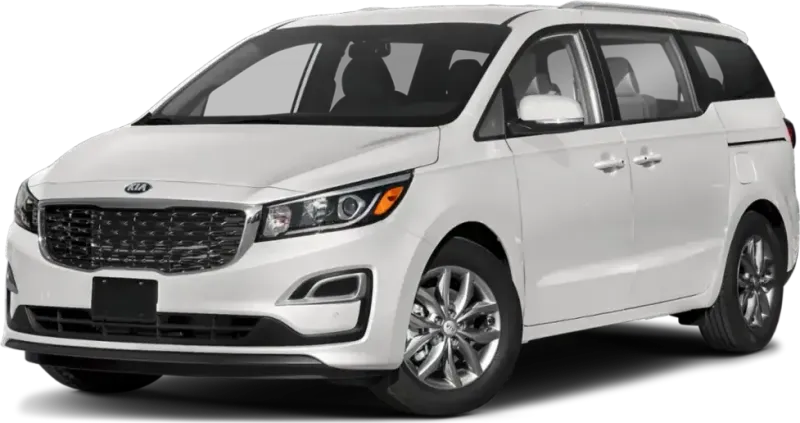
2021 Kia Sedona
Score: 88/100
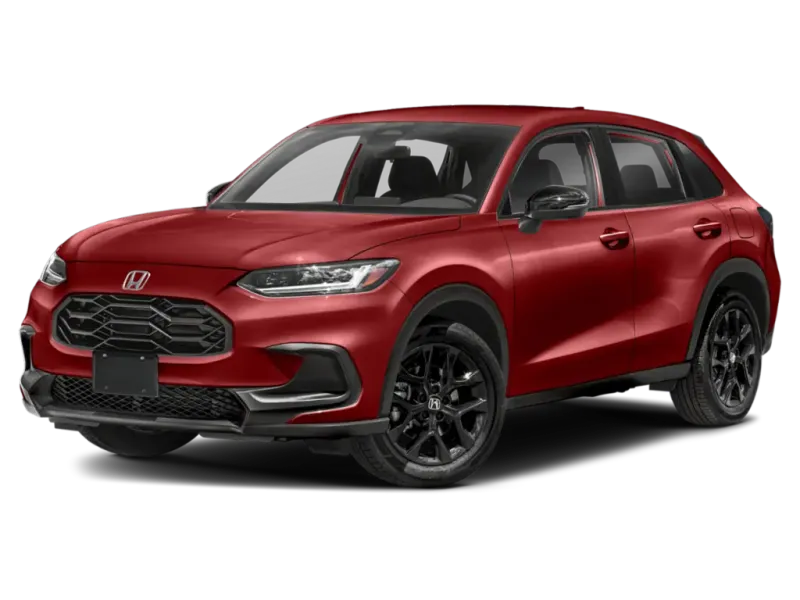
2021 Honda HR-V
Score: 86/100
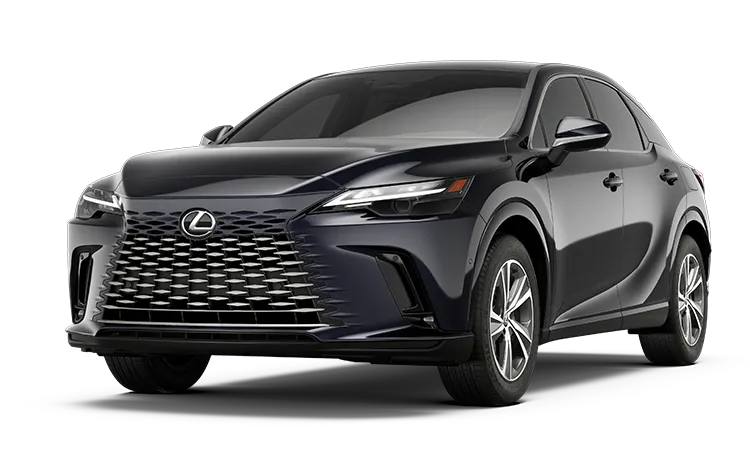
2021 Lexus RX
Score: 86/100
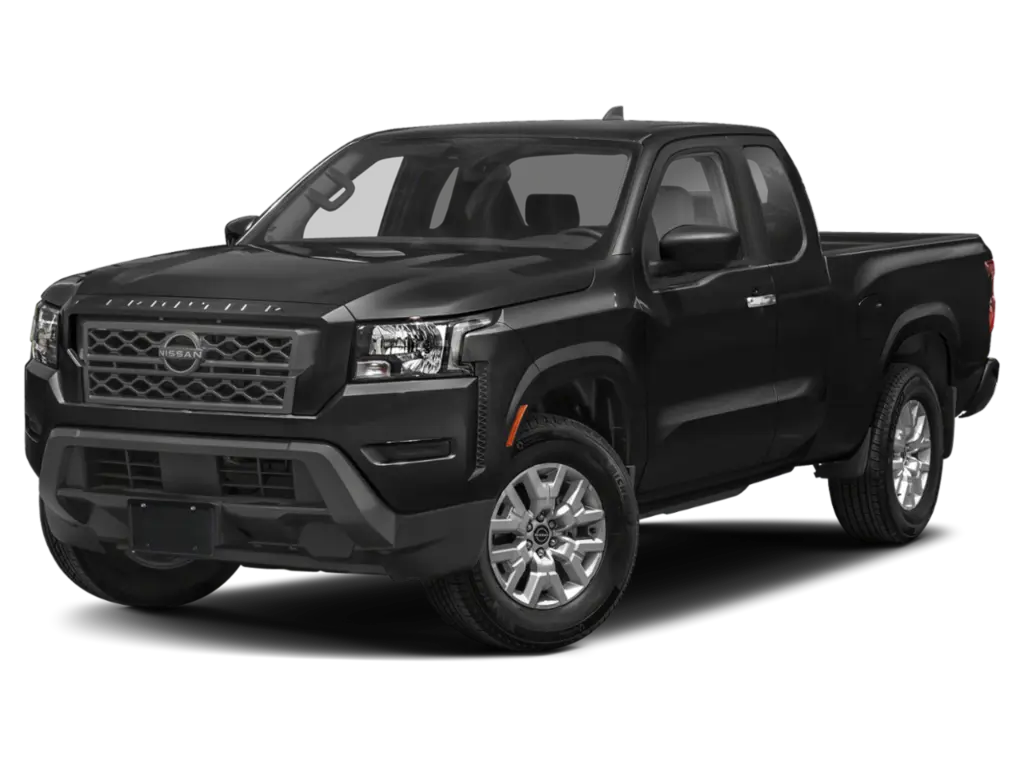
2021 Nissan Frontier
Score: 84/100
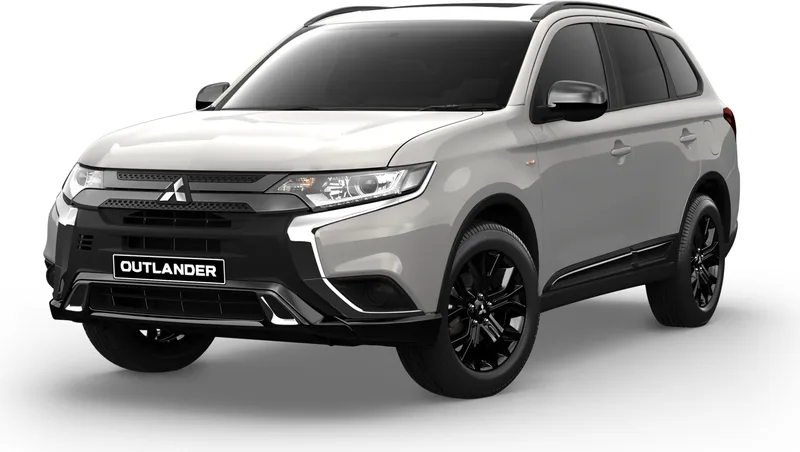
2021 Mitsubishi Outlander
Score: 84/100
See incorrect data? Report an issue