Last updated: 2026-10-10
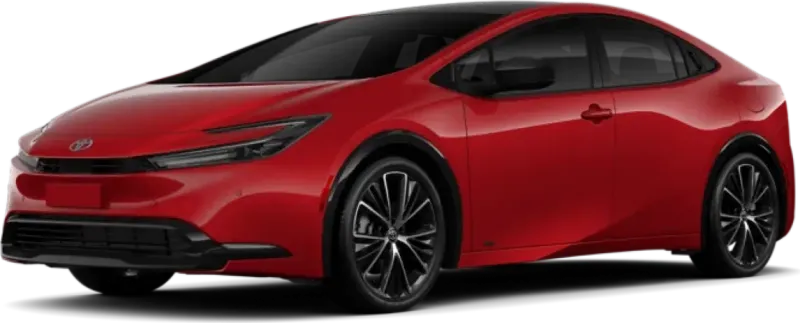
Toyota Prius Years to Avoid
9 scored model years (2018–2026) · model average 79/100
No Prius year is one to avoid. Every model year from 2018 to 2026 rates good or excellent, and what changes is the recall count and the number of owner complaints. The 2023 and 2024 years carry the most recalls, while 2021 is the year to buy.
Verdict
- Avoid
- No outlier years
- Buy
- 2021 82/100
- Model average
- 79/100
What Are Common Toyota Prius Problems?
UNKNOWN OR OTHER
32 complaintsMost reported in 2019, 2018, 2024
2019: Coolant leaks internally from the exhaust center pipe and drains the reservoir.
ELECTRICAL SYSTEM
28 complaintsMost reported in 2022, 2024, 2020
2022: A loud, ear-piercing screech from the speakers at startup is the most repeated complaint.
AIR BAGS
15 complaintsMost reported in 2018, 2019, 2024
2018: Airbags fail to deploy in serious crashes.
SERVICE BRAKES
14 complaintsMost reported in 2019, 2022, 2020
2019: Brake rotors groove, overheat, and corrode early.
VISIBILITY/WIPER
12 complaintsMost reported in 2020, 2018, 2022
2020: Frost forms on the inside of the windshield while the car is parked, and clearing it takes 20 minutes or more.
POWER TRAIN
12 complaintsMost reported in 2020, 2018, 2021
2020: The car accelerates on its own while creeping into a parking spot.
Best Toyota Prius Year to Buy Instead
2021 Toyota Prius
The 2021 rates excellent, with no recalls and only 15 owner complaints. The 2023 and 2024 years each have 8 recalls, and 2022 has the highest complaint rate per vehicle sold. It has also been on the road long enough to trust. Its complaints include low-speed surges while parking, so test drive it carefully.
Found a Safe Year? Check the Specific Car
Even the 2021 Toyota Prius has 0 recalls on file. A VIN check confirms the recall work on the exact car and shows its accident, title, and service history.
- Accidents
- Open Recalls
- Title History
- Odometer Rollback
All Toyota Prius Years by Generation
Toyota Prius Reliability Scores by Year
Fifth generation (XW60) (2023–2023)
Fourth generation (XW50) (2016–2021)
2021 Toyota Prius
0 recalls · 15 complaints
2020 Toyota Prius
1 recalls · 30 complaints
2018 Toyota Prius
3 recalls · 51 complaints
2019 Toyota Prius
5 recalls · 36 complaints
Frequently Asked Questions
Which Toyota Prius years should I avoid?
Are the 2023 and 2024 Toyota Prius bad years?
Which Toyota Prius years have transmission problems?
Is the 2026 Toyota Prius the most reliable year?
Which Toyota Prius year has the most complaints?
How we score every Toyota Prius model year
Scores weight complaint severity at 35%, repair costs at 30%, recall impact at 20%, and the spread of complaints across systems at 15%, with complaint counts adjusted for US sales. Read the full methodology.
See incorrect data? Report an issue