Last updated: 2026-10-10
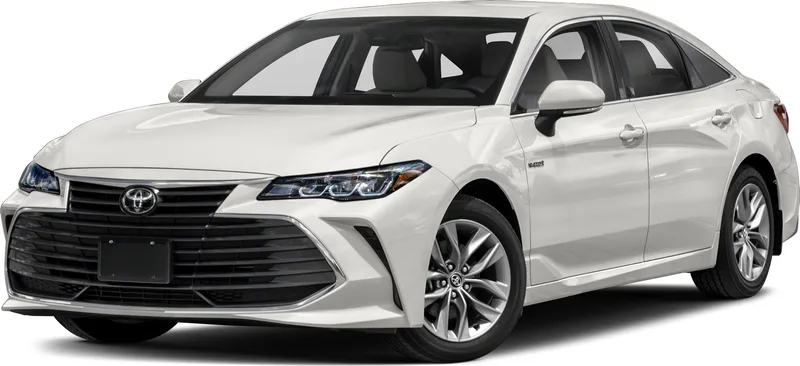
Toyota Avalon Years to Avoid
5 scored model years (2018–2022) · model average 75/100
Skip the 2019 model year. Owners report stalling tied to the fuel pump, a run of electrical and driver-assist faults, and harsh low-speed shifting. The 2022 is the year to buy, with no federal recalls and very few complaints.
Verdict
- Avoid
- 2019 69/100
- Buy
- 2022 80/100
- Model average
- 75/100
Toyota Avalon Years to Avoid
These model years score significantly below the Toyota Avalon average of 75/100.
| # | Year | Score | Rating | Recalls | Complaints | Top Issue |
|---|---|---|---|---|---|---|
| 1 | 2019 | 69/100 | Good | 4 | 68 | Electrical System (15) |
Why These Years Should Be Avoided
2019 Toyota Avalon
Stalling is the main complaint, often in turns or at intersections, as if the car is starved of fuel. Owners also describe waiting on a fuel pump repair while dealers say no part is available. Blind spot alerts, telematics trouble, and rough shifting under 35 mph add to it. Federal records list four recalls.
Top issues: Electrical System (15), Fuel Propulsion System (15), Power Train (9), Unknown Or Other (5), Fuel System, Gasoline (4), Exterior Lighting (3)
View full 2019reliability report →What Are Common Toyota Avalon Problems?
FUEL/PROPULSION SYSTEM
23 complaintsMost reported in 2019, 2020, 2018
2019: Stalling while driving is the main pattern, often during turns or at intersections, with the car acting as if it is starved of fuel.
AIR BAGS
17 complaintsMost reported in 2021, 2018
2021: The front passenger airbag may not detect an occupant, and some owners see the airbag warning light come on intermittently.
ELECTRICAL SYSTEM
15 complaintsMost reported in 2019
2019: Driver-assist warnings and module faults make up most of these complaints.
UNKNOWN OR OTHER
12 complaintsMost reported in 2019, 2018, 2022
2019: This is a mixed group.
POWER TRAIN
9 complaintsMost reported in 2019
2019: Jerky, harsh shifting at low speed is the common complaint, mostly below 35 mph in stop-and-go city driving.
VEHICLE SPEED CONTROL
7 complaintsMost reported in 2021, 2019, 2018
2021: Cruise control stops working while driving.
Best Toyota Avalon Year to Buy Instead
2022 Toyota Avalon
The 2022 has no federal recalls and only 8 owner complaints, against 68 for the 2019. It shows none of the fuel pump, electrical, or shifting patterns that mark the weaker year. Its one noted pattern is two tire blowouts. It has also been on the road long enough for that low count to mean something.
Found a Safe Year? Check the Specific Car
Even the 2022 Toyota Avalon has 0 recalls on file. A VIN check confirms the recall work on the exact car and shows its accident, title, and service history.
- Accidents
- Open Recalls
- Title History
- Odometer Rollback
All Toyota Avalon Years by Generation
Toyota Avalon Reliability Scores by Year
Fourth generation (XX40) (2013–2018)
Fifth generation (XX50) (2019–2023)
2022 Toyota Avalon
0 recalls · 8 complaints
2021 Toyota Avalon
2 recalls · 21 complaints
2020 Toyota Avalon
3 recalls · 10 complaints
2019 Toyota Avalon
4 recalls · 68 complaints
Frequently Asked Questions
Which Toyota Avalon year should I avoid?
Which Toyota Avalon years have transmission problems?
Is the 2020 Toyota Avalon a good year?
Which Toyota Avalon year is best instead of the 2019?
Does the 2021 Toyota Avalon have problems?
How we score every Toyota Avalon model year
Scores weight complaint severity at 35%, repair costs at 30%, recall impact at 20%, and the spread of complaints across systems at 15%, with complaint counts adjusted for US sales. Read the full methodology.
See incorrect data? Report an issue