Last updated: 2026-10-10
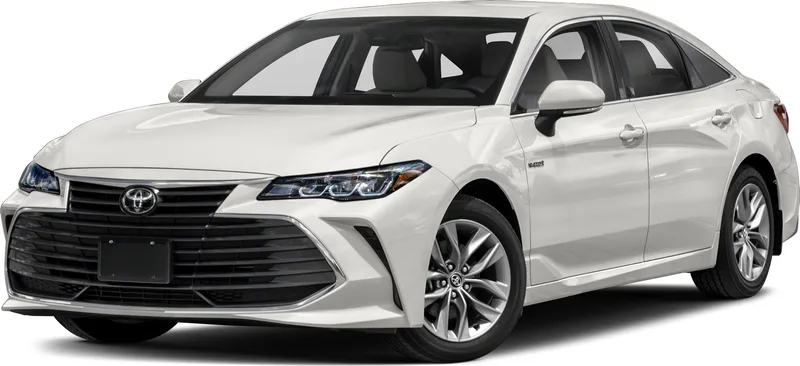
2019 Toyota Avalon Reliability Report
The 2019 Toyota Avalon has a good reliability standing, but fuel pump stalling makes it the weakest Avalon year scored.
Recalls
4
Complaints
68
Complaint Rate
24.5per 10,000 sold
Est. Repair Cost
$463
Annual Fuel Cost
$2,300–$2,400
Detailed Score Breakdown
Component-weighted complaints normalized by sales volume
Independent repair cost ratings
Recall count weighted by severity
Breadth of reported problem categories
The Verdict
First year of the fifth generation and the weakest scored Avalon year, with fuel pump stalling and electrical faults leading the complaints.
Top Issues to Watch
- FUEL/PROPULSION SYSTEM (15)
- ELECTRICAL SYSTEM (15)
- POWER TRAIN (9)
Generation & Refresh (US)
2019 is the first model year of the Fifth generation (XX50).
- First-year models may have unresolved issues from the new design.
- Redesigned for the 2019 model year.
- Refreshed in 2022.
- 5th generation Avalon (US).
What this means for buyers
First-year models carry more risk — early production issues are common. Consider waiting for the second year if reliability is a priority.
Compare 2019 pricing and recall counts against 2020+ before deciding.
2019: Fifth generation (XX50) Launch
Generation start — new platform.
2022: Mid-Cycle Refresh
Updated features and styling tweaks.
Should You Buy the 2019 Toyota Avalon?
This year has a good reliability standing, but it is the weakest of the five scored Avalon years. Among 2019 sedans it sits close to average, and both the 2018 and 2020 Avalons rate better. Running costs help: independent repair-cost data puts yearly repairs for the model at $463, against $590 for the class. It also earned 5 of 5 federal crash-test stars.
Stalling is the issue to take seriously. Owners describe the engine cutting out in turns or at intersections, as if starved of fuel, with stalling and rough running reported between 10,000 and 40,000 miles. Many filings are about waiting for a fuel pump recall repair while dealers said no parts were available. Two crashes involve sudden acceleration while parking or turning. Owners also report blind spot alerts that keep failing, a telematics module that squeals at startup, and harsh shifting at low speed.
Ask for proof that every recall was completed, especially the fuel system ones. Test drive in stop-and-go traffic and watch for jerky shifts. Price a 2018 or 2020 alongside it.
Compared to the 2020 Toyota Avalon, which scored 6 points higher. See also the 2018 Toyota Avalon for an earlier comparison.
Pros
- +Acceptable reliability score
- +$127 cheaper to maintain than avg fullsize cars
- +Low major repair risk (13%)
Cons
- −Moderate recall count
- −Above-average complaint rate for Sedan
- −FUEL/PROPULSION SYSTEM issues reported (15 complaints)
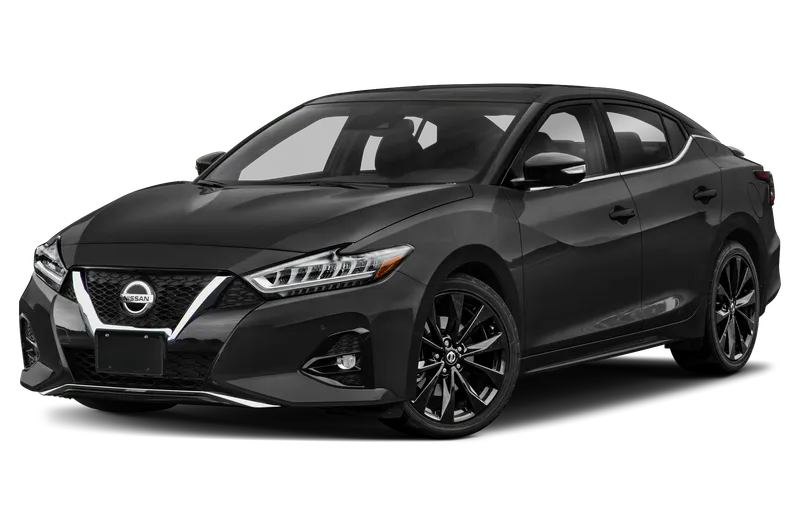
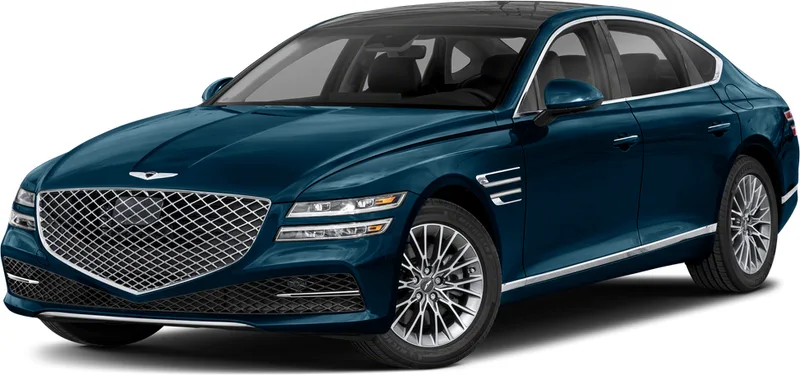
Compare 2019 Toyota Avalon With
Common Problem Categories
Safety
LOW RISK- 4 manufacturer recalls issued
Other
HIGH RISK- FUEL/PROPULSION SYSTEM (15)
- ELECTRICAL SYSTEM (15)
Recall Overview
4
recalls on record
A moderate 4 recalls are on file for the 2019 Toyota Avalon. Each one points to a specific safety or compliance issue identified by the manufacturer or NHTSA — check the list below before buying.
NHTSA.gov →Complaint Breakdown
24.5
per 10,000 soldSegment avg: 19.1
Safety Incidents
4
Crashes
0
Fires
5
Injuries
0
Deaths
NHTSA 5/5 Stars
Data sourced from NHTSA complaint filings and manufacturer recall notices. Complaint narratives are owner-reported.
2019 Toyota Avalon Recall Details
4 recalls have been issued for the 2019 Toyota Avalon. All recall repairs are performed free of charge at authorized dealerships.
FUEL SYSTEM, GASOLINE
Toyota Motor Engineering & Manufacturing (Toyota) is recalling certain 2018-2019 4Runner, 2019-2020 Avalon, 2019 Corolla Hatchback, 2017-2019 Highlander, 2018-2020 Camry, 2020 Corolla, 2018-2019 Land Cruiser, 2017-2020 Tacoma, 2019-2020 RAV4, 2019-2020 Sequoia, 2017-2020 Sienna, 2019-2020 Tundra, 2018-2020 Lexus ES350, 2017 Lexus GS200t, 2017-2019 Lexus GS350, 2019 Lexus GS300, 2018-2020 Lexus LC500h, 2019-2020 Lexus LS500, 2018-2019 Lexus GX460, 2017 Lexus IS200t, 2019 Lexus IS300, 2019 Lexus IS350, 2018-2020 Lexus LC500, 2018 Lexus LS500, 2019 Lexus LS500h, 2018-2019 Lexus LX570, 2017 Lexus RC200t, 2019 Lexus RC300, RC350, 2017 and 2019-2020 Lexus RX350, 2018-2020 RX350L, 2019 Lexus UX200, 2018-2019 Lexus NX300 vehicles. The low-pressure fuel pump inside the fuel tank may fail.
Consequence
If the fuel pump fails, the engine can stall while driving, increasing the risk of a crash.
Remedy
Toyota will notify owners, and dealers will replace the fuel pump assembly with an improved one, free of charge. Owners of specific models were notified that remedy parts were available starting January 21, 2021. Owners of other models will be notified as remedy parts become available. Remedy parts should be available for all affected vehicles by late March 2021. Owners may contact Toyota customer service at 1-888-270-9371 or Lexus customer service at 1-800-255-3987. Note: This recall is an expansion of recall 20V-012. Toyota's number for this recall is 20TA02. Lexus' number for this recall is 20LA01.
FUEL SYSTEM, GASOLINE
Toyota Motor Engineering & Manufacturing (Toyota) recalled certain 2018-2019 4Runner, Highlander, Camry, Land Cruiser, Sequoia, Sienna, Tacoma and Tundra, and Lexus RC 300, RC 350, GS 350, GX 460, IS 300, LC 500, LS 500, LX 570, RX 350L, and 2019 Toyota Avalon and Corolla, and certain Lexus NX 300, and ES 350 vehicles on January 13, 2020. On March 4, 2020, Toyota expanded the recall to include certain 2014-2015 Toyota 4Runner and Land Cruiser, 2018 Avalon, Corolla, 2014 FJ Cruiser, 2017 Sienna and Lexus 2018 ES 350, 2018-2019 GS 300, 2013-2014 GS350, 2014-2015 GX 460, IS 350 and LX 570, 2014 IS F, 2018-2019 IS 350, LC 500H and LS 500H, 2013-2015 LS 460, 2015 NX 200T and RC350, 2017 RC 200T and RX 350. Toyota also removed the 2018-2019 Toyota 4Runner and Land Cruiser and 2018-2019 Lexus GX 460 and LX 570 and 2019 NX300 from inclusion in this recall. On March 19, 2020, Toyota expanded the recall to include 2015 Lexus GS350 vehicles. The low-pressure fuel pump inside the fuel tank may fail.
Consequence
If the fuel pump fails, the engine can stall while driving, increasing the risk of a crash.
Remedy
Toyota will notify owners, and dealers will replace the fuel pump, free of charge. The recall began May 4, 2020. Owners may contact Toyota customer service at 1-888-270-9371 or Lexus customer service at 1-800-255-3987. Toyota's numbers for this recall are 20TB02 and 20TA02 for Toyota vehicles and 20LB01 and 20LA01 for Lexus vehicles.
EQUIPMENT
Gulf States Toyota (GST) is recalling certain 2019 C-HR, 4Runner, Avalon, Avalon Hybrid, Camry, Camry Hybrid, Highlander, Land Cruiser, Prius, RAV4, Sequoia, Tacoma, Sienna, Tundra and Yaris vehicles. The text on the load capacity label may become illegible. As such, these vehicles fail to comply with the requirements of Federal Motor Vehicle Safety Standard (FMVSS) number 110, "Tire Selection and Rims."
Consequence
If the driver cannot read the label, they may unknowingly overload the vehicle, increasing the risk of a crash.
Remedy
GST will notify owners, and dealers will provide corrected load carrying capacity modification labels, free of charge. The recall began May 24, 2019. Owners may contact GST customer service at 1-800-444-1074. GST's number for this recall is 19R1.
Buying a used 2019 Toyota Avalon? Check its history first
Fuel/propulsion system problems lead owner complaints about the 2019 Toyota Avalon, and 4 recalls were issued for it. A VIN check shows whether this car's recall work was done, plus accident, title, and odometer history.
- Accidents
- Open Recalls
- Title History
- Odometer Rollback
2019 Toyota Avalon NHTSA Safety Ratings
Overall Safety Rating
Crash Test Results by Configuration (expand)
Gas Powertrain
Rollover risk: 10.5%
Safety Technologies
Toyota AvalonRepair Costs & Maintenance
Maintenance Rating
4Maintenance rating: 4 out of 5Based on NHTSA complaint patterns, recall severity, and publicly available cost benchmarks.
Est. Annual Maintenance
$463
vs $590 avg for fullsize cars
vs $652 avg for all vehicles
Repair Frequency
0.4
unscheduled repair visits per year
Severe Repair Probability
13%
chance of a major repair
Annual Cost Comparison
Category-level averages derived from publicly available industry reports (AAA, CarMD). Model-level estimates produced by Auto Reliability Index.
MPG & Annual Running Costs
Gas
25–26 MPG
Running cost: $2,750–$2,850/yr
Fuel + repair
22 city / 31–32 hwy MPG
Hybrid
43–44 MPG
Running cost: $1,800–$1,850/yr
Fuel + repair
43 city / 43–44 hwy MPG
Running cost includes EPA fuel-cost estimate and independent repair-cost data (repair cost estimated at model level). Excludes routine maintenance, depreciation, and insurance. Data as of 2019 EPA label cycle.
Gas trims
| Trim | Drive | Trans. | City | Hwy | Comb | Fuel Cost |
|---|---|---|---|---|---|---|
| Avalon XLE 3.5L 6-cyl | Front-Wheel Drive | Automatic (S8) | 22 | 32 | 26 | $2,300 |
| Avalon 3.5L 6-cyl | Front-Wheel Drive | Automatic (S8) | 22 | 31 | 25 | $2,400 |
Hybrid trims
| Trim | Drive | Trans. | City | Hwy | Comb | Fuel Cost |
|---|---|---|---|---|---|---|
| Avalon Hybrid XLE 2.5L 4-cyl | Front-Wheel Drive | Automatic (AV-S6) | 43 | 44 | 44 | $1,350 |
| Avalon Hybrid 2.5L 4-cyl | Front-Wheel Drive | Automatic (AV-S6) | 43 | 43 | 43 | $1,400 |
Used Buying Checklist
Key things to inspect or verify before purchasing a 2019 Toyota Avalon.
Run the VIN through federal recall records, confirm all open recalls are completed, and ask for fuel pump service records.
Shut the engine off and listen at the rear of the car for a fuel pump still humming.
Drive in stop-and-go traffic below 35 mph and feel for jerky shifts, hesitation, or rough downshifts.
Start the car several times and listen for a loud squeal from the speakers.
On a long test drive, watch for blind spot, cross traffic alert, or pre-collision malfunction messages.
Test every climate control button, plus heat, defrost, and seat heaters, and confirm the panel stays working.
Drive at night on low beams to check headlight reach, and inspect the headlight lenses for discoloration.
Use adaptive cruise on a highway and watch for sudden braking with nothing ahead.
2019 Toyota Avalon Common Problems by Component
68 owner complaints grouped by vehicle system.
FUEL/PROPULSION SYSTEM
15 complaintsSafety-relatedStalling while driving is the main pattern, often during turns or at intersections, with the car acting as if it is starved of fuel. Several owners hear the fuel pump humming from the rear after shutdown, and some report hard starts or rough running. Two crashes involve sudden acceleration while parking or turning, one right after a stall. Many filings are about waiting for a fuel pump recall repair, with dealers saying no parts or fix are available. A few describe a strong gasoline smell in the garage after every fill-up.
ELECTRICAL SYSTEM
15 complaintsDriver-assist warnings and module faults make up most of these complaints. Blind spot monitor and cross traffic alert malfunction messages keep coming back, and one side may miss vehicles entirely. The telematics module (DCM) draws repeated complaints: a painful squeal from the speakers at startup, flashing lights by the SOS button, lost remote connect, and battery drain. Dealers often quote a paid replacement. Other reports cover pre-collision and rear camera detection faults, a climate control panel that cuts out heat and defrost, and sudden stalls with warning lights. Dealers often cannot reproduce these faults.
POWER TRAIN
9 complaintsJerky, harsh shifting at low speed is the common complaint, mostly below 35 mph in stop-and-go city driving. Owners describe a hesitation before the car takes gear, rough downshifts, a dragging feel when coasting, shudder, whining, and grinding. Some say it started after the first 2 years or after a fluid change. Dealers often cannot reproduce it. One owner reports a transmission replacement at 75,146 miles after a check engine light. Stalling when pulling away from a light also appears, which leaves the car exposed to cross traffic.
UNKNOWN OR OTHER (5 complaints)
UNKNOWN OR OTHER
5 complaintsThis is a mixed group. Stalling at intersections as if the engine is short on fuel, and mentions of the low-pressure fuel pump, repeat the fuel system complaints. Blind spot monitoring and cross traffic alert malfunction messages pop up often, more so in very cold or wet weather, and dealer visits have not fixed them. The Bird's Eye camera screen can go black in reverse, and collision warning shuts off in rain or snow. One report describes a nauseating smell from the air vents on recirculation that needed a paid cleaning.
FUEL SYSTEM (4 complaints)
FUEL SYSTEM
4 complaintsMost of these filings are about a delayed fuel pump recall repair, not new failures. Owners say dealers had no parts and the wait dragged on far too long. Where symptoms show up, the car stalls without warning at 35 to 40 mph, hesitates at idle with the check engine light on, or runs rough. Reported mileages range from 10,000 to 40,000. A stall in moving traffic leaves the driver at real risk of being hit.
EXTERIOR LIGHTING (3 complaints)
EXTERIOR LIGHTING
3 complaintsWeak headlights are the complaint. Low beams fall short in full darkness and over dips, curves, and hills, so pedestrians and parked cars on the shoulder are hard to see. A dealer adjustment did not solve it. Discolored headlight units also reduce night vision. Reports come early, at roughly 4,500 to 14,000 miles. Poor night visibility raises the chance of hitting someone at the edge of the road.
LANE DEPARTURE (2 complaints)
LANE DEPARTURE
2 complaintsBlind spot monitor and rear cross traffic alert malfunction alerts keep returning. Dealers point to a service bulletin. One reprogrammed the module, and another blamed poorly positioned sensors and told the owner to pay for the fix. When these systems drop out, a driver may assume the next lane is clear when it is not.
VEHICLE SPEED CONTROL (2 complaints)
VEHICLE SPEED CONTROL
2 complaintsAdaptive cruise control misbehaves in two ways. In one, the car brakes hard for no reason on highways and city streets, which invites a rear-end collision. In the other, the system fails to sense a truck merging into the lane, and cruise does not release until the brake pedal is pressed several times. Both reports describe the problem happening more than once.
SUSPENSION (2 complaints)
SUSPENSION
2 complaintsOn concrete freeways the car wanders and follows the grooves in the pavement, even when the alignment checks out within spec. That drifting makes the car feel unsafe at highway speed. Body roll in corners on bumpy roads is also reported, and it improved after replacing the original Bridgestone tires. These filings also complain that the blind spot monitor misses fast-passing cars and vehicles at merging angles.
ENGINE (2 complaints)
ENGINE
2 complaintsTwo separate problems appear. One is heavy oil use on a nearly new car: 2 quarts added by 2,000 miles with no visible leaks, then a low oil light at 3,100 miles, and the dealer tore down the engine. The other affects the hybrid with keyless ignition. The car can stay on silently in a garage with no warning, then start its engine as the battery drains, which creates a carbon monoxide risk.
When Do 2019 Toyota Avalon Problems Start?
Based on owner complaint patterns, here's when common issues tend to appear.
Best & Worst Toyota Avalon Years
Best Toyota Avalon Years to Buy
Based on reliability index scoreToyota Avalon Years to Avoid
2019
(Current Model)
Toyota Avalon Reliability Score Trend
Scores 0–100. Higher is better. Current year highlighted.
| Year | Score | Rating |
|---|---|---|
| 2018 | 77/100 | Good |
| 2019 | 69/100 | Good |
| 2020 | 75/100 | Good |
| 2021 | 76/100 | Good |
| 2022 | 80/100 | Excellent |
Toyota Avalon Reliability Compared to Other Years
Frequently Asked Questions
Is the 2019 Toyota Avalon reliable?
What are the most common problems with the 2019 Toyota Avalon?
Does the 2019 Toyota Avalon have fuel pump problems?
How many recalls does the 2019 Toyota Avalon have?
How much does the 2019 Toyota Avalon cost to repair?
Don’t buy a 2019 Toyota Avalon without checking its VIN first — hidden accidents, title issues, and open recalls could cost you thousands.
How we score the 2019 Toyota Avalon
Of the four inputs behind this score, the 2019 Toyota Avalon does best on repair costs (80/100) and worst on complaint severity (53/100). Scores weight complaint severity at 35%, repair costs at 30%, recall impact at 20%, and the spread of complaints across systems at 15%, with complaint counts adjusted for US sales. Read the full methodology.
Get notified when new recalls or reliability data is added for the Toyota Avalon.
No spam. Only data updates for this model.
Browse More Toyota Models

Toyota 4Runner
Score: 84/100
Toyota C-HR
Score: 80/100
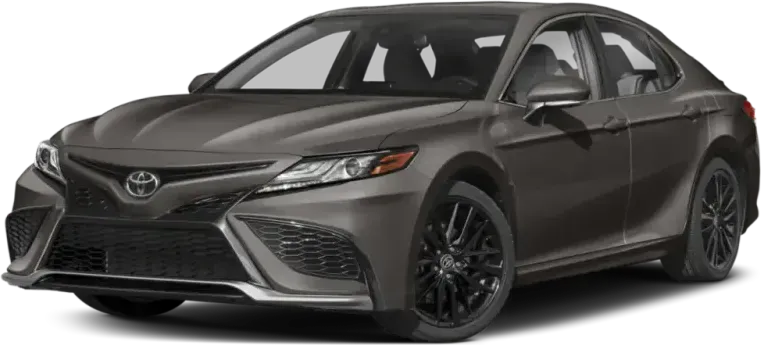
Toyota Camry
Score: 88/100
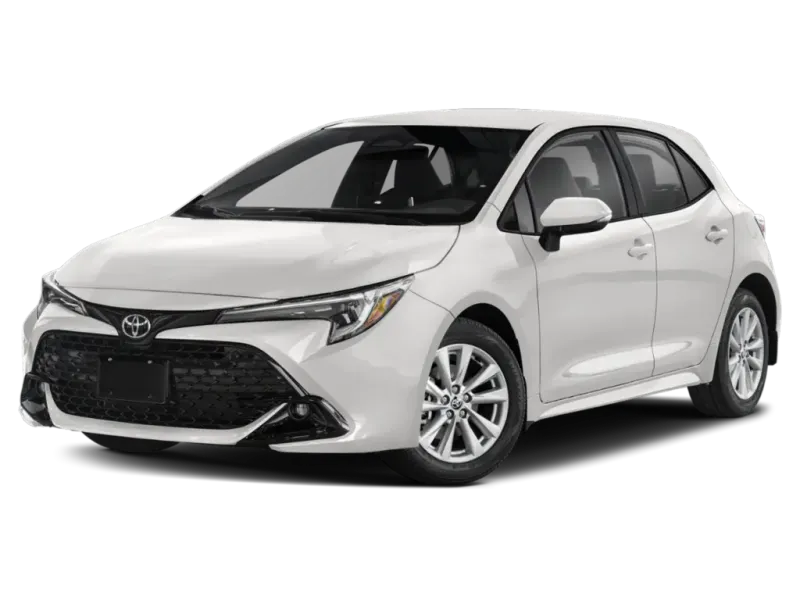
Toyota Corolla
Score: 94/100
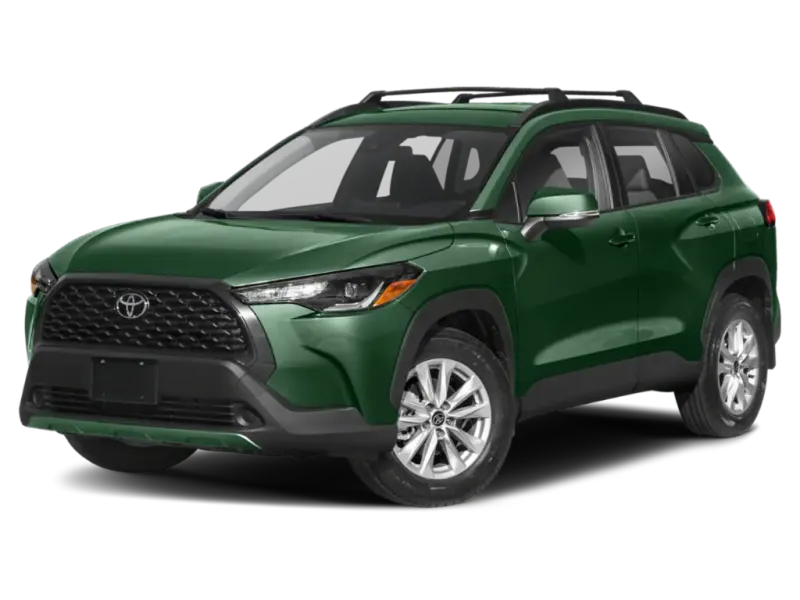
Toyota Corolla Cross
Score: 94/100
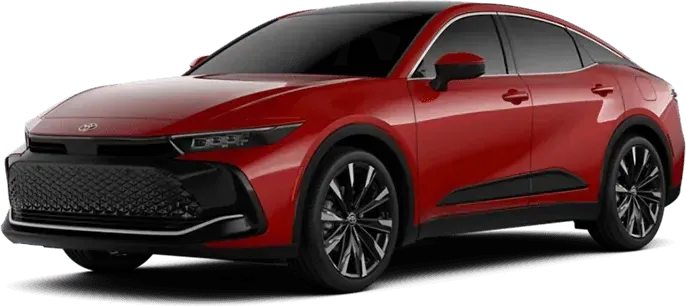
Toyota Crown
Score: 88/100
Browse More 2019 Vehicles
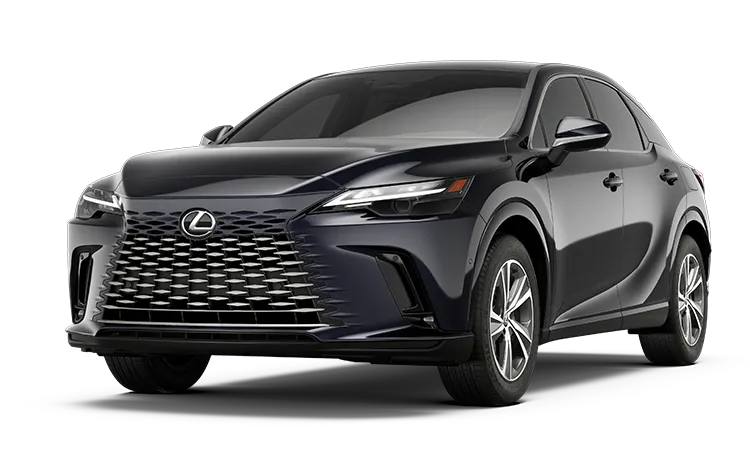
2019 Lexus RX
Score: 82/100
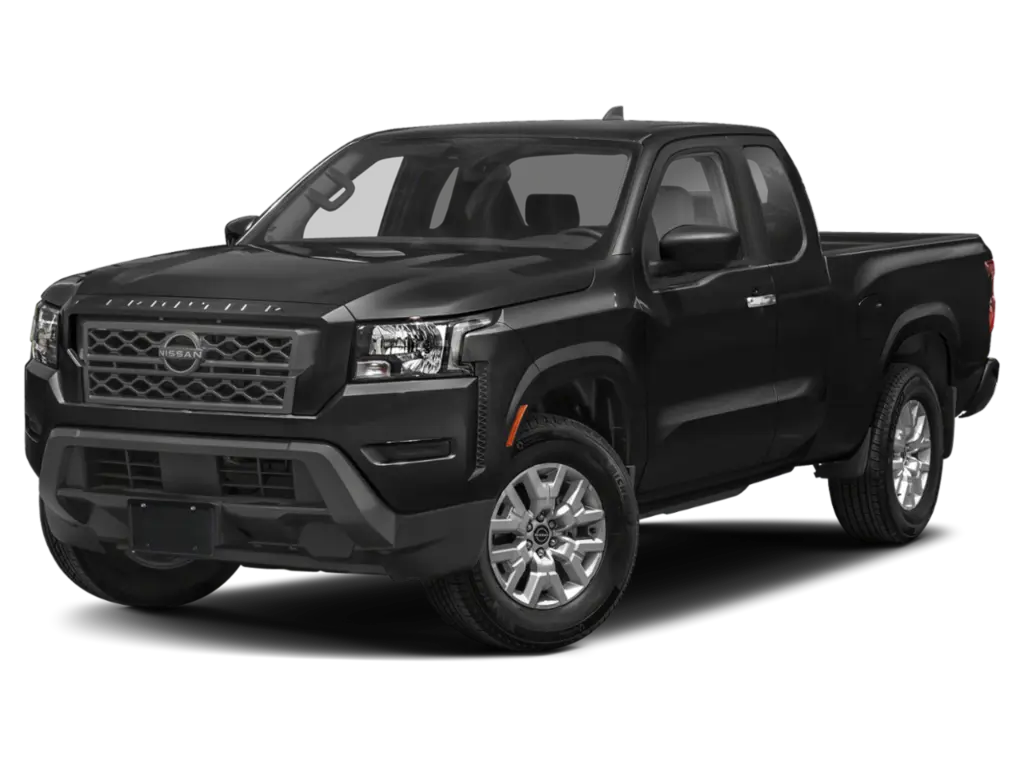
2019 Nissan Frontier
Score: 80/100

2019 Kia Sedona
Score: 80/100
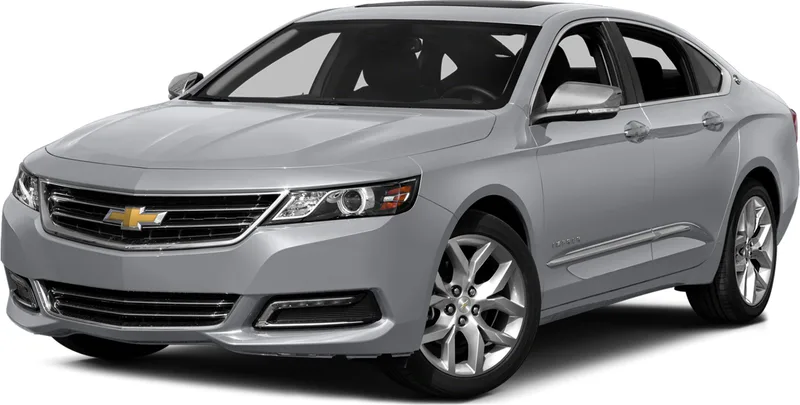
2019 Chevrolet Impala
Score: 79/100

2019 Lexus IS
Score: 79/100
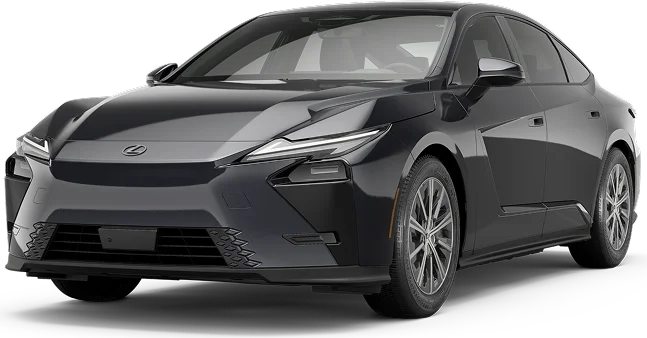
2019 Lexus ES
Score: 78/100
See incorrect data? Report an issue