Last updated: 2026-10-10
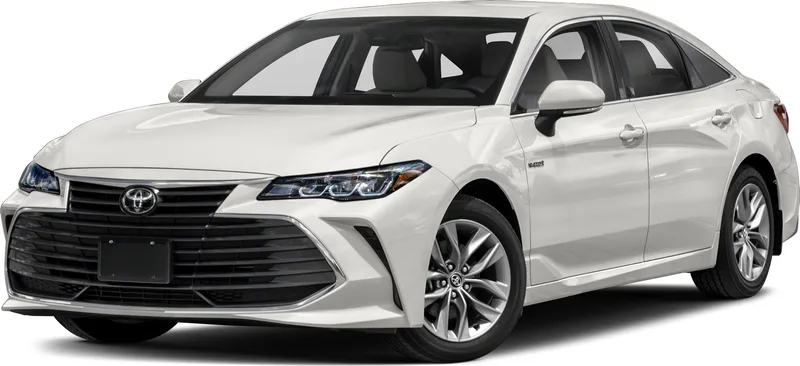
2020 Toyota Avalon Reliability Report
The 2020 Toyota Avalon has good reliability, but half its owner complaints involve gasoline backing up the filler neck during refueling.
Recalls
3
Complaints
10
Complaint Rate
5.4per 10,000 sold
Est. Repair Cost
$463
Annual Fuel Cost
$2,300–$2,400
Detailed Score Breakdown
Component-weighted complaints normalized by sales volume
Independent repair cost ratings
Recall count weighted by severity
Breadth of reported problem categories
The Verdict
Good standing and above its class, though fuel backing up during refueling accounts for half of the owner complaints.
Top Issues to Watch
- FUEL/PROPULSION SYSTEM (5)
- AIR BAGS (1)
- STEERING (1)
Generation & Refresh (US)
2020 is year 2 of the Fifth generation (XX50).
- Redesigned for the 2019 model year.
- A refresh arrives in 2022.
- 5th generation Avalon (US).
What this means for buyers
Year 2 is typically a safer pick than the first model year — early issues are more likely to be identified, but the platform is still new.
If you're comparing prices, check 2019 (redesign year) vs 2020+ pricing and recalls.
2019: Fifth generation (XX50) Launch
Generation start — new platform.
2020: This Model Year
2020 is year 2 of the Fifth generation (XX50).
2022: Mid-Cycle Refresh
Updated features and styling tweaks.
Should You Buy the 2020 Toyota Avalon?
Good, and above average among 2020 sedans. This year sits in the middle of the five scored Avalon years. It has a 5 of 5 federal crash-test rating, and independent repair-cost data puts yearly repairs at $463 for the model, against $590 for its class. The 2019 rates worse. The 2021 rates about the same.
Fuel is the weak spot. Half of the 10 owner complaints involve it. Gasoline backs up the filler neck during refueling, sometimes without the nozzle shutting off, and spills on the ground and the person at the pump. Owners say it repeats, even on a low tank, and dealers sometimes find nothing wrong. Others describe rough idle with a check engine light, hard starting after a fill-up, and hesitation that feels like a stall coming on. Federal records list 3 recalls: air bags, steering, and the fuel system.
Ask for proof that all three recalls were completed, plus any fuel system repair records. Watch for nozzle shutoffs during a fill-up on a test drive.
Compared to the 2021 Toyota Avalon, which scored 1 points higher. See also the 2019 Toyota Avalon for an earlier comparison.
Pros
- +Acceptable reliability score
- +$127 cheaper to maintain than avg fullsize cars
- +Low major repair risk (13%)
- +Below-average complaint rate for Sedan
Cons
- −Moderate recall count
- −FUEL/PROPULSION SYSTEM issues reported (5 complaints)
Compare 2020 Toyota Avalon With
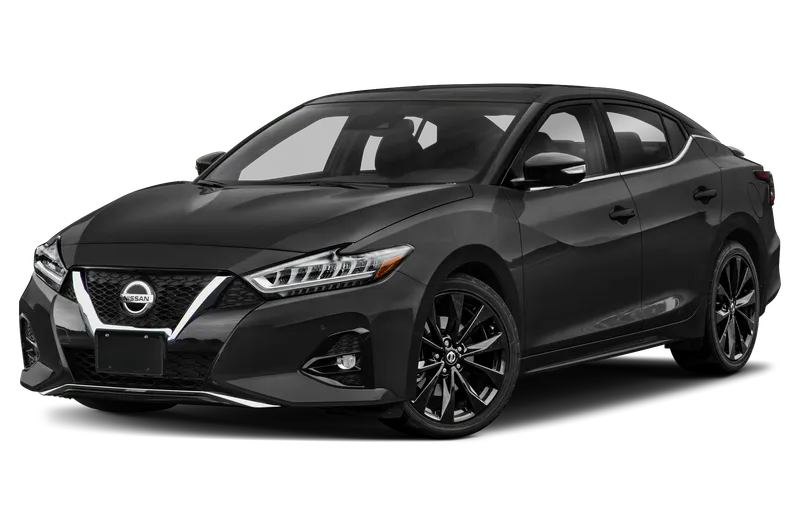
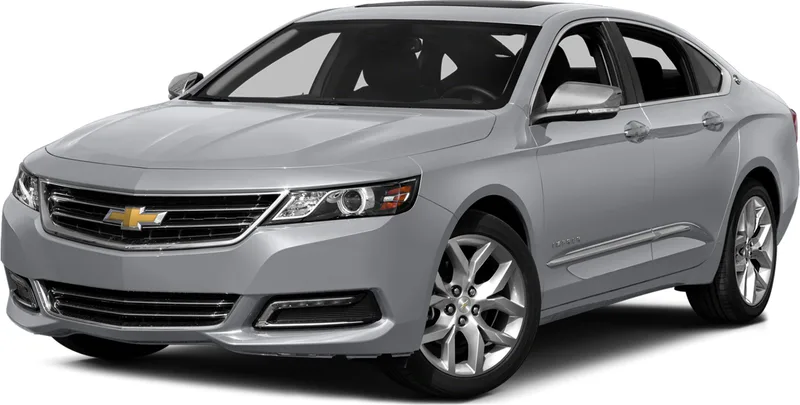
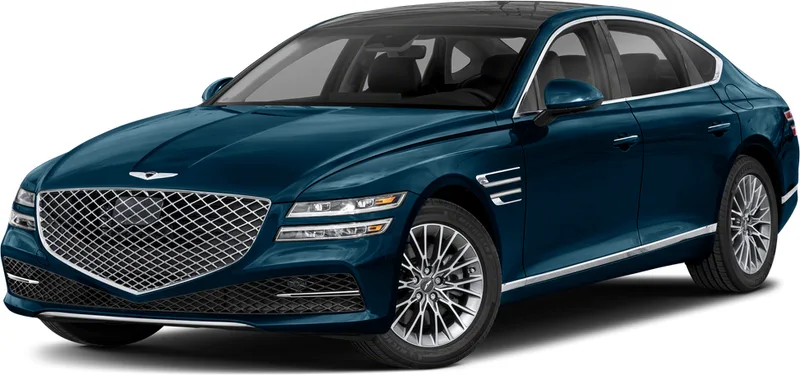
Common Problem Categories
Safety
LOW RISK- 3 manufacturer recalls issued
Other
HIGH RISK- FUEL/PROPULSION SYSTEM (5)
- AIR BAGS (1)
Recall Overview
3
recalls on record
A moderate 3 recalls are on file for the 2020 Toyota Avalon. Each one points to a specific safety or compliance issue identified by the manufacturer or NHTSA — check the list below before buying.
NHTSA.gov →Complaint Breakdown
5.4
per 10,000 soldSegment avg: 17.9
Safety Incidents
1
Crashes
0
Fires
0
Injuries
1
Deaths
NHTSA 5/5 Stars
Data sourced from NHTSA complaint filings and manufacturer recall notices. Complaint narratives are owner-reported.
2020 Toyota Avalon Recall Details
3 recalls have been issued for the 2020 Toyota Avalon. All recall repairs are performed free of charge at authorized dealerships.
AIR BAGS
Toyota Motor Engineering & Manufacturing (Toyota) is recalling certain 2020-2021 Avalon, Avalon Hybrid, Corolla, Highlander, Highlander Hybrid, RAV4, RAV4 Hybrid, Lexus ES350, Lexus RX350, Lexus RX450H, 2021 Sienna Hybrid, Lexus ES250, 2020-2022 Camry, Camry Hybrid, and ES300H vehicles. A short circuit may develop in the Occupant Classification System (OCS) sensor, preventing the front passenger air bag from deploying.
Consequence
An air bag that does not deploy during a crash increases the risk of injury.
Remedy
Dealers will inspect and replace the sensor as necessary, free of charge. Interim letters notifying owners of the safety risk were mailed in February 2024. Some final remedy owner letters were mailed October 31, 2024. Letters will continue to be mailed in phases through January 2026. Owners may contact Toyota customer service at 1-800-331-4331. Toyota's number for this recall is 23TB15/23TA15 Lexus 23LB03/23LA03.
AIR BAGS, STEERING
Toyota Motor Engineering & Manufacturing (Toyota) is recalling certain 2020-2021 Toyota Avalon and 2020 Avalon Hybrid, RAV4, and RAV4 Hybrid vehicles. Breakaway pins within the steering column, designed to absorb energy and reduce injury during a crash, could have been damaged during production, possibly affecting the performance of the driver's air bag in the event of a crash. As such, these vehicles fail to comply with the requirements of Federal Motor Vehicle Safety Standard number 208, "Occupant Crash Protection."
Consequence
In the event of a crash, an air bag that does not perform as designed can increase the risk of injury.
Remedy
Toyota will notify owners, and dealers will replace the steering column, free of charge. The recall began December 18, 2020. Owners may contact Toyota customer service at 1-800-331-4331. Toyota's number for this recall is 20TB17/20TA17.
FUEL SYSTEM, GASOLINE
Toyota Motor Engineering & Manufacturing (Toyota) is recalling certain 2018-2019 4Runner, 2019-2020 Avalon, 2019 Corolla Hatchback, 2017-2019 Highlander, 2018-2020 Camry, 2020 Corolla, 2018-2019 Land Cruiser, 2017-2020 Tacoma, 2019-2020 RAV4, 2019-2020 Sequoia, 2017-2020 Sienna, 2019-2020 Tundra, 2018-2020 Lexus ES350, 2017 Lexus GS200t, 2017-2019 Lexus GS350, 2019 Lexus GS300, 2018-2020 Lexus LC500h, 2019-2020 Lexus LS500, 2018-2019 Lexus GX460, 2017 Lexus IS200t, 2019 Lexus IS300, 2019 Lexus IS350, 2018-2020 Lexus LC500, 2018 Lexus LS500, 2019 Lexus LS500h, 2018-2019 Lexus LX570, 2017 Lexus RC200t, 2019 Lexus RC300, RC350, 2017 and 2019-2020 Lexus RX350, 2018-2020 RX350L, 2019 Lexus UX200, 2018-2019 Lexus NX300 vehicles. The low-pressure fuel pump inside the fuel tank may fail.
Consequence
If the fuel pump fails, the engine can stall while driving, increasing the risk of a crash.
Remedy
Toyota will notify owners, and dealers will replace the fuel pump assembly with an improved one, free of charge. Owners of specific models were notified that remedy parts were available starting January 21, 2021. Owners of other models will be notified as remedy parts become available. Remedy parts should be available for all affected vehicles by late March 2021. Owners may contact Toyota customer service at 1-888-270-9371 or Lexus customer service at 1-800-255-3987. Note: This recall is an expansion of recall 20V-012. Toyota's number for this recall is 20TA02. Lexus' number for this recall is 20LA01.
Buying a used 2020 Toyota Avalon? Check its history first
Fuel/propulsion system problems lead owner complaints about the 2020 Toyota Avalon, and 3 recalls were issued for it. A VIN check shows whether this car's recall work was done, plus accident, title, and odometer history.
- Accidents
- Open Recalls
- Title History
- Odometer Rollback
2020 Toyota Avalon NHTSA Safety Ratings
Overall Safety Rating
Crash Test Results by Configuration (expand)
Gas Powertrain
Rollover risk: 10.5%
Safety Technologies
Toyota AvalonRepair Costs & Maintenance
Maintenance Rating
4Maintenance rating: 4 out of 5Based on NHTSA complaint patterns, recall severity, and publicly available cost benchmarks.
Est. Annual Maintenance
$463
vs $590 avg for fullsize cars
vs $652 avg for all vehicles
Repair Frequency
0.4
unscheduled repair visits per year
Severe Repair Probability
13%
chance of a major repair
Annual Cost Comparison
Category-level averages derived from publicly available industry reports (AAA, CarMD). Model-level estimates produced by Auto Reliability Index.
MPG & Annual Running Costs
Gas
25–26 MPG
Running cost: $2,750–$2,850/yr
Fuel + repair
22 city / 31–32 hwy MPG
Hybrid
43–44 MPG
Running cost: $1,800–$1,850/yr
Fuel + repair
43 city / 43–44 hwy MPG
Running cost includes EPA fuel-cost estimate and independent repair-cost data (repair cost estimated at model level). Excludes routine maintenance, depreciation, and insurance. Data as of 2020 EPA label cycle.
Gas trims
| Trim | Drive | Trans. | City | Hwy | Comb | Fuel Cost |
|---|---|---|---|---|---|---|
| Avalon XLE 3.5L 6-cyl | Front-Wheel Drive | Automatic (S8) | 22 | 32 | 26 | $2,300 |
| Avalon 3.5L 6-cyl | Front-Wheel Drive | Automatic (S8) | 22 | 31 | 25 | $2,400 |
Hybrid trims
| Trim | Drive | Trans. | City | Hwy | Comb | Fuel Cost |
|---|---|---|---|---|---|---|
| Avalon Hybrid XLE 2.5L 4-cyl | Front-Wheel Drive | Automatic (AV-S6) | 43 | 44 | 44 | $1,350 |
| Avalon Hybrid 2.5L 4-cyl | Front-Wheel Drive | Automatic (AV-S6) | 43 | 43 | 43 | $1,400 |
Used Buying Checklist
Key things to inspect or verify before purchasing a 2020 Toyota Avalon.
Refuel from a low tank and watch for gasoline spitting back out of the filler neck before the nozzle clicks off.
Scan for stored codes, especially evaporative emission codes P0441 and P0445 and lean codes P0171 and P0174.
Let the engine idle for several minutes and feel for roughness or a check engine light.
Restart the car right after refueling and note any long cranking or trouble starting.
Drive on city streets and through tight turns, feeling for hesitation or a sense the engine may stall.
Check the VIN against federal recall records and ask a Toyota dealer to confirm all recall work is done.
2020 Toyota Avalon Common Problems by Component
10 owner complaints grouped by vehicle system.
FUEL/PROPULSION SYSTEM
5 complaintsGasoline backs up out of the filler neck during refueling, sometimes without the nozzle shutting off, and spills onto the ground and the person at the pump. Reports describe this happening again and again, even with a low tank, and dealers sometimes find nothing wrong. Spilled fuel is a fire risk. Other complaints describe a rough idle with a check engine light and evaporative emission and lean-running codes, hard starting after a fill-up, and hesitation that feels like an oncoming stall in turns and city driving. A stall while driving raises crash risk. Several owners report waiting on dealers for a fuel pump fix.
AIR BAGS
1 complaintTo Whom It May Concern, I am filing this complaint to report Right Toyota in Scottsdale, Arizona, and Toyota Motor Corporation for their mishandling of a critical airbag safety recall (23TA15) on my 2020 Toyota Avalon Hybrid. The lack of transparency, misleading information, and failure to provide a remedy has left me with a vehicle that is unsafe to drive and has caused significant financial hardship. 1. Right Toyota never informed me of the recall, despite multiple service visits throughout the year. I only discovered this issue through my insurance company in August 2024. 2. I scheduled service appointments with Right Toyota on August 23rd and October 15th, 2023, after learning about the recall. Each time, I was told that there was no remedy available, and I was not offered any alternative solutions or a loaner vehicle. Toyota’s Brand Engagement Team later confirmed that a remedy for my specific vehicle is not expected until March 2026. 3. I called Right Toyota back after the manufacturer told me the dealership was meant to solve this issue by offering me a loaner vehicle or buying my car off me. I spoke to Jason Murdoch who informed it was preposterous to think they would offer me a loaner vehicle until 2026 and that the only option he could offer is buying my car off me 8K negative on what I still owe on my car loan. He told me the dealerships hands were tied unless NHTSA or the manufacturer gave specific instructions for me. 4. I have since relocated to Hawaii, where I cannot use the vehicle due to safety concerns. I am still making loan payments on a car that I cannot drive, and Right Toyota’s refusal to offer any assistance has placed me in a difficult situation. I request that Toyota and Right Toyota either: Repurchase the Vehicle: Take back the vehicle and pay off the remaining loan balance. Provide an Immediate Solution: If repurchasing is not possible, arrange for a free airbag repair or provide a rental vehicle until the remedy is available.
STEERING
1 complaintTIE ROD LOOSE I heard a clunking noise while turning the steering wheel to the left at very low speeds. Took car in for service Service Mechanic found left outer tie rod end "with play, loose" Safety issue: potential loss of steering ability while driving Vehicle has been inspected and repaired - (my cost $1308.94) - images attached No warning messages / appeared about a month before I went in... it became progressively worse with time
VEHICLE SPEED CONTROL (1 complaints)
VEHICLE SPEED CONTROL
1 complainton 3 lane expressway (US422)about 1/4 mile from where the lanes split( see attached). No cars in front of me but cars in the lane to my left slowed. My car suddenly braked causing the car behind me to swerve to my right to avoid a collision. The adaptive breaking (incorrectly) determined that there was a collision hazard, thus creating an actual collision hazard
SERVICE BRAKES (1 complaints)
SERVICE BRAKES
1 complaintSafety-relatedI represent the family of a fatally injured rollaway victim. It is on their behalf I am reporting the circumstances of this incident and to strongly urge that NHTSA update the rollaway requirements specified in Federal Motor Vehicle Safety Standard 114. On August 22, 2020, It is believed that while attempting to retrieve the key fob, the driver inadvertently bumped the gear selector forward into Neutral, releasing the torque to the wheels that had kept it stationary on their sloped driveway. (Unlike shifting out of the Park position, which requires application of the brake pedal and depressing the lock button on the shift selector, the shift selector can be moved from Drive forward into the Neutral position, without a secondary interlocking action.) The drivers wife, who was behind the vehicle. was pinned by the car and dragged under to her death. The position of the transmission gear selector was not documented by any witnesses or first responders when the vehicle eventually came to rest on the opposite side of the road, not is it documented in the extensive data stored within the vehicle. However, the data retrieved from the subject vehicle during a subsequent inspection revealed that the Vehicle Control History (VCH) included a field for “Driver Exited Vehicle When Shift Position Wasn’t P” which showed that at the time of the incident that is exactly what happened. Finally, there is ample evidence to support the need for an upgrade of the rollaway provisions within FMVSS 114 – as the facts above show. It’s not enough for a safety agency to simply allow manufacturers to do so voluntarily. . Instead, the Toyota was content to collect the data and blame the driver for an event that it clearly knows occurs and has extensive information about, but fails to prevent. The public needs to rely on NHTSA to promulgate updated regulations that meet the safety needs presented to drivers of modern vehicles.
VISIBILITY (1 complaints)
VISIBILITY
1 complaintTL* THE CONTACT OWNS A 2020 TOYOTA AVALON. THE CONTACT STATED WHILE DRIVING AT 60 MPH, WHEN THE SUNROOF SHATTERED WITHOUT ANY OBJECT CAUSING THE IMPACT. THE VEHICLE WAS TAKEN TO LOCAL DEALER HERITAGE TOYOTA OWINGS MILLS (9801 REISTERSTOWN RD, OWINGS MILLS, MD 21117: (844) 202-9429), WHERE IT WAS DIAGNOSED THAT THE SUNROOF NEEDED TO BE REPLACED. THE VEHICLE HAD NOT BEEN REPAIRED. THE MANUFACTURER HAD BEEN INFORMED OF THE FAILURE. THE FAILURE MILEAGE WAS APPROXIMATELY 8,937.
Best & Worst Toyota Avalon Years
Best Toyota Avalon Years to Buy
Based on reliability index scoreToyota Avalon Years to Avoid
Toyota Avalon Reliability Score Trend
Scores 0–100. Higher is better. Current year highlighted.
| Year | Score | Rating |
|---|---|---|
| 2018 | 77/100 | Good |
| 2019 | 69/100 | Good |
| 2020 | 75/100 | Good |
| 2021 | 76/100 | Good |
| 2022 | 80/100 | Excellent |
Toyota Avalon Reliability Compared to Other Years
Frequently Asked Questions
Is the 2020 Toyota Avalon reliable?
What are the most common problems with the 2020 Toyota Avalon?
Does the 2020 Toyota Avalon have fuel problems?
Does the 2020 Toyota Avalon have any recalls?
Is the 2020 Toyota Avalon better than the 2019 or 2021?
Don’t buy a 2020 Toyota Avalon without checking its VIN first — hidden accidents, title issues, and open recalls could cost you thousands.
How we score the 2020 Toyota Avalon
Of the four inputs behind this score, the 2020 Toyota Avalon does best on repair costs (80/100) and worst on complaint severity (70/100). Scores weight complaint severity at 35%, repair costs at 30%, recall impact at 20%, and the spread of complaints across systems at 15%, with complaint counts adjusted for US sales. Read the full methodology.
Get notified when new recalls or reliability data is added for the Toyota Avalon.
No spam. Only data updates for this model.
Browse More Toyota Models

Toyota 4Runner
Score: 84/100
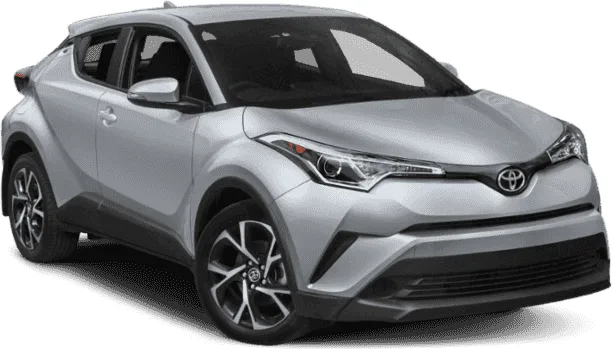
Toyota C-HR
Score: 80/100
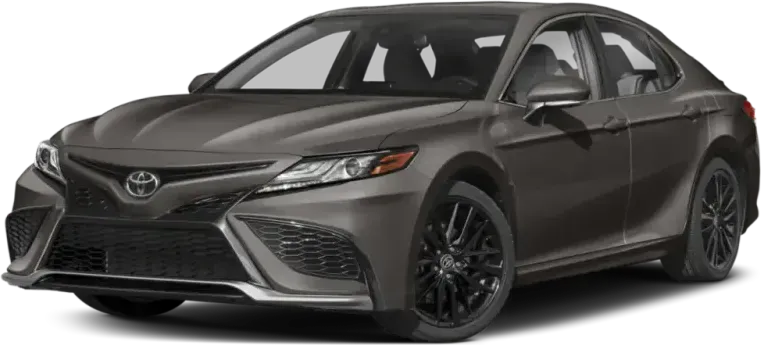
Toyota Camry
Score: 88/100
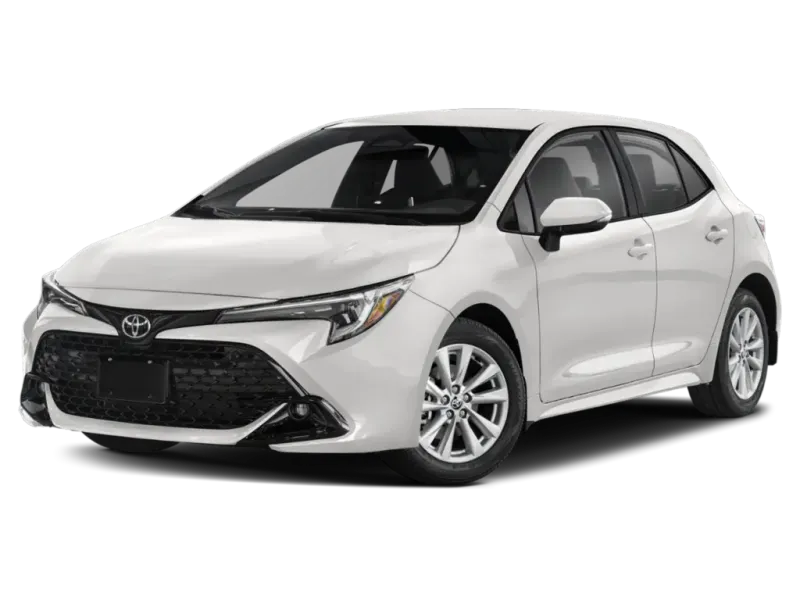
Toyota Corolla
Score: 94/100
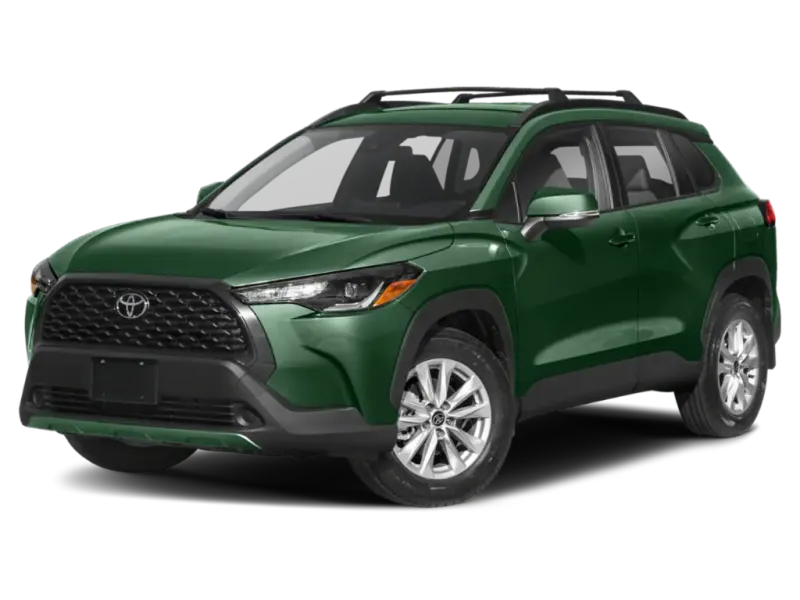
Toyota Corolla Cross
Score: 94/100
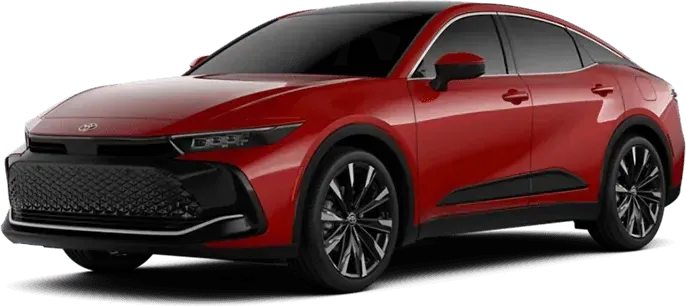
Toyota Crown
Score: 88/100
Browse More 2020 Vehicles
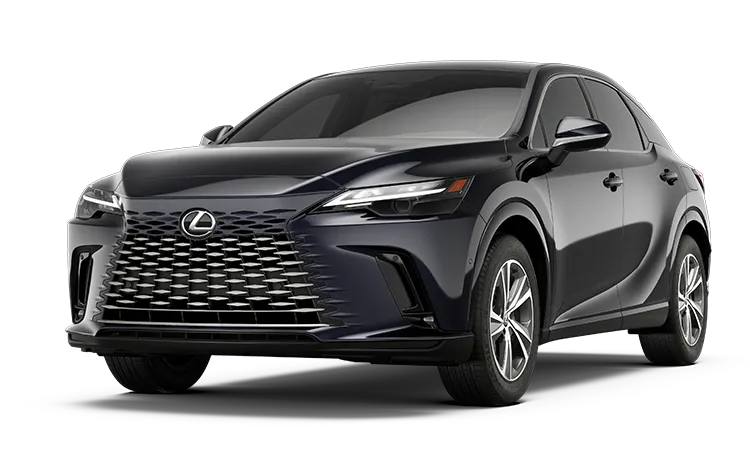
2020 Lexus RX
Score: 86/100
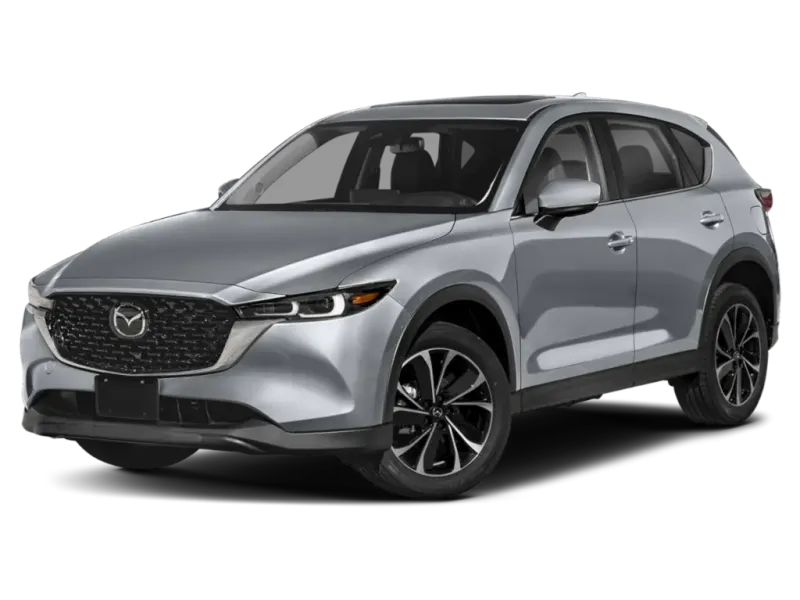
2020 Mazda CX-5
Score: 86/100
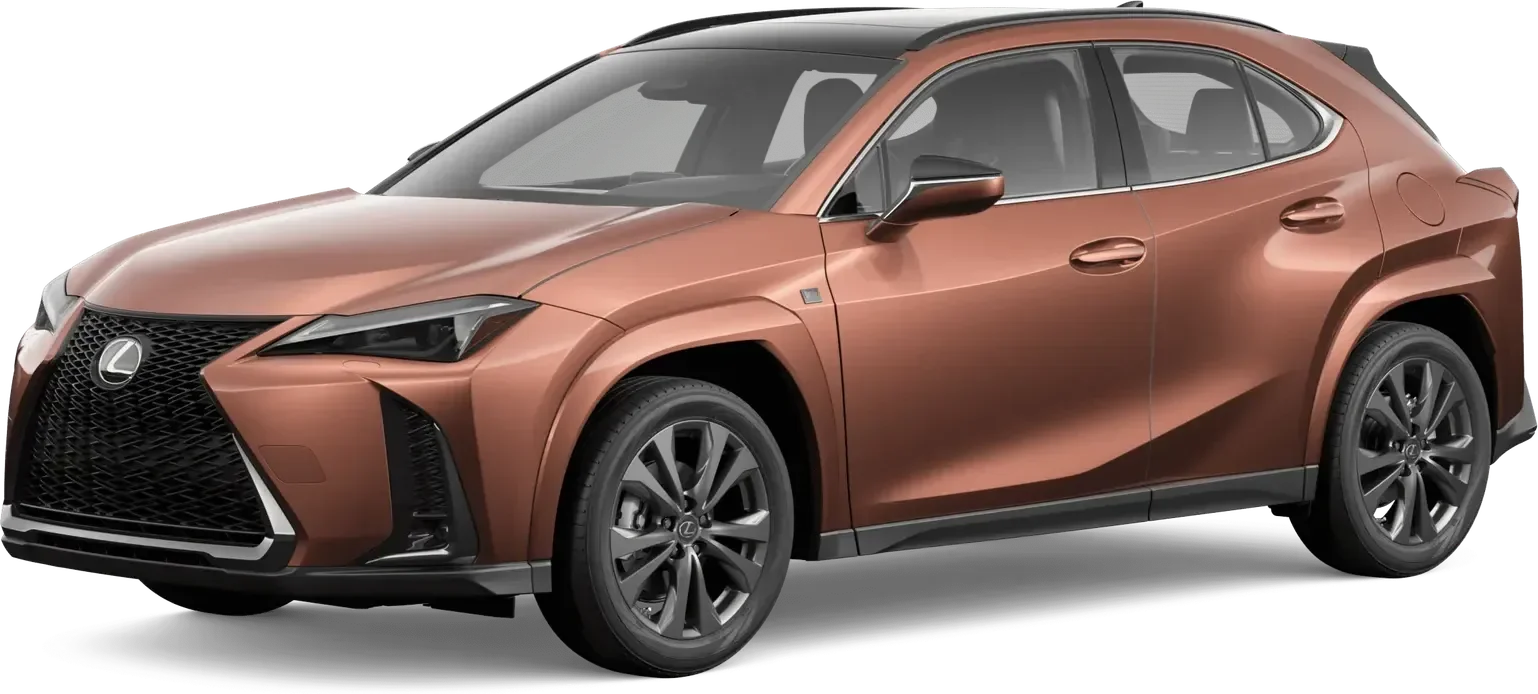
2020 Lexus UX
Score: 84/100
2020 Lexus IS
Score: 83/100
2020 Lexus ES
Score: 83/100
2020 Dodge Grand Caravan
Score: 83/100
See incorrect data? Report an issue