Last updated: 2026-10-10
Genesis G80 vs Toyota Avalon: Reliability Compared

Genesis G80
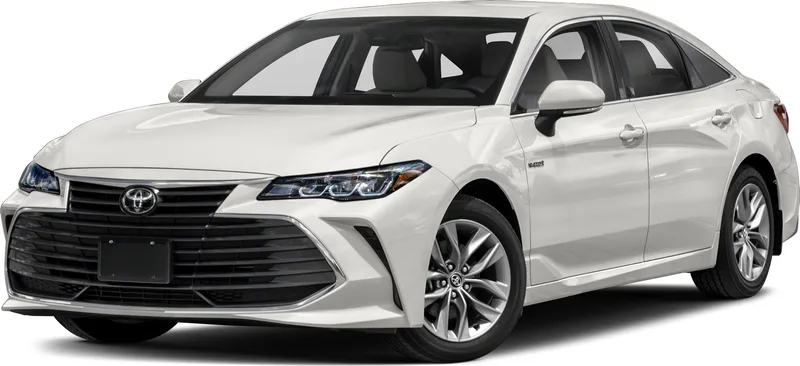
Toyota Avalon
On reliability, the Toyota Avalon beats the Genesis G80 by a clear margin. Owners filed far fewer complaints per car sold, and the Avalon has fewer recalls. The G80's sticking steering and early tire failures widen the gap for used buyers.
How Do the Genesis G80 and Toyota Avalon Generations Compare?
Verdict
The Toyota Avalon is more reliable than the Genesis G80, scoring 75/100 vs 69/100.
A clear edge goes to the Avalon. Both cars hold good standing, but Avalon owners filed far fewer complaints per car sold, and federal recall records show fewer recalls across its years on sale. The G80 draws more filings about sticking steering, turbo oil leaks, and tire blowouts. The Avalon has real faults too, including fuel pump near-stalls and airbags that stayed shut in serious crashes, but they turn up less often.
Key Differences
- 1Toyota Avalon has 27.7 fewer complaints per 10k sold
- 2Toyota Avalon has 17 fewer total recalls
- 3Toyota Avalon scores 6 points higher in reliability
Category Scoreboard
Genesis G80 vs Toyota Avalon: Which Is More Reliable?
| Metric | Genesis G80 | Toyota Avalon |
|---|---|---|
| Reliability Score | 69/100 | 75/100 |
| Years Tracked | 9 | 5 |
| Total Recalls | 28 | 11 |
| Complaints per 10k Sold | 39.6 | 11.9 |
| Safety RatingNHTSA overall | 2026 NHTSA | 2022 NHTSA |
| Frontal | ||
| Side | ||
| Rollover | ||
| Year Wins | 0 | 5 |
What Are the Common Problems With the Genesis G80 and Toyota Avalon?
Fuel pump trouble leads the Avalon list: the engine nearly stalls for a few seconds under acceleration, with no warning light. Airbags that did not deploy in serious crashes and flaky blind spot and camera sensors follow. The G80's trouble is more physical. The steering wheel sticks in a turn and the car drifts toward the shoulder. The turbo oil feed pipe leaks onto the exhaust manifold, and owners fear fire. Tires bubble and blow out early. Steering carries the most crash-linked reports on the G80. On the Avalon, fuel, airbag, and speed control complaints each have crash links.
| Component | Genesis G80 | Toyota Avalon |
|---|---|---|
| ELECTRICAL SYSTEM | 7.7Above Avg | 1.4Low |
| UNKNOWN OR OTHER | 5.1Average | 1.1Low |
| STEERING | 4.1Average | 0.4Very Low |
| AIR BAGS | 1.7Low | 1.5Low |
| ENGINE | 2.9Low | 0.2Very Low |
| POWER TRAIN | 1.7Low | 0.8Very Low |
| TIRES | 2.2Low | 0.2Very Low |
| FUEL/PROPULSION SYSTEM | —None | 2.1Low |
| WHEELS | 1.9Low | —None |
| SERVICE BRAKES | 1.7Low | —None |
| FUEL SYSTEM | 0.7Very Low | 0.4Very Low |
| VEHICLE SPEED CONTROL | 0.5Very Low | 0.6Very Low |
| STRUCTURE | 1Very Low | —None |
| ENGINE AND ENGINE COOLING | 0.7Very Low | —None |
| EXTERIOR LIGHTING | —None | 0.3Very Low |
| LANE DEPARTURE | —None | 0.2Very Low |
| SUSPENSION | —None | 0.2Very Low |
Complaints per 10,000 units sold, aggregated across all tracked model years from NHTSA owner reports.
How Does Genesis G80 vs Toyota Avalon Reliability Compare by Year?
| Year | Genesis G80 | Toyota Avalon | Edge |
|---|---|---|---|
| 2022 | 70/1004R / 6C | 80/1000R / 8C | Toyota Avalon |
| 2021 | 70/1004R / 9C | 76/1002R / 21C | Toyota Avalon |
| 2020 | 70/1002R / 10C | 75/1003R / 10C | Toyota Avalon |
| 2019 | 66/1003R / 27C | 69/1004R / 68C | Toyota Avalon |
| 2018 | 55/1006R / 94C | 77/1002R / 24C | Toyota Avalon |
Best years to cross-shop: The 2022 Genesis G80 scored 70/100 and the 2022 Toyota Avalon scored 80/100 — the strongest shared model years that have been on the road for at least two years, where available.
Who Should Buy the Genesis G80 vs the Toyota Avalon?
Genesis G80 vs Toyota Avalon: Common Questions
- Is the Toyota Avalon more reliable than the Genesis G80?
- Yes, the Avalon has a clear edge. Both sit in good standing, but Avalon owners filed 11.9 complaints per 10,000 sold, against 39.6 for the G80. Recall counts also favor the Avalon. The G80's newest years look good, but they have had less time to collect complaints.
- Which has more recalls, the Avalon or the G80?
- The G80 has more. Federal recall records show 28 recalls across its 9 model years, while the Avalon has 11 across 5 model years. The G80 covers more years on sale, but its count is still well above the Avalon's.
- What is the most common G80 problem?
- Electrical complaints lead, at 32. Most describe waiting on repair parts after a recall notice, not a breakdown. Real failures include an oil pressure light that comes on at idle and a rear door that will not open. Steering and engine oil leaks follow, and those are more worrying.
- Which Toyota Avalon years should I avoid?
- Avoid 2019 and 2020, the weakest years in the data. The strongest are 2022 and 2018. Whichever year you shop, ask whether the fuel pump has been replaced, since owners report the engine nearly stalling for a few seconds under acceleration.
- Are Genesis G80 tire problems serious?
- Yes. Owners report sidewall bubbles and blowouts on Continental ProContact TX tires, mostly between 6,000 and 14,000 miles. One blowout happened at 60 mph. Replacement sets of the same tire line failed too, so inspect the tires and check which brand is fitted before you buy.
Related Reliability Comparisons
More Genesis G80 comparisons
Decided between Genesis G80 and Toyota Avalon? Run a VIN check before you buy — uncover hidden accidents, title issues, and open recalls.
How we score the Genesis G80 and Toyota Avalon
Scores weight complaint severity at 35%, repair costs at 30%, recall impact at 20%, and the spread of complaints across systems at 15%, with complaint counts adjusted for US sales. Read the full methodology.
See incorrect data? Report an issue