Last updated: 2026-10-10
Genesis G80 vs Nissan Maxima: Reliability Compared
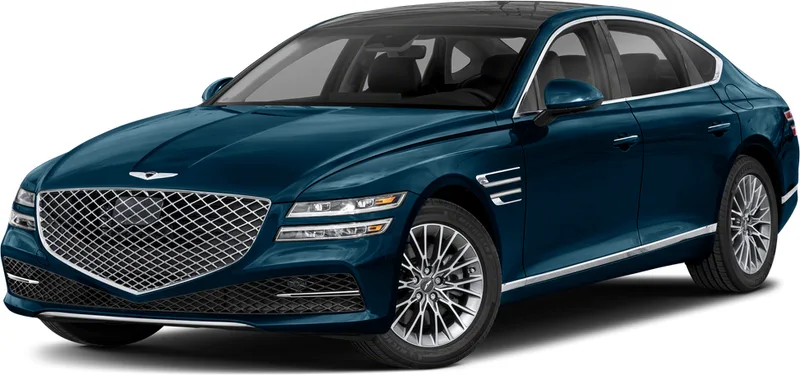
Genesis G80
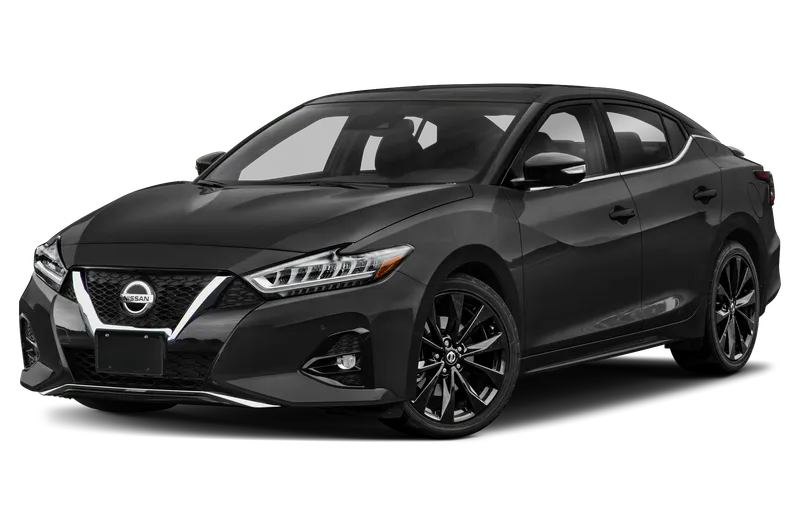
Nissan Maxima
On reliability, the Nissan Maxima leads the Genesis G80 by a clear margin. The G80 has 28 recalls to the Maxima's 4. Both rate good, but the G80 has steering and electrical failures, some tied to crashes, that the Maxima does not show.
How Do the Genesis G80 and Nissan Maxima Generations Compare?
Verdict
The Nissan Maxima is more reliable than the Genesis G80, scoring 76/100 vs 69/100.
A clear edge goes to the Maxima. Both models rate good, but the Genesis G80 draws far more owner complaints per car sold and has 28 federal recalls across nine model years, against 4 for the Maxima over six. The G80's reports include steering and electrical failures that ended in crashes. The Maxima's complaints are fewer and center on warning lights and driver-assist faults. That gap in volume and severity decides it.
Key Differences
- 1Nissan Maxima has 33.1 fewer complaints per 10k sold
- 2Nissan Maxima has 24 fewer total recalls
- 3Nissan Maxima scores 7 points higher in reliability
Category Scoreboard
Genesis G80 vs Nissan Maxima: Which Is More Reliable?
| Metric | Genesis G80 | Nissan Maxima |
|---|---|---|
| Reliability Score | 69/100 | 76/100 |
| Years Tracked | 9 | 6 |
| Total Recalls | 28 | 4 |
| Complaints per 10k Sold | 39.6 | 6.5 |
| Safety RatingNHTSA overall | 2026 NHTSA | 2023 NHTSA |
| Frontal | ||
| Side | ||
| Rollover | ||
| Year Wins | 0 | 6 |
What Are the Common Problems With the Genesis G80 and Nissan Maxima?
Steering is the G80's most serious area. The wheel sticks in a turn and the car drifts toward the shoulder, with 4 crash-linked reports, and two of those say the steering-wheel airbag did not deploy. Electrical reports add a rear door that will not open, plus recall repairs delayed by missing parts. Tires bubble and blow out early. The Maxima's complaints show no crash-linked areas. Its trouble is a cluster of warning lights with power loss, a front collision warning that stays lit, a radar message that disables adaptive cruise, and loose body trim.
| Component | Genesis G80 | Nissan Maxima |
|---|---|---|
| ELECTRICAL SYSTEM | 7.7Above Avg | 0.5Very Low |
| UNKNOWN OR OTHER | 5.1Average | 0.9Very Low |
| STEERING | 4.1Average | —None |
| ENGINE | 2.9Low | —None |
| SERVICE BRAKES | 1.7Low | 0.7Very Low |
| TIRES | 2.2Low | —None |
| POWER TRAIN | 1.7Low | 0.3Very Low |
| WHEELS | 1.9Low | —None |
| AIR BAGS | 1.7Low | 0.2Very Low |
| STRUCTURE | 1Very Low | 0.3Very Low |
| FUEL SYSTEM | 0.7Very Low | —None |
| ENGINE AND ENGINE COOLING | 0.7Very Low | —None |
| VEHICLE SPEED CONTROL | 0.5Very Low | —None |
| FORWARD COLLISION AVOIDANCE | —None | 0.5Very Low |
| LATCHES/LOCKS/LINKAGES | —None | 0.2Very Low |
| ELECTRONIC STABILITY CONTROL (ESC) | —None | 0.2Very Low |
| VISIBILITY/WIPER | —None | 0.2Very Low |
Complaints per 10,000 units sold, aggregated across all tracked model years from NHTSA owner reports.
How Does Genesis G80 vs Nissan Maxima Reliability Compare by Year?
| Year | Genesis G80 | Nissan Maxima | Edge |
|---|---|---|---|
| 2023 | 70/1004R / 8C | 77/1000R / 1C | Nissan Maxima |
| 2022 | 70/1004R / 6C | 77/1000R / 5C | Nissan Maxima |
| 2021 | 70/1004R / 9C | 77/1000R / 3C | Nissan Maxima |
| 2020 | 70/1002R / 10C | 74/1001R / 21C | Nissan Maxima |
| 2019 | 66/1003R / 27C | 76/1001R / 18C | Nissan Maxima |
| 2018 | 55/1006R / 94C | 72/1002R / 36C | Nissan Maxima |
Best years to cross-shop: The 2023 Genesis G80 scored 70/100 and the 2023 Nissan Maxima scored 77/100 — the strongest shared model years that have been on the road for at least two years, where available.
Who Should Buy the Genesis G80 vs the Nissan Maxima?
Genesis G80 vs Nissan Maxima: Common Questions
- Is the Genesis G80 more reliable than the Nissan Maxima?
- No. The Nissan Maxima has a clear edge. It has 6.5 owner complaints per 10,000 sold, while the G80 has 39.6. The G80 also has 28 recalls across nine model years, against 4 across six for the Maxima. Both still rate good overall.
- Which has more recalls, the G80 or the Maxima?
- The G80 has far more. Federal recall records show 28 across its nine model years from 2018 to 2026. The Maxima has 4 across six model years from 2018 to 2023. Owners also report waiting months for G80 recall parts, in some cases over a year.
- What goes wrong with the Genesis G80 steering?
- Owners say the wheel sticks in the turned position on long curves and on-ramps, and the car drifts toward the shoulder until they pull it back. First reports cluster near 27,300 to 29,000 miles. Four reports are crash-linked, and two say the steering-wheel airbag did not deploy.
- What are the most common Nissan Maxima problems?
- Warning lights and driver-assist faults lead the list. Owners report a power loss with several lights at once, a forward collision light that stays on, and a front radar message that shuts off adaptive cruise. Some also report grille clips and trim breaking without a collision.
- Which model years of the G80 and Maxima should I avoid?
- Avoid the G80 from 2018 and 2019, and the Maxima from 2018 and 2020, since those are the weakest years for each. The Maxima's strongest years are 2021 and 2022. The newest G80 years score well but have had less time to collect complaints.
Related Reliability Comparisons
More Genesis G80 comparisons
Decided between Genesis G80 and Nissan Maxima? Run a VIN check before you buy — uncover hidden accidents, title issues, and open recalls.
How we score the Genesis G80 and Nissan Maxima
Scores weight complaint severity at 35%, repair costs at 30%, recall impact at 20%, and the spread of complaints across systems at 15%, with complaint counts adjusted for US sales. Read the full methodology.
See incorrect data? Report an issue