Last updated: 2026-10-10
Buick LaCrosse vs Nissan Maxima: Reliability Compared
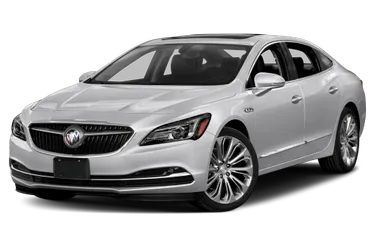
Buick LaCrosse
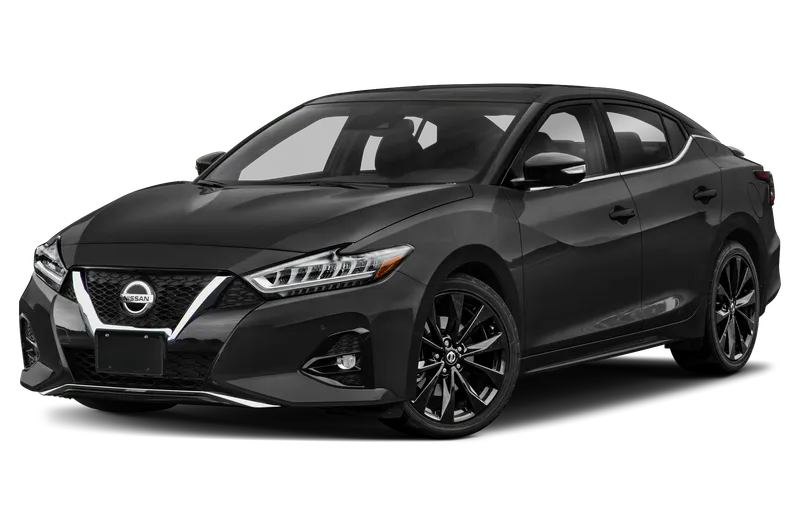
Nissan Maxima
Reliability is effectively tied between the Nissan Maxima and Buick Lacrosse, with both at a good standing and 0.3 unscheduled shop visits a year. What separates them is the failure type: Maxima complaints involve brakes and sensors, while Lacrosse complaints involve throttle response.
How Do the Buick LaCrosse and Nissan Maxima Generations Compare?
Verdict
The Buick LaCrosse and Nissan Maxima are evenly matched with a reliability score of 76/100.
Reliability is effectively tied. Both sedans earn a good standing, both average 0.3 unscheduled shop visits a year, and their yearly repair costs are close. The Lacrosse has a slightly lower chance that a repair turns major. The Maxima has a lower complaint rate per car sold. Neither edge is big enough to decide the choice, so the kind of failure each car tends to have matters more than the score.
Key Differences
- 1Nissan Maxima costs $29 less per year to repair
- 2Buick LaCrosse has 3% lower major repair risk
- 3Nissan Maxima has 1.4 fewer complaints per 10k sold
Category Scoreboard
Buick LaCrosse vs Nissan Maxima: Which Is More Reliable?
| Metric | Buick LaCrosse | Nissan Maxima |
|---|---|---|
| Reliability Score | 76/100 | 76/100 |
| Years Tracked | 2 | 6 |
| Total Recalls | 5 | 4 |
| Complaints per 10k Sold | 7.9 | 6.5 |
| Annual Repair Cost | $569/yr | $540/yr |
| Repair Frequency | 0.3/yr | 0.3/yr |
| Major Repair Risk | 12% | 15% |
| Safety RatingNHTSA overall | 2019 NHTSA | 2023 NHTSA |
| Frontal | ||
| Side | ||
| Rollover | ||
| Year Wins | 1 (1 tied) | 0 (1 tied) |
What Are the Common Problems With the Buick LaCrosse and Nissan Maxima?
Spread across several systems, the Maxima's complaints include a sudden loss of power with a cluster of warning lights, a forward collision light that stays on, and a front radar message that shuts off adaptive cruise control. Grille clips snap, and trim or glass comes loose without a collision. The Lacrosse's complaints center on throttle response. Owners describe a pedal that does nothing when merging, a surge at a stoplight with the brake applied, sudden shutoffs, and rolling backward after a failed start from a stop. Only the Maxima has parts detaching from the body.
| Component | Buick LaCrosse | Nissan Maxima |
|---|---|---|
| ENGINE | 2.2Low | —None |
| UNKNOWN OR OTHER | 1.3Low | 0.9Very Low |
| ELECTRICAL SYSTEM | 1.3Low | 0.5Very Low |
| POWER TRAIN | 0.9Very Low | 0.3Very Low |
| VEHICLE SPEED CONTROL | 0.9Very Low | —None |
| SERVICE BRAKES | —None | 0.7Very Low |
| FORWARD COLLISION AVOIDANCE | —None | 0.5Very Low |
| STRUCTURE | —None | 0.3Very Low |
| AIR BAGS | —None | 0.2Very Low |
| LATCHES/LOCKS/LINKAGES | —None | 0.2Very Low |
| ELECTRONIC STABILITY CONTROL (ESC) | —None | 0.2Very Low |
| VISIBILITY/WIPER | —None | 0.2Very Low |
Complaints per 10,000 units sold, aggregated across all tracked model years from NHTSA owner reports.
Which Is Cheaper to Maintain: Buick LaCrosse or Nissan Maxima?
How Does Buick LaCrosse vs Nissan Maxima Reliability Compare by Year?
| Year | Buick LaCrosse | Nissan Maxima | Edge |
|---|---|---|---|
| 2019 | 76/1002R / 6C | 76/1001R / 18C | Tie |
| 2018 | 75/1003R / 12C | 72/1002R / 36C | Buick LaCrosse |
Best years to cross-shop: The 2019 Buick LaCrosse scored 76/100 and the 2019 Nissan Maxima scored 76/100 — the strongest shared model years that have been on the road for at least two years, where available.
Who Should Buy the Buick LaCrosse vs the Nissan Maxima?
Buick LaCrosse vs Nissan Maxima: Common Questions
- Is the Nissan Maxima more reliable than the Buick Lacrosse?
- No, they are effectively tied. Both have a good standing and average 0.3 unscheduled shop visits a year. The Maxima has a lower complaint rate per car sold, while the Lacrosse has a slightly lower chance that a repair is major. Neither gap is large enough to name a winner.
- Which has more recalls, the Maxima or the Lacrosse?
- The Lacrosse has more recalls on a smaller base. Federal recall records show 5 across its 2 model years in the data, 2018 and 2019. The Maxima has 4 recalls spread across 6 model years, 2018 to 2023. Check any specific car's VIN for open recalls before buying.
- Which is cheaper to repair, the Maxima or the Lacrosse?
- The Maxima is slightly cheaper. Independent repair-cost data puts it at $540 a year against $569 for the Lacrosse, a gap that adds up to about $145 over five years. That is small enough that the condition and service history of the individual car will matter more.
- What are the most common Maxima problems?
- Service brakes lead with 9 complaints, followed by forward collision avoidance and the electrical system with 7 each. Reports include sudden loss of power with many warning lights, a forward collision light that stays on, and a front radar message that disables adaptive cruise control.
- What goes wrong with the Buick Lacrosse?
- Engine and throttle problems dominate. Owners describe a pedal that does not respond when merging, power reduced messages, and a car that surges at a light with the brake applied. Others report sudden shutoffs and a car that struggles to move from a stop, sometimes rolling backward.
Related Reliability Comparisons
More Buick LaCrosse comparisons
Decided between Buick LaCrosse and Nissan Maxima? Run a VIN check before you buy — uncover hidden accidents, title issues, and open recalls.
How we score the Buick LaCrosse and Nissan Maxima
Scores weight complaint severity at 35%, repair costs at 30%, recall impact at 20%, and the spread of complaints across systems at 15%, with complaint counts adjusted for US sales. Read the full methodology.
See incorrect data? Report an issue