Last updated: 2026-10-10
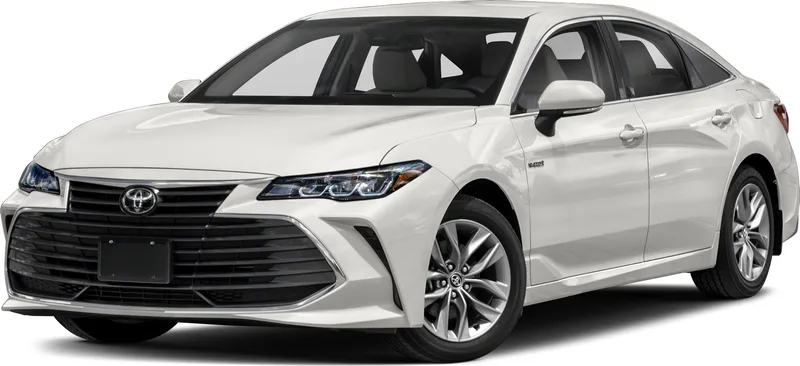
2018 Toyota Avalon Reliability Report
The 2018 Toyota Avalon has good reliability and low repair costs, but owners report air bags that did not deploy in serious crashes.
Recalls
2
Complaints
24
Complaint Rate
7.1per 10,000 sold
Est. Repair Cost
$463
Annual Fuel Cost
$2,500
Detailed Score Breakdown
Component-weighted complaints normalized by sales volume
Independent repair cost ratings
Recall count weighted by severity
Breadth of reported problem categories
The Verdict
Final year of the fourth generation, with good reliability and fewer complaints and recalls than 2019, though air bag and steering complaints deserve a check.
Top Issues to Watch
- AIR BAGS (5)
- STEERING (4)
- FUEL/PROPULSION SYSTEM (3)
Generation & Refresh (US)
2018 is the last model year of the Fourth generation (XX40).
- Final-year models are typically the most refined version of a generation.
- 2 years after the last refresh (2016).
- 4th generation Avalon (US).
What this means for buyers
Final-year models are usually the most polished version of a generation, but resale value may dip as buyers anticipate the next redesign.
2013: Fourth generation (XX40) Launch
Generation start — new platform.
2016: Mid-Cycle Refresh
Updated features and styling tweaks.
2018: This Model Year
2018 is the last model year of the Fourth generation (XX40).
Should You Buy the 2018 Toyota Avalon?
Good is the verdict here. This is the final year of the fourth generation, and it stands well above average among 2018 sedans and among the stronger of the five scored Avalon years. Independent repair-cost data puts yearly upkeep at $463, against $590 for the class. The federal crash-test rating is 5 of 5 stars. The 2019 model also rates good but rates worse, with 68 complaints and 4 recalls against 24 complaints and 2 recalls here.
The complaints that matter are about safety. Four of five air bag filings say the bags did not deploy in serious crashes, and three people were hurt. Some owners say power steering cut out suddenly at highway speed, in one case at around 42,000 miles. A few report the engine nearly stalling for a few seconds with no warning light, and others waited months for a fuel pump part. Federal recall records show two recalls, covering air bags and the fuel system.
Before buying, run the VIN and confirm both recalls were completed. Ask for service records showing any fuel pump work.
Compared to the 2019 Toyota Avalon, which scored 8 points lower.
Pros
- +Acceptable reliability score
- +$127 cheaper to maintain than avg fullsize cars
- +Low major repair risk (13%)
- +Low recall count
Cons
- −AIR BAGS: Airbags fail to deploy in serious crashes, according to four of the five filings (5 complaints)
- −UNKNOWN OR OTHER: Electronics and driver-assist features draw scattered complaints rather than... (5 complaints)
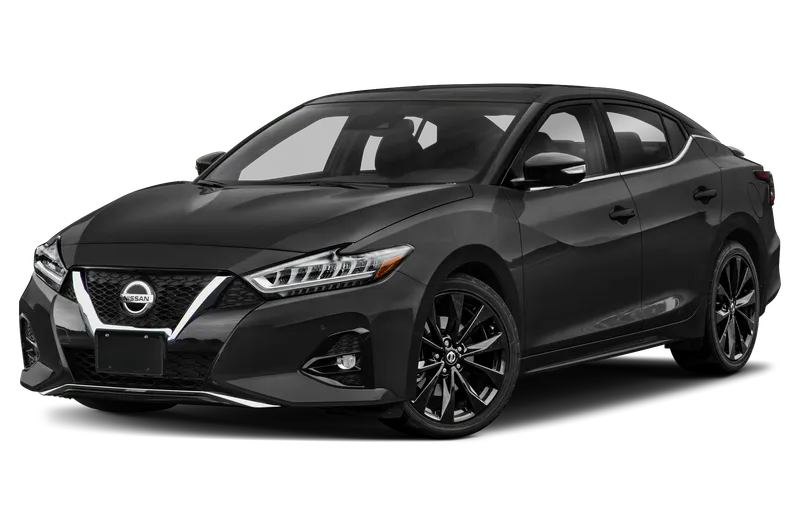
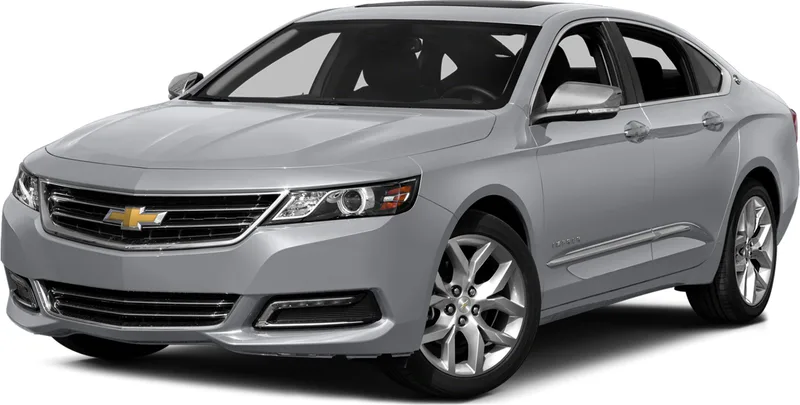
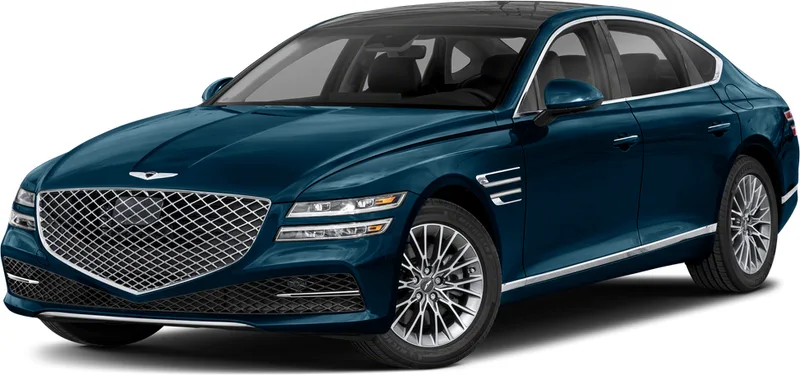
Compare 2018 Toyota Avalon With
Common Problem Categories
Safety
LOW RISK- 2 manufacturer recalls issued
Other
HIGH RISK- AIR BAGS (5)
- UNKNOWN OR OTHER (5)
Recall Overview
2
recalls on record
The 2018 Toyota Avalon carries 2 recalls — a low count. Authorized dealers repair any open recall free of charge, regardless of warranty status.
NHTSA.gov →Complaint Breakdown
7.1
per 10,000 soldSegment avg: 25.7
Safety Incidents
7
Crashes
0
Fires
4
Injuries
0
Deaths
NHTSA 5/5 Stars
Data sourced from NHTSA complaint filings and manufacturer recall notices. Complaint narratives are owner-reported.
2018 Toyota Avalon Recall Details
2 recalls have been issued for the 2018 Toyota Avalon. All recall repairs are performed free of charge at authorized dealerships.
AIR BAGS
Toyota Motor Engineering & Manufacturing (Toyota) is recalling certain 2011-2019 Corolla, 2011-2013 Matrix, 2012-2018 Avalon, and 2013-2018 Avalon Hybrid vehicles. During certain crashes, the air bag electronic control unit (ECU) may malfunction, possibly disabling the deployment of the air bags and/or seat belt pretensioners.
Consequence
In the event of a crash, air bags and/or seat belt pretensioners that do not deploy as intended may increase the risk of injury.
Remedy
Toyota will notify owners, and dealers will inspect the ECU and install a noise filter between the air bag control module and its wire harness, as necessary, free of charge. Owners were notified of the safety risk beginning March 2, 2020. A second letter notifying owners of the remedy repair will be mailed between March 16, 2020 and June 27, 2020. Owners may contact Toyota customer service at 1-888-270-9371. Toyota's numbers for this recall are 20TB03, 20TA03 and 20TA05.
FUEL SYSTEM, GASOLINE
Toyota Motor Engineering & Manufacturing (Toyota) recalled certain 2018-2019 4Runner, Highlander, Camry, Land Cruiser, Sequoia, Sienna, Tacoma and Tundra, and Lexus RC 300, RC 350, GS 350, GX 460, IS 300, LC 500, LS 500, LX 570, RX 350L, and 2019 Toyota Avalon and Corolla, and certain Lexus NX 300, and ES 350 vehicles on January 13, 2020. On March 4, 2020, Toyota expanded the recall to include certain 2014-2015 Toyota 4Runner and Land Cruiser, 2018 Avalon, Corolla, 2014 FJ Cruiser, 2017 Sienna and Lexus 2018 ES 350, 2018-2019 GS 300, 2013-2014 GS350, 2014-2015 GX 460, IS 350 and LX 570, 2014 IS F, 2018-2019 IS 350, LC 500H and LS 500H, 2013-2015 LS 460, 2015 NX 200T and RC350, 2017 RC 200T and RX 350. Toyota also removed the 2018-2019 Toyota 4Runner and Land Cruiser and 2018-2019 Lexus GX 460 and LX 570 and 2019 NX300 from inclusion in this recall. On March 19, 2020, Toyota expanded the recall to include 2015 Lexus GS350 vehicles. The low-pressure fuel pump inside the fuel tank may fail.
Consequence
If the fuel pump fails, the engine can stall while driving, increasing the risk of a crash.
Remedy
Toyota will notify owners, and dealers will replace the fuel pump, free of charge. The recall began May 4, 2020. Owners may contact Toyota customer service at 1-888-270-9371 or Lexus customer service at 1-800-255-3987. Toyota's numbers for this recall are 20TB02 and 20TA02 for Toyota vehicles and 20LB01 and 20LA01 for Lexus vehicles.
Buying a used 2018 Toyota Avalon? Check its history first
Air bags problems lead owner complaints about the 2018 Toyota Avalon, and 2 recalls were issued for it. A VIN check shows whether this car's recall work was done, plus accident, title, and odometer history.
- Accidents
- Open Recalls
- Title History
- Odometer Rollback
2018 Toyota Avalon NHTSA Safety Ratings
Overall Safety Rating
Crash Test Results by Configuration (expand)
Gas Powertrain
Rollover risk: 10.7%
Safety Technologies
Toyota AvalonRepair Costs & Maintenance
Maintenance Rating
4Maintenance rating: 4 out of 5Based on NHTSA complaint patterns, recall severity, and publicly available cost benchmarks.
Est. Annual Maintenance
$463
vs $590 avg for fullsize cars
vs $652 avg for all vehicles
Repair Frequency
0.4
unscheduled repair visits per year
Severe Repair Probability
13%
chance of a major repair
Annual Cost Comparison
Category-level averages derived from publicly available industry reports (AAA, CarMD). Model-level estimates produced by Auto Reliability Index.
MPG & Annual Running Costs
Gas
24 MPG
Running cost: $2,950/yr
Fuel + repair
21 city / 30 hwy MPG
Hybrid
40 MPG
Running cost: $1,950/yr
Fuel + repair
40 city / 39 hwy MPG
Running cost includes EPA fuel-cost estimate and independent repair-cost data (repair cost estimated at model level). Excludes routine maintenance, depreciation, and insurance. Data as of 2018 EPA label cycle.
Gas trims
| Trim | Drive | Trans. | City | Hwy | Comb | Fuel Cost |
|---|---|---|---|---|---|---|
| Avalon 3.5L 6-cyl | Front-Wheel Drive | Automatic (S6) | 21 | 30 | 24 | $2,500 |
Hybrid trims
| Trim | Drive | Trans. | City | Hwy | Comb | Fuel Cost |
|---|---|---|---|---|---|---|
| Avalon Hybrid 2.5L 4-cyl | Front-Wheel Drive | Automatic (AV-S6) | 40 | 39 | 40 | $1,500 |
Used Buying Checklist
Key things to inspect or verify before purchasing a 2018 Toyota Avalon.
Run the VIN through federal recall records and confirm every open campaign, including airbag or fuel pump work, is completed.
Accelerate firmly from a stop and on the highway, and note any stumble, hesitation, or brief loss of power.
Accelerate firmly at 60 to 70 mph and feel for the car jerking or pulling to the right.
Watch for power steering or triangle warning lights at startup and throughout the test drive.
Pair your phone and hold a call for several minutes to see whether the radio drops it.
Shift into reverse and confirm the backup camera image still shows the rear license plate.
In radar cruise control, accelerate and press the lever to raise the set speed, and watch for unwanted braking.
With the radio on, drift toward a lane line and check that the lane departure beep is audible.
2018 Toyota Avalon Common Problems by Component
24 owner complaints grouped by vehicle system.
AIR BAGS
5 complaintsSafety-relatedAirbags fail to deploy in serious crashes, according to four of the five filings. Reports describe heavy frontal and side impacts that totaled the car with no frontal airbags firing. One also says the driver's seat belt did not lock. Three people were hurt. In one case, neither the dealer nor an inspector sent by the manufacturer could explain why the airbags stayed silent. The remaining complaint describes no failure. It concerns a wait for an airbag repair part that was not yet available.
UNKNOWN OR OTHER
5 complaintsElectronics and driver-assist features draw scattered complaints rather than one clear pattern. The radio drops phone calls, and the trouble continues even after the unit is replaced. Other reports describe a backup camera view that shifts until the license plate no longer shows, a pre-collision system one owner believes does nothing, and a lane departure beep too quiet to hear over road noise. On sunny days, glare from the rear deck onto the steep rear window makes it hard to see cars behind. None of these reports involve a crash.
STEERING
4 complaintsSafety-relatedPower steering can cut out suddenly at highway speed. In one report the driver feels a pop, the power steering and triangle warning lights come on, and the wheel goes nearly dead at around 42,000 miles. Another describes the car jerking to the right under acceleration at interstate speeds. Two crash reports follow emergency swerves, one with an injury. One of them centers on airbags not deploying. In the other, the car seemed to be pulled into a median wall. The main risk is losing steering control at speed.
FUEL/PROPULSION SYSTEM (3 complaints)
FUEL/PROPULSION SYSTEM
3 complaintsWithout warning, the engine nearly stalls for a few seconds, mostly under acceleration, and then recovers. No warning light comes on. The owner who reports this links it to the fuel pump. The other filings are about getting the fuel pump replaced: dealers lack the correct part for months, and owners are still waiting for a notice that has not arrived. No crashes are reported, but a sudden loss of power in heavy traffic is a real hazard.
VEHICLE SPEED CONTROL (2 complaints)
VEHICLE SPEED CONTROL
2 complaintsSafety-relatedUnintended acceleration and erratic radar cruise control account for both reports. In one, the car surges while easing into a parking space, jumps a curb, and crashes into bushes, and the brake does not stop it until after the curb. In the other, the owner tries to raise the cruise set speed by accelerating and pressing the lever. The car instead drops back to 1 mph below the old setting, sometimes by braking. Toyota told that owner the car works as intended.
STRUCTURE (1 complaints)
STRUCTURE
1 complaintHello, My name is [XXX]. I bought my car from Longo Toyota in El Monte about 15 months ago. The car was certified preowned and had a Carfax report with no accident reported history. That is exactly why I bought the car, because this was going to be my family car. So I bought it and have been driving around my daughter, who just turned one for over a year. I also work as a Behavioral Therapist and drive around kids with autism in my car on a daily basis. It wasn’t until I decided to trade in my car that it was discovered that the Avalon car has frame damage, which was discovered by third-party. A car condition expert came to check out the car and discovered the frame damage by using a true frame meter and a paint meter. Now Longo Toyota in El Monte has gave me the go around and hasn't even checked for frame damage. Longo Toyota is asking me how much would I want for my car and asking me about my car's value. There is clear fraud going on, and the fact that this is the largest car dealership in the country makes me wonder how many more people are driving around in cars that have frame damage as well. Best regards, [XXX] “INFORMATION Redacted PURSUANT TO THE FREEDOM OF INFORMATION ACT (FOIA), 5 U.S.C. 552(B)(6).
ELECTRICAL SYSTEM (1 complaints)
ELECTRICAL SYSTEM
1 complaintMy car check engine light lane sensor light and Lad light came on and card had rough handling i took it to Toyota of plano and they worked on charged me $650 so i was was happy they fixed the problem after one day the lights came back they said it was the rodent damage a Rat chewed the wire because what i learned toyota is using soy base wires it attracts Rats they should not use it it is a safety hazards now my safety feathers don't work i can not afford $600 every other day so please recall this problem Thanks so many accidents can be avoided,
FORWARD COLLISION AVOIDANCE (1 complaints)
FORWARD COLLISION AVOIDANCE
1 complaintTHE PRE-COLLISION BRAKING SYSTEM DOES NOT APPEAR TO WORK. SEVERAL TIMES WHEN CARS IN FRONT OF US HAVE SLAMMED ON THEIR BRAKES, THE PRE-COLLISION BRAKING SYSTEM DOES NOT RESPOND. WE OWN A 2016 PRIUS WITH THE SAME FEATURE AND IT ALWAYS RESPONDS ' FLASHING A WARNING AND APPLYING THE BRAKES. WE COMPLAINED TO THE DEALERSHIP MULTIPLE TIMES, AND THEY SAID THE SYSTEM IN OUR CAR PERFORMS A CHECK EVERY TIME WE TURN ON THE CAR AND SINCE IT DOES NOT INDICATE A FAULT, TO THEIR KNOWLEDGE THE SYSTEM IS WORKING FINE. THEY SAID THERE ARE NO OTHER TESTS FOR THEM TO PERFORM. I'VE ADJUSTED THE SYSTEM TO THE MOST SENSITIVE MODE (ACTIVE WHEN VEHICLE IN FRONT OF US IS FURTHER AWAY), BUT THIS HAS HAD NO EFFECT. ALSO, THE ADAPTIVE CRUISE CONTROL WHICH USES THE SAME RADAR SYSTEM AS THE PRE-COLLISION BRAKING WORKS FINE. THERE DEFINITELY IS SOMETHING WRONG WITH THE PRE-COLLISION BRAKING, AND I AM CONCERNED THAT THIS SAFETY FEATURE WILL NOT SAVE US FROM A COLLISION. THE ONLY WAY SOMEONE WOULD BE AWARE THAT THE SYSTEM ISN'T WORKING IS TO EXPERIENCE A NEAR COLLISION. I BELIEVE THE PRE-COLLISION BRAKING SYSTEM COULD BE TESTED WITHOUT DAMAGING OUR CAR BY PLACING A LARGE STATIONARY INFLATABLE OBJECT IN FRONT OF OUR MOVING CAR. I WOULD BE GLAD TO PROVIDE OUR CAR FOR YOU TO PERFORM SUCH A TEST OR ANOTHER TEST THAT YOU MAY HAVE DEVELOPED. THIS MAY BE A PROBLEM WITH MANY OTHER TOYOTA AVALONS AND OTHER CARS.
EXTERIOR LIGHTING (1 complaints)
EXTERIOR LIGHTING
1 complaintMY AUTO HIGH BEAMS DAILY FAIL TO WORK CORRECTLY DURING NIGHT TIME DRIVING, THE LOW BEAM WOULD BE ON, THE TURN SIGNAL CONTROL LEVER WILL BE PUSHED ALL THE WAY FORWARD. THE GREEN LIGHT ON THE DASH PANEL IS SHOWING A HEADLIGHT WITH A WORD "AUTO" WOULD ILLUMINATE AND THE HIGH BEAMS WOULD CYCLE ON & OFF AS THEY SHOULD WITH THE AUTO HIGH BEAM SYSTEM. THEN THE GREEN "AUTO" LIGHT WOULD MYSTERIOUSLY GO OFF AND THE HIGH BEAMS WOULD NOT TURN ON ANYMORE EVEN UNDER THE RIGHT CONDITIONS - THIS WOULD LAST FROM THIRTY SECONDS TO ABOUT FIVE MINUTES..THEN THE AUTO HIGH BEAM SYSTEM MYSTERIOUSLY COMES BACK ON AND ALL WORKING CORRECTLY AGAIN. THIS IS ONLY ON NIGHT TIME DRIVING WHEN THE AUTO HIGH BEAM SYSTEM IS TURNED ON WITH THE GREEN AUTO INDICATOR. THIS IS WHEN THE VEHICLE IS IN MOTION AND MOSTLY ON DARKER / RURAL ROADS WHERE HIGH BEAMS ARE DESIRED. THIS PROBLEM IS WITH THOUSANDS OF TOYOTAS..AND LEXUS ES ALL MODELS AND THE LAST FIVE MODEL YEARS. DEALERS TURN A BLIND EYE TO IT... ALTHOUGH IT IS OFTEN A VERY INTERMITTENT PROBLEM. TOYOTA DEALERS WILL NOT ACKNOWLEDGE IT... LOOK IN ALL THE TOYOTA ONLINE AUTOMOTIVE FORUMS... IT'S OUT THERE...THIS HAPPENS EVERY AND ANY EVENING WE DRIVE THE CAR AT NIGHT. VERY ANNOYING FOR SURE.
SERVICE BRAKES (1 complaints)
SERVICE BRAKES
1 complaintTOYOTA IN THEIR ADS SHOW THE AVALON TO STOP BY ITSELF IN FRONT OF OBSTACLES AND PEOPLE. MY TEST SHOWS THIS NOT TO BE THE CASE WITH MY CAR. TOYOTA ADVISED TO HAVE THE CAR CHECKED AND THIS WAS DONE. THE LOCAL TOYOTA DEALER PRONOUNCED THE CAR UP TO FACTORY STANDARDS. . PLEASE WATCH THIS YOUTUBE VIDEO : HTTPS://YOUTU.BE/XETNKNYB17W
Best & Worst Toyota Avalon Years
Best Toyota Avalon Years to Buy
Based on reliability index score2022
2018
(Current Model)
2021
Toyota Avalon Years to Avoid
Toyota Avalon Reliability Score Trend
Scores 0–100. Higher is better. Current year highlighted.
| Year | Score | Rating |
|---|---|---|
| 2018 | 77/100 | Good |
| 2019 | 69/100 | Good |
| 2020 | 75/100 | Good |
| 2021 | 76/100 | Good |
| 2022 | 80/100 | Excellent |
Toyota Avalon Reliability Compared to Other Years
Frequently Asked Questions
Is the 2018 Toyota Avalon reliable?
What are the most common problems with the 2018 Toyota Avalon?
Do 2018 Toyota Avalon air bags fail to deploy?
Has the 2018 Toyota Avalon been recalled?
Is the 2018 Toyota Avalon better than the 2019?
Don’t buy a 2018 Toyota Avalon without checking its VIN first — hidden accidents, title issues, and open recalls could cost you thousands.
How we score the 2018 Toyota Avalon
Of the four inputs behind this score, the 2018 Toyota Avalon does best on how many systems draw complaints (82/100) and worst on complaint severity (71/100). Scores weight complaint severity at 35%, repair costs at 30%, recall impact at 20%, and the spread of complaints across systems at 15%, with complaint counts adjusted for US sales. Read the full methodology.
Get notified when new recalls or reliability data is added for the Toyota Avalon.
No spam. Only data updates for this model.
Browse More Toyota Models

Toyota 4Runner
Score: 84/100
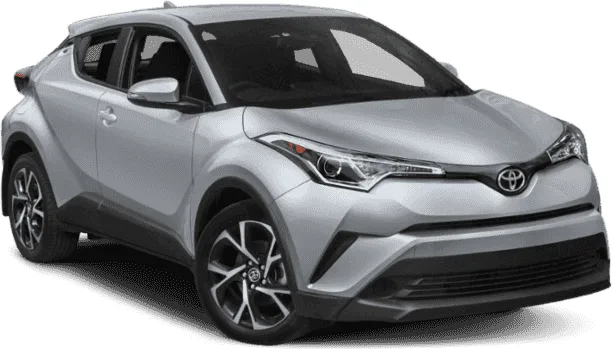
Toyota C-HR
Score: 80/100
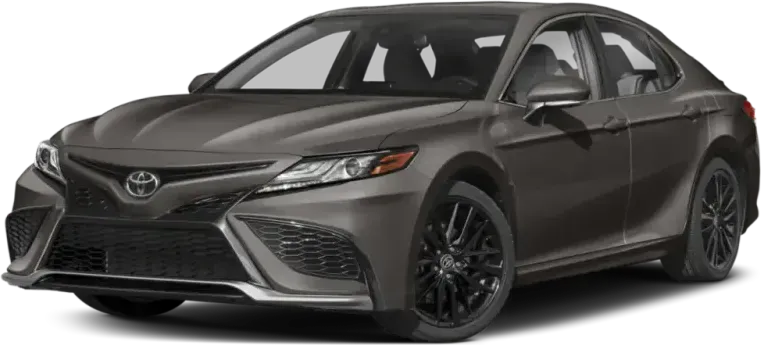
Toyota Camry
Score: 88/100
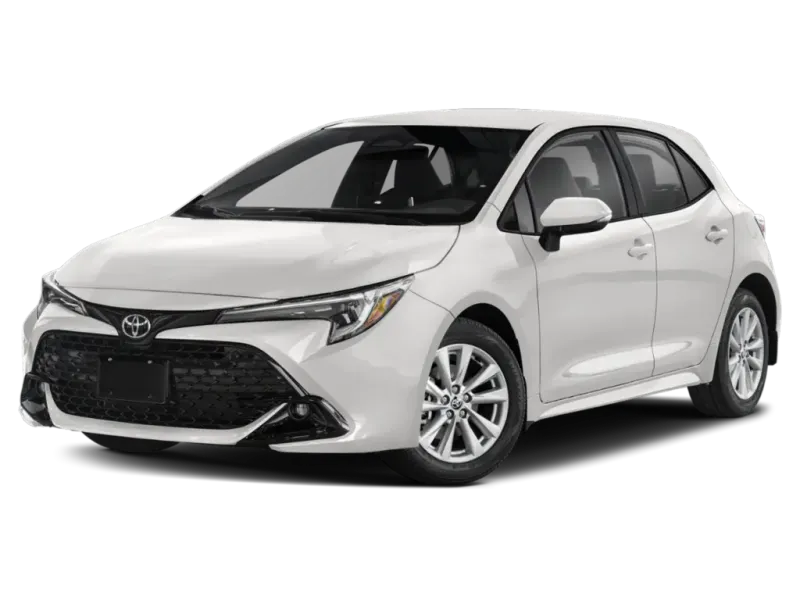
Toyota Corolla
Score: 94/100
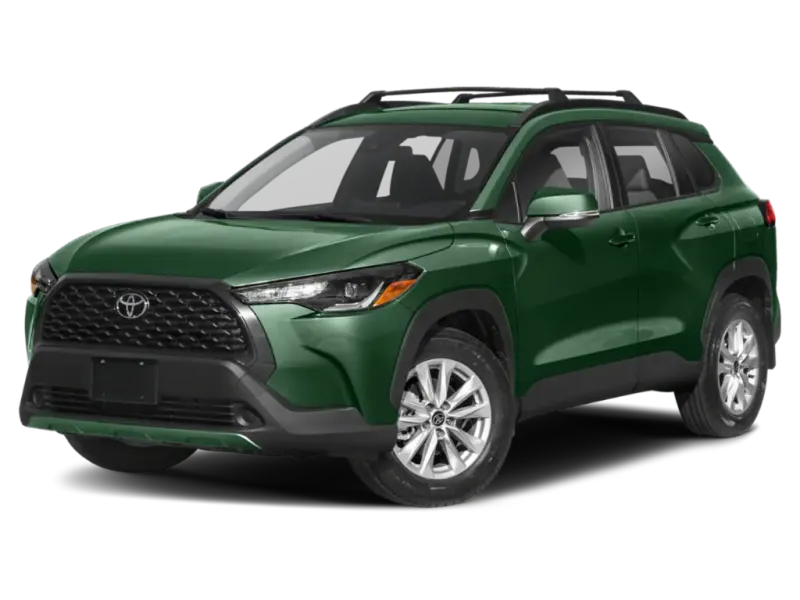
Toyota Corolla Cross
Score: 94/100
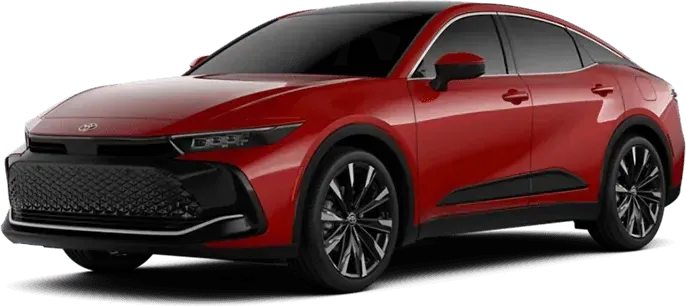
Toyota Crown
Score: 88/100
Browse More 2018 Vehicles
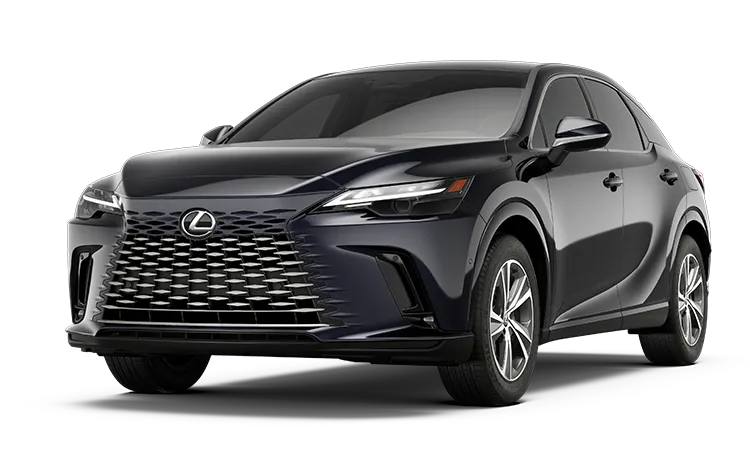
2018 Lexus RX
Score: 85/100
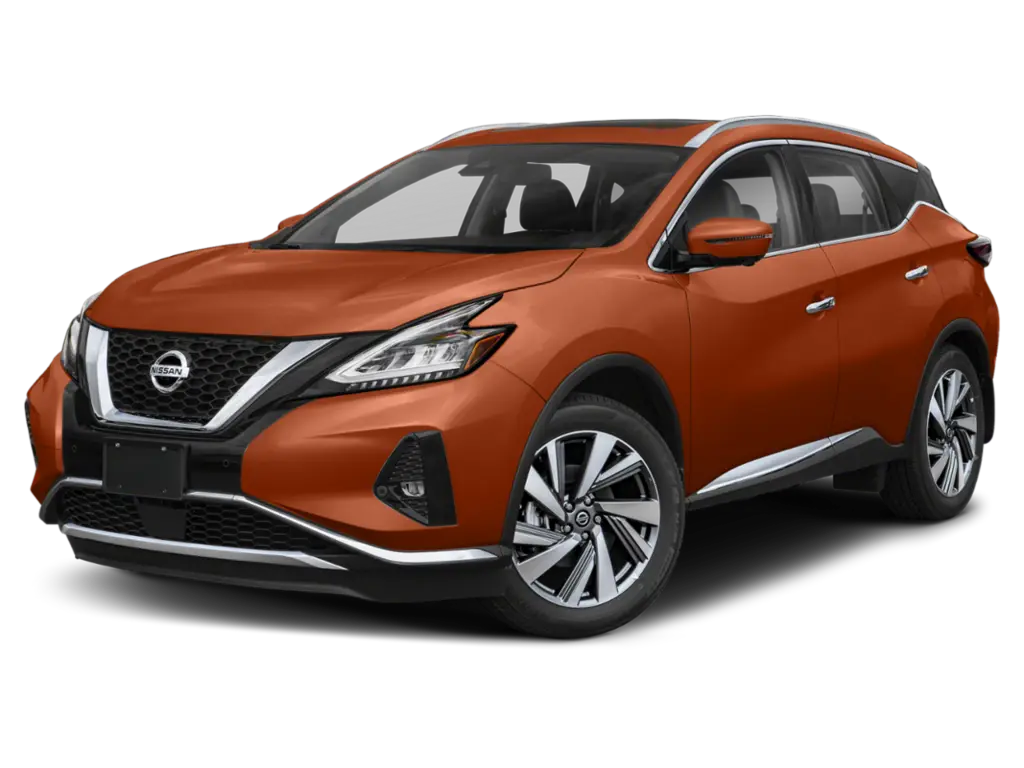
2018 Nissan Murano
Score: 82/100
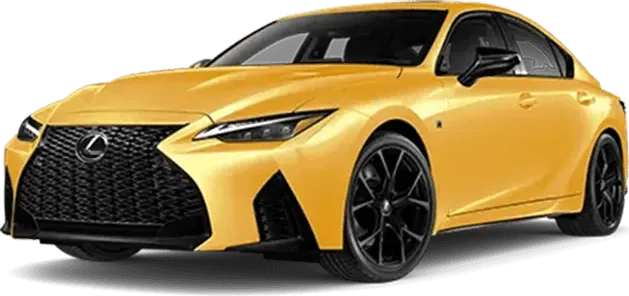
2018 Lexus IS
Score: 81/100
2018 Lexus ES
Score: 80/100
2018 Toyota Corolla
Score: 80/100
2018 Buick Encore
Score: 80/100
See incorrect data? Report an issue