Last updated: 2026-10-10
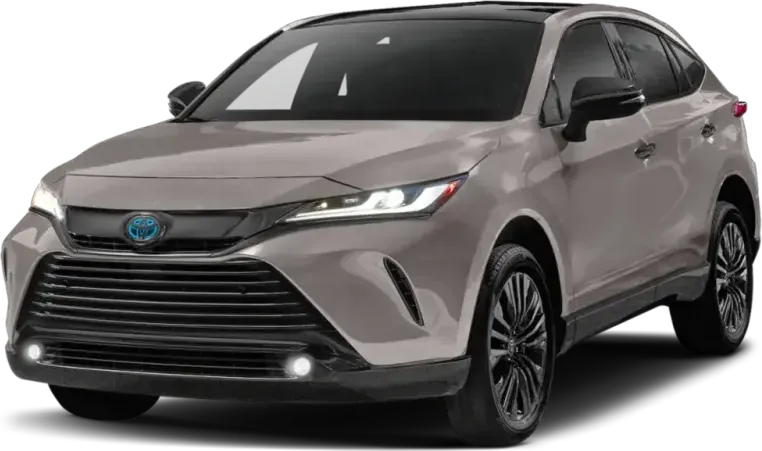
Toyota Venza Years to Avoid
4 scored model years (2021–2024) · model average 80/100
No Venza model year is one to avoid. Ratings differ only slightly, with 2021 drawing the most owner complaints and both 2023 and 2024 carrying two recalls. The 2024 is the year to buy.
Verdict
- Avoid
- No outlier years
- Buy
- 2024 80/100
- Model average
- 80/100
What Are Common Toyota Venza Problems?
EXTERIOR LIGHTING
2 complaintsMost reported in 2021
2021: Low beam headlights throw dark shadows into the top of the lit area on both sides.
FUEL/PROPULSION SYSTEM
2 complaintsMost reported in 2021
2021: The tank takes less fuel than its rated 14.5 gallons, and the fuel gauge gives misleading readings.
Best Toyota Venza Year to Buy Instead
2024 Toyota Venza
The 2024 is the site's pick because it has been on the road two years and has no owner complaints on file, while 2021 has seven and a recall. Low counts partly reflect time, and 2024 has two recalls in federal records, so confirm the work was done. The 2021 fuel and lighting complaints do not appear for 2024.
Found a Safe Year? Check the Specific Car
Even the 2024 Toyota Venza has 2 recalls on file. A VIN check confirms the recall work on the exact car and shows its accident, title, and service history.
- Accidents
- Open Recalls
- Title History
- Odometer Rollback
All Toyota Venza Years by Generation
Toyota Venza Reliability Scores by Year
Second generation (XU80) (2021–2024)
2022 Toyota Venza
0 recalls · 2 complaints
2023 Toyota Venza
2 recalls · 0 complaints
2024 Toyota Venza
2 recalls · 0 complaints
2021 Toyota Venza
1 recalls · 7 complaints
Frequently Asked Questions
Which Toyota Venza years should I avoid?
Is the 2021 Toyota Venza a bad year?
Does the 2024 Toyota Venza have recalls?
Which Toyota Venza years are the most reliable?
Which Toyota Venza years have transmission problems?
How we score every Toyota Venza model year
Scores weight complaint severity at 35%, repair costs at 30%, recall impact at 20%, and the spread of complaints across systems at 15%, with complaint counts adjusted for US sales. Read the full methodology.
See incorrect data? Report an issue