Last updated: 2026-10-10
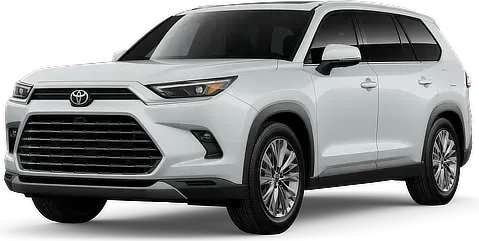
Toyota Grand Highlander Years to Avoid
3 scored model years (2024–2026) · model average 79/100
The year to avoid is 2024, mainly because owners report power cutting out when pulling away from a stop and long waits for airbag repairs. It is also the site's pick to buy, since 2025 and 2026 are too new to judge. If you buy one, confirm every recall is done.
Verdict
- Avoid
- 2024 69/100
- Buy
- 2024 69/100
- Model average
- 79/100
Toyota Grand Highlander Years to Avoid
These model years score significantly below the Toyota Grand Highlander average of 79/100.
| # | Year | Score | Rating | Recalls | Complaints | Top Issue |
|---|---|---|---|---|---|---|
| 1 | 2024 | 69/100 | Good | 7 | 171 | Unknown Or Other (34) |
Why These Years Should Be Avoided
2024 Toyota Grand Highlander
Owners describe power that cuts out when pulling away from a stop, then surges with high revs, with no warning light. Others wait months for airbag repair parts. This year has 7 recalls and by far the most complaints, including a blank instrument cluster and a fuel tank that will not take a full fill.
Top issues: Unknown Or Other (34), Air Bags (27), Power Train (26), Electrical System (14), Fuel Propulsion System (12), Suspension (10)
View full 2024reliability report →What Are Common Toyota Grand Highlander Problems?
UNKNOWN OR OTHER
42 complaintsMost reported in 2024, 2025
2024: Front CV axles pop, click, or knock when turning.
POWER TRAIN
34 complaintsMost reported in 2024, 2025
2024: Power cuts out without warning when pulling away from a stop.
AIR BAGS
27 complaintsMost reported in 2024
2024: Most of these reports are about recall 24V461000.
ELECTRICAL SYSTEM
16 complaintsMost reported in 2024, 2025
2024: The instrument cluster can go blank, so the driver loses the speed and warning displays.
FUEL/PROPULSION SYSTEM
15 complaintsMost reported in 2024, 2025
2024: The fuel tank will not take a full fill.
STRUCTURE
13 complaintsMost reported in 2024, 2025
2024: The rear edge of the hood near the windshield flutters at speed.
Best Toyota Grand Highlander Year to Buy Instead
2024 Toyota Grand Highlander
2024 is the pick because it is the only year on the road long enough to judge. Its problems are well documented, so you can ask about them before buying. The 2025 has far fewer complaints and 2026 has none, but both are too new to call better. Choose a 2024 with recall work finished.
Found a Safe Year? Check the Specific Car
Even the 2024 Toyota Grand Highlander has 7 recalls on file. A VIN check confirms the recall work on the exact car and shows its accident, title, and service history.
- Accidents
- Open Recalls
- Title History
- Odometer Rollback
All Toyota Grand Highlander Years by Generation
Toyota Grand Highlander Reliability Scores by Year
Frequently Asked Questions
Which Toyota Grand Highlander years should I avoid?
Which Toyota Grand Highlander years have transmission problems?
Is the 2024 Toyota Grand Highlander a good buy?
Is the 2025 Toyota Grand Highlander better than the 2024?
Is the 2026 Toyota Grand Highlander the most reliable year?
How we score every Toyota Grand Highlander model year
Scores weight complaint severity at 35%, repair costs at 30%, recall impact at 20%, and the spread of complaints across systems at 15%, with complaint counts adjusted for US sales. Read the full methodology.
See incorrect data? Report an issue