Last updated: 2026-10-10
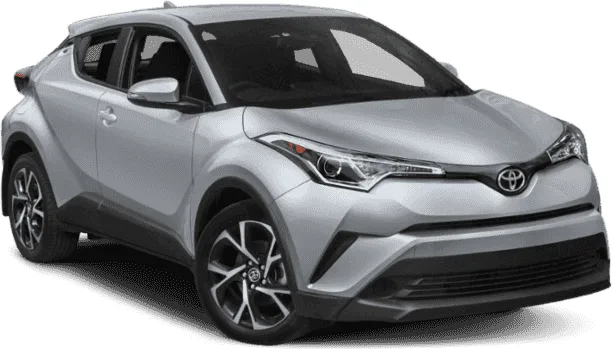
Toyota C-HR Years to Avoid
5 scored model years (2018–2022) · model average 74/100
Skip the 2018 Toyota C-HR. Its CVT is the main problem: owners describe a whine or hum that grows with speed and ends in a full transmission replacement. The 2022 is the better year to buy, with far fewer complaints and no recalls.
Verdict
- Avoid
- 2018 66/100
- Buy
- 2022 80/100
- Model average
- 74/100
Toyota C-HR Years to Avoid
These model years score significantly below the Toyota C-HR average of 74/100.
| # | Year | Score | Rating | Recalls | Complaints | Top Issue |
|---|---|---|---|---|---|---|
| 1 | 2018 | 66/100 | Good | 1 | 296 | Power Train (193) |
Why These Years Should Be Avoided
2018 Toyota C-HR
Owners filed 296 complaints, far more than any other year, and most involve the CVT. A whine or hum grows with speed, usually with no warning light, and the fix is a full transmission quoted from over $10,000 to $14,000. Electrical reports add engine cut-outs and no-start problems.
Top issues: Power Train (193), Unknown Or Other (32), Electrical System (21), Engine (14), Service Brakes (11), Air Bags (5)
View full 2018reliability report →What Are Common Toyota C-HR Problems?
POWER TRAIN
305 complaintsMost reported in 2018, 2019, 2020
2018: The CVT develops a whine, hum, or growl that gets louder with speed.
UNKNOWN OR OTHER
62 complaintsMost reported in 2018, 2019, 2021
2018: Transmission failure is the main theme here too.
ELECTRICAL SYSTEM
35 complaintsMost reported in 2018, 2019, 2021
2018: The engine cuts out while driving, including on the interstate, and some cars repeatedly blow the same fuse.
ENGINE
17 complaintsMost reported in 2018, 2019
2018: Most of these reports are really about the transmission.
SERVICE BRAKES
11 complaintsMost reported in 2018
2018: An "EPB Malfunction" warning lights up, sometimes while moving or after using cruise control.
AIR BAGS
7 complaintsMost reported in 2018, 2021
2018: None of the bags deploy in serious collisions, according to all 5 reports.
Best Toyota C-HR Year to Buy Instead
2022 Toyota C-HR
The 2022 has 2 owner complaints and no recalls, while the 2018 has 296 complaints and the 2019 has three recalls. Newer cars have had less time to collect complaints, and both 2022 reports involve a CVT replacement, so the sample is small. Still, it has the cleanest record in the lineup.
Found a Safe Year? Check the Specific Car
Even the 2022 Toyota C-HR has 0 recalls on file. A VIN check confirms the recall work on the exact car and shows its accident, title, and service history.
- Accidents
- Open Recalls
- Title History
- Odometer Rollback
All Toyota C-HR Years by Generation
Toyota C-HR Reliability Scores by Year
First generation (AX10/AX50) (2018–2022)
2022 Toyota C-HR
0 recalls · 2 complaints
2021 Toyota C-HR
1 recalls · 32 complaints
2020 Toyota C-HR
1 recalls · 55 complaints
2019 Toyota C-HR
3 recalls · 101 complaints
2018 Toyota C-HR
1 recalls · 296 complaints
Frequently Asked Questions
Which Toyota C-HR years should I avoid?
Which Toyota C-HR years have transmission problems?
Why is the 2018 Toyota C-HR a year to avoid?
Is the 2022 Toyota C-HR a safe bet?
Are later C-HR years better than 2018?
How we score every Toyota C-HR model year
Scores weight complaint severity at 35%, repair costs at 30%, recall impact at 20%, and the spread of complaints across systems at 15%, with complaint counts adjusted for US sales. Read the full methodology.
See incorrect data? Report an issue