Last updated: 2026-10-10
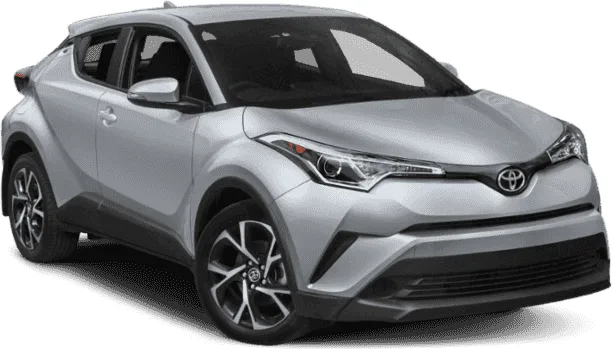
2018 Toyota C-HR Reliability Report
The 2018 Toyota C-HR has a good rating, but its CVT can fail with a rising whine, and a full transmission repair is quoted at $10,000 or more.
Recalls
1
Complaints
296
Complaint Rate
59.6per 10,000 sold
Est. Repair Cost
$441
Annual Fuel Cost
$2,050
Detailed Score Breakdown
Component-weighted complaints normalized by sales volume
Independent repair cost ratings
Recall count weighted by severity
Breadth of reported problem categories
The Verdict
Weakest of the five scored years, with CVT bearing failures and electric parking brake faults leading owner complaints, plus one parking brake recall.
Top Issues to Watch
- POWER TRAIN (193)
- ELECTRICAL SYSTEM (21)
- ENGINE (14)
Generation & Refresh (US)
2018 is the first model year of the First generation (AX10/AX50).
- First-year models may have unresolved issues from the new design.
- Redesigned for the 2018 model year.
- Refreshed in 2020.
- 1st generation C-HR (US).
What this means for buyers
First-year models carry more risk — early production issues are common. Consider waiting for the second year if reliability is a priority.
Compare 2018 pricing and recall counts against 2019+ before deciding.
2018: First generation (AX10/AX50) Launch
Generation start — new platform.
2020: Mid-Cycle Refresh
Updated features and styling tweaks.
Should You Buy the 2018 Toyota C-HR?
Standing is good, yet this is the weakest of the five scored C-HR years. Against other 2018 SUVs it sits close to average. The 2019 rates better and drew 101 owner complaints, compared with 296 here. The federal crash-test rating is 5 of 5 stars.
The big issue is the CVT. Owners describe a whine, hum, or growl that gets louder with speed. Mechanics most often find a failed internal bearing, and the fix is a full transmission, quoted from over $10,000 to $14,000. Failures cluster between roughly 59,000 and 128,000 miles, usually with no warning light. The electric parking brake is the other weak spot. An "EPB Malfunction" warning shows up between about 54,000 and 82,607 miles, and some brakes will not release. Federal recall records list one recall, in the parking brake area.
On a test drive, listen for a hum that rises with speed. Ask for transmission and parking brake repair records, and confirm the recall work was done. The 2019 is worth a look too, though it carries 3 recalls.
Compared to the 2019 Toyota C-HR, which scored 4 points higher.
Pros
- +Acceptable reliability score
- +Low recall count
- +5-star NHTSA crash rating
Cons
- −Above-average complaint rate for SUV
- −POWER TRAIN complaints dominate (65%)
- −POWER TRAIN: CVT develops a whine, hum, or growl that gets louder with speed (193 complaints)
Compare 2018 Toyota C-HR With
Common Problem Categories
Safety
LOW RISK- 1 manufacturer recall issued
Other
HIGH RISK- POWER TRAIN (193)
- UNKNOWN OR OTHER (32)
Recall Overview
1
recall on record
The 2018 Toyota C-HR carries 1 recall — a low count. Authorized dealers repair any open recall free of charge, regardless of warranty status.
NHTSA.gov →Complaint Breakdown
59.6
per 10,000 soldSegment avg: 27.1
Safety Incidents
9
Crashes
0
Fires
7
Injuries
0
Deaths
NHTSA 5/5 Stars
Data sourced from NHTSA complaint filings and manufacturer recall notices. Complaint narratives are owner-reported.
2018 Toyota C-HR Recall Details
1 recall has been issued for the 2018 Toyota C-HR. All recall repairs are performed free of charge at authorized dealerships.
PARKING BRAKE
Toyota Motor Engineering & Manufacturing (Toyota) is recalling certain 2018 Toyota CH-R vehicles. The electronic parking brake (EPB) may not operate properly, possibly causing the parking brake not to disengage after it is applied or prevent it from being applied. As such, these vehicles fail to comply with the requirements of Federal Motor Vehicle Safety Standard FMVSS number 135, "Light Vehicle Brake Systems."
Consequence
If the EPB cannot be applied, there is an increased risk of a vehicle rollaway if the vehicle is parked on a hill without being placed into "Park."
Remedy
Toyota has notified owners, and dealers will update the programming of the skid control ECU as necessary, free of charge. The recall began on November 30, 2017. Owners may contact Toyota at 1-800-331-4331. Toyota's number for this recall is H0W.
Buying a used 2018 Toyota C-HR? Check its history first
Power train problems lead owner complaints about the 2018 Toyota C-HR, and 1 recall was issued for it. A VIN check shows whether this car's recall work was done, plus accident, title, and odometer history.
- Accidents
- Open Recalls
- Title History
- Odometer Rollback
2018 Toyota C-HR NHTSA Safety Ratings
Overall Safety Rating
Crash Test Results by Configuration (expand)
Gas Powertrain
Rollover risk: 14.2%
Safety Technologies
Toyota C-HRRepair Costs & Maintenance
Maintenance Rating
4Maintenance rating: 4 out of 5Based on NHTSA complaint patterns, recall severity, and publicly available cost benchmarks.
Est. Annual Maintenance
$441
Category-level averages derived from publicly available industry reports (AAA, CarMD). Model-level estimates produced by Auto Reliability Index.
MPG & Annual Running Costs
Gas
29 MPG
Running cost: $2,650/yr
Fuel + repair
27 city / 31 hwy MPG
Running cost includes EPA fuel-cost estimate and independent repair-cost data (repair cost estimated at model level). Excludes routine maintenance, depreciation, and insurance. Data as of 2018 EPA label cycle.
Gas trims
| Trim | Drive | Trans. | City | Hwy | Comb | Fuel Cost |
|---|---|---|---|---|---|---|
| C-HR 2.0L 4-cyl | Front-Wheel Drive | Automatic (AV-S7) | 27 | 31 | 29 | $2,050 |
Used Buying Checklist
Key things to inspect or verify before purchasing a 2018 Toyota C-HR.
Drive at highway speed with the radio off and listen for a whine or hum that rises with speed.
Ask for records showing whether the CVT has been diagnosed or replaced, especially on cars past 59,000 miles.
Set and release the electric parking brake several times and confirm it releases fully with no EPB warning.
Shift into park on a slight slope, release the brake pedal, and confirm the car holds without creeping.
Turn the wheel lock to lock and check for heavy steering or an Abnormal Voltage or Power Steering Low message.
After the test drive, check the dash for pre-collision, cruise control, or lane assist warnings.
If the windshield has been replaced, confirm the pre-collision sensors were recalibrated and work.
Look under the hood for chewed wiring or rodent nesting.
2018 Toyota C-HR Common Problems by Component
296 owner complaints grouped by vehicle system.
POWER TRAIN
193 complaintsSafety-relatedThe CVT develops a whine, hum, or growl that gets louder with speed. Mechanics most often trace it to a failed internal bearing. Because the bearing is not replaced on its own, the fix is a full transmission, with quotes from over $10,000 to $14,000. Failures cluster between roughly 59,000 and 128,000 miles, usually with no warning light. Some owners describe losing power at speed, and parts back orders can delay the repair. Separate crash reports describe the parked car rolling or reversing on its own and striking a person or objects.
UNKNOWN OR OTHER
32 complaintsTransmission failure is the main theme here too. Reports describe a front-end whine or hum that builds over thousands of miles, vibration at a stop, and the engine revving while stopped. Several cars lose acceleration suddenly or stall in traffic, and some become immobile with no drive or reverse. Mileages cluster around 75,000 to 101,500, and dealers confirm the transmission in many cases. A separate report on a nearly new car describes overheating, a burning odor, and exhaust fumes inside the cabin.
ELECTRICAL SYSTEM
21 complaintsThe engine cuts out while driving, including on the interstate, and some cars repeatedly blow the same fuse. Other cars refuse to start and show several warnings at once, including brake override, low oil pressure, and high coolant temperature. Owners also describe dashboards lighting up while the car slows on its own, heavy steering with an abnormal-voltage message, an electric parking brake stuck on, and a dead climate control panel. Rodent-chewed wiring and front sensor errors in rain also appear. Dealers often cannot find a cause.
ENGINE (14 complaints)
ENGINE
14 complaintsMost of these reports are really about the transmission. A low hum or growl starts, rises with speed, and ends in a failed transmission bearing. Some cars jerk, shake, or hesitate to accelerate. Mileages run from about 60,000 to 120,000, and repair quotes reach as high as $14,000 for a full replacement. Owners often replace tires, brakes, or wheel bearings first because no warning light points to the transmission. A smaller group describes all dash lights coming on and the car refusing to accelerate.
SERVICE BRAKES (11 complaints)
SERVICE BRAKES
11 complaintsAn "EPB Malfunction" warning lights up, sometimes while moving or after using cruise control. In some cars the electric parking brake will not release, wearing pads and rotors down to metal-on-metal screeching. Dealers often cannot reproduce the fault. Other reports describe the brake hold feature clanking and stopping the car abruptly during slow stops, and a car that kept moving after being shifted into park, damaging a garage door. A few warnings also appear alongside a rough drive and pre-collision faults.
AIR BAGS (5 complaints)
AIR BAGS
5 complaintsSafety-relatedNone of the bags deploy in serious collisions, according to all 5 reports. Every one involves a crash, with 4 injuries, including a fractured shoulder, wrist injuries, and a concussion. The impacts vary: a side strike by a red-light runner, a frontal crash at 40 mph, a rear impact, a collision where the other car's bags did deploy, and a head-on hit into a cement wall after hydroplaning. Two cars are declared total losses. One failure occurs at just 372 miles.
STRUCTURE (4 complaints)
STRUCTURE
4 complaintsFront bumper molding works loose, and dealers blame warped or weak clips. In one case the side-door impact bar fractures and drops inside the driver's door, and the owner is told to pay for the repair because the warranty has expired. Several reports filed here also cover a front camera that cuts out in heat, a recurring electric parking brake warning, and a driver's door that sometimes will not unlock with the key fob. Dealers frequently cannot find a cause.
PARKING BRAKE (3 complaints)
PARKING BRAKE
3 complaintsSafety-relatedThe electric parking brake throws warnings such as "EPB and traction control fault detected," and the light can come back even after the brake is repaired or replaced. Reported mileages are 54,000 and 82,607. The most serious report describes a car sitting in park that reversed on its own and struck the owner, causing leg and foot injuries. That owner says the car was serviced three times for the problem and the failure came back, with no warning light beforehand.
STEERING (3 complaints)
STEERING
3 complaintsThe wheel suddenly turns heavy as "Abnormal Voltage" and "Power Steering Low" messages appear, sometimes alongside "EPB not available" and a radio cutting in and out. In some cases the car then shuts down completely, including right before a freeway merge at night. Owners also report the battery dying repeatedly, even after a replacement and despite good test results. Losing steering assist while moving is a clear loss-of-control risk.
FORWARD COLLISION AVOIDANCE (3 complaints)
FORWARD COLLISION AVOIDANCE
3 complaintsA pre-collision system malfunction warning shuts off automatic braking, cruise control, and lane assist all at once. Snow on the car can switch the system off while driving. After a windshield replacement, a glass shop may be unable to recalibrate the sensors mounted in the glass, which leaves a constant warning flashing on the dash. One dealer blames mice chewing the wiring harness, but the owner saw no bite marks in the photos.
When Do 2018 Toyota C-HR Problems Start?
Based on owner complaint patterns, here's when common issues tend to appear.
Best & Worst Toyota C-HR Years
Best Toyota C-HR Years to Buy
Based on reliability index scoreToyota C-HR Years to Avoid
2018
(Current Model)
Toyota C-HR Reliability Score Trend
Scores 0–100. Higher is better. Current year highlighted.
| Year | Score | Rating |
|---|---|---|
| 2018 | 66/100 | Good |
| 2019 | 70/100 | Good |
| 2020 | 76/100 | Good |
| 2021 | 77/100 | Good |
| 2022 | 80/100 | Excellent |
Toyota C-HR Reliability Compared to Other Years
Frequently Asked Questions
Is the 2018 Toyota C-HR reliable?
What are the most common problems with the 2018 Toyota C-HR?
Does the 2018 Toyota C-HR have transmission problems?
How much does it cost to fix the 2018 Toyota C-HR transmission?
Does the 2018 Toyota C-HR have any recalls?
Don’t buy a 2018 Toyota C-HR without checking its VIN first — hidden accidents, title issues, and open recalls could cost you thousands.
How we score the 2018 Toyota C-HR
Of the four inputs behind this score, the 2018 Toyota C-HR does best on recall impact (88/100) and worst on complaint severity (35/100). Scores weight complaint severity at 35%, repair costs at 30%, recall impact at 20%, and the spread of complaints across systems at 15%, with complaint counts adjusted for US sales. Read the full methodology.
Get notified when new recalls or reliability data is added for the Toyota C-HR.
No spam. Only data updates for this model.
Browse More Toyota Models

Toyota 4Runner
Score: 84/100
Toyota Avalon
Score: 80/100
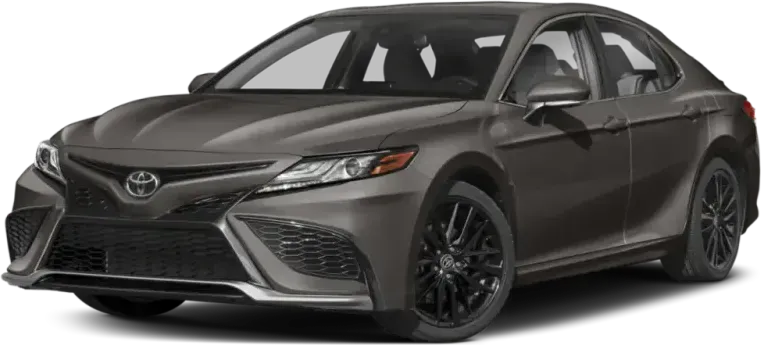
Toyota Camry
Score: 88/100
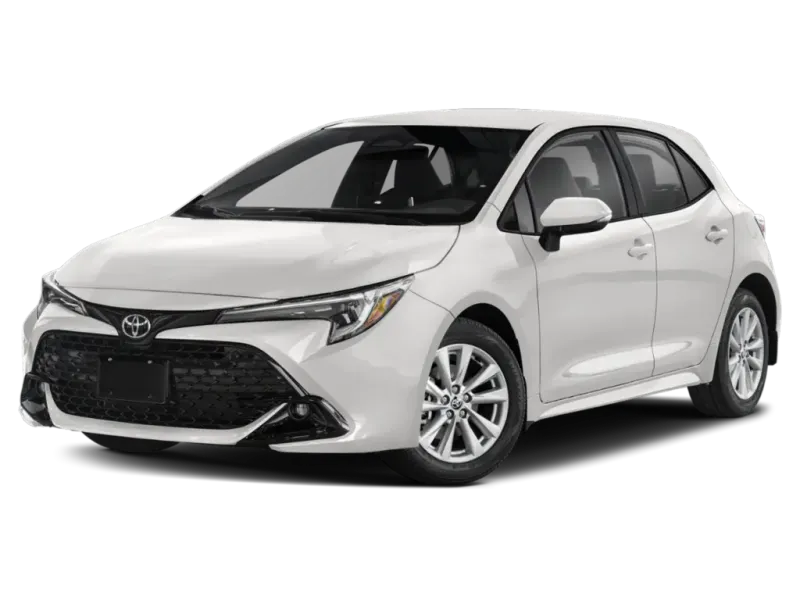
Toyota Corolla
Score: 94/100
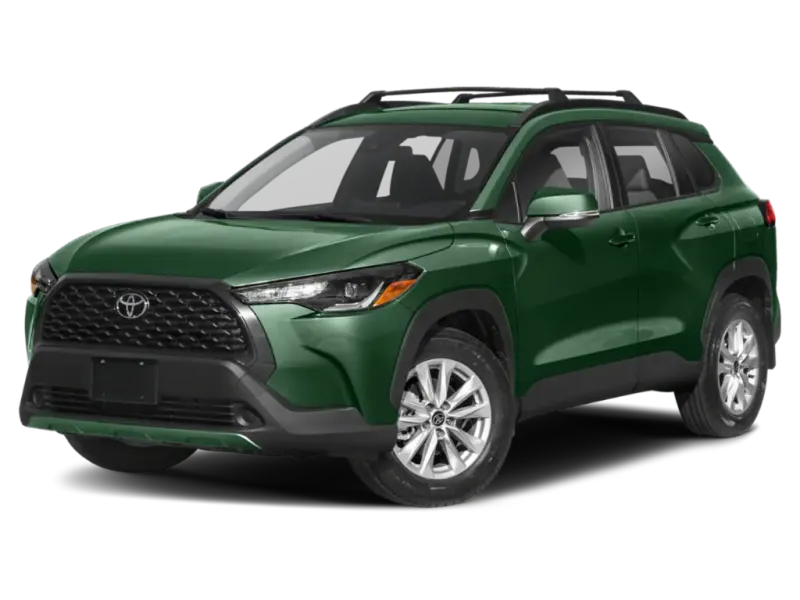
Toyota Corolla Cross
Score: 94/100
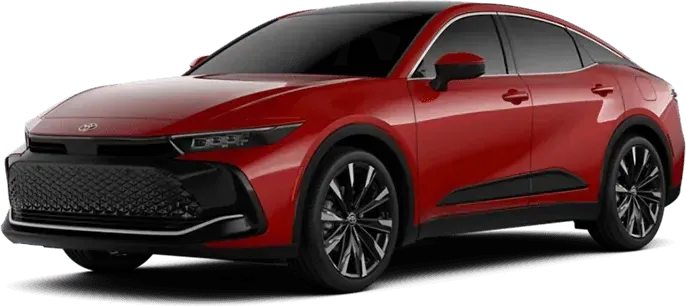
Toyota Crown
Score: 88/100
Browse More 2018 Vehicles
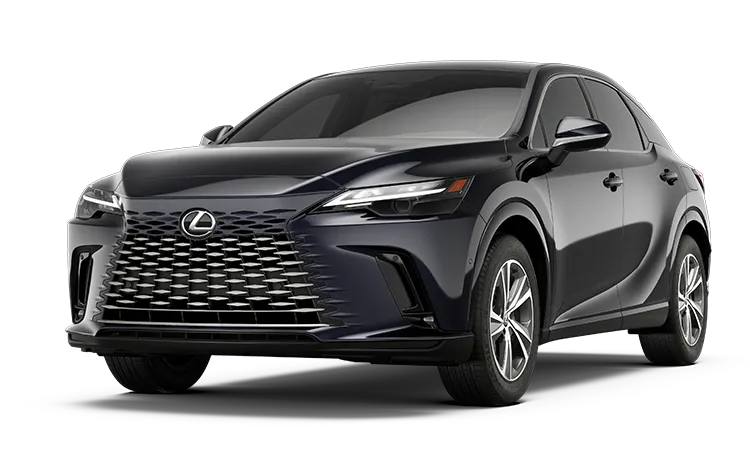
2018 Lexus RX
Score: 85/100
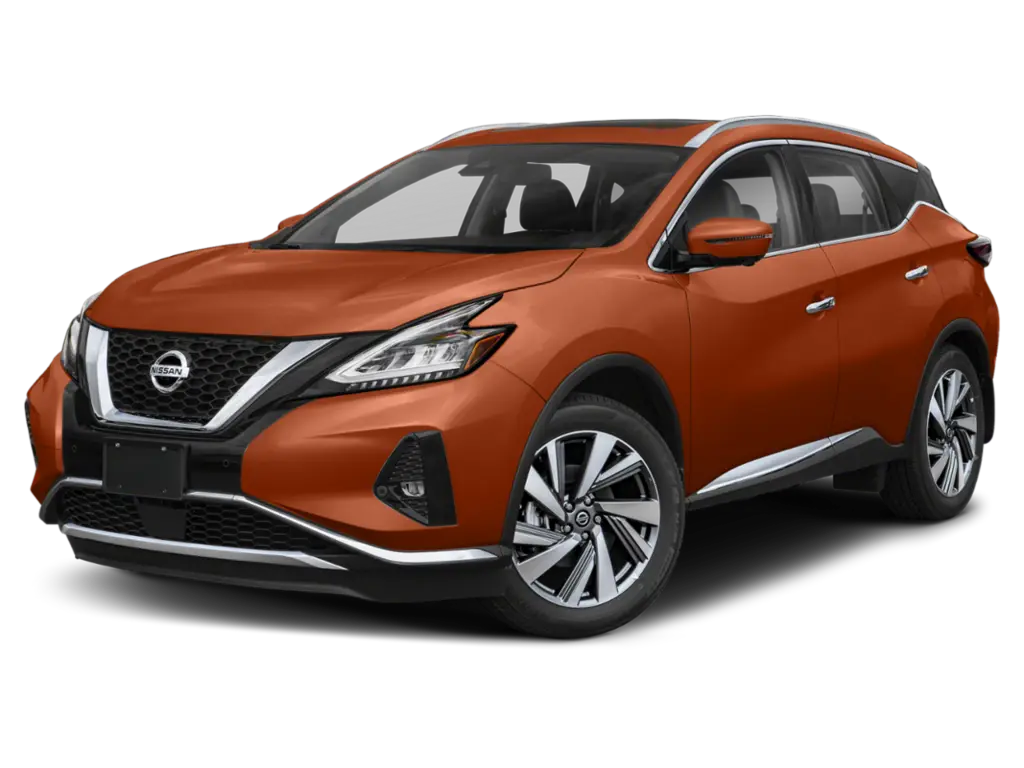
2018 Nissan Murano
Score: 82/100
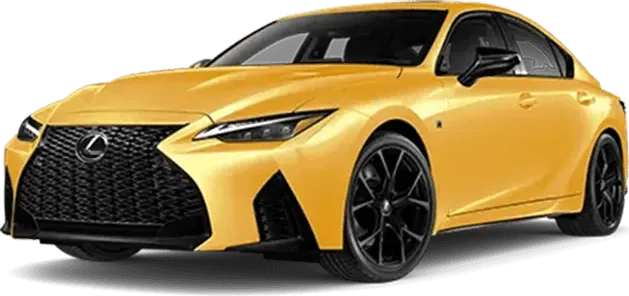
2018 Lexus IS
Score: 81/100
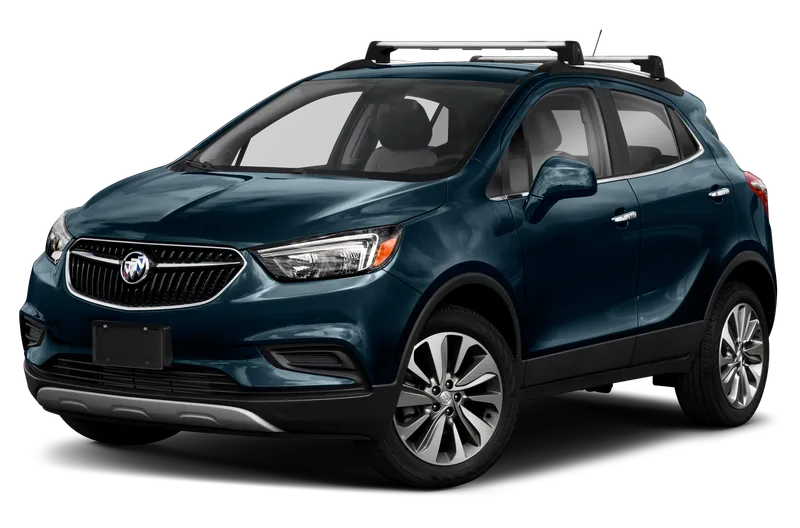
2018 Buick Encore
Score: 80/100
2018 Toyota Corolla
Score: 80/100
2018 Lexus ES
Score: 80/100
See incorrect data? Report an issue