Last updated: 2026-10-10
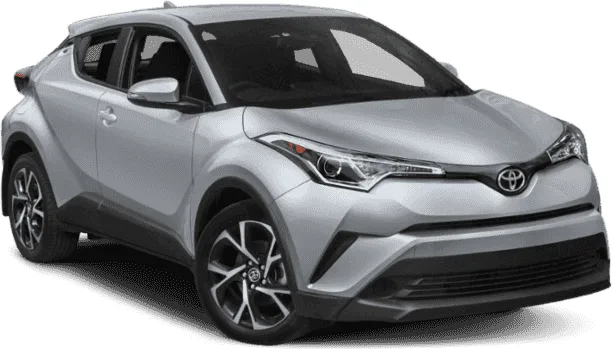
2019 Toyota C-HR Reliability Report
The 2019 Toyota C-HR rates good for reliability, but its CVT can fail from 60,000 miles, and replacement quotes reach $14,000.
Recalls
3
Complaints
101
Complaint Rate
20.6per 10,000 sold
Est. Repair Cost
$441
Annual Fuel Cost
$2,050
Detailed Score Breakdown
Component-weighted complaints normalized by sales volume
Independent repair cost ratings
Recall count weighted by severity
Breadth of reported problem categories
The Verdict
Mid-pack among C-HR years, with a good standing, CVT failure as the main risk, and far fewer complaints than the 2018.
Top Issues to Watch
- POWER TRAIN (55)
- ELECTRICAL SYSTEM (6)
- VISIBILITY/WIPER (5)
Generation & Refresh (US)
2019 is year 2 of the First generation (AX10/AX50).
- Redesigned for the 2018 model year.
- A refresh arrives in 2020.
- 1st generation C-HR (US).
What this means for buyers
Year 2 is typically a safer pick than the first model year — early issues are more likely to be identified, but the platform is still new.
If you're comparing prices, check 2018 (redesign year) vs 2019+ pricing and recalls.
2018: First generation (AX10/AX50) Launch
Generation start — new platform.
2019: This Model Year
2019 is year 2 of the First generation (AX10/AX50).
2020: Mid-Cycle Refresh
Updated features and styling tweaks.
Should You Buy the 2019 Toyota C-HR?
Reliability standing is good, and it sits close to the average for 2019 SUVs. Among the five scored C-HR years, this one lands in the middle. The 2018 rates worse and drew far more owner complaints. The 2020 rates better, though it has had less time on the road to collect complaints.
The CVT is the problem to know about. More than half of the 101 owner complaints involve the power train. Owners describe a whine, grinding, or rhythmic whoop that grows louder, and warning lights rarely come on first. Most failures land between about 100,000 and 125,000 miles, some as early as 60,000. Dealers typically call for a full transmission replacement, with quotes from $9,900 to $14,000. Windshields cracking with no impact are a smaller pattern. Federal recall records show three recalls, covering seat belts, equipment, and power train.
Ask for transmission service history and confirm all three recalls were completed. Listen on the test drive for any whine or grinding.
Compared to the 2020 Toyota C-HR, which scored 6 points higher. See also the 2018 Toyota C-HR for an earlier comparison.
Pros
- +Acceptable reliability score
- +Below-average complaint rate for SUV
- +5-star NHTSA crash rating
Cons
- −Moderate recall count
- −POWER TRAIN: CVT fails internally, usually with a whine, grinding, or rhythmic whoop noise... (55 complaints)
- −UNKNOWN OR OTHER: Nearly every report here is another CVT failure (23 complaints)
Compare 2019 Toyota C-HR With
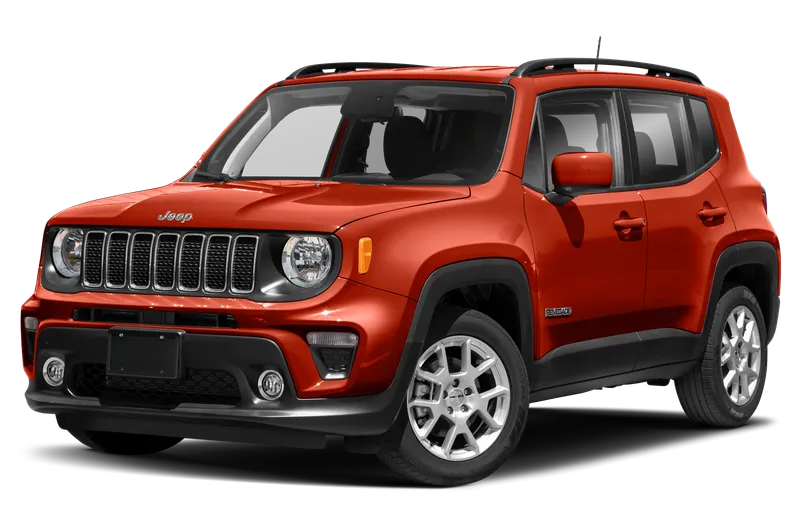
2019 Jeep Renegade
Reliability: 75/100
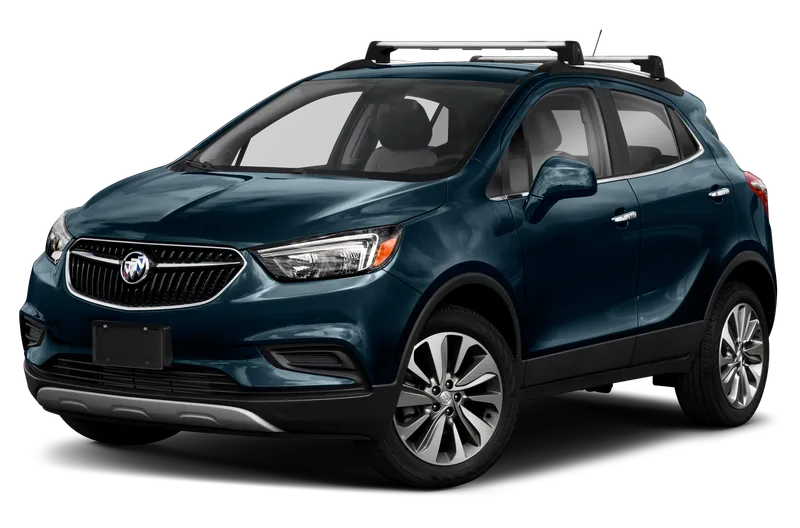
2019 Buick Encore
Reliability: 76/100
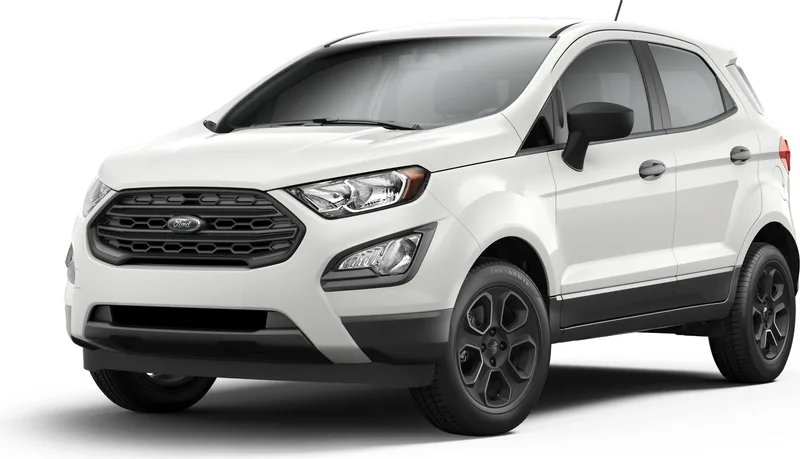
2019 Ford EcoSport
Reliability: 58/100
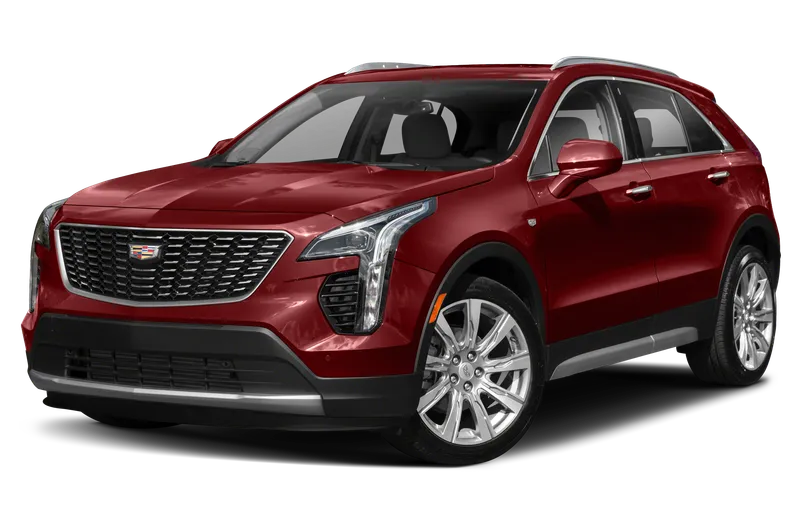
2019 Cadillac XT4
Reliability: 70/100
Common Problem Categories
Safety
LOW RISK- 3 manufacturer recalls issued
Other
HIGH RISK- POWER TRAIN (55)
- UNKNOWN OR OTHER (23)
Recall Overview
3
recalls on record
A moderate 3 recalls are on file for the 2019 Toyota C-HR. Each one points to a specific safety or compliance issue identified by the manufacturer or NHTSA — check the list below before buying.
NHTSA.gov →Complaint Breakdown
20.6
per 10,000 soldSegment avg: 21.2
Safety Incidents
3
Crashes
0
Fires
3
Injuries
0
Deaths
NHTSA 5/5 Stars
Data sourced from NHTSA complaint filings and manufacturer recall notices. Complaint narratives are owner-reported.
2019 Toyota C-HR Recall Details
3 recalls have been issued for the 2019 Toyota C-HR. All recall repairs are performed free of charge at authorized dealerships.
SEAT BELTS
Toyota Motor Engineering & Manufacturing (Toyota) is recalling certain 2019-2020 C-HR and 2020 Corolla and Corolla Hybrid vehicles equipped with rear seat belt assemblies with a dual-mode locking mechanism. The seat belt webbing sensor locking mechanism may not lock as intended.
Consequence
In the event of a crash involving multiple impacts, the seat belt may not properly restrain the occupant, increasing the risk of injury.
Remedy
Toyota will notify owners, and dealers will inspect the rear seat belt assembly production dates, and replace the assemblies, as necessary, free of charge. The recall began February 7, 2020. Owners may contact Toyota customer service at 1-888-270-9371. Toyota's numbers for this recall are 19TB22 and 19TA22.
EQUIPMENT
Gulf States Toyota (GST) is recalling certain 2019 C-HR, 4Runner, Avalon, Avalon Hybrid, Camry, Camry Hybrid, Highlander, Land Cruiser, Prius, RAV4, Sequoia, Tacoma, Sienna, Tundra and Yaris vehicles. The text on the load capacity label may become illegible. As such, these vehicles fail to comply with the requirements of Federal Motor Vehicle Safety Standard (FMVSS) number 110, "Tire Selection and Rims."
Consequence
If the driver cannot read the label, they may unknowingly overload the vehicle, increasing the risk of a crash.
Remedy
GST will notify owners, and dealers will provide corrected load carrying capacity modification labels, free of charge. The recall began May 24, 2019. Owners may contact GST customer service at 1-800-444-1074. GST's number for this recall is 19R1.
POWER TRAIN
Toyota Motor Engineering & Manufacturing (Toyota) is recalling certain 2019 Toyota C-HR vehicles. The rear axle hub bearing bolts may have been insufficiently tightened, causing the bolts to loosen and damage the rear brake components or cause a rear wheel to detach.
Consequence
If the bolts loosen and damage the rear brake components, or cause a rear wheel to detach, it would increase the risk of a crash.
Remedy
Toyota will notify owners, and dealers will inspect the rear axle hub bearing bolts. If a bolt is found to be loose or detached, the dealer will replace the rear axle hub bearing assembly and rear axle carrier sub-assembly, free of charge. The recall began November 6, 2018. Owners may contact Toyota customer service at 1-888-270-9371. Toyota's number for this recall is J0Y.
Buying a used 2019 Toyota C-HR? Check its history first
Power train problems lead owner complaints about the 2019 Toyota C-HR, and 3 recalls were issued for it. A VIN check shows whether this car's recall work was done, plus accident, title, and odometer history.
- Accidents
- Open Recalls
- Title History
- Odometer Rollback
2019 Toyota C-HR NHTSA Safety Ratings
Overall Safety Rating
Crash Test Results by Configuration (expand)
Gas Powertrain
Rollover risk: 14.3%
Safety Technologies
Toyota C-HRRepair Costs & Maintenance
Maintenance Rating
4Maintenance rating: 4 out of 5Based on NHTSA complaint patterns, recall severity, and publicly available cost benchmarks.
Est. Annual Maintenance
$441
Category-level averages derived from publicly available industry reports (AAA, CarMD). Model-level estimates produced by Auto Reliability Index.
MPG & Annual Running Costs
Gas
29 MPG
Running cost: $2,650/yr
Fuel + repair
27 city / 31 hwy MPG
Running cost includes EPA fuel-cost estimate and independent repair-cost data (repair cost estimated at model level). Excludes routine maintenance, depreciation, and insurance. Data as of 2019 EPA label cycle.
Gas trims
| Trim | Drive | Trans. | City | Hwy | Comb | Fuel Cost |
|---|---|---|---|---|---|---|
| C-HR 2.0L 4-cyl | Front-Wheel Drive | Automatic (AV-S7) | 27 | 31 | 29 | $2,050 |
Used Buying Checklist
Key things to inspect or verify before purchasing a 2019 Toyota C-HR.
Drive past 30 mph with the radio off and walk away if you hear whining, whirring, humming, or grinding.
Ask for dealer records showing any transmission noise complaints, fluid condition notes, or CVT replacement, especially beyond 60,000 miles.
Inspect the windshield edges, especially under the passenger-side wiper, for cracks with no chip or impact point.
Set and release the electronic parking brake several times and confirm it releases cleanly every time.
Start the car and watch for check engine, parking brake, pre-collision, or braking-power-reduced warnings on the dash.
Have the battery and alternator output tested before you buy.
Look under the hood and beneath the car for chewed or nicked wiring.
With the engine running, shift into Park and confirm the car holds firmly without creeping.
2019 Toyota C-HR Common Problems by Component
101 owner complaints grouped by vehicle system.
POWER TRAIN
55 complaintsSafety-relatedThe CVT fails internally, usually with a whine, grinding, or rhythmic whoop noise that grows louder over time. Dealers report metal flakes in burnt fluid, failed bearings, and center differential grinding, and they typically call for a full transmission replacement. Most failures land between about 100,000 and 125,000 miles, with some as early as 60,000. Warning lights rarely come on before the failure, and owners fear losing power in traffic. Quotes run from $9,900 to $14,000. One crash report describes a car that reversed out of a driveway by itself at 2,500 miles.
UNKNOWN OR OTHER
23 complaintsNearly every report here is another CVT failure. Owners hear whirring, humming, or whining once the car passes 10 to 30 mph, and few see a warning light. Carrier bearings are named as the failed part, and shops say they won't repair the bearing alone, so a whole new transmission is the usual answer. Many failures arrive before or near 100,000 miles, and quotes run as high as $15,000. One injury report describes the car suddenly becoming hard to drive with loud noises. Fluid flushes did not stop the decline.
ELECTRICAL SYSTEM
6 complaintsThe car loses power or won't start without much warning. Reports include an alternator that quits, which drains the battery and cuts the power steering and lights, plus sudden stalls with check engine and parking brake faults. In some cases the parking brake stays engaged after a jump start. Several warnings can appear at once, such as reduced braking power and pre-collision failure, after minor wiring or sensor damage. One car slowed from highway speed and would not accelerate. Rodent-chewed wiring is another cause owners cite.
VISIBILITY/WIPER (5 complaints)
VISIBILITY/WIPER
5 complaintsThe windshield cracks with no impact point, often while the car sits parked overnight or right after a door closes. Cracks start at the glass edge, at the top, at the bottom, or under the passenger-side wiper, then spread across the glass. One crack appeared at just 4,500 miles. Some owners also report odd spots in the glass and repeat replacements. Toyota and dealers generally deny responsibility, which leaves owners paying or filing insurance claims.
ENGINE (3 complaints)
ENGINE
3 complaintsMost of these few reports describe transmission trouble, not engine faults. A whistling noise is diagnosed as early transmission wear, and an eCVT failure at 148,000 miles carries an expensive dealer repair quote. The single true engine report covers intermittent no-starts with check engine, lane assist, and forward collision warnings. After repeat dealer visits, that one was traced to a failed valve lift controller and housing sub-assembly.
AIR BAGS (1 complaints)
AIR BAGS
1 complaintSafety-relatedI had two mayor accidents, one was from the rear and the other on the left doors from the passenger side. The airbags didn't deployed and I'm concerned. The body shop said he doesn't unsdertand why they didn't deployed.
FUEL SYSTEM (1 complaints)
FUEL SYSTEM
1 complaintThe contact owns a 2019 Toyota C-HR. The contact stated that while driving at 40 MPH, the vehicle stalled. The vehicle was sputtering while driving after 20 minutes of driving. Their vehicle failed to accelerate. There were no warning lights illuminated. The local dealer was contacted, who confirmed there was no recall coverage. The vehicle was diagnosed, and it was determined that the failure was due to the fuel pump. The vehicle was not repaired. An independent mechanic was contacted, who determined the failure was due to the fuel pump. The manufacturer was contacted, who referred him to the NHTSA hotline. The failure mileage was approximately 39,000.
SUSPENSION (1 complaints)
SUSPENSION
1 complaintSevere structural corrosion was discovered on a low-mileage 2019 compact SUV affecting critical suspension components, including the front subframe, lower control arm mounting points, and structural attachment areas. The issue was identified during inspection at a dealership. The technician documented that suspension components were severely rusted, subframe bolts were rusted and cracking, and lower control arms were deteriorating due to corrosion. The technician advised that the vehicle should not be driven and recommended towing for further structural inspection. These components are part of the load-bearing suspension system and may pose a safety risk if failure occurs. This level of corrosion is unusual given the vehicle has approximately 27,000 miles and has been operated in a region without exposure to road salt or severe winter conditions. Independent mechanics who inspected the vehicle also expressed concern about the severity of the corrosion. The problem was confirmed by both a dealership and an independent repair facility. The vehicle was not inspected directly by the manufacturer. No warning lights or messages were present prior to discovery of the issue. Photographic evidence shows rust perforation, material loss, and metal delamination along structural seams, indicating corrosion progressing internally. This condition may compromise suspension mounting integrity and increase the risk of failure while driving. The affected components were repaired and are available for inspection upon reque
TIRES (1 complaints)
TIRES
1 complaintThe Bridgestone AllSeason WeatherPeak 225/50R 18 tire tread was worn out at 15800 miles. Tires were rotated and alignment performed routinely at Firestone. Inflation was checked every two weeks. Many complaints for this issue by other customers. Early tread wear is dangerous and will cause accidents. How could this tire have a 700 tread rating and who is performing the test for the 700 tread rating?
FORWARD COLLISION AVOIDANCE (1 complaints)
FORWARD COLLISION AVOIDANCE
1 complaintThe camera that controls Adaptive Cruise Control, Forward Collision Warning, and Automatic Emergency Braking shuts off during high-temperature weather. This was brought up to the dealer, and they dismissed it as normal. This occurs randomly and during the adaptive cruise control use. The car will beep, show the system off, and revert to manual control.
When Do 2019 Toyota C-HR Problems Start?
Based on owner complaint patterns, here's when common issues tend to appear.
Best & Worst Toyota C-HR Years
Best Toyota C-HR Years to Buy
Based on reliability index scoreToyota C-HR Years to Avoid
Toyota C-HR Reliability Score Trend
Scores 0–100. Higher is better. Current year highlighted.
| Year | Score | Rating |
|---|---|---|
| 2018 | 66/100 | Good |
| 2019 | 70/100 | Good |
| 2020 | 76/100 | Good |
| 2021 | 77/100 | Good |
| 2022 | 80/100 | Excellent |
Toyota C-HR Reliability Compared to Other Years
Frequently Asked Questions
Is the 2019 Toyota C-HR reliable?
What are the most common problems with the 2019 Toyota C-HR?
Does the 2019 Toyota C-HR have CVT transmission problems?
How much does a CVT replacement cost on a 2019 Toyota C-HR?
Is the 2019 Toyota C-HR better than the 2018 or 2020?
Don’t buy a 2019 Toyota C-HR without checking its VIN first — hidden accidents, title issues, and open recalls could cost you thousands.
How we score the 2019 Toyota C-HR
Of the four inputs behind this score, the 2019 Toyota C-HR does best on how many systems draw complaints (85/100) and worst on complaint severity (53/100). Scores weight complaint severity at 35%, repair costs at 30%, recall impact at 20%, and the spread of complaints across systems at 15%, with complaint counts adjusted for US sales. Read the full methodology.
Get notified when new recalls or reliability data is added for the Toyota C-HR.
No spam. Only data updates for this model.
Browse More Toyota Models

Toyota 4Runner
Score: 84/100
Toyota Avalon
Score: 80/100
Toyota Camry
Score: 88/100
Toyota Corolla
Score: 94/100
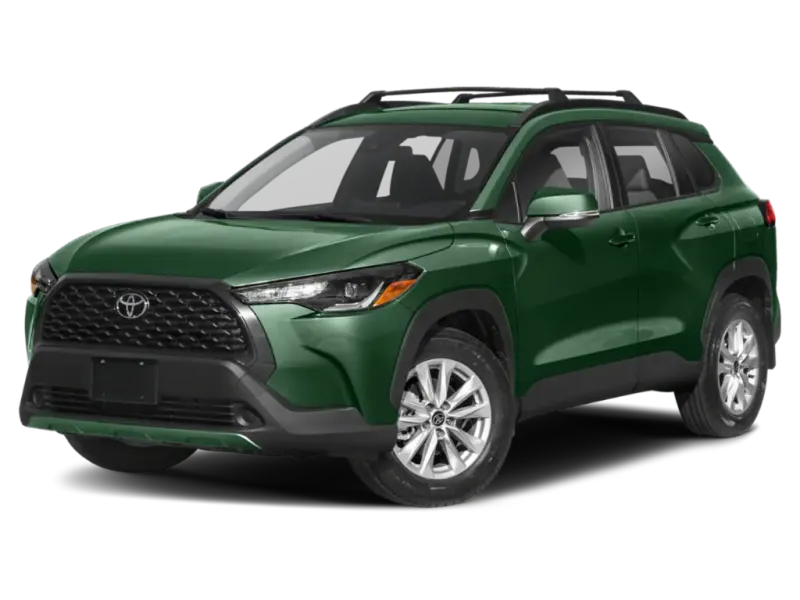
Toyota Corolla Cross
Score: 94/100
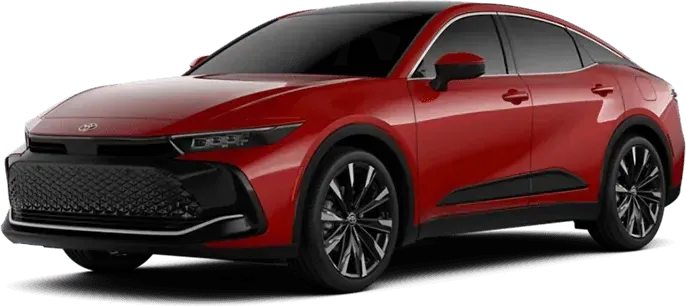
Toyota Crown
Score: 88/100
Browse More 2019 Vehicles
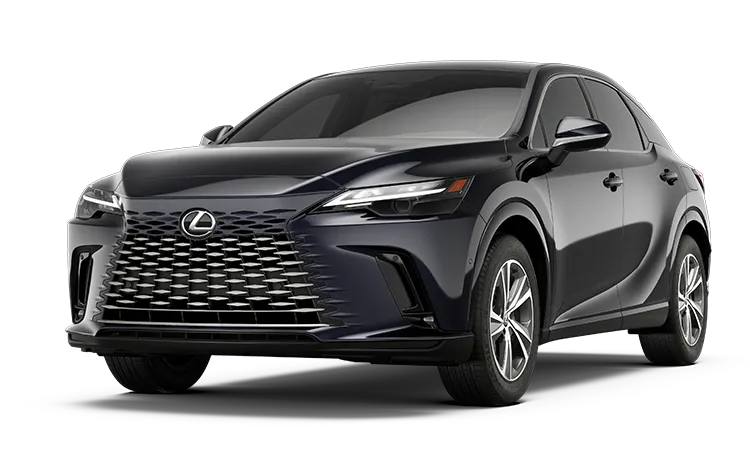
2019 Lexus RX
Score: 82/100
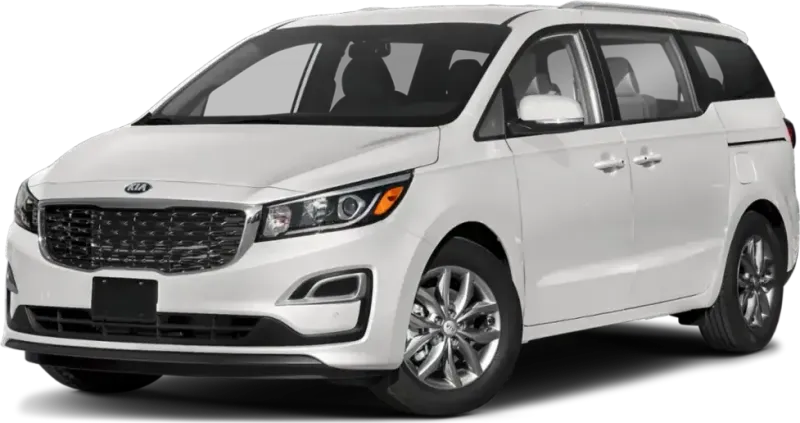
2019 Kia Sedona
Score: 80/100
2019 Nissan Frontier
Score: 80/100
2019 Lexus IS
Score: 79/100
2019 Chevrolet Impala
Score: 79/100
2019 Lexus GX
Score: 78/100
See incorrect data? Report an issue