Last updated: 2026-10-10
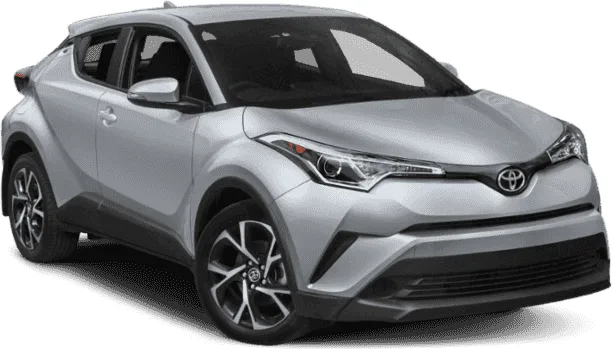
2020 Toyota C-HR Reliability Report
The 2020 Toyota C-HR has good reliability for its class, but the CVT transmission can fail between 90,000 and 130,000 miles.
Recalls
1
Complaints
55
Complaint Rate
12.8per 10,000 sold
Est. Repair Cost
$441
Annual Fuel Cost
$2,050
Detailed Score Breakdown
Component-weighted complaints normalized by sales volume
Independent repair cost ratings
Recall count weighted by severity
Breadth of reported problem categories
The Verdict
Facelift year with good reliability and fewer complaints and recalls than 2019, though CVT failures past 90,000 miles are the main risk.
Top Issues to Watch
- POWER TRAIN (41)
- ELECTRICAL SYSTEM (3)
- STEERING (3)
Generation & Refresh (US)
2020 received a facelift update for the First generation (AX10/AX50).
- Changes: New front and rear design; Updated interior features; Introduction of Android Auto and Apple CarPlay as standard.
- Year 3 in this generation (2018–2022).
- 1st generation C-HR (US).
What this means for buyers
Refresh years bring updates but can also introduce new issues. Check early recall data before buying.
2018: First generation (AX10/AX50) Launch
Generation start — new platform.
2020: This Model Year (Refresh)
2020 received a facelift update for the First generation (AX10/AX50).
Should You Buy the 2020 Toyota C-HR?
Good reliability puts this facelift year above average among 2020 SUVs. Within the C-HR's five scored years it sits in the middle. The 2019 rates worse and has more complaints and recalls, while the 2021 rates about the same. Federal crash testing gave it 5 of 5 stars.
The problem to know about is the CVT transmission. Owners describe a high-pitched whine from the front, then lag, rough acceleration, rattling, and loss of power, often with no warning light. The whine tends to start around 95,000 to 115,000 miles. Full failures cluster between 90,000 and 130,000 miles. Some cars lost power on the highway, and one injury is reported. Dealers quoted $10,000 to over $13,000 for a replacement. The single recall covers seat belts.
Ask for transmission service records on any car near that mileage, and listen for whine on the test drive. Several used buyers saw failure within days of purchase. Confirm the seat belt recall was done.
Compared to the 2021 Toyota C-HR, which scored 1 points higher. See also the 2019 Toyota C-HR for an earlier comparison.
Pros
- +Acceptable reliability score
- +Low recall count
- +Below-average complaint rate for SUV
Cons
- −POWER TRAIN: CVT transmission fails, often with no warning light (41 complaints)
- −STEERING: Loss of control while turning a corner is reported in 1 crash, which damaged... (3 complaints)
Compare 2020 Toyota C-HR With
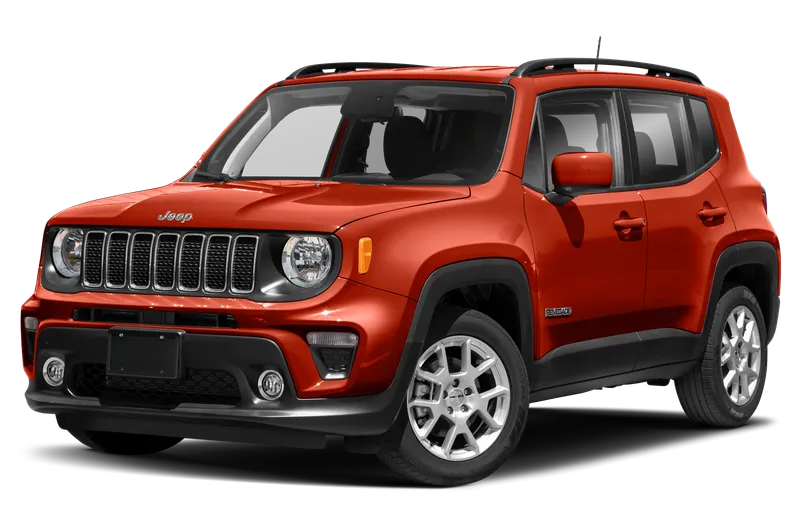
2020 Jeep Renegade
Reliability: 75/100
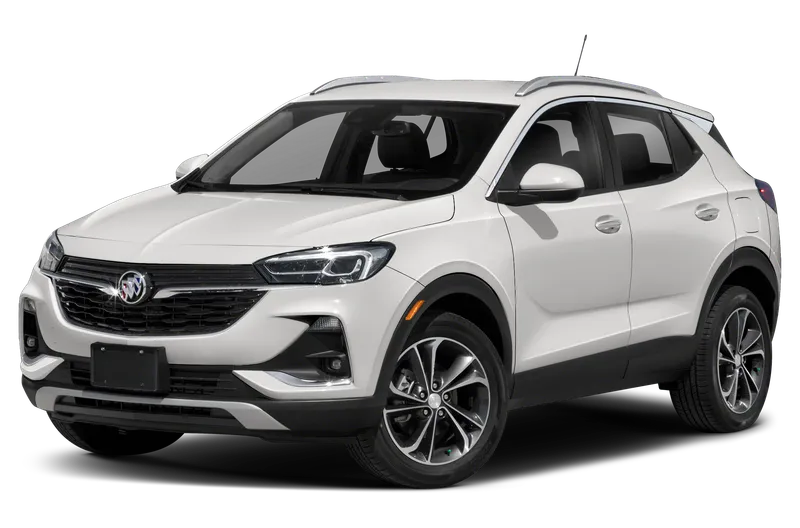
2020 Buick Encore GX
Reliability: 70/100
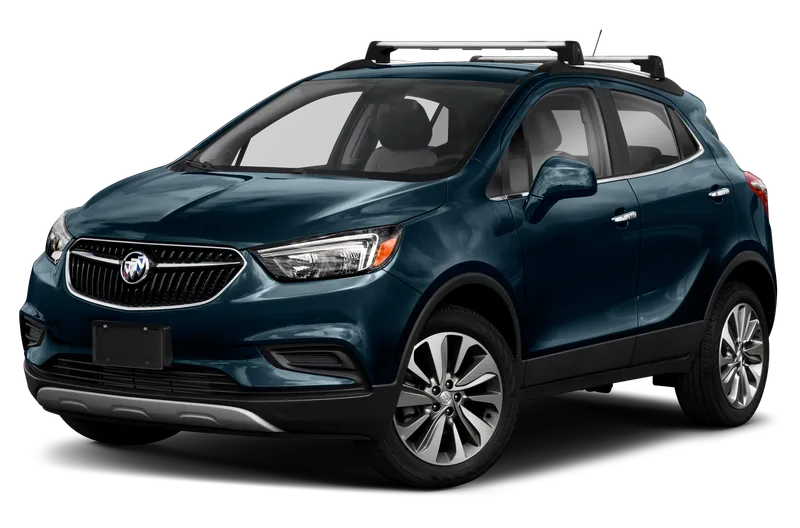
2020 Buick Encore
Reliability: 77/100
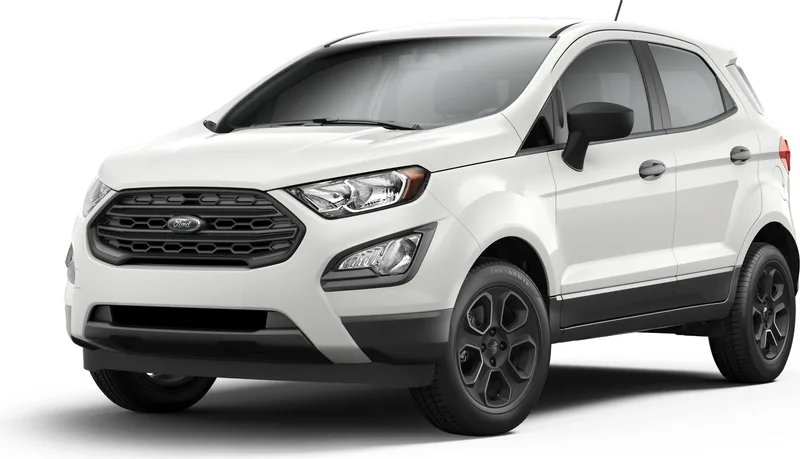
2020 Ford EcoSport
Reliability: 58/100
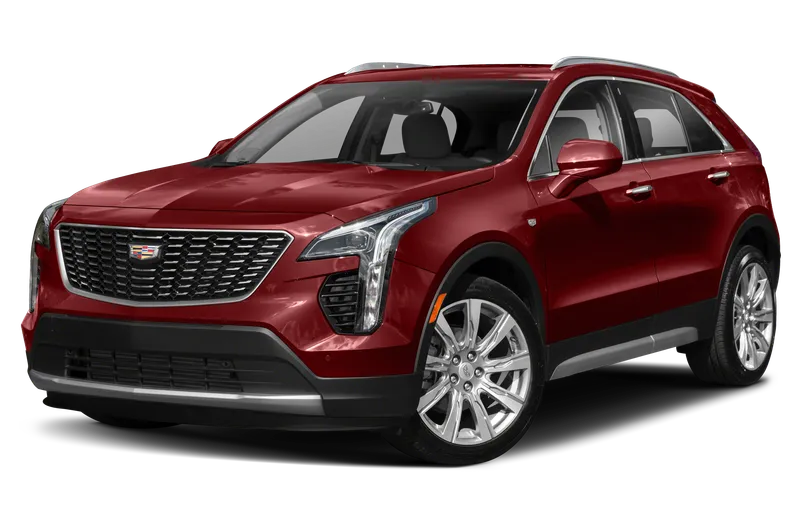
2020 Cadillac XT4
Reliability: 68/100
Common Problem Categories
Safety
LOW RISK- 1 manufacturer recall issued
Other
HIGH RISK- POWER TRAIN (41)
- UNKNOWN OR OTHER (3)
Recall Overview
1
recall on record
The 2020 Toyota C-HR carries 1 recall — a low count. Authorized dealers repair any open recall free of charge, regardless of warranty status.
NHTSA.gov →Complaint Breakdown
12.8
per 10,000 soldSegment avg: 20.2
Safety Incidents
1
Crashes
0
Fires
1
Injuries
0
Deaths
NHTSA 5/5 Stars
Data sourced from NHTSA complaint filings and manufacturer recall notices. Complaint narratives are owner-reported.
2020 Toyota C-HR Recall Details
1 recall has been issued for the 2020 Toyota C-HR. All recall repairs are performed free of charge at authorized dealerships.
SEAT BELTS
Toyota Motor Engineering & Manufacturing (Toyota) is recalling certain 2019-2020 C-HR and 2020 Corolla and Corolla Hybrid vehicles equipped with rear seat belt assemblies with a dual-mode locking mechanism. The seat belt webbing sensor locking mechanism may not lock as intended.
Consequence
In the event of a crash involving multiple impacts, the seat belt may not properly restrain the occupant, increasing the risk of injury.
Remedy
Toyota will notify owners, and dealers will inspect the rear seat belt assembly production dates, and replace the assemblies, as necessary, free of charge. The recall began February 7, 2020. Owners may contact Toyota customer service at 1-888-270-9371. Toyota's numbers for this recall are 19TB22 and 19TA22.
Buying a used 2020 Toyota C-HR? Check its history first
Power train problems lead owner complaints about the 2020 Toyota C-HR, and 1 recall was issued for it. A VIN check shows whether this car's recall work was done, plus accident, title, and odometer history.
- Accidents
- Open Recalls
- Title History
- Odometer Rollback
2020 Toyota C-HR NHTSA Safety Ratings
Overall Safety Rating
Crash Test Results by Configuration (expand)
Gas Powertrain
Rollover risk: 14.3%
Safety Technologies
Toyota C-HRRepair Costs & Maintenance
Maintenance Rating
4Maintenance rating: 4 out of 5Based on NHTSA complaint patterns, recall severity, and publicly available cost benchmarks.
Est. Annual Maintenance
$441
Category-level averages derived from publicly available industry reports (AAA, CarMD). Model-level estimates produced by Auto Reliability Index.
MPG & Annual Running Costs
Gas
29 MPG
Running cost: $2,650/yr
Fuel + repair
27 city / 31 hwy MPG
Running cost includes EPA fuel-cost estimate and independent repair-cost data (repair cost estimated at model level). Excludes routine maintenance, depreciation, and insurance. Data as of 2020 EPA label cycle.
Gas trims
| Trim | Drive | Trans. | City | Hwy | Comb | Fuel Cost |
|---|---|---|---|---|---|---|
| C-HR 2.0L 4-cyl | Front-Wheel Drive | Automatic (AV-S7) | 27 | 31 | 29 | $2,050 |
Used Buying Checklist
Key things to inspect or verify before purchasing a 2020 Toyota C-HR.
Drive at highway speed and listen for a high-pitched whine from the front of the car.
Accelerate from a stop and on a highway merge; walk away from any lag, hesitation, or rattling.
Ask for records showing whether the CVT has been repaired or replaced, and for any dealer transmission diagnosis.
Have a mechanic inspect the CVT before you buy, because owners report failures with no warning light.
Budget for a possible CVT replacement, which owner complaints say was quoted at $10,000 to over $13,000.
Check all tires for uneven tread wear and cut sidewalls, especially the front passenger tire.
Look under the console cup holders for spill residue, then start the car several times with the key fob.
2020 Toyota C-HR Common Problems by Component
55 owner complaints grouped by vehicle system.
POWER TRAIN
41 complaintsThe CVT transmission fails, often with no warning light. Many reports start with a high-pitched whine from the front of the car, then lag or rough acceleration, rattling, and finally a loss of power. Some cars lose propulsion on the highway, which is a real hazard in traffic, and 1 injury is reported. Whining tends to show up around 95,000 to 115,000 miles, and full failures cluster between about 90,000 and 130,000 miles. Several used buyers report failure within days of purchase. Dealers quote $10,000 to over $13,000 for a replacement transmission, close to what the car is worth.
UNKNOWN OR OTHER
3 complaintsTransmission failure is the subject of all 3 complaints in this group. Owners describe a whining CVT that mechanics say needs full replacement, and at least one shop calls it a common problem on vehicles with this transmission. A Toyota technician flagged transmission trouble during routine maintenance before 120,000 miles in one case. The symptoms match the larger set of power train complaints: whining comes first, then failure.
ELECTRICAL SYSTEM
3 complaintsStalling and no-start problems appear here, but the causes differ. One filing is really a transmission failure: the car seized while leaving the highway, the check engine light came on, and the dealer found metal debris in the front axles. In another, liquid from the console cup holder leaked down and shorted a communication computer, bringing up a key fob malfunction message and leaving the car unable to start. A third describes repeated stalling at 20 mph with warning lights, needing a jump start, with no diagnosis yet.
STEERING (3 complaints)
STEERING
3 complaintsSafety-relatedLoss of control while turning a corner is reported in 1 crash, which damaged the front end. No cause is given. The other reports are about tires, not steering parts: a rear sidewall slit and blowout at low mileage, plus repeated front passenger tire blowouts and fast tread wear. One owner suspected the tie rods, but the dealer found nothing wrong. With only 3 complaints and no shared symptom, the data points to no clear steering defect.
SERVICE BRAKES (1 complaints)
SERVICE BRAKES
1 complaintTO: CarMax Corporate Relations Attn: Jennifer Sheppard, AVP Customer Service Excellence 12800 Tuckahoe Creek Parkway Richmond, VA 23238 [XXX] National Highway Traffic Safety Administration (NHTSA) Office of Defects Investigation 1200 New Jersey Avenue, SE Washington, DC 20590 RE: Vehicle: 2020 Toyota C-HR 4D Sport Utility VIN: [XXX] Subject: Formal Safety Complaint, Inspection Failure, and Demand for Buyback To the Representatives of CarMax Corporate and NHTSA, I am writing to formally report a severe safety incident and a gross failure of the CarMax Certified Quality Inspection process. The negligence displayed by the CarMax Orlando staff not only violated the terms of our purchase contract but actively endangered my life and the lives of others on the road. 1. Timeline of Events and Staff Negligence On 04/30/2026, I purchased the above-referenced vehicle from CarMax Orlando. Upon attempting a test drive, I was denied by sales consultant Boris Iniquez, who stated the vehicle could not be driven until it was cleaned. On 05/01/2026, I took delivery and immediately noticed the brakes were non-responsive and emitting a loud "air brake" sound. I returned to the dealership on 05/02/2026. Mr. Iniquez performed a ride-along, personally witnessed the brake malfunction, and was informed of my immediate need to drive 450 miles to Atlanta, GA, for my role as a Site Inspector. Rather than providing a safe loaner or grounded vehicle, Mr. Iniquez and the acting manager explicitly instructed me to drive the vehicle to Atlanta, asserting that the car had "passed all inspections." 2. Mechanical Safety Failure Upon reaching Atlanta, the vehicle's condition became untenable. On 05/07/2026, CarMax GA inspected the vehicle and found: - Total failure of all four brake pads. - Front rotors requiring immediate replacement. It is mathematically and mechanically impossible for a vehicle with metal-on-metal rotors and failing pads to have passed a legitimate 125+ INFORMATION REDACTED PURSUANT TO THE FREEDOM OF INFORMATION ACT (FOIA), 5 U.S.C. 552(B)(6)
ENGINE (1 complaints)
ENGINE
1 complaint2020 CHR transmission failure. There were no lights no notice nothing appeared to warn me. The car started making a faint winding sound. Bought car brand new 2020 and Toyota Fred Anderson Raleigh diagnosed with internal transmission failure 2/28/26. The car is 20000 miles over warranty so they are telling me there’s no coverage for me and billed me 12000$ for a new transmission
FUEL/PROPULSION SYSTEM (1 complaints)
FUEL/PROPULSION SYSTEM
1 complaintThe collision system turns off with the bad weather and the very bad transmission failure at 95 thousand mills
SEAT BELTS (1 complaints)
SEAT BELTS
1 complaint1. The rear seat belts are malfunctioning. At times, they fasten properly, while at other times they fail to do so. 2. The warning light on the information board intermittently activates and deactivates. 3. IMPORTANT: The transmission system emits a dreadful noise. As the speed rises, the noise intensifies. It remains constant. Driving this vehicle makes me feel UNSAFE! I am worried for my safety and the safety of others.
TIRES (1 complaints)
TIRES
1 complaintOne tire blowout less than 2k miles, Sidewall and tread on all other tires, not holding air, losing traction causing lose of control and hydroplaning 215/60 17R Pro Continental
When Do 2020 Toyota C-HR Problems Start?
Based on owner complaint patterns, here's when common issues tend to appear.
Best & Worst Toyota C-HR Years
Best Toyota C-HR Years to Buy
Based on reliability index score2022
2021
2020
(Current Model)
Toyota C-HR Years to Avoid
Toyota C-HR Reliability Score Trend
Scores 0–100. Higher is better. Current year highlighted.
| Year | Score | Rating |
|---|---|---|
| 2018 | 66/100 | Good |
| 2019 | 70/100 | Good |
| 2020 | 76/100 | Good |
| 2021 | 77/100 | Good |
| 2022 | 80/100 | Excellent |
Toyota C-HR Reliability Compared to Other Years
Frequently Asked Questions
Is the 2020 Toyota C-HR reliable?
What are the most common problems with the 2020 Toyota C-HR?
Does the 2020 Toyota C-HR have transmission problems?
Has the 2020 Toyota C-HR been recalled?
Is the 2020 Toyota C-HR better than the 2019?
Don’t buy a 2020 Toyota C-HR without checking its VIN first — hidden accidents, title issues, and open recalls could cost you thousands.
How we score the 2020 Toyota C-HR
Of the four inputs behind this score, the 2020 Toyota C-HR does best on how many systems draw complaints (89/100) and worst on complaint severity (59/100). Scores weight complaint severity at 35%, repair costs at 30%, recall impact at 20%, and the spread of complaints across systems at 15%, with complaint counts adjusted for US sales. Read the full methodology.
Get notified when new recalls or reliability data is added for the Toyota C-HR.
No spam. Only data updates for this model.
Browse More Toyota Models

Toyota 4Runner
Score: 84/100
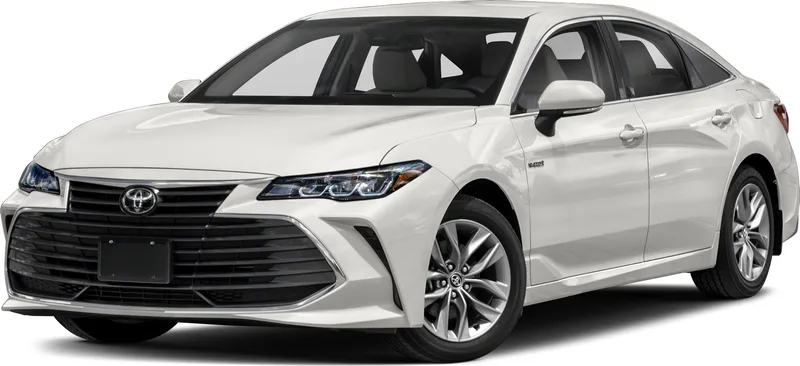
Toyota Avalon
Score: 80/100
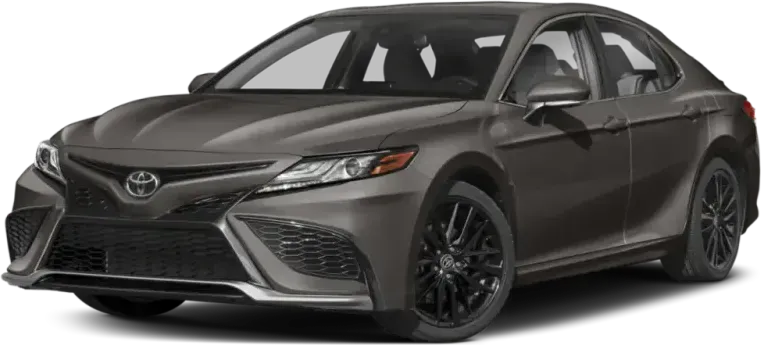
Toyota Camry
Score: 88/100
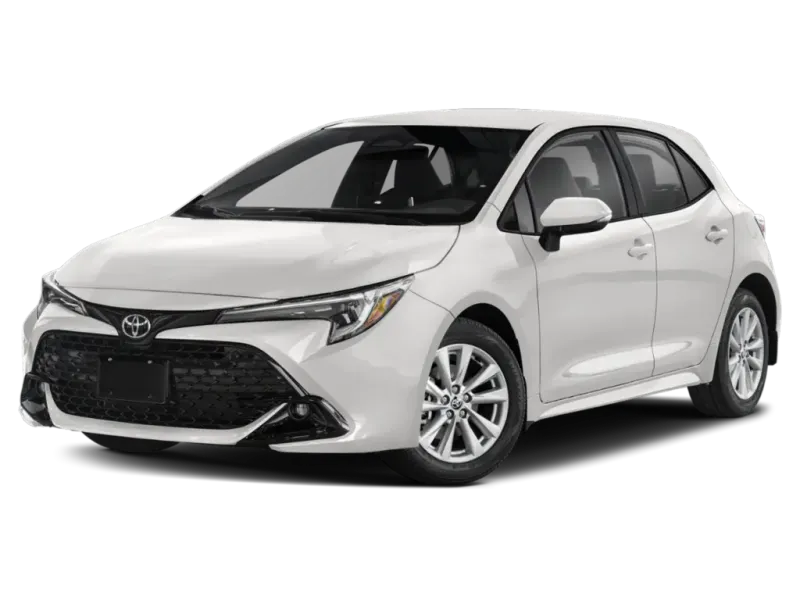
Toyota Corolla
Score: 94/100
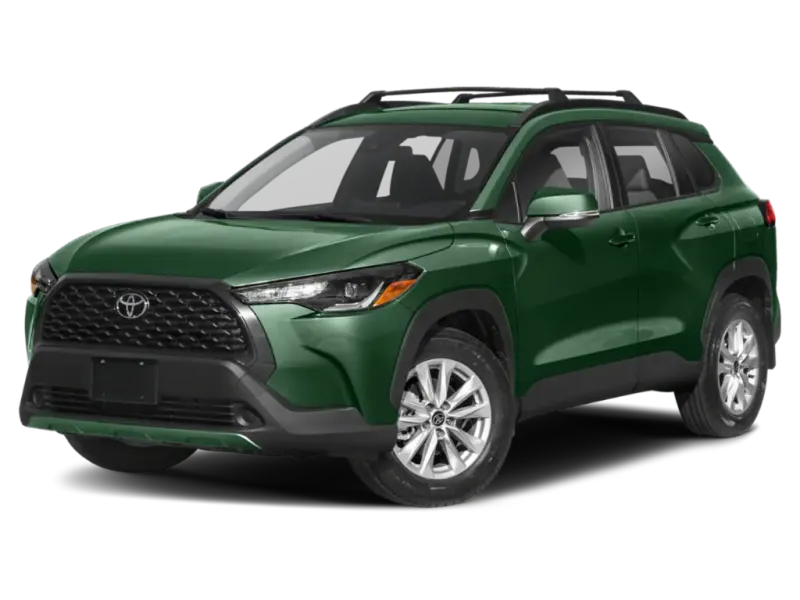
Toyota Corolla Cross
Score: 94/100
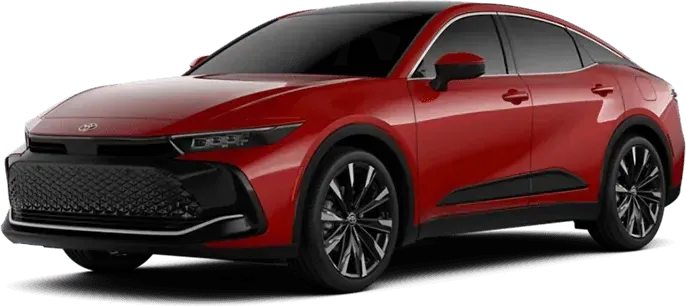
Toyota Crown
Score: 88/100
Browse More 2020 Vehicles
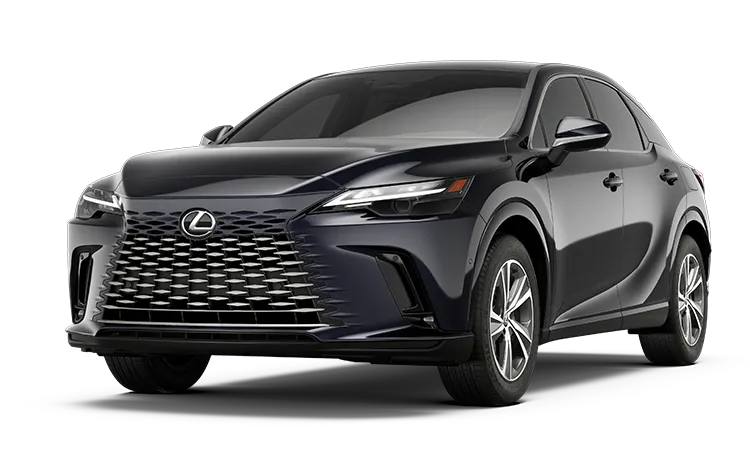
2020 Lexus RX
Score: 86/100
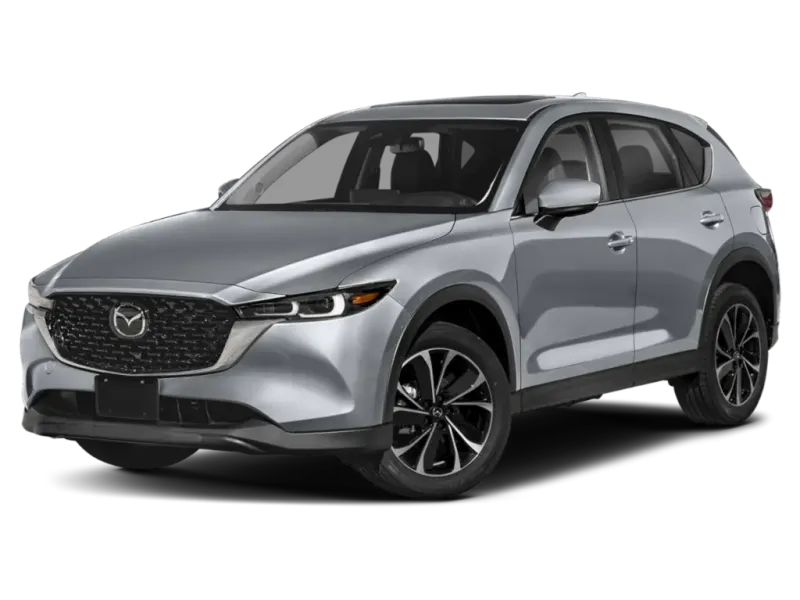
2020 Mazda CX-5
Score: 86/100
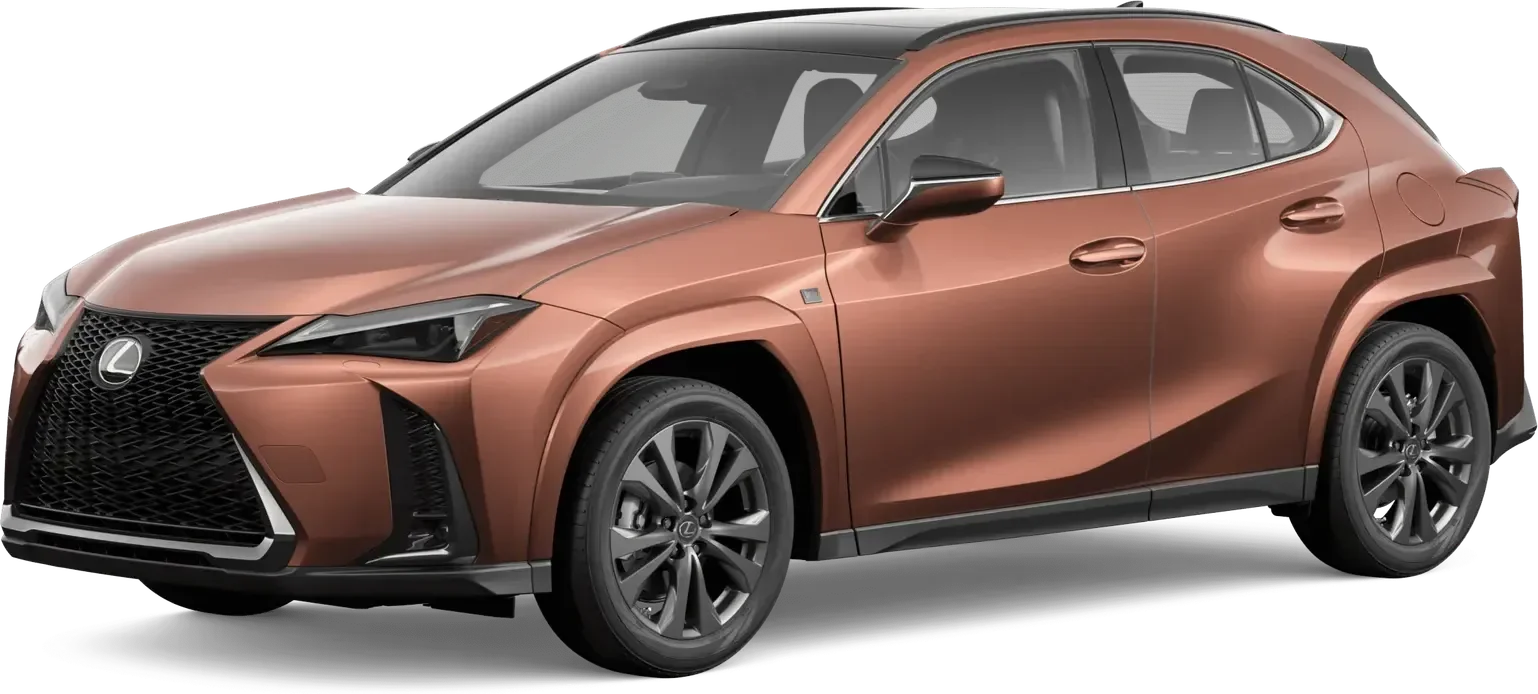
2020 Lexus UX
Score: 84/100
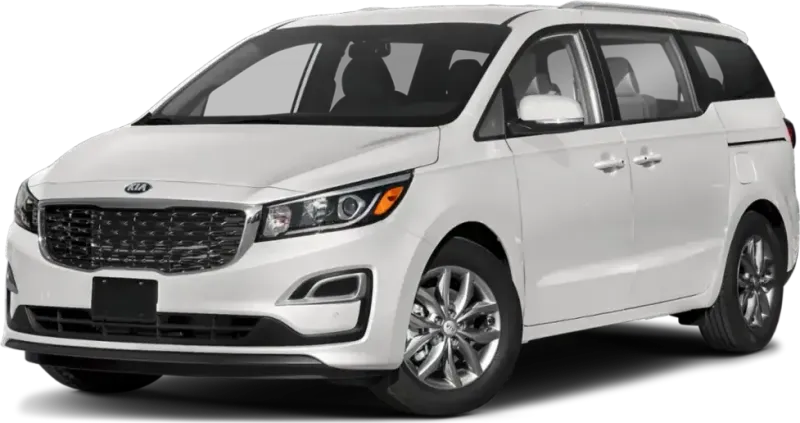
2020 Kia Sedona
Score: 83/100
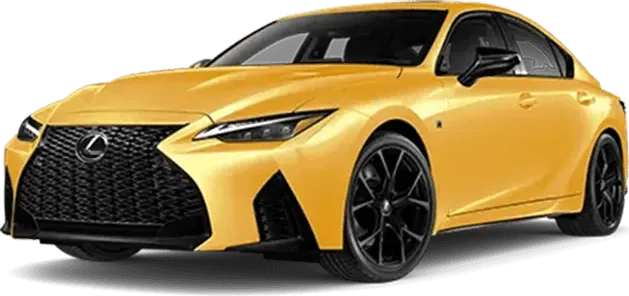
2020 Lexus IS
Score: 83/100
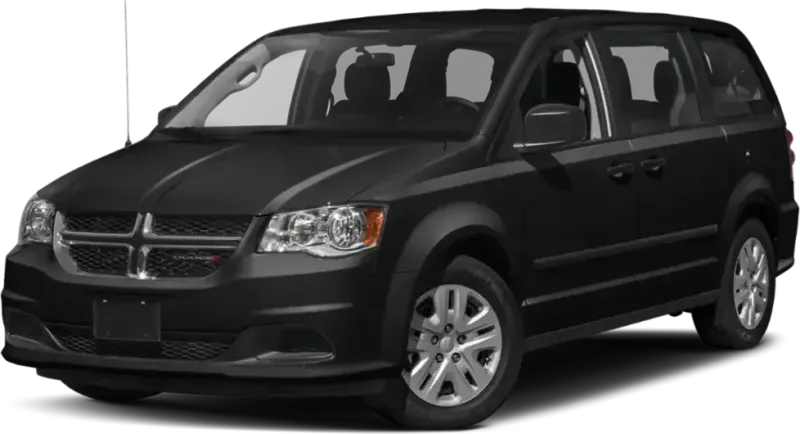
2020 Dodge Grand Caravan
Score: 83/100
See incorrect data? Report an issue