Last updated: 2026-10-10
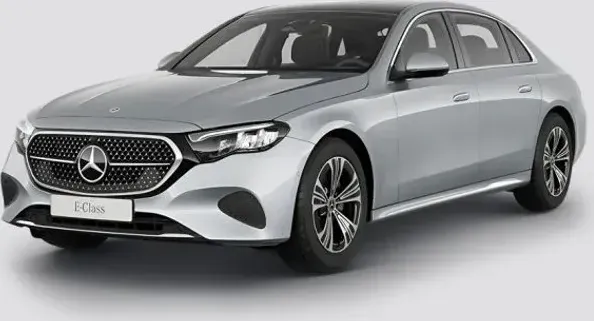
2023 Mercedes-Benz E-Class Reliability Report
The 2023 Mercedes-Benz E-Class has good reliability, but owners report sudden stalling and the transmission slipping into neutral while driving.
Recalls
5
Complaints
20
Complaint Rate
N/A
Est. Repair Cost
$908
Detailed Score Breakdown
Component-weighted complaints normalized by sales volume
Independent repair cost ratings
Recall count weighted by severity
Breadth of reported problem categories
The Verdict
Last year of the W213 generation, rated better than 2022, but marked by stalling, unexpected neutral drops, and run-flat tire blowouts.
Top Issues to Watch
- TIRES (5)
- ENGINE (4)
- POWER TRAIN (4)
Generation & Refresh (US)
2023 is the last model year of the Fifth generation (W213).
- Final-year models are typically the most refined version of a generation.
- 3 years after the last refresh (2020).
- 5th generation E-Class (US).
What this means for buyers
Final-year models are usually the most polished version of a generation, but resale value may dip as buyers anticipate the next redesign.
2016: Fifth generation (W213) Launch
Generation start — new platform.
2020: Mid-Cycle Refresh
Updated features and styling tweaks.
2023: This Model Year
2023 is the last model year of the Fifth generation (W213).
Should You Buy the 2023 Mercedes-Benz E-Class?
Reliability is good, and this is among the stronger of eight scored E-Class years. Against other 2023 sedans, it falls below average. As the last year of the W213 generation, it looks better than 2022, which had more complaints and recalls. The 2024 year rates about the same.
Owner complaints center on losing power in traffic. Engines stall without warning, either while moving or pulling away from a light, and restart only after a full power cycle. Some stalls returned after dealer work. Transmissions drop into neutral on their own, often with no warning light, at roughly 300 to 1,750 miles. Factory run-flat tires also blow out on small potholes. Federal recall records show five recalls, in the electrical and gasoline fuel systems.
Ask for proof that every recall was completed, plus any repair orders for stalling or neutral drops. Check the tire history too. The 2024 is worth comparing, with fewer complaints and one recall.
Compared to the 2024 Mercedes-Benz E-Class, which scored the same. See also the 2022 Mercedes-Benz E-Class for an earlier comparison.
Pros
- +Acceptable reliability score
- +Low complaint frequency
- +5-star NHTSA crash rating
Cons
- −Moderate recall count
- −TIRES issues reported (5 complaints)
- −ENGINE: Sudden stalling is the main pattern (4 complaints)
Compare 2023 Mercedes-Benz E-Class With
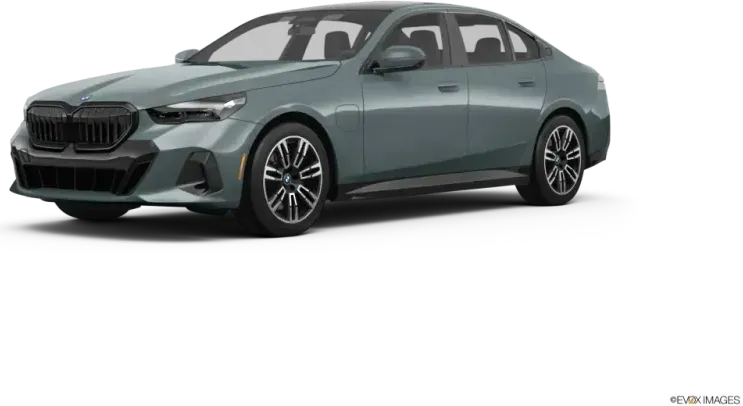
2023 BMW 5 Series
Reliability: 70/100
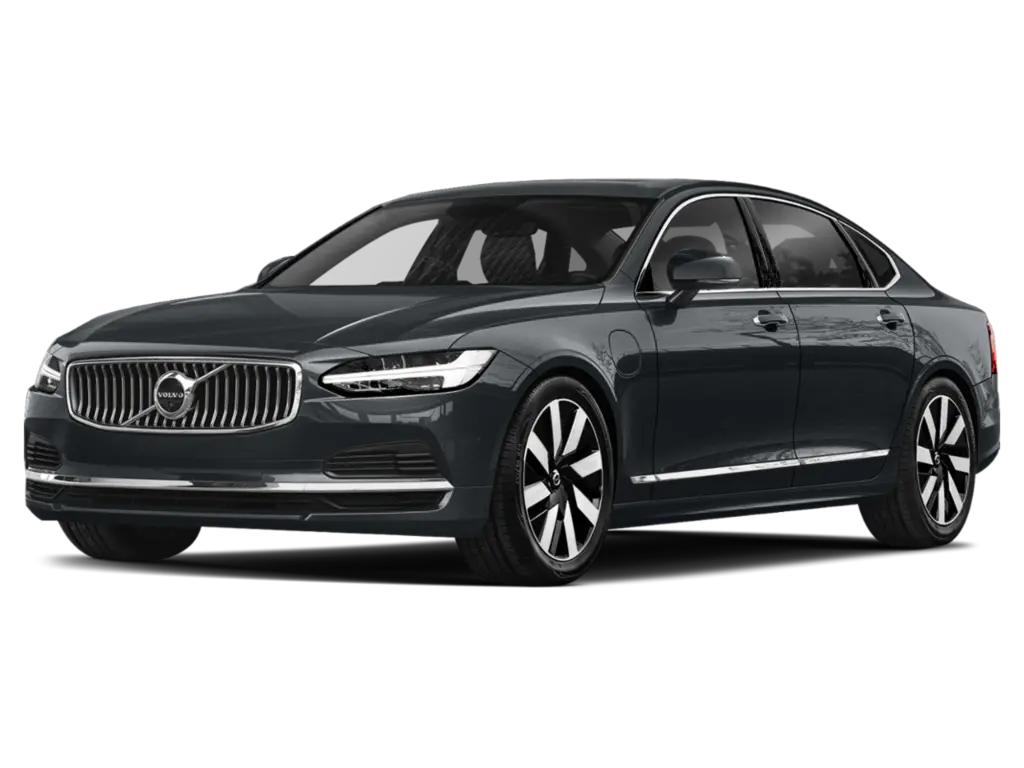
2023 Volvo S90
Reliability: 65/100
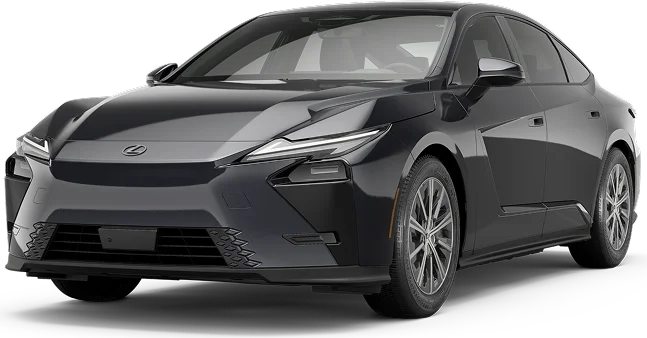
2023 Lexus ES
Reliability: 80/100

2023 Land Rover Range Rover Sport
Reliability: 52/100
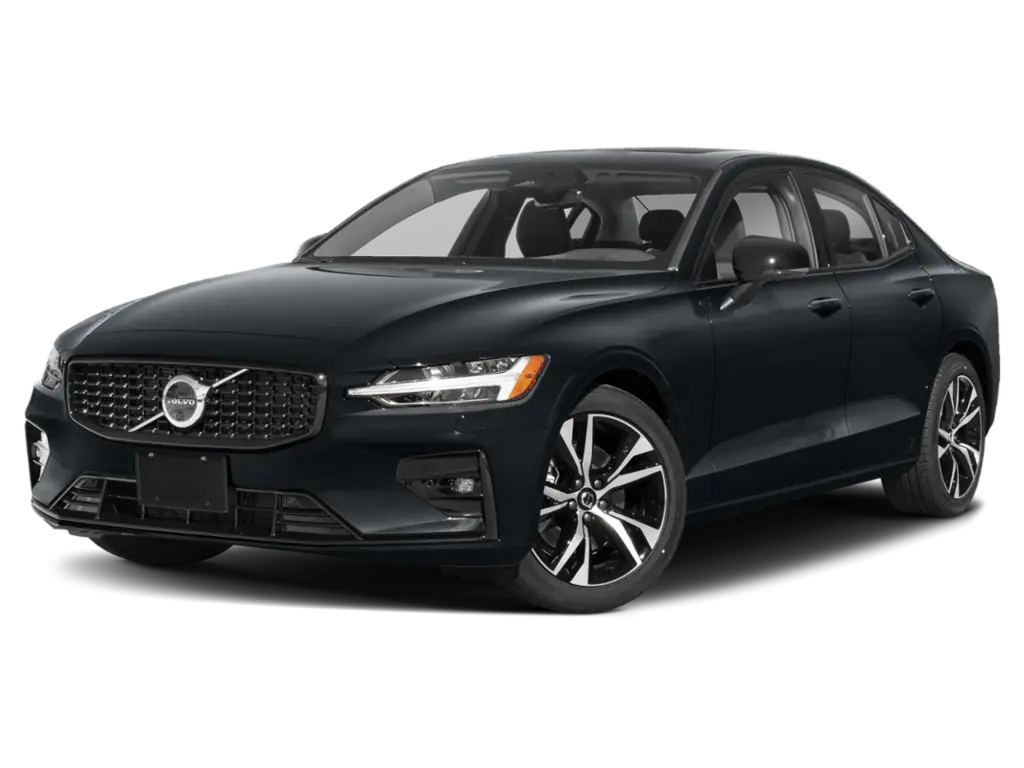
2023 Volvo S60
Reliability: 70/100
Common Problem Categories
Safety
LOW RISK- 5 manufacturer recalls issued
Other
HIGH RISK- TIRES (5)
- ENGINE (4)
Recall Overview
5
recalls on record
A moderate 5 recalls are on file for the 2023 Mercedes-Benz E-Class. Each one points to a specific safety or compliance issue identified by the manufacturer or NHTSA — check the list below before buying.
NHTSA.gov →Complaint Breakdown
20
complaintsSafety Incidents
0
Crashes
0
Fires
2
Injuries
0
Deaths
NHTSA 5/5 Stars
Data sourced from NHTSA complaint filings and manufacturer recall notices. Complaint narratives are owner-reported.
2023 Mercedes-Benz E-Class Recall Details
5 recalls have been issued for the 2023 Mercedes-Benz E-Class. All recall repairs are performed free of charge at authorized dealerships.
ELECTRICAL SYSTEM
Mercedes-Benz USA, LLC (MBUSA) is recalling certain 2019-2021 CLS 53 4MATIC, 2019-2023 E 53 4MATIC Cabriolet, E 53 4MATIC Coupe, E 53 4MATIC Sedan, 2021-2024 GT 43 4MATIC, and 2019-2025 GT 53 4MATIC vehicles. The transmission wiring harness connection might not have been correctly wired during a prior recall repair, and during production. which can expose the electrical connector to corrosion, and result in an electrical short-circuit.
Consequence
An electrical short circuit can increase the risk of a fire.
Remedy
Dealers will replace the two-part wiring harness and connector, free of charge. Interim letters, notifying owners of the safety risk, were mailed August 9, 2024. A second notice will be sent once the final remedy is available. Owners may contact MBUSA customer service at 1-877-496-3691. MBUSA's number for this recall is 2024100002/3. This recall supersedes recall 22V-533. Vehicles repaired under the prior recall will still need to have the new remedy performed.
ELECTRICAL SYSTEM
Mercedes-Benz USA, LLC (MBUSA) is recalling certain 2021-2023 CLS450, E450, E450 All-Terrain, AMG E53, AMG GT43, AMG GT53, and 2021 AMG CLS53 vehicles. The 48-volt ground cable connection located in the engine compartment may not be tightened properly and may result in the ground cable overheating.
Consequence
An overheated ground cable increases the risk of a fire.
Remedy
Dealers will inspect the 48-volt ground cable connection and repair it as necessary, free of charge. Owner notification letters were mailed March 22, 2024. Owners may contact MBUSA customer service at 1-800-367-6372. MBUSA's number for this recall is 2024MMNNNN.
FUEL SYSTEM, GASOLINE
Mercedes-Benz USA, LLC (MBUSA) is recalling certain 2021-2024 GLE, GLS, C-Class, E-Class, S-Class, SL, GLC, CLS, AMG GT, and G-Class vehicles. Please refer to MBUSA's recall report for specific vehicle details. The fuel pump may shutdown, causing a loss of drive power.
Consequence
A loss of drive power can increase the risk of a crash.
Remedy
Dealers will replace the fuel pump, free of charge. Owner notification letters were mailed on June 28, 2024. Owner notification letters will be mailed in phases, on February 23, 2024, April 19, 2024, June 28, 2024, August 9, 2024, October 1, 2024, and December 2, 2024. Owners may contact MBUSA customer service at 1-800-367-6372. This recall is an expansion of NHTSA recall number 23V-445.
Buying a used 2023 Mercedes-Benz E-Class? Check its history first
Tires problems lead owner complaints about the 2023 Mercedes-Benz E-Class, and 5 recalls were issued for it. A VIN check shows whether this car's recall work was done, plus accident, title, and odometer history.
- Accidents
- Open Recalls
- Title History
- Odometer Rollback
2023 Mercedes-Benz E-Class NHTSA Safety Ratings
Overall Safety Rating
Crash Test Results by Configuration (expand)
Gas Powertrain
Rollover risk: 9.7%
Safety Technologies
Mercedes-Benz E-ClassRepair Costs & Maintenance
Maintenance Rating
3Maintenance rating: 3 out of 5Based on NHTSA complaint patterns, recall severity, and publicly available cost benchmarks.
Est. Annual Maintenance
$908
Category-level averages derived from publicly available industry reports (AAA, CarMD). Model-level estimates produced by Auto Reliability Index.
2023 Mercedes-Benz E-Class Example Repair Prices
National average price ranges for common repairs. These are not model-year-specific failure predictions.
| Repair | Estimated Cost |
|---|---|
| Drive Axle Assembly Leak Inspection | $76 – $112 |
| Air Conditioning Refrigerant Line Replacement | $1,277 – $1,538 |
| Drive Axle Assembly Drain & Refill | $68 – $89 |
| Air Conditioning Receiver Drier Assembly Replacement | $425 – $536 |
| Wheel Bearing Replacement | $531 – $730 |
| Body Control System Diagnosis & Testing | $61 – $90 |
| Wheel Replacement | $2,560 – $2,596 |
| Fuel Evaporative Canister Replacement | $578 – $635 |
| Heater Core Replacement | $1,509 – $2,043 |
| Trans Oil Pan Gasket Replacement | $581 – $808 |
Estimates based on national average repair costs. Actual costs may vary by location and shop.
Used Buying Checklist
Key things to inspect or verify before purchasing a 2023 Mercedes-Benz E-Class.
Ask for service records showing stalling, "malfunction" warnings, code P060C00, a standstill adaption, or an engine replacement.
Drive in stop-and-go traffic and watch for stalls or a red malfunction message when pulling away from a stop.
On a highway on-ramp, confirm the transmission stays in drive and RPM stays steady while merging.
Have a shop scan for stored codes, especially 48-volt system and coolant overheat faults.
Inspect every run-flat tire and wheel for sidewall bulges, impact damage, or recent replacement receipts.
Open the trunk fully, wait a minute, and confirm the lid stays up without drifting or dropping.
2023 Mercedes-Benz E-Class Common Problems by Component
20 owner complaints grouped by vehicle system.
TIRES
5 complaintsFactory Continental ProContact GX SSR run-flat tires in size 245/40 R19 blow out after hitting small potholes or bumpy pavement. The tire goes flat on impact. Some drivers limp home on the run-flat sidewall, while others need a tow. Repeat failures are the pattern, with owners replacing several tires, sometimes the same corner more than once, within about 1.5 years. One owner says the manufacturer gave no help. Three of the five filings are the same report submitted more than once, so the true count is smaller than it looks.
ENGINE
4 complaintsSudden stalling is the main pattern. The motor shuts off without warning, either while moving in traffic or when pulling away from a stop light. A "malfunction" message appears, often with no other code, and the car usually restarts only after a full power cycle. Several owners report repeat stalls. In one case the dealer logged code P060C00 and performed a standstill adaption, and the stalling still came back. A separate report describes violent shaking, power loss, a broken piston, and a full engine replacement. Stopping in a live traffic lane creates real rear-end collision risk.
POWER TRAIN
4 complaintsThe transmission drops into neutral on its own while driving, including at about 40 mph and while merging onto a highway. No warning light comes on, and dealers cannot reproduce the fault. Other cars show a red malfunction warning at a stop, and the engine revs without moving the car until it is restarted. One report links a 48-volt system warning to an engine coolant overheat warning, limp mode, and a full shutdown while moving. These problems show up very early, at roughly 300 to 1,750 miles, and leave the driver without drive power in traffic.
UNKNOWN OR OTHER (2 complaints)
UNKNOWN OR OTHER
2 complaintsThe trunk lid slams shut unexpectedly while someone is reaching into the cargo area, even when the power closing feature has not been activated. Both reports include an injury, one being a painful forearm wound from blocking the lid. Owners describe repeat incidents. In one case a dealer could neither demonstrate the closing mechanism correctly nor fix the fault. The risk is a head or arm injury to anyone loading or unloading the trunk.
SERVICE BRAKES (1 complaints)
SERVICE BRAKES
1 complaintI am a small auto repair shop, in Houston, Texas. The driver's (left) side rear brake caliper bracket appears to be defective. The car came in with the mental to metal break wear on the driver's side, while the passenger's side brake pads still at 50% life. The break wear sensor didn't trigger the light, because there is only one sensor on the passenger side. Upon further investigation found that the inner brake pad was catching on the caliper bracket. Same was true for the new brake pad set as well. Fault appears to be in the caliper bracket. This could be a designed flaw by the manufacture., if so, it is your responsibility to get them.
ELECTRICAL SYSTEM (1 complaints)
ELECTRICAL SYSTEM
1 complaintI am submitting this complaint regarding serious and repeated electronic failures in my 2023 Mercedes-Benz E 450 that pose a significant safety risk to myself and other drivers on the road. The vehicle has experienced complete dashboard failures on multiple occasions, including the loss of speedometer, fuel gauge, and gear shift indicators. Most critically, the vehicle recently shut down while in motion, displaying a “malfunction” warning and disabling the electronic steering system. I was unable to maneuver the vehicle off the road, creating an extremely dangerous situation. This vehicle has been brought to the dealership three or more times for the same issue, with no permanent resolution. I believe this constitutes a serious safety defect. I respectfully request that the NHTSA investigate this matter as a potential recall issue.
BACK OVER PREVENTION (1 complaints)
BACK OVER PREVENTION
1 complaintMy vehicle is equipped with a camera system which, when in reverse gear, displays objects/people behind the vehicle and, when going forward to park, displays objects/vehicles ahead. For the first 11 months of ownership, the system has worked properly. For the last 6 months the system has worked intermittently. The vehicle, purchased new, is under warranty and has been returned to the dealership 4 times for software updates and and part replacements. Two weeks after the last visit, the camera system was inoperative again. Shortly after I returned home and went out again the camera system worked properly. Several years ago, Mercedes recalled 347,000 vehicles for a similar problem. My vehicle was purchased after the recall and did not fall into the category of vehicles that were recalled but it seems that, with the Mercedes brand, the problem still persists. To the extent the camera system will alert you to the presence of a person when backing up, this is a safety issue which needs to be addressed. Thank you
FUEL/PROPULSION SYSTEM (1 complaints)
FUEL/PROPULSION SYSTEM
1 complaintThe fuel pump on my vehicle failed multiple times, including coming off start / stop at traffic lights, as well as when being started. When at a stop light turning from red to green, my car did not respond, putting me in danger of being hit from behind. The vehicle is being repaired under warranty at a manufacturer dealership. It appears this is a known issue under NHTSA recall 23V445000, although my vehicle is not currently included in the recall after a VIN search of the NHTSA check for recalls page. My vehicle exhibited the same signs as others affected by this recall, including flashing "malfunction" when it occurred.
FUEL SYSTEM (1 complaints)
FUEL SYSTEM
1 complaintThe contact owns a 2023 Mercedes-Benz E450. The contact received notification of NHTSA Campaign Number: 23V880000 (Fuel System, Gasoline) however, the part to do the recall repair was not yet available. The contact stated that the manufacturer had exceeded a reasonable amount of time for the recall repair. While the contact’s wife was driving and then stopped at a traffic light, the vehicle independently turned off. The contact stated that several unknown warning lights were illuminated. In addition, the contact stated that the failure caused a traffic back up on a busy roadway. The contact stated that after several attempts, the vehicle restarted. The vehicle was driven to the residence. The contact informed the dealer by phone of the failure and that the parts were not available. The dealer was made aware of the failure but confirmed that parts were not yet available. The vehicle was not repaired. The manufacturer was made aware of the failure. The failure mileage was approximately 600.
Best & Worst Mercedes-Benz E-Class Years
Best Mercedes-Benz E-Class Years to Buy
Based on reliability index score2024
2023
(Current Model)
2022
Mercedes-Benz E-Class Years to Avoid
Mercedes-Benz E-Class Reliability Score Trend
Scores 0–100. Higher is better. Current year highlighted.
| Year | Score | Rating |
|---|---|---|
| 2018 | 55/100 | Mixed |
| 2019 | 54/100 | Mixed |
| 2020 | 56/100 | Mixed |
| 2021 | 56/100 | Mixed |
| 2022 | 60/100 | Good |
| 2023 | 63/100 | Good |
| 2024 | 63/100 | Good |
| 2026 | 76/100 | Good |
Mercedes-Benz E-Class Reliability Compared to Other Years
Frequently Asked Questions
Is the 2023 Mercedes-Benz E-Class reliable?
What are the most common problems with the 2023 Mercedes-Benz E-Class?
Does the 2023 Mercedes-Benz E-Class have stalling problems?
Does the 2023 Mercedes-Benz E-Class have tire problems?
Is the 2023 Mercedes-Benz E-Class better than the 2022 or 2024?
Don’t buy a 2023 Mercedes-Benz E-Class without checking its VIN first — hidden accidents, title issues, and open recalls could cost you thousands.
How we score the 2023 Mercedes-Benz E-Class
Of the four inputs behind this score, the 2023 Mercedes-Benz E-Class does best on recall impact (68/100) and worst on repair costs (60/100). Scores weight complaint severity at 35%, repair costs at 30%, recall impact at 20%, and the spread of complaints across systems at 15%, with complaint counts adjusted for US sales. Read the full methodology.
Get notified when new recalls or reliability data is added for the Mercedes-Benz E-Class.
No spam. Only data updates for this model.
Browse More Mercedes-Benz Models
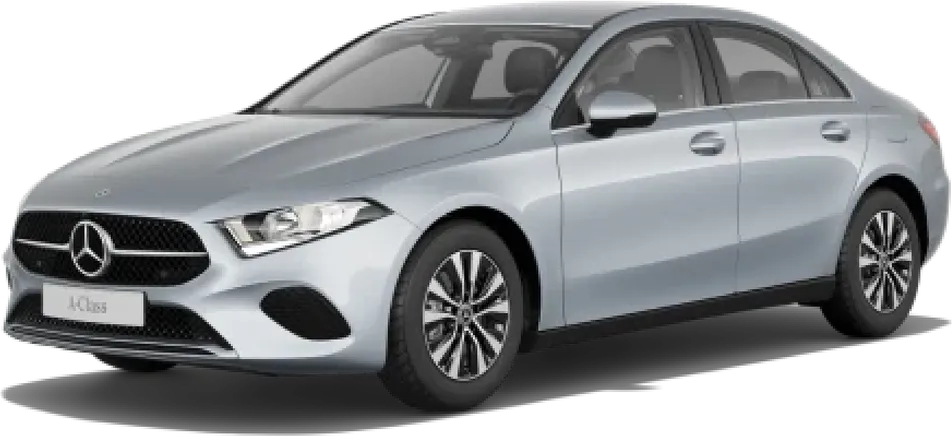
Mercedes-Benz A-Class
Score: 64/100
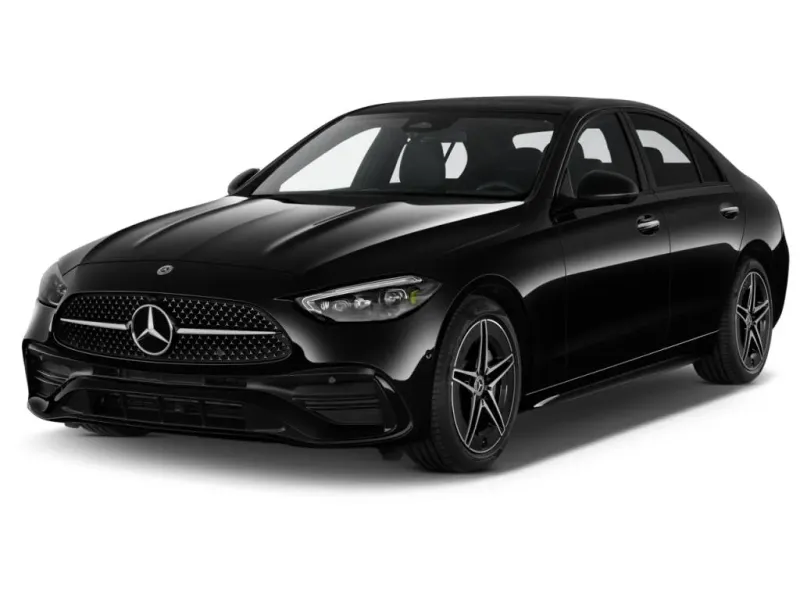
Mercedes-Benz C-Class
Score: 82/100
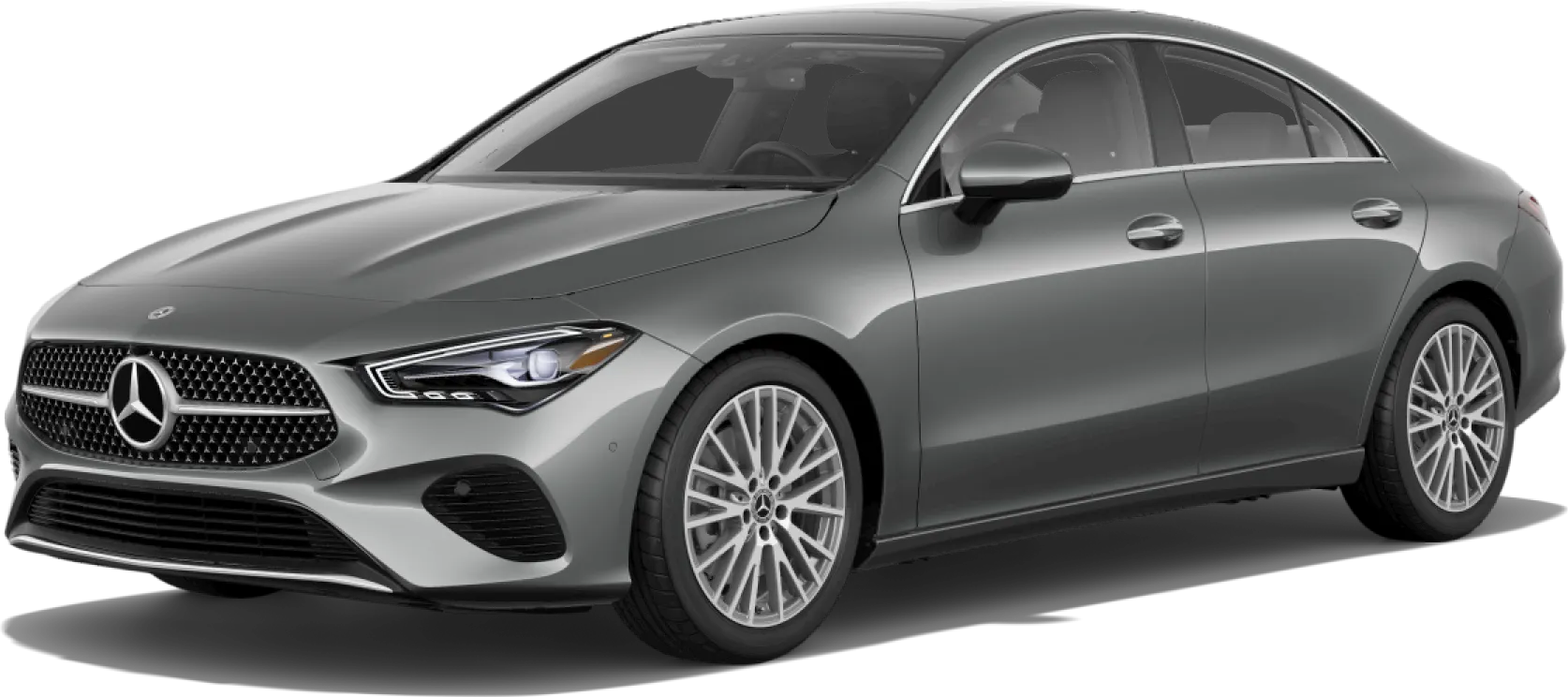
Mercedes-Benz CLA
Score: 64/100
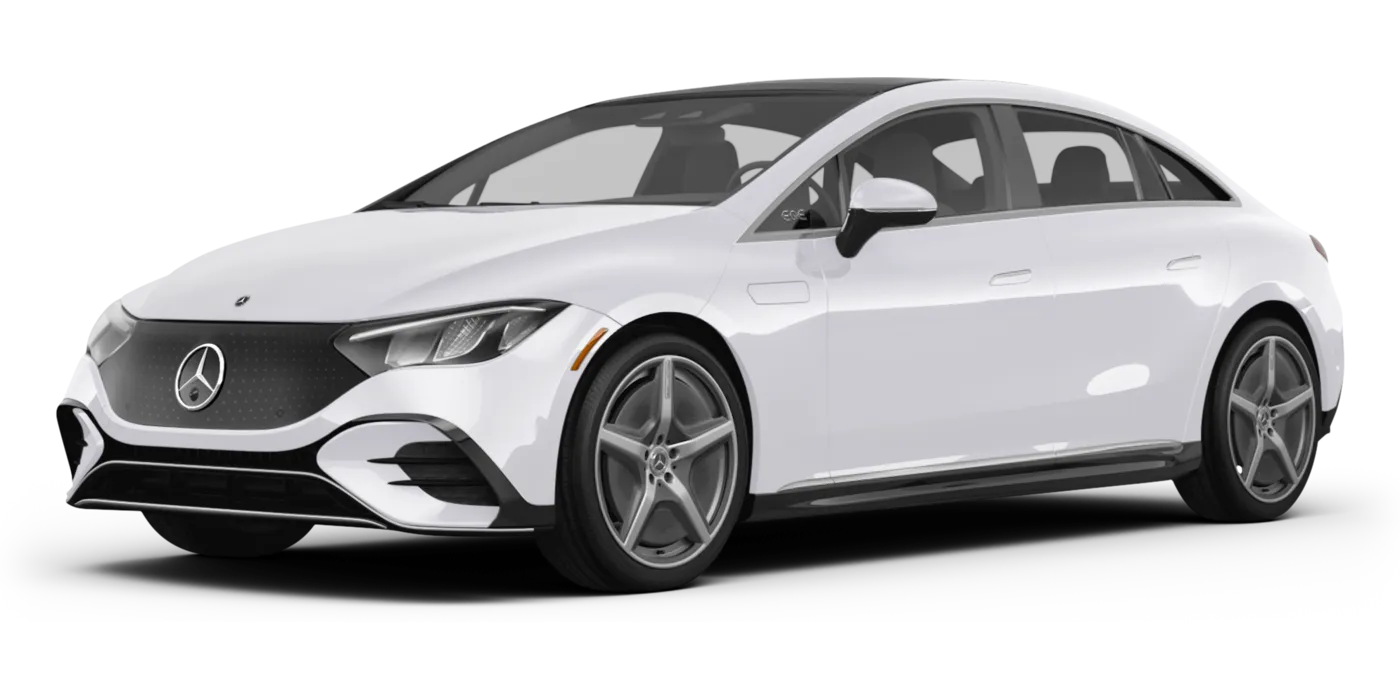
Mercedes-Benz EQE
Score: 61/100
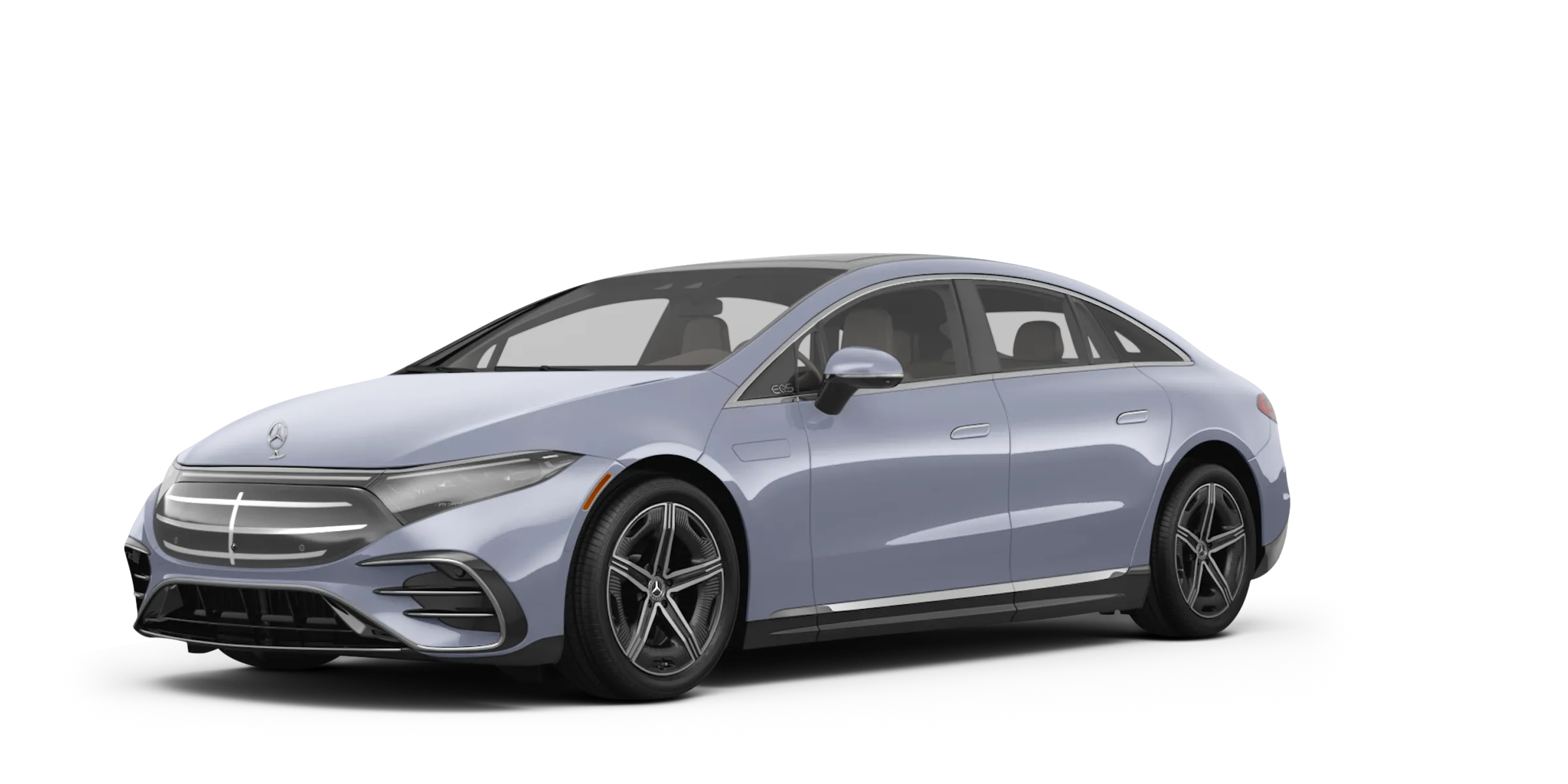
Mercedes-Benz EQS
Score: 61/100
Mercedes-Benz GLB
Score: 72/100
Browse More 2023 Vehicles
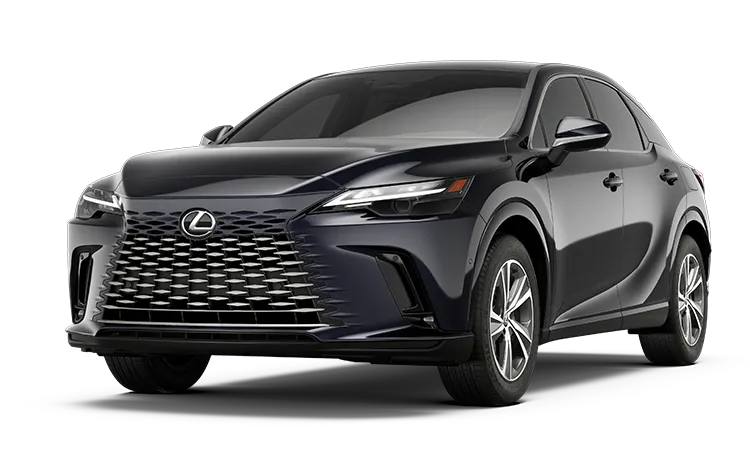
2023 Lexus RX
Score: 85/100
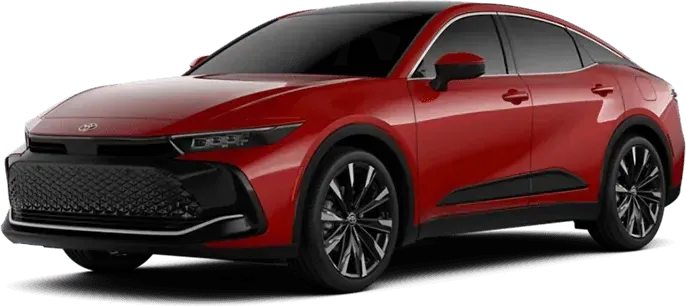
2023 Toyota Crown
Score: 84/100
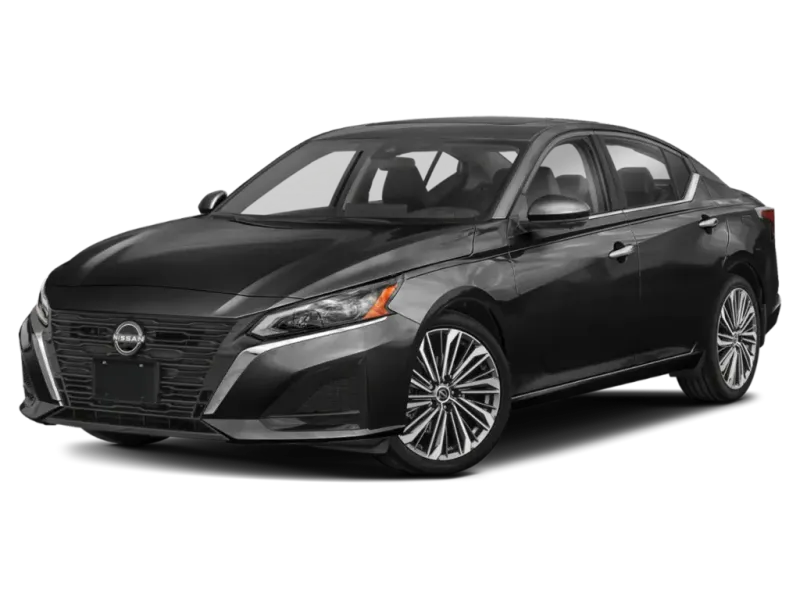
2023 Nissan Altima
Score: 84/100
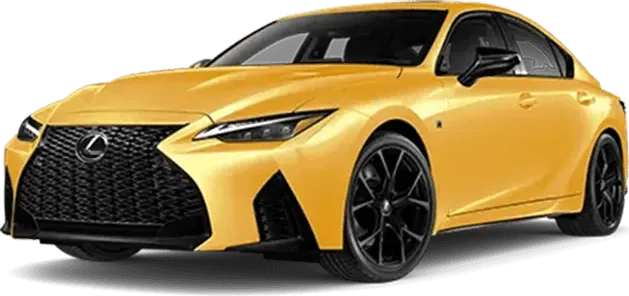
2023 Lexus IS
Score: 83/100
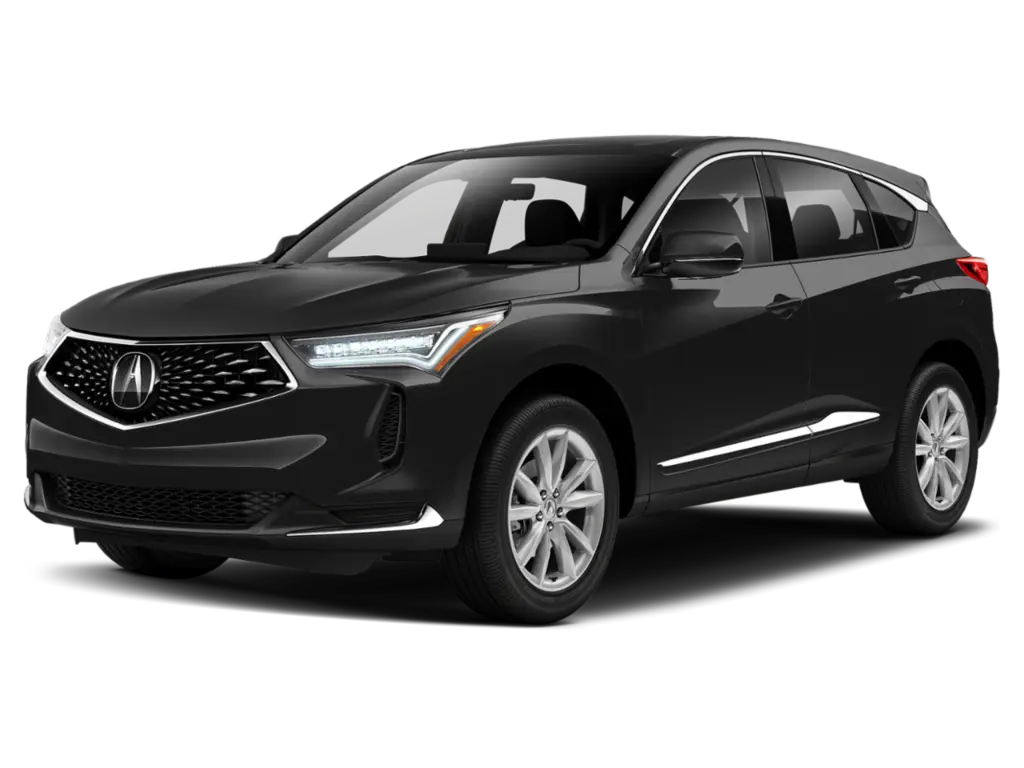
2023 Acura RDX
Score: 82/100
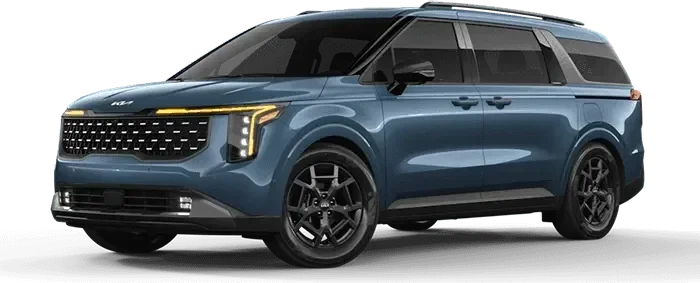
2023 Kia Carnival
Score: 82/100
See incorrect data? Report an issue