Last updated: 2026-10-10
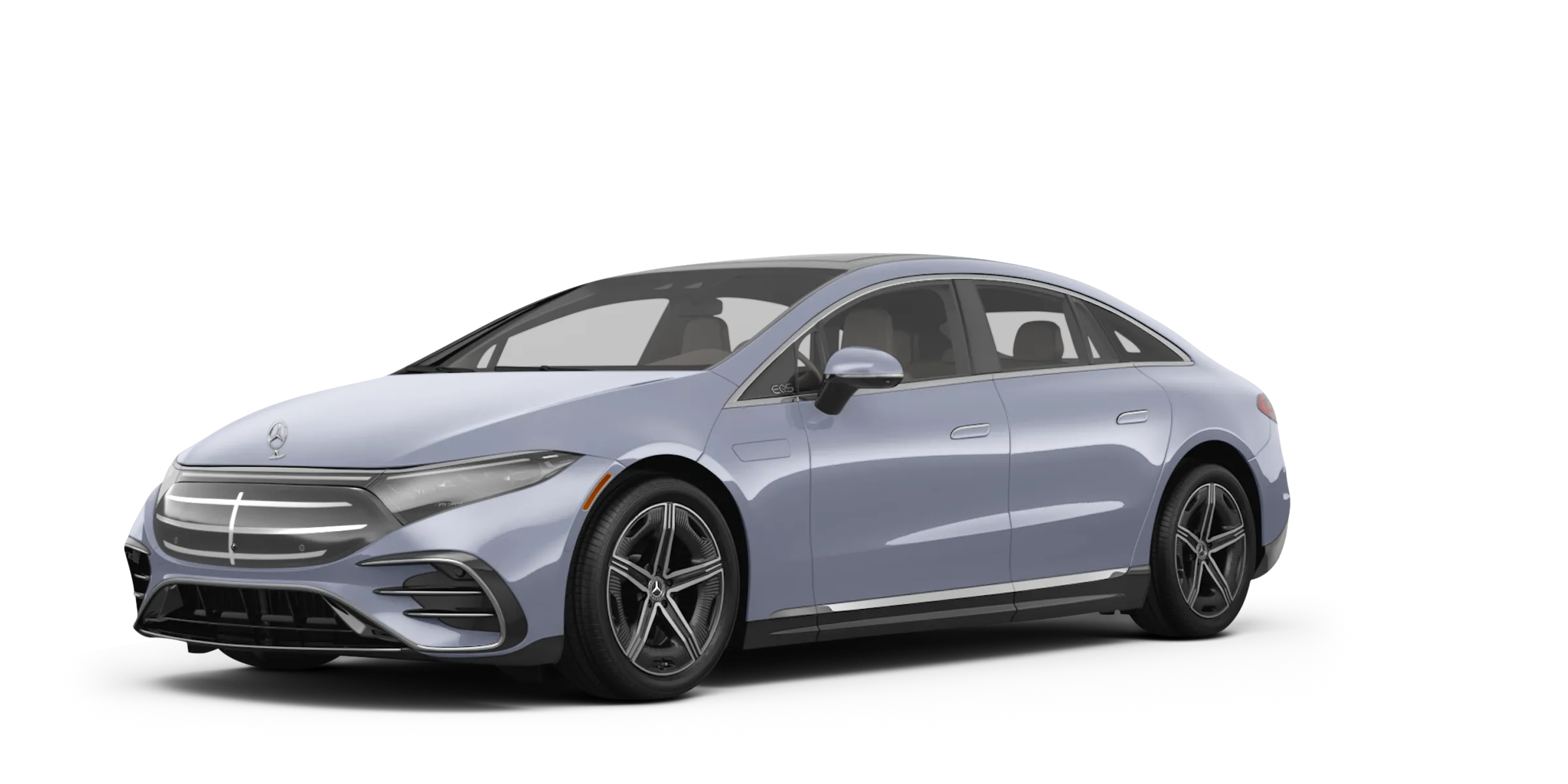
Mercedes-Benz EQS Reliability by Year
Mercedes-Benz EQS owners report the car braking on its own and electrical faults. See which model years hold up and which to skip.
Mercedes-Benz EQS Reliability Overview
Reliability is mixed and sits well below other sedans on the site. The complaints that matter most are sudden hard braking and false automatic emergency braking, often with no warning light. Buyers should skip 2022 and favor 2024, which has far fewer reports. Doors that unlatch while driving and electrical shutdowns also turn up in owner filings.
Current generation: 1st gen (2022–2024), facelifted 2024.
Best & Worst Mercedes-Benz EQS Years
Best Mercedes-Benz EQS Years to Buy
Based on reliability index scoreThe 2024 model has 6 owner complaints and 4 recalls, against 45 complaints and 14 recalls for 2022. It has now been on the road two years, so the sample is still small. Its reports center on sunroof glass, the power trunk and door handles, not the braking faults seen in earlier years. Those reports involve injuries, so check them.
Mercedes-Benz EQS Years to Avoid
Sudden braking with no obstacle ahead leads the complaints, at speeds from a crawl in reverse to 75 mph, usually with no warning light. Forward collision avoidance fires falsely too, and repeat failures after software updates are reported. Electrical reports include a total power shutdown that caused a crash. The year also has 14 recalls.
Mercedes-Benz EQS Reliability Score Trend
Mercedes-Benz EQS reliability has improved in recent years, with newer models scoring an average of 57/100 compared to 44/100 for older years.
Scores 0–100. Higher is better.
| Year | Score | Rating |
|---|---|---|
| 2022 | 44/100 | Mixed |
| 2023 | 52/100 | Mixed |
| 2024 | 61/100 | Good |
Year-by-Year Reliability
2024 Mercedes-Benz EQS
4 recalls · 6 complaints
The best of the three scored EQS years, with far fewer complaints and recalls than 2023, though injury reports about the sunroof and trunk remain.
2023 Mercedes-Benz EQS
8 recalls · 61 complaints
Middle of the three scored years, with highway power shutdowns, phantom braking, and eight recalls, five of them for the electrical system.
2022 Mercedes-Benz EQS
14 recalls · 45 complaints
First year of the generation and the weakest of three scored EQS years, led by reports of hard braking with nothing ahead.
Found Your Mercedes-Benz EQS? Check Its History
Structure (3) problems come up most in Mercedes-Benz EQS owner complaints, and 26 recalls cover the years we track. A VIN check shows whether the car you found had its recall work done, plus accident and title history.
- Accidents
- Open Recalls
- Title History
- Odometer Rollback
Mercedes-Benz EQS Repair Costs
Reliability Rating
2/5
Mercedes-Benz EQS Years to Avoid
See which model years have the most problems
Most Reliable Mercedes-Benz Models
Compare all Mercedes-Benz models by reliability
Compare Mercedes-Benz EQS With Similar Sedans
The Mercedes-Benz EQS competes with other full-size sedans such as Tesla Model S, Audi e-tron GT, and Tesla Model X.
EQS vs Tesla Model S
8 years tracked · 4606 complaints
EQS vs Audi e-tron GT
4 years tracked · 21 complaints
EQS vs Tesla Model X
8 years tracked · 602 complaints
Compare Mercedes-Benz vs Tesla→
More Mercedes-Benz EQS comparisons
Frequently Asked Questions
- What is the best model year for the Mercedes-Benz EQS?
- The 2024 is the best pick on this site. It has the fewest owner complaints and recalls of the three years tracked. It has been on the road two years, so the count could still grow. The 2022 is the year to avoid.
- Is the Mercedes-Benz EQS reliable?
- Reliability is mixed, and the EQS ranks well below other sedans on the site. Owner complaints focus on braking the car does by itself and on electrical faults. The 2024 looks better than 2022 and 2023, but it is still a young model year.
- What are the most common problems with the Mercedes-Benz EQS?
- Electrical faults lead the complaints, followed by service brakes and forward collision avoidance. Owners describe sudden hard braking with nothing ahead, usually with no warning light. Dealers often cannot duplicate it. Structure complaints include doors that unlatch while driving and sunroof glass that shatters.
- Does the Mercedes-Benz EQS have a lot of recalls?
- Federal recall records show 14 recalls for the 2022, 8 for the 2023 and 4 for the 2024. Recalls fall as the model years get newer, though newer cars have had less time to collect them. Check any car's VIN for open recalls before buying.
- Do the electrical problems on the Mercedes-Benz EQS get fixed?
- Not always, according to owners. Some report low starter battery alerts that continued after dealer visits. Others describe stalling with a message to drive at 50 mph at most. One owner reports a total power shutdown on the interstate. Ask for the service history on any car you consider.
How we score the Mercedes-Benz EQS
Scores weight complaint severity at 35%, repair costs at 30%, recall impact at 20%, and the spread of complaints across systems at 15%, with complaint counts adjusted for US sales. Read the full methodology.
Get notified when new recalls or reliability data is added for the Mercedes-Benz EQS.
No spam. Only data updates for this model.
See incorrect data? Report an issue