Last updated: 2026-10-10
Mercedes-Benz EQS vs Tesla Model X: Reliability Compared
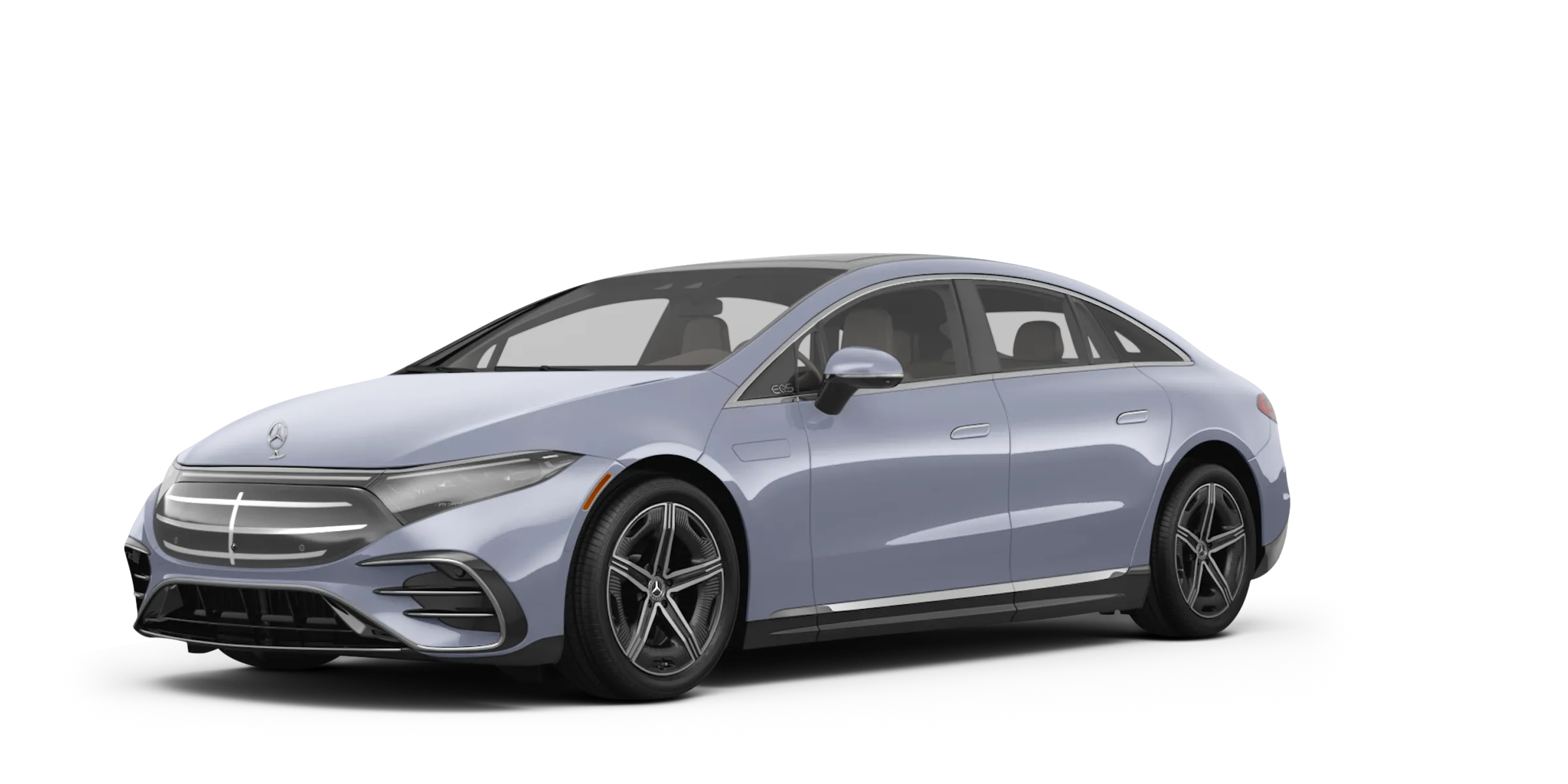
Mercedes-Benz EQS
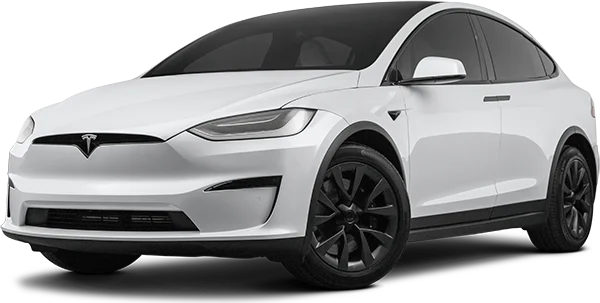
Tesla Model X
Tesla Model X is the more reliable pick over the Mercedes-Benz EQS by a clear margin. EQS owners file far more complaints per car sold. Both models still rate mixed, and both have owners reporting sudden braking or power loss while driving.
How Do the Mercedes-Benz EQS and Tesla Model X Generations Compare?
Verdict
The Tesla Model X is more reliable than the Mercedes-Benz EQS, scoring 57/100 vs 52/100.
A clear edge goes to the Tesla Model X. The deciding fact is how often owners complain. EQS owners filed 63.8 complaints per 10,000 sold, against 23.6 for the Model X. The Model X has more recalls in total, but it also covers eight model years to the EQS's three. Neither car is trouble-free, since both sit in the mixed range. The EQS problems, though, hit its core functions: shutdowns while driving and hard braking with nothing ahead. The Model X has its own serious faults, but fewer owners report them.
Key Differences
- 1Mercedes-Benz EQS has 47 fewer total recalls
- 2Tesla Model X has 40.2 fewer complaints per 10k sold
- 3Tesla Model X scores 5 points higher in reliability
Category Scoreboard
Mercedes-Benz EQS vs Tesla Model X: Which Is More Reliable?
| Metric | Mercedes-Benz EQS | Tesla Model X |
|---|---|---|
| Reliability Score | 52/100 | 57/100 |
| Years Tracked | 3 | 8 |
| Total Recalls | 26 | 73 |
| Complaints per 10k Sold | 63.8 | 23.6 |
| Year Wins | 1 (1 tied) | 1 (1 tied) |
What Are the Common Problems With the Mercedes-Benz EQS and Tesla Model X?
Sudden braking and shutdowns define the EQS. Owners report hard stops with no obstacle, seat belts tightening, and neck injuries. Others describe the car shutting down on the highway, plus melted charging inlets. Service brakes carry 5 crash-linked complaints. The Model X problems sit lower in the car. Front axle judder, steering noise, and blank screens lead the list. Suspension and steering both have crash-linked complaints, and neither area appears among the EQS's main problems. Model X cruise control also drops speed sharply, and its speed control area has 18 crash-linked complaints.
| Component | Mercedes-Benz EQS | Tesla Model X |
|---|---|---|
| ELECTRICAL SYSTEM | 13.7Above Avg | 3.2Average |
| SERVICE BRAKES | 13.1Above Avg | 0.7Very Low |
| FORWARD COLLISION AVOIDANCE | 10.8Above Avg | 1.2Low |
| UNKNOWN OR OTHER | 6.8Average | 4.7Average |
| STRUCTURE | 5.1Average | 1.2Low |
| VEHICLE SPEED CONTROL | 2.8Low | 1.4Low |
| SUSPENSION | —None | 3.5Average |
| STEERING | —None | 3.5Average |
| POWER TRAIN | 1.7Low | 0.2Very Low |
| WHEELS | 1.7Low | —None |
| SEATS | —None | 0.5Very Low |
| SEAT BELTS | —None | 0.4Very Low |
| AIR BAGS | —None | 0.3Very Low |
| VISIBILITY/WIPER | —None | 0.1Very Low |
| BACK OVER PREVENTION | —None | 0.1Very Low |
| EXTERIOR LIGHTING | —None | 0.1Very Low |
Complaints per 10,000 units sold, aggregated across all tracked model years from NHTSA owner reports.
How Does Mercedes-Benz EQS vs Tesla Model X Reliability Compare by Year?
| Year | Mercedes-Benz EQS | Tesla Model X | Edge |
|---|---|---|---|
| 2024 | 61/1004R / 6C | 61/1008R / 17C | Tie |
| 2023 | 52/1008R / 61C | 47/10016R / 183C | Mercedes-Benz EQS |
| 2022 | 44/10014R / 45C | 72/1000R / 0C | Tesla Model X |
Best years to cross-shop: The 2024 Mercedes-Benz EQS scored 61/100 and the 2022 Tesla Model X scored 72/100 — the strongest shared model years that have been on the road for at least two years, where available.
Who Should Buy the Mercedes-Benz EQS vs the Tesla Model X?
Mercedes-Benz EQS vs Tesla Model X: Common Questions
- Is the Mercedes-Benz EQS more reliable than the Tesla Model X?
- No. The Tesla Model X has a clear edge. EQS owners filed 63.8 complaints per 10,000 sold, while Model X owners filed 23.6. Both rate mixed on their own, but the EQS has more reports of shutdowns while driving and phantom braking that dealers often cannot reproduce.
- Which has more recalls, the EQS or the Model X?
- The Model X has more in total, with 73 recalls across 8 model years. The EQS has 26 across 3 model years. The Model X has been on sale longer, so recalls have had more time to pile up. Raw totals alone do not decide reliability.
- What are the most common EQS problems?
- Electrical faults lead with 24 complaints, then service brakes with 23 and forward collision avoidance with 19. Owners describe the car shutting down on the highway and braking hard with nothing ahead. Some also report melted charging inlets and a sunroof that shattered at highway speed.
- What goes wrong most on the Tesla Model X?
- Suspension and steering lead, with 89 complaints each. Owners describe a shudder under acceleration traced to the front half shafts, and a loud squeak when turning. Electrical faults come next, including screens that go dark while driving and falcon wing doors that open or close unexpectedly.
- Which Model X years should I avoid?
- Avoid 2023 and 2018, which rank as the weakest years for the Model X. The 2022 model year ranks among the strongest, so it is the safer target. The 2025 model year also ranks well, though check each car's repair history before you buy.
Related Reliability Comparisons
More Mercedes-Benz EQS comparisons
Decided between Mercedes-Benz EQS and Tesla Model X? Run a VIN check before you buy — uncover hidden accidents, title issues, and open recalls.
How we score the Mercedes-Benz EQS and Tesla Model X
Scores weight complaint severity at 35%, repair costs at 30%, recall impact at 20%, and the spread of complaints across systems at 15%, with complaint counts adjusted for US sales. Read the full methodology.
See incorrect data? Report an issue