Last updated: 2026-10-10
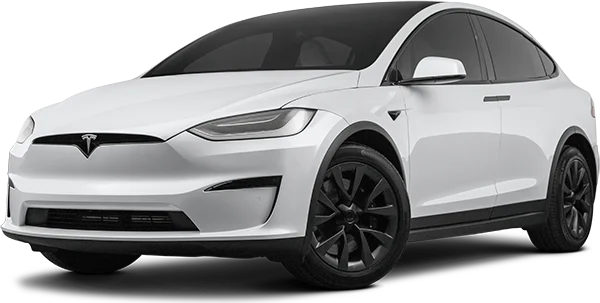
2023 Tesla Model X Reliability Report
The 2023 Tesla Model X has a mixed reliability standing, well below other 2023 SUVs, with horn, restraint-warning and powered-door complaints.
Recalls
16
Complaints
183
Complaint Rate
74.1per 10,000 sold
Est. Repair Cost
$832
EV Range
311–348 mi
Detailed Score Breakdown
Component-weighted complaints normalized by sales volume
Independent repair cost ratings
Recall count weighted by severity
Breadth of reported problem categories
The Verdict
Weakest of the eight scored years, marked by horn-button, restraint-warning and falcon door complaints plus 16 recalls in the final first-generation year.
Top Issues to Watch
- STEERING (45)
- ELECTRICAL SYSTEM (16)
- STRUCTURE (11)
Generation & Refresh (US)
2023 is the last model year of the First generation (X90D, X100D, XPL).
- Final-year models are typically the most refined version of a generation.
- 2 years after the last refresh (2021).
- 1st generation Model X (US).
What this means for buyers
Final-year models are usually the most polished version of a generation, but resale value may dip as buyers anticipate the next redesign.
2015: First generation (X90D, X100D, XPL) Launch
Generation start — new platform.
2021: Mid-Cycle Refresh
Updated features and styling tweaks.
2023: This Model Year
2023 is the last model year of the First generation (X90D, X100D, XPL).
2025: Mid-Cycle Refresh
Updated features and styling tweaks.
Should You Buy the 2023 Tesla Model X?
Be cautious with this one. Reliability standing is mixed, well below average among 2023 SUVs, and it is the weakest of the eight scored Model X years. It is also the last year of the first generation. The 2022 and 2024 model years both rate better in the data.
Steering draws the most complaints. The horn is a small haptic button, so drivers reach for the middle of the wheel in an emergency and hit the wiper control instead. Electrical complaints include recurring "safety restraint system" and "safety systems disabled" errors, and some owners return to service several times without a lasting fix. Powered doors have injured people, including a child struck as a door opened. Two crash reports describe the car accelerating while parking and not stopping with the brake pedal pressed. Federal recall records show 16 recalls, covering air bags, seat belts, steering, brakes, door latches and more.
Ask for proof that every recall was completed, especially air bags, seat belts and brakes. Ask for service records on any restraint warnings. Test every door, and compare a 2024 or 2022 car before you commit.
Compared to the 2024 Tesla Model X, which scored 14 points higher. See also the 2022 Tesla Model X for an earlier comparison.
Pros
- +Well-established generation
Cons
- −Below-average reliability score
- −Above-average recall count
- −Above-average complaint rate for SUV
- −UNKNOWN OR OTHER: Hard-to-find horn controls dominate these reports (69 complaints)
- −2 fire incidents reported in owner complaints
Compare 2023 Tesla Model X With
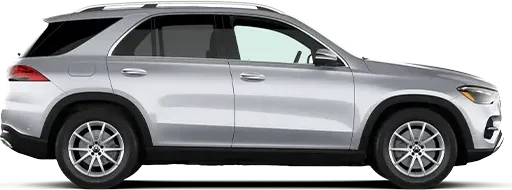
2023 Mercedes-Benz GLE
Reliability: 70/100
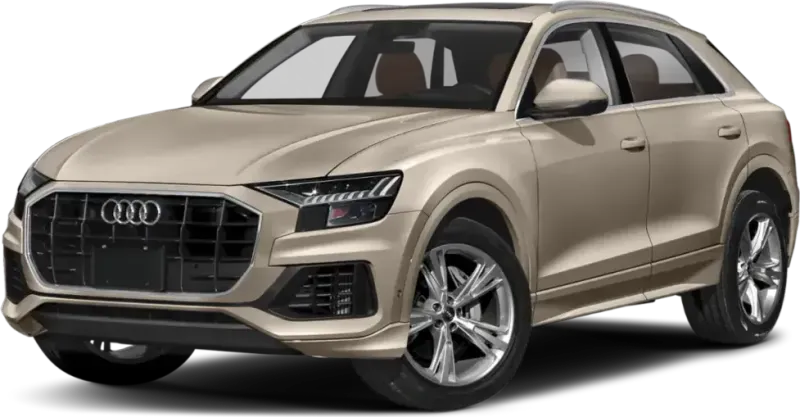
2023 Audi Q8
Reliability: 67/100
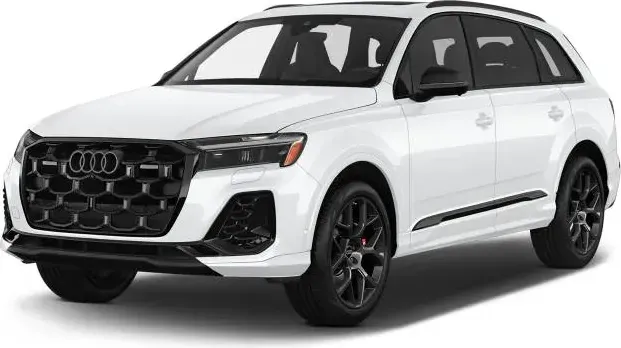
2023 Audi Q7
Reliability: 66/100
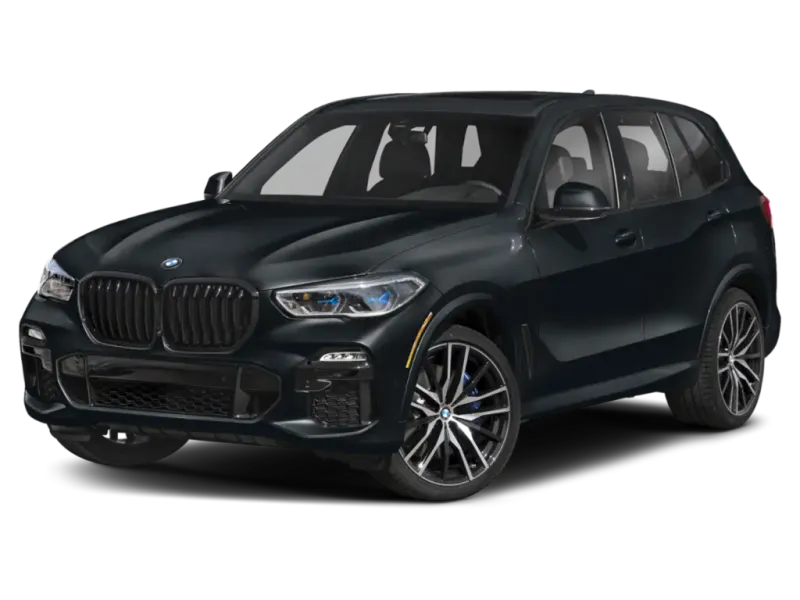
2023 BMW X5
Reliability: 65/100
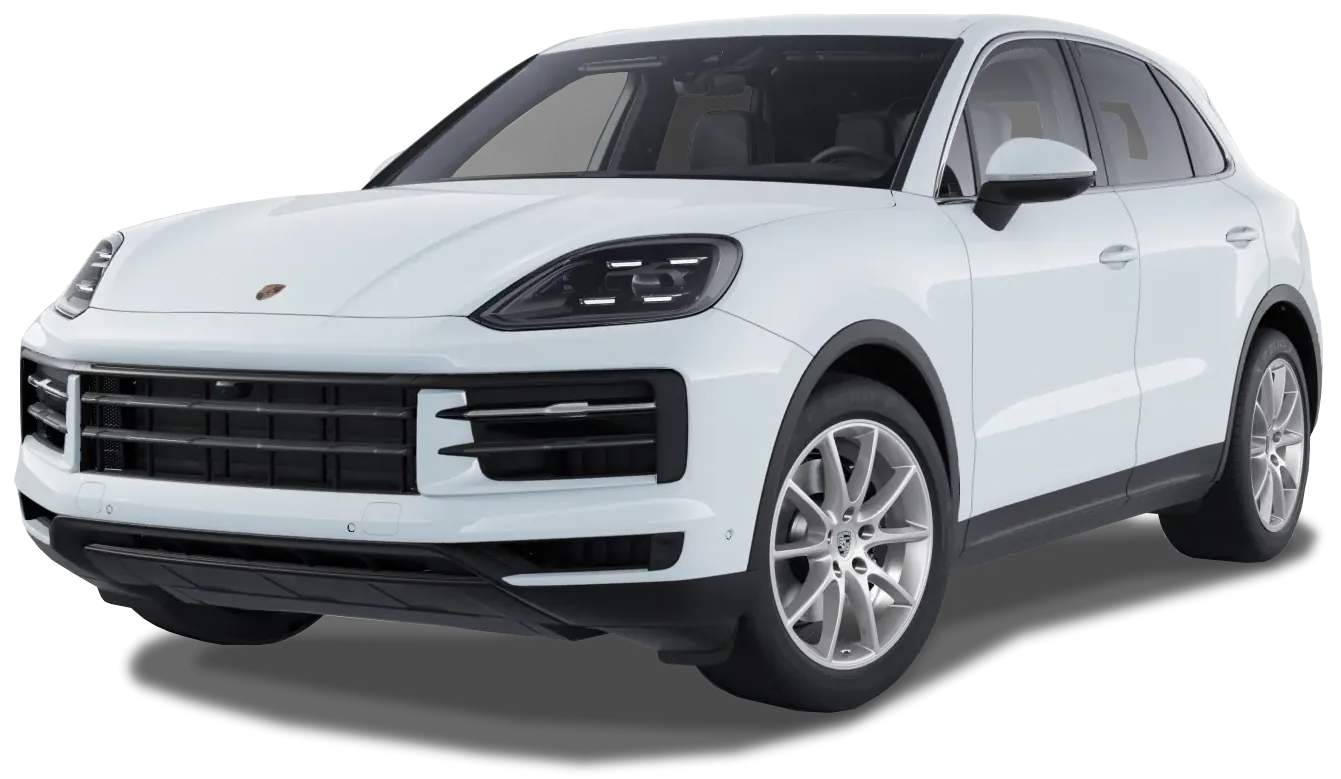
2023 Porsche Cayenne
Reliability: 61/100
Common Problem Categories
Safety
LOW RISK- 16 manufacturer recalls issued
Other
HIGH RISK- UNKNOWN OR OTHER (69)
- STEERING (45)
Recall Overview
16
recalls on record
The 2023 Tesla Model X has 16 recalls on record, which is above average. A high count can flag multiple component concerns, though it also shows the manufacturer is actively addressing known issues.
NHTSA.gov →Complaint Breakdown
74.1
per 10,000 soldSegment avg: 11.3
Safety Incidents
16
Crashes
2
Fires
10
Injuries
0
Deaths
Data sourced from NHTSA complaint filings and manufacturer recall notices. Complaint narratives are owner-reported.
2023 Tesla Model X Recall Details
16 recalls have been issued for the 2023 Tesla Model X. All recall repairs are performed free of charge at authorized dealerships.
AIR BAGS, ELECTRICAL SYSTEM
Tesla, Inc. (Tesla) is recalling certain 2021-2024 Model S and 2021-2025 Model X vehicles. An air bag with the incorrect horn pad may have been installed, preventing the horn from sounding.
Consequence
An inoperative horn may prevent the driver from alerting other drivers, increasing the risk of a crash.
Remedy
Tesla service will inspect and install an air bag with the correct horn pad as necessary, free of charge. Owner notification letters were mailed May 20, 2025. Owners may contact Tesla customer service at 1-877-798-3752. Tesla's number for this recall is SB-25-20-001.
BACK OVER PREVENTION, ELECTRICAL SYSTEM
Tesla, Inc. (Tesla) is recalling certain 2024-2025 Model 3, Model S, 2023-2025 Model X, and Model Y vehicles. The computer circuit board may short, resulting in the loss of the rearview camera image. As such, these vehicles fail to comply with the requirements of Federal Motor Vehicle Safety Standard (FMVSS) number 111, "Rear Visibility."
Consequence
A rearview camera that does not display an image reduces the driver's rear view, increasing the risk of a crash.
Remedy
Tesla released an over-the-air (OTA) software update, free of charge. Tesla will also identify any vehicles that experienced a circuit board failure, or stress that may lead to a circuit board failure, and replace the affected computers, free of charge. Owner notification letters were mailed March 7, 2025. Owners may contact Tesla customer service at 1-877-798-3752. Tesla's number for this recall is SB-25-00-001.
AIR BAGS
Tesla, Inc. (Tesla) is recalling certain 2021-2025 Model S and Model X vehicles. The driver's air bag could tear during deployment. As such, these vehicles fail to comply with the requirements of Federal Motor Vehicle Safety Standard (FMVSS) numbers 208, "Occupant Crash Protection" and 212, "Windshield Mounting."
Consequence
A torn air bag may not adequately protect an occupant in a crash, increasing the risk of injury.
Remedy
Tesla service will replace the air bag assembly, free of charge. Owner notification letters were mailed February 21, 2025. Owners may contact Tesla customer service at 1-877-798-3752. Tesla's number for this recall is SB-24-20-001.
Showing 10 of 16 recalls. View all on NHTSA.gov →
16 recalls and a score of 47 — check any 2023 Tesla Model X before buying
With a below-average reliability score, a VIN check is especially important. Uncover hidden accidents, title problems, odometer rollbacks, and open recalls that data alone can't show you.
- Accidents
- Open Recalls
- Title History
- Odometer Rollback
2023 Tesla Model X NHTSA Safety Ratings
Crash Test Results by Configuration (expand)
Gas Powertrain
Rollover risk: 9.3%
Safety Technologies
Tesla Model XRepair Costs & Maintenance
Maintenance Rating
2Maintenance rating: 2 out of 5Based on NHTSA complaint patterns, recall severity, and publicly available cost benchmarks.
Est. Annual Maintenance
$832
Category-level averages derived from publicly available industry reports (AAA, CarMD). Model-level estimates produced by Auto Reliability Index.
2023 Tesla Model X Example Repair Prices
National average price ranges for common repairs. These are not model-year-specific failure predictions.
| Repair | Estimated Cost |
|---|---|
| Tire Pressure Monitor Lamp Diagnosis | $122 – $179 |
| Noise Diagnosis | $122 – $179 |
| Engine Oil Light Diagnosis | $122 – $179 |
| General Diagnosis | $122 – $179 |
| Noise Diagnosis | $122 – $179 |
| Check Engine Light Diagnosis & Testing | $122 – $179 |
| AC Diagnosis | $122 – $179 |
| Air Conditioning System Leak Inspection | $122 – $179 |
| Vibration Diagnosis | $122 – $179 |
| Air Conditioning System Leak Inspection | $122 – $179 |
Estimates based on national average repair costs. Actual costs may vary by location and shop.
MPG & Annual Running Costs
Electric
311–348 mi range
Fuel cost: $750–$850/yr
Fuel only
33.084–36.916 kWh/100mi · 14 hrs @ 240V
Based on EPA fuel-cost estimates. Excludes routine maintenance, depreciation, and insurance. Data as of 2023 EPA label cycle.
Electric trims
| Trim | Drive | Trans. | Range | kWh/100mi | Fuel Cost |
|---|---|---|---|---|---|
| Model X | All-Wheel Drive | Automatic (A1) | 348 mi | 33.1 | $750 |
| Model X Plaid (20 inch wheels) | All-Wheel Drive | Automatic (A1) | 333 mi | 34.4 | $750 |
| Model X Plaid (22 inch wheels) | All-Wheel Drive | Automatic (A1) | 311 mi | 36.9 | $850 |
Used Buying Checklist
Key things to inspect or verify before purchasing a 2023 Tesla Model X.
Turn the wheel 90 degrees and find the horn by touch; ask whether a center-horn wheel was retrofitted.
Open Service Mode and check for safety restraint system, airbag or "safety systems disabled" alerts.
Review service records for repeat restraint system, airbag or seat belt repairs.
Buckle and pull every rear seat belt; check for twisting, sticking buckles and loose anchors.
Cycle both falcon wing doors and the rear hatch; confirm they stop for obstacles and never move unprompted.
Inspect fender flares, wheel-well trim and the underbody guard for missing pieces or glued-on repairs.
Drive at highway speed on cruise control and watch for phantom braking.
Confirm second-row seats lock in place, and run the heated seats while checking for burning smells.
2023 Tesla Model X Common Problems by Component
183 owner complaints grouped by vehicle system.
UNKNOWN OR OTHER
69 complaintsSafety-relatedHard-to-find horn controls dominate these reports. The horn is a small touch button on the right side of the steering wheel. Drivers say they cannot find it in an emergency, especially with the wheel turned or after dark. Several describe near misses, and one driver swerved into a ditch. Owners say later cars got a center horn but report no free retrofit. Other reports describe Summon and self-parking hitting poles, the car closing the garage door onto itself, and a crash with injuries after sudden acceleration and a reported loss of braking.
STEERING
45 complaintsSafety-relatedThe horn is a small haptic button rather than a center pad, and that drives most complaints here. Drivers reach for the middle of the wheel in emergencies, hit the wiper control instead, or set the horn off by accident. The turn-signal buttons on the wheel are easy to mix up when the wheel is turned. Owners say Tesla charges for a center-horn retrofit, with one quoting more than $2,400. Single reports describe a grinding noise when turning at about 300 miles and Full Self-Driving speeding up at red lights.
ELECTRICAL SYSTEM
16 complaintsSafety-relatedRecurring "safety restraint system" and "safety systems disabled" errors are the most serious pattern. Some owners return to service several times without a lasting fix. Other reports cover steering-wheel turn-signal and horn buttons that are hard to use, intermittent loss of the rear camera, GPS and Park Assist, and a total power loss with rollback on a hill. Owners also report falcon doors that stop partway open and a rear interior light that blinks on its own. Two crashes are reported, including one with an injury after sudden acceleration in Plaid mode despite braking.
STRUCTURE (11 complaints)
STRUCTURE
11 complaintsPowered doors cause the injuries in this category. Owners report a falcon wing door closing when the opposite door's button was pressed, doors and the rear hatch reversing and coming down on people, a door striking a child as it opened, and a thumb pinched during a door's final cinch. Rear doors are hard to open by hand when the battery is dead. Separately, fender flares, wheel-well trim and the underbody guard fall off, often in heavy rain. One dealer reattached parts with adhesive at about 9,649 miles.
SERVICE BRAKES (8 complaints)
SERVICE BRAKES
8 complaintsSafety-relatedTwo crash reports describe the car accelerating while parking and failing to stop with the brake pedal pressed. One of those crashes injured two people. Other complaints describe automatic emergency braking triggering on shadows, hard deceleration beside a semi on Autopilot, and the car stopping dead in a highway lane while driver-assist features were in use. Owners say Tesla could not reproduce some of these events. Single reports also mention automatic wipers that fail in rain and a pedal that feels off because of low brake fluid.
SEAT BELTS (5 complaints)
SEAT BELTS
5 complaintsRear belts are the problem area. Reports describe twisted belts, a second-row buckle that stays stuck, belt tongues that do not seat in the buckle, and a broken anchor. One recurring rear left restraint fault means the pretensioner may not engage, and three service visits did not fix it. Tesla has called some of these maintenance issues or normal function, and in one case the belts came back from service unchanged. Parents with car seats in the second row raise most of these concerns.
VEHICLE SPEED CONTROL (4 complaints)
VEHICLE SPEED CONTROL
4 complaintsSafety-relatedThe main complaint is unintended acceleration at low speed. Drivers describe the car surging while pulling into a driveway or waiting for a gate and then striking the garage door or gate. One such case happened at about 8,000 miles, and one crash is reported. Another owner says the car sped up during slow driving while Park Assist and traction control kept disengaging. With cruise control on the highway, phantom braking repeats and can cut speed by twenty mph before the driver steps in.
AIR BAGS (3 complaints)
AIR BAGS
3 complaintsSafety-relatedA front passenger restraint system fault keeps coming back, with warning chimes and an airbag light, whether or not anyone is in the seat. Repairs between about 30,638 and 36,106 miles, including a Restraint Control Module replacement, did not hold. Two crash reports are also filed here. In one, the air bags did not deploy after a pole impact and the driver's door would not open. In the other, the car braked hard and left the road while using Full Self-Driving.
SEATS (2 complaints)
SEATS
2 complaintsSafety-relatedTwo separate seat failures are reported. The front passenger heated seat turns on by itself when the car is started from the phone. In one fire-related report it smoked and burned a hole in the seat with no one sitting in it, and Tesla replaced the seat under warranty. A second-row seat also fails to latch and lock in place at about 57,326 miles. Tesla declined warranty coverage for that seat and asked the owner to pay for a replacement.
SUSPENSION (2 complaints)
SUSPENSION
2 complaintsSafety-relatedIn one report, the front left wheel separates from the hub while driving, shortly after a Tesla service visit. Tesla's service paperwork blamed missing hardware on the upper control arm. The result is a sudden loss-of-control risk, so recent suspension work deserves a close look on any car. The other complaint filed here is a crash the owner blames on the hard-to-reach horn button, not a suspension fault.
Best & Worst Tesla Model X Years
Best Tesla Model X Years to Buy
Based on reliability index scoreTesla Model X Years to Avoid
2023
(Current Model)
2021
Tesla Model X Reliability Score Trend
Scores 0–100. Higher is better. Current year highlighted.
| Year | Score | Rating |
|---|---|---|
| 2018 | 51/100 | Mixed |
| 2019 | 54/100 | Mixed |
| 2020 | 51/100 | Mixed |
| 2021 | 51/100 | Mixed |
| 2022 | 72/100 | Good |
| 2023 | 47/100 | Mixed |
| 2024 | 61/100 | Good |
| 2025 | 66/100 | Good |
Tesla Model X Reliability Compared to Other Years
2023 Tesla Model X Common Questions
2 questions from 2023 Tesla Model X owners.
wipers are not working
my tesla Y wipers are not working and water is coming from bottom
Can you tell me if you can switch the 3 antennas in your old side mirrors to your new side mirrors that don't come with them?
2018 Tesla model 3 Can you tell me if you can switch the 3 antennas in your old side mirrors to your new side mirrors that don't come with them? Comes with blue connector but not the 2 antenna connectors in the RH mirror and the 1 antennas connector in the LH mirror. Wanting to use these antennas on new mirror. Are they easy to switch to new mirrors that do not come with the antennas?
Frequently Asked Questions
Is the 2023 Tesla Model X reliable?
What are the most common problems with the 2023 Tesla Model X?
Are the falcon doors on the 2023 Tesla Model X safe?
Does the 2023 Tesla Model X have recalls?
Is the 2023 Tesla Model X better or worse than the 2022 and 2024?
Don’t buy a 2023 Tesla Model X without checking its VIN first — hidden accidents, title issues, and open recalls could cost you thousands.
How we score the 2023 Tesla Model X
Of the four inputs behind this score, the 2023 Tesla Model X does best on how many systems draw complaints (73/100) and worst on repair costs (40/100). Scores weight complaint severity at 35%, repair costs at 30%, recall impact at 20%, and the spread of complaints across systems at 15%, with complaint counts adjusted for US sales. Read the full methodology.
Get notified when new recalls or reliability data is added for the Tesla Model X.
No spam. Only data updates for this model.
Browse More Tesla Models
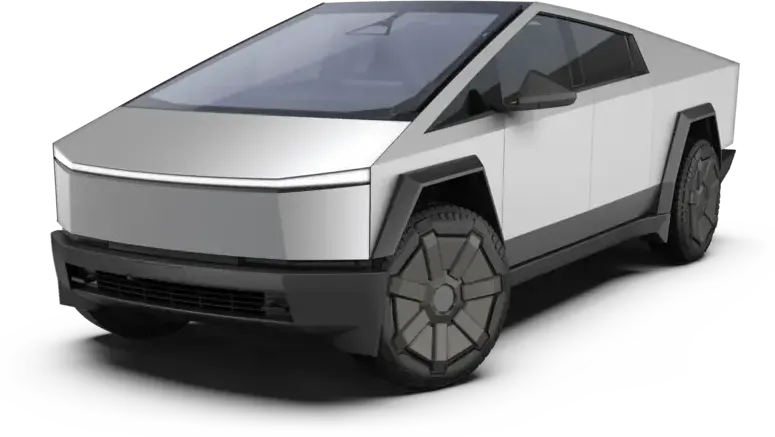
Tesla Cybertruck
Score: 59/100
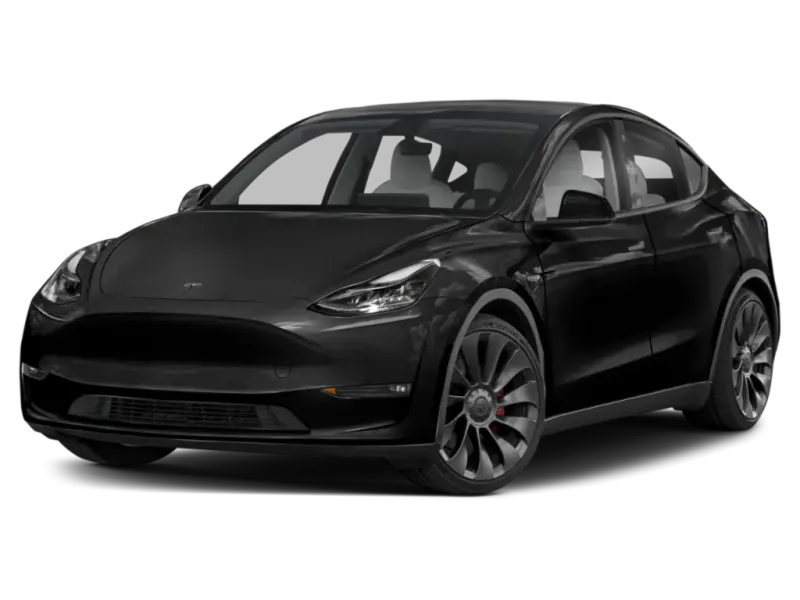
Tesla Model 3
Score: 59/100
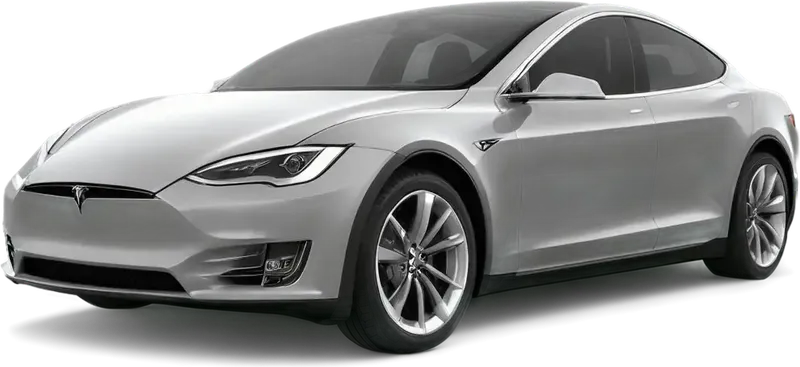
Tesla Model S
Score: 50/100
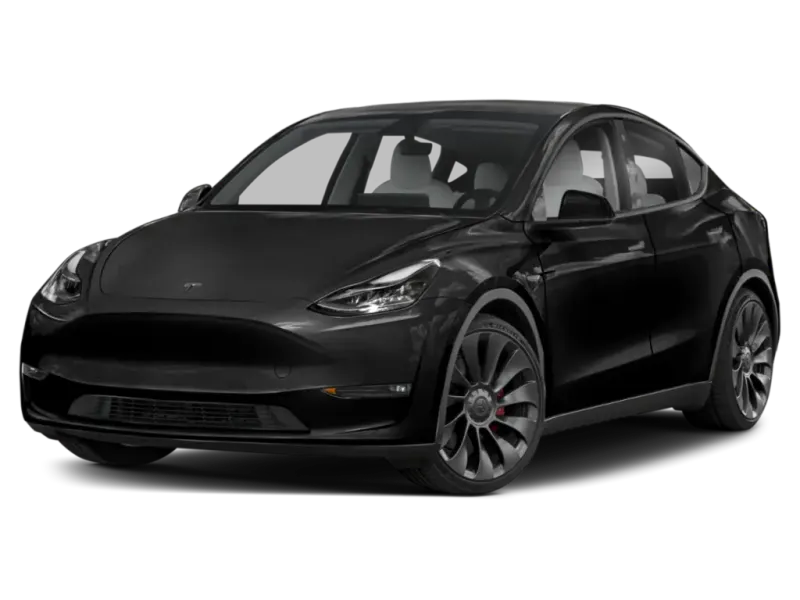
Tesla Model Y
Score: 70/100
Browse More 2023 Vehicles
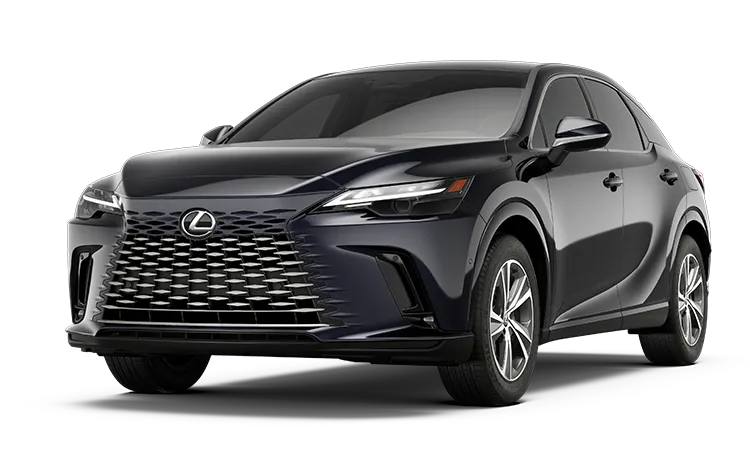
2023 Lexus RX
Score: 85/100
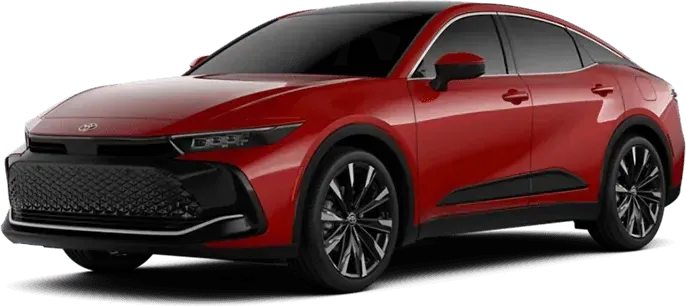
2023 Toyota Crown
Score: 84/100
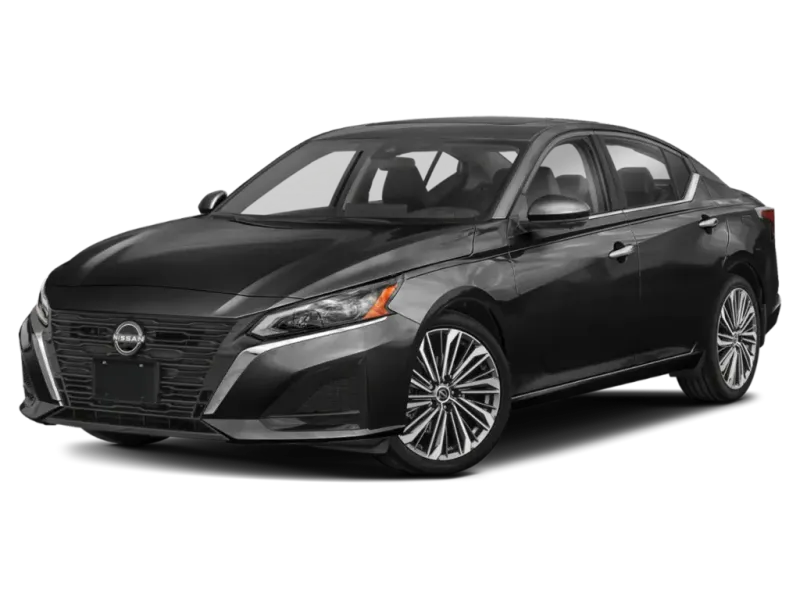
2023 Nissan Altima
Score: 84/100
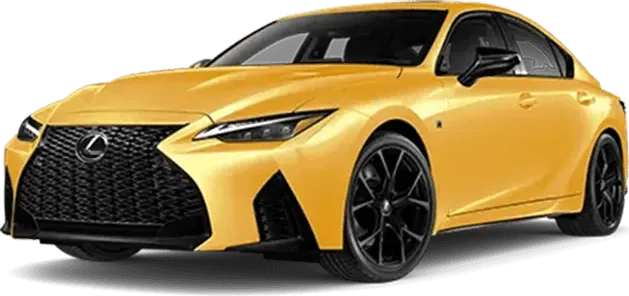
2023 Lexus IS
Score: 83/100

2023 Toyota 4Runner
Score: 82/100
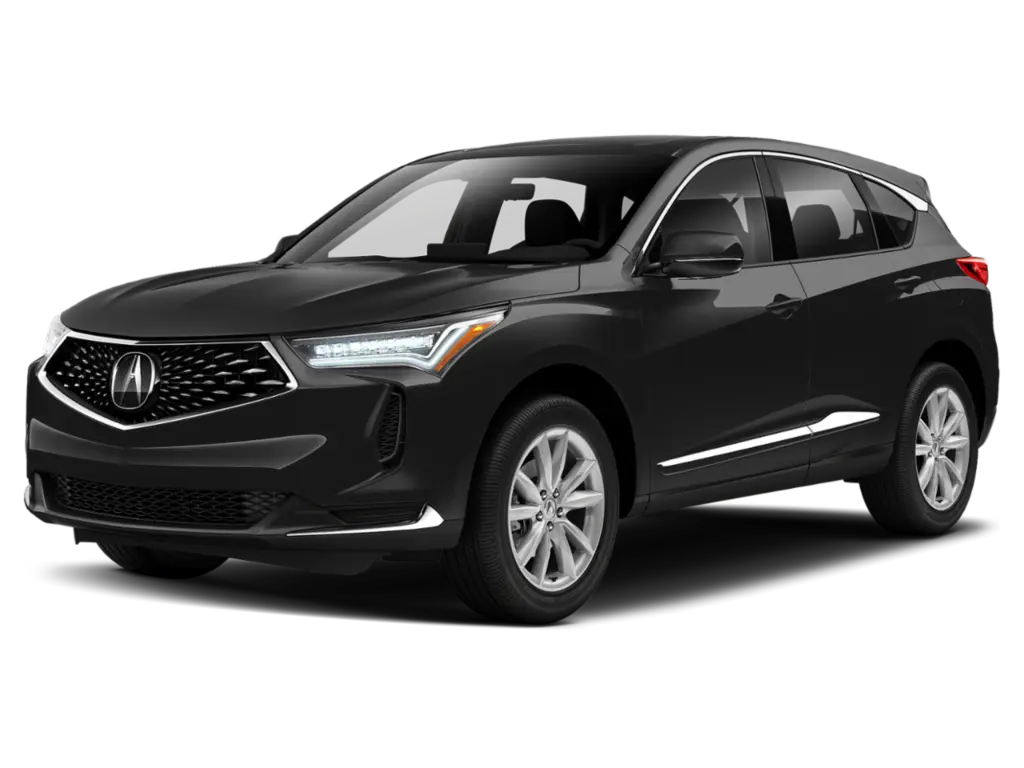
2023 Acura RDX
Score: 82/100
See incorrect data? Report an issue