Last updated: 2026-10-10
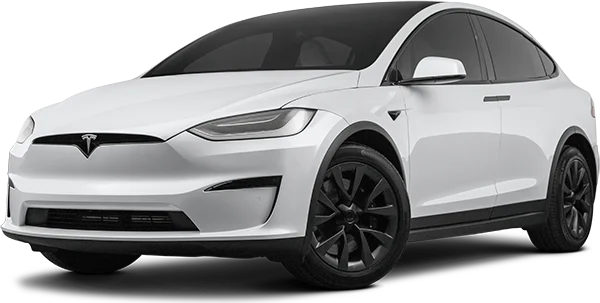
2020 Tesla Model X Reliability Report
The 2020 Tesla Model X has mixed reliability and ranks well below other 2020 SUVs, mainly because of half-shaft shudder and suspension wear.
Recalls
10
Complaints
120
Complaint Rate
46per 10,000 sold
Est. Repair Cost
$832
EV Range
258–351 mi
Detailed Score Breakdown
Component-weighted complaints normalized by sales volume
Independent repair cost ratings
Recall count weighted by severity
Breadth of reported problem categories
The Verdict
Draws more owner complaints than the 2019 or 2021, led by half-shaft shudder and suspension wear, and carries 10 recalls.
Top Issues to Watch
- SUSPENSION (28)
- ELECTRICAL SYSTEM (22)
- STEERING (18)
Generation & Refresh (US)
2020 is year 6 of the First generation (X90D, X100D, XPL).
- Redesigned for the 2015 model year.
- Well-established in its generation — most early issues should be resolved.
- A refresh arrives in 2021.
- 1st generation Model X (US).
What this means for buyers
Well into the generation cycle — most design and manufacturing issues should be resolved by now.
2015: First generation (X90D, X100D, XPL) Launch
Generation start — new platform.
2020: This Model Year
2020 is year 6 of the First generation (X90D, X100D, XPL).
2021: Mid-Cycle Refresh
Updated features and styling tweaks.
2025: Mid-Cycle Refresh
Updated features and styling tweaks.
Should You Buy the 2020 Tesla Model X?
Buy with caution. This model year sits in the middle of the Model X's eight scored years, but it falls well below average among 2020 SUVs. The 2019 rates better, with fewer complaints and fewer recalls. The 2021 rates about the same and has far more recalls. Federal crash testing gave it 5 of 5 stars.
Suspension is the biggest problem. Front half-shafts cause a violent shudder under acceleration, often at 30 to 40 mph, and it can start anywhere from 11,000 to 46,000 miles. Many cars get new axles more than once. Rear camber can't be adjusted, so inner tire edges wear heavily, sometimes to the cord by 14,000 miles. Falcon doors can refuse to open, and some cars drain the 12V battery and lose power steering while moving. The most serious reports describe sudden low-speed acceleration, with seven of 12 complaints involving crashes.
Ask for repair records on axles, control arms and tires. Confirm that all 10 recalls were completed. Shoppers should also look at a 2019.
Compared to the 2021 Tesla Model X, which scored the same. See also the 2019 Tesla Model X for an earlier comparison.
Pros
- +5-star NHTSA crash rating
- +Well-established generation
Cons
- −Below-average reliability score
- −Above-average recall count
- −Above-average complaint rate for SUV
- −SUSPENSION: Front half-shafts cause a violent shudder or bounce under acceleration, often... (28 complaints)
Compare 2020 Tesla Model X With
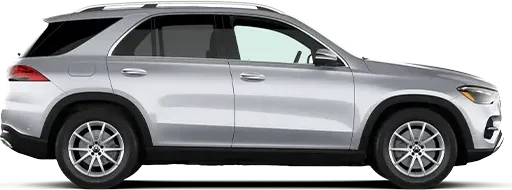
2020 Mercedes-Benz GLE
Reliability: 61/100
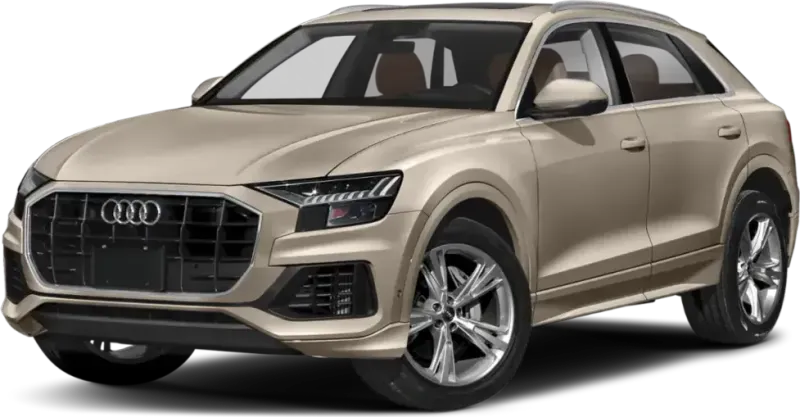
2020 Audi Q8
Reliability: 63/100
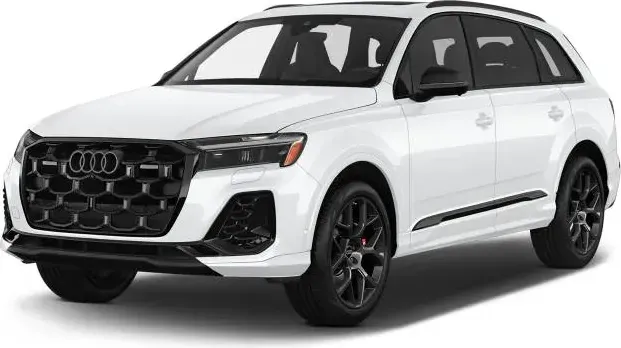
2020 Audi Q7
Reliability: 65/100

2020 BMW X5
Reliability: 56/100

2020 Porsche Cayenne
Reliability: 58/100
Common Problem Categories
Safety
LOW RISK- 10 manufacturer recalls issued
Other
HIGH RISK- SUSPENSION (28)
- ELECTRICAL SYSTEM (22)
Recall Overview
10
recalls on record
The 2020 Tesla Model X has 10 recalls on record, which is above average. A high count can flag multiple component concerns, though it also shows the manufacturer is actively addressing known issues.
NHTSA.gov →Complaint Breakdown
46
per 10,000 soldSegment avg: 20.2
Safety Incidents
17
Crashes
0
Fires
6
Injuries
0
Deaths
NHTSA 5/5 Stars
Data sourced from NHTSA complaint filings and manufacturer recall notices. Complaint narratives are owner-reported.
2020 Tesla Model X Recall Details
10 recalls have been issued for the 2020 Tesla Model X. All recall repairs are performed free of charge at authorized dealerships.
SEAT BELTS
Tesla, Inc. (Tesla) is recalling certain 2012-2024 Model S, 2015-2024 Model X, 2017-2023 Model 3, and 2020-2023 Model Y vehicles. In the event of an unbelted driver, the seat belt warning light and audible chime may not activate as intended. As such, these vehicles fail to comply with the requirements of Federal Motor Vehicle Safety Standard number 208, "Occupant Crash Protection."
Consequence
A seat belt warning system that fails to alert occupants of an unbelted seat belt can increase the risk of injury during a crash.
Remedy
Tesla will release an over-the-air (OTA) software update. Owner notification letters were mailed July 26, 2024. Owners may contact Tesla customer service at 1-877-798-3752. Tesla's number for this recall is SB-24-00-008.
FORWARD COLLISION AVOIDANCE, ELECTRICAL SYSTEM
Tesla, Inc. (Tesla) is recalling certain 2013, 2018-2021 Model S, 2020-2021 Model X, 2018-2022 Model 3, and 2020-2022 Model Y vehicles. A factory reset muted the Pedestrian Warning System (PWS) sounds. As such, these vehicles fail to comply with the requirements of Federal Motor Vehicle Safety Standard number 141, "Minimum Sound Requirements for Hybrid and Electric Vehicles."
Consequence
Pedestrians may be unaware of an approaching vehicle if the PWS sounds are muted, increasing the risk of a crash.
Remedy
Tesla released an over-the-air (OTA) software update, release 2023.44.30.14, free of charge. Owner notification letters were mailed April 27, 2024. Owners may contact Tesla customer service at 1-877-798-3752. Tesla's number for this recall is SB-24-00-006.
ELECTRICAL SYSTEM
Tesla, Inc. (Tesla) is recalling certain 2012-2023 Model S, 2016-2024 Model X, 2017-2023 Model 3, 2019-2024 Model Y, and 2024 Cybertruck vehicles. An incorrect font size is displayed on the instrument panel for the Brake, Park, and Antilock Brake System (ABS) warning lights. As such, these vehicles fail to comply with the requirements of Federal Motor Vehicle Safety Standard number 105, "Hydraulic and Electric Brake Systems" and 135, "Light Vehicle Brake Systems."
Consequence
Warning lights with a smaller font size can make critical safety information on the instrument panel difficult to read, increasing the risk of a crash.
Remedy
Tesla began releasing an over-the-air (OTA) software update, free of charge. Owners may contact Tesla customer service at 1-877-798-3752. Tesla's number for this recall is SB-24-00-003.
Buying a used 2020 Tesla Model X? Check its history first
Suspension problems lead owner complaints about the 2020 Tesla Model X, and 10 recalls were issued for it. A VIN check shows whether this car's recall work was done, plus accident, title, and odometer history.
- Accidents
- Open Recalls
- Title History
- Odometer Rollback
2020 Tesla Model X NHTSA Safety Ratings
Overall Safety Rating
Crash Test Results by Configuration (expand)
Gas Powertrain
Rollover risk: 9.3%
Safety Technologies
Tesla Model XRepair Costs & Maintenance
Maintenance Rating
2Maintenance rating: 2 out of 5Based on NHTSA complaint patterns, recall severity, and publicly available cost benchmarks.
Est. Annual Maintenance
$832
Category-level averages derived from publicly available industry reports (AAA, CarMD). Model-level estimates produced by Auto Reliability Index.
2020 Tesla Model X Example Repair Prices
National average price ranges for common repairs. These are not model-year-specific failure predictions.
| Repair | Estimated Cost |
|---|---|
| Tire Pressure Monitor Lamp Diagnosis | $122 – $179 |
| Noise Diagnosis | $122 – $179 |
| Engine Oil Light Diagnosis | $122 – $179 |
| General Diagnosis | $122 – $179 |
| Noise Diagnosis | $122 – $179 |
| Check Engine Light Diagnosis & Testing | $122 – $179 |
| AC Diagnosis | $122 – $179 |
| Air Conditioning System Leak Inspection | $122 – $179 |
| Vibration Diagnosis | $122 – $179 |
| Air Conditioning System Leak Inspection | $122 – $179 |
Estimates based on national average repair costs. Actual costs may vary by location and shop.
MPG & Annual Running Costs
Electric
258–351 mi range
Fuel cost: $700–$950/yr
Fuel only
32.157–42.81 kWh/100mi · 9.2–12 hrs @ 240V
Based on EPA fuel-cost estimates. Excludes routine maintenance, depreciation, and insurance. Data as of 2020 EPA label cycle.
Electric trims
| Trim | Drive | Trans. | Range | kWh/100mi | Fuel Cost |
|---|---|---|---|---|---|
| Model X Long Range Plus | All-Wheel Drive | Automatic (A1) | 351 mi | 32.2 | $700 |
| Model X Standard Range | All-Wheel Drive | Automatic (A1) | 258 mi | 33.3 | $750 |
| Model X Long Range | All-Wheel Drive | Automatic (A1) | 328 mi | 35.0 | $800 |
| Model X Performance (20in Wheels) | All-Wheel Drive | Automatic (A1) | 305 mi | 37.6 | $850 |
| Model X Performance (22in Wheels) | All-Wheel Drive | Automatic (A1) | 272 mi | 42.8 | $950 |
Used Buying Checklist
Key things to inspect or verify before purchasing a 2020 Tesla Model X.
Accelerate gently from a stop through 15 to 45 mph and feel for shudder or front-end bouncing.
Inspect the inner edges of all four tires for uneven wear or exposed cord.
Turn the wheel fully both ways and drive over bumps, listening for creaking, squeaking or knocking up front.
Open and close each falcon door several times and watch for false obstruction warnings, stalling halfway or C-pillar scraping.
Use adaptive cruise on an open highway and watch for hard braking with nothing ahead.
Shift into reverse several times while rolling and confirm the rearview camera image moves and never freezes.
Check service records for repeated half-shaft, control arm, coolant valve or 12V battery replacements.
Look for steering assist reduced or seat restraint fault messages on the screen during the test drive.
2020 Tesla Model X Common Problems by Component
120 owner complaints grouped by vehicle system.
SUSPENSION
28 complaintsSafety-relatedFront half-shafts cause a violent shudder or bounce under acceleration, often around 30 to 40 mph. Many cars get new axles more than once, and owners are told service bulletin SB-21-39-001 is not a permanent fix. Rear camber can't be adjusted, which leaves heavy inner-edge tire wear, sometimes down to the cord by 14,000 miles. The tires also can't be rotated because the front and rear sizes differ. Control arms, suspension links and ball joints fail and get replaced repeatedly. Several filings are junkyard posts by third parties, and the one crash report is about an insurance repair dispute.
ELECTRICAL SYSTEM
22 complaintsSafety-relatedFalcon doors refuse to open because they detect an obstruction that isn't there. Overriding doesn't help, and rear passengers have to climb out the front. Some cars drain the 12V battery while parked, show low-voltage warnings, and lose ABS, brake hold and power steering on the move. Other reports describe false pre-collision braking, a frunk lid flying open at highway speed, and a failed self-driving computer at about 76,000 miles. Three of these complaints involve crashes, including unintended acceleration reports and a Smart Summon collision.
STEERING
18 complaintsSafety-relatedThe front end creaks, squeaks or knocks when turning or going over bumps. Shops trace it to control arms, fore and aft links, ball joints and the sway bar, and the noise often returns after repairs. A steering assist reduced warning can come with traction, stability and emergency braking all shutting off at once. In one report the wheel locked completely. Acceleration shudder through the wheel at 15 to 45 mph also shows up here. One crash report describes a front suspension housing cracking at 70 mph, which caused two blowouts and loss of control.
VEHICLE SPEED CONTROL (12 complaints)
VEHICLE SPEED CONTROL
12 complaintsSafety-relatedThe car suddenly speeds up at low speed: while parking, in drive-thru lines, or sitting at a light. Drivers say braking did not stop it. Seven of the 12 complaints involve crashes and two involve injuries, and some happened on nearly new cars. Other reports describe hard phantom braking on Autopilot or adaptive cruise at highway speed with nothing ahead, which nearly caused rear-end collisions. In one report the cruise control set speed jumps up or down on its own several times a day.
UNKNOWN OR OTHER (10 complaints)
UNKNOWN OR OTHER
10 complaintsSafety-relatedThese are mixed complaints. Some describe sudden unintended acceleration with injury, and others describe phantom braking on Autopilot. After software updates, owners report the lane-keeping drifting over the right line, the speedometer reading zero while moving, and the driver display going black during FSD while the center screen reboots at highway speed. The rearview camera can freeze while reversing, which led to one crash into a bollard. Coolant valves leak and disable the car more than once a year. Owners also report inner tire wear and a tire delaminating at 15,000 miles.
FORWARD COLLISION AVOIDANCE (8 complaints)
FORWARD COLLISION AVOIDANCE
8 complaintsSafety-relatedPhantom braking dominates these reports. On Autopilot or adaptive cruise, the car brakes hard with no traffic or obstacle ahead. It happens on open highways, when cresting a rise, or when the car seems to think it is in a construction zone, dropping from 60 or 70 mph to 45. Some owners say it happens weekly and caused several near rear-end collisions, so they stopped using the features. Reports span roughly 10,000 to 50,000 miles. The single crash entry mentions only sudden acceleration.
SEATS (4 complaints)
SEATS
4 complaintsIn one report the driver's seat moves toward the steering wheel on its own at 70 mph and again while parked. In others it sticks after reclining and won't adjust, or slides on its tracks during driving and braking. One car got a whole new seat assembly. Rear seat restraint and seat safety system fault messages also appear. One owner was told the service center has been investigating the error for two years without a fix.
POWER TRAIN (3 complaints)
POWER TRAIN
3 complaintsSafety-relatedThis category has only three complaints, and each is different. One car surged while pulling into a parking space and hit a retaining wall. In another, the accelerator pedal broke off while climbing a hill, which left the car stranded on a blind curve and needing a tow. A third car made a constant grinding and whining noise at about 30 mph. The dealer traced it to a front half-shaft at about 46,000 miles.
STRUCTURE (3 complaints)
STRUCTURE
3 complaintsIn one report a front subframe bolt sheared after a dip in a parking lot. After that, every turn and bump made a metal-on-metal noise. A rear falcon door doesn't close on the first press, scrapes the C-pillar, and sometimes stops halfway, so passengers have to climb over to get in or out. Repeat service visits haven't fixed it. In another case the side mirrors unfolded while backing out of a garage, which damaged one mirror.
BACK OVER PREVENTION (2 complaints)
BACK OVER PREVENTION
2 complaintsSafety-relatedThe rearview camera freezes on a single frame while reversing, so the driver doesn't see what is actually behind the car. This has led to near misses with cross traffic in parking garages, and the image can stay frozen after the car stops. The other report describes the car lunging forward while holding with the brake applied and hitting the vehicle ahead. That crash caused an injury, and emergency braking reportedly did not intervene.
When Do 2020 Tesla Model X Problems Start?
Based on owner complaint patterns, here's when common issues tend to appear.
Best & Worst Tesla Model X Years
Best Tesla Model X Years to Buy
Based on reliability index scoreTesla Model X Years to Avoid
Tesla Model X Reliability Score Trend
Scores 0–100. Higher is better. Current year highlighted.
| Year | Score | Rating |
|---|---|---|
| 2018 | 51/100 | Mixed |
| 2019 | 54/100 | Mixed |
| 2020 | 51/100 | Mixed |
| 2021 | 51/100 | Mixed |
| 2022 | 72/100 | Good |
| 2023 | 47/100 | Mixed |
| 2024 | 61/100 | Good |
| 2025 | 66/100 | Good |
Tesla Model X Reliability Compared to Other Years
2020 Tesla Model X Common Questions
2 questions from 2020 Tesla Model X owners.
wipers are not working
my tesla Y wipers are not working and water is coming from bottom
Can you tell me if you can switch the 3 antennas in your old side mirrors to your new side mirrors that don't come with them?
2018 Tesla model 3 Can you tell me if you can switch the 3 antennas in your old side mirrors to your new side mirrors that don't come with them? Comes with blue connector but not the 2 antenna connectors in the RH mirror and the 1 antennas connector in the LH mirror. Wanting to use these antennas on new mirror. Are they easy to switch to new mirrors that do not come with the antennas?
Frequently Asked Questions
Is the 2020 Tesla Model X reliable?
What are the most common problems with the 2020 Tesla Model X?
Does the 2020 Tesla Model X have half-shaft problems?
Does the 2020 Tesla Model X have unintended acceleration complaints?
Is the 2019 or 2021 Tesla Model X better than the 2020?
Don’t buy a 2020 Tesla Model X without checking its VIN first — hidden accidents, title issues, and open recalls could cost you thousands.
How we score the 2020 Tesla Model X
Of the four inputs behind this score, the 2020 Tesla Model X does best on how many systems draw complaints (79/100) and worst on repair costs (40/100). Scores weight complaint severity at 35%, repair costs at 30%, recall impact at 20%, and the spread of complaints across systems at 15%, with complaint counts adjusted for US sales. Read the full methodology.
Get notified when new recalls or reliability data is added for the Tesla Model X.
No spam. Only data updates for this model.
Browse More Tesla Models
Tesla Cybertruck
Score: 59/100
Tesla Model 3
Score: 59/100
Tesla Model S
Score: 50/100
Tesla Model Y
Score: 70/100
Browse More 2020 Vehicles
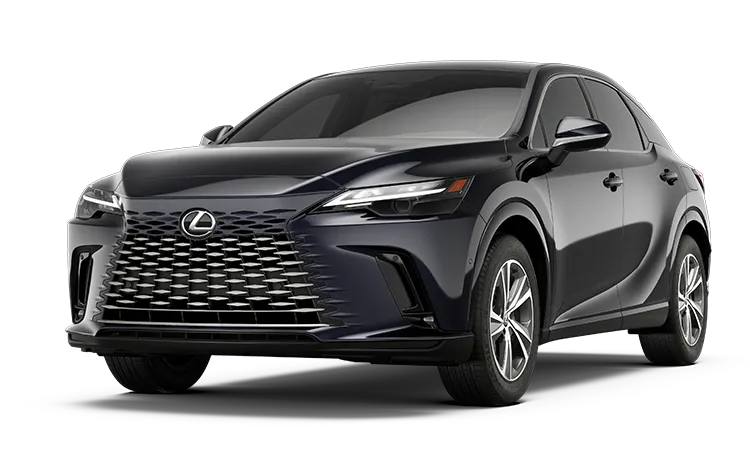
2020 Lexus RX
Score: 86/100
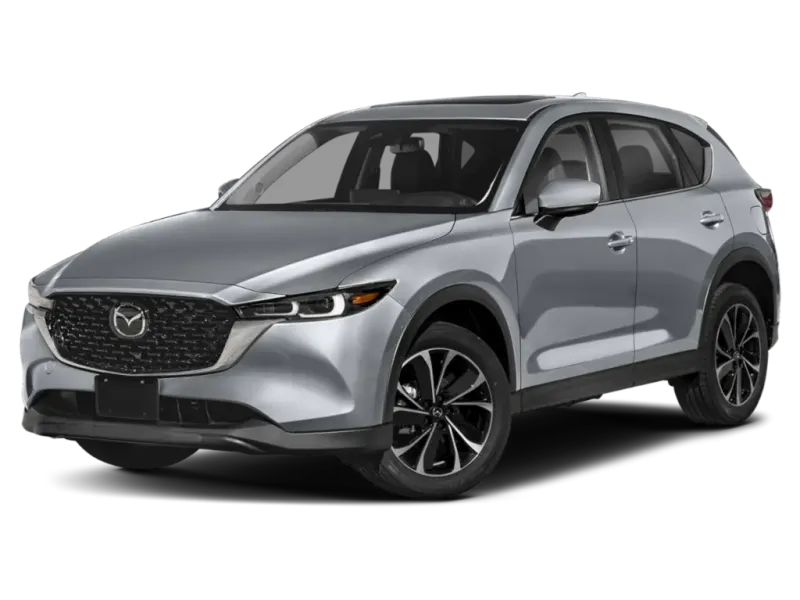
2020 Mazda CX-5
Score: 86/100
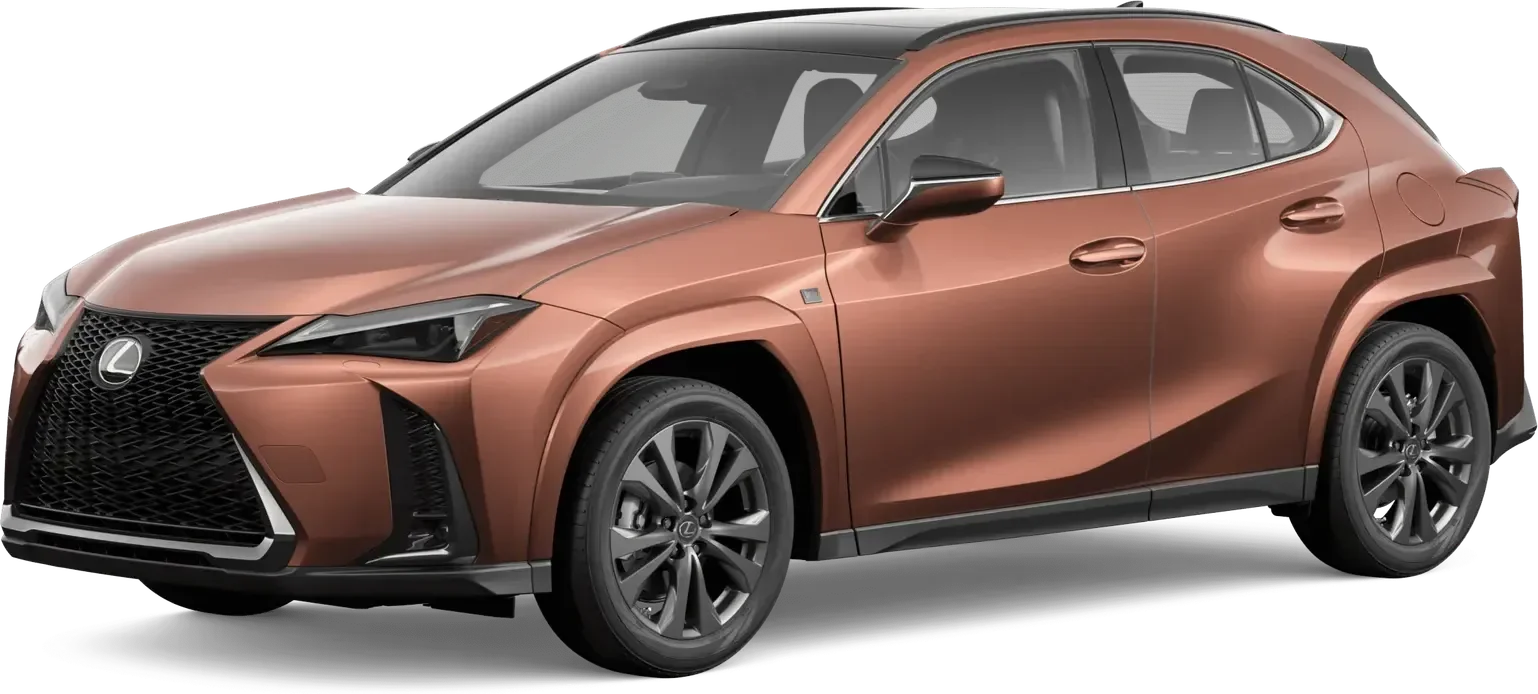
2020 Lexus UX
Score: 84/100
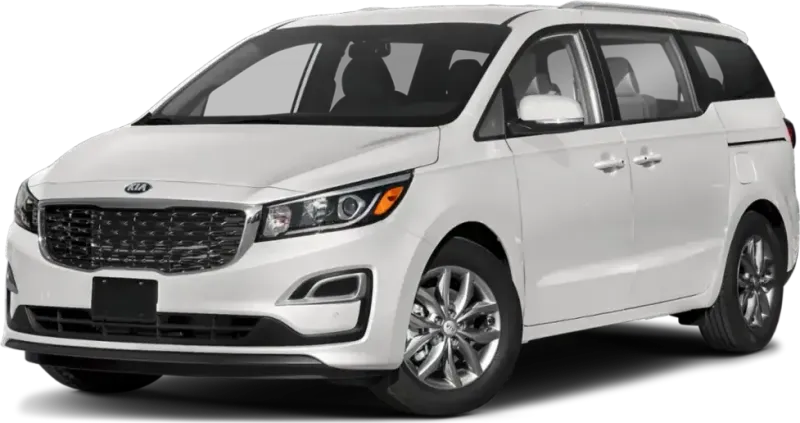
2020 Kia Sedona
Score: 83/100
2020 Lexus IS
Score: 83/100
2020 Dodge Grand Caravan
Score: 83/100
See incorrect data? Report an issue