Last updated: 2026-10-10
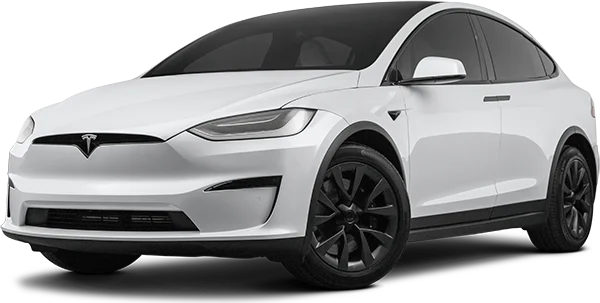
2018 Tesla Model X Reliability Report
The 2018 Tesla Model X has a mixed reliability record, well below 2018 SUVs, led by suspension wear, screen blackouts and phantom braking.
Recalls
7
Complaints
148
Complaint Rate
54.3per 10,000 sold
Est. Repair Cost
$832
EV Range
238–295 mi
Detailed Score Breakdown
Component-weighted complaints normalized by sales volume
Independent repair cost ratings
Recall count weighted by severity
Breadth of reported problem categories
The Verdict
Middle of the pack among Model X years, with 148 complaints led by suspension wear, blank screens and phantom braking. The 2019 rates better.
Top Issues to Watch
- SUSPENSION (31)
- ELECTRICAL SYSTEM (22)
- FORWARD COLLISION AVOIDANCE (14)
Generation & Refresh (US)
2018 is year 4 of the First generation (X90D, X100D, XPL).
- Redesigned for the 2015 model year.
- Well-established in its generation — most early issues should be resolved.
- A refresh arrives in 2021.
- 1st generation Model X (US).
What this means for buyers
Well into the generation cycle — most design and manufacturing issues should be resolved by now.
2015: First generation (X90D, X100D, XPL) Launch
Generation start — new platform.
2018: This Model Year
2018 is year 4 of the First generation (X90D, X100D, XPL).
2021: Mid-Cycle Refresh
Updated features and styling tweaks.
2025: Mid-Cycle Refresh
Updated features and styling tweaks.
Should You Buy the 2018 Tesla Model X?
Expect a mixed record. This year sits well below average among 2018 SUVs and in the middle of the eight scored Model X years. The 2019 rates better, with 83 owner complaints and 6 recalls against 148 complaints and 7 recalls here. Crash-test results are strong at 5 of 5 stars.
The worst reports involve control and power. Owners describe the touchscreen and instrument cluster going blank or freezing while driving, which takes away the speedometer and sometimes the rear camera. Phantom braking on the highway with nothing ahead is common. In speed control complaints, the car surges at parking-lot speed and hits poles, cars, or walls. Eight of those 13 complaints involve crashes. Suspension draws the most complaints, from rear tires wearing down on the inner edge to links that break while driving.
Ask for proof that all seven recalls were completed, and for suspension repair records. Check the rear tires for inner edge wear. Price a 2019 as well.
Compared to the 2019 Tesla Model X, which scored 3 points higher.
Pros
- +5-star NHTSA crash rating
- +Well-established generation
Cons
- −Below-average reliability score
- −Above-average recall count
- −Above-average complaint rate for SUV
- −SUSPENSION: Rear tires wear fast on the inner edge, in one report down to the cords within... (31 complaints)
- −2 fire incidents reported in owner complaints
Compare 2018 Tesla Model X With
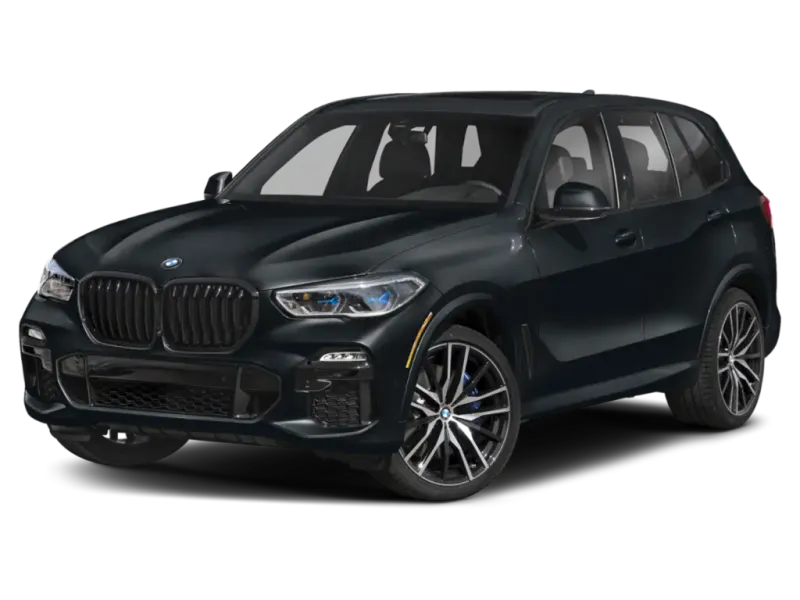
2018 BMW X5
Reliability: 59/100
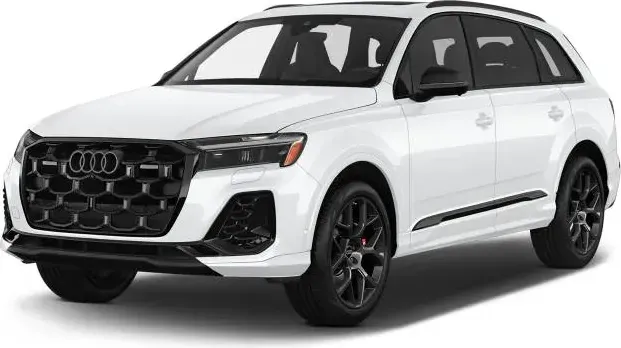
2018 Audi Q7
Reliability: 58/100
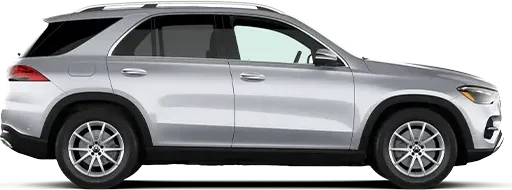
2018 Mercedes-Benz GLE
Reliability: 69/100
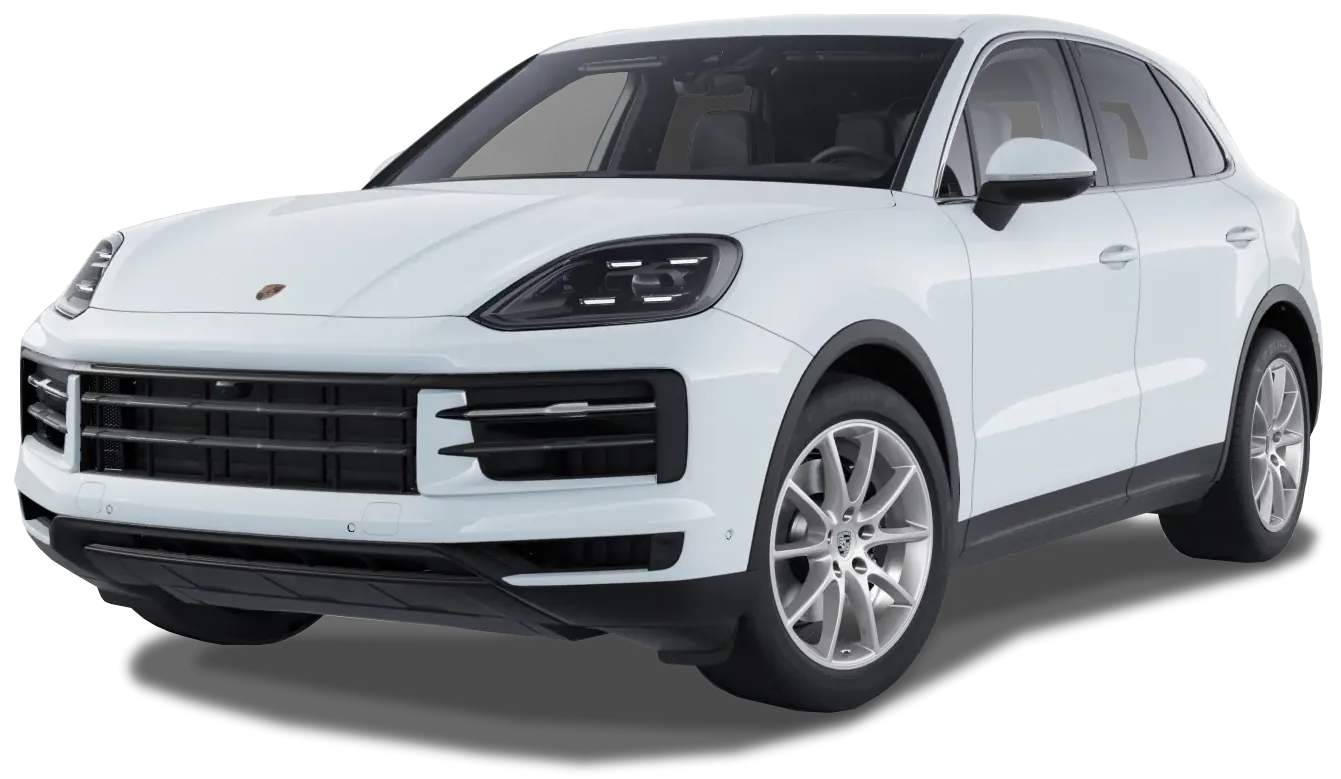
2018 Porsche Cayenne
Reliability: 62/100
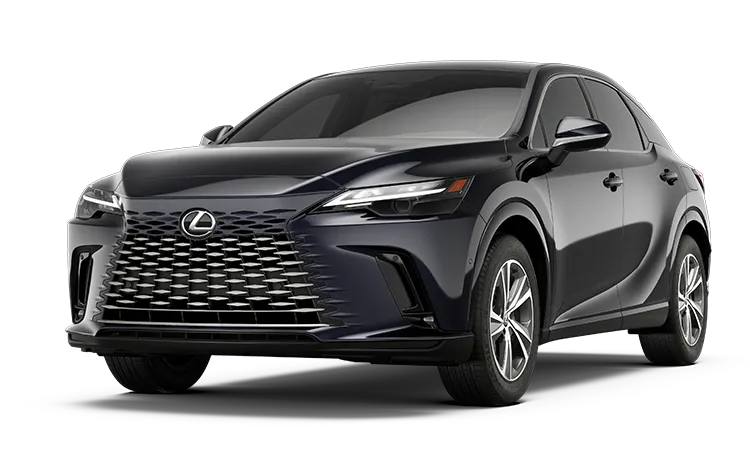
2018 Lexus RX
Reliability: 85/100
Common Problem Categories
Safety
LOW RISK- 7 manufacturer recalls issued
Other
HIGH RISK- SUSPENSION (31)
- ELECTRICAL SYSTEM (22)
Recall Overview
7
recalls on record
The 2018 Tesla Model X has 7 recalls on record, which is above average. A high count can flag multiple component concerns, though it also shows the manufacturer is actively addressing known issues.
NHTSA.gov →Complaint Breakdown
54.3
per 10,000 soldSegment avg: 27.1
Safety Incidents
24
Crashes
2
Fires
12
Injuries
0
Deaths
NHTSA 5/5 Stars
Data sourced from NHTSA complaint filings and manufacturer recall notices. Complaint narratives are owner-reported.
2018 Tesla Model X Recall Details
7 recalls have been issued for the 2018 Tesla Model X. All recall repairs are performed free of charge at authorized dealerships.
SEAT BELTS
Tesla, Inc. (Tesla) is recalling certain 2012-2024 Model S, 2015-2024 Model X, 2017-2023 Model 3, and 2020-2023 Model Y vehicles. In the event of an unbelted driver, the seat belt warning light and audible chime may not activate as intended. As such, these vehicles fail to comply with the requirements of Federal Motor Vehicle Safety Standard number 208, "Occupant Crash Protection."
Consequence
A seat belt warning system that fails to alert occupants of an unbelted seat belt can increase the risk of injury during a crash.
Remedy
Tesla will release an over-the-air (OTA) software update. Owner notification letters were mailed July 26, 2024. Owners may contact Tesla customer service at 1-877-798-3752. Tesla's number for this recall is SB-24-00-008.
ELECTRICAL SYSTEM
Tesla, Inc. (Tesla) is recalling 2012-2023 Model S, 2016-2023 Model X, 2017-2023 Model 3, and 2020-2023 Model Y vehicles equipped with all versions of Autosteer leading up to the version(s) that contains the recall remedy. In certain circumstances when Autosteer is engaged, the prominence and scope of the feature's controls may not be sufficient to prevent driver misuse of the SAE Level 2 advanced driver-assistance feature.
Consequence
In certain circumstances when Autosteer is engaged, and the driver does not maintain responsibility for vehicle operation and is unprepared to intervene as necessary or fails to recognize when Autosteer is canceled or not engaged, there may be an increased risk of a crash.
Remedy
Tesla will release an over-the-air (OTA) software update, free of charge. Owner notification letters were mailed February 10, 2024. Owners may contact Tesla customer service at 1-877-798-3752. Tesla's number for this recall is SB-23-00-008.
STEERING
Tesla, Inc. (Tesla) is recalling certain 2017-2021 Model S and Model X vehicles. The electronic power assist steering (EPAS) system may experience a loss of power steering assist when driving on rough roads or after hitting a pothole.
Consequence
A loss of power steering assist can require greater steering effort, especially at low speeds, increasing the risk of a crash.
Remedy
Tesla has released an over-the-air (OTA) software update to recalibrate the EPAS system, free of charge. Owner notification letters were mailed December 31, 2022. Owners may contact Tesla customer service at 1-877-798-3752. Tesla's number for this recall is SB-22-00-014.
Buying a used 2018 Tesla Model X? Check its history first
Suspension problems lead owner complaints about the 2018 Tesla Model X, and 7 recalls were issued for it. A VIN check shows whether this car's recall work was done, plus accident, title, and odometer history.
- Accidents
- Open Recalls
- Title History
- Odometer Rollback
2018 Tesla Model X NHTSA Safety Ratings
Overall Safety Rating
Crash Test Results by Configuration (expand)
Gas Powertrain
Rollover risk: 9.3%
Safety Technologies
Tesla Model XRepair Costs & Maintenance
Maintenance Rating
2Maintenance rating: 2 out of 5Based on NHTSA complaint patterns, recall severity, and publicly available cost benchmarks.
Est. Annual Maintenance
$832
Category-level averages derived from publicly available industry reports (AAA, CarMD). Model-level estimates produced by Auto Reliability Index.
2018 Tesla Model X Example Repair Prices
National average price ranges for common repairs. These are not model-year-specific failure predictions.
| Repair | Estimated Cost |
|---|---|
| Tire Pressure Monitor Lamp Diagnosis | $122 – $179 |
| Noise Diagnosis | $122 – $179 |
| Engine Oil Light Diagnosis | $122 – $179 |
| General Diagnosis | $122 – $179 |
| Noise Diagnosis | $122 – $179 |
| Check Engine Light Diagnosis & Testing | $122 – $179 |
| AC Diagnosis | $122 – $179 |
| Air Conditioning System Leak Inspection | $122 – $179 |
| Vibration Diagnosis | $122 – $179 |
| Air Conditioning System Leak Inspection | $122 – $179 |
Estimates based on national average repair costs. Actual costs may vary by location and shop.
MPG & Annual Running Costs
Electric
238–295 mi range
Fuel cost: $800–$900/yr
Fuel only
36.23–39.541 kWh/100mi · 12 hrs @ 240V
Based on EPA fuel-cost estimates. Excludes routine maintenance, depreciation, and insurance. Data as of 2018 EPA label cycle.
Electric trims
| Trim | Drive | Trans. | Range | kWh/100mi | Fuel Cost |
|---|---|---|---|---|---|
| Model X 75D | All-Wheel Drive | Automatic (A1) | 238 mi | 36.2 | $800 |
| Model X 100D | All-Wheel Drive | Automatic (A1) | 295 mi | 38.7 | $850 |
| Model X P100D | All-Wheel Drive | Automatic (A1) | 289 mi | 39.5 | $900 |
Used Buying Checklist
Key things to inspect or verify before purchasing a 2018 Tesla Model X.
Check the inner edges of all four tires for uneven wear and ask for alignment records.
Drive over bumps and through tight turns, listening for creaking, clunking, or squeaking from the front suspension.
Accelerate firmly from a stop and feel for shudder or vibration through the car.
Open and close both falcon wing doors several times and watch for false obstruction warnings.
Look for water stains or crumbling trim around the falcon door windows and check that the fender trim is firmly attached.
Drive at highway speed on cruise control for several miles and watch for hard braking with nothing ahead.
Watch both screens during a long drive for freezing, rebooting, or blanking, and time how long the rear camera takes to appear.
Slide and lock each second-row seat, then pull every seat belt out fully and let it retract.
2018 Tesla Model X Common Problems by Component
148 owner complaints grouped by vehicle system.
SUSPENSION
31 complaintsSafety-relatedRear tires wear fast on the inner edge, in one report down to the cords within about 5,000 miles. Other reports describe loud creaking traced to the upper control arms, a shudder under acceleration noticed before 1,500 miles, an air suspension compressor warning, and links that break while driving and leave a wheel tilted or loose. Of 31 complaints, 3 are crash-related. Most crash-flagged excerpts come from one outside filer describing cars at salvage auctions, not from owners describing their own cars.
ELECTRICAL SYSTEM
22 complaintsSafety-relatedThe instrument cluster and center touchscreen go blank, freeze, or reboot while the car is moving. When that happens, the driver loses the speedometer, turn signal sounds, audio, and sometimes the rear camera. Some screens stay dark for up to 20 minutes, and others freeze on one speed. Reports start around 5,000 miles, and several owners say repeat service visits did not fix the problem. Two crash reports describe the car surging while parking even though the brake was pressed, and one of them involved an injury. Other complaints cover phantom braking and lower range after a software update.
UNKNOWN OR OTHER
15 complaintsSafety-relatedSudden acceleration at low speed is the most serious theme here, with cars hitting a garage, a wall, and a tree. Six of the 15 complaints are crash-related. The single fire report retells a news story and does not describe the filer's own car. Other complaints cover hard braking on the highway with no clear reason, slow or blank touchscreens, front brake caliper bolts that broke after a panic stop, doors that lock owners out, and Autopilot showing limited-feature warnings.
FORWARD COLLISION AVOIDANCE (14 complaints)
FORWARD COLLISION AVOIDANCE
14 complaintsSafety-relatedPhantom braking is the most common complaint. The car brakes hard on the highway with nothing ahead, often on plain cruise control, and in one report drops from 75 to 55 mph. One owner counts more than 30 events in a 6-mile stretch. Other reports describe the opposite failure, where the car does not slow for stopped traffic or a car directly ahead. Four of the 14 complaints involve crashes, and one involved an injury. One phantom braking report gives about 41,200 miles.
VEHICLE SPEED CONTROL (13 complaints)
VEHICLE SPEED CONTROL
13 complaintsSafety-relatedUnintended acceleration at parking-lot speed is the main pattern. The car surges during a slow turn or while pulling into a space, then hits poles, parked cars, or walls, sometimes hard enough to deploy the airbags. Eight of the 13 complaints involve crashes, with 7 people injured. A few owners report surges on Autopilot, including one from a full stop at a red light. Others report hard braking on cruise control with no traffic around, or the computer freezing at highway speed while the display stays stuck on one speed.
STRUCTURE (11 complaints)
STRUCTURE
11 complaintsSafety-relatedFalcon wing doors fail to open and often report an obstruction that is not there. Some owners say heat and sun make it worse. Children have been trapped inside, and a failed door pop actuator can leave a door unusable from inside and outside. Other reports cover the front trunk opening while driving, leaking falcon door windows with crumbling trim, fender garnish coming loose near the wheels, a rear window shattering on its own, and a front wheel separating at 7,800 miles.
STEERING (7 complaints)
STEERING
7 complaintsSafety-relatedA reduced steering assist warning appears on some cars, together with disabled stability control, emergency braking, or cruise control, in one case right after a software update. Notchy steering led to a lower steering column replacement. Loud creaking or squeaking while turning is traced to seized upper control arms and cracked bushings. The one fire report describes a horn stuck on, a locked steering wheel, and smoke from under the front trunk. Fast wear on the inner edges of the tires, blamed on camber, also appears.
SEATS (7 complaints)
SEATS
7 complaintsSecond-row seats stop locking and slide back and forth. In one injury report, a child was thrown into the front seat. Service described a locking mechanism that was wearing away. Other reports describe a loose, rocking driver seat, a fractured driver seat back near 56,000 miles, a power driver seat that moved forward from its easy-entry position and pinned the driver, and captain's seats that do not hold a child seat tether securely.
SEAT BELTS (5 complaints)
SEAT BELTS
5 complaintsSecond-row belts jam. Some stay pulled out and will not retract, and others retract fully and cannot be pulled out. One belt was found twisted inside at about 27,000 miles, and another needed a new belt assembly. A restraint system fault alert that comes and goes was traced in one case to a wiring disconnect. Parents report that middle-row seats do not hold a forward-facing child seat tether. One injury report describes a third-row shoulder belt locking around a child's neck.
SERVICE BRAKES (4 complaints)
SERVICE BRAKES
4 complaintsThe car brakes hard on its own at highway speed with adaptive cruise control on, slowing from about 70 to 25 mph with no traffic ahead. Owners report repeat events. One injury report describes the emergency brake engaging on a ramp, followed by neck and back pain. Another describes a wheel sensor cable rubbing on the tire until its wires are exposed, which shuts off ABS, traction and stability control, and regenerative braking while driving.
Best & Worst Tesla Model X Years
Best Tesla Model X Years to Buy
Based on reliability index scoreTesla Model X Years to Avoid
Tesla Model X Reliability Score Trend
Scores 0–100. Higher is better. Current year highlighted.
| Year | Score | Rating |
|---|---|---|
| 2018 | 51/100 | Mixed |
| 2019 | 54/100 | Mixed |
| 2020 | 51/100 | Mixed |
| 2021 | 51/100 | Mixed |
| 2022 | 72/100 | Good |
| 2023 | 47/100 | Mixed |
| 2024 | 61/100 | Good |
| 2025 | 66/100 | Good |
Tesla Model X Reliability Compared to Other Years
2018 Tesla Model X Common Questions
2 questions from 2018 Tesla Model X owners.
wipers are not working
my tesla Y wipers are not working and water is coming from bottom
Can you tell me if you can switch the 3 antennas in your old side mirrors to your new side mirrors that don't come with them?
2018 Tesla model 3 Can you tell me if you can switch the 3 antennas in your old side mirrors to your new side mirrors that don't come with them? Comes with blue connector but not the 2 antenna connectors in the RH mirror and the 1 antennas connector in the LH mirror. Wanting to use these antennas on new mirror. Are they easy to switch to new mirrors that do not come with the antennas?
Frequently Asked Questions
Is the 2018 Tesla Model X reliable?
What are the most common problems with the 2018 Tesla Model X?
Does the 2018 Tesla Model X have phantom braking problems?
Does the 2018 Tesla Model X have screen problems?
Is the 2019 Tesla Model X more reliable than the 2018?
Don’t buy a 2018 Tesla Model X without checking its VIN first — hidden accidents, title issues, and open recalls could cost you thousands.
How we score the 2018 Tesla Model X
Of the four inputs behind this score, the 2018 Tesla Model X does best on how many systems draw complaints (74/100) and worst on repair costs (40/100). Scores weight complaint severity at 35%, repair costs at 30%, recall impact at 20%, and the spread of complaints across systems at 15%, with complaint counts adjusted for US sales. Read the full methodology.
Get notified when new recalls or reliability data is added for the Tesla Model X.
No spam. Only data updates for this model.
Browse More Tesla Models
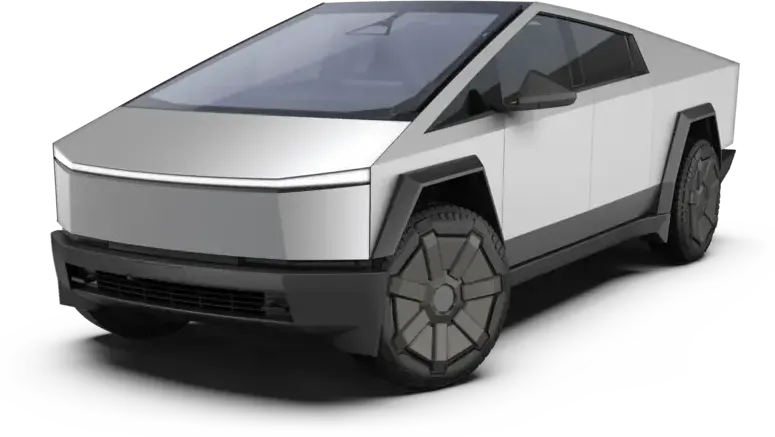
Tesla Cybertruck
Score: 59/100
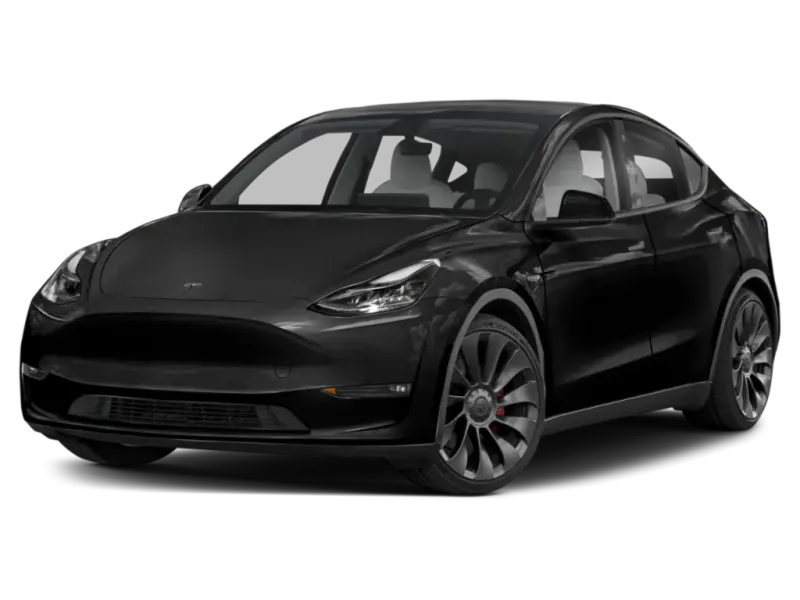
Tesla Model 3
Score: 59/100
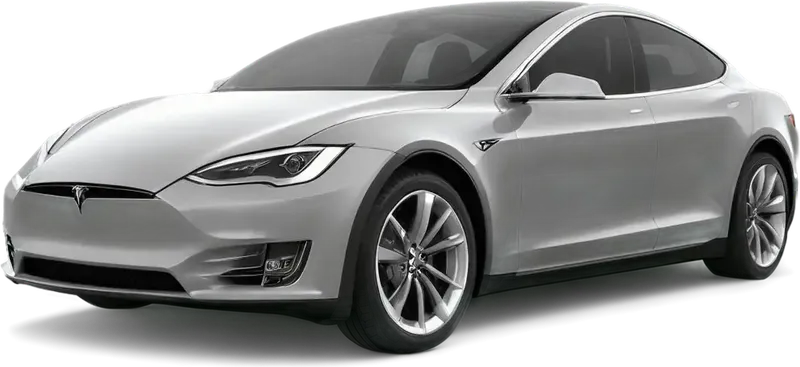
Tesla Model S
Score: 50/100
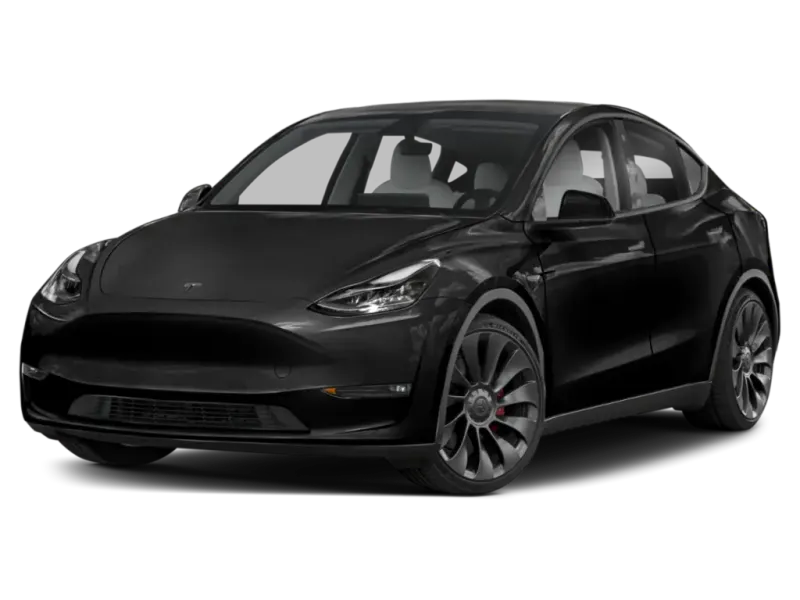
Tesla Model Y
Score: 70/100
Browse More 2018 Vehicles
2018 Lexus RX
Score: 85/100
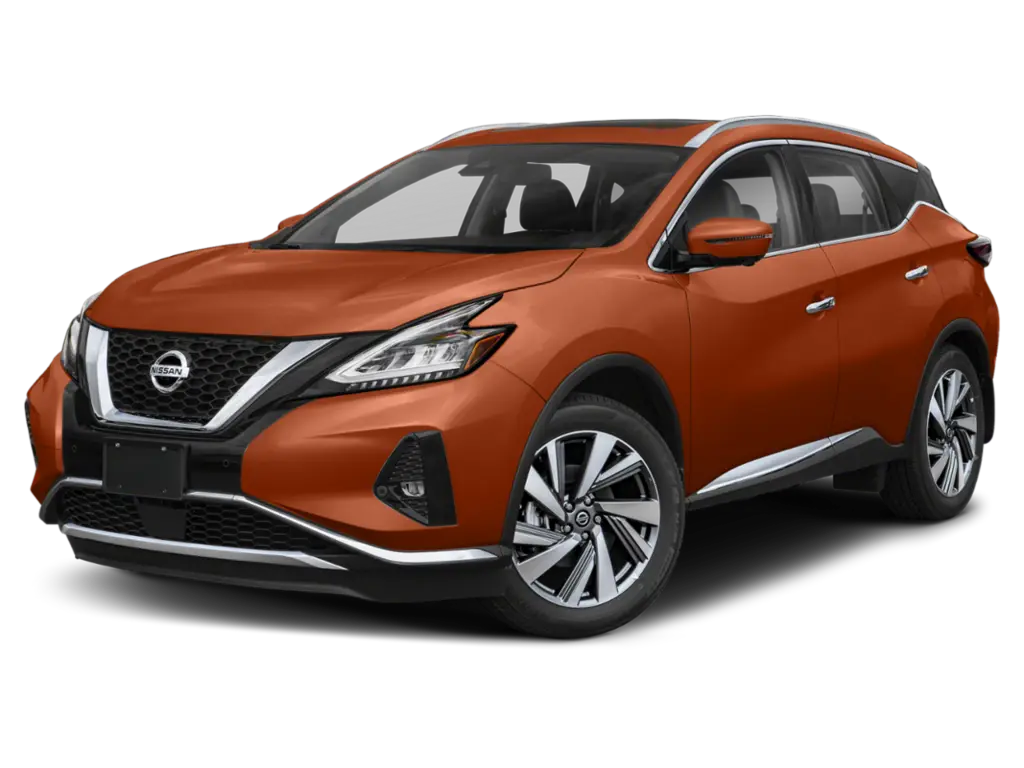
2018 Nissan Murano
Score: 82/100
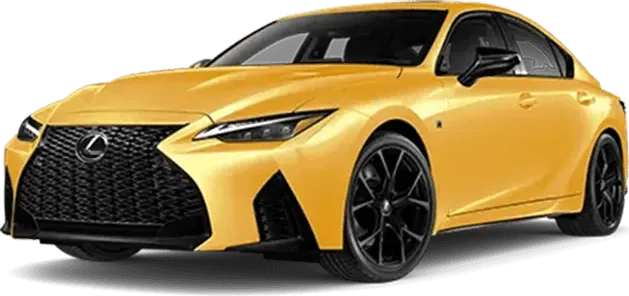
2018 Lexus IS
Score: 81/100
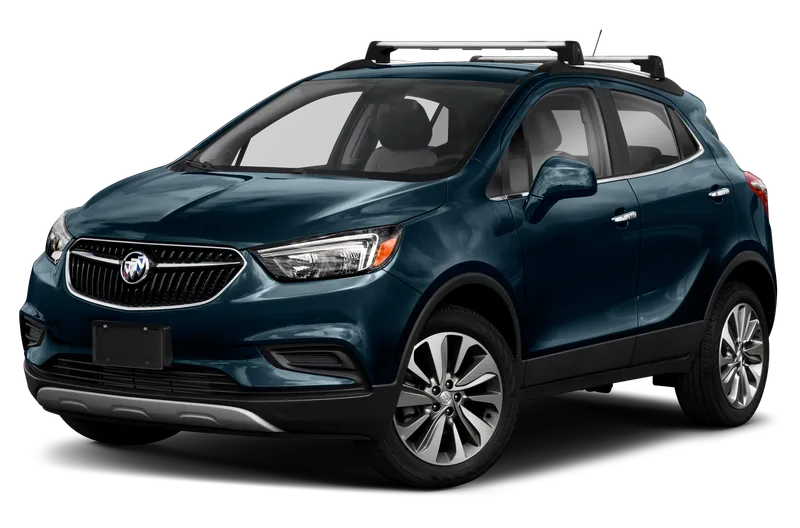
2018 Buick Encore
Score: 80/100
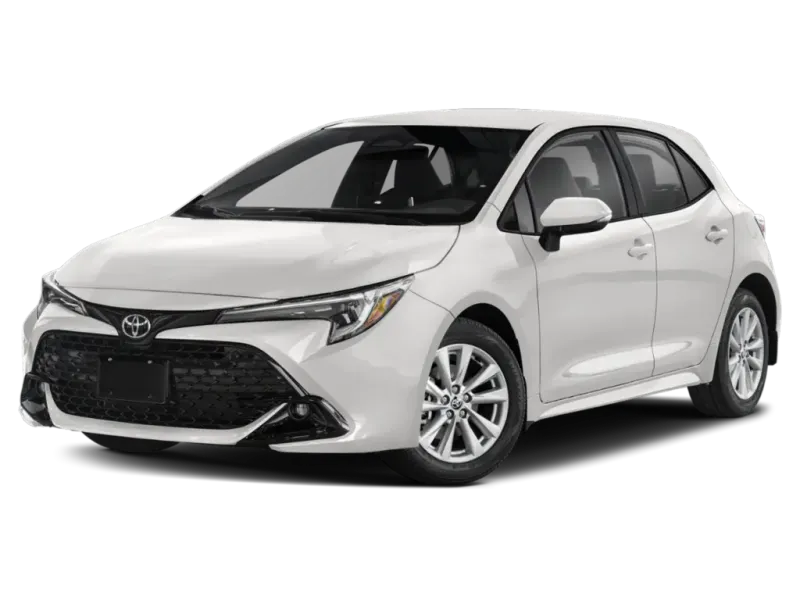
2018 Toyota Corolla
Score: 80/100
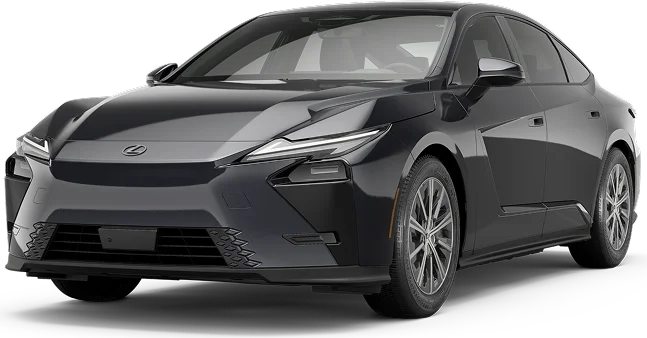
2018 Lexus ES
Score: 80/100
See incorrect data? Report an issue