Last updated: 2026-10-10
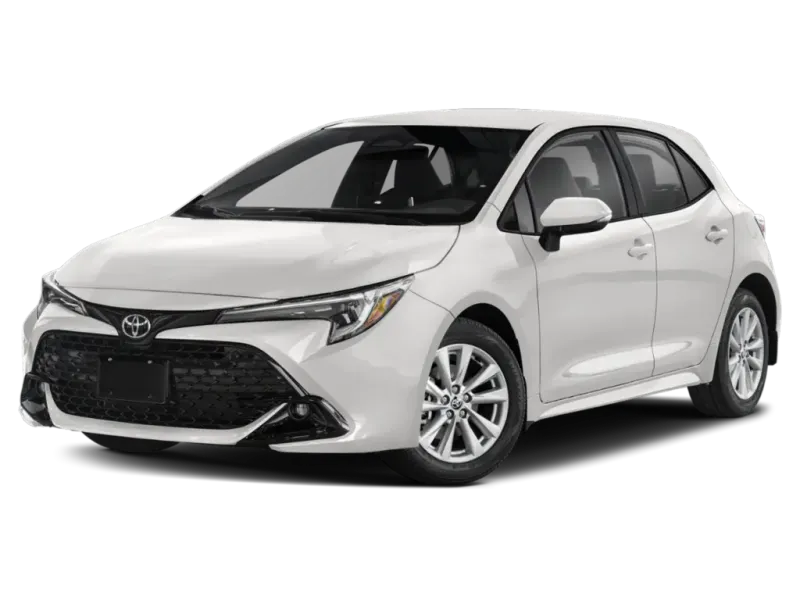
2019 Toyota Corolla Reliability Report
The 2019 Toyota Corolla rates good for reliability, but air bag non-deployment reports and transmission faults are the problems to check.
Recalls
6
Complaints
190
Complaint Rate
6.2per 10,000 sold
Est. Repair Cost
$362
Annual Fuel Cost
$1,650–$2,000
Detailed Score Breakdown
Component-weighted complaints normalized by sales volume
Independent repair cost ratings
Recall count weighted by severity
Breadth of reported problem categories
The Verdict
Last of the eleventh generation, it rates good but trails the best Corolla years, with air bag, transmission, and coolant bypass valve complaints.
Top Issues to Watch
- POWER TRAIN (46)
- ENGINE (23)
- AIR BAGS (19)
Generation & Refresh (US)
2019 is the last model year of the Eleventh generation (E170, E180).
- Final-year models are typically the most refined version of a generation.
- 2 years after the last refresh (2017).
- 7th generation Corolla (US).
What this means for buyers
Final-year models are usually the most polished version of a generation, but resale value may dip as buyers anticipate the next redesign.
2014: Eleventh generation (E170, E180) Launch
Generation start — new platform.
2017: Mid-Cycle Refresh
Updated features and styling tweaks.
2019: This Model Year
2019 is the last model year of the Eleventh generation (E170, E180).
Should You Buy the 2019 Toyota Corolla?
Reliability is good, and well above average next to other 2019 sedans. Within the Corolla lineup, though, this year is among the weaker of nine scored years. It is the last of the eleventh generation. The 2018 rates better, with 137 complaints against 190 here, and the 2020 rates worse. Independent repair-cost data puts yearly repairs across the model at $362, against $526 for its class. The federal crash-test rating is 5 of 5 stars.
The most serious pattern is air bags that did not deploy in serious crashes, reported in head-on, T-bone, and rear-end impacts. Some owners say the seat belts did not lock either. Automatic cars slip, clunk, lunge, or stall in traffic, and dealers often cannot reproduce it. Manual hatchbacks lose the clutch when the slave cylinder fails, from 40,000 to 90,000 miles. An "Engine Maintenance Required" message, traced to a failed coolant bypass valve, appears between 36,500 and 71,000 miles, with quotes up to $800.
Check the VIN for open air bag recall work, and ask for records of any clutch or bypass valve repair. A 2018 is worth a look.
Compared to the 2020 Toyota Corolla, which scored 3 points lower. See also the 2018 Toyota Corolla for an earlier comparison.
Pros
- +Acceptable reliability score
- +$164 cheaper to maintain than avg compact cars
- +Infrequent unscheduled repairs
- +Low major repair risk (7%)
Cons
- −Above-average recall count
- −POWER TRAIN: Manual hatchbacks lose the clutch when the slave cylinder fails, in reports... (46 complaints)
- −ENGINE issues reported (23 complaints)
Compare 2019 Toyota Corolla With
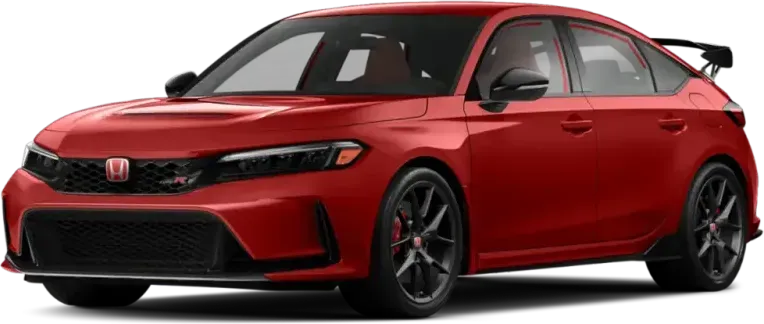
2019 Honda Civic
Reliability: 75/100
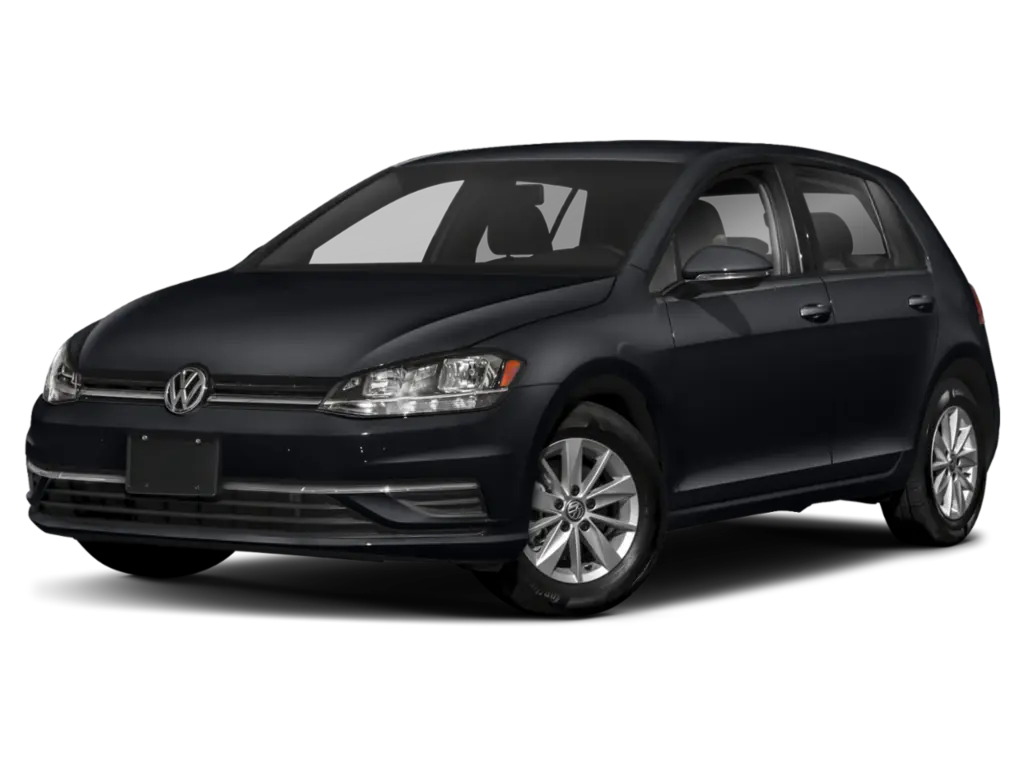
2019 Volkswagen Golf
Reliability: 65/100
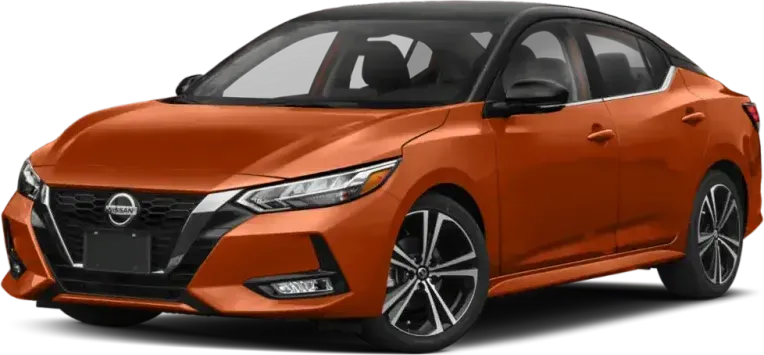
2019 Nissan Sentra
Reliability: 75/100
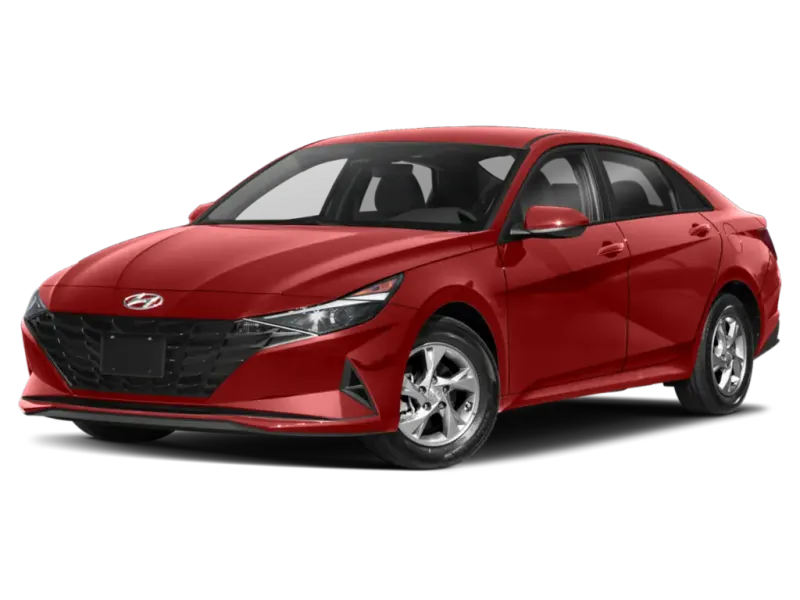
2019 Hyundai Elantra
Reliability: 78/100
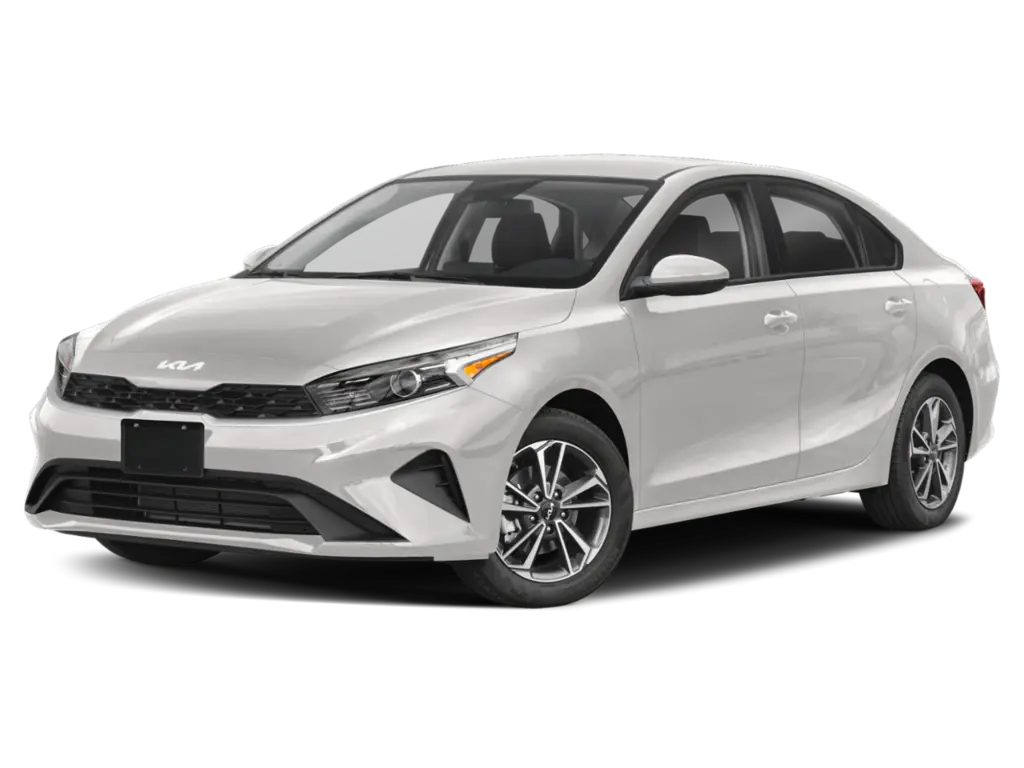
2019 Kia Forte
Reliability: 67/100
Common Problem Categories
Safety
LOW RISK- 6 manufacturer recalls issued
Other
HIGH RISK- POWER TRAIN (46)
- ENGINE (23)
Recall Overview
6
recalls on record
The 2019 Toyota Corolla has 6 recalls on record, which is above average. A high count can flag multiple component concerns, though it also shows the manufacturer is actively addressing known issues.
NHTSA.gov →Complaint Breakdown
6.2
per 10,000 soldSegment avg: 19.1
Safety Incidents
22
Crashes
1
Fires
15
Injuries
1
Deaths
NHTSA 5/5 Stars
Data sourced from NHTSA complaint filings and manufacturer recall notices. Complaint narratives are owner-reported.
2019 Toyota Corolla Recall Details
6 recalls have been issued for the 2019 Toyota Corolla. All recall repairs are performed free of charge at authorized dealerships.
FUEL SYSTEM, GASOLINE
Toyota Motor Engineering & Manufacturing (Toyota) is recalling certain 2018-2019 4Runner, 2019-2020 Avalon, 2019 Corolla Hatchback, 2017-2019 Highlander, 2018-2020 Camry, 2020 Corolla, 2018-2019 Land Cruiser, 2017-2020 Tacoma, 2019-2020 RAV4, 2019-2020 Sequoia, 2017-2020 Sienna, 2019-2020 Tundra, 2018-2020 Lexus ES350, 2017 Lexus GS200t, 2017-2019 Lexus GS350, 2019 Lexus GS300, 2018-2020 Lexus LC500h, 2019-2020 Lexus LS500, 2018-2019 Lexus GX460, 2017 Lexus IS200t, 2019 Lexus IS300, 2019 Lexus IS350, 2018-2020 Lexus LC500, 2018 Lexus LS500, 2019 Lexus LS500h, 2018-2019 Lexus LX570, 2017 Lexus RC200t, 2019 Lexus RC300, RC350, 2017 and 2019-2020 Lexus RX350, 2018-2020 RX350L, 2019 Lexus UX200, 2018-2019 Lexus NX300 vehicles. The low-pressure fuel pump inside the fuel tank may fail.
Consequence
If the fuel pump fails, the engine can stall while driving, increasing the risk of a crash.
Remedy
Toyota will notify owners, and dealers will replace the fuel pump assembly with an improved one, free of charge. Owners of specific models were notified that remedy parts were available starting January 21, 2021. Owners of other models will be notified as remedy parts become available. Remedy parts should be available for all affected vehicles by late March 2021. Owners may contact Toyota customer service at 1-888-270-9371 or Lexus customer service at 1-800-255-3987. Note: This recall is an expansion of recall 20V-012. Toyota's number for this recall is 20TA02. Lexus' number for this recall is 20LA01.
AIR BAGS
Toyota Motor Engineering & Manufacturing (Toyota) is recalling certain 2011-2019 Corolla, 2011-2013 Matrix, 2012-2018 Avalon, and 2013-2018 Avalon Hybrid vehicles. During certain crashes, the air bag electronic control unit (ECU) may malfunction, possibly disabling the deployment of the air bags and/or seat belt pretensioners.
Consequence
In the event of a crash, air bags and/or seat belt pretensioners that do not deploy as intended may increase the risk of injury.
Remedy
Toyota will notify owners, and dealers will inspect the ECU and install a noise filter between the air bag control module and its wire harness, as necessary, free of charge. Owners were notified of the safety risk beginning March 2, 2020. A second letter notifying owners of the remedy repair will be mailed between March 16, 2020 and June 27, 2020. Owners may contact Toyota customer service at 1-888-270-9371. Toyota's numbers for this recall are 20TB03, 20TA03 and 20TA05.
FUEL SYSTEM, GASOLINE
Toyota Motor Engineering & Manufacturing (Toyota) recalled certain 2018-2019 4Runner, Highlander, Camry, Land Cruiser, Sequoia, Sienna, Tacoma and Tundra, and Lexus RC 300, RC 350, GS 350, GX 460, IS 300, LC 500, LS 500, LX 570, RX 350L, and 2019 Toyota Avalon and Corolla, and certain Lexus NX 300, and ES 350 vehicles on January 13, 2020. On March 4, 2020, Toyota expanded the recall to include certain 2014-2015 Toyota 4Runner and Land Cruiser, 2018 Avalon, Corolla, 2014 FJ Cruiser, 2017 Sienna and Lexus 2018 ES 350, 2018-2019 GS 300, 2013-2014 GS350, 2014-2015 GX 460, IS 350 and LX 570, 2014 IS F, 2018-2019 IS 350, LC 500H and LS 500H, 2013-2015 LS 460, 2015 NX 200T and RC350, 2017 RC 200T and RX 350. Toyota also removed the 2018-2019 Toyota 4Runner and Land Cruiser and 2018-2019 Lexus GX 460 and LX 570 and 2019 NX300 from inclusion in this recall. On March 19, 2020, Toyota expanded the recall to include 2015 Lexus GS350 vehicles. The low-pressure fuel pump inside the fuel tank may fail.
Consequence
If the fuel pump fails, the engine can stall while driving, increasing the risk of a crash.
Remedy
Toyota will notify owners, and dealers will replace the fuel pump, free of charge. The recall began May 4, 2020. Owners may contact Toyota customer service at 1-888-270-9371 or Lexus customer service at 1-800-255-3987. Toyota's numbers for this recall are 20TB02 and 20TA02 for Toyota vehicles and 20LB01 and 20LA01 for Lexus vehicles.
Buying a used 2019 Toyota Corolla? Check its history first
Power train problems lead owner complaints about the 2019 Toyota Corolla, and 6 recalls were issued for it. A VIN check shows whether this car's recall work was done, plus accident, title, and odometer history.
- Accidents
- Open Recalls
- Title History
- Odometer Rollback
2019 Toyota Corolla NHTSA Safety Ratings
Overall Safety Rating
Crash Test Results by Configuration (expand)
Gas Powertrain
Rollover risk: 10.4%
Safety Technologies
Toyota CorollaRepair Costs & Maintenance
Maintenance Rating
4.5Maintenance rating: 4.5 out of 5Based on NHTSA complaint patterns, recall severity, and publicly available cost benchmarks.
Est. Annual Maintenance
$362
vs $526 avg for compact cars
vs $652 avg for all vehicles
Repair Frequency
0.3
unscheduled repair visits per year
Severe Repair Probability
7%
chance of a major repair
Annual Cost Comparison
Category-level averages derived from publicly available industry reports (AAA, CarMD). Model-level estimates produced by Auto Reliability Index.
Toyota Corolla Resale Value
The Toyota Corolla is estimated to retain about 85.4% of its original value after 5 years, based on observed used-car listings.
This benchmark covers the Toyota Corolla model overall and is not specific to the 2019 model year.
- Value Retained
- 85.4%
- Depreciation
- 14.6%
- Listings Analyzed
- 720
after 5 years
over the same period
U.S. used-car listings
Listings observed in . Actual resale value varies by trim, mileage, condition, and location.
Explore Toyota Corolla depreciation and resale value on CarResaleValue.comMPG & Annual Running Costs
Gas
30–36 MPG
Running cost: $2,000–$2,350/yr
Fuel + repair
27–32 city / 35–42 hwy MPG
Running cost includes EPA fuel-cost estimate and independent repair-cost data (repair cost estimated at model level). Excludes routine maintenance, depreciation, and insurance. Data as of 2019 EPA label cycle.
Gas trims
| Trim | Drive | Trans. | City | Hwy | Comb | Fuel Cost |
|---|---|---|---|---|---|---|
| Corolla Hatchback 2.0L 4-cyl | Front-Wheel Drive | Automatic (AV-S10) | 32 | 42 | 36 | $1,650 |
| Corolla LE Eco 1.8L 4-cyl | Front-Wheel Drive | Automatic (variable gear ratios) | 30 | 40 | 34 | $1,750 |
| Corolla Hatchback XSE 2.0L 4-cyl | Front-Wheel Drive | Automatic (AV-S10) | 30 | 38 | 33 | $1,800 |
| Corolla LE Eco 1.8L 4-cyl | Front-Wheel Drive | Automatic (variable gear ratios) | 29 | 38 | 33 | $1,800 |
| Corolla 1.8L 4-cyl | Front-Wheel Drive | Automatic (variable gear ratios) | 28 | 36 | 32 | $1,850 |
| Corolla 1.8L 4-cyl | Front-Wheel Drive | Automatic (AV-S7) | 28 | 35 | 31 | $1,950 |
| Corolla Hatchback 2.0L 4-cyl | Front-Wheel Drive | Manual 6-spd | 28 | 37 | 31 | $1,950 |
| Corolla 1.8L 4-cyl | Front-Wheel Drive | Manual 6-spd | 27 | 35 | 30 | $2,000 |
Used Buying Checklist
Key things to inspect or verify before purchasing a 2019 Toyota Corolla.
Run the VIN through federal recall records and confirm the fuel pump and air bag control unit recalls were completed.
Start the car and confirm the SRS air bag warning light goes out within seconds.
Run the A/C on a long test drive and watch for an "Engine Maintenance Required" message.
On a manual hatchback, shift into first from a cold start and reject a clutch that engages late or chatters.
Pull away from a stop gently, then firmly, and feel for slipping, clunks, lunging, or a delayed response.
Set cruise control on a highway grade and watch for revs near 4000 rpm or speed creeping past the setting.
At cold start, turn the wheel lock to lock and check for stiffness or power steering warnings.
Brake firmly from moderate speed and walk away from a hard pedal or long stopping distance.
2019 Toyota Corolla Common Problems by Component
190 owner complaints grouped by vehicle system.
POWER TRAIN
46 complaintsSafety-relatedManual hatchbacks lose the clutch when the slave cylinder fails, in reports from 40,000 to 90,000 miles. Other manual complaints describe first gear refusing to engage when cold, late clutch engagement, chatter, and loose play in fifth. Automatic cars slip, clunk, lunge forward with a loud snap, or stall in traffic and refuse to move. Some go into limp mode, and a few needed a new transmission, at 28k and 106000 miles. One crash report describes slipping and the car accelerating on its own. Dealers often cannot reproduce the fault.
ENGINE
23 complaintsAn "Engine Maintenance Required" message appears with no check engine light, and dealers trace it to a failed coolant bypass valve, often logged as code P268115. The message tends to return whenever the A/C is on. Reports place the failure between 30k and 70k, with cases at 67k and 71,000 miles. Owners worry it could lead to overheating, and repair quotes reach $800. Fewer complaints cite failed motor mounts that let the engine rock, sudden power loss with torque converter solenoid codes, and a fuel tank that will not fill completely.
AIR BAGS
19 complaintsSafety-relatedFailure to deploy in a serious crash is the most dangerous pattern on this car. Reports cover head-on hits, T-bone impacts, and rear-end collisions with no deployment, and the reports count 9 injuries. Some also say the seat belts did not lock. Other owners see an SRS warning light come on with no crash. Many complaints refer to a recall for the air bag control unit, which can stop the air bags and seat belt pretensioners from deploying. Owners describe waiting months for that remedy, and some doubt the repair was done.
ELECTRICAL SYSTEM (12 complaints)
ELECTRICAL SYSTEM
12 complaintsSafety-relatedThe car shuts off at highway speed and loses electrical power, with every warning light on the dash lit and repeated trouble restarting. A similar pattern makes the gas pedal go dead while "Charging System Malfunction" and "Low Oil Pressure" messages appear, and dealers find no codes. One report describes a fire starting in the driver seat while the car sat parked and switched off. Owners also hear a humming noise from the rear hours after parking. The rest are scattered: sale and odometer disputes, gauge glare, and a charging cord pulled into the steering column.
FUEL SYSTEM (12 complaints)
FUEL SYSTEM
12 complaintsMost of these reports concern the fuel pump recall, 20V012000, and the parts shortage that held it up. Dealers repeatedly confirm no parts are available, and many owners also wait on the air bag recall, 20V024000. Most of these owners report no failure yet. The ones who do describe stalling without warning, including at 50 mph, along with failure to start, warning lights, and a car stuck in park. One stall traced to a faulty fuel pump happened around 60,000 miles. Another car still would not restart after the recall repair.
FUEL/PROPULSION SYSTEM (10 complaints)
FUEL/PROPULSION SYSTEM
10 complaintsMost of these complaints are about the low-pressure fuel pump recall: back-ordered pumps, months of waiting, and recall work skipped or done badly. Some owners report stalling when adding fuel, a gas smell in the cabin when parked on an incline after the pump was replaced, and hard starting after injector recall work. Other reports describe the accelerator not responding on a hatchback XSE, a rough idle that drops below 500 RPM and stalls, and a CVT grinding noise that the owner says recall J07 should cover.
VEHICLE SPEED CONTROL (10 complaints)
VEHICLE SPEED CONTROL
10 complaintsSafety-relatedCruise control lets the engine race to about 4000 rpm on gentle downhills or even flat road. The car can climb 5 to 10 mph over the set speed and then brake hard once the road levels out. Dealers often call this normal or cannot find a cause. Other reports describe the car not responding to the accelerator at 55 mph with no warning light. In one garage crash, the car surged after a loud noise. One complaint says the coolant bypass valve message flashes constantly and covers the digital speedometer.
STEERING (8 complaints)
STEERING
8 complaintsSafety-relatedThe wheel locks up or turns hard, at startup or while driving, with power steering and Lane Departure Alert warnings on the dash. Dealers sometimes replace the battery, but the problem comes back. Other cars pull hard to the left with the electric power steering warning lit, in one case at 31,000 miles. One driver crashed into a median after the wheel locked. Fewer reports mention jerking on left curves, a cracked lower control arm and CV axle, and an air bag that failed to deploy in a deer strike.
SERVICE BRAKES (7 complaints)
SERVICE BRAKES
7 complaintsSafety-relatedA failing brake booster leaves the pedal hard to push and makes stopping distances much longer, sometimes with no warning light first. One shop traced a no-start to the hydraulic brake booster pump, codes P1585 and P1586, which also blew the injection fuses. A crash report describes the brakes failing at about 50 mph. Others mention an ABS fault with a check engine light and a forward collision sensor that stopped working. Two complaints describe worn brakes on a car delivered by a used-car retailer, not a defect.
STRUCTURE (3 complaints)
STRUCTURE
3 complaintsSafety-relatedWith only 3 complaints, no strong pattern shows up here. One car's front bumper came loose on the highway twice and nearly fell under the car, even after the dealer replaced the mounting pins. Another owner found water trapped in both rear doors, sloshing while driving and coming back after draining. A third report describes fine glass powder blowing from the defroster vents after a windshield and roof repair, which caused an eye injury.
When Do 2019 Toyota Corolla Problems Start?
Based on owner complaint patterns, here's when common issues tend to appear.
Best & Worst Toyota Corolla Years
Best Toyota Corolla Years to Buy
Based on reliability index scoreToyota Corolla Years to Avoid
Toyota Corolla Reliability Score Trend
Scores 0–100. Higher is better. Current year highlighted.
| Year | Score | Rating |
|---|---|---|
| 2018 | 80/100 | Excellent |
| 2019 | 77/100 | Good |
| 2020 | 74/100 | Good |
| 2021 | 83/100 | Excellent |
| 2022 | 82/100 | Excellent |
| 2023 | 73/100 | Good |
| 2024 | 81/100 | Excellent |
| 2025 | 84/100 | Excellent |
| 2026 | 94/100 | Excellent |
Toyota Corolla Reliability Compared to Other Years
| Year | Score | vs Prior Year | Rating | Recalls | Complaints |
|---|---|---|---|---|---|
| 2026 | 94/100 | +10 | Excellent | 0 | 0 |
| 2025 | 84/100 | +3 | Excellent | 2 | 37 |
| 2024 | 81/100 | +8 | Excellent | 8 | 97 |
| 2023 | 73/100 | -9 | Good | 15 | 243 |
| 2022 | 82/100 | -1 | Excellent | 2 | 120 |
| 2021 | 83/100 | +9 | Excellent | 1 | 160 |
| 2020 | 74/100 | -3 | Good | 7 | 290 |
| 2019(selected) | 77/100 | -3 | Good | 6 | 190 |
| 2018 | 80/100 | — | Excellent | 3 | 137 |
Frequently Asked Questions
Is the 2019 Toyota Corolla reliable?
What are the most common problems with the 2019 Toyota Corolla?
Does the 2019 Toyota Corolla have air bag problems?
How much does the 2019 Toyota Corolla cost to repair?
Is the 2019 Toyota Corolla better than the 2018 or 2020?
Don’t buy a 2019 Toyota Corolla without checking its VIN first — hidden accidents, title issues, and open recalls could cost you thousands.
How we score the 2019 Toyota Corolla
Of the four inputs behind this score, the 2019 Toyota Corolla does best on repair costs (90/100) and worst on recall impact (65/100). Scores weight complaint severity at 35%, repair costs at 30%, recall impact at 20%, and the spread of complaints across systems at 15%, with complaint counts adjusted for US sales. Read the full methodology.
Get notified when new recalls or reliability data is added for the Toyota Corolla.
No spam. Only data updates for this model.
Browse More Toyota Models

Toyota 4Runner
Score: 84/100
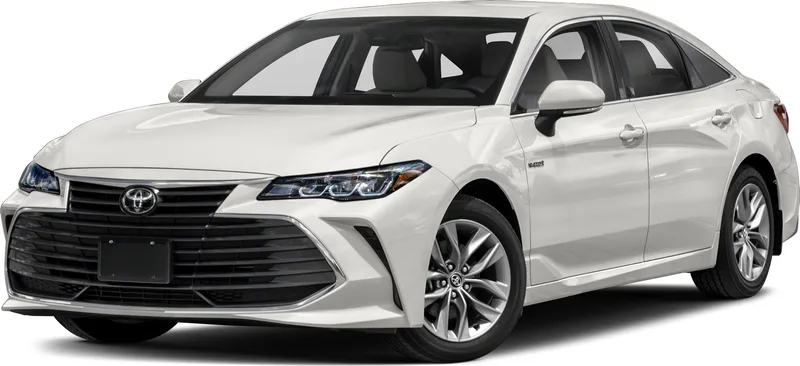
Toyota Avalon
Score: 80/100
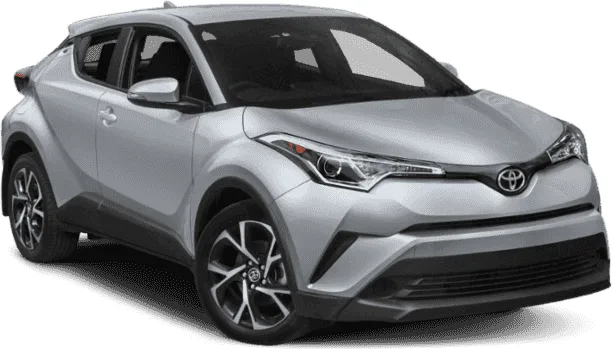
Toyota C-HR
Score: 80/100
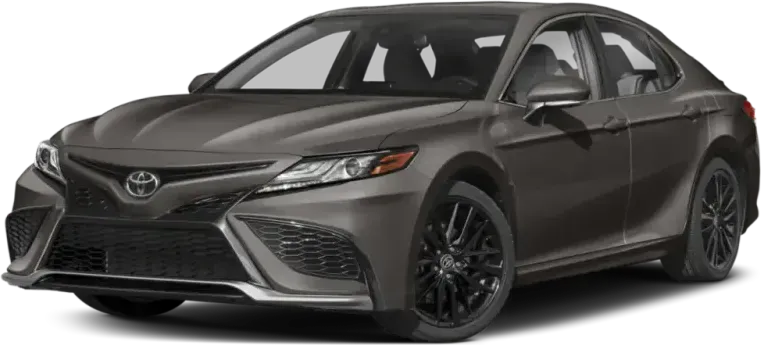
Toyota Camry
Score: 88/100
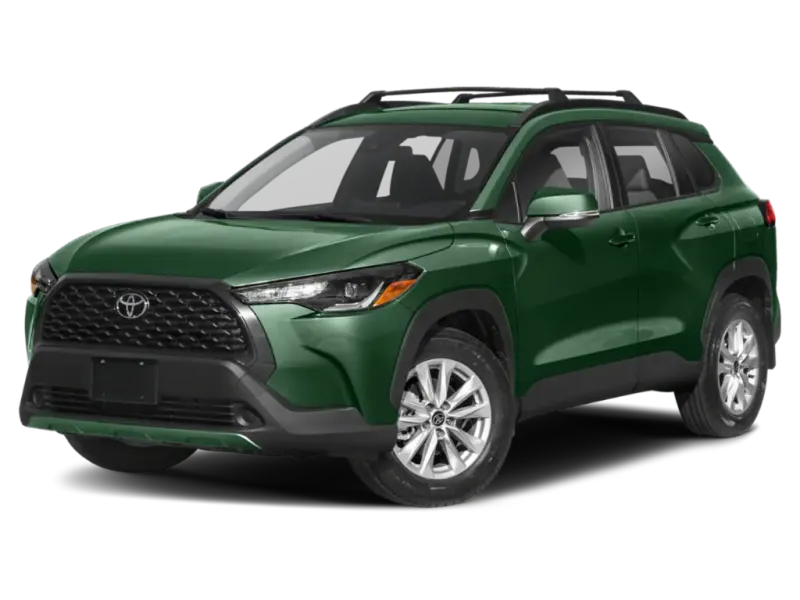
Toyota Corolla Cross
Score: 94/100
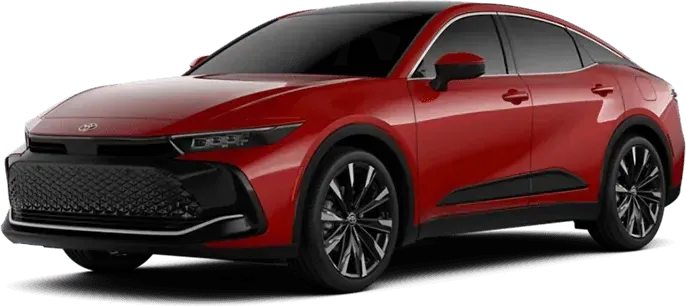
Toyota Crown
Score: 88/100
Browse More 2019 Vehicles
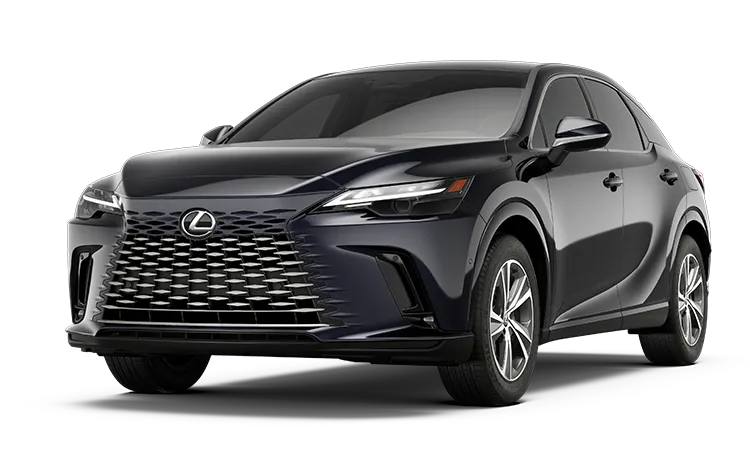
2019 Lexus RX
Score: 82/100
2019 Nissan Frontier
Score: 80/100
2019 Kia Sedona
Score: 80/100
2019 Chevrolet Impala
Score: 79/100
2019 Lexus IS
Score: 79/100
2019 Lexus ES
Score: 78/100
See incorrect data? Report an issue