Last updated: 2026-10-10
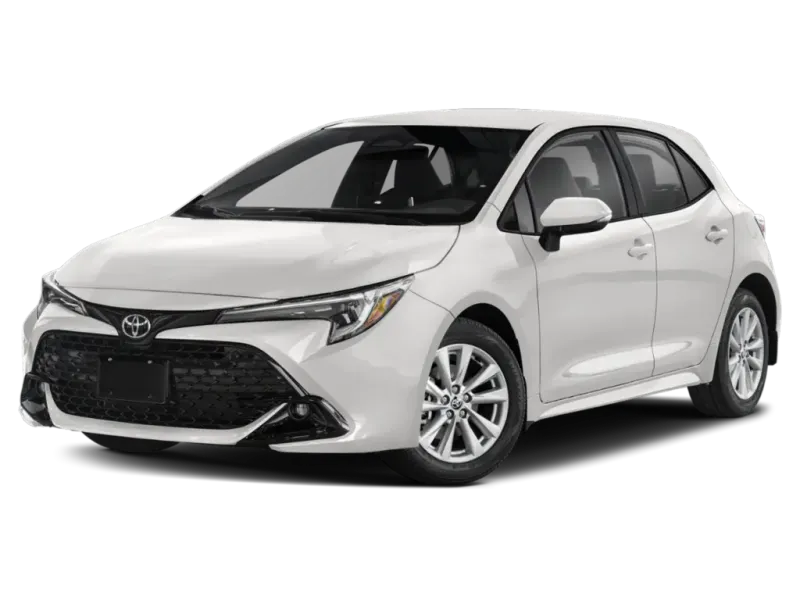
2020 Toyota Corolla Reliability Report
The 2020 Toyota Corolla rates good, but a coolant bypass valve fault is its main flaw, and the 2019 and 2021 model years rate better.
Recalls
7
Complaints
290
Complaint Rate
12.2per 10,000 sold
Est. Repair Cost
$362
Annual Fuel Cost
$1,700–$1,950
Detailed Score Breakdown
Component-weighted complaints normalized by sales volume
Independent repair cost ratings
Recall count weighted by severity
Breadth of reported problem categories
The Verdict
First year of the twelfth generation, with good reliability and low repair costs, but a recurring coolant bypass valve warning and seven recalls.
Top Issues to Watch
- ENGINE (82)
- POWER TRAIN (32)
- ELECTRICAL SYSTEM (25)
Generation & Refresh (US)
2020 is the first model year of the Twelfth generation (E210).
- First-year models may have unresolved issues from the new design.
- Redesigned for the 2020 model year.
- 8th generation Corolla (US).
What this means for buyers
First-year models carry more risk — early production issues are common. Consider waiting for the second year if reliability is a priority.
Compare 2020 pricing and recall counts against 2021+ before deciding.
2020: Twelfth generation (E210) Launch
Generation start — new platform.
Should You Buy the 2020 Toyota Corolla?
Good, but not the best Corolla year to buy. This model year holds up better than most 2020 sedans, and independent repair-cost data puts model-wide upkeep at about $362 a year against $526 for its class. Within the Corolla's own scored years, though, it sits among the weaker, and both the 2019 and 2021 rate better. It is the first model year of the twelfth generation.
The main complaint is an "Engine Maintenance Required" message that will not clear. Dealers trace it to a cracked or leaking coolant bypass valve, mostly between about 26,000 and 80,000 miles. Owners outside warranty report quotes up to $1,200. On the 6-speed manual, a leaking clutch slave cylinder can stick the pedal to the floor and harden the brake pedal. Seven recalls apply, including the front passenger seat sensor campaign 23V865000, where owners say dealers lack parts.
Ask for proof that the coolant bypass valve work and every recall remedy are done. If the price is close, a 2021 is the better bet.
Compared to the 2021 Toyota Corolla, which scored 9 points higher. See also the 2019 Toyota Corolla for an earlier comparison.
Pros
- +Acceptable reliability score
- +$164 cheaper to maintain than avg compact cars
- +Infrequent unscheduled repairs
- +Low major repair risk (7%)
Cons
- −Above-average recall count
- −ENGINE: "Engine Maintenance Required" message appears and will not clear (82 complaints)
- −UNKNOWN OR OTHER issues reported (62 complaints)
Compare 2020 Toyota Corolla With
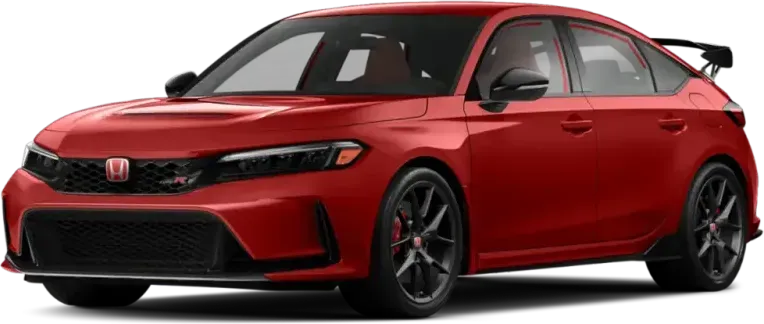
2020 Honda Civic
Reliability: 78/100
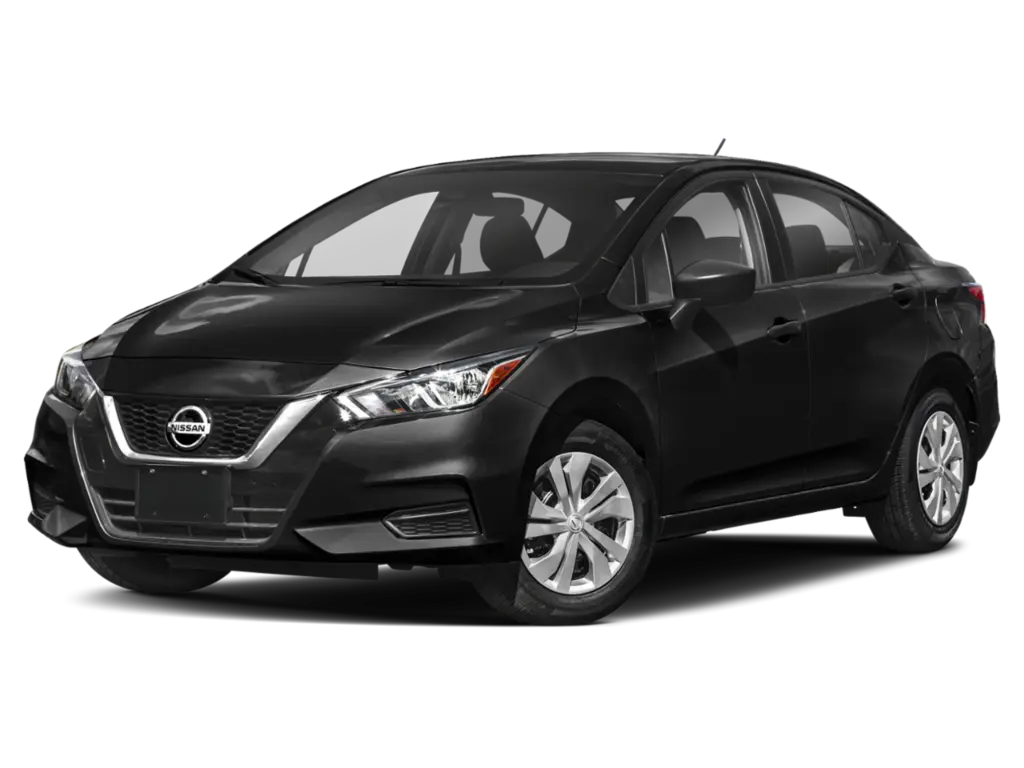
2020 Nissan Versa
Reliability: 74/100
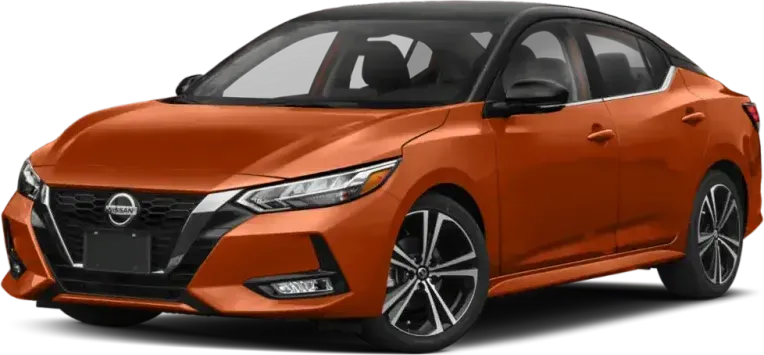
2020 Nissan Sentra
Reliability: 71/100
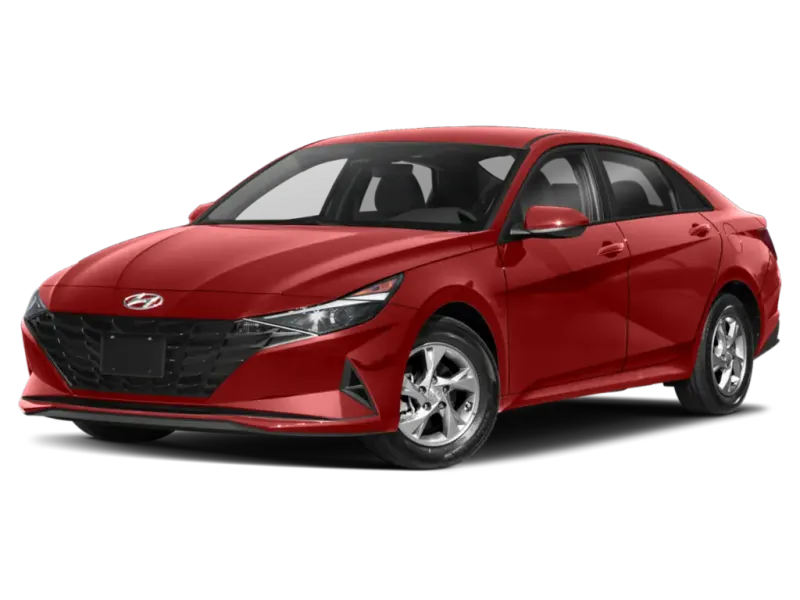
2020 Hyundai Elantra
Reliability: 72/100
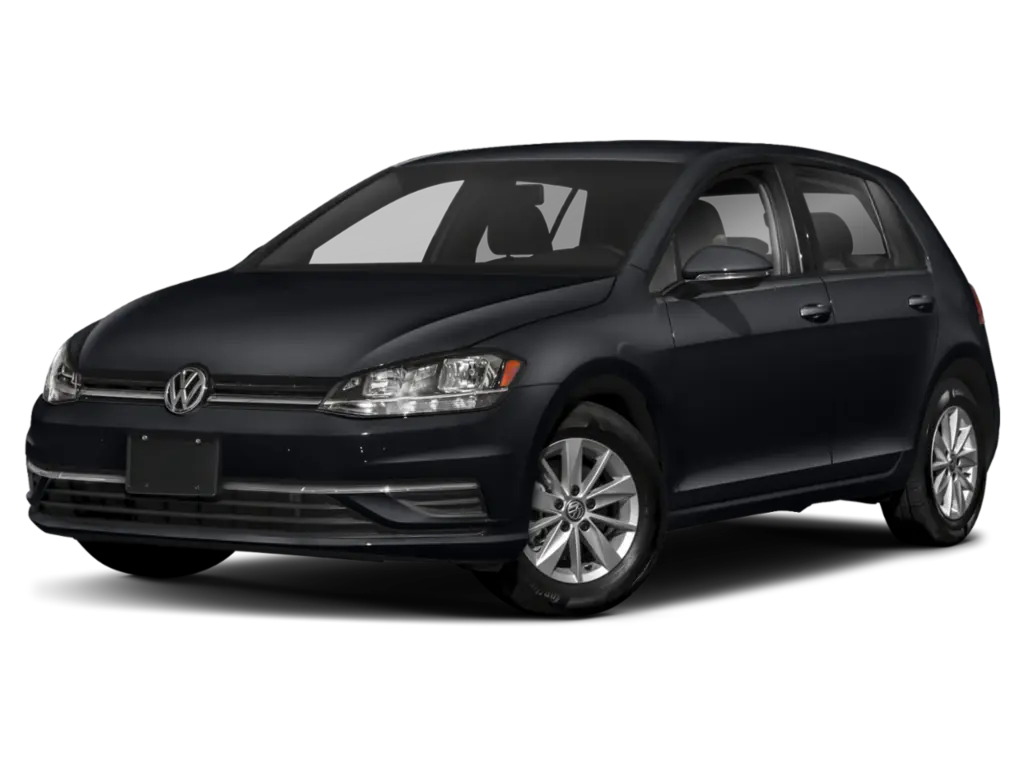
2020 Volkswagen Golf
Reliability: 75/100
Common Problem Categories
Safety
LOW RISK- 7 manufacturer recalls issued
Other
HIGH RISK- ENGINE (82)
- UNKNOWN OR OTHER (62)
Recall Overview
7
recalls on record
The 2020 Toyota Corolla has 7 recalls on record, which is above average. A high count can flag multiple component concerns, though it also shows the manufacturer is actively addressing known issues.
NHTSA.gov →Complaint Breakdown
12.2
per 10,000 soldSegment avg: 17.9
Safety Incidents
22
Crashes
1
Fires
23
Injuries
1
Deaths
NHTSA 5/5 Stars
Data sourced from NHTSA complaint filings and manufacturer recall notices. Complaint narratives are owner-reported.
2020 Toyota Corolla Recall Details
7 recalls have been issued for the 2020 Toyota Corolla. All recall repairs are performed free of charge at authorized dealerships.
EQUIPMENT
Gulf States Toyota (GST) is recalling certain 2019 C-HR, 4Runner, Avalon, Avalon Hybrid, Camry, Camry Hybrid, Highlander, Land Cruiser, Prius, RAV4, Sequoia, Tacoma, Sienna, Tundra and Yaris vehicles. The text on the load capacity label may become illegible. As such, these vehicles fail to comply with the requirements of Federal Motor Vehicle Safety Standard (FMVSS) number 110, "Tire Selection and Rims."
Consequence
If the driver cannot read the label, they may unknowingly overload the vehicle, increasing the risk of a crash.
Remedy
GST will notify owners, and dealers will provide corrected load carrying capacity modification labels, free of charge. The recall began May 24, 2019. Owners may contact GST customer service at 1-800-444-1074. GST's number for this recall is 19R1.
AIR BAGS
Toyota Motor Engineering & Manufacturing (Toyota) is recalling certain 2020-2021 Avalon, Avalon Hybrid, Corolla, Highlander, Highlander Hybrid, RAV4, RAV4 Hybrid, Lexus ES350, Lexus RX350, Lexus RX450H, 2021 Sienna Hybrid, Lexus ES250, 2020-2022 Camry, Camry Hybrid, and ES300H vehicles. A short circuit may develop in the Occupant Classification System (OCS) sensor, preventing the front passenger air bag from deploying.
Consequence
An air bag that does not deploy during a crash increases the risk of injury.
Remedy
Dealers will inspect and replace the sensor as necessary, free of charge. Interim letters notifying owners of the safety risk were mailed in February 2024. Some final remedy owner letters were mailed October 31, 2024. Letters will continue to be mailed in phases through January 2026. Owners may contact Toyota customer service at 1-800-331-4331. Toyota's number for this recall is 23TB15/23TA15 Lexus 23LB03/23LA03.
FUEL SYSTEM, GASOLINE
Toyota Motor Engineering & Manufacturing (Toyota) is recalling certain 2018-2019 4Runner, 2019-2020 Avalon, 2019 Corolla Hatchback, 2017-2019 Highlander, 2018-2020 Camry, 2020 Corolla, 2018-2019 Land Cruiser, 2017-2020 Tacoma, 2019-2020 RAV4, 2019-2020 Sequoia, 2017-2020 Sienna, 2019-2020 Tundra, 2018-2020 Lexus ES350, 2017 Lexus GS200t, 2017-2019 Lexus GS350, 2019 Lexus GS300, 2018-2020 Lexus LC500h, 2019-2020 Lexus LS500, 2018-2019 Lexus GX460, 2017 Lexus IS200t, 2019 Lexus IS300, 2019 Lexus IS350, 2018-2020 Lexus LC500, 2018 Lexus LS500, 2019 Lexus LS500h, 2018-2019 Lexus LX570, 2017 Lexus RC200t, 2019 Lexus RC300, RC350, 2017 and 2019-2020 Lexus RX350, 2018-2020 RX350L, 2019 Lexus UX200, 2018-2019 Lexus NX300 vehicles. The low-pressure fuel pump inside the fuel tank may fail.
Consequence
If the fuel pump fails, the engine can stall while driving, increasing the risk of a crash.
Remedy
Toyota will notify owners, and dealers will replace the fuel pump assembly with an improved one, free of charge. Owners of specific models were notified that remedy parts were available starting January 21, 2021. Owners of other models will be notified as remedy parts become available. Remedy parts should be available for all affected vehicles by late March 2021. Owners may contact Toyota customer service at 1-888-270-9371 or Lexus customer service at 1-800-255-3987. Note: This recall is an expansion of recall 20V-012. Toyota's number for this recall is 20TA02. Lexus' number for this recall is 20LA01.
Buying a used 2020 Toyota Corolla? Check its history first
Engine problems lead owner complaints about the 2020 Toyota Corolla, and 7 recalls were issued for it. A VIN check shows whether this car's recall work was done, plus accident, title, and odometer history.
- Accidents
- Open Recalls
- Title History
- Odometer Rollback
2020 Toyota Corolla NHTSA Safety Ratings
Overall Safety Rating
Crash Test Results by Configuration (expand)
Gas Powertrain
Rollover risk: 10.4%
Safety Technologies
HEV Powertrain
Rollover risk: 10.5%
Safety Technologies
Toyota CorollaRepair Costs & Maintenance
Maintenance Rating
4.5Maintenance rating: 4.5 out of 5Based on NHTSA complaint patterns, recall severity, and publicly available cost benchmarks.
Est. Annual Maintenance
$362
vs $526 avg for compact cars
vs $652 avg for all vehicles
Repair Frequency
0.3
unscheduled repair visits per year
Severe Repair Probability
7%
chance of a major repair
Annual Cost Comparison
Category-level averages derived from publicly available industry reports (AAA, CarMD). Model-level estimates produced by Auto Reliability Index.
Toyota Corolla Resale Value
The Toyota Corolla is estimated to retain about 85.4% of its original value after 5 years, based on observed used-car listings.
This benchmark covers the Toyota Corolla model overall and is not specific to the 2020 model year.
- Value Retained
- 85.4%
- Depreciation
- 14.6%
- Listings Analyzed
- 720
after 5 years
over the same period
U.S. used-car listings
Listings observed in . Actual resale value varies by trim, mileage, condition, and location.
Explore Toyota Corolla depreciation and resale value on CarResaleValue.comMPG & Annual Running Costs
Gas
31–35 MPG
Running cost: $2,050–$2,300/yr
Fuel + repair
28–32 city / 36–41 hwy MPG
Hybrid
52 MPG
Running cost: $1,500/yr
Fuel + repair
53 city / 52 hwy MPG
Running cost includes EPA fuel-cost estimate and independent repair-cost data (repair cost estimated at model level). Excludes routine maintenance, depreciation, and insurance. Data as of 2020 EPA label cycle.
Gas trims
| Trim | Drive | Trans. | City | Hwy | Comb | Fuel Cost |
|---|---|---|---|---|---|---|
| Corolla Hatchback 2.0L 4-cyl | Front-Wheel Drive | Automatic (AV-S10) | 32 | 41 | 35 | $1,700 |
| Corolla 2.0L 4-cyl | Front-Wheel Drive | Automatic (AV-S10) | 31 | 40 | 34 | $1,750 |
| Corolla XSE 2.0L 4-cyl | Front-Wheel Drive | Automatic (AV-S10) | 31 | 38 | 34 | $1,750 |
| Corolla 1.8L 4-cyl | Front-Wheel Drive | Automatic (variable gear ratios) | 30 | 38 | 33 | $1,800 |
| Corolla 1.8L 4-cyl | Front-Wheel Drive | Manual 6-spd | 29 | 39 | 33 | $1,800 |
| Corolla Hatchback XSE 2.0L 4-cyl | Front-Wheel Drive | Automatic (AV-S10) | 30 | 38 | 33 | $1,800 |
| Corolla 2.0L 4-cyl | Front-Wheel Drive | Manual 6-spd | 29 | 36 | 32 | $1,850 |
| Corolla XLE 1.8L 4-cyl | Front-Wheel Drive | Automatic (variable gear ratios) | 29 | 37 | 32 | $1,850 |
| Corolla Hatchback 2.0L 4-cyl | Front-Wheel Drive | Manual 6-spd | 28 | 37 | 31 | $1,950 |
Hybrid trims
| Trim | Drive | Trans. | City | Hwy | Comb | Fuel Cost |
|---|---|---|---|---|---|---|
| Corolla Hybrid 1.8L 4-cyl | Front-Wheel Drive | Automatic (variable gear ratios) | 53 | 52 | 52 | $1,150 |
Used Buying Checklist
Key things to inspect or verify before purchasing a 2020 Toyota Corolla.
Turn on the A/C during the test drive and watch for an "Engine Maintenance Required" message that will not clear.
Ask for records showing the coolant bypass valve was replaced, and check whether the Customer Support Program still covers this car.
Run the VIN for open recalls, especially air bag campaign 23V865000, and confirm parts are available.
On manual cars, confirm the clutch pedal returns fully and check the shared brake fluid reservoir level.
Make a hands-free call and watch for a flashing SOS button, audio dropouts, or a communication module warning.
Use radar cruise and lane assist on a highway and watch for "radar cruise unavailable" or a dash full of warnings.
Buckle both front seat belts, tug them hard, and confirm no false seat belt or SRS warning appears.
Inspect the brake calipers for rust, and check the bumper and wheel-well trim for loose or missing clips.
2020 Toyota Corolla Common Problems by Component
290 owner complaints grouped by vehicle system.
ENGINE
82 complaintsSafety-relatedAn "Engine Maintenance Required" message appears and will not clear. Dealers trace it to a cracked or leaking engine coolant bypass valve. The warning often returns seconds after it is dismissed, can block part of the speedometer, and frequently appears when the A/C is switched on. Reported failures fall mostly between about 26,000 and 80,000 miles. Toyota offers a voluntary Customer Support Program for the valve, yet owners outside warranty describe paying out of pocket, with quotes up to $1,200. One report is crash-related, and a rental car case describes carbon monoxide symptoms.
UNKNOWN OR OTHER
62 complaintsSafety-relatedMany of these filings repeat the coolant bypass valve problem, with the same stuck "Engine Maintenance Required" warning and repair bills near $1,000. A second group describes stalling at low speed in nearly new cars, often under 5,000 miles, which dealers could not duplicate. Two crash reports describe a driver's door that would not open after a collision until the shifter was moved to Park, and an engine that kept running afterward. Other reports cover front bumper clips that come loose, bubbles spreading along the windshield edges, and a sunroof that shattered without warning.
POWER TRAIN
32 complaintsSafety-relatedOn cars with the 6-speed manual, the clutch slave cylinder leaks or bursts. The clutch pedal sticks to the floor, and because the clutch shares the brake fluid reservoir, the brake pedal can grow hard as fluid drains. Reports place this between 51,000 and 97,000 miles, usually with no warning. Other complaints describe power loss or stalling when pulling away from a stop, including one crash with 3 injuries. Coolant bypass valve failures under program 24TE04 show up here too, along with several safety warning lights lighting up at once.
ELECTRICAL SYSTEM (25 complaints)
ELECTRICAL SYSTEM
25 complaintsSafety-relatedThe Data Communication Module fails and triggers a "Communication Module Failure" voice alert, a flashing SOS button, and hands-free calls where the other person cannot hear. Two reports place this near 37,000 to 38,000 miles, and replacement can exceed $800 out of warranty. Other complaints describe many safety systems flagged as malfunctioning at once, no-start conditions, and an "Engine Stopped - Steering Power Low" message. A false seat belt warning paired with an SRS air bag malfunction message also appears. One fire report describes flames under the front driver's side shortly after a parked car was driven.
AIR BAGS (17 complaints)
AIR BAGS
17 complaintsSafety-relatedCollisions end with no deployment in most of the crash reports here, including head-on, side, and high-speed rear impacts. These complaints account for 9 crashes and 12 injuries, and some cars showed a safety malfunction warning afterward. The other main theme is the recall for the front passenger seat OCS sensor, campaign 23V865000. Owners report that dealers have no parts and quote long waits for the remedy, and some avoid letting anyone ride in the front passenger seat until the repair is done.
SERVICE BRAKES (11 complaints)
SERVICE BRAKES
11 complaintsSafety-relatedBrakes fail to stop the car, according to several reports, with the pedal pressed to the floor at low speed and no warning light. Three of these reports involve crashes. One hybrid owner describes the car lunging forward while braking in a parking lot. Other reports cover automatic emergency braking that activates during turns, an ABS control unit failing at 25,000 miles, a front caliper rusted and seized at 40,000 miles, a recurring "EPB Shift Interlock Function Activated" message, and a springy pedal vibration at walking speed.
STEERING (8 complaints)
STEERING
8 complaintsSafety-relatedThe engine stalls while driving and steering turns heavy, with an "engine stopped, steering power low" message on the dash. In one case, a dealer linked steering failure codes to a weak battery. Other reports describe the wheel becoming hard to turn at highway speed, a steering shaft replacement at about 12,000 miles, and thumping or clicking noises from the column that come back after repair, with the car pulling to one side. Lane assist is also reported to steer suddenly toward parked cars, pedestrians, and cyclists.
SEAT BELTS (7 complaints)
SEAT BELTS
7 complaintsSafety-relatedThe driver's front buckle fails to latch or lock, according to several reports, and dealers often find no fault. One crash reconstruction report from state highway patrol describes the webbing that anchors the buckle tearing in a head-on collision, after which the driver suffered fatal injuries. Another owner describes a belt that did not hold during a hard stop. Some owners linked their buckle problem to campaign 19V877000, but their VINs were not included. False seat belt chimes with the belt fastened are also reported.
WHEELS (4 complaints)
WHEELS
4 complaintsSafety-relatedTires fail at highway speed on nearly new cars, according to both crash reports here. One describes a rear tire exploding near 6,000 miles and the other a tire coming off the wheel at 8000 miles, with both drivers losing control. Other complaints describe replacing all four tires before 40,000 miles, along with a shaking, unbalanced feel that an alignment did not fix. A body panel around the wheel well that lacks a bottom connector and keeps separating from the bumper is also reported.
VEHICLE SPEED CONTROL (4 complaints)
VEHICLE SPEED CONTROL
4 complaintsSafety-relatedRadar cruise and lane assist shut off at random with a "radar cruise unavailable" message. One owner reports this since new, with no fix after 4 dealer visits. Another reports that using cruise control lights up nearly every warning on the dash for about a week at a time. One dealer blamed a film on the inside of the windshield that can affect the safety camera, which was not covered by warranty. One crash report describes brakes that would not hold at a stop sign, ending in a collision with a pole.
When Do 2020 Toyota Corolla Problems Start?
Based on owner complaint patterns, here's when common issues tend to appear.
Best & Worst Toyota Corolla Years
Best Toyota Corolla Years to Buy
Based on reliability index scoreToyota Corolla Years to Avoid
2023
2020
(Current Model)
Toyota Corolla Reliability Score Trend
Scores 0–100. Higher is better. Current year highlighted.
| Year | Score | Rating |
|---|---|---|
| 2018 | 80/100 | Excellent |
| 2019 | 77/100 | Good |
| 2020 | 74/100 | Good |
| 2021 | 83/100 | Excellent |
| 2022 | 82/100 | Excellent |
| 2023 | 73/100 | Good |
| 2024 | 81/100 | Excellent |
| 2025 | 84/100 | Excellent |
| 2026 | 94/100 | Excellent |
Toyota Corolla Reliability Compared to Other Years
| Year | Score | vs Prior Year | Rating | Recalls | Complaints |
|---|---|---|---|---|---|
| 2026 | 94/100 | +10 | Excellent | 0 | 0 |
| 2025 | 84/100 | +3 | Excellent | 2 | 37 |
| 2024 | 81/100 | +8 | Excellent | 8 | 97 |
| 2023 | 73/100 | -9 | Good | 15 | 243 |
| 2022 | 82/100 | -1 | Excellent | 2 | 120 |
| 2021 | 83/100 | +9 | Excellent | 1 | 160 |
| 2020(selected) | 74/100 | -3 | Good | 7 | 290 |
| 2019 | 77/100 | -3 | Good | 6 | 190 |
| 2018 | 80/100 | — | Excellent | 3 | 137 |
2020 Toyota Corolla Reliability by Powertrain
The 2020 Toyota Corolla is available with 2powertrain options. Here's how they compare on reliability.
| Powertrain | Complaints | Recalls | Incidents* | Crash Rating |
|---|---|---|---|---|
| Gas | 289 | 5 | 23 | 5 out of 5 |
| HEV | 1 | 2 | 0 | 5 out of 5 |
| Total | 290 | 7 | 23 |
NHTSA tracks complaints by vehicle configuration when that detail is available. Model-level reports that do not identify a specific powertrain are included in Total but not assigned to a row. A plus sign indicates a confirmed minimum; — means no complaints could be attributed to that specific powertrain. N/T = Not tested by NHTSA.
* Incidents = crash + fire reports. A single complaint can include multiple incident types.
Frequently Asked Questions
Is the 2020 Toyota Corolla reliable?
What are the most common problems with the 2020 Toyota Corolla?
Does the 2020 Toyota Corolla have coolant bypass valve problems?
What recalls apply to the 2020 Toyota Corolla?
Is the 2020 Toyota Corolla better than the 2021?
Don’t buy a 2020 Toyota Corolla without checking its VIN first — hidden accidents, title issues, and open recalls could cost you thousands.
How we score the 2020 Toyota Corolla
Of the four inputs behind this score, the 2020 Toyota Corolla does best on repair costs (90/100) and worst on complaint severity (61/100). Scores weight complaint severity at 35%, repair costs at 30%, recall impact at 20%, and the spread of complaints across systems at 15%, with complaint counts adjusted for US sales. Read the full methodology.
Get notified when new recalls or reliability data is added for the Toyota Corolla.
No spam. Only data updates for this model.
Browse More Toyota Models

Toyota 4Runner
Score: 84/100
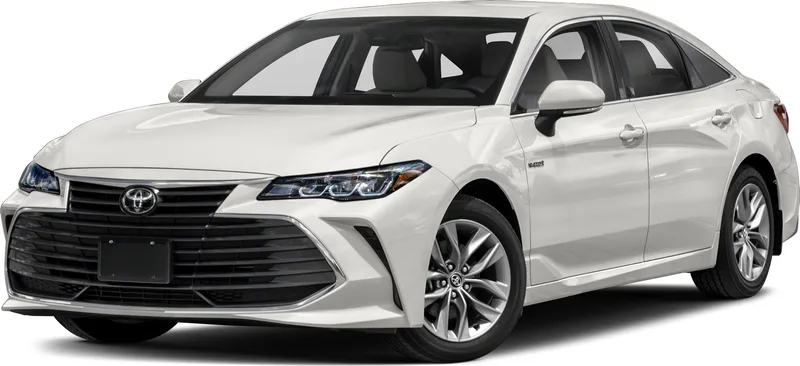
Toyota Avalon
Score: 80/100
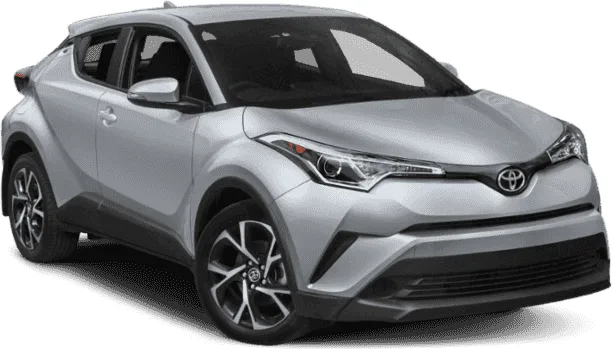
Toyota C-HR
Score: 80/100
Toyota Camry
Score: 88/100
Toyota Corolla Cross
Score: 94/100
Toyota Crown
Score: 88/100
Browse More 2020 Vehicles
2020 Lexus RX
Score: 86/100
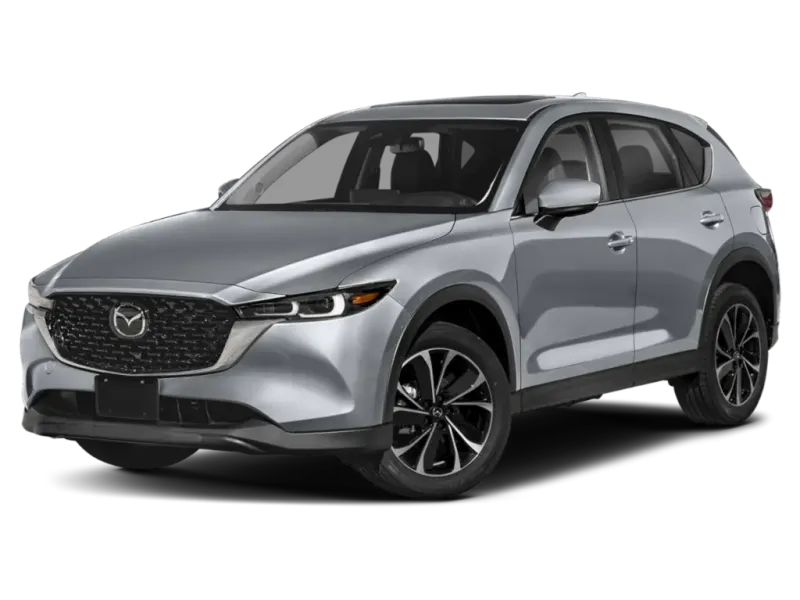
2020 Mazda CX-5
Score: 86/100
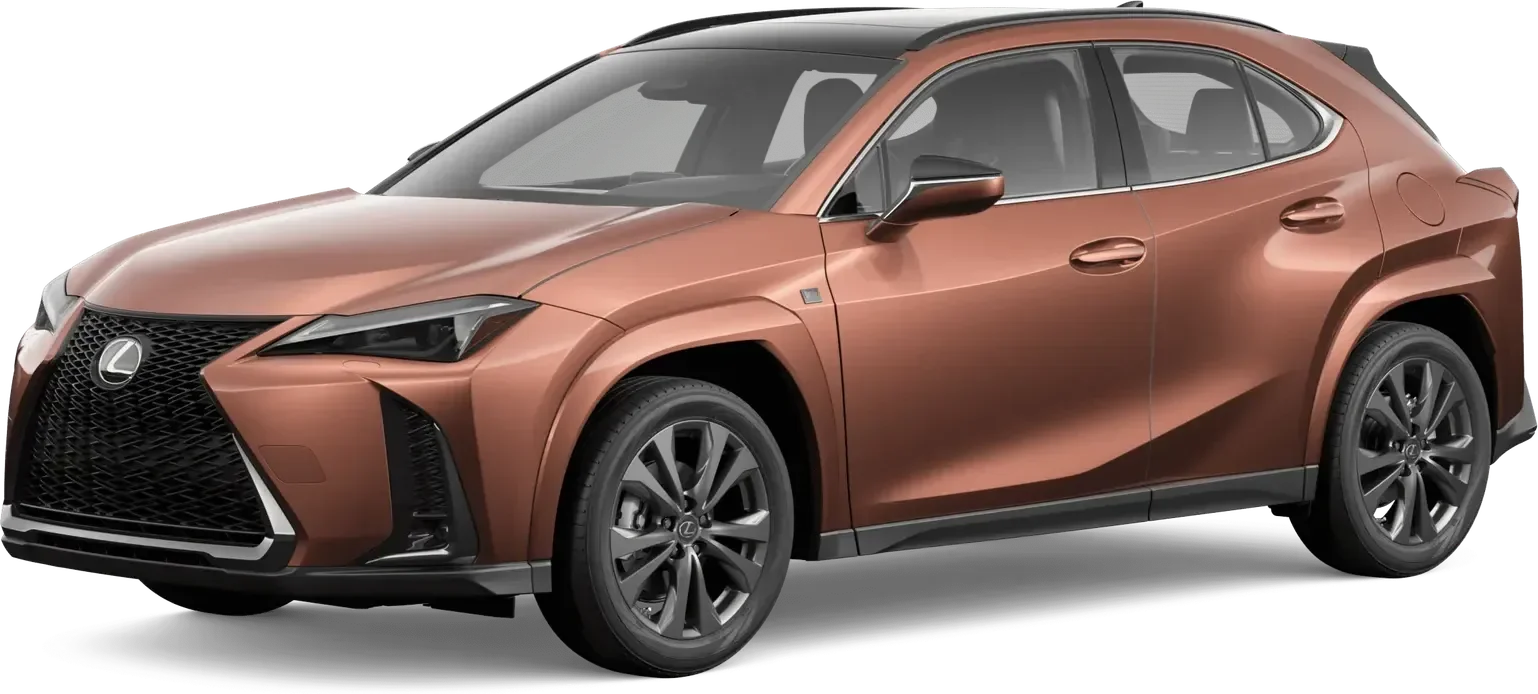
2020 Lexus UX
Score: 84/100
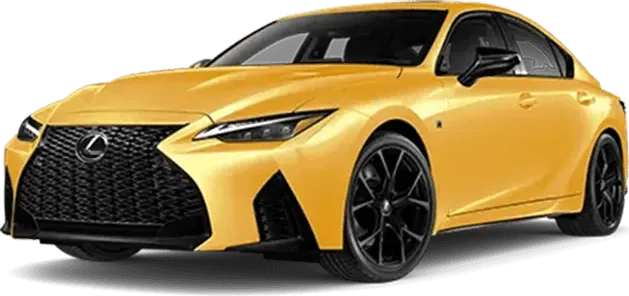
2020 Lexus IS
Score: 83/100
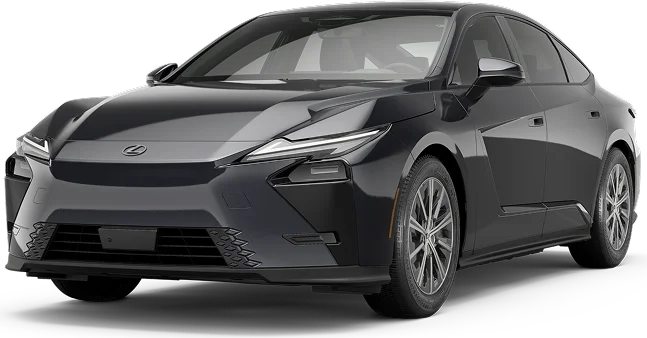
2020 Lexus ES
Score: 83/100
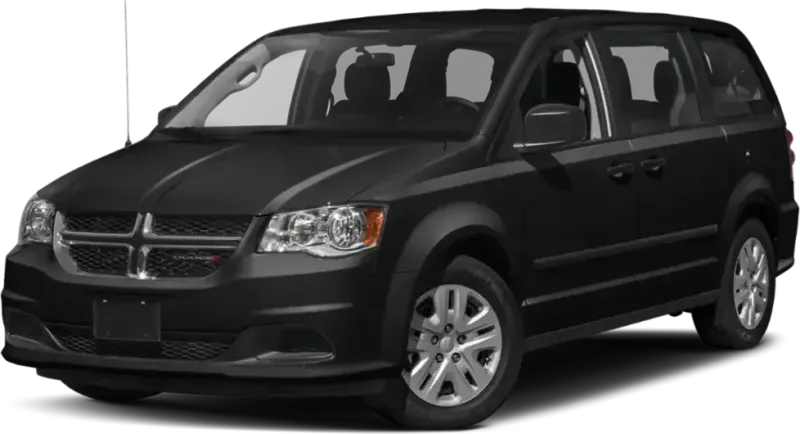
2020 Dodge Grand Caravan
Score: 83/100
See incorrect data? Report an issue