Last updated: 2026-10-10
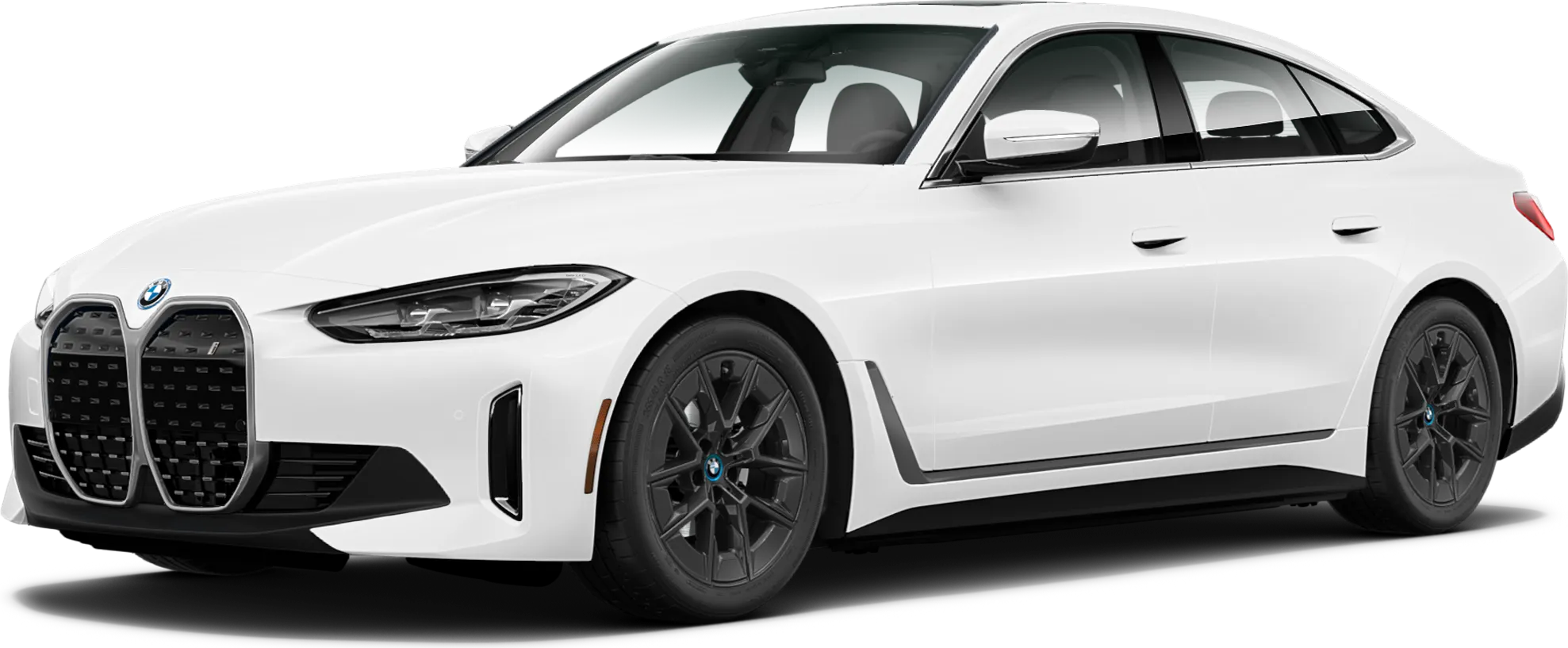
BMW i4 Years to Avoid
3 scored model years (2022–2024) · model average 74/100
No model year of the I4 is one to avoid. The 2022, 2023 and 2024 all rate good. What varies is recall count and complaint volume: 2022 has 8 recalls, 2023 has the most complaints, and 2024 has 3 recalls. Among the three, 2024 is the one to buy.
Verdict
- Avoid
- No outlier years
- Buy
- 2024 78/100
- Model average
- 74/100
What Are Common BMW i4 Problems?
POWER TRAIN
13 complaintsMost reported in 2023, 2024
2023: Propulsion cuts out suddenly.
UNKNOWN OR OTHER
13 complaintsMost reported in 2023, 2024
2023: Wireless CarPlay shows the wrong location.
ELECTRICAL SYSTEM
12 complaintsMost reported in 2023, 2022
2023: A "drivetrain malfunction" warning shuts the car down in most of these reports.
VEHICLE SPEED CONTROL
5 complaintsMost reported in 2024, 2023
2024: Unintended acceleration happens at low speed, usually while parking or pulling away from a stop.
SERVICE BRAKES
5 complaintsMost reported in 2023, 2024
2023: Pressing the brake pedal does not slow the car.
STEERING
3 complaintsMost reported in 2023
2023: Drive power and steering assist cut out together.
Best BMW i4 Year to Buy Instead
2024 BMW i4
Federal recall records show 3 recalls for 2024, against 8 for 2022 and 7 for 2023. Its 22 owner complaints are well below the 40 filed on 2023. It is not clean, though. Power train failures and sudden low-speed acceleration still appear in its complaints.
Found a Safe Year? Check the Specific Car
Even the 2024 BMW i4 has 3 recalls on file. A VIN check confirms the recall work on the exact car and shows its accident, title, and service history.
- Accidents
- Open Recalls
- Title History
- Odometer Rollback
All BMW i4 Years by Generation
BMW i4 Reliability Scores by Year
Frequently Asked Questions
Which BMW I4 years should I avoid?
Is the 2022 BMW I4 a good used car?
Is the 2023 BMW I4 worse than the 2024?
Which BMW I4 years have power train problems?
Does the 2024 BMW I4 avoid the problems of earlier years?
How we score every BMW i4 model year
Scores weight complaint severity at 35%, repair costs at 30%, recall impact at 20%, and the spread of complaints across systems at 15%, with complaint counts adjusted for US sales. Read the full methodology.
See incorrect data? Report an issue