Last updated: 2026-10-10
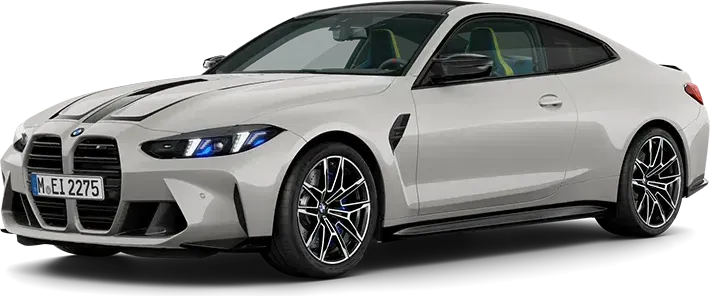
BMW 4 Series Years to Avoid
9 scored model years (2018–2026) · model average 60/100
Skip the 2020 model year. Owners report coolant leaks, a fire in one idling car, and months of waiting on a starter fire-risk repair with no parts or loaners. The 2024 is the better buy, with far fewer complaints per car sold.
Verdict
- Avoid
- 2020 52/100
- Buy
- 2024 66/100
- Model average
- 60/100
BMW 4 Series Years to Avoid
These model years score significantly below the BMW 4 Series average of 60/100.
| # | Year | Score | Rating | Recalls | Complaints | Top Issue |
|---|---|---|---|---|---|---|
| 1 | 2020 | 52/100 | Mixed | 34 | 66 | Electrical System (17) |
Why These Years Should Be Avoided
2020 BMW 4 Series
Coolant leaks lead the complaints. Dealers traced them to the heat management module, oil filter housing and hoses. Some owners lost coolant in seconds and needed a tow, and one car caught fire while idling and was totaled. Others say they waited months for parts on a starter fire-risk repair. Side-impact airbags failed to deploy in some serious crashes.
Top issues: Electrical System (17), Engine (10), Unknown Or Other (6), Air Bags (6), Structure (3), Visibility (2)
View full 2020reliability report →What Are Common BMW 4 Series Problems?
ELECTRICAL SYSTEM
84 complaintsMost reported in 2018, 2020, 2021
2018: Fire is the most serious risk here.
UNKNOWN OR OTHER
63 complaintsMost reported in 2019, 2018, 2023
2019: Sunroof glass shatters while driving with a bang owners compare to a gunshot, showering the cabin with glass and leaving some occupants cut.
AIR BAGS
63 complaintsMost reported in 2018, 2019, 2020
2018: A "Passenger Restraint System Malfunction" warning is the main pattern.
ENGINE
48 complaintsMost reported in 2018, 2020, 2019
2018: Sudden coolant loss dominates.
POWER TRAIN
33 complaintsMost reported in 2019, 2018, 2022
2019: A "Drivetrain Malfunction" warning cuts throttle response, sometimes repeatedly and at highway speed, leaving the driver without a working gas pedal.
SERVICE BRAKES
29 complaintsMost reported in 2023, 2021, 2019
2023: Brake assist fades, the pedal goes stiff or sinks halfway, and the car does not stop as expected.
Best BMW 4 Series Year to Buy Instead
2024 BMW 4 Series
The 2024 has been on the road long enough to judge, and its record is far cleaner than the 2020. It has fewer recalls, far fewer owner complaints, and a much lower complaint rate per car sold. Its main complaints are brakes and weak parking alerts, and two of the brake reports name the 760i instead.
Found a Safe Year? Check the Specific Car
Even the 2024 BMW 4 Series has 13 recalls on file. A VIN check confirms the recall work on the exact car and shows its accident, title, and service history.
- Accidents
- Open Recalls
- Title History
- Odometer Rollback
All BMW 4 Series Years by Generation
BMW 4 Series Reliability Scores by Year
First generation (F32/F33/F36) (2014–2020)
Second generation (G22/G23/G26) (2020–2023)
2022 BMW 4 Series
18 recalls · 36 complaints
2023 BMW 4 Series
26 recalls · 43 complaints
2021 BMW 4 Series
40 recalls · 64 complaints
2020 BMW 4 Series
34 recalls · 66 complaints
Frequently Asked Questions
Which BMW 4-Series years should I avoid?
What goes wrong with the 2020 BMW 4-Series?
Is the 2018 BMW 4-Series a bad year?
Is the 2025 BMW 4-Series the most reliable year?
What year should I buy instead of a 2020 BMW 4-Series?
How we score every BMW 4 Series model year
Scores weight complaint severity at 35%, repair costs at 30%, recall impact at 20%, and the spread of complaints across systems at 15%, with complaint counts adjusted for US sales. Read the full methodology.
See incorrect data? Report an issue