Last updated: 2026-10-10
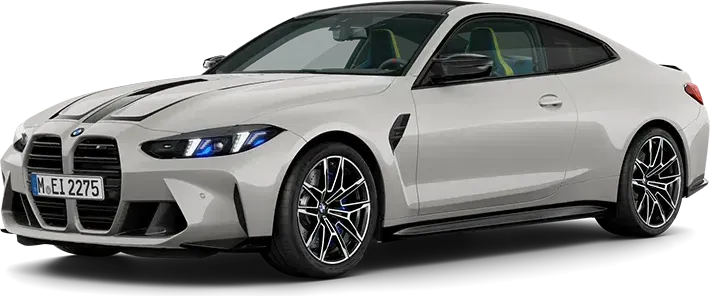
2019 BMW 4 Series Reliability Report
The 2019 BMW 4-Series has mixed reliability, well below other 2019 coupes, with coolant leaks, air bag warnings, and a park-outside fire recall.
Recalls
17
Complaints
90
Complaint Rate
48.3per 10,000 sold
Est. Repair Cost
$968
Annual Fuel Cost
$2,550–$3,650
Detailed Score Breakdown
Component-weighted complaints normalized by sales volume
Independent repair cost ratings
Recall count weighted by severity
Breadth of reported problem categories
The Verdict
Air bag warnings, coolant leaks, and a park-outside fire recall mark this weaker-than-most year, which has 17 recalls on file.
Top Issues to Watch
- ELECTRICAL SYSTEM (12)
- POWER TRAIN (12)
- AIR BAGS (11)
Generation & Refresh (US)
2019 is year 6 of the First generation (F32/F33/F36).
- Redesigned for the 2014 model year.
- Well-established in its generation — most early issues should be resolved.
- 1st generation 4 Series (US).
What this means for buyers
Well into the generation cycle — most design and manufacturing issues should be resolved by now.
2014: First generation (F32/F33/F36) Launch
Generation start — new platform.
2019: This Model Year
2019 is year 6 of the First generation (F32/F33/F36).
Should You Buy the 2019 BMW 4 Series?
Mixed is the fair verdict. This year sits well below other 2019 coupes and is among the weaker model years of the 4-Series. The 2018 rates about the same and the 2020 rates worse, so neither neighbor is a clear way out.
Owners filed 90 complaints, led by the electrical system, power train, air bags, and engine. The most common air bag complaint is a "Passenger restraint system malfunction" or "Air Bag Off" warning, and dealers say the bags may not deploy while it is lit. Coolant leaks lead to overheating, with problems reported at 35,000 to 40,000 miles. A "Drivetrain Malfunction" warning can cut throttle response at highway speed. Federal records list 17 recalls, one of them a park-outside recall for fire risk.
Ask for proof that every recall was completed, the fire-risk one first. Ask whether the cooling system, water pump, and oil filter housing have been repaired, and whether any air bag warning was ever diagnosed.
Compared to the 2020 BMW 4 Series, which scored 3 points lower. See also the 2018 BMW 4 Series for an earlier comparison.
Pros
- +Well-established generation
Cons
- −Below-average reliability score
- −Above-average recall count
- −Above-average complaint rate for Coupe
- −UNKNOWN OR OTHER issues reported (17 complaints)
- −5 fire incidents reported in owner complaints
- −Safety recall: park-outside advisory issued
Compare 2019 BMW 4 Series With
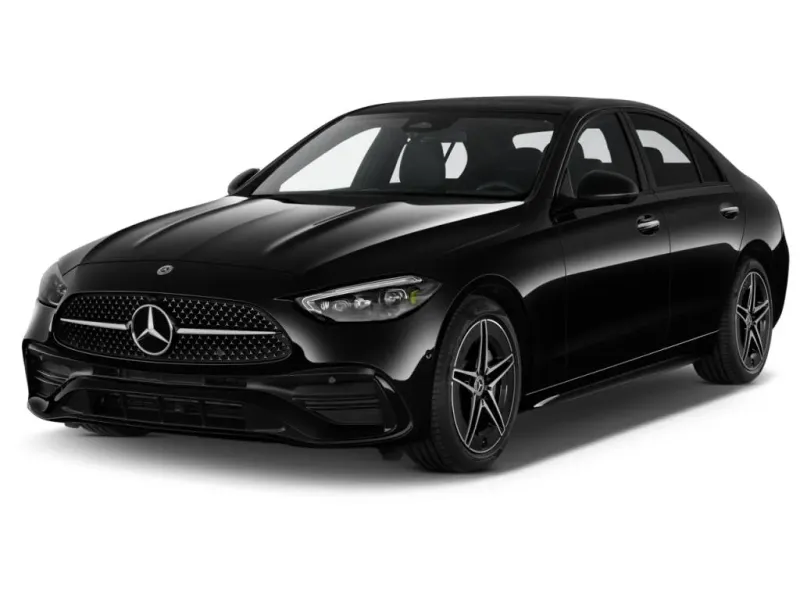
2019 Mercedes-Benz C-Class
Reliability: 50/100
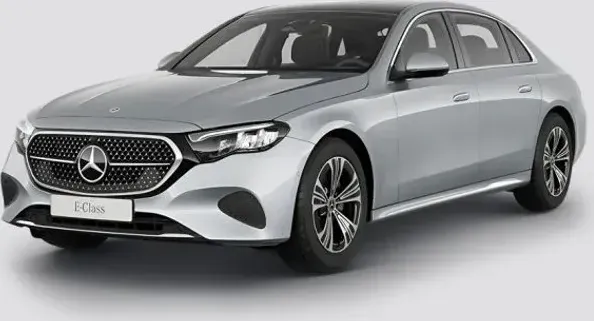
2019 Mercedes-Benz E-Class
Reliability: 54/100
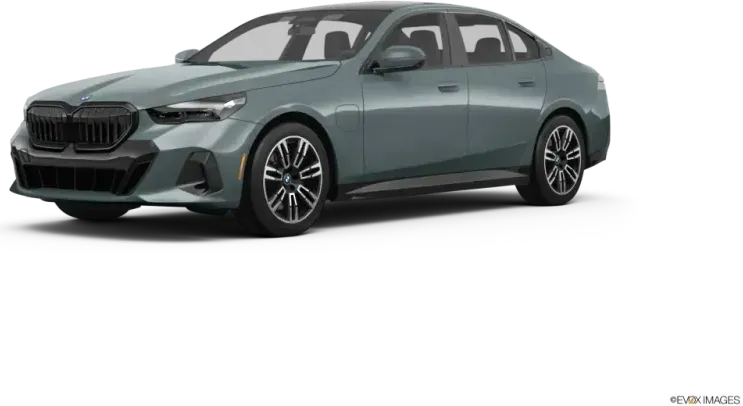
2019 BMW 5 Series
Reliability: 62/100

2019 Chevrolet Camaro
Reliability: 74/100
Common Problem Categories
Safety
LOW RISK- 17 manufacturer recalls issued
Other
HIGH RISK- UNKNOWN OR OTHER (17)
- ELECTRICAL SYSTEM (12)
Recall Overview
17
recalls on record
The 2019 BMW 4 Series has 17 recalls on record, which is above average. A high count can flag multiple component concerns, though it also shows the manufacturer is actively addressing known issues.
NHTSA.gov →Complaint Breakdown
48.3
per 10,000 soldSegment avg: 10.1
Safety Incidents
10
Crashes
5
Fires
13
Injuries
0
Deaths
Data sourced from NHTSA complaint filings and manufacturer recall notices. Complaint narratives are owner-reported.
2019 BMW 4 Series Recall Details
17 recalls have been issued for the 2019 BMW 4 Series. All recall repairs are performed free of charge at authorized dealerships.
ELECTRICAL SYSTEM
BMW of North America, LLC (BMW) is recalling certain 2019-2021 BMW 330i, 2019-2022 BMW Z4, 2020-2022 BMW 530i, X3, X4, Toyota Supra, 2021-2022 BMW 430i, 430i Convertible, and 2022 BMW 230i vehicles. The engine starter relay may corrode, causing the relay to overheat and short circuit.
Consequence
A short circuit in the starter relay may increase the risk of a fire.
Remedy
Owners are advised to park their vehicles outside and away from structures until the remedy is complete. Dealers will replace the engine starter, free of charge. Owner notification letters were mailed February 6, 2026. Owners may contact BMW customer service at 1-800-525-7417. Vehicle Identification Numbers (VINs) involved in this recall will be searchable on NHTSA.gov beginning November 14, 2025.
SEAT BELTS, ELECTRICAL SYSTEM
BMW of North America, LLC (BMW) is recalling certain 2019-2022 330i, 330i xDrive, M340i, 2022 430i Coupe, 2021-2022 430i, M440i Convertible, and 2020-2022 228i xDrive Gran Coupe vehicles. The receiver audio module control unit software may fail to properly generate audible seat belt warnings to the driver to fasten their seat belt. As such, these vehicles fail to comply with the requirements of Federal Motor Vehicle Safety Standard number 208, "Occupant Crash Protection."
Consequence
An audible chime that does not properly alert the driver to fasten their seat belt increases the risk of injury in a crash.
Remedy
Dealers will update the receiver audio module software, free of charge. Owner notification letters were mailed October 12, 2023. Owners may contact BMW customer service at 1-800-525-7417.
SEATS
BMW of North America, LLC (BMW) is recalling certain 2019-2021 330i, 330i xDrive, M340i xDrive, 2020-2021 X3 sDrive30i, X3 xDrive30i, X3 M40i, X3M, 2021 X3 xDrive30e, X4 xDrive30i, and X4M vehicles. The seat frame may not have been welded properly to the seat rails.
Consequence
An improperly welded seat frame may not properly restrain the occupant during a crash, increasing the risk of injury.
Remedy
Dealers will replace the seat frame and back rest, free of charge. Owner notification letters were mailed May 22, 2023. Owners may contact BMW customer service at 1-800-525-7417.
Showing 10 of 12 recalls. View all on NHTSA.gov →
Buying a used 2019 BMW 4 Series? Check its history first
Electrical system problems lead owner complaints about the 2019 BMW 4 Series, and 17 recalls were issued for it. A VIN check shows whether this car's recall work was done, plus accident, title, and odometer history.
- Accidents
- Open Recalls
- Title History
- Odometer Rollback
2019 BMW 4 Series NHTSA Safety Ratings
Crash Test Results by Configuration (expand)
Gas Powertrain
Rollover risk: 0.0%
Safety Technologies
BMW 4 SeriesRepair Costs & Maintenance
Maintenance Rating
3Maintenance rating: 3 out of 5Based on NHTSA complaint patterns, recall severity, and publicly available cost benchmarks.
Est. Annual Maintenance
$968
Category-level averages derived from publicly available industry reports (AAA, CarMD). Model-level estimates produced by Auto Reliability Index.
2019 BMW 4 Series Example Repair Prices
National average price ranges for common repairs. These are not model-year-specific failure predictions.
| Repair | Estimated Cost |
|---|---|
| Headlamp Switch Replacement | $295 – $338 |
| Engine Oil Level Sensor Replacement | $345 – $561 |
| Air Conditioning Expansion Valve Replacement | $641 – $949 |
| Wheel Bearing Replacement | $783 – $1,140 |
| Tire Rotation | $61 – $90 |
| Timing Chain Replacement | $4,812 – $6,790 |
| Engine Leak Inspection | $153 – $224 |
| Windshield Wiper Blade Replacement | $122 – $143 |
| Timing Chain Tensioner Replacement | $333 – $390 |
| Battery Replacement | $753 – $846 |
Estimates based on national average repair costs. Actual costs may vary by location and shop.
MPG & Annual Running Costs
Gas
19–27 MPG
Running cost: $3,500–$4,600/yr
Fuel + repair
16–24 city / 22–34 hwy MPG
Running cost includes EPA fuel-cost estimate and independent repair-cost data (repair cost estimated at model level). Excludes routine maintenance, depreciation, and insurance. Data as of 2019 EPA label cycle.
Gas trims
| Trim | Drive | Trans. | City | Hwy | Comb | Fuel Cost |
|---|---|---|---|---|---|---|
| 430i Convertible 2.0L 4-cyl | Rear-Wheel Drive | Automatic (S8) | 24 | 34 | 27 | $2,550 |
| 430i Coupe 2.0L 4-cyl | Rear-Wheel Drive | Automatic (S8) | 24 | 34 | 27 | $2,550 |
| 430i Gran Coupe 2.0L 4-cyl | Rear-Wheel Drive | Automatic (S8) | 24 | 34 | 27 | $2,550 |
| 430i xDrive Coupe 2.0L 4-cyl | All-Wheel Drive | Automatic (S8) | 23 | 33 | 27 | $2,550 |
| 430i xDrive Gran Coupe 2.0L 4-cyl | All-Wheel Drive | Automatic (S8) | 23 | 33 | 27 | $2,550 |
| 430i xDrive Convertible 2.0L 4-cyl | All-Wheel Drive | Automatic (S8) | 22 | 32 | 26 | $2,650 |
| 430i Coupe 2.0L 4-cyl | Rear-Wheel Drive | Manual 6-spd | 21 | 33 | 25 | $2,750 |
| M4 Convertible 3.0L 6-cyl | Rear-Wheel Drive | Manual 6-spd | 17 | 25 | 20 | $3,450 |
| M4 Convertible Competition 3.0L 6-cyl | Rear-Wheel Drive | Manual 6-spd | 17 | 25 | 20 | $3,450 |
| M4 Coupe 3.0L 6-cyl | Rear-Wheel Drive | Manual 6-spd | 18 | 25 | 20 | $3,450 |
| M4 Coupe Competition 3.0L 6-cyl | Rear-Wheel Drive | Manual 6-spd | 18 | 25 | 20 | $3,450 |
| M4 Convertible 3.0L 6-cyl | Rear-Wheel Drive | Automatic (AM-S7) | 16 | 22 | 19 | $3,650 |
| M4 Convertible Competition 3.0L 6-cyl | Rear-Wheel Drive | Automatic (AM-S7) | 16 | 22 | 19 | $3,650 |
| M4 Coupe 3.0L 6-cyl | Rear-Wheel Drive | Automatic (AM-S7) | 17 | 23 | 19 | $3,650 |
| M4 Coupe Competition 3.0L 6-cyl | Rear-Wheel Drive | Automatic (AM-S7) | 17 | 23 | 19 | $3,650 |
| M4 CS 3.0L 6-cyl | Rear-Wheel Drive | Automatic (AM-S7) | 17 | 23 | 19 | $3,650 |
Used Buying Checklist
Key things to inspect or verify before purchasing a 2019 BMW 4 Series.
Run the VIN for open recalls and get dealer records proving recall work was completed.
Check the sunroof glass for cracks and ask whether it has ever shattered or been replaced.
Open the hood and look for dried coolant residue, coolant smell, or oil seeping around the oil filter housing.
Start the car and watch for passenger restraint malfunction or Air Bag Off warnings with someone in the passenger seat.
Inspect both headlights for fogging, droplets, or pooled water, ideally after rain or a car wash.
Run the A/C for several minutes and check for a vinegar or mildew smell from the vents.
Drive at highway speed and watch for Drivetrain Malfunction messages, sudden slowing, or false automatic braking.
Confirm no SOS or emergency call warning shows on the instrument cluster after startup.
2019 BMW 4 Series Common Problems by Component
90 owner complaints grouped by vehicle system.
UNKNOWN OR OTHER
17 complaintsSafety-relatedSunroof glass shatters while driving with a bang owners compare to a gunshot, showering the cabin with glass and leaving some occupants cut. A parked car with the ignition off catching fire is also reported. Other filings describe a vinegar or mildew smell from the A/C, refrigerant leaking from the evaporator core, active grille flaps stuck closed with a check engine light, recurring coolant leaks, over-the-air updates that download but never install, and sudden stops with false obstruction warnings. Shutting the engine off in Neutral leaves the car out of Park, so it can roll away.
ELECTRICAL SYSTEM
12 complaintsSafety-relatedParked cars catch fire, and the most serious reports also describe sudden acceleration while parked and idling, ending in crashes with injuries. Several filings are about waiting on a recall repair whose part is not yet available. Other failures include an SOS emergency call fault that also knocks out navigation, the clock, and fuel displays, and an instrument panel that goes black at highway speed, taking the speedometer with it. Dealers sometimes find nothing wrong. A report of the engine staying on after the fob was removed involves carbon monoxide filling a closed garage.
POWER TRAIN
12 complaintsA "Drivetrain Malfunction" warning cuts throttle response, sometimes repeatedly and at highway speed, leaving the driver without a working gas pedal. Owners also describe a coolant leak from the heat management module and an oil leak from the oil filter housing around 40,000 miles, and a crankshaft vibration damper failing with a loud pop. Starter bolts backing out can crack the transmission case. Other reports include the car lunging forward after a stop, rolling while parked, shudder under acceleration, and rodent-chewed wiring. Dealers often cannot reproduce the lunging and shifting complaints.
AIR BAGS (11 complaints)
AIR BAGS
11 complaintsSafety-relatedA "Passenger restraint system malfunction" or "Air Bag Off" warning is the dominant complaint, sometimes traced to the seat occupancy sensor. Dealers say the air bags may not deploy while the warning is on. Repairs have included a new seat and mat, a knee air bag wiring harness, or the air bag control unit, and owners say dealers often refuse to cover the work under warranty. Crash reports describe air bags failing to deploy, frontal bags staying off when side bags fired, and facial cuts from a deploying bag.
ENGINE (9 complaints)
ENGINE
9 complaintsSafety-relatedCoolant leaks lead to overheating, low-coolant warnings, and in some cases limited speed or a stall in traffic. Reported sources include leaking water pump seals, plastic hoses and fittings, a coolant vent line, and a cracked oil filter housing that later triggers low oil warnings. One plastic-part failure came at 35,000 miles. A failed pressure control valve causes a loud high-pitched noise and white exhaust smoke, with stalling and jerking afterward. One car caught fire under the hood at 15 mph with only 4,500 miles, cause undetermined. Excessive oil consumption also appears.
SERVICE BRAKES (5 complaints)
SERVICE BRAKES
5 complaintsSafety-relatedThe brakes fail to stop the car, and three of these reports end in crashes. Emergency brake assist sometimes takes no action before a low-speed collision. Elsewhere it slams on without cause, sometimes after a loud screeching alarm, then fails to react when the car approaches obstacles. One brake failure came with an Electronic Stability Control malfunction message and an abnormal noise. Another describes the engine racing to full RPM while the brakes were fully applied. Dealers have not pinned down a cause in these cases.
EXTERIOR LIGHTING (5 complaints)
EXTERIOR LIGHTING
5 complaintsCondensation and pooled water build up inside the headlights after rain or in cold weather, dimming the light and throwing the beam off angle. Owners say dealers call it a known issue but decline warranty coverage, and one replacement quote reached 4.5K. A second problem is the daytime running light module overheating and melting the light tube. The tube is sold only as part of the full assembly, quoted at $4000-6000 per side, and the failure can fail a state inspection.
VEHICLE SPEED CONTROL (3 complaints)
VEHICLE SPEED CONTROL
3 complaintsAt highway speed the car slows sharply on its own, dropping from 60-65 to 35-40 mph in one case, and the accelerator stops responding. Drivers describe coasting through traffic with nowhere to pull over and no warning light. A separate report describes the screen blacking out at startup and the car then accelerating without pedal input, more than once. Dealer tests have not found the cause, so these remain intermittent, unresolved loss-of-control events.
STEERING (3 complaints)
STEERING
3 complaintsPower steering assist cuts out at startup, triggering DSC and steering lights, an increased steering effort warning, and a cascade of disabled driver aids. Other reports describe the steering wheel locking and the car veering toward oncoming traffic, even after a dealer visit. There is also a report of the car dying on a busy road, which the owner tied to a service action they were never notified about. The locking and stalling reports both carry a real loss-of-control risk in traffic.
VISIBILITY (2 complaints)
VISIBILITY
2 complaintsSunroof glass blows outward while driving at about 45 mph, spraying sharp shards over everyone inside and leaving minor cuts. In that report no rock or debris was seen hitting the car, and the outside temperature was well below freezing. The other complaint is a rear-view mirror breaking loose at speed and striking the passenger window at about 23,000 miles. Neither failure gave any warning sign beforehand.
When Do 2019 BMW 4 Series Problems Start?
Based on owner complaint patterns, here's when common issues tend to appear.
Best & Worst BMW 4 Series Years
Best BMW 4 Series Years to Buy
Based on reliability index scoreBMW 4 Series Years to Avoid
BMW 4 Series Reliability Score Trend
Scores 0–100. Higher is better. Current year highlighted.
| Year | Score | Rating |
|---|---|---|
| 2018 | 54/100 | Mixed |
| 2019 | 55/100 | Mixed |
| 2020 | 52/100 | Mixed |
| 2021 | 57/100 | Mixed |
| 2022 | 66/100 | Good |
| 2023 | 63/100 | Good |
| 2024 | 66/100 | Good |
| 2025 | 67/100 | Good |
| 2026 | 64/100 | Good |
BMW 4 Series Reliability Compared to Other Years
2019 BMW 4 Series Common Questions
10 questions from 2019 BMW 4 Series owners.
Ignition trouble
If i replace the ignition switch does that include the cylinder tumbler in it,it was thought possibly the cylinder tumbler might need replacing since key will only turn just a little A few days
When turning key car wont start or click on solenoid.
1996 BMW Z3. Is there a relay that controls the starter? all fuses are fine. I replaced the starter and car still wont start or click! Car won't start More than a week
Crank no start
I started my car the other morning and it was about 29° outside. When I started it there was a loud pop under the hood. The car kept running so I drove it about 40 miles. Later that afternoon I went to leave and it would crank but no start I went and bought a battery and it started so I went back home. It's been 3 weeks and it still won't start. Now it's a slow rough crank with no start More than a week
2006 BMW X3 3.0i Coolant leak
Coolant leak-even when car is not running. Have replaced the coolant reservoir, the mounting plate for the reservoir and radiator, the heater control valve and the oil cooler have been replaced. It’s still just dousing the coolant out. Not a drop leak more consistent stream. I’m at a loss for what to do. Leaks regardless of engine on or off A few days
Oil leaking
When driving car smokes on and off I was told it could be valve cover gasket it gas been sitting for 2 months and now is hard to start More than a month
Frequently Asked Questions
Is the 2019 BMW 4-Series reliable?
What are the most common problems with the 2019 BMW 4-Series?
Does the 2019 BMW 4-Series have air bag problems?
Does the 2019 BMW 4-Series have coolant leak problems?
Is the 2019 BMW 4-Series better than the 2018 or 2020?
Don’t buy a 2019 BMW 4 Series without checking its VIN first — hidden accidents, title issues, and open recalls could cost you thousands.
How we score the 2019 BMW 4 Series
Of the four inputs behind this score, the 2019 BMW 4 Series does best on how many systems draw complaints (76/100) and worst on complaint severity (44/100). Scores weight complaint severity at 35%, repair costs at 30%, recall impact at 20%, and the spread of complaints across systems at 15%, with complaint counts adjusted for US sales. Read the full methodology.
Get notified when new recalls or reliability data is added for the BMW 4 Series.
No spam. Only data updates for this model.
Browse More BMW Models
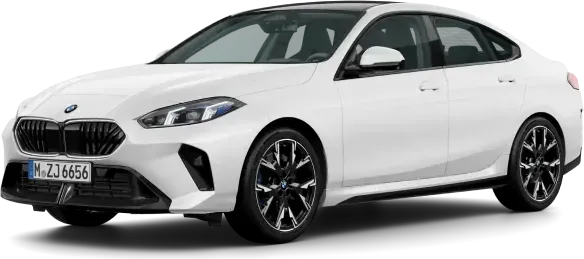
BMW 2 Series
Score: 70/100

BMW 3 Series
Score: 76/100
BMW 5 Series
Score: 71/100
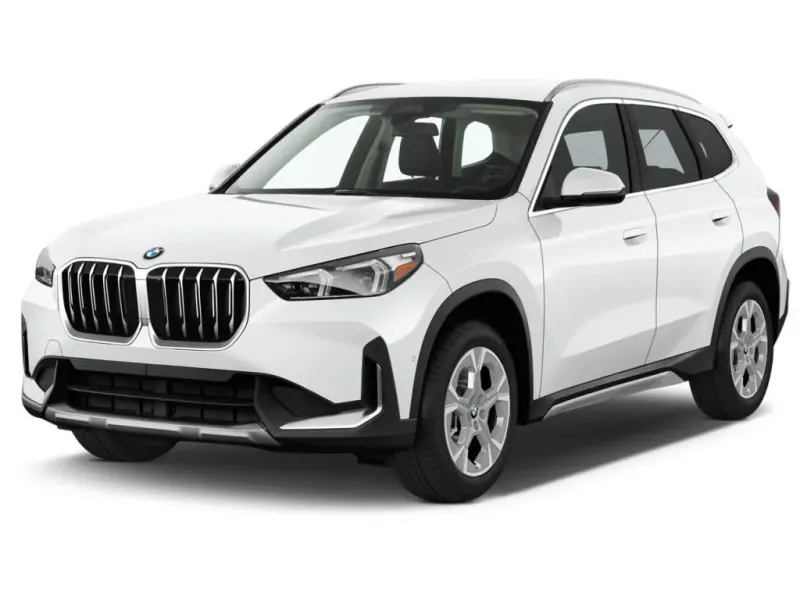
BMW X1
Score: 74/100

BMW X3
Score: 65/100
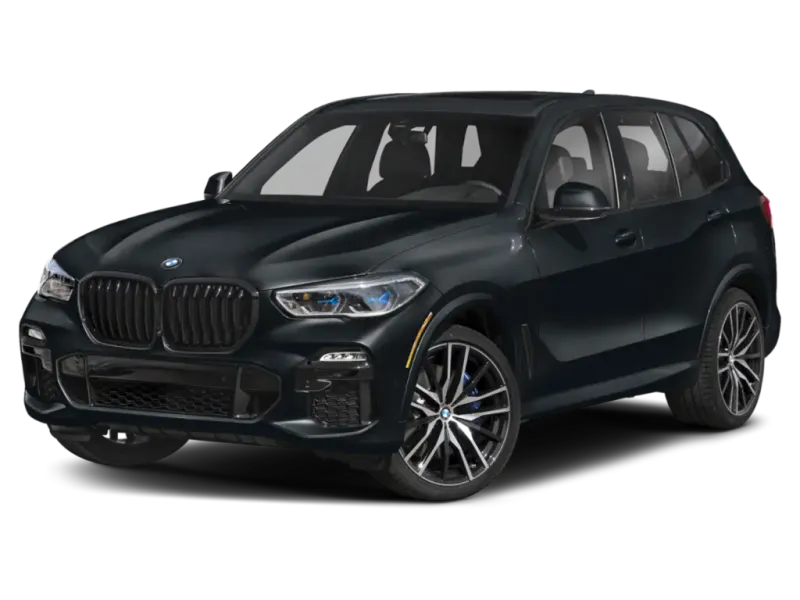
BMW X5
Score: 56/100
Browse More 2019 Vehicles
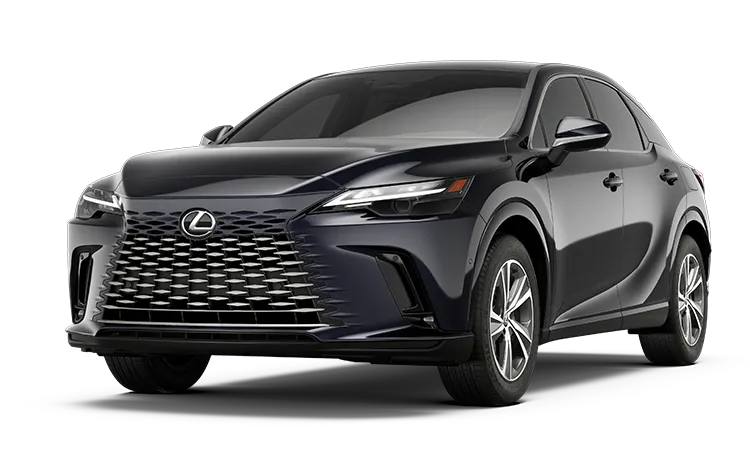
2019 Lexus RX
Score: 82/100
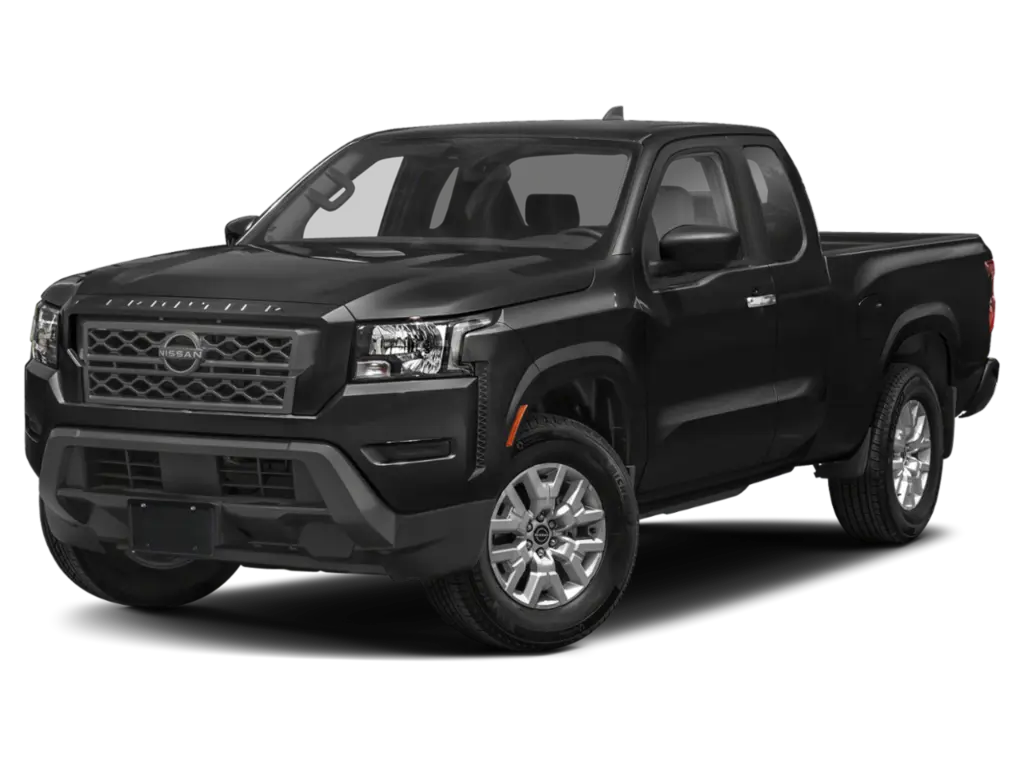
2019 Nissan Frontier
Score: 80/100

2019 Kia Sedona
Score: 80/100

2019 Lexus IS
Score: 79/100
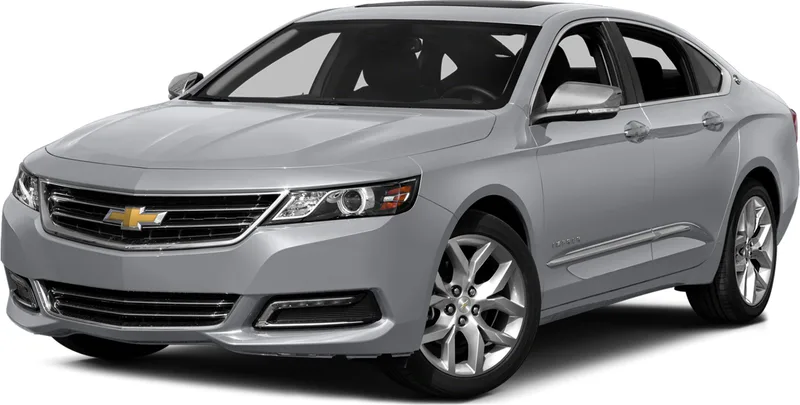
2019 Chevrolet Impala
Score: 79/100
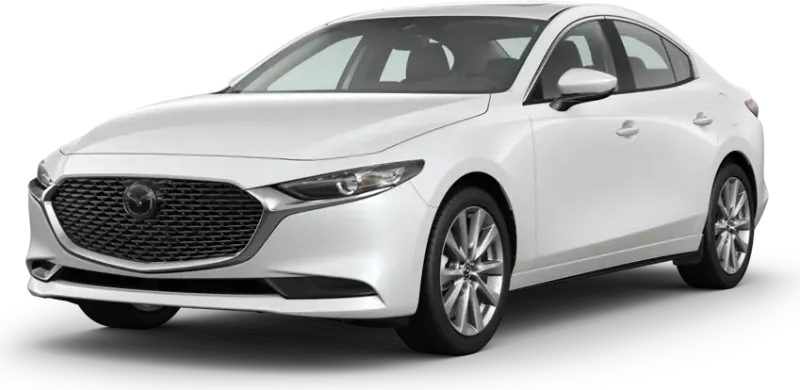
2019 Mazda 3
Score: 78/100
See incorrect data? Report an issue