Last updated: 2026-10-10
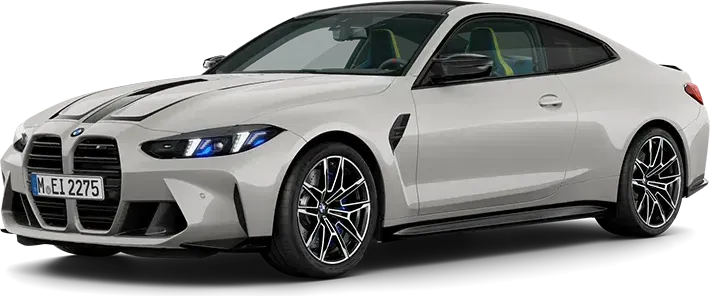
2018 BMW 4 Series Reliability Report
The 2018 BMW 4-Series rates well below other 2018 coupes, with false airbag warnings and sudden coolant loss as the main problems.
Recalls
21
Complaints
261
Complaint Rate
83.2per 10,000 sold
Est. Repair Cost
$968
Annual Fuel Cost
$2,550–$3,650
Detailed Score Breakdown
Component-weighted complaints normalized by sales volume
Independent repair cost ratings
Recall count weighted by severity
Breadth of reported problem categories
The Verdict
Weaker than most 4-Series years, with false airbag warnings from a failing seat sensor mat and coolant leaks that can bring overheating and limp mode.
Top Issues to Watch
- AIR BAGS (38)
- ELECTRICAL SYSTEM (26)
- ENGINE (25)
Generation & Refresh (US)
2018 is year 5 of the First generation (F32/F33/F36).
- Redesigned for the 2014 model year.
- Well-established in its generation — most early issues should be resolved.
- 1st generation 4 Series (US).
What this means for buyers
Well into the generation cycle — most design and manufacturing issues should be resolved by now.
2014: First generation (F32/F33/F36) Launch
Generation start — new platform.
2018: This Model Year
2018 is year 5 of the First generation (F32/F33/F36).
Should You Buy the 2018 BMW 4 Series?
Buy with caution. Owner complaints and independent repair-cost data put this year well below average among 2018 coupes and among the weaker 4-Series years. Its overall standing is mixed. It does earn the top federal crash-test rating. The 2019 rates about the same, so switching years does not clearly help.
The most common complaint is a "Passenger Restraint System Malfunction" warning. The airbag light and seat belt chime come on for an empty seat, and dealers trace it to a failed seat occupancy sensor mat, with quotes above two thousand dollars. The costlier risk is coolant loss. A cracked oil filter housing can dump coolant, and the low coolant warning may come only when the tank is nearly empty. Failures cluster around 49,000 to 53,000 miles, followed by overheating and limp mode. Some owners also report engine-bay fires, and federal records list 21 recalls.
Ask for service records on the oil filter housing, hoses, and coolant pump, and check the VIN for open recalls.
Compared to the 2019 BMW 4 Series, which scored 1 points higher.
Pros
- +5-star NHTSA crash rating
- +Well-established generation
Cons
- −Below-average reliability score
- −Above-average recall count
- −Above-average complaint rate for Coupe
- −AIR BAGS: "Passenger Restraint System Malfunction" warning is the main pattern (38 complaints)
- −6 fire incidents reported in owner complaints
Compare 2018 BMW 4 Series With
2018 Mercedes-Benz C-Class
Reliability: 51/100
2018 Mercedes-Benz E-Class
Reliability: 55/100
2018 BMW 5 Series
Reliability: 59/100
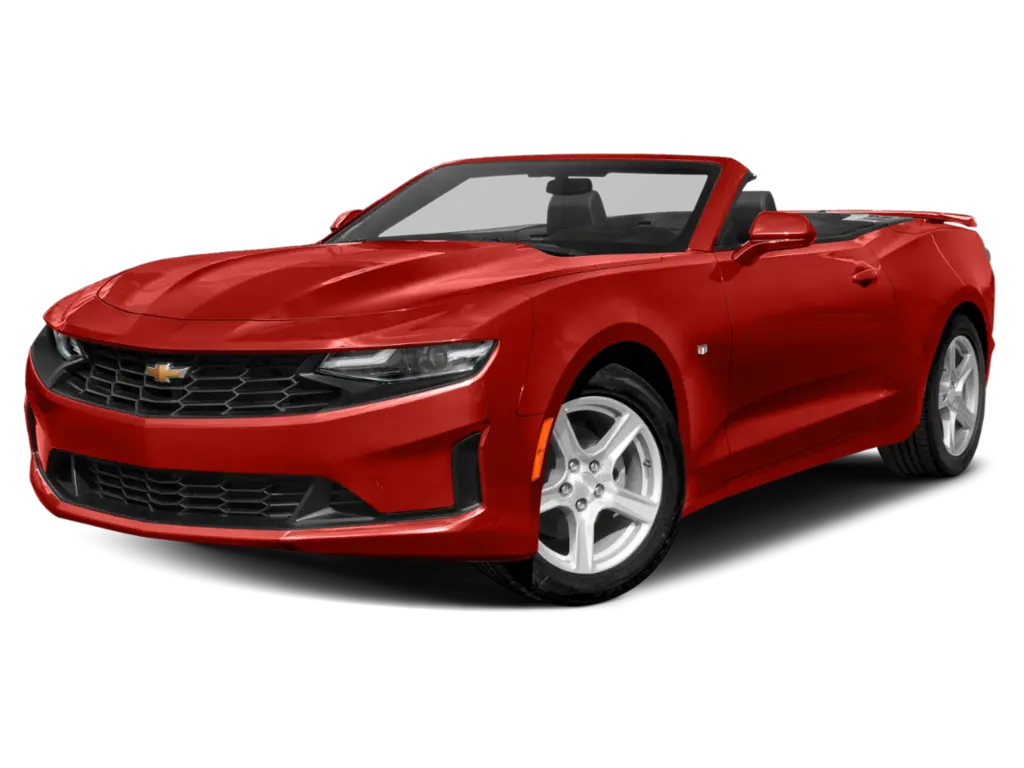
2018 Chevrolet Camaro
Reliability: 71/100
Common Problem Categories
Safety
LOW RISK- 21 manufacturer recalls issued
Other
HIGH RISK- AIR BAGS (38)
- ELECTRICAL SYSTEM (26)
Recall Overview
21
recalls on record
The 2018 BMW 4 Series has 21 recalls on record, which is above average. A high count can flag multiple component concerns, though it also shows the manufacturer is actively addressing known issues.
NHTSA.gov →Complaint Breakdown
83.2
per 10,000 soldSegment avg: 16.9
Safety Incidents
21
Crashes
6
Fires
23
Injuries
0
Deaths
NHTSA 5/5 Stars
Data sourced from NHTSA complaint filings and manufacturer recall notices. Complaint narratives are owner-reported.
2018 BMW 4 Series Recall Details
21 recalls have been issued for the 2018 BMW 4 Series. All recall repairs are performed free of charge at authorized dealerships.
FUEL SYSTEM, DIESEL
BMW of North America, LLC (BMW) is recalling certain 2013-2018 328d, 328d xDrive, 2014-2018 328d Sports Wagon, 328d xDrive Sports Wagon, 2014-2016 535d, 535d xDrive, 2015 740Ld xDrive, 2015-2017 X3 xDrive28d SAV, and 2014-2017 X5 xDrive35d SAV diesel vehicles equipped with an Exhaust Gas Recirculation (EGR) module with an integrated cooler. The EGR cooler may leak internally, causing coolant to mix with diesel engine soot, which could result in smoldering particles and a melting intake manifold.
Consequence
A melting intake manifold increases the risk of a fire.
Remedy
Dealers will replace the EGR cooler and inspect the intake manifold, replacing it as necessary, free of charge. This recall includes all vehicles previously recalled under 18V-755. Vehicles previously recalled under 18V-755 will need to have the new remedy performed for this recall. An interim owner notification letter was mailed on January 18, 2022. The remedy is expected to be available in June 2022. Owner notification letters were mailed on July 6, 2022. Owners may contact BMW customer service at 1-800-525-7417.
FUEL SYSTEM, DIESEL
BMW of North America, LLC (BMW) is recalling certain 2014-2018 328d, 328d xDrive, X5 xDrive35d, 2014-2016 535d, 535d xDrive, 2015 740Ld xDrive, and 2015-2017 X3 xDrive28d vehicles. The high-pressure fuel pump may fail.
Consequence
Fuel pump failure can cause an engine stall while driving, increasing the risk of a crash.
Remedy
Dealers will replace the high-pressure fuel pump, free of charge. Owner notification letters were mailed on January 14, 2022. Owners may contact BMW customer service at 1-800-525-7417.
ENGINE AND ENGINE COOLING
BMW of North America, LLC (BMW) is recalling certain 2013-2018 BMW 328d and 328d xDrive, 2014-2018 328d Sports Wagon and 328d xDrive Sports Wagon, 2014-2016 535d and 535d xDrive, 2015 740Ld xDrive, 2015-2017 X3 xDrive28d SAV and 2014-2017 X5 xDrive35d SAV vehicles equipped with an Exhaust Gas Recirculation (EGR) module with an integrated cooler. If the EGR cooler leaks internally, the coolant can mix with diesel engine soot. The high EGR temperatures may result in these particles possibly smoldering and melting the intake manifold.
Consequence
The melting intake manifold can increase the risk of a fire.
Remedy
BMW will notify owners, and dealers will inspect and replace the EGR cooler as necessary. If a leak has already occurred, the engine intake manifold will also be replaced. These repairs will be made free of charge. The recall began May 13, 2019. Owners may contact BMW customer service at 1-800-525-7417.
Buying a used 2018 BMW 4 Series? Check its history first
Air bags problems lead owner complaints about the 2018 BMW 4 Series, and 21 recalls were issued for it. A VIN check shows whether this car's recall work was done, plus accident, title, and odometer history.
- Accidents
- Open Recalls
- Title History
- Odometer Rollback
2018 BMW 4 Series NHTSA Safety Ratings
Overall Safety Rating
Crash Test Results by Configuration (expand)
Gas Powertrain
Rollover risk: 0.0%
Safety Technologies
Gas / PHEV Powertrain
Rollover risk: 9.5%
Safety Technologies
PHEV Powertrain
Rollover risk: 0.0%
Safety Technologies
BMW 4 SeriesRepair Costs & Maintenance
Maintenance Rating
3Maintenance rating: 3 out of 5Based on NHTSA complaint patterns, recall severity, and publicly available cost benchmarks.
Est. Annual Maintenance
$968
Category-level averages derived from publicly available industry reports (AAA, CarMD). Model-level estimates produced by Auto Reliability Index.
2018 BMW 4 Series Example Repair Prices
National average price ranges for common repairs. These are not model-year-specific failure predictions.
| Repair | Estimated Cost |
|---|---|
| Headlamp Switch Replacement | $295 – $338 |
| Engine Oil Level Sensor Replacement | $345 – $561 |
| Air Conditioning Expansion Valve Replacement | $641 – $949 |
| Wheel Bearing Replacement | $783 – $1,140 |
| Tire Rotation | $61 – $90 |
| Timing Chain Replacement | $4,812 – $6,790 |
| Engine Leak Inspection | $153 – $224 |
| Windshield Wiper Blade Replacement | $122 – $143 |
| Timing Chain Tensioner Replacement | $333 – $390 |
| Battery Replacement | $753 – $846 |
Estimates based on national average repair costs. Actual costs may vary by location and shop.
MPG & Annual Running Costs
Gas
19–27 MPG
Running cost: $3,500–$4,600/yr
Fuel + repair
16–24 city / 22–34 hwy MPG
Running cost includes EPA fuel-cost estimate and independent repair-cost data (repair cost estimated at model level). Excludes routine maintenance, depreciation, and insurance. Data as of 2018 EPA label cycle.
Gas trims
| Trim | Drive | Trans. | City | Hwy | Comb | Fuel Cost |
|---|---|---|---|---|---|---|
| 430i Convertible 2.0L 4-cyl | Rear-Wheel Drive | Automatic (S8) | 24 | 34 | 27 | $2,550 |
| 430i Coupe 2.0L 4-cyl | Rear-Wheel Drive | Automatic (S8) | 24 | 34 | 27 | $2,550 |
| 430i Gran Coupe 2.0L 4-cyl | Rear-Wheel Drive | Automatic (S8) | 24 | 34 | 27 | $2,550 |
| 430i xDrive Coupe 2.0L 4-cyl | All-Wheel Drive | Automatic (S8) | 23 | 33 | 27 | $2,550 |
| 430i xDrive Gran Coupe 2.0L 4-cyl | All-Wheel Drive | Automatic (S8) | 23 | 33 | 27 | $2,550 |
| 430i xDrive Convertible 2.0L 4-cyl | All-Wheel Drive | Automatic (S8) | 22 | 32 | 26 | $2,650 |
| 430i Coupe 2.0L 4-cyl | Rear-Wheel Drive | Manual 6-spd | 21 | 33 | 25 | $2,750 |
| M4 Convertible 3.0L 6-cyl | Rear-Wheel Drive | Manual 6-spd | 17 | 25 | 20 | $3,450 |
| M4 Coupe 3.0L 6-cyl | Rear-Wheel Drive | Automatic (AM-S7) | 17 | 24 | 20 | $3,450 |
| M4 Coupe 3.0L 6-cyl | Rear-Wheel Drive | Manual 6-spd | 17 | 25 | 20 | $3,450 |
| M4 DTM Champions Edition 3.0L 6-cyl | Rear-Wheel Drive | Automatic (AM-S7) | 17 | 24 | 20 | $3,450 |
| M4 Convertible 3.0L 6-cyl | Rear-Wheel Drive | Automatic (AM-S7) | 16 | 22 | 19 | $3,650 |
Used Buying Checklist
Key things to inspect or verify before purchasing a 2018 BMW 4 Series.
Have a passenger sit in front during the test drive and watch for a Passenger Restraint System Malfunction warning.
Leave the passenger seat empty and confirm no seat belt chime or airbag light appears.
Check the coolant level cold and look for leaks around the oil filter housing and under the engine.
Ask for records of oil filter housing, water pump, and coolant hose replacements.
Run the rear defroster and inspect the headliner and rear deck for scorch marks or burning smells.
Pull every seat belt fully out and confirm it latches and retracts smoothly.
On the highway, use the cruise control rocker switch and confirm speed stops rising when released.
Have a mechanic inspect the driveshaft flex disc for cracks during a lift inspection.
2018 BMW 4 Series Common Problems by Component
261 owner complaints grouped by vehicle system.
AIR BAGS
38 complaintsSafety-relatedA "Passenger Restraint System Malfunction" warning is the main pattern. The airbag light comes on at random, often with a seat belt chime for an empty seat or one holding only a wallet. Dealers trace it to a failed seat occupancy sensor mat, usually in the passenger seat and sometimes the driver's. Quoted repairs run more than two thousand dollars, and several owners hit it around year six. Separately, three crash reports describe airbags not deploying in front, rear, and animal impacts, with injuries that include a closed head injury.
ELECTRICAL SYSTEM
26 complaintsSafety-relatedFire is the most serious risk here. Two reports describe smoke and flames from the rear window defroster wiring behind the back seat, damaging the headliner and rear deck. Other reports describe a sudden loss of all power, including steering, at very low mileage. Digital gauge clusters flicker or shift until speed can't be read. Bluetooth calls drop again and again, and dealers struggle to fix it. Water getting into the roof shark fin antenna is blamed for emergency call faults. Hybrid owners report battery warnings and shrinking electric range.
ENGINE
25 complaintsSafety-relatedSudden coolant loss dominates. The oil filter housing cracks and dumps coolant, with failures reported around 53,000 miles. The low coolant warning comes on only when the tank is nearly empty, then overheating, limp mode, and power loss follow. Plastic coolant hoses and the coolant pump also leak, sometimes at several points at once. Three fire reports describe engine-bay or underbody fires, one right after shutdown. Other reports cover rod bearing failure with metal in the oil and radiators punctured by road rocks. Housing repair quotes reach almost 3,500 dollars.
UNKNOWN OR OTHER (15 complaints)
UNKNOWN OR OTHER
15 complaintsSafety-relatedThese reports are a mix. Coolant leaks from a cracked oil filter housing or plastic vent lines show up repeatedly, sometimes coming back after a repair. Doors unlatch and swing open while driving. The power trunk closes on its own, and in one report it injured an arm. Sunroof glass shatters, and the panoramic roof shade sags into the cabin. Owners also report a failing emergency call backup battery, weak blind spot and cross-traffic alerts, and a vinegar smell from the air conditioning. One crash involves sudden acceleration at under 17,000 miles.
SEAT BELTS (14 complaints)
SEAT BELTS
14 complaintsSafety-relatedFalse seat belt warnings and the "Passenger Restraint System Malfunction" message account for most of these reports. Chimes sound for empty seats or for belts that are already buckled. The warnings come and go, sometimes in damp weather, and return after repairs. Dealers blame the passenger seat sensor mat, and owners report repair quotes of more than two thousand dollars. A smaller group describes mechanical faults: driver belts that won't retract, a rear belt that won't latch, and a belt that locked and unlocked over and over during a crash.
ENGINE AND ENGINE COOLING (12 complaints)
ENGINE AND ENGINE COOLING
12 complaintsCoolant leaks lead to overheating, stalling, or lost power while driving. Water pumps fail, sometimes twice on the same car. Coolant hoses and the cylinder head vent line leak, and owners have to keep topping off the reservoir. Warnings like "Drive Moderately" or "Vehicle Will Shut Off" appear before the car loses power, and one report describes smoke filling the cabin. Failures appear between 49,000 and 105,000 miles. Some repairs uncover oil mixing into the coolant or further leaks at the oil housing.
POWER TRAIN (8 complaints)
POWER TRAIN
8 complaintsSafety-relatedStalling is the common thread. The engine cuts out at stops or at highway speed, often with a "Drivetrain Malfunction" message. The causes reported include a failed fuel pump and fuel rail, a VANOS fault, and ongoing coolant leaks that bring jerking. Two crash reports describe the car surging out of control, and one left the driver with a fractured back. In another case a service check found a cracked driveshaft flex disc at 22,000 miles.
SEATS (5 complaints)
SEATS
5 complaintsSafety-relatedFaulty seat occupancy sensors trigger the restraint system warning here too. Dealers call for a new passenger seat mat, with one quote above two thousand dollars. Some technicians blame moisture, and owners who found no sign of it dispute that. Other reports describe lumbar support inflating on its own while driving and a driver's seat that slides under braking. In one reversing crash, the driver's seat collapsed backward and the driver suffered serious neck injuries.
STRUCTURE (5 complaints)
STRUCTURE
5 complaintsSafety-relatedSunroof glass shatters without warning at highway speed, with a loud bang and glass landing on the shade. Front doors also open by themselves while the car is moving, at speeds as low as 15 to 20 mph. Some owners say no warning came until the door was already open, and one reports it happening twice. The remaining crash report concerns ordinary collision damage, not a defect.
VEHICLE SPEED CONTROL (4 complaints)
VEHICLE SPEED CONTROL
4 complaintsSafety-relatedSudden unintended acceleration while parking caused two of the crashes reported here, and the cars struck other vehicles or objects. In another report, the cruise control rocker switch sticks and the car keeps speeding up past 80 mph. A run-flat tire blowout on the freeway also appears here. The car shook hard and pulled to one side instead of staying drivable, and it had to be towed.
When Do 2018 BMW 4 Series Problems Start?
Based on owner complaint patterns, here's when common issues tend to appear.
Best & Worst BMW 4 Series Years
Best BMW 4 Series Years to Buy
Based on reliability index scoreBMW 4 Series Years to Avoid
BMW 4 Series Reliability Score Trend
Scores 0–100. Higher is better. Current year highlighted.
| Year | Score | Rating |
|---|---|---|
| 2018 | 54/100 | Mixed |
| 2019 | 55/100 | Mixed |
| 2020 | 52/100 | Mixed |
| 2021 | 57/100 | Mixed |
| 2022 | 66/100 | Good |
| 2023 | 63/100 | Good |
| 2024 | 66/100 | Good |
| 2025 | 67/100 | Good |
| 2026 | 64/100 | Good |
BMW 4 Series Reliability Compared to Other Years
2018 BMW 4 Series Reliability by Powertrain
The 2018 BMW 4 Series is available with 3powertrain options. Here's how they compare on reliability.
| Powertrain | Complaints | Recalls | Incidents* | Crash Rating |
|---|---|---|---|---|
| Gas | 120 | 9 | 13 | N/T |
| Gas / PHEV | 64 | 6 | 9 | 5 out of 5 |
| PHEV | 77 | 6 | 5 | N/T |
| Total | 261 | 21 | 27 |
NHTSA tracks complaints by vehicle configuration when that detail is available. Model-level reports that do not identify a specific powertrain are included in Total but not assigned to a row. A plus sign indicates a confirmed minimum; — means no complaints could be attributed to that specific powertrain. N/T = Not tested by NHTSA.
* Incidents = crash + fire reports. A single complaint can include multiple incident types.
2018 BMW 4 Series Common Questions
10 questions from 2018 BMW 4 Series owners.
Ignition trouble
If i replace the ignition switch does that include the cylinder tumbler in it,it was thought possibly the cylinder tumbler might need replacing since key will only turn just a little A few days
When turning key car wont start or click on solenoid.
1996 BMW Z3. Is there a relay that controls the starter? all fuses are fine. I replaced the starter and car still wont start or click! Car won't start More than a week
Crank no start
I started my car the other morning and it was about 29° outside. When I started it there was a loud pop under the hood. The car kept running so I drove it about 40 miles. Later that afternoon I went to leave and it would crank but no start I went and bought a battery and it started so I went back home. It's been 3 weeks and it still won't start. Now it's a slow rough crank with no start More than a week
2006 BMW X3 3.0i Coolant leak
Coolant leak-even when car is not running. Have replaced the coolant reservoir, the mounting plate for the reservoir and radiator, the heater control valve and the oil cooler have been replaced. It’s still just dousing the coolant out. Not a drop leak more consistent stream. I’m at a loss for what to do. Leaks regardless of engine on or off A few days
Oil leaking
When driving car smokes on and off I was told it could be valve cover gasket it gas been sitting for 2 months and now is hard to start More than a month
Frequently Asked Questions
Is the 2018 BMW 4-Series reliable?
What are the most common problems with the 2018 BMW 4-Series?
Does the 2018 BMW 4-Series have coolant leak problems?
Why does the 2018 BMW 4-Series show a Passenger Restraint System Malfunction warning?
Is the 2019 BMW 4-Series more reliable than the 2018?
Don’t buy a 2018 BMW 4 Series without checking its VIN first — hidden accidents, title issues, and open recalls could cost you thousands.
How we score the 2018 BMW 4 Series
Of the four inputs behind this score, the 2018 BMW 4 Series does best on how many systems draw complaints (73/100) and worst on complaint severity (40/100). Scores weight complaint severity at 35%, repair costs at 30%, recall impact at 20%, and the spread of complaints across systems at 15%, with complaint counts adjusted for US sales. Read the full methodology.
Get notified when new recalls or reliability data is added for the BMW 4 Series.
No spam. Only data updates for this model.
Browse More BMW Models
BMW 2 Series
Score: 70/100
BMW 3 Series
Score: 76/100
BMW 5 Series
Score: 71/100
BMW X1
Score: 74/100

BMW X3
Score: 65/100
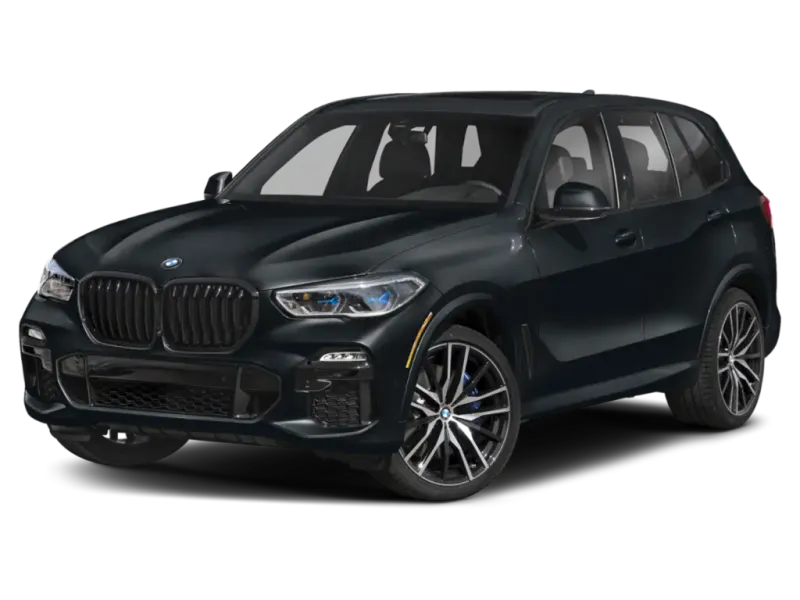
BMW X5
Score: 56/100
Browse More 2018 Vehicles
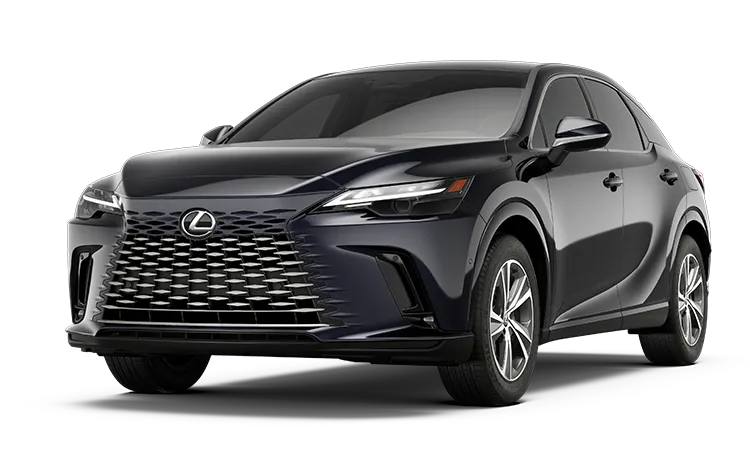
2018 Lexus RX
Score: 85/100
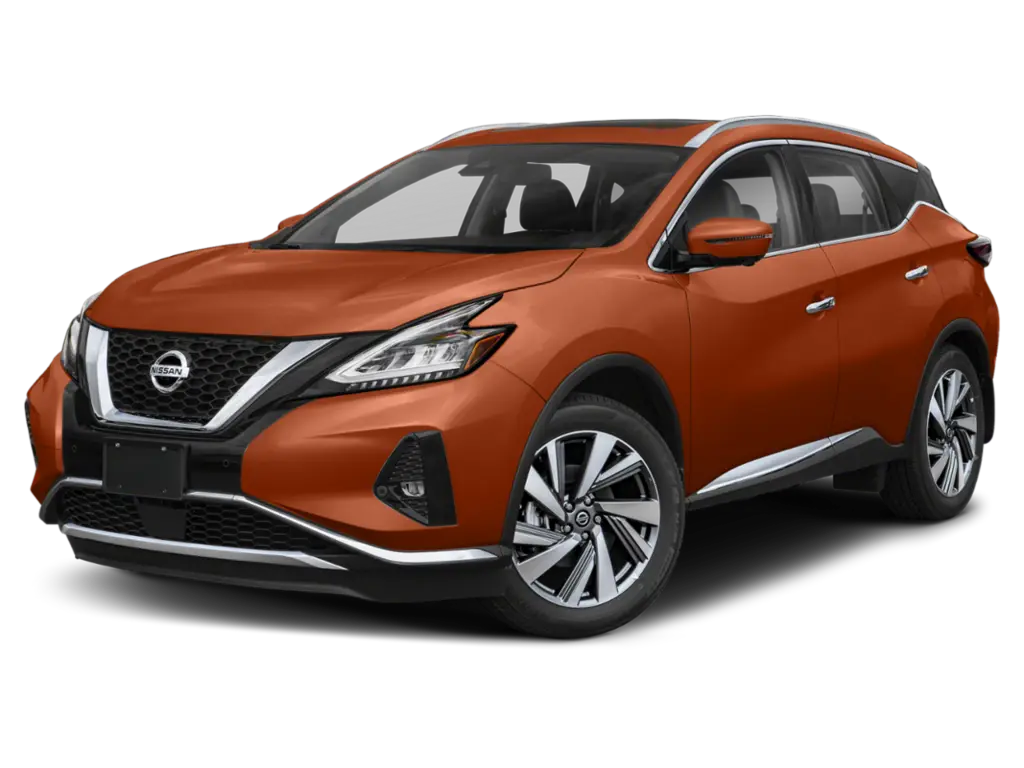
2018 Nissan Murano
Score: 82/100

2018 Lexus IS
Score: 81/100
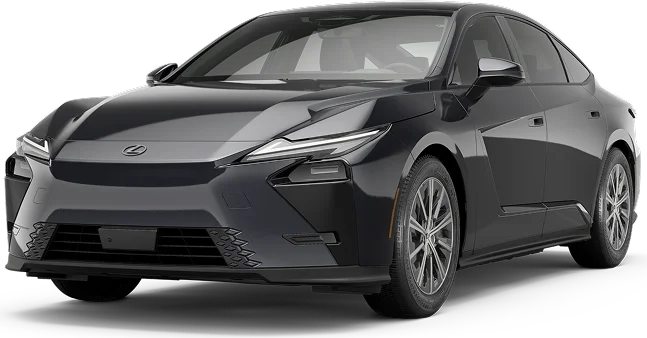
2018 Lexus ES
Score: 80/100
2018 Toyota Corolla
Score: 80/100
2018 Buick Encore
Score: 80/100
See incorrect data? Report an issue