Last updated: 2026-10-10
BMW 4 Series vs Mercedes-Benz E-Class: Reliability Compared
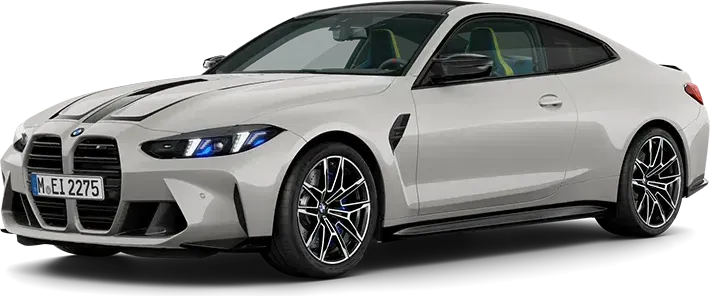
BMW 4 Series
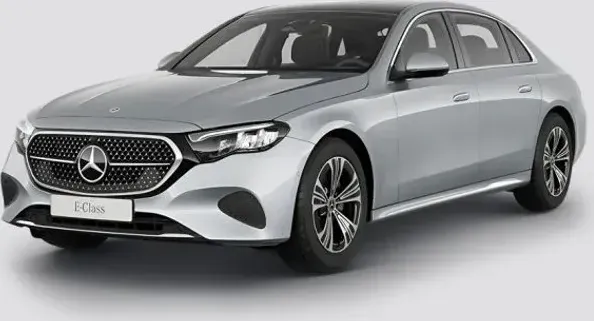
Mercedes-Benz E-Class
The BMW 4-Series and Mercedes-Benz E-Class are effectively tied on reliability. Recalls are nearly equal, at 182 and 184. The split is in complaints: the 4-Series has more per car sold, with crash-linked air bag, brake and electrical reports, while the E-Class has fewer.
How Do the BMW 4 Series and Mercedes-Benz E-Class Generations Compare?
Verdict
The BMW 4 Series and Mercedes-Benz E-Class are evenly matched with a reliability score of 60/100.
Neither car pulls ahead. Both land in good standing, and federal recall records are almost level, at 182 recalls for the 4-Series and 184 for the E-Class. The 4-Series draws more than twice the owner complaints per car sold. Its complaints also touch more safety systems, with air bags, brakes and electrical faults all tied to crashes. The E-Class has fewer complaints but a few severe single failures, like early transmission loss and dead 48-volt batteries. Those offsetting patterns keep the call at effectively tied, so the choice should come down to which risks you can live with.
Key Differences
- 1Mercedes-Benz E-Class has 8.8 fewer complaints per 10k sold
- 2BMW 4 Series has 2 fewer total recalls
Category Scoreboard
BMW 4 Series vs Mercedes-Benz E-Class: Which Is More Reliable?
| Metric | BMW 4 Series | Mercedes-Benz E-Class |
|---|---|---|
| Reliability Score | 60/100 | 60/100 |
| Years Tracked | 9 | 8 |
| Total Recalls | 182 | 184 |
| Complaints per 10k Sold | 15.8 | 7 |
| Year Wins | 4 (1 tied) | 3 (1 tied) |
What Are the Common Problems With the BMW 4 Series and Mercedes-Benz E-Class?
Safety systems dominate the 4-Series complaints. Air bag reports center on "Air Bag Off" warnings, sometimes traced to the seat occupancy sensor, and 12 are crash-linked. Electrical reports include total shutoff while moving, and brake reports describe a sinking pedal. Coolant leaks from water pump seals and plastic hoses also appear. The E-Class profile is lighter but odd. Its 48-volt battery can die before 1,000 miles and strand the car. Misfires put it in limp mode, and two reports describe transmission failure at low mileage. Its crash-linked areas are only electrical and steering. Engine, power train and seat belt complaints have none.
| Component | BMW 4 Series | Mercedes-Benz E-Class |
|---|---|---|
| ELECTRICAL SYSTEM | 2.3Low | 0.5Very Low |
| UNKNOWN OR OTHER | 1.7Low | 0.4Very Low |
| AIR BAGS | 1.7Low | 0.1Very Low |
| ENGINE | 1.3Low | 0.3Very Low |
| POWER TRAIN | 0.9Very Low | 0.3Very Low |
| SERVICE BRAKES | 0.8Very Low | —None |
| SEAT BELTS | 0.5Very Low | 0.2Very Low |
| ENGINE AND ENGINE COOLING | 0.4Very Low | —None |
| STRUCTURE | 0.3Very Low | 0.1Very Low |
| STEERING | 0.2Very Low | 0.2Very Low |
| BACK OVER PREVENTION | 0.2Very Low | 0.1Very Low |
| VEHICLE SPEED CONTROL | 0.2Very Low | —None |
| EXTERIOR LIGHTING | 0.2Very Low | —None |
| TIRES | 0.1Very Low | 0.1Very Low |
| ELECTRONIC STABILITY CONTROL (ESC) | 0.1Very Low | —None |
| SUSPENSION | 0.1Very Low | —None |
| SEATS | 0.1Very Low | —None |
| LANE DEPARTURE | 0.1Very Low | —None |
| FUEL/PROPULSION SYSTEM | 0.1Very Low | —None |
| VISIBILITY | 0.1Very Low | —None |
| WHEELS | —None | 0.1Very Low |
| FUEL SYSTEM | —None | —None |
| FORWARD COLLISION AVOIDANCE | —None | —None |
Complaints per 10,000 units sold, aggregated across all tracked model years from NHTSA owner reports.
How Does BMW 4 Series vs Mercedes-Benz E-Class Reliability Compare by Year?
| Year | BMW 4 Series | Mercedes-Benz E-Class | Edge |
|---|---|---|---|
| 2026 | 64/1004R / 0C | 76/1000R / 0C | Mercedes-Benz E-Class |
| 2024 | 66/10013R / 17C | 63/1001R / 7C | BMW 4 Series |
| 2023 | 63/10026R / 43C | 63/1005R / 20C | Tie |
| 2022 | 66/10018R / 36C | 60/1008R / 19C | BMW 4 Series |
| 2021 | 57/10040R / 64C | 56/10030R / 36C | BMW 4 Series |
| 2020 | 52/10034R / 66C | 56/10026R / 35C | Mercedes-Benz E-Class |
| 2019 | 55/10017R / 90C | 54/10042R / 100C | BMW 4 Series |
| 2018 | 54/10021R / 261C | 55/10072R / 252C | Mercedes-Benz E-Class |
Best years to cross-shop: The 2024 BMW 4 Series scored 66/100 and the 2024 Mercedes-Benz E-Class scored 63/100 — the strongest shared model years that have been on the road for at least two years, where available.
Who Should Buy the BMW 4 Series vs the Mercedes-Benz E-Class?
BMW 4 Series vs Mercedes-Benz E-Class: Common Questions
- Is the BMW 4-Series more reliable than the Mercedes-Benz E-Class?
- No, the two are effectively tied. Both have a good standing and nearly the same recall count. The 4-Series gets more owner complaints per car sold, 15.8 per 10,000 against 7 for the E-Class, but the E-Class has its own severe failures, like dead 48-volt batteries.
- Which has more recalls, the 4-Series or the E-Class?
- They are almost level. Federal recall records show 182 recalls across 9 model years for the 4-Series and 184 across 8 model years for the E-Class. That gap is too small to separate them, so look at the specific recalls on the exact car you are considering.
- Which car has more crash-linked complaints?
- The 4-Series. Its air bag complaints include 12 crash-linked reports, and its electrical and brake areas have 8 each. The E-Class has 3 crash-linked electrical complaints and 2 in steering. Its engine, power train and seat belt areas show none.
- What goes wrong with the Mercedes-Benz E-Class?
- The most common reports involve the electrical system. The 48-volt battery can fail early and leave the car unable to start, sometimes before 1,000 miles. Owners also report cylinder misfires with limp mode, front seat belts that do not retract, and two cases of transmission failure at low mileage.
- What are the common problems with the BMW 4-Series?
- Electrical and air bag complaints lead. Owners report total power loss while driving and "Air Bag Off" warnings, sometimes traced to the seat occupancy sensor. Coolant leaks from water pump seals and plastic hoses also appear. Many brake complaints come from 7 Series owners, so read that area with care.
Related Reliability Comparisons
More BMW 4 Series comparisons
More Mercedes-Benz E-Class comparisons
Decided between BMW 4 Series and Mercedes-Benz E-Class? Run a VIN check before you buy — uncover hidden accidents, title issues, and open recalls.
How we score the BMW 4 Series and Mercedes-Benz E-Class
Scores weight complaint severity at 35%, repair costs at 30%, recall impact at 20%, and the spread of complaints across systems at 15%, with complaint counts adjusted for US sales. Read the full methodology.
See incorrect data? Report an issue