Last updated: 2026-10-10
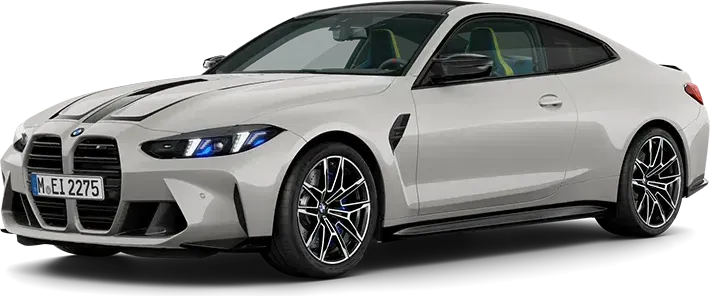
2026 BMW 4 Series Reliability Report
The 2026 BMW 4-Series has a good reliability standing but trails other 2026 coupes, with four recalls and no owner complaints yet.
Recalls
4
Complaints
0
Complaint Rate
N/A
Est. Repair Cost
$968
Annual Fuel Cost
$3,650–$3,850
Detailed Score Breakdown
Component-weighted complaints normalized by sales volume
Independent repair cost ratings
Recall count weighted by severity
Breadth of reported problem categories
The Verdict
Middle of nine scored years, with four recalls covering exterior lighting, seat belts and the electrical system, and no owner complaints filed so far.
Should You Buy the 2026 BMW 4 Series?
Reliability standing is good, though the picture is mixed. Against other 2026 coupes, this 4-Series sits well below average. Across its own scored model years it lands in the middle of nine, and the 2025 rates better.
No owner complaints have been filed for this year, so there are no symptoms or mileage figures to report. That mostly reflects limited time on the road, not a clean record. Federal recall records show four recalls, covering exterior lighting, seat belts, and the electrical system, which accounts for two of them. Crash-test results are strong at 5 of 5 stars.
Before buying, run the VIN through federal recall records and confirm the work on all four recalls was completed, especially the seat belt and lighting ones. A 2025 is worth a look since it rates better, but it carries nine recalls and two complaints, so check its history the same way.
See also the 2025 BMW 4 Series for an earlier comparison.
Pros
- +Acceptable reliability score
- +Low complaint frequency
- +5-star NHTSA crash rating
Cons
- −Moderate recall count
Compare 2026 BMW 4 Series With
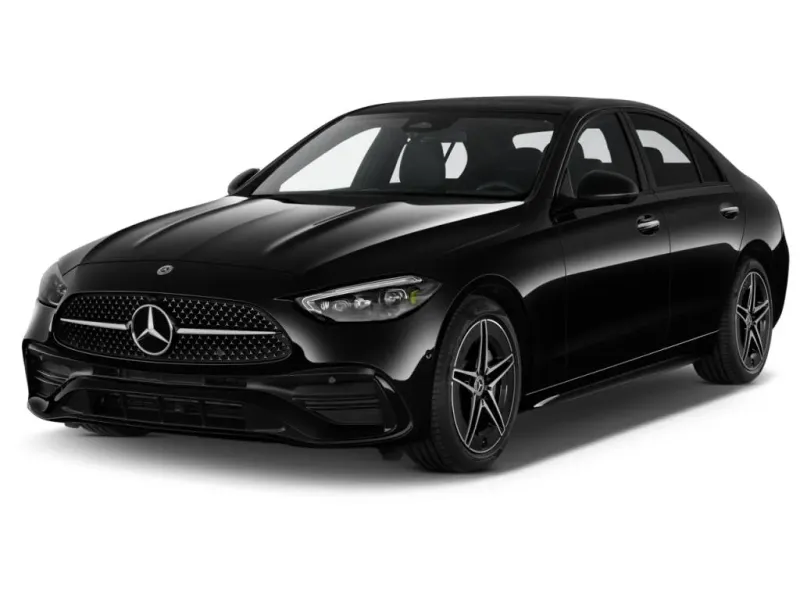
2026 Mercedes-Benz C-Class
Reliability: 82/100
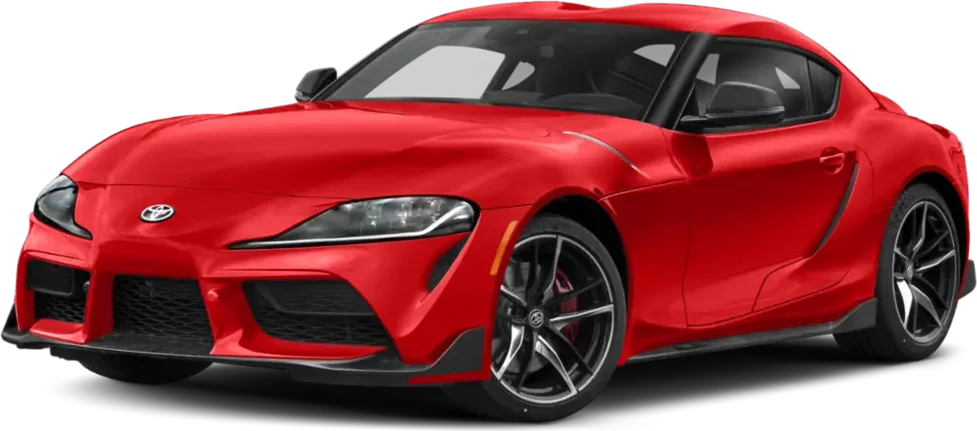
2026 Toyota Supra
Reliability: 78/100
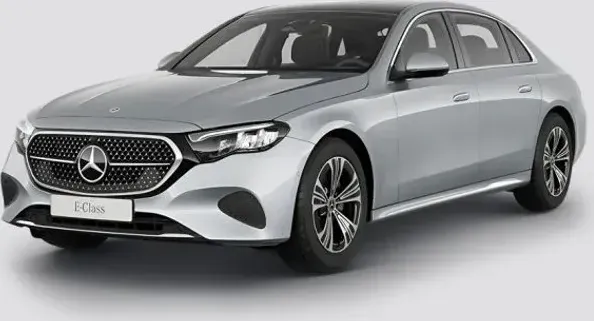
2026 Mercedes-Benz E-Class
Reliability: 76/100
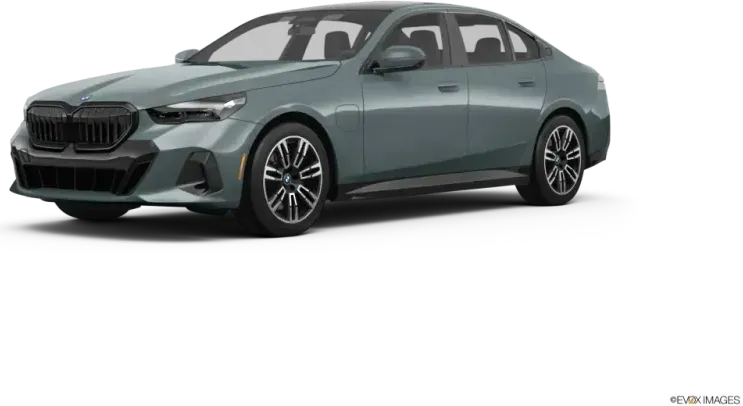
2026 BMW 5 Series
Reliability: 71/100
Common Problem Categories
Safety
LOW RISK- 4 manufacturer recalls issued
Recall Overview
4
recalls on record
A moderate 4 recalls are on file for the 2026 BMW 4 Series. Each one points to a specific safety or compliance issue identified by the manufacturer or NHTSA — check the list below before buying.
NHTSA.gov →Complaint Breakdown
0
complaintsSafety Incidents
0
Crashes
0
Fires
0
Injuries
0
Deaths
NHTSA 5/5 Stars
Data sourced from NHTSA complaint filings and manufacturer recall notices. Complaint narratives are owner-reported.
2026 BMW 4 Series Recall Details
4 recalls have been issued for the 2026 BMW 4 Series. All recall repairs are performed free of charge at authorized dealerships.
EXTERIOR LIGHTING
BMW of North America, LLC (BMW) is recalling certain 2026 228i Gran Coupe, 228i xDrive Gran Coupe, and M235i xDrive Gran Coupe vehicles. These vehicles are equipped with rear lights that may not function properly. As such, these vehicles fail to comply with the requirements of Federal Motor Vehicle Safety Standard (FMVSS) number 108, Lamps, reflective devices, and assoc. equipment."
Consequence
A rear taillight, brake light, or rear turn signal light that functions improperly, increases the risk of a crash.
Remedy
Dealers will replace the rear lights, free of charge. Owner notification letters are expected to be mailed March 27, 2026. Owners may contact BMW customer service at 1-800-525-7417. Vehicle Identification Numbers (VINs) involved in this recall will be searchable on NHTSA.gov beginning March 27, 2026.
SEAT BELTS
BMW of North America, LLC is recalling certain 2026 2 Series Gran Coupe, X1, X2, and Mini Countryman S ALL4 vehicles. The housing pin in the rear (left and/or right) seat belt retractors may have been damaged during production, resulting in the retractor not locking the seat belt as intended. As such, these vehicles fail to comply to Federal Motor Vehicle Safety Standard number 209, "Seat Belt Assemblies."
Consequence
A damaged seat belt retractor may not properly restrain an occupant during a crash, increasing the risk of injury.
Remedy
Dealers will replace the rear (left and/or right) seat belts, free of charge. Owner notification letters were mailed December 18, 2025. Owners may contact BMW customer service at 1-800-525-7417. Vehicle Identification Numbers (VINs) involved in this recall became searchable on NHTSA.gov December 12, 2025.
ELECTRICAL SYSTEM
BMW of North America, LLC (BMW) is recalling certain 2026 M4 and 430i vehicles. The positive battery cables may not be properly connected to the power distribution box, resulting in an engine stall and a fire.
Consequence
An engine stall increases the risk of a crash and a fire increases the risk of injury.
Remedy
Dealers will inspect and replace cables and power distribution box as necessary, free of charge. Owner notification letters were mailed November 20, 2025. Owners may contact BMW customer service at 1-800-525-7417. Vehicle Identification Numbers (VINs) involved in this recall will be searchable on NHTSA.gov beginning November 17, 2025.
Buying a used 2026 BMW 4 Series? Check its history first
Every 2026 BMW 4 Series has a different past. A VIN check reveals hidden accidents, title problems, odometer rollbacks, and open recalls that reliability scores can't show you.
- Accidents
- Open Recalls
- Title History
- Odometer Rollback
2026 BMW 4 Series NHTSA Safety Ratings
Overall Safety Rating
Crash Test Results by Configuration (expand)
Gas Powertrain
Rollover risk: 9.2%
Safety Technologies
Gas / PHEV Powertrain
Rollover risk: 0.0%
Safety Technologies
PHEV Powertrain
Rollover risk: 0.0%
Safety Technologies
BMW 4 SeriesRepair Costs & Maintenance
Maintenance Rating
3Maintenance rating: 3 out of 5Based on NHTSA complaint patterns, recall severity, and publicly available cost benchmarks.
Est. Annual Maintenance
$968
Category-level averages derived from publicly available industry reports (AAA, CarMD). Model-level estimates produced by Auto Reliability Index.
2026 BMW 4 Series Example Repair Prices
National average price ranges for common repairs. These are not model-year-specific failure predictions.
| Repair | Estimated Cost |
|---|---|
| Headlamp Switch Replacement | $295 – $338 |
| Engine Oil Level Sensor Replacement | $345 – $561 |
| Air Conditioning Expansion Valve Replacement | $641 – $949 |
| Wheel Bearing Replacement | $783 – $1,140 |
| Tire Rotation | $61 – $90 |
| Timing Chain Replacement | $4,812 – $6,790 |
| Engine Leak Inspection | $153 – $224 |
| Windshield Wiper Blade Replacement | $122 – $143 |
| Timing Chain Tensioner Replacement | $333 – $390 |
| Battery Replacement | $753 – $846 |
Estimates based on national average repair costs. Actual costs may vary by location and shop.
MPG & Annual Running Costs
Gas
18–19 MPG
Running cost: $4,600–$4,800/yr
Fuel + repair
16 city / 22–23 hwy MPG
Hybrid
27–31 MPG
Running cost: $3,200–$3,500/yr
Fuel + repair
24–28 city / 31–36 hwy MPG
Running cost includes EPA fuel-cost estimate and independent repair-cost data (repair cost estimated at model level). Excludes routine maintenance, depreciation, and insurance. Data as of 2026 EPA label cycle.
Gas trims
| Trim | Drive | Trans. | City | Hwy | Comb | Fuel Cost |
|---|---|---|---|---|---|---|
| M4 Competition Coupe 3.0L 6-cyl | Rear-Wheel Drive | Automatic (S8) | 16 | 23 | 19 | $3,650 |
| M4 Coupe 3.0L 6-cyl | Rear-Wheel Drive | Manual 6-spd | 16 | 23 | 19 | $3,650 |
| M4 Competition M xDrive Convertible 3.0L 6-cyl | All-Wheel Drive | Automatic (S8) | 16 | 22 | 18 | $3,850 |
| M4 Competition M xDrive Coupe 3.0L 6-cyl | All-Wheel Drive | Automatic (S8) | 16 | 23 | 18 | $3,850 |
Hybrid trims
| Trim | Drive | Trans. | City | Hwy | Comb | Fuel Cost |
|---|---|---|---|---|---|---|
| 430i Coupe 2.0L 4-cyl | Rear-Wheel Drive | Automatic (S8) | 28 | 36 | 31 | $2,250 |
| 430i Convertible 2.0L 4-cyl | Rear-Wheel Drive | Automatic (S8) | 27 | 35 | 30 | $2,300 |
| 430i Gran Coupe 2.0L 4-cyl | Rear-Wheel Drive | Automatic (S8) | 27 | 35 | 30 | $2,300 |
| 430i xDrive Coupe 2.0L 4-cyl | All-Wheel Drive | Automatic (S8) | 27 | 34 | 30 | $2,300 |
| M440i Coupe 3.0L 6-cyl | Rear-Wheel Drive | Automatic (S8) | 27 | 34 | 30 | $2,300 |
| 430i xDrive Gran Coupe 2.0L 4-cyl | All-Wheel Drive | Automatic (S8) | 25 | 34 | 29 | $2,400 |
| M440i Convertible 3.0L 6-cyl | Rear-Wheel Drive | Automatic (S8) | 27 | 33 | 29 | $2,400 |
| M440i xDrive Coupe 3.0L 6-cyl | All-Wheel Drive | Automatic (S8) | 26 | 33 | 29 | $2,400 |
| 430i xDrive Convertible 2.0L 4-cyl | All-Wheel Drive | Automatic (S8) | 24 | 33 | 28 | $2,450 |
| M440i Gran Coupe 3.0L 6-cyl | Rear-Wheel Drive | Automatic (S8) | 26 | 32 | 28 | $2,450 |
| M440i xDrive Convertible 3.0L 6-cyl | All-Wheel Drive | Automatic (S8) | 25 | 32 | 28 | $2,450 |
| M440i xDrive Gran Coupe 3.0L 6-cyl | All-Wheel Drive | Automatic (S8) | 25 | 31 | 27 | $2,550 |
Best & Worst BMW 4 Series Years
Best BMW 4 Series Years to Buy
Based on reliability index scoreBMW 4 Series Years to Avoid
BMW 4 Series Reliability Score Trend
Scores 0–100. Higher is better. Current year highlighted.
| Year | Score | Rating |
|---|---|---|
| 2018 | 54/100 | Mixed |
| 2019 | 55/100 | Mixed |
| 2020 | 52/100 | Mixed |
| 2021 | 57/100 | Mixed |
| 2022 | 66/100 | Good |
| 2023 | 63/100 | Good |
| 2024 | 66/100 | Good |
| 2025 | 67/100 | Good |
| 2026 | 64/100 | Good |
BMW 4 Series Reliability Compared to Other Years
2026 BMW 4 Series Reliability by Powertrain
The 2026 BMW 4 Series is available with 3powertrain options. Here's how they compare on reliability.
| Powertrain | Complaints | Recalls | Incidents* | Crash Rating |
|---|---|---|---|---|
| Gas | 0 | 3 | 0 | 5 out of 5 |
| Gas / PHEV | 0 | 0 | 0 | N/T |
| PHEV | 0 | 1 | 0 | N/T |
| Total | 0 | 4 | 0 |
NHTSA tracks complaints by vehicle configuration when that detail is available. Model-level reports that do not identify a specific powertrain are included in Total but not assigned to a row. A plus sign indicates a confirmed minimum; — means no complaints could be attributed to that specific powertrain. N/T = Not tested by NHTSA.
* Incidents = crash + fire reports. A single complaint can include multiple incident types.
2026 BMW 4 Series Common Questions
10 questions from 2026 BMW 4 Series owners.
Ignition trouble
If i replace the ignition switch does that include the cylinder tumbler in it,it was thought possibly the cylinder tumbler might need replacing since key will only turn just a little A few days
When turning key car wont start or click on solenoid.
1996 BMW Z3. Is there a relay that controls the starter? all fuses are fine. I replaced the starter and car still wont start or click! Car won't start More than a week
Crank no start
I started my car the other morning and it was about 29° outside. When I started it there was a loud pop under the hood. The car kept running so I drove it about 40 miles. Later that afternoon I went to leave and it would crank but no start I went and bought a battery and it started so I went back home. It's been 3 weeks and it still won't start. Now it's a slow rough crank with no start More than a week
2006 BMW X3 3.0i Coolant leak
Coolant leak-even when car is not running. Have replaced the coolant reservoir, the mounting plate for the reservoir and radiator, the heater control valve and the oil cooler have been replaced. It’s still just dousing the coolant out. Not a drop leak more consistent stream. I’m at a loss for what to do. Leaks regardless of engine on or off A few days
Oil leaking
When driving car smokes on and off I was told it could be valve cover gasket it gas been sitting for 2 months and now is hard to start More than a month
Frequently Asked Questions
Is the 2026 BMW 4-Series reliable?
What are the most common problems with the 2026 BMW 4-Series?
How many recalls does the 2026 BMW 4-Series have?
Is the 2025 BMW 4-Series more reliable than the 2026?
How safe is the 2026 BMW 4-Series in a crash?
Don’t buy a 2026 BMW 4 Series without checking its VIN first — hidden accidents, title issues, and open recalls could cost you thousands.
How we score the 2026 BMW 4 Series
Of the four inputs behind this score, the 2026 BMW 4 Series does best on recall impact (71/100) and worst on repair costs (60/100). Scores weight complaint severity at 35%, repair costs at 30%, recall impact at 20%, and the spread of complaints across systems at 15%, with complaint counts adjusted for US sales. Read the full methodology.
Get notified when new recalls or reliability data is added for the BMW 4 Series.
No spam. Only data updates for this model.
Browse More BMW Models
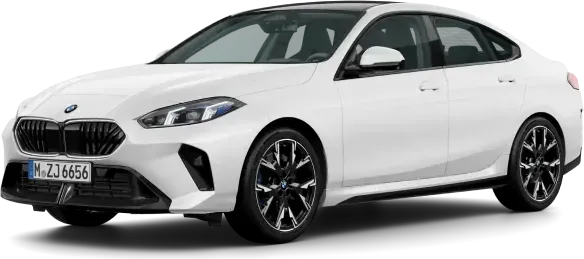
BMW 2 Series
Score: 70/100
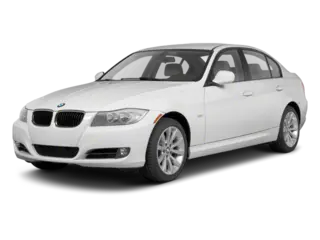
BMW 3 Series
Score: 76/100
BMW 5 Series
Score: 71/100
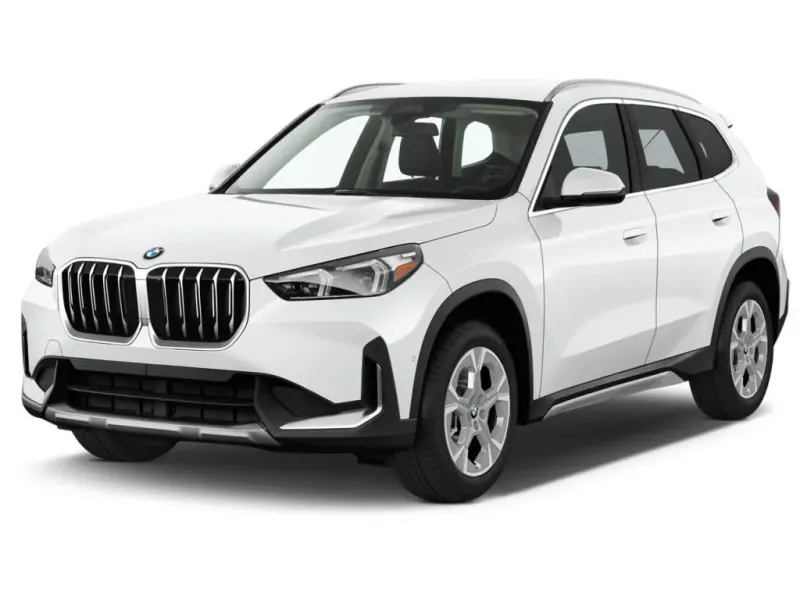
BMW X1
Score: 74/100

BMW X3
Score: 65/100
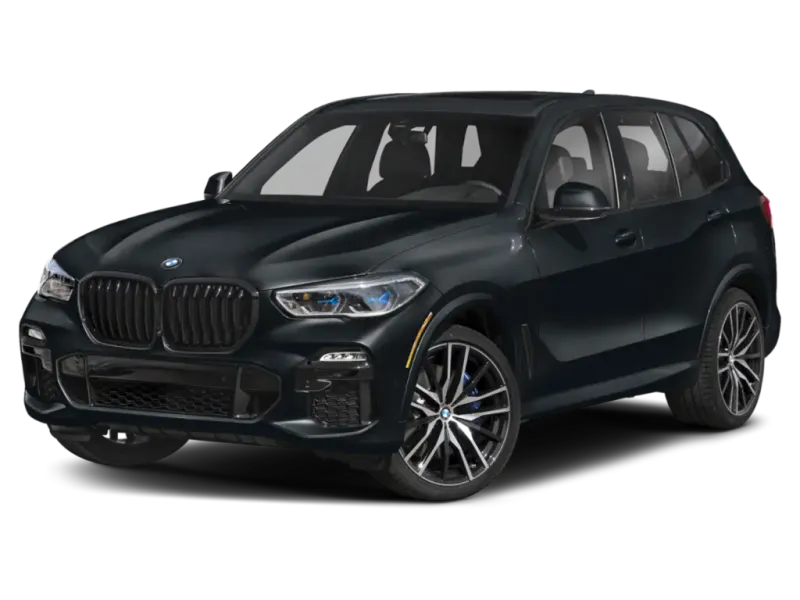
BMW X5
Score: 56/100
Browse More 2026 Vehicles
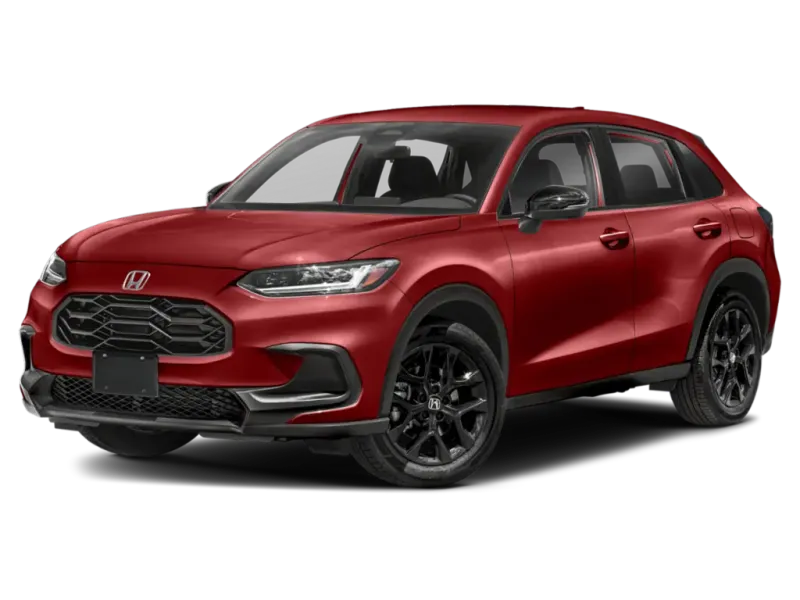
2026 Honda HR-V
Score: 100/100
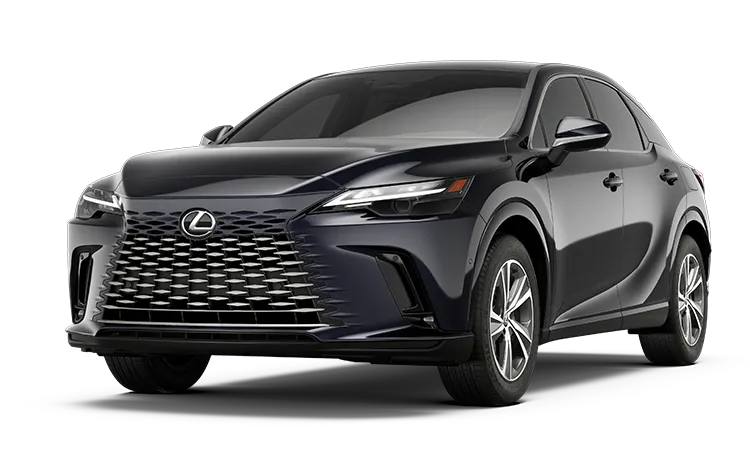
2026 Lexus RX
Score: 95/100
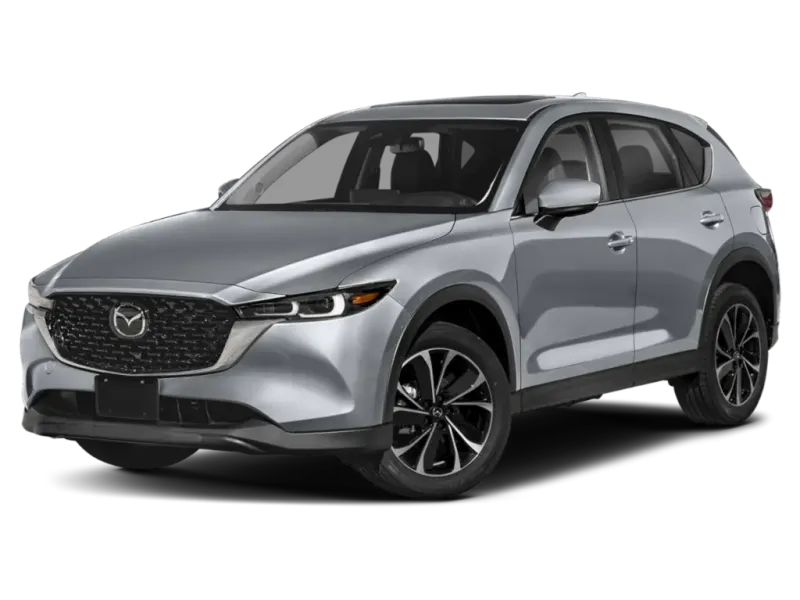
2026 Mazda CX-5
Score: 94/100
2026 Honda Civic
Score: 94/100
2026 Toyota Corolla
Score: 94/100
2026 Hyundai Elantra
Score: 94/100
See incorrect data? Report an issue