Last updated: 2026-10-10
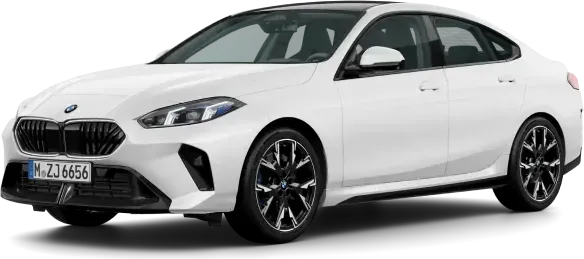
BMW 2 Series Years to Avoid
9 scored model years (2018–2026) · model average 72/100
No model year of the 2-Series is one to avoid. Complaint counts, recall counts, and the problem areas owners report shift from year to year, but none sits well below the model's own average. The 2022 is the year to buy.
Verdict
- Avoid
- No outlier years
- Buy
- 2022 74/100
- Model average
- 72/100
What Are Common BMW 2 Series Problems?
ELECTRICAL SYSTEM
78 complaintsMost reported in 2018, 2020, 2021
2018: Fire is the most serious pattern.
AIR BAGS
62 complaintsMost reported in 2018, 2019, 2020
2018: A recurring "Passenger restraint system malfunction" warning dominates these reports.
UNKNOWN OR OTHER
60 complaintsMost reported in 2018, 2019, 2023
2018: This catch-all category covers many unrelated faults.
ENGINE
49 complaintsMost reported in 2018, 2020, 2019
2018: Coolant loss is the core problem.
POWER TRAIN
30 complaintsMost reported in 2019, 2018, 2022
2019: A "Drivetrain Malfunction" message cuts accelerator response at highway speed, and for some owners it happens again and again.
SERVICE BRAKES
26 complaintsMost reported in 2023, 2021, 2024
2023: Brake assist drops out or the pedal behaves erratically.
Best BMW 2 Series Year to Buy Instead
2022 BMW 2 Series
The 2022 has been on the road long enough to judge and drew only 35 owner complaints, about 1.1 per 10,000 sold. The 2018 drew 264 complaints, and the 2021 carries 43 recalls against 18 for the 2022. Starter trouble is the main 2022 complaint to check.
Found a Safe Year? Check the Specific Car
Even the 2022 BMW 2 Series has 18 recalls on file. A VIN check confirms the recall work on the exact car and shows its accident, title, and service history.
- Accidents
- Open Recalls
- Title History
- Odometer Rollback
All BMW 2 Series Years by Generation
BMW 2 Series Reliability Scores by Year
First generation (F22/F23) (2014–2021)
2019 BMW 2 Series
18 recalls · 67 complaints
2021 BMW 2 Series
43 recalls · 70 complaints
2020 BMW 2 Series
23 recalls · 62 complaints
2018 BMW 2 Series
23 recalls · 264 complaints
Second generation (G42) (2021–2023)
Frequently Asked Questions
Which BMW 2-Series years should I avoid?
Which BMW 2-Series years have transmission or power train problems?
Is the 2018 BMW 2-Series a bad year?
Are the 2025 and 2026 BMW 2-Series the most reliable?
Which BMW 2-Series years have airbag problems?
How we score every BMW 2 Series model year
Scores weight complaint severity at 35%, repair costs at 30%, recall impact at 20%, and the spread of complaints across systems at 15%, with complaint counts adjusted for US sales. Read the full methodology.
See incorrect data? Report an issue