Last updated: 2026-10-10
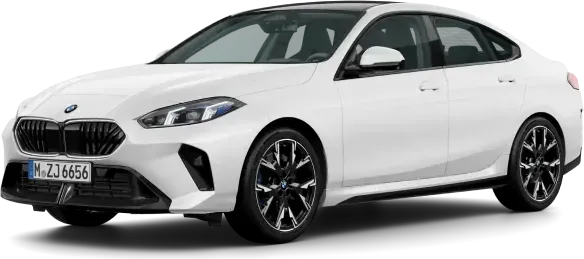
2023 BMW 2 Series Reliability Report
The 2023 BMW 2-Series has good reliability and a 5-star crash rating, but its long recall list means you should confirm repairs were done.
Recalls
26
Complaints
43
Complaint Rate
1.2per 10,000 sold
Est. Repair Cost
$968
Annual Fuel Cost
$2,400–$3,650
Detailed Score Breakdown
Component-weighted complaints normalized by sales volume
Independent repair cost ratings
Recall count weighted by severity
Breadth of reported problem categories
The Verdict
Final year of the G42 generation, with good reliability and a long recall list, though many brake complaints name other BMW models.
Top Issues to Watch
- SERVICE BRAKES (12)
- ELECTRONIC STABILITY CONTROL (ESC) (5)
- ELECTRICAL SYSTEM (3)
Generation & Refresh (US)
2023 is the last model year of the Second generation (G42).
- Final-year models are typically the most refined version of a generation.
- 2nd generation 2 Series (US).
What this means for buyers
Final-year models are usually the most polished version of a generation, but resale value may dip as buyers anticipate the next redesign.
2021: Second generation (G42) Launch
Generation start — new platform.
2023: This Model Year
2023 is the last model year of the Second generation (G42).
Should You Buy the 2023 BMW 2 Series?
Reliability is good, and this is among the stronger years in the 2-Series lineup. Against other 2023 coupes it is close to average. Complaints are low for the number sold, and the federal crash rating is 5 of 5 stars. The 2022 and 2024 years rate about the same, so this year has no clear edge or weakness.
Recalls matter more than complaints here. Federal records list 26, led by the electrical system, with others covering brakes, stability control, air bags, and seats. Brake complaints describe a pedal that goes stiff or sinks, and automatic emergency braking that stops the car with nothing ahead. Most excerpts name other BMW models, though, and many owners are only waiting on recall parts. One electrical complaint reports total power loss at highway speed.
Check the VIN for open recalls and ask for proof that brake and electrical repairs were done. Test the rear cross-traffic alert and backup camera at night.
Compared to the 2024 BMW 2 Series, which scored 1 points lower. See also the 2022 BMW 2 Series for an earlier comparison.
Pros
- +Acceptable reliability score
- +Below-average complaint rate for Coupe
- +5-star NHTSA crash rating
Cons
- −Above-average recall count
- −SERVICE BRAKES: Brake assist drops out or the pedal behaves erratically (12 complaints)
- −UNKNOWN OR OTHER: GPS position drifts on the iDrive 8 system (10 complaints)
Compare 2023 BMW 2 Series With
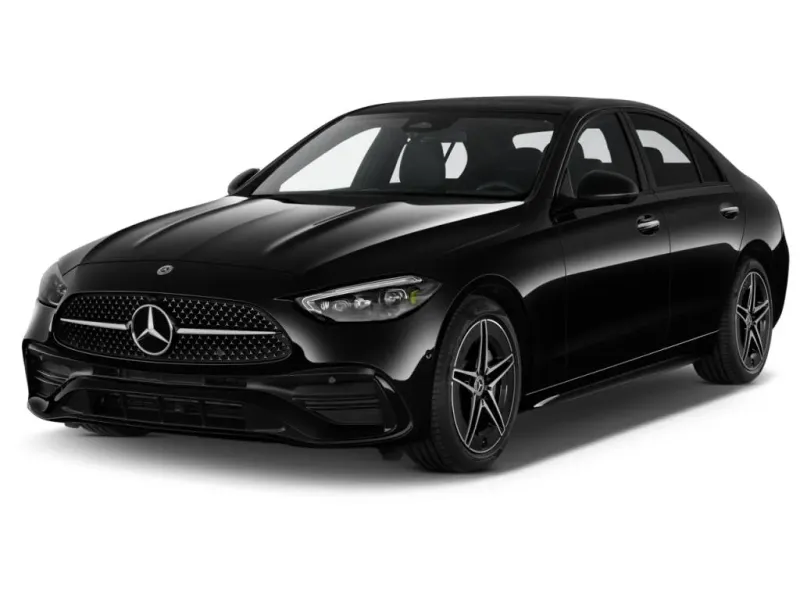
2023 Mercedes-Benz C-Class
Reliability: 53/100
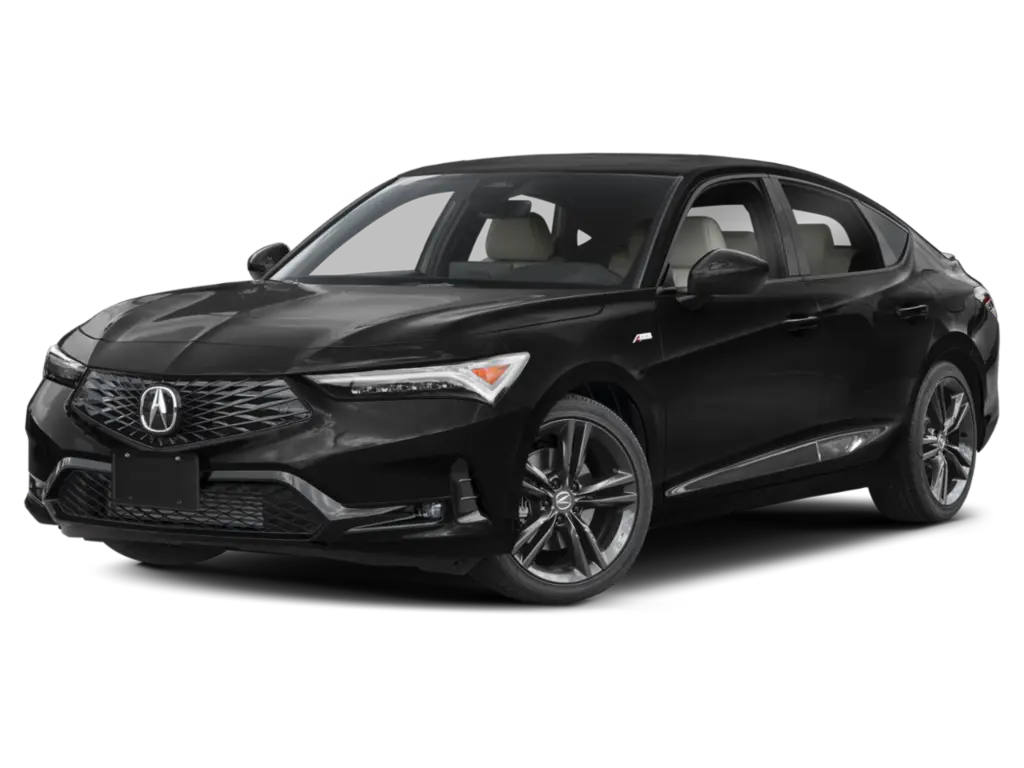
2023 Acura Integra
Reliability: 63/100
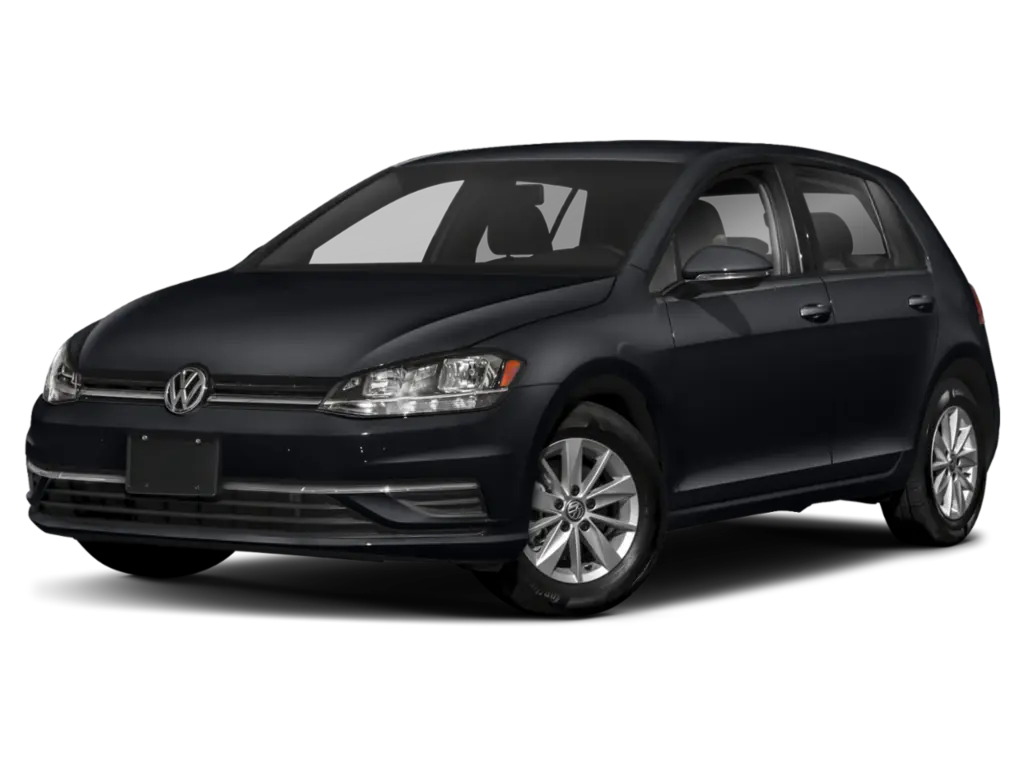
2023 Volkswagen Golf
Reliability: 75/100
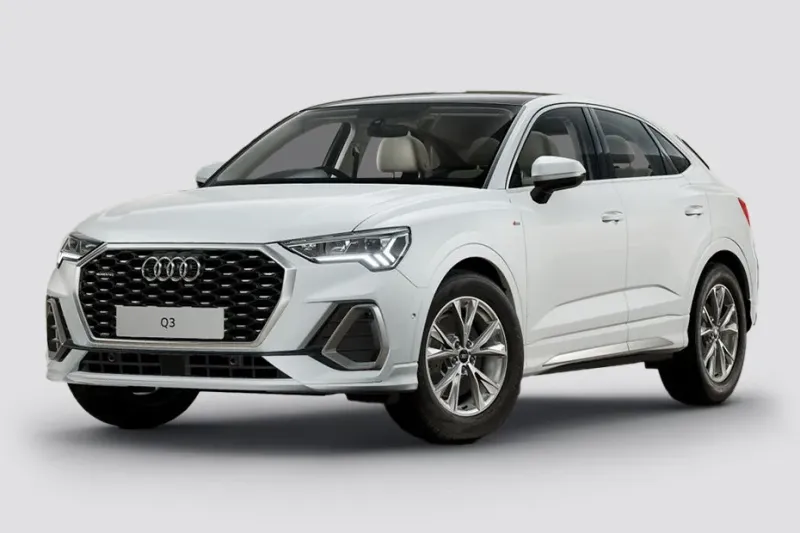
2023 Audi Q3
Reliability: 74/100

2023 Porsche Macan
Reliability: 66/100
Common Problem Categories
Safety
LOW RISK- 26 manufacturer recalls issued
Other
HIGH RISK- SERVICE BRAKES (12)
- UNKNOWN OR OTHER (10)
Recall Overview
26
recalls on record
The 2023 BMW 2 Series has 26 recalls on record, which is above average. A high count can flag multiple component concerns, though it also shows the manufacturer is actively addressing known issues.
NHTSA.gov →Complaint Breakdown
1.2
per 10,000 soldSegment avg: 2.6
Safety Incidents
6
Crashes
0
Fires
3
Injuries
0
Deaths
NHTSA 5/5 Stars
Data sourced from NHTSA complaint filings and manufacturer recall notices. Complaint narratives are owner-reported.
2023 BMW 2 Series Recall Details
26 recalls have been issued for the 2023 BMW 2 Series. All recall repairs are performed free of charge at authorized dealerships.
ELECTRICAL SYSTEM
BMW of North America, LLC (BMW) is recalling certain 2021-2023 Toyota Supra, 2022-2023 2 Series Coupe, 2021-2024 5 Series (xDrive), 2021-2022 Z4, 2022-2024 4 Series (Gran Coupe), 2021-2024 4 Series (Convertible and xDrive Convertible), 2021-2023 4 Series (Coupe), 2021-2024 3 Series, 2021-2023 X4, 2021-2024 X3 vehicles. Please see the recall report for a complete list of all models. The engine starter may overheat and catch fire due to wear on an internal component.
Consequence
Fire increases the risk of injury.
Remedy
Dealers will replace the engine starter, free of charge. Owner notification letters are expected to be mailed March 24, 2026. Owners may contact BMW customer service at 1-800-525-7417 or Toyota's customer service at 1-800-331-4331. Vehicle Identification Numbers (VINs) involved in this recall will be searchable on NHTSA.gov beginning March 24, 2026.
POWER TRAIN
BMW of North America, LLC (BMW) is recalling certain 2023 Toyota GR Supra, 3 Series Sedan (330i xDrive, M340i xDrive, M3), 5 Series Sedan (530i, 530i xDrive, M5), 4 Series Gran Coupe (430i, 430i xDrive), 4 Series Coupe (430i, 430i xDrive, M440i xDrive), 4 Series Convertible (430i, 430i xDrive, M440i xDrive), 8 Series Coupe (840i, M850i xDrive, M8), 8 Series Convertible (840i, M850i xDrive, M8), 8 Series Gran Coupe (850i xDrive, M8), X3 SAV (X3 xDrive30i, X3M), X4 SAV (X4 xDrive30i), X5 SAV (X5 xDrive40i, X5 M50i, X5M), X6 SAV (X6 xDrive40i, X6 M50i, X6M), and Z4 sDrive30i, Z4 M40i vehicles. The weld seam of the integrated transmission control unit's cover may not have been manufactured properly, which could allow automatic transmission oil to leak into the transmission control unit.
Consequence
Transmission oil that leaks into the control unit can lead to a seizure of the transmission gears, causing a sudden loss of drive power and increasing the risk of a crash.
Remedy
Dealers will replace the transmission mechatronics module and the automatic transmission fluid, as necessary, free of charge. Owner notification letters were mailed January 26, 2024. Owners may contact BMW customer service at 1-800-525-7417.
ELECTRICAL SYSTEM
BMW of North America, LLC (BMW) is recalling certain 2023 330i, 330i xDrive, M340i, M340i xDrive, M3, 330e, 330e xDrive, 430i Convertible, 430i xDrive, M440i, 2022-2023 430i, 430i xDrive, M440i xDrive, i4 eDrive40, and i4 M50 vehicles. During a service visit, a replacement electronic control unit (ECU) may have been installed with incorrect programming, which can cause the automatic door locking (ADL) function to not lock the doors as intended.
Consequence
Doors that do not lock as intended while the vehicle is in motion may open during a crash, increasing the risk of injury.
Remedy
Dealers will update the ECU software, free of charge. Owner notification letters were mailed April 10, 2023. Owners may contact BMW customer service at 1-800-525-7417.
Showing 10 of 18 recalls. View all on NHTSA.gov →
Buying a used 2023 BMW 2 Series? Check its history first
Service brakes problems lead owner complaints about the 2023 BMW 2 Series, and 26 recalls were issued for it. A VIN check shows whether this car's recall work was done, plus accident, title, and odometer history.
- Accidents
- Open Recalls
- Title History
- Odometer Rollback
2023 BMW 2 Series NHTSA Safety Ratings
Overall Safety Rating
Crash Test Results by Configuration (expand)
Gas Powertrain
Rollover risk: 0.0%
Safety Technologies
Gas / HEV Powertrain
Rollover risk: 9.2%
Safety Technologies
BMW 2 SeriesRepair Costs & Maintenance
Maintenance Rating
3.5Maintenance rating: 3.5 out of 5Based on NHTSA complaint patterns, recall severity, and publicly available cost benchmarks.
Est. Annual Maintenance
$968
Category-level averages derived from publicly available industry reports (AAA, CarMD). Model-level estimates produced by Auto Reliability Index.
2023 BMW 2 Series Example Repair Prices
National average price ranges for common repairs. These are not model-year-specific failure predictions.
| Repair | Estimated Cost |
|---|---|
| Headlamp Switch Replacement | $295 – $338 |
| Engine Oil Level Sensor Replacement | $345 – $561 |
| Air Conditioning Expansion Valve Replacement | $641 – $949 |
| Wheel Bearing Replacement | $783 – $1,140 |
| Tire Rotation | $61 – $90 |
| Timing Chain Replacement | $4,812 – $6,790 |
| Engine Leak Inspection | $153 – $224 |
| Windshield Wiper Blade Replacement | $122 – $143 |
| Timing Chain Tensioner Replacement | $333 – $390 |
| Battery Replacement | $753 – $846 |
Estimates based on national average repair costs. Actual costs may vary by location and shop.
MPG & Annual Running Costs
Gas
19–29 MPG
Running cost: $3,350–$4,600/yr
Fuel + repair
16–26 city / 23–35 hwy MPG
Running cost includes EPA fuel-cost estimate and independent repair-cost data (repair cost estimated at model level). Excludes routine maintenance, depreciation, and insurance. Data as of 2023 EPA label cycle.
Gas trims
| Trim | Drive | Trans. | City | Hwy | Comb | Fuel Cost |
|---|---|---|---|---|---|---|
| 230i Coupe 2.0L 4-cyl | Rear-Wheel Drive | Automatic (S8) | 26 | 35 | 29 | $2,400 |
| 228i Gran Coupe 2.0L 4-cyl | Front-Wheel Drive | Automatic (S8) | 24 | 34 | 28 | $2,450 |
| 230i xDrive Coupe 2.0L 4-cyl | All-Wheel Drive | Automatic (S8) | 24 | 34 | 28 | $2,450 |
| 228i xDrive Gran Coupe 2.0L 4-cyl | All-Wheel Drive | Automatic (S8) | 23 | 33 | 27 | $2,550 |
| M235i xDrive Gran Coupe 2.0L 4-cyl | All-Wheel Drive | Automatic (S8) | 24 | 33 | 27 | $2,550 |
| M240i Coupe 3.0L 6-cyl | Rear-Wheel Drive | Automatic (S8) | 22 | 32 | 26 | $2,650 |
| M240i xDrive Coupe 3.0L 6-cyl | All-Wheel Drive | Automatic (S8) | 23 | 32 | 26 | $2,650 |
| M2 Coupe 3.0L 6-cyl | Rear-Wheel Drive | Automatic (S8) | 16 | 23 | 19 | $3,650 |
| M2 Coupe 3.0L 6-cyl | Rear-Wheel Drive | Manual 6-spd | 16 | 24 | 19 | $3,650 |
Used Buying Checklist
Key things to inspect or verify before purchasing a 2023 BMW 2 Series.
Press the brake firmly at low speed and confirm the pedal feels consistent, not stiff, soft, or sinking to the floor.
Have a BMW dealer run the VIN for open recalls and confirm any brake recall repair is complete.
Drive at moderate speed in traffic and watch for automatic emergency braking with nothing ahead.
Compare the navigation map to your actual location throughout the drive to spot GPS drift.
Back out of a space near passing cars and confirm rear cross-traffic alert gives an audible warning.
With the car stopped in drive, nudge the shifter lightly and confirm it does not slip into neutral.
Watch for brake, gear, airbag, or driver-assist warning messages at startup and after a long drive.
Inspect the cup holder and shifter area for spill or water damage.
2023 BMW 2 Series Common Problems by Component
43 owner complaints grouped by vehicle system.
SERVICE BRAKES
12 complaintsSafety-relatedBrake assist drops out or the pedal behaves erratically. It loses pressure halfway down, goes stiff, or must be pushed to the floor, sometimes with a braking system failure message. Other reports describe automatic emergency braking slamming on at moderate speed with nothing ahead. Two complaints involve crashes, and two people were hurt. Several filings come from owners waiting on a brake recall repair because parts are unavailable, and most of them report no failure. Most excerpts name other 2023 BMW models, such as the 740i, 760i, and 330e, not the 2-Series.
UNKNOWN OR OTHER
10 complaintsSafety-relatedGPS position drifts on the iDrive 8 system. Navigation and phone apps then show the car on the wrong roads or in the wrong town. Dash screens go blank, the phone app loses connection, and the backup camera is too dark to use at night. Single reports describe a sunroof shattering while driving, a tire bursting before the car swerved into a parked car, a sudden lunge forward while parking, and a car that rolled away when it would not go into park. Two complaints involve crashes.
ELECTRONIC STABILITY CONTROL (ESC)
5 complaintsBrakes apply on their own or the pedal sinks to the floor. Reports include a sudden stop at about 10 mph with no pedal input and a brake system warning, and a pedal failure at 6,470 miles that the dealer did not repair. Most filings, though, come from owners who were told about a brake and stability control recall but cannot get the repair because parts are unavailable. No crashes are reported. All five excerpts name the 740i or 760i, not the 2-Series.
ELECTRICAL SYSTEM (3 complaints)
ELECTRICAL SYSTEM
3 complaintsComplete power loss while moving is the most serious report. All electrical power drops out, and warnings say the airbags and seat belts are not working. This has happened repeatedly at highway speed. Another complaint describes the dash getting too hot to touch every day, followed by a warning that safety sensors may not be working. A third concerns an instrument cluster too dim to read in bright daylight, with no manual brightness control. No crashes are reported.
BACK OVER PREVENTION (3 complaints)
BACK OVER PREVENTION
3 complaintsRear cross-traffic alert fails to warn or brake for approaching cars during backing. Owners describe repeat dealer visits that end with the system declared to work as designed, even at the most sensitive and loudest settings. Reports say it reacts only when another car is very close, if at all. The backup camera is also described as nearly useless at night and in dim parking garages. No crashes are reported.
POWER TRAIN (3 complaints)
POWER TRAIN
3 complaintsDrive engagement can drop out without warning. In one report a light brush knocks the shifter into neutral, so the car stops accelerating in traffic, and the dealer called this acceptable. In another, a gear malfunction message disabled the car and it had to be towed. A service advisor blamed water from the cup holder area reaching the controller. A dealer also confirmed a rear differential that failed internally and let the left rear axle separate. No crashes are reported.
VEHICLE SPEED CONTROL (2 complaints)
VEHICLE SPEED CONTROL
2 complaintsSafety-relatedUnexpected surges forward are the theme. One complaint blames pedals set too close together, so a foot slipped from brake to accelerator and the car crashed through a garage wall. Another describes a hard jerk forward on the shift from first to second that the dealer called normal, with one injury reported. Both filings name other BMW models, a 525i and a 2021 530e, not the 2-Series.
STRUCTURE (2 complaints)
STRUCTURE
2 complaintsSafety-relatedAcceleration when the brake is pressed appears in one crash report. It first happened on a downhill and later at very low speed, when the car hit a neighbor's property and spent about a month in a body shop. The other complaint describes the front license plate holder coming off the bumper while the car was parked, with no outside force, and damaging the bumper. One complaint involves a crash.
TIRES (1 complaints)
TIRES
1 complaintsize 19. I have had two tires fail in 3 months. Less than 3k miles on both. There was no road hazard but both tires blew out on the side.
EXTERIOR LIGHTING (1 complaints)
EXTERIOR LIGHTING
1 complaint:**Complaint Regarding 2023 330e Instrument Cluster Brightness Issue** - I wish to report a safety concern regarding the instrument cluster brightness in my 2023 BMW 330e. The instrument cluster features an auto-dimming screen with no brightness control during the day. The ambient brightness sensor does not accurately detect daylight conditions unless the sunshade on the sunroof is open. This results in an excessively dim instrument cluster that is challenging to read in bright daylight. **Safety Implications:** This issue poses a safety concern as it hinders the driver's ability to access critical information such as speed, fuel levels, and other essential data. It may lead to distractions and decreased situational awareness. **Requested Action:** I kindly request that the National Highway Traffic Safety Administration (NHTSA) investigates this issue and collaborates with the manufacturer, BMW, to find a solution promptly. This could involve a software update or a hardware adjustment to the ambient brightness sensor to ensure the instrument cluster remains readable in all lighting conditions.
Best & Worst BMW 2 Series Years
Best BMW 2 Series Years to Buy
Based on reliability index score2022
2023
(Current Model)
2019
BMW 2 Series Years to Avoid
No BMW 2 Series years are statistical outliers in our data.
Scores stay between 70 and 74 across 9 scored model years.
BMW 2 Series Reliability Score Trend
Scores 0–100. Higher is better. Current year highlighted.
| Year | Score | Rating |
|---|---|---|
| 2018 | 70/100 | Good |
| 2019 | 73/100 | Good |
| 2020 | 71/100 | Good |
| 2021 | 72/100 | Good |
| 2022 | 74/100 | Good |
| 2023 | 73/100 | Good |
| 2024 | 72/100 | Good |
| 2025 | 70/100 | Good |
| 2026 | 70/100 | Good |
BMW 2 Series Reliability Compared to Other Years
2023 BMW 2 Series Reliability by Powertrain
The 2023 BMW 2 Series is available with 2powertrain options. Here's how they compare on reliability.
| Powertrain | Complaints | Recalls | Incidents* | Crash Rating |
|---|---|---|---|---|
| Gas | 27 | 20 | 1 | N/T |
| Gas / HEV | 16 | 6 | 5 | 5 out of 5 |
| Total | 43 | 26 | 6 |
NHTSA tracks complaints by vehicle configuration when that detail is available. Model-level reports that do not identify a specific powertrain are included in Total but not assigned to a row. A plus sign indicates a confirmed minimum; — means no complaints could be attributed to that specific powertrain. N/T = Not tested by NHTSA.
* Incidents = crash + fire reports. A single complaint can include multiple incident types.
2023 BMW 2 Series Common Questions
10 questions from 2023 BMW 2 Series owners.
Ignition trouble
If i replace the ignition switch does that include the cylinder tumbler in it,it was thought possibly the cylinder tumbler might need replacing since key will only turn just a little A few days
When turning key car wont start or click on solenoid.
1996 BMW Z3. Is there a relay that controls the starter? all fuses are fine. I replaced the starter and car still wont start or click! Car won't start More than a week
Crank no start
I started my car the other morning and it was about 29° outside. When I started it there was a loud pop under the hood. The car kept running so I drove it about 40 miles. Later that afternoon I went to leave and it would crank but no start I went and bought a battery and it started so I went back home. It's been 3 weeks and it still won't start. Now it's a slow rough crank with no start More than a week
2006 BMW X3 3.0i Coolant leak
Coolant leak-even when car is not running. Have replaced the coolant reservoir, the mounting plate for the reservoir and radiator, the heater control valve and the oil cooler have been replaced. It’s still just dousing the coolant out. Not a drop leak more consistent stream. I’m at a loss for what to do. Leaks regardless of engine on or off A few days
Oil leaking
When driving car smokes on and off I was told it could be valve cover gasket it gas been sitting for 2 months and now is hard to start More than a month
Frequently Asked Questions
Is the 2023 BMW 2-Series reliable?
What are the most common problems with the 2023 BMW 2-Series?
Does the 2023 BMW 2-Series have brake problems?
How many recalls does the 2023 BMW 2-Series have?
Is the 2023 BMW 2-Series better than the 2022 or 2024?
Don’t buy a 2023 BMW 2 Series without checking its VIN first — hidden accidents, title issues, and open recalls could cost you thousands.
How we score the 2023 BMW 2 Series
Of the four inputs behind this score, the 2023 BMW 2 Series does best on how many systems draw complaints (86/100) and worst on recall impact (47/100). Scores weight complaint severity at 35%, repair costs at 30%, recall impact at 20%, and the spread of complaints across systems at 15%, with complaint counts adjusted for US sales. Read the full methodology.
Get notified when new recalls or reliability data is added for the BMW 2 Series.
No spam. Only data updates for this model.
Browse More BMW Models

BMW 3 Series
Score: 76/100
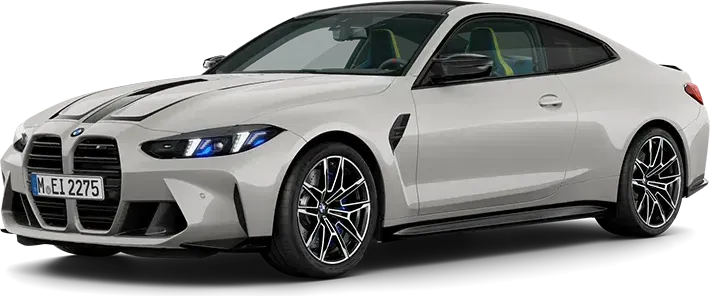
BMW 4 Series
Score: 64/100
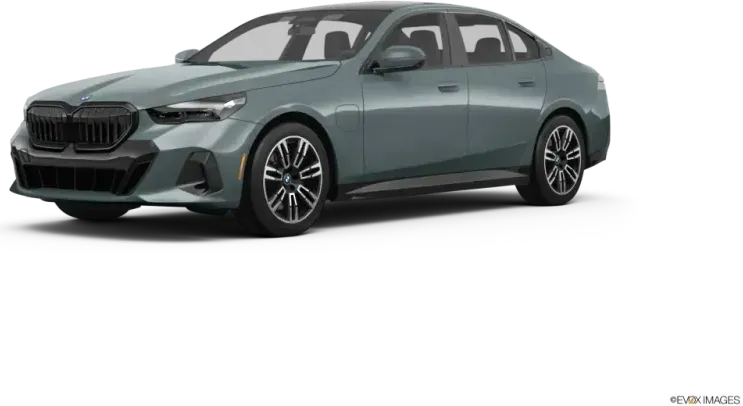
BMW 5 Series
Score: 71/100
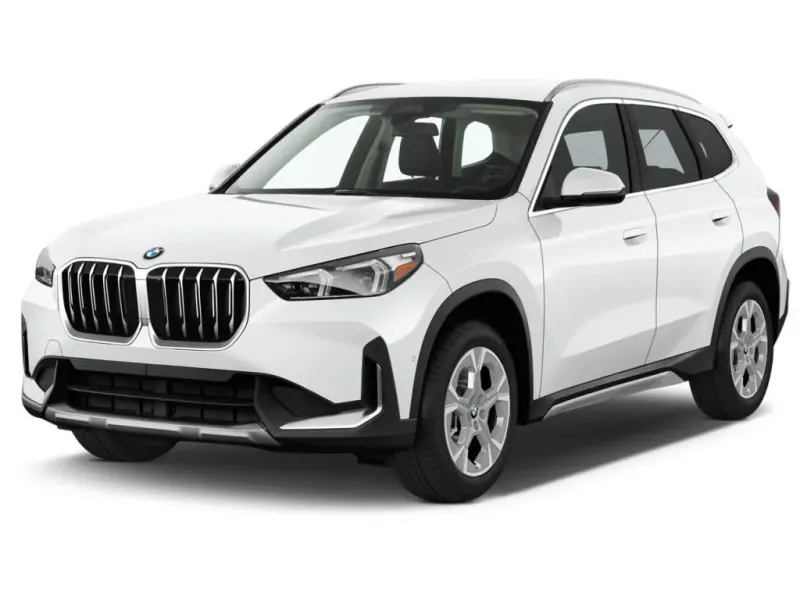
BMW X1
Score: 74/100

BMW X3
Score: 65/100

BMW X5
Score: 56/100
Browse More 2023 Vehicles
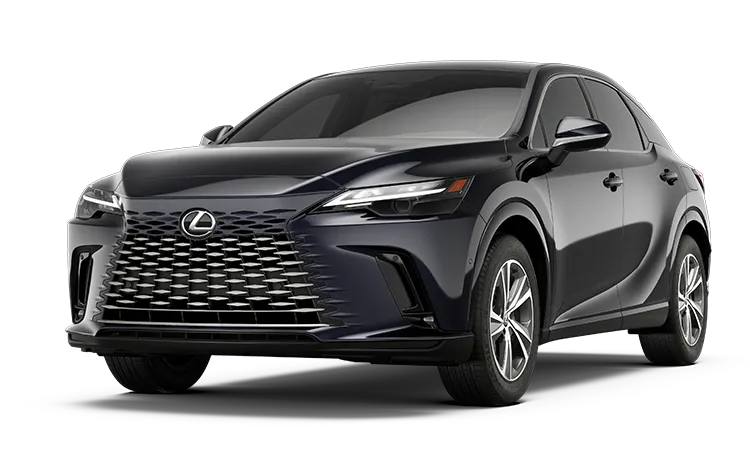
2023 Lexus RX
Score: 85/100
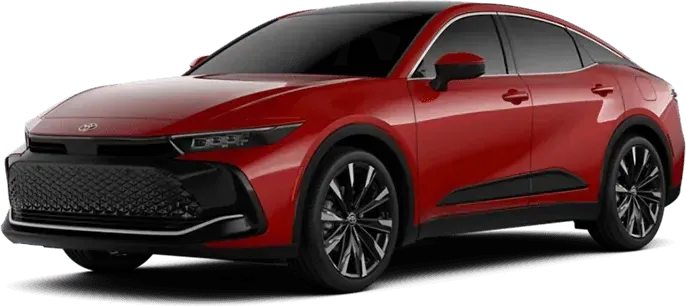
2023 Toyota Crown
Score: 84/100
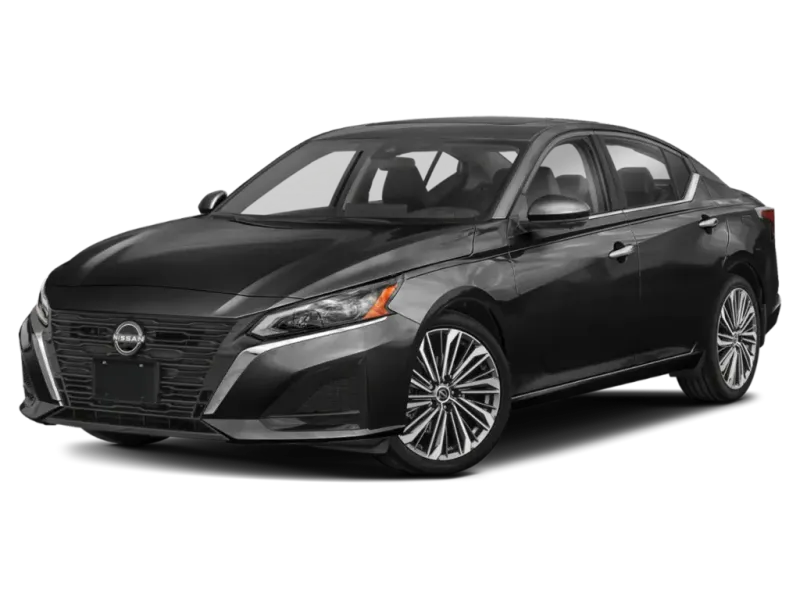
2023 Nissan Altima
Score: 84/100
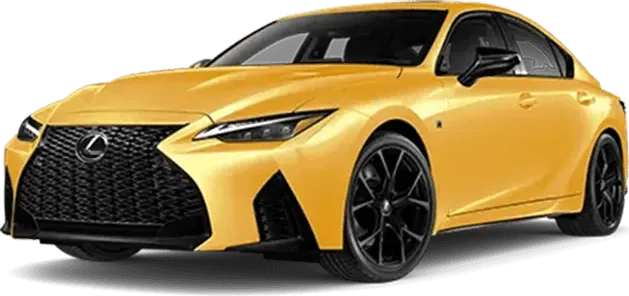
2023 Lexus IS
Score: 83/100
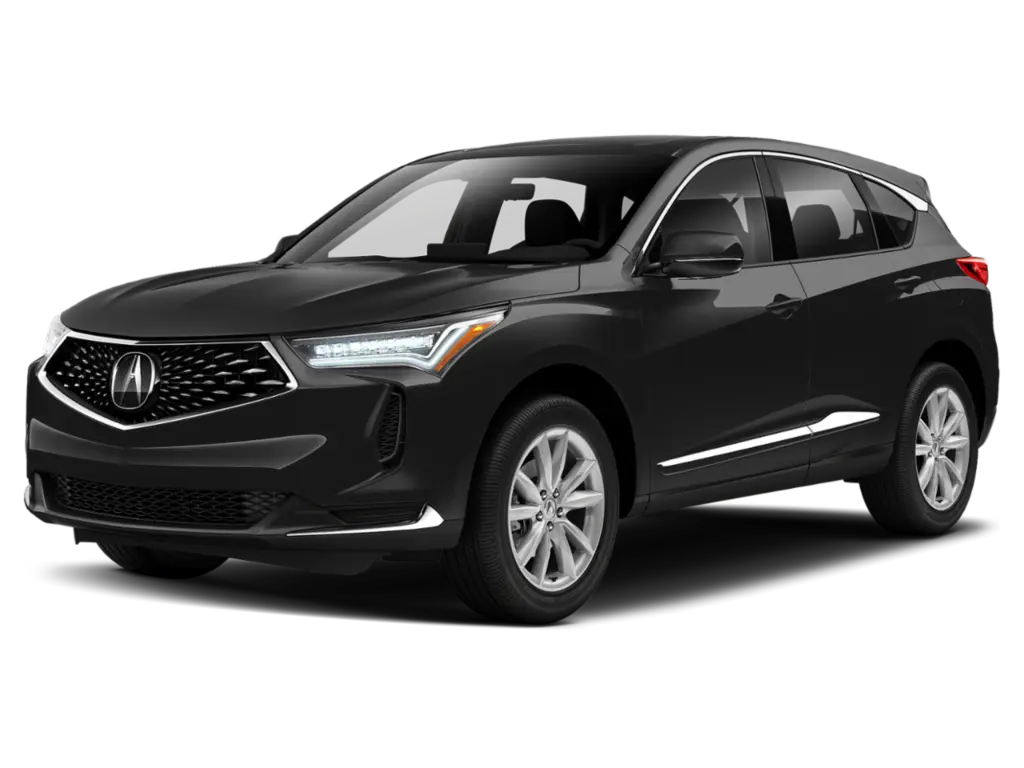
2023 Acura RDX
Score: 82/100
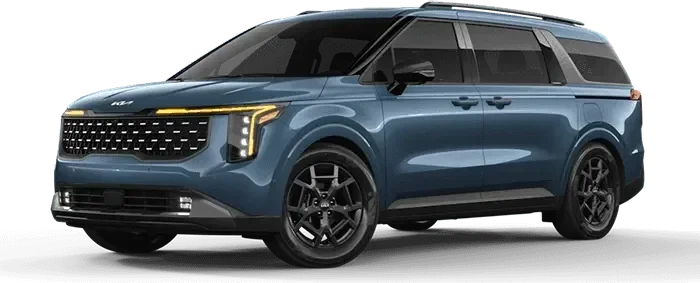
2023 Kia Carnival
Score: 82/100
See incorrect data? Report an issue