Last updated: 2026-10-10
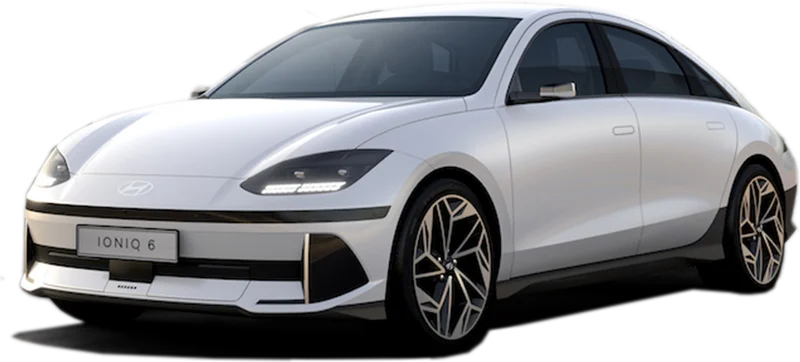
2023 Hyundai Ioniq 6 Reliability Report
Rated good but the weakest Ioniq 6 year, the 2023 Hyundai Ioniq 6 is known for ICCU failures that cut power and strand drivers.
Recalls
5
Complaints
54
Complaint Rate
N/A
Est. Repair Cost
N/A
EV Range
240–361 mi
Detailed Score Breakdown
Component-weighted complaints normalized by sales volume
Independent repair cost ratings
Recall count weighted by severity
Breadth of reported problem categories
The Verdict
The first model year and the weakest of the scored Ioniq 6 years, with the most complaints, led by ICCU failures that cause sudden power loss.
Top Issues to Watch
- ELECTRICAL SYSTEM (29)
- POWER TRAIN (7)
- FORWARD COLLISION AVOIDANCE (3)
Generation & Refresh (US)
2023 is the first model year of the First generation (CE).
- First-year models may have unresolved issues from the new design.
- Redesigned for the 2023 model year.
- Refreshed in 2025.
- 1st generation Ioniq 6 (US).
What this means for buyers
First-year models carry more risk — early production issues are common. Consider waiting for the second year if reliability is a priority.
Compare 2023 pricing and recall counts against 2024+ before deciding.
2023: First generation (CE) Launch
Generation start — new platform.
2025: Mid-Cycle Refresh
Updated features and styling tweaks.
Should You Buy the 2023 Hyundai Ioniq 6?
Reliability is good, but this is the weakest of the four scored Ioniq 6 years. Against other 2023 sedans it sits close to average. As the first year of the generation, it shows early flaws. The 2024 rates better and has fewer complaints (33 against 54), though both years have 5 recalls. The federal crash-test rating is 5 of 5 stars.
The big issue is the integrated charging control unit (ICCU). Owners see an electrical warning, then a limp mode capped near 22 mph, and some cars shut down in traffic or on the highway. The 12-volt battery often dies too, so the car needs a tow. These failures start around 19,616 to 23,000 miles, can return after a replacement, and parts can take weeks. Smaller groups report false automatic emergency braking, with one injury, and horns that quit, sometimes within 3,000 miles.
Federal recall records list recalls for seat belts, the electrical system (three) and the power train. Ask for proof each was completed, and ask whether the ICCU has been replaced. The 2024 is worth a look.
Compared to the 2024 Hyundai Ioniq 6, which scored 8 points higher.
Pros
- +Acceptable reliability score
- +Low complaint frequency
- +5-star NHTSA crash rating
Cons
- −Moderate recall count
- −ELECTRICAL SYSTEM: Integrated charging control unit (ICCU) failure dominates these reports (29 complaints)
- −POWER TRAIN: Sudden loss of drive power is the main pattern (7 complaints)
Compare 2023 Hyundai Ioniq 6 With
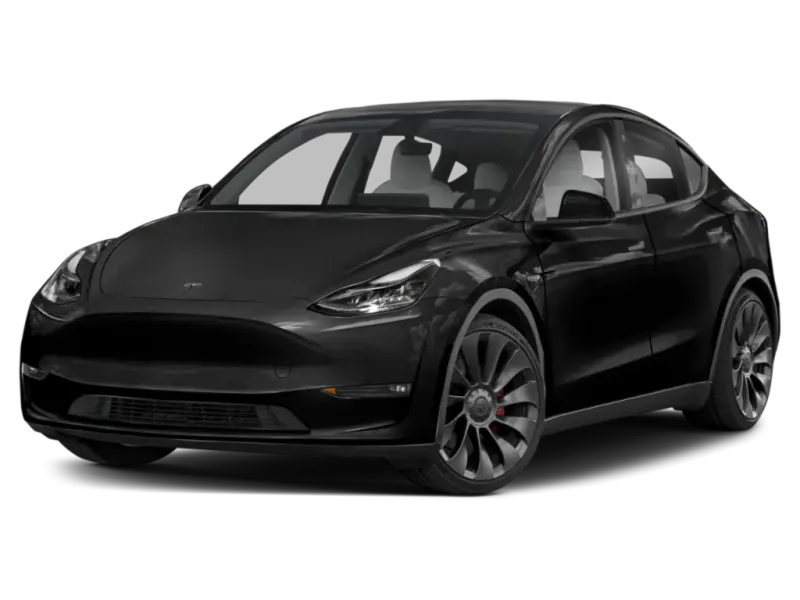
2023 Tesla Model 3
Reliability: 57/100

2023 BMW 3 Series
Reliability: 70/100
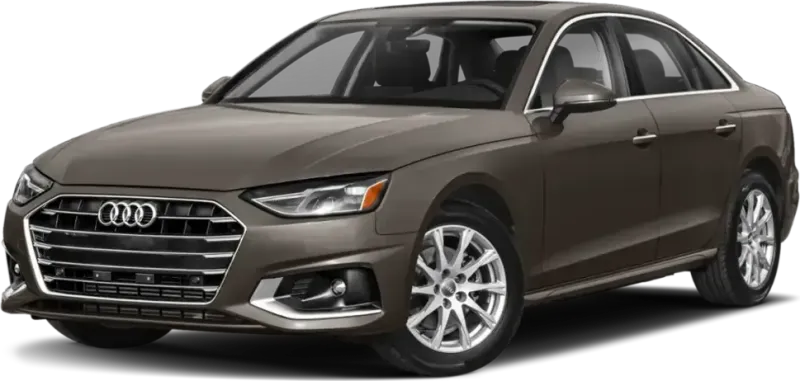
2023 Audi A4
Reliability: 77/100
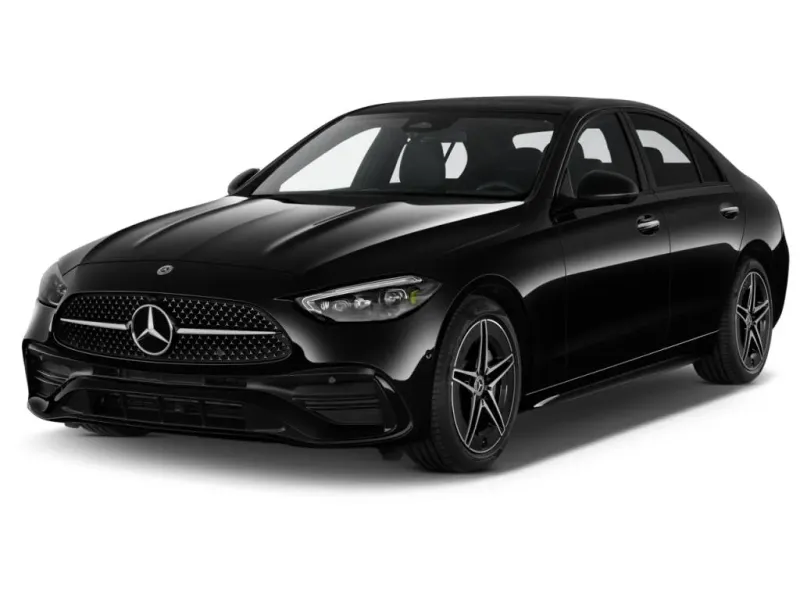
2023 Mercedes-Benz C-Class
Reliability: 53/100
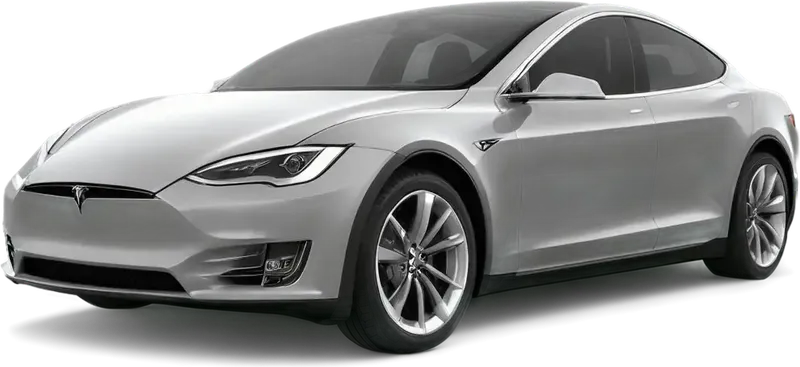
2023 Tesla Model S
Reliability: 32/100
Common Problem Categories
Safety
LOW RISK- 5 manufacturer recalls issued
Other
HIGH RISK- ELECTRICAL SYSTEM (29)
- POWER TRAIN (7)
Recall Overview
5
recalls on record
A moderate 5 recalls are on file for the 2023 Hyundai Ioniq 6. Each one points to a specific safety or compliance issue identified by the manufacturer or NHTSA — check the list below before buying.
NHTSA.gov →Complaint Breakdown
54
complaintsSafety Incidents
0
Crashes
0
Fires
1
Injuries
0
Deaths
NHTSA 5/5 Stars
Data sourced from NHTSA complaint filings and manufacturer recall notices. Complaint narratives are owner-reported.
2023 Hyundai Ioniq 6 Recall Details
5 recalls have been issued for the 2023 Hyundai Ioniq 6. All recall repairs are performed free of charge at authorized dealerships.
SEAT BELTS
Hyundai Motor America (Hyundai) is recalling certain 2023-2025 Hyundai Ioniq 6, 2023-2026 Genesis G90, 2024-2026 Hyundai Santa Fe, and Hyundai Santa Fe Hybrid vehicles. The driver and passenger seat belt anchors may detach.
Consequence
A detached seat belt anchor will not adequately restrain the seat occupant, increasing the risk of injury in a crash.
Remedy
Dealers will inspect and reinforce or replace the seat belt anchors, as necessary, free of charge. Owner notification letters are expected to be mailed June 5, 2026. Owners may contact Hyundai customer service at 1-855-371-9460 and Genesis customer service at 844-340-9741. Hyundai's numbers for this recall are 298 and 032G. Vehicle Identification Numbers (VINs) involved in this recall became searchable on NHTSA.gov April 8, 2026.
ELECTRICAL SYSTEM
Hyundai Motor America (Hyundai) is recalling certain 2023-2025 IONIQ 6 electric vehicles. The charging port door panel may detach.
Consequence
A detached charging port door panel can create a road hazard for other vehicles, increasing the risk of a crash.
Remedy
Dealers will apply an adhesive on the charging port door assembly, free of charge. Owner notification letters were mailed beginning October 10, 2025. Owners may contact Hyundai customer service at 1-855-371-9460. Hyundai's number for this recall is 282. Vehicle Identification Numbers (VINs) involved in this recall became searchable on NHTSA.gov on September 13, 2025.
ELECTRICAL SYSTEM
Hyundai Motor America (Hyundai) is recalling certain 2022-2024 IONIQ 5, 2023-2025 IONIQ 6, Genesis GV60, Genesis GV70 "Electrified," and Genesis G80 "Electrified" vehicles. The Integrated Charging Control Unit (ICCU) may become damaged and stop charging the 12-volt battery, which can result in a loss of drive power.
Consequence
A loss of drive power increases the risk of a crash.
Remedy
Dealers will inspect and replace the ICCU and its fuse, as necessary. In addition, dealers will update the ICCU software. All repairs will be performed free of charge. Owner notification letters were mailed December 20, 2024. Owners may contact Hyundai customer service at 1-855-371-9460 or Genesis customer service at 1-844-340-9741. Hyundai's numbers for this recall are 272 (Hyundai) and 025G (Genesis). This recall expands and replaces previous recall number 24V-204. Vehicles previously repaired under recall 24V-204 will need to have the new remedy completed.
Buying a used 2023 Hyundai Ioniq 6? Check its history first
Electrical system problems lead owner complaints about the 2023 Hyundai Ioniq 6, and 5 recalls were issued for it. A VIN check shows whether this car's recall work was done, plus accident, title, and odometer history.
- Accidents
- Open Recalls
- Title History
- Odometer Rollback
2023 Hyundai Ioniq 6 NHTSA Safety Ratings
Overall Safety Rating
Crash Test Results by Configuration (expand)
Gas Powertrain
Rollover risk: 6.7%
Safety Technologies
Hyundai Ioniq 6Repair Costs & Maintenance
Maintenance Rating
3.5Maintenance rating: 3.5 out of 5Based on NHTSA complaint patterns, recall severity, and publicly available cost benchmarks.
Category-level averages derived from publicly available industry reports (AAA, CarMD). Model-level estimates produced by Auto Reliability Index.
MPG & Annual Running Costs
Electric
240–361 mi range
Fuel cost: $550–$750/yr
Fuel only
23.572–32.52 kWh/100mi · 6.1–7.5 hrs @ 240V
Based on EPA fuel-cost estimates. Excludes routine maintenance, depreciation, and insurance. Data as of 2023 EPA label cycle.
Electric trims
| Trim | Drive | Trans. | Range | kWh/100mi | Fuel Cost |
|---|---|---|---|---|---|
| Ioniq 6 Long range RWD (18 inch Wheels) | Rear-Wheel Drive | Automatic (A1) | 361 mi | 23.6 | $550 |
| Ioniq 6 Standard Range RWD | Rear-Wheel Drive | Automatic (A1) | 240 mi | 25.0 | $550 |
| Ioniq 6 Long range AWD (18 inch Wheels) | All-Wheel Drive | Automatic (A1) | 316 mi | 28.0 | $650 |
| Ioniq 6 Long range RWD (20 inch Wheels) | Rear-Wheel Drive | Automatic (A1) | 305 mi | 29.0 | $650 |
| Ioniq 6 Long range AWD (20 inch Wheels) | All-Wheel Drive | Automatic (A1) | 270 mi | 32.5 | $750 |
Used Buying Checklist
Key things to inspect or verify before purchasing a 2023 Hyundai Ioniq 6.
Scan for stored code P1A9096 and ask for records of any ICCU replacement or software update.
Press the horn and listen for both a high and a low tone.
Have the 12-volt battery tested and confirm the car starts normally after sitting overnight.
Cycle through park, reverse, neutral, and drive several times; confirm the parking brake releases and the car shuts off and locks.
Drive in slow stop-and-go traffic and a parking garage, watching for false emergency braking alerts.
On the highway, lift off and reapply the accelerator, confirming power returns promptly with no warnings.
Open and close the charge door several times, ideally after a cold, wet night.
Inspect the panoramic sunroof glass closely for cracks, chips, or replacement.
2023 Hyundai Ioniq 6 Common Problems by Component
54 owner complaints grouped by vehicle system.
ELECTRICAL SYSTEM
29 complaintsIntegrated charging control unit (ICCU) failure dominates these reports. A "check vehicle power supply" or electrical warning appears, the car drops into a limp mode capped near 22 mph, and some cars then shut down in traffic or on the highway. The 12-volt battery often dies with it, so cars need a tow and a jump. Several failures follow a dealer software update, and failures can recur after an ICCU replacement. Parts can take weeks. Smaller groups report horn failures, sometimes within 3,000 miles, and parking brake faults that leave the car stuck in neutral.
POWER TRAIN
7 complaintsSudden loss of drive power is the main pattern. Many cases trace to ICCU failure: a warning appears, sometimes after a loud pop, and speed drops to about 25 mph before the car quits. Others happen with no warning lights at all. These include a full loss of power and steering on the highway around 18,000 miles that the dealer could not duplicate, and an accelerator that stops responding until the car restarts. A separate complaint describes the car lurching forward while parking. Losing power in traffic or at intersections carries a real crash risk.
UNKNOWN OR OTHER
7 complaintsHorn failure leads this category. The two-tone horn loses its low tone first, then quits completely, and one car blew its horn fuse 4 times in 5,000 miles. Drivers say they cannot warn others during near-collisions. ICCU failure also appears here, leaving a parked car undrivable at 19,616 miles and confirmed by the dealer, with a loaner provided during the warranty repair. A single report describes the panoramic sunroof shattering outward at highway speed with no sign of impact.
FORWARD COLLISION AVOIDANCE (3 complaints)
FORWARD COLLISION AVOIDANCE
3 complaintsFalse automatic emergency braking is the complaint. The system warns of a collision that is not there and brakes hard, in one case from highway speed down to around 25 mph, with an injury reported. It also triggers in slow bridge traffic and in an empty covered parking lot, where the car refused to move until restarted. False proximity warnings show up on the same drive in one report. The main danger is a rear-end collision from a following car.
FUEL/PROPULSION SYSTEM (2 complaints)
FUEL/PROPULSION SYSTEM
2 complaintsThe charge door freezes shut after rain followed by below-freezing temperatures, then opens once the day warms up. No warning appears, and a driver far from home could be left unable to charge. The other complaint here is another ICCU failure: an electrical warning tells the driver to stop, the app shows code P1A9096, and the dealer replaces the ICCU. Only 2 complaints fall in this category, so the pattern is thin.
STRUCTURE (1 complaints)
STRUCTURE
1 complaintSubject: Safety Complaint – Sharp Upper Door Edge Causing Facial Injury (Hyundai IONIQ 6, 2023) Message: To whom it may concern, I would like to submit a safety complaint regarding my 2023 Hyundai IONIQ 6 (VIN: [XXX] ). On October 14, 2024, my wife suffered a facial injury caused by an extremely sharp upper edge of the front door. This occurred in our driveway at [XXX] . The injury happened when the front door stopped at its mid-detent position and the sharp, exposed upper edge made forceful contact with her forehead and the area next to her eye. She avoided a direct eye injury only due to quick reflex. This design presents a serious risk to passengers, especially those of shorter stature. I have photographic documentation showing the sharp door edge and the injury mechanism. Hyundai Motor America was informed, but they dismissed the case and advised us simply to “be more careful.” They offered a $150 virtual compensation card, which I did not use, because accepting it could be interpreted as accepting their proposed settlement. Hyundai insisted on dealer inspection, which is irrelevant because this is not a defect of a single unit — all vehicles of this model have the same door-edge geometry. I believe this is a safety-related design hazard affecting all Hyundai IONIQ 6 vehicles. I respectfully request that NHTSA review this case, as the risk of eye or facial injury is significant. Please let me know if you require additional information or photographs. Sincerely, [XXX] [XXX] Phone [XXX] [XXX] INFORMATION REDACTED PURSUANT TO THE FREEDOM OF INFORMATION ACT (FOIA), 5 U.S.C. 552(B)(6)
ENGINE (1 complaints)
ENGINE
1 complaintWhile driving, "check power system" warning appeared on this 2023 Hyundai Ioniq 6. Moments later an alarm sounded advising to stop driving and turn off engine. I was able to drive to a safe place although the vehicle would not accelerate beyond approximately 15 mph. Car was conveyed by carrier truck to dealer where as of this date it has remained for two weeks as the service department awaits parts. Note: all prior software updates/recalls had been completed before this unfortunate incident occurred.
SEATS (1 complaints)
SEATS
1 complaintThe driver seat is causing back, glute and groin pain. The car has been driven for only 1.7k miles, but the seat cushions already have so much give that one can easily feel the frame under the seat when sitting or pressing down with an open hand. The back of the seat has so much give that it is possible to feel the plastic behind the seat back cushion. I will include photos, but unfortunately it is rather difficult to capture the issue in photos. The issue is constant and ongoing. Aside from causing pain that is requiring medication, the uncomfortable seating is distracting and experiencing numbness in your legs while driving are both clear a safety concern. The dealership, as well as Hyundai USA’s customer service, are refusing to take any action on these concerns. Instead they have given me the run around for 4 months saying I should contact customer service or the dealership, respectively. The dealer has inspected the car, but maintains that there is no issue. I would be happy to get the car assessed by somebody independent if NHTSA as suggestions in that regard. The issue first became apparent after driving the car for daily commutes shortly after taking possession of it.
BACK OVER PREVENTION (1 complaints)
BACK OVER PREVENTION
1 complaintThe contact owns a 2023 Hyundai Ioniq 6. The contact stated that while reversing, the brake lights interfered with the optics of the back-up camera. The inference caused the camera image to be distorted which affected the visibility while reversing. There was no warning light illuminated. The contact stated that the failure persisted. The vehicle was taken to the dealer to be diagnosed; however, the vehicle was not repaired. The manufacturer was made aware of the failure. The approximate failure mileage was 3,518.
EXTERIOR LIGHTING (1 complaints)
EXTERIOR LIGHTING
1 complaintHeadlights do not illuminate the road properly, there are dark spot in front of the car specially on the driver side. Making a turn there is ZERO visibility ( almost went into the median road ) because I do not see anything on the sides. The headlights do not " flood the road " Hyundai say this about the headlight and is very misleading. I drive a lot specially at night I am afraid to drive the car like that. A 2023 52k should not have these issues. BIG safety issues. To have a dealer check the car out I have to wait a month, so I am waiting. Please see the link below here is what Hyundai says about the " state of the art " headlights. Even driving in the city visibility is very bad. [XXX] . Thanks. INFORMATION REDACTED PURSUANT TO THE FREEDOM OF INFORMATION ACT (FOIA), 5 U.S.C. 552(B)(6)
When Do 2023 Hyundai Ioniq 6 Problems Start?
Based on owner complaint patterns, here's when common issues tend to appear.
Best & Worst Hyundai Ioniq 6 Years
Best Hyundai Ioniq 6 Years to Buy
Based on reliability index score2024
2023
(Current Model)
Hyundai Ioniq 6 Years to Avoid
2023
(Current Model)
Hyundai Ioniq 6 Reliability Score Trend
Scores 0–100. Higher is better. Current year highlighted.
| Year | Score | Rating |
|---|---|---|
| 2023 | 69/100 | Good |
| 2024 | 77/100 | Good |
| 2025 | 79/100 | Good |
| 2026 | 82/100 | Excellent |
Hyundai Ioniq 6 Reliability Compared to Other Years
Frequently Asked Questions
Is the 2023 Hyundai Ioniq 6 reliable?
What are the most common problems with the 2023 Hyundai Ioniq 6?
Does the 2023 Hyundai Ioniq 6 have ICCU problems?
Has the 2023 Hyundai Ioniq 6 been recalled?
Is the 2024 Hyundai Ioniq 6 more reliable than the 2023?
Don’t buy a 2023 Hyundai Ioniq 6 without checking its VIN first — hidden accidents, title issues, and open recalls could cost you thousands.
How we score the 2023 Hyundai Ioniq 6
Of the four inputs behind this score, the 2023 Hyundai Ioniq 6 does best on repair costs (70/100) and worst on recall impact (68/100). Scores weight complaint severity at 35%, repair costs at 30%, recall impact at 20%, and the spread of complaints across systems at 15%, with complaint counts adjusted for US sales. Read the full methodology.
Get notified when new recalls or reliability data is added for the Hyundai Ioniq 6.
No spam. Only data updates for this model.
Browse More Hyundai Models
Hyundai Elantra
Score: 94/100
Hyundai Ioniq 5
Score: 63/100
Hyundai Kona
Score: 67/100

Hyundai Palisade
Score: 72/100
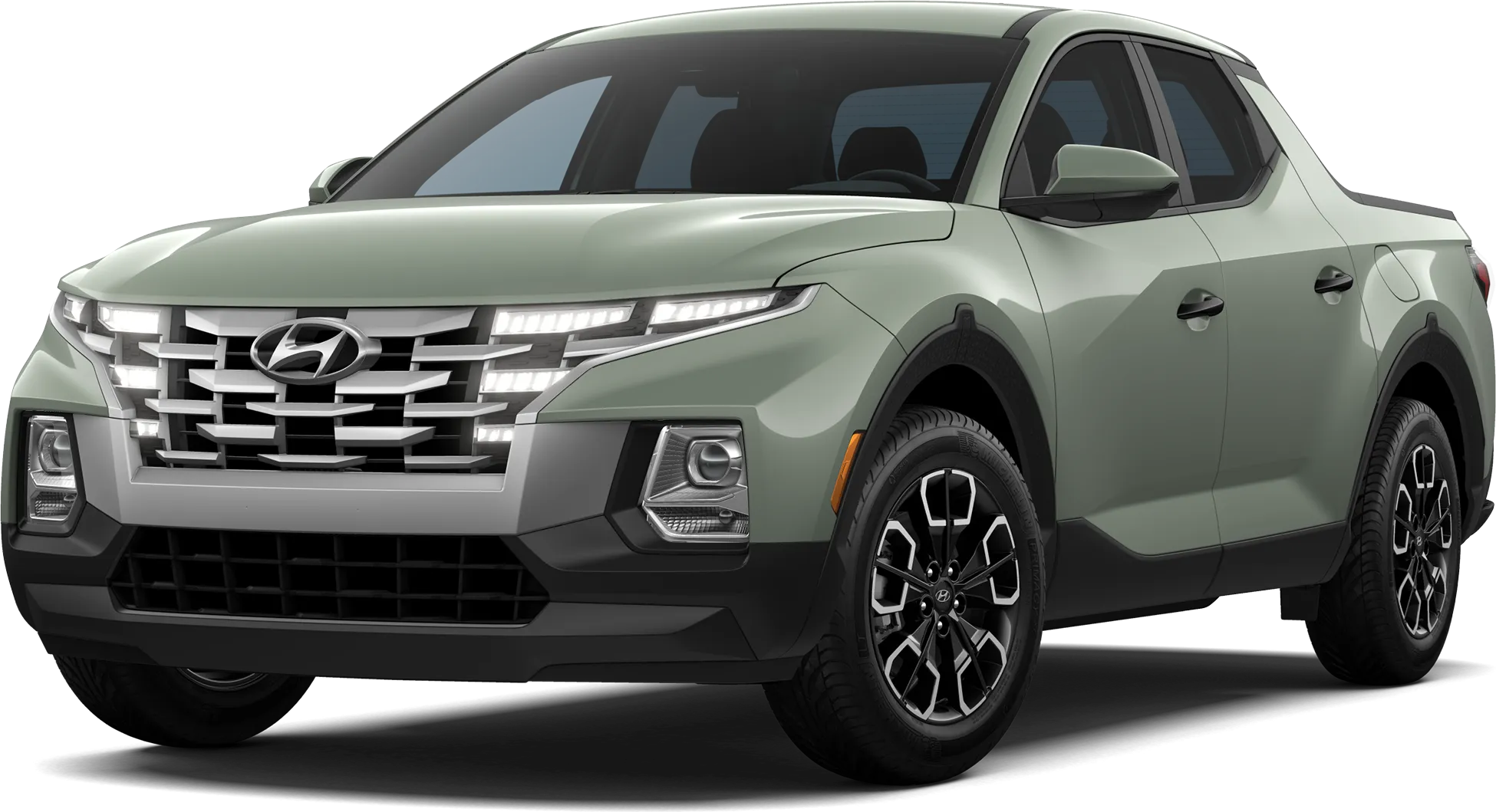
Hyundai Santa Cruz
Score: 74/100
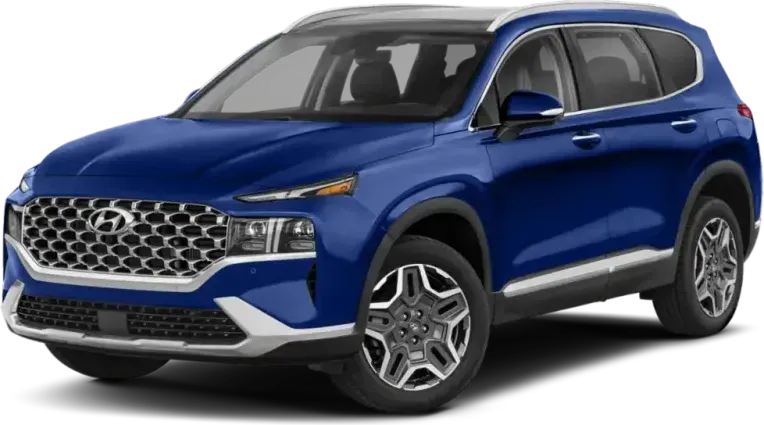
Hyundai Santa Fe
Score: 75/100
Browse More 2023 Vehicles
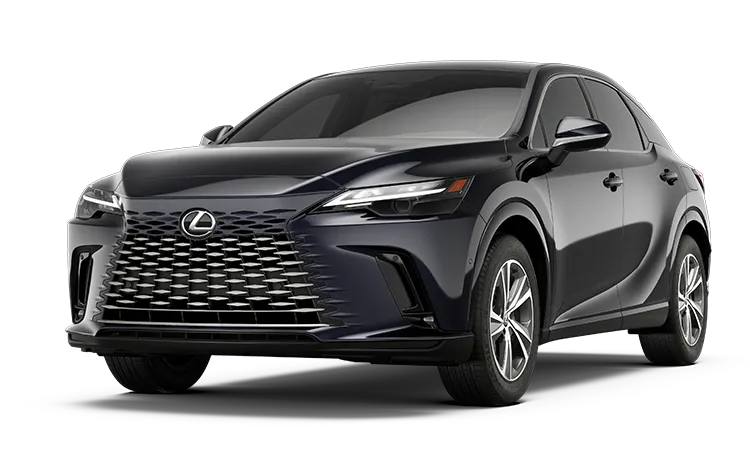
2023 Lexus RX
Score: 85/100
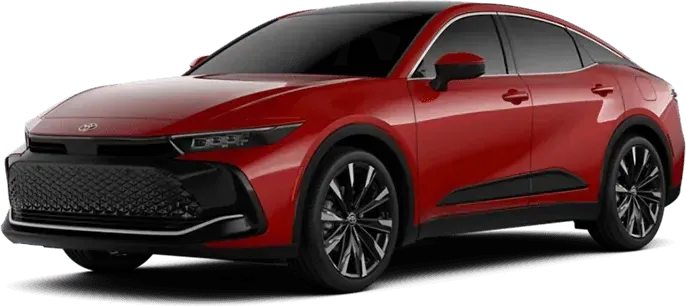
2023 Toyota Crown
Score: 84/100
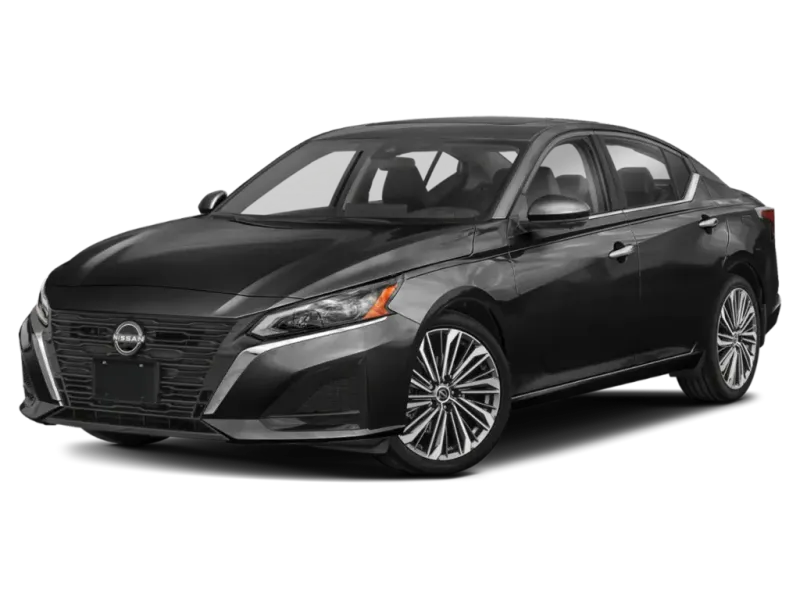
2023 Nissan Altima
Score: 84/100
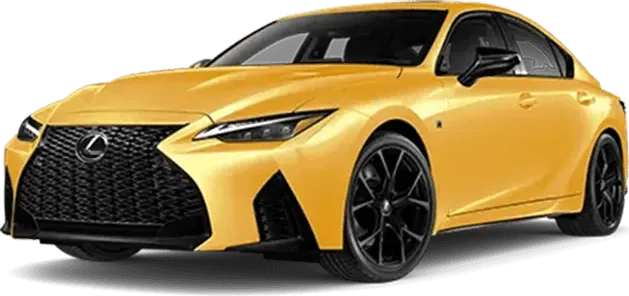
2023 Lexus IS
Score: 83/100
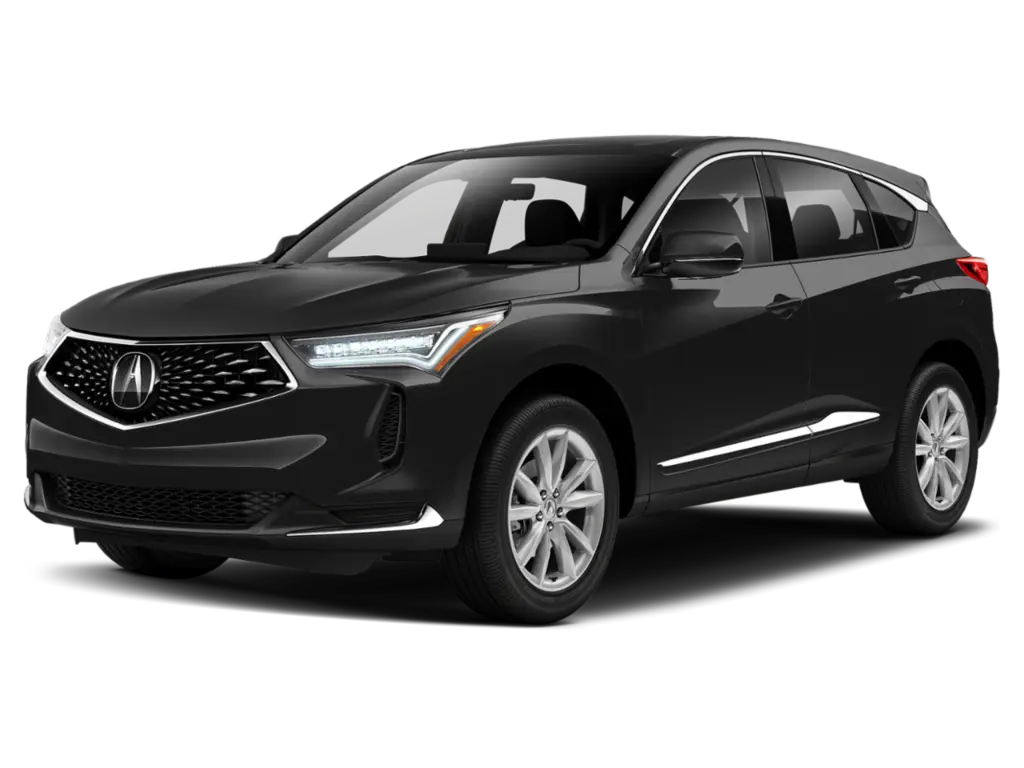
2023 Acura RDX
Score: 82/100
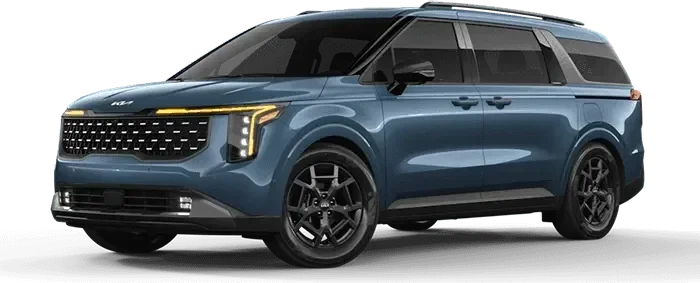
2023 Kia Carnival
Score: 82/100
See incorrect data? Report an issue