Last updated: 2026-10-10
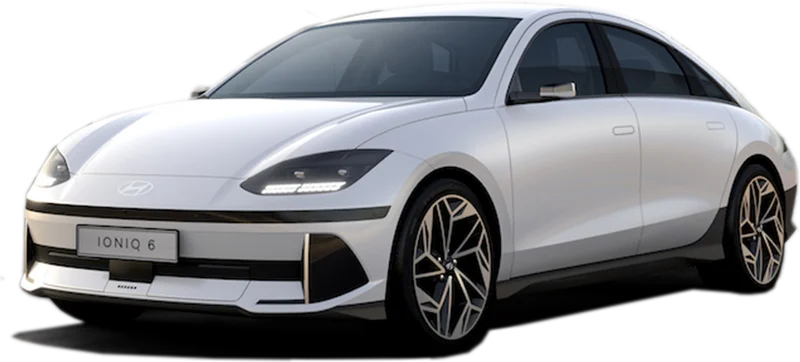
2025 Hyundai Ioniq 6 Reliability Report
The 2025 Hyundai Ioniq 6 has good reliability, but owners report sudden power loss from early ICCU failures.
Recalls
3
Complaints
30
Complaint Rate
0.4per 10,000 sold
Est. Repair Cost
N/A
EV Range
240–342 mi
Detailed Score Breakdown
Component-weighted complaints normalized by sales volume
Independent repair cost ratings
Recall count weighted by severity
Breadth of reported problem categories
The Verdict
Good standing among the stronger Ioniq 6 years, though early ICCU failures that cut power are the main worry, and federal records list three recalls.
Top Issues to Watch
- ELECTRICAL SYSTEM (15)
- POWER TRAIN (4)
- VISIBILITY/WIPER (2)
Generation & Refresh (US)
2025 received a facelift update for the First generation (CE).
- Changes: Redesigned front and rear fascia; New headlights and taillights; Redesigned steering wheel; Enlarged climate control display.
- Year 3 in this generation (2023–present).
- 1st generation Ioniq 6 (US).
What this means for buyers
Refresh years bring updates but can also introduce new issues. Check early recall data before buying.
2023: First generation (CE) Launch
Generation start — new platform.
2025: This Model Year (Refresh)
2025 received a facelift update for the First generation (CE).
Should You Buy the 2025 Hyundai Ioniq 6?
Reliability is good for this model year. It lands close to average among 2025 sedans and ranks among the stronger of the four scored Ioniq 6 years. The 2024 rates about the same, with 33 complaints and 5 recalls. The 2026 rates better, but it has no complaints or recalls on file, which mostly reflects how little time it has had on the road. Federal crash testing gave 5 of 5 stars.
One problem dominates. Owners describe a pop, then a "Check Electric Vehicle System" warning, then a crawl or a full shutdown, sometimes on a freeway. Dealers usually diagnose a failed ICCU, often with a blown fuse. Failures start early, from about 6,255 to 14,794 miles. Replacement parts are often backordered, so cars can sit for weeks. Federal records list 3 recalls, covering seat belts and the electrical system.
Ask for the recall history and any ICCU repair records. One owner reported the high-voltage battery would not fully charge after the replacement.
Compared to the 2026 Hyundai Ioniq 6, which scored 3 points higher. See also the 2024 Hyundai Ioniq 6 for an earlier comparison.
Pros
- +Acceptable reliability score
- +Below-average complaint rate for Sedan
- +5-star NHTSA crash rating
Cons
- −Moderate recall count
- −ELECTRICAL SYSTEM: Sudden loss of power is the dominant problem (15 complaints)
- −UNKNOWN OR OTHER: These reports cover a mix of unrelated problems (5 complaints)
Compare 2025 Hyundai Ioniq 6 With
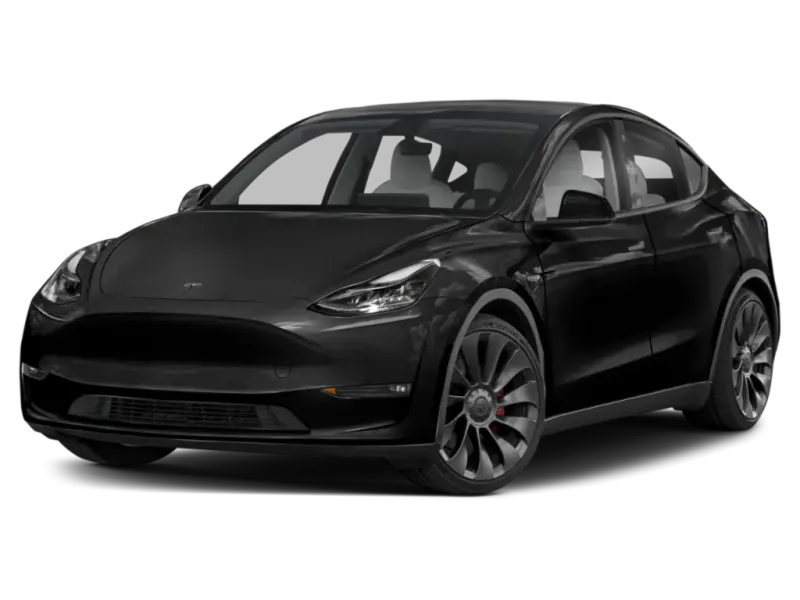
2025 Tesla Model 3
Reliability: 67/100

2025 BMW 3 Series
Reliability: 71/100
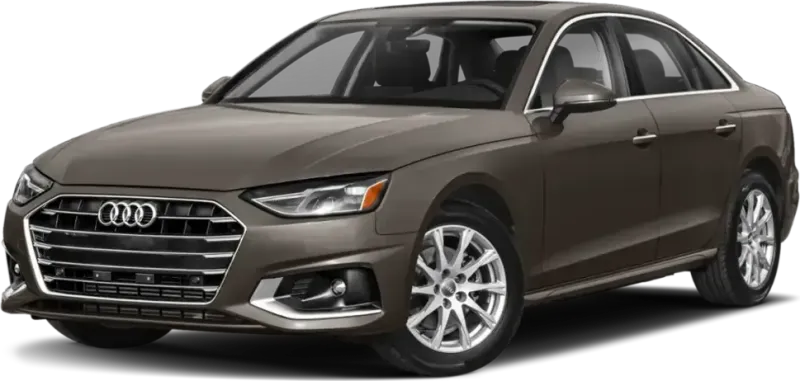
2025 Audi A4
Reliability: 81/100
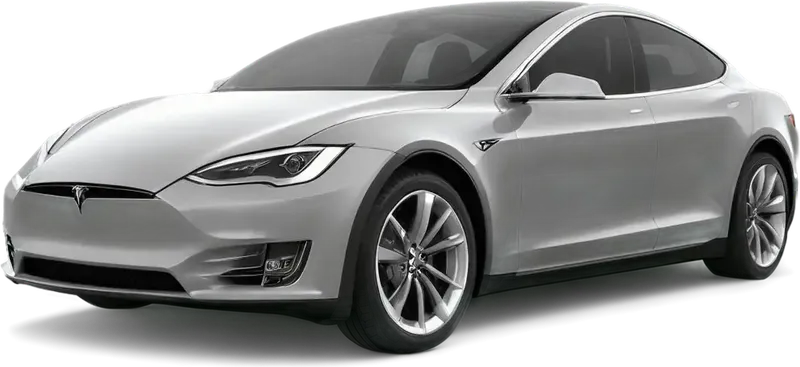
2025 Tesla Model S
Reliability: 50/100
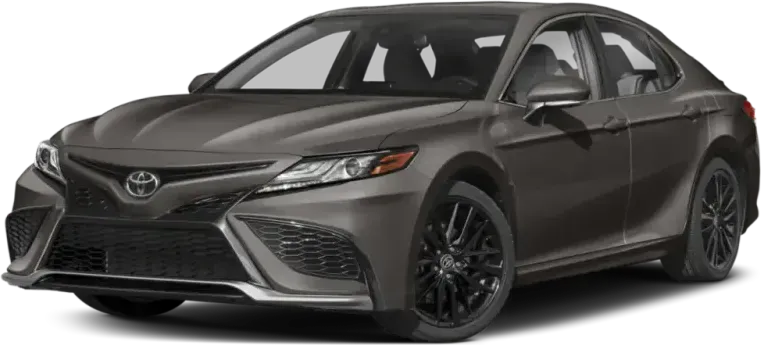
2025 Toyota Camry
Reliability: 76/100
Common Problem Categories
Safety
LOW RISK- 3 manufacturer recalls issued
Other
HIGH RISK- ELECTRICAL SYSTEM (15)
- UNKNOWN OR OTHER (5)
Recall Overview
3
recalls on record
A moderate 3 recalls are on file for the 2025 Hyundai Ioniq 6. Each one points to a specific safety or compliance issue identified by the manufacturer or NHTSA — check the list below before buying.
NHTSA.gov →Complaint Breakdown
0.4
per 10,000 soldSegment avg: 2
Safety Incidents
2
Crashes
0
Fires
0
Injuries
0
Deaths
NHTSA 5/5 Stars
Data sourced from NHTSA complaint filings and manufacturer recall notices. Complaint narratives are owner-reported.
2025 Hyundai Ioniq 6 Recall Details
3 recalls have been issued for the 2025 Hyundai Ioniq 6. All recall repairs are performed free of charge at authorized dealerships.
SEAT BELTS
Hyundai Motor America (Hyundai) is recalling certain 2023-2025 Hyundai Ioniq 6, 2023-2026 Genesis G90, 2024-2026 Hyundai Santa Fe, and Hyundai Santa Fe Hybrid vehicles. The driver and passenger seat belt anchors may detach.
Consequence
A detached seat belt anchor will not adequately restrain the seat occupant, increasing the risk of injury in a crash.
Remedy
Dealers will inspect and reinforce or replace the seat belt anchors, as necessary, free of charge. Owner notification letters are expected to be mailed June 5, 2026. Owners may contact Hyundai customer service at 1-855-371-9460 and Genesis customer service at 844-340-9741. Hyundai's numbers for this recall are 298 and 032G. Vehicle Identification Numbers (VINs) involved in this recall became searchable on NHTSA.gov April 8, 2026.
ELECTRICAL SYSTEM
Hyundai Motor America (Hyundai) is recalling certain 2023-2025 IONIQ 6 electric vehicles. The charging port door panel may detach.
Consequence
A detached charging port door panel can create a road hazard for other vehicles, increasing the risk of a crash.
Remedy
Dealers will apply an adhesive on the charging port door assembly, free of charge. Owner notification letters were mailed beginning October 10, 2025. Owners may contact Hyundai customer service at 1-855-371-9460. Hyundai's number for this recall is 282. Vehicle Identification Numbers (VINs) involved in this recall became searchable on NHTSA.gov on September 13, 2025.
ELECTRICAL SYSTEM
Hyundai Motor America (Hyundai) is recalling certain 2022-2024 IONIQ 5, 2023-2025 IONIQ 6, Genesis GV60, Genesis GV70 "Electrified," and Genesis G80 "Electrified" vehicles. The Integrated Charging Control Unit (ICCU) may become damaged and stop charging the 12-volt battery, which can result in a loss of drive power.
Consequence
A loss of drive power increases the risk of a crash.
Remedy
Dealers will inspect and replace the ICCU and its fuse, as necessary. In addition, dealers will update the ICCU software. All repairs will be performed free of charge. Owner notification letters were mailed December 20, 2024. Owners may contact Hyundai customer service at 1-855-371-9460 or Genesis customer service at 1-844-340-9741. Hyundai's numbers for this recall are 272 (Hyundai) and 025G (Genesis). This recall expands and replaces previous recall number 24V-204. Vehicles previously repaired under recall 24V-204 will need to have the new remedy completed.
Buying a used 2025 Hyundai Ioniq 6? Check its history first
Electrical system problems lead owner complaints about the 2025 Hyundai Ioniq 6, and 3 recalls were issued for it. A VIN check shows whether this car's recall work was done, plus accident, title, and odometer history.
- Accidents
- Open Recalls
- Title History
- Odometer Rollback
2025 Hyundai Ioniq 6 NHTSA Safety Ratings
Overall Safety Rating
Crash Test Results by Configuration (expand)
Gas Powertrain
Rollover risk: 6.7%
Safety Technologies
Hyundai Ioniq 6Repair Costs & Maintenance
Maintenance Rating
3.5Maintenance rating: 3.5 out of 5Based on NHTSA complaint patterns, recall severity, and publicly available cost benchmarks.
Category-level averages derived from publicly available industry reports (AAA, CarMD). Model-level estimates produced by Auto Reliability Index.
MPG & Annual Running Costs
Electric
240–342 mi range
Fuel cost: $550–$750/yr
Fuel only
25–32.52 kWh/100mi · 6.1–7.5 hrs @ 240V
Based on EPA fuel-cost estimates. Excludes routine maintenance, depreciation, and insurance. Data as of 2025 EPA label cycle.
Electric trims
| Trim | Drive | Trans. | Range | kWh/100mi | Fuel Cost |
|---|---|---|---|---|---|
| Ioniq 6 Standard Range | Rear-Wheel Drive | Automatic (A1) | 240 mi | 25.0 | $550 |
| Ioniq 6 RWD (18 inch Wheels) | Rear-Wheel Drive | Automatic (A1) | 342 mi | 26.0 | $600 |
| Ioniq 6 AWD (18 inch Wheels) | All-Wheel Drive | Automatic (A1) | 316 mi | 28.0 | $650 |
| Ioniq 6 RWD (20 inch Wheels) | Rear-Wheel Drive | Automatic (A1) | 291 mi | 29.8 | $650 |
| Ioniq 6 AWD (20 inch Wheels) | All-Wheel Drive | Automatic (A1) | 270 mi | 32.5 | $750 |
Used Buying Checklist
Key things to inspect or verify before purchasing a 2025 Hyundai Ioniq 6.
Ask for service records showing any ICCU or high-voltage fuse replacement, and the repair dates.
Scan for code DTC P1A9096 and confirm no "Check Electric Vehicle System" warning appears at startup.
Drive at highway speed and confirm the car accelerates fully with no limp mode or speed cap.
Plug into a home charger and a DC fast charger, and confirm it charges normally and reaches full capacity.
Open the Bluelink app and check vehicle health for any standing service alerts.
Look through the windshield toward the sun for wiper scratches, and check the glass for cracks.
Press the horn several times to make sure it works.
Run the VIN through federal recall records and confirm all open recalls are completed.
2025 Hyundai Ioniq 6 Common Problems by Component
30 owner complaints grouped by vehicle system.
ELECTRICAL SYSTEM
15 complaintsSafety-relatedSudden loss of power is the dominant problem. Drivers often hear a pop, then get a "Check Electric Vehicle System" warning. Speed drops to a crawl or the car shuts down completely, sometimes on freeways or at night in winter weather. The 12-volt battery stops charging. Dealers usually diagnose a failed ICCU (Integrated Charging Control Unit), often with a blown fuse. Replacement parts are frequently backordered, so cars sit at dealers for weeks. Failures show up early, around 10k to 14,794 miles. One crash report describes the car surging forward at low speed in a driveway.
UNKNOWN OR OTHER
5 complaintsSafety-relatedThese reports cover a mix of unrelated problems. The Bluelink app shows a vehicle-health service alert that has been there since delivery, and the dealer has not cleared it. A horn stops working. A windshield is badly scratched. One owner describes a weeks-long wait for a recall repair appointment and no loaner or ride offered. The one crash-related filing is an odometer and title dispute after an accident. It does not describe a mechanical failure.
POWER TRAIN
4 complaintsThe ICCU and the high-voltage fuse fail without warning, and the car goes straight into limp mode. Top speed falls to somewhere between 11 and 25 mph while traffic around it is moving fast. In at least one case every system except the blinkers quits, leaving the car stuck in the road in freezing weather. Dealers fix it under warranty by fitting the same part again, and replacement units can be backordered. One failure came at 6,255 miles.
VISIBILITY/WIPER (2 complaints)
VISIBILITY/WIPER
2 complaintsThe windshield cracks when the defroster runs on a cold morning. A separate report describes a windshield scratched by the wipers on a car only months old, which causes glare when driving into the sun. The manufacturer suggested debris on the wipers was to blame and did not accept responsibility. Neither report involves a crash or a loss of control.
FUEL/PROPULSION SYSTEM (2 complaints)
FUEL/PROPULSION SYSTEM
2 complaintsA "check electrical system" warning comes on and the car goes into limp mode, capped at 20 mph. A few miles later it loses all power and has to be towed. The dealer reads code DTC P1A9096, which points to ICCU failure. A separate report says the high-voltage battery still will not charge to full capacity after the ICCU was replaced.
WHEELS (1 complaints)
WHEELS
1 complaintMy car was parked and I noticed that there was a bump in the sidewall of my vehicles driver front tire. This is the 2nd time this has happened in a month with factory installed tires that came with the vehicle when purchased brand new. I have had my 2025 Hyundai Ioniq 6 SEL since 12/13/2024. I already submitted an NHSTA safety ticket on 2/3/2025 due to my driver rear tire exploding while driving. Ticket # 11640496. This is extremely dangerous and can kill myself or someone else on the road, especially on highways. There is a defect in these tires that Hyundai had partnered with Pirelli to install on brand new Ioniq 6 SEL vehicles. I am lucky I caught the bump on the side of the tire before it exploded while driving. I have attached the pictures of the tire from this 2nd incident.
TIRES (1 complaints)
TIRES
1 complaintPirelli 245/40 R20 99W The driver rear tire had blown out on me as I was merging onto a highway. I heard a heard a loud pop sound and the car shook and I had to swerve back into my lane. I looked around me and there were no objects or pot holes. My tire emptied down to 7 PSI in about 5-10 seconds. I immediately pulled over to the side of the road. I inspected my tire and there was no damage to the exterior of the tire (nails, screws, debris, etc.), as well there was no scraping of the tire or abrasion. When the repair tech took off the tire to replace it he noticed the steel belt had separated on the tire and had protruded from the inside out and caused the tire to blow. This was extremely scary and dangerous. If there would have been a car to my right my car would have crashed into another car. My car is brand new and I've had it for about 1 1/2 months. It is a 2025 Hyundai Ioniq 6 SEL that was manufactured in 2024. The car has it's original tires from the manufacturer Hyundai. The tire is defective and was not safe to drive. I contacted Hyundai corporate and the dealership about this and they did nothing to reimburse me for the defective tire. I not only am still working for compensation for the tire that was $400 after taxes and fees, but I am trying to alert Hyundai about safety of this model tire.
When Do 2025 Hyundai Ioniq 6 Problems Start?
Based on owner complaint patterns, here's when common issues tend to appear.
Best & Worst Hyundai Ioniq 6 Years
Best Hyundai Ioniq 6 Years to Buy
Based on reliability index scoreHyundai Ioniq 6 Years to Avoid
Hyundai Ioniq 6 Reliability Score Trend
Scores 0–100. Higher is better. Current year highlighted.
| Year | Score | Rating |
|---|---|---|
| 2023 | 69/100 | Good |
| 2024 | 77/100 | Good |
| 2025 | 79/100 | Good |
| 2026 | 82/100 | Excellent |
Hyundai Ioniq 6 Reliability Compared to Other Years
Frequently Asked Questions
Is the 2025 Hyundai Ioniq 6 reliable?
What are the most common problems with the 2025 Hyundai Ioniq 6?
Does the 2025 Hyundai Ioniq 6 have ICCU problems?
What happens when the Ioniq 6 ICCU fails?
Is the 2025 Ioniq 6 better than the 2024?
Don’t buy a 2025 Hyundai Ioniq 6 without checking its VIN first — hidden accidents, title issues, and open recalls could cost you thousands.
How we score the 2025 Hyundai Ioniq 6
Of the four inputs behind this score, the 2025 Hyundai Ioniq 6 does best on complaint severity (86/100) and worst on repair costs (70/100). Scores weight complaint severity at 35%, repair costs at 30%, recall impact at 20%, and the spread of complaints across systems at 15%, with complaint counts adjusted for US sales. Read the full methodology.
Get notified when new recalls or reliability data is added for the Hyundai Ioniq 6.
No spam. Only data updates for this model.
Browse More Hyundai Models
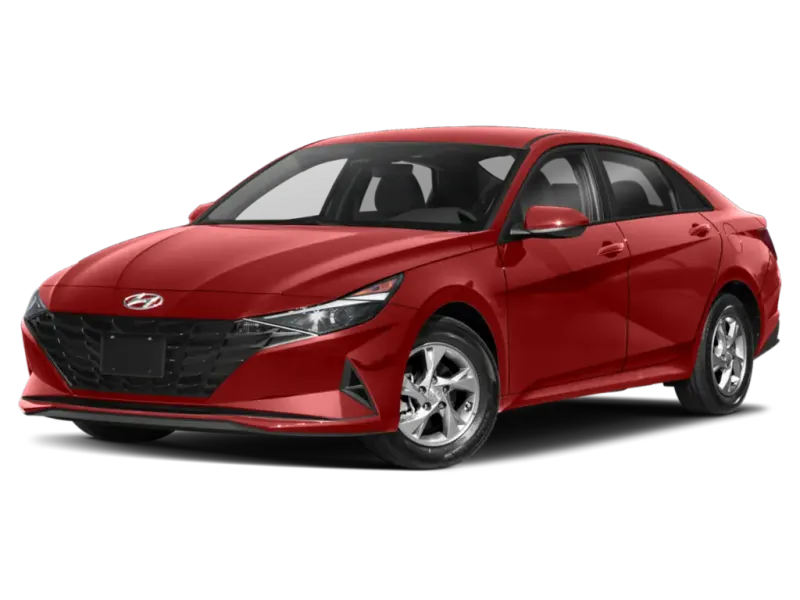
Hyundai Elantra
Score: 94/100
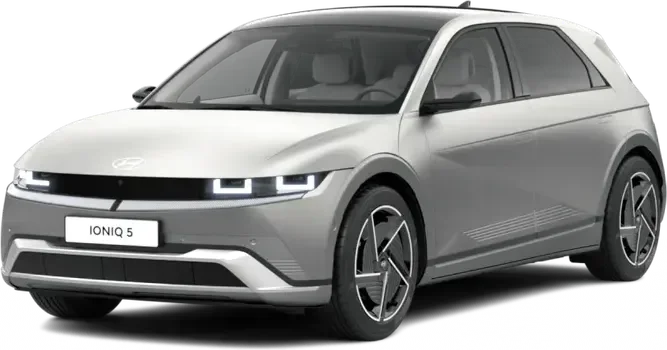
Hyundai Ioniq 5
Score: 63/100
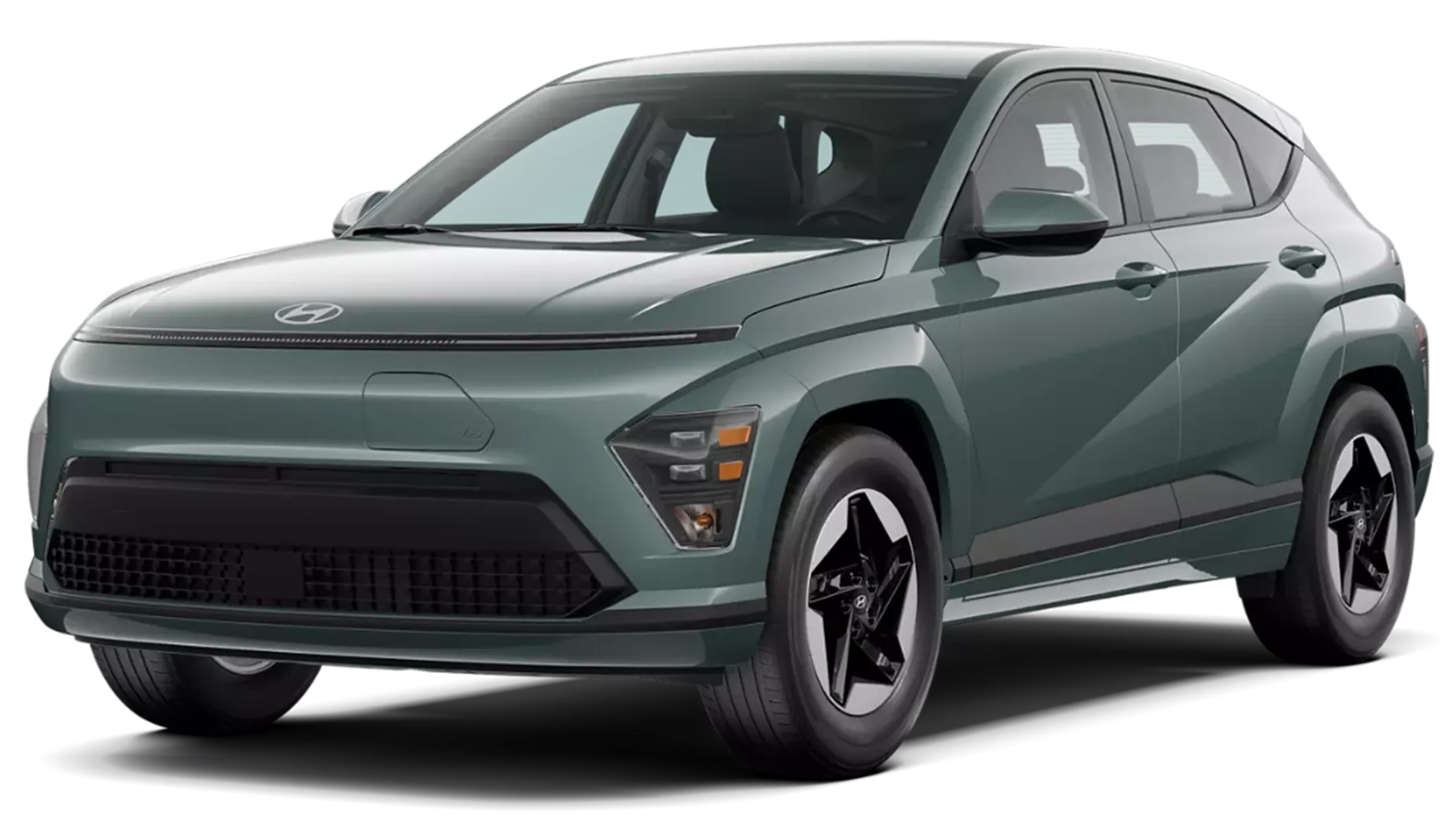
Hyundai Kona
Score: 67/100

Hyundai Palisade
Score: 72/100
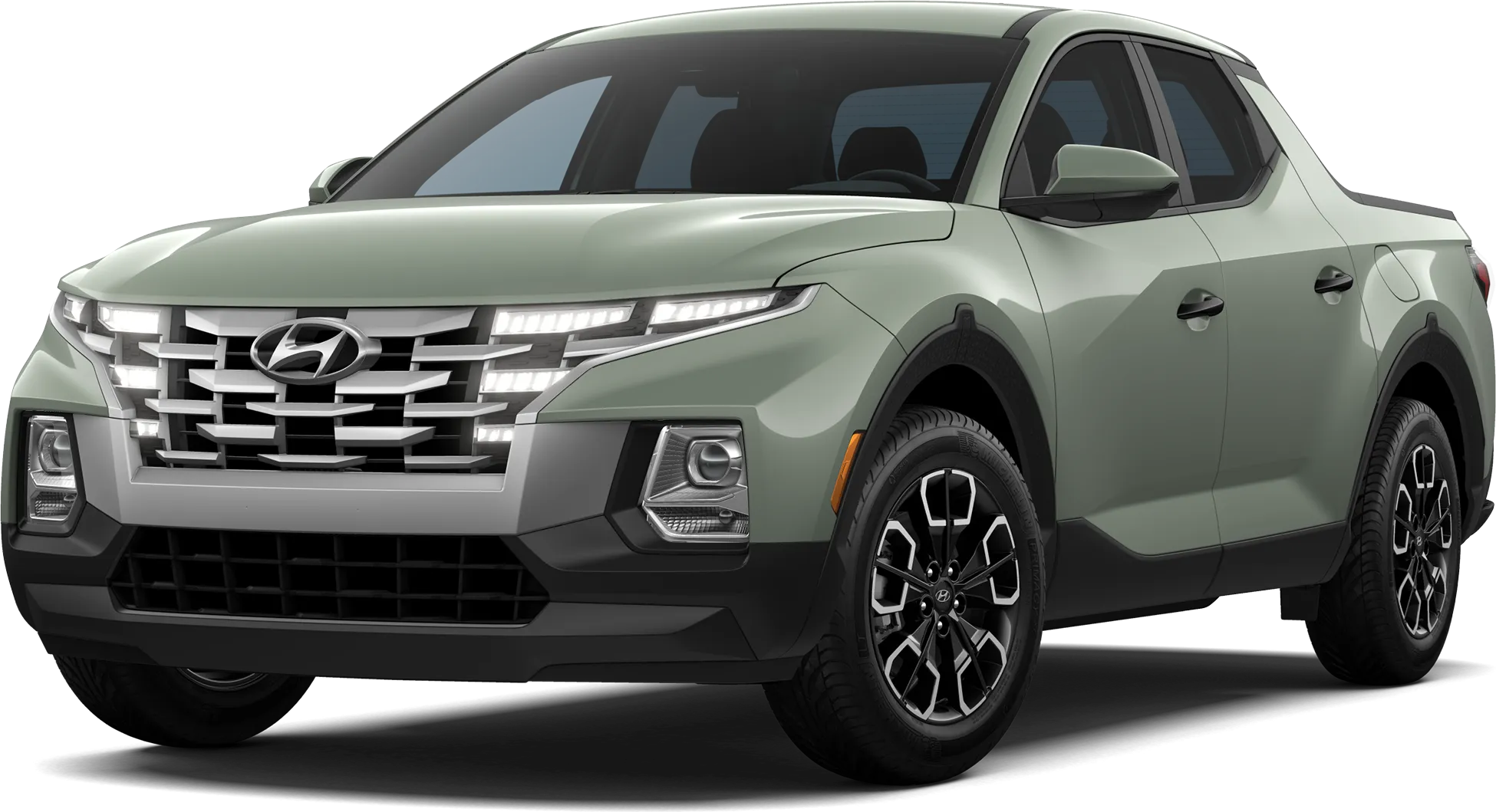
Hyundai Santa Cruz
Score: 74/100
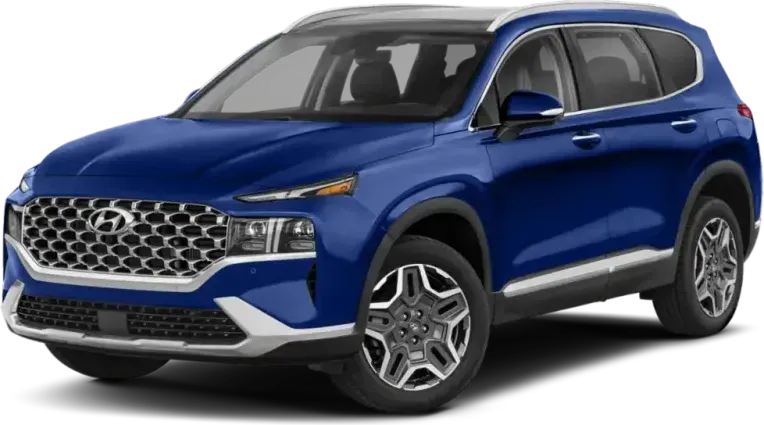
Hyundai Santa Fe
Score: 75/100
Browse More 2025 Vehicles
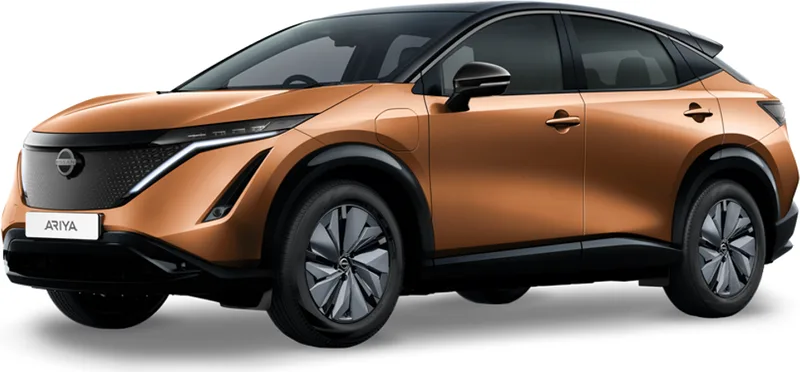
2025 Nissan Ariya
Score: 88/100
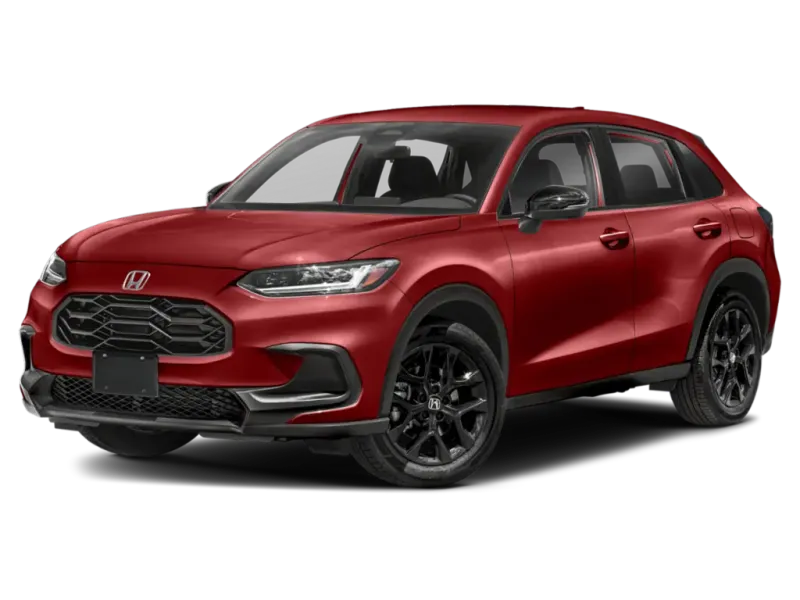
2025 Honda HR-V
Score: 88/100
2025 Acura ZDX
Score: 88/100
2025 Kia Carnival
Score: 88/100
2025 Hyundai Elantra
Score: 87/100
2025 Toyota Corolla Cross
Score: 86/100
See incorrect data? Report an issue