Last updated: 2026-04-20
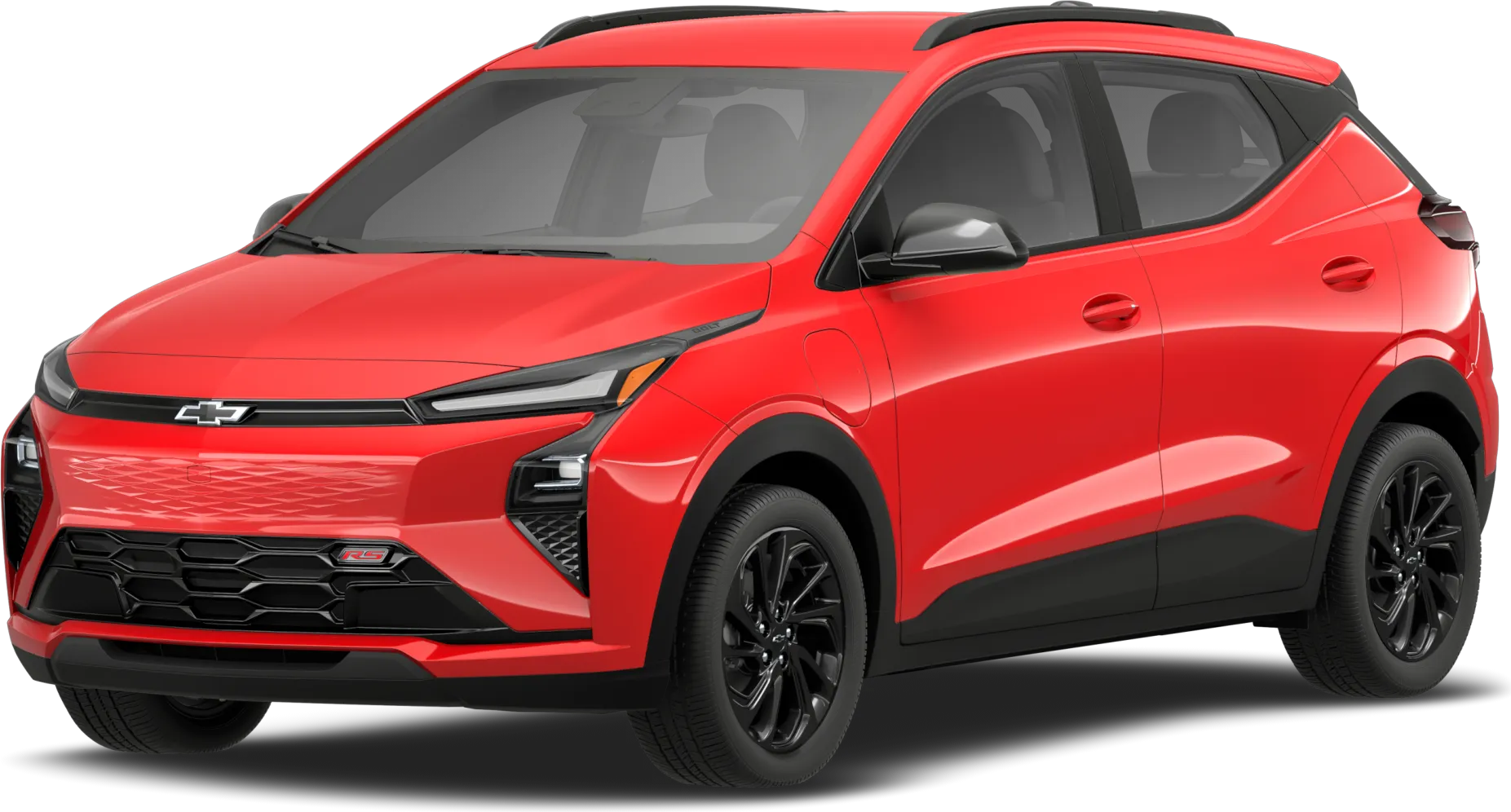
2023 Chevrolet Bolt Reliability Report
The 2023 Chevrolet Bolt scores 64/100 ("Good"). With 3 recalls and 146 owner complaints, reliability is acceptable but not class-leading.
Recalls
3
Complaints
146
Complaint Rate
23.5per 10,000 sold
Est. Repair Cost
$649
EV Range
247–259 mi
Detailed Score Breakdown
Component-weighted complaints normalized by sales volume
Independent repair cost ratings
Recall count weighted by severity
Breadth of reported problem categories
The Verdict
Acceptable reliability — worth considering with a pre-purchase inspection.
Top Issues to Watch
- ELECTRICAL SYSTEM (33)
- STEERING (23)
- EXTERIOR LIGHTING (15)
Generation & Refresh (US)
2023 is the last model year of the First generation (2016).
- Final-year models are typically the most refined version of a generation.
- 1 year after the last refresh (2022).
- 1st generation Bolt (US).
What this means for buyers
Final-year models are usually the most polished version of a generation, but resale value may dip as buyers anticipate the next redesign.
2017: First generation (2016) Launch
Generation start — new platform.
2022: Mid-Cycle Refresh
Updated features and styling tweaks.
2023: This Model Year
2023 is the last model year of the First generation (2016).
Should You Buy the 2023 Chevrolet Bolt?
At 64/100, the 2023 Chevrolet Bolt lands in "Good" territory — acceptable, but not class-leading. 2023 is the last model year of the First generation (2016).
Its complaint rate of 23.5 per 10,000 vehicles sold runs above the SUV segment average of 11.3. The most common reports involve electrical system (33).
Get a pre-purchase inspection on any used example, with extra attention to electrical system (33). An extended warranty is worth pricing out.
See also the 2022 Chevrolet Bolt for an earlier comparison.
Pros
- +Acceptable reliability score
- +5-star NHTSA crash rating
- +Well-established generation
Cons
- −Moderate recall count
- −Above-average complaint rate for SUV
- −ELECTRICAL SYSTEM issues reported (33 complaints)
- −2 fire incidents reported in owner complaints
Compare 2023 Chevrolet Bolt With
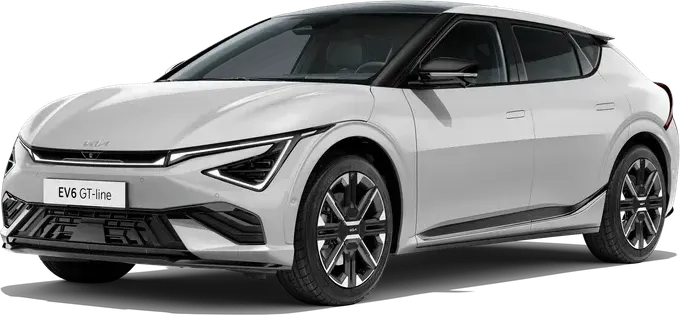
2023 KIA EV6
Reliability: 52/100
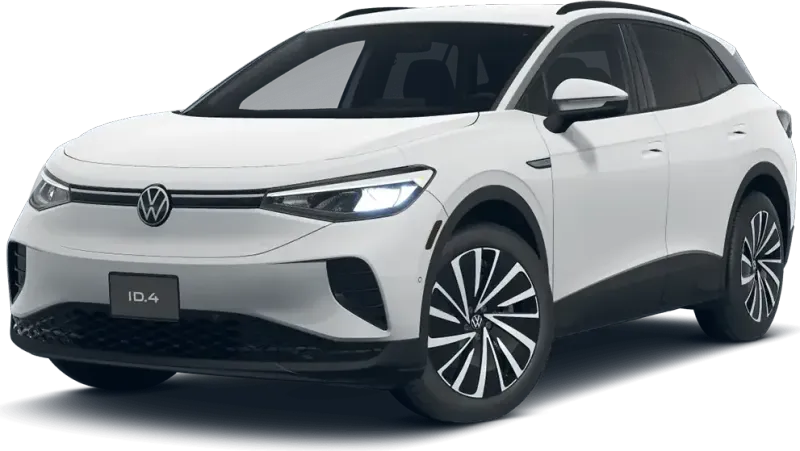
2023 Volkswagen ID-4
Reliability: 42/100

2023 Tesla Model Y
Reliability: 53/100

2023 Hyundai Ioniq 5
Reliability: 50/100
Common Problem Categories
Safety
LOW RISK- 3 manufacturer recalls issued
Other
HIGH RISK- ELECTRICAL SYSTEM (33)
- STEERING (23)
Recall Overview
3
recalls on record
A moderate 3 recalls are on file for the 2023 Chevrolet Bolt. Each one points to a specific safety or compliance issue identified by the manufacturer or NHTSA — check the list below before buying.
NHTSA.gov →Complaint Breakdown
23.5
per 10,000 soldSegment avg: 11.3
Safety Incidents
17
Crashes
2
Fires
8
Injuries
0
Deaths
NHTSA 5/5 Stars
Data sourced from NHTSA complaint filings and manufacturer recall notices. Complaint narratives are owner-reported.
2023 Chevrolet Bolt Recall Details
3 recalls have been issued for the 2023 Chevrolet Bolt. All recall repairs are performed free of charge at authorized dealerships.
STRUCTURE, SEAT BELTS
General Motors, LLC (GM) is recalling certain 2017-2023 Chevrolet Bolt EV vehicles. This recall includes certain vehicles previously repaired incorrectly under NHTSA recall number 22V-930. After a crash with seat belt pretensioner deployment, the pretensioner exhaust may ignite carpet fibers near the B-pillar, causing a fire.
Consequence
A fire increases the risk of injury.
Remedy
Dealers will inspect both front seat belt pretensioners and, if necessary, install metal foil at the carpet near the pretensioner exhaust. Certain vehicles will also need a pretensioner cover installed. Repairs will be performed free of charge. Owner notification letters were mailed January 24, 2024. These vehicles were previously recalled for this same issue under recall number 22V-930 and will need to have the new remedy performed. Owners may contact GM EV Concierge at 1-833-EVCHEVY (1-833-382-4389) (TTY 711 / 1-800-833-2438) or Customer Service at 1-800-222-1020. GM's number for this recall is N232421970.
AIR BAGS, ELECTRICAL SYSTEM
General Motors, LLC (GM) is recalling certain 2022-2023 Chevrolet Bolt EV vehicles. The instrument panel may be missing the perforation on the underside of the panel cover that allows the passenger-side air bag to deploy properly.
Consequence
An air bag that does not deploy properly in a crash increases the risk of injury.
Remedy
Dealers will replace the instrument panel, free of charge. Owner notification letters were mailed December 21, 2023. Owners may contact Chevrolet customer service at 1-800-222-1020. GM's number for this recall is N232414710.
STRUCTURE, SEAT BELTS
General Motors, LLC (GM) is recalling certain 2017-2023 Chevrolet Bolt EV vehicles. After a crash with seat belt pretensioner deployment, the pretensioner exhaust may ignite carpet fibers near the B-pillar, causing a fire.
Consequence
A vehicle fire can increase the risk of injury.
Remedy
Dealers will install metal foil at the carpet near the pretensioner exhaust, and install a pretensioner cover as necessary, free of charge. Owner notification letters were mailed between January 23, 2023 and April 25, 2023. Owners may contact Chevrolet customer service at 1-800-222-1020. GM's number for this recall is N222383790.
Buying a used 2023 Chevrolet Bolt? Check its history first
Every 2023 Chevrolet Bolt has a different past. A VIN check reveals hidden accidents, title problems, odometer rollbacks, and open recalls that reliability scores can't show you.
- Accidents
- Open Recalls
- Title History
- Odometer Rollback
2023 Chevrolet Bolt NHTSA Safety Ratings
Overall Safety Rating
Crash Test Results by Configuration (expand)
Gas Powertrain
Rollover risk: 9.7%
Safety Technologies
Chevrolet BoltRepair Costs & Maintenance
Maintenance Rating
3Maintenance rating: 3 out of 5Based on NHTSA complaint patterns, recall severity, and publicly available cost benchmarks.
Est. Annual Maintenance
$649
Category-level averages derived from publicly available industry reports (AAA, CarMD). Model-level estimates produced by Auto Reliability Index.
2023 Chevrolet Bolt Example Repair Prices
National average price ranges for common repairs. These are not model-year-specific failure predictions.
| Repair | Estimated Cost |
|---|---|
| Fog Lamp Relay Replacement | $107 – $147 |
| Transmission Leak Inspection | $61 – $90 |
| Stabilizer Bar Link Kit Replacement | $107 – $144 |
| Oil Pan Gasket Replacement | $740 – $1,038 |
| Power Steering System Leak Inspection | $61 – $90 |
| Intake Manifold Gasket Replacement | $858 – $995 |
| Fuel Pump Replacement | $875 – $1,760 |
| Wheel Lug Stud Replacement | $103 – $149 |
| Wheel Hub Assembly Replacement | $471 – $534 |
| Windshield Wiper Blade Replacement | $80 – $97 |
Estimates based on national average repair costs. Actual costs may vary by location and shop.
MPG & Annual Running Costs
Electric
247–259 mi range
Fuel cost: $650/yr
Fuel only
28.108–29.403 kWh/100mi · 7.5 hrs @ 240V
Based on EPA fuel-cost estimates. Excludes routine maintenance, depreciation, and insurance. Data as of 2023 EPA label cycle.
Electric trims
| Trim | Drive | Trans. | Range | kWh/100mi | Fuel Cost |
|---|---|---|---|---|---|
| Bolt EUV | Front-Wheel Drive | Automatic (A1) | 247 mi | 29.4 | $650 |
| Bolt EV | Front-Wheel Drive | Automatic (A1) | 259 mi | 28.1 | $650 |
Used Buying Checklist
Key things to inspect or verify before purchasing a 2023 Chevrolet Bolt.
Test steering for return-to-center function after turns
Check for airbag warning lights on the dashboard
Inspect brake and turn signal light visibility in daylight
Test forward collision avoidance system for phantom braking
Verify electrical system functionality, including infotainment and door locks
Ensure propulsion system operates without sudden deceleration or acceleration
2023 Chevrolet Bolt Common Problems by Component
146 owner complaints grouped by vehicle system.
ELECTRICAL SYSTEM
33 complaintsSafety-relatedOwners report several electrical system issues with the 2023 Chevrolet Bolt, with common failures including loss of motive power, regenerative braking malfunctions, and issues with door locks and infotainment systems. Symptoms frequently described involve sudden vehicle shutdowns, warning lights, and unresponsive electronic features. Complaints often occur at low mileages, such as around 3,350 and 5,144 miles, and include safety implications like crashes, fires, and loss of vehicle control. Potential buyers should be aware of these recurring electrical issues and their possible impact on vehicle safety and reliability.
STEERING
23 complaintsOwners report that the 2023 Chevrolet Bolt frequently experiences steering issues, primarily involving the steering wheel's failure to return to the center position after making turns. Complaints typically describe symptoms such as increased stiffness in the steering, clunking or clicking noises, and the need for manual input to re-center the wheel. These issues are often noted around or after 40,000 to 55,000 miles, with some reports indicating problems as early as 25,000 miles. The failure of the steering rack and pinion is commonly identified, with several owners mentioning potential safety risks, including unintended lane departure and increased difficulty in controlling the vehicle during turns. Buyers considering a used 2023 Chevrolet Bolt should be aware of these reported steering concerns and the potential costs associated with repairs, particularly if the vehicle is out of warranty coverage.
EXTERIOR LIGHTING
15 complaintsSafety-relatedOwners of the 2023 Chevrolet Bolt frequently report issues with the visibility of the rear brake and turn signal lights, which are mounted low on the bumper. Complaints often describe these lights as difficult to see, particularly for drivers of larger vehicles such as trucks and SUVs, and note that the more traditionally located mid-section lights do not function as brake or turn signals. Several reports indicate that this design has led to near misses and crashes, with at least three incidents involving rear-end collisions. These issues are noted by owners shortly after purchase, with some reporting problems within the first few hundred miles. Potential buyers should be aware of these visibility concerns, as they may impact safety in heavy traffic or adverse weather conditions.
FORWARD COLLISION AVOIDANCE (15 complaints)
FORWARD COLLISION AVOIDANCE
15 complaintsSafety-relatedOwners report frequent issues with the 2023 Chevrolet Bolt's forward collision avoidance system, primarily involving unexpected and unnecessary activation of the automatic emergency braking feature. Symptoms typically include sudden braking with no apparent obstacles, often described as "phantom braking," occurring at various speeds from as low as 3 mph to highway speeds of 70 mph. These incidents are reported across a range of mileages, with some occurring as early as 2,400 miles. Safety implications are significant, with three crashes and one injury reported, highlighting risks of rear-end collisions when the system activates unexpectedly. Buyers should be aware of these issues, especially if considering a vehicle with higher mileage or one that has not been serviced for this problem.
UNKNOWN OR OTHER (11 complaints)
UNKNOWN OR OTHER
11 complaintsOwners report several recurring issues with the 2023 Chevrolet Bolt, primarily involving electronic and technological malfunctions. Multiple complaints describe the rear backup camera intermittently failing to display on the infotainment screen, with some noting that software updates temporarily resolve but do not permanently fix the issue. Additionally, there are reports of the vehicle becoming immobilized with the message "Conditions Not Correct for Shift" appearing on the screen, leaving drivers stranded for varying periods. Some owners also mention unresponsive steering wheel media control buttons and excessive glare from chrome-colored vents causing distractions. These issues occur at various times and conditions, with no specific mileage range consistently noted. While no crashes or fires are reported, the malfunctioning backup camera and immobilization incidents have potential safety implications.
VEHICLE SPEED CONTROL (11 complaints)
VEHICLE SPEED CONTROL
11 complaintsSafety-relatedOwners report issues with the 2023 Chevrolet Bolt's vehicle speed control, specifically related to sudden unintended acceleration and problems with the adaptive cruise control and Super Cruise systems. Complaints frequently mention unexpected acceleration when reversing or parking, sometimes resulting in crashes, though typically at lower speeds. Issues with adaptive cruise control include abrupt braking or failure to maintain speed under certain conditions, such as hilly terrain or when disengaging the system. Additionally, some owners experience propulsion system errors that limit speed, often around the first few thousand miles. These symptoms suggest potential safety implications, including loss of control and minor collisions.
POWER TRAIN (10 complaints)
POWER TRAIN
10 complaintsSafety-relatedOwners report two primary issues with the 2023 Chevrolet Bolt's power train: sudden power loss and transmission shifting failures. Complaints frequently mention the vehicle losing power unexpectedly, sometimes limiting speed to 30 mph and displaying a "Propulsion Power is Reduced" warning, often linked to error code P2797 and potential issues with the transmission fluid pump. Additionally, multiple owners describe being unable to shift gears, with error messages like "Conditions not correct for shift" preventing gear changes. These issues occur at varied mileages, with some reports at under 10,000 miles and others around 28,000 miles. Safety implications include one reported crash resulting in two injuries due to unintended acceleration, highlighting potential risks for buyers considering this model.
SERVICE BRAKES (9 complaints)
SERVICE BRAKES
9 complaintsSafety-relatedOwners report several issues with the braking system of the 2023 Chevrolet Bolt. A common problem involves the automatic braking system engaging without apparent cause, leading to unexpected stops and minor injuries from seatbelt restraint. Additionally, some owners describe a delay or softness in the brake pedal response, particularly when switching from regenerative to traditional braking, which has been linked to at least one crash with injuries. Complaints also frequently mention poor visibility of brake lights, which may increase the risk of rear-end collisions. These issues are typically reported without prior warning indicators, and some owners have experienced them multiple times, suggesting a pattern of recurring problems.
FUEL/PROPULSION SYSTEM (4 complaints)
FUEL/PROPULSION SYSTEM
4 complaintsOwners report issues with the 2023 Chevrolet Bolt's fuel/propulsion system, primarily involving sudden unintended acceleration and unexpected deceleration. Multiple complaints describe the vehicle accelerating unexpectedly when coming to a stop, even with features like brake assist engaged. Another common issue involves the car abruptly slowing down to 30 mph accompanied by a propulsion system warning, posing a potential safety risk, particularly with surrounding traffic. Additionally, one report mentions an electronic drive unit fault requiring the replacement of the auxiliary transmission pump. These issues are noted in new vehicles, indicating they may occur early in the vehicle's life.
AIR BAGS (4 complaints)
AIR BAGS
4 complaintsSafety-relatedOwners report issues with the airbag system in the 2023 Chevrolet Bolt, with symptoms including the "service airbag system" warning and airbag light illumination. These issues appear at low mileages, with one owner experiencing a warning at just 291 miles. Complaints frequently mention the airbag light coming on intermittently, sometimes accompanied by a chime and message display, though the issue can be dismissed and does not always reappear during the drive. Notably, in two crash incidents, airbags did not deploy, including one case where a passenger sustained a neck injury. The pattern of airbag warning lights and non-deployment during crashes suggests potential safety implications for buyers considering this vehicle.
When Do 2023 Chevrolet Bolt Problems Start?
Based on owner complaint patterns, here's when common issues tend to appear.
Best & Worst Chevrolet Bolt Years
Comprehensive reliability analysis based on NHTSA data, owner complaints, and historical performance.
Best Chevrolet Bolt Years to Buy
Based on reliability index scoreThe best Chevrolet Bolt year is 2023 with a reliability score of 64/100, rated good. Other strong picks include 2022 (61/100) and 2021 (61/100).
2023
(Current Model)
2022
2021
Chevrolet Bolt Years to Avoid
The worst Chevrolet Bolt year is 2019 with a score of 52/100, primarily due to electrical system (75) issues.
Chevrolet Bolt Reliability Score Trend
Chevrolet Bolt reliability has improved in recent years, with newer models scoring an average of 62/100 compared to 56/100 for older years.
Scores 0–100. Higher is better. Current year highlighted.
| Year | Score | Rating |
|---|---|---|
| 2018 | 59/100 | Mixed |
| 2019 | 52/100 | Mixed |
| 2021 | 61/100 | Good |
| 2022 | 61/100 | Good |
| 2023 | 64/100 | Good |
Chevrolet Bolt Reliability Compared to Other Years
2023 Chevrolet Bolt Common Questions
10 questions from 2023 Chevrolet Bolt owners.
2004 impala stumble and hestitation
2004 impala slight hesitation on take off sometimes and sometimes engine stumbles on decell other than that runs great plenty of power and getting good gas milage tps iac igm fpr coils plugs wires and lower intake have been done when it does itt on highway with scan tool can watch rpms go from 800 to 400 back and forth cold More than a month
Camshaft sensore
I changed my camshaft position sensor in my 2013 Chevy Silverado ltz 1500 6.2 and notlw and now it will crank but no start None More than a week
DIC lights, and radio and wall of buttons
I have 2022 Corvette Stingray and the last time I cranked it up all light display but then the immediately go out. The only information that I can see on all screens is the temperature gauge gas gauge and miles per hour gauge. Everything else is out, but if I turn the signal light on, I could see that all the bright lights I can see that where everything else is out on the DIC on the wall of buttons and on the radio screen, what could be the problem? It just started I drove it around the block and screen did not come back up Started today
Shifting problem
Where is the input turbine speed sensor located on a 2007 Chevrolet avalanche
P06DE
What is causing engine power reduced/p06de code? I have a 2013 Chevy Malibu. Engine power reduced code comes on randomly, and then goes away by itself. I have replaced the oil pressure solenoid and switch. I also got a P0341 code with the P06DE a few weeks ago. I wiggled the wiring that feeds the oil pressure solenoid while the vehicle was running to see if the engine started idling any differently, and it did not. When I replaced the oil pressure switch, the plastic connector had a crack in it but it was still connected and locked in. We have not gotten a oil pressure warning but I did read the active information on my OBD2 scanner and I am getting: Engine Oil Pressure var.1 0psi Engine Oil Pressure var.2 54psi Engine Oil Pressure var.3 38psi. I feel like I have gone through everything and I can not find the issue. The last thing I am leaning toward is the camshaft position sensor because of the P0341 code I received. I read that any VVT parts can cause p06de and engine power reduced More than a month
Frequently Asked Questions
Is the 2023 Chevrolet Bolt reliable?
What are the most common problems with the 2023 Chevrolet Bolt?
How many recalls does the 2023 Chevrolet Bolt have?
Is the 2023 Chevrolet Bolt expensive to maintain?
Don’t buy a 2023 Chevrolet Bolt without checking its VIN first — hidden accidents, title issues, and open recalls could cost you thousands.
How We Calculate Reliability Scores
Auto Reliability Index scores are calculated on a 0–100 scale using a weighted formula that combines multiple public data sources. Each factor is weighted based on its predictive value for real-world ownership experience.
Key Ranking Factors
Complaint Severity
NHTSA owner complaints weighted by component category (e.g., powertrain, safety systems, electronics, cosmetic) — safety-critical issues carry more weight than cosmetic ones. Adjusted for sales volume so high-volume models aren't unfairly penalized.
Repair Costs
Independent reliability ratings based on repair frequency, average repair costs, and severity of typical repairs for each model.
Recall Impact
Number of NHTSA recalls weighted by severity. “Stop driving” and fire-risk recalls are penalized more heavily than minor software or labeling recalls.
Issue Diversity
Measures how many major vehicle systems (engine, transmission, electrical, braking, etc.) have recorded complaints. A vehicle with issues spread across many systems may indicate systemic quality issues.
Scores are grouped into four tiers:
- 80–100: Excellent— Top-tier reliability, minimal issues
- 60–79: Good— Reliable with some minor concerns
- 40–59: Mixed— Notable issues, research before buying
- 0–39: Risky— Significant problems, proceed with caution
Data is sourced from NHTSA recall records, owner complaint filings, and independent repair databases via vehicles.dev. Scores are recalculated as new data becomes available. While the weighting model is proprietary, all underlying data sources are public and traceable.
Get notified when new recalls or reliability data is added for the Chevrolet Bolt.
No spam. Only data updates for this model.
Browse More Chevrolet Models
Chevrolet Blazer
Score: 88/100

Chevrolet Blazer-EV
Score: 57/100

Chevrolet Camaro
Score: 77/100

Chevrolet Colorado
Score: 88/100
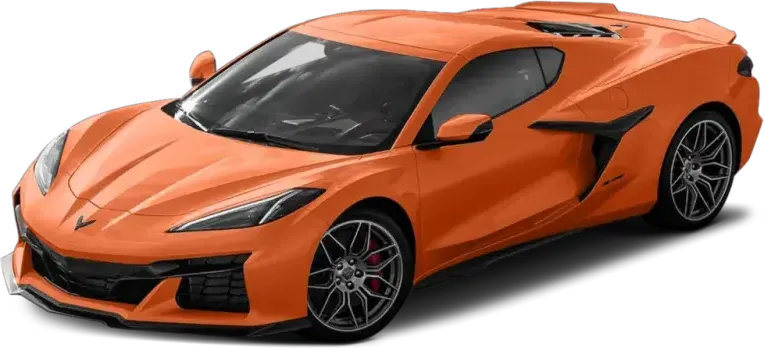
Chevrolet Corvette
Score: 76/100
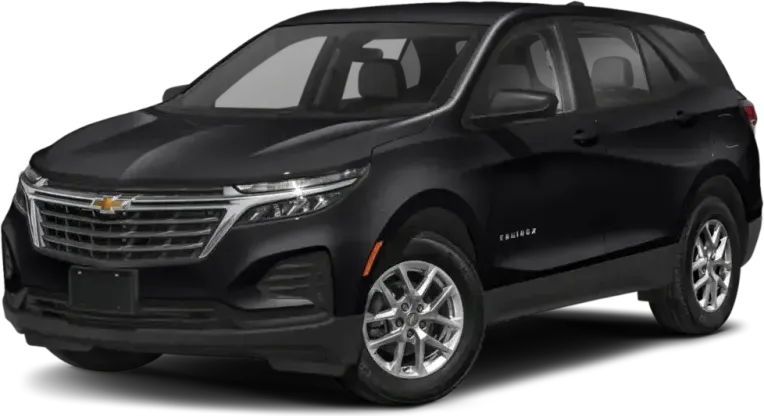
Chevrolet Equinox
Score: 82/100
Browse More 2023 Vehicles
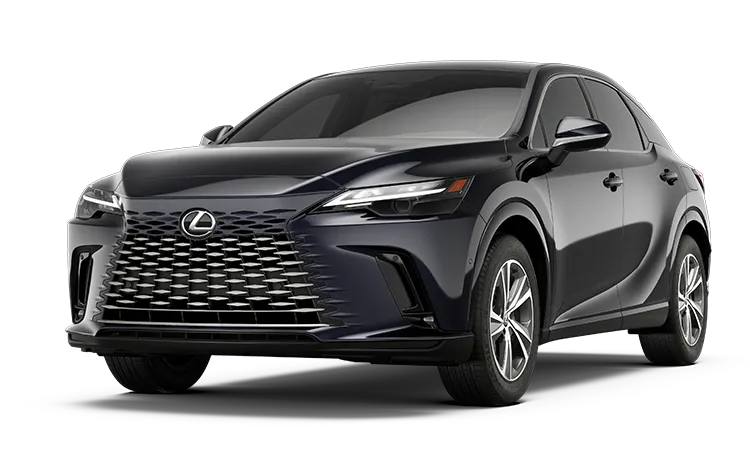
2023 Lexus RX
Score: 85/100
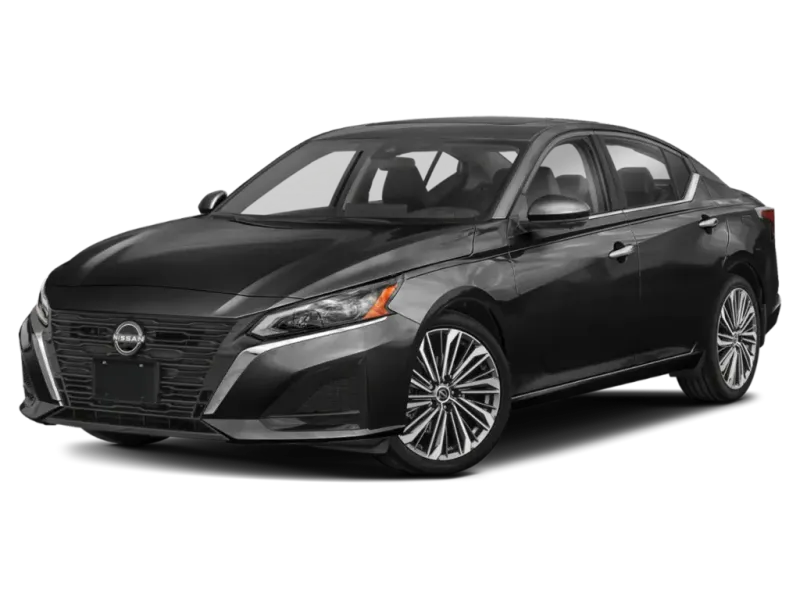
2023 Nissan Altima
Score: 84/100
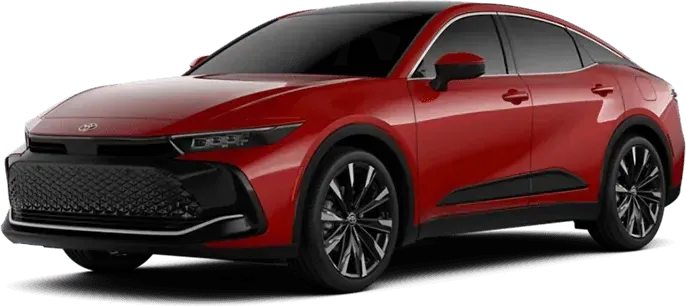
2023 Toyota Crown
Score: 84/100

2023 Lexus IS
Score: 83/100

2023 Toyota 4RUNNER
Score: 82/100

2023 Acura RDX
Score: 82/100
See incorrect data? Report an issue