Last updated: 2026-10-10
Chevrolet Bolt vs Kia EV6: Reliability Compared
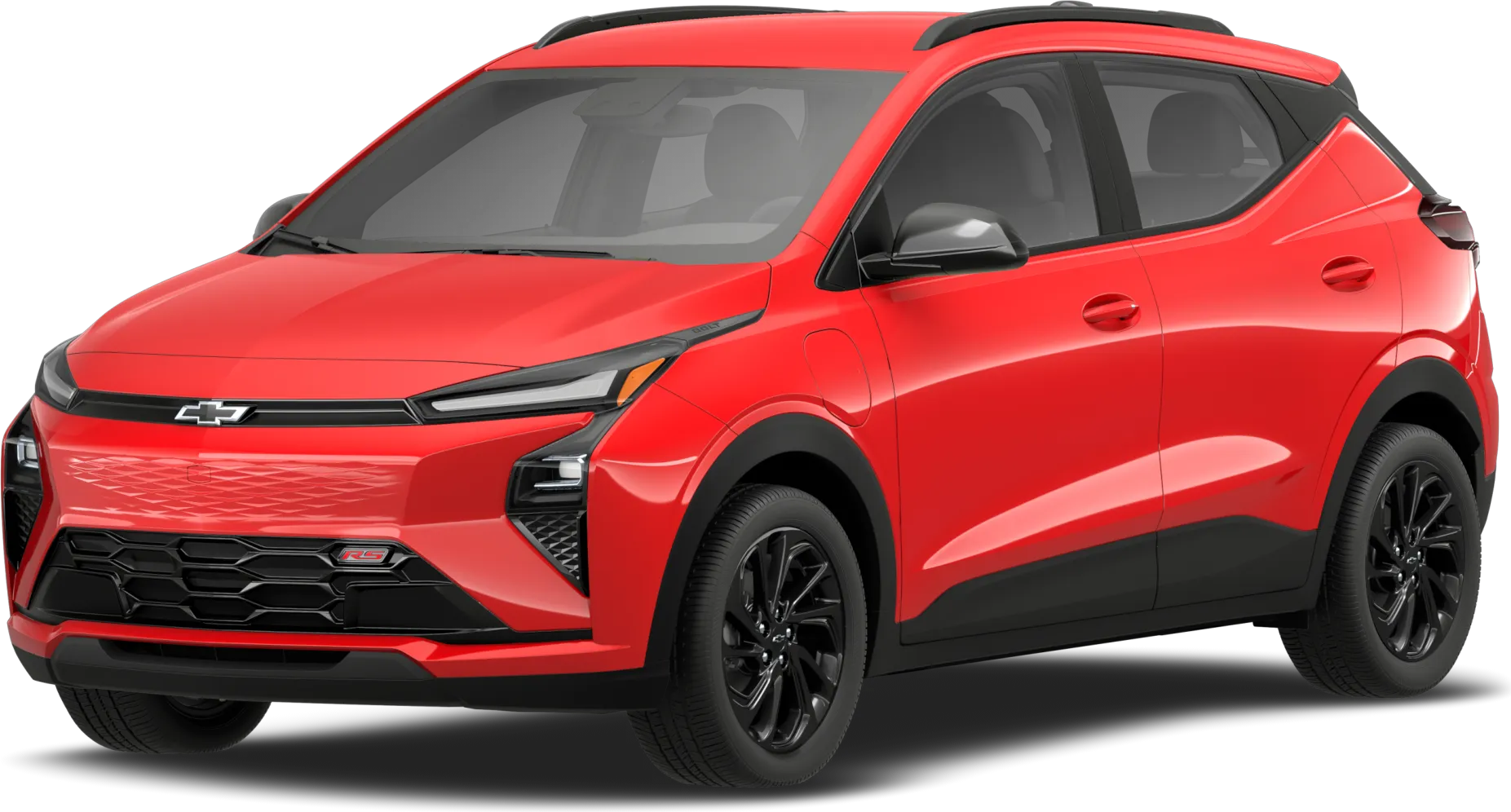
Chevrolet Bolt
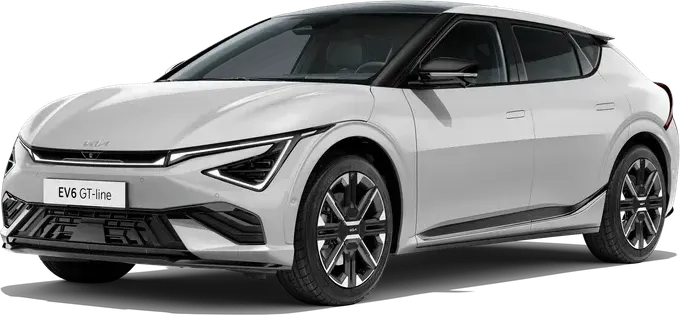
Kia EV6
On reliability, the Chevrolet Bolt edges out the KIA EV6, mainly because EV6 owners file complaints at about twice the Bolt's rate. The Bolt carries far more recalls, though, and both land in the mixed range, so the lead is slight.
How Do the Chevrolet Bolt and Kia EV6 Generations Compare?
Verdict
The Chevrolet Bolt is more reliable than the Kia EV6, scoring 59/100 vs 57/100.
Reliability favors the Chevrolet Bolt, but only slightly. Both cars sit in the mixed range. The deciding fact is the complaint rate: EV6 owners filed 48.9 complaints per 10,000 sold, against 24.5 for the Bolt. The Bolt gives some of that back with 30 recalls across five model years to the EV6's 8, and its battery fire risk left owners waiting a long time for parts. The EV6's weak point is more sudden: a failed charge control unit that can shut the car down on the road.
Key Differences
- 1Chevrolet Bolt has 24.4 fewer complaints per 10k sold
- 2Kia EV6 has 22 fewer total recalls
- 3Chevrolet Bolt scores 2 points higher in reliability
Category Scoreboard
Chevrolet Bolt vs Kia EV6: Which Is More Reliable?
| Metric | Chevrolet Bolt | Kia EV6 |
|---|---|---|
| Reliability Score | 59/100 | 57/100 |
| Years Tracked | 5 | 5 |
| Total Recalls | 30 | 8 |
| Complaints per 10k Sold | 24.5 | 48.9 |
| Safety RatingNHTSA overall | 2023 NHTSA | 2026 NHTSA |
| Frontal | ||
| Side | ||
| Rollover | ||
| Year Wins | 2 | 0 |
What Are the Common Problems With the Chevrolet Bolt and Kia EV6?
Battery fire limits shape the Bolt's record, while sudden shutdowns shape the EV6's. Bolt owners cap charging at 90 percent and park away from buildings as they wait for parts. They also report lost propulsion at speed, binding steering, and automatic emergency braking that fires with nothing ahead. That braking area has 3 crash-linked reports, and the Bolt's power train area has 3 more. EV6 owners describe a pop, turtle mode near 25 mph, then a full shutdown. Its brake complaints include rear wheels locking and brake lights staying off during i-Pedal deceleration, with 2 crash-linked reports.
| Component | Chevrolet Bolt | Kia EV6 |
|---|---|---|
| ELECTRICAL SYSTEM | 8.7Above Avg | 28.4High |
| POWER TRAIN | 2.4Low | 7.8Above Avg |
| STEERING | 4.8Average | 0.3Very Low |
| UNKNOWN OR OTHER | 1.4Low | 3.3Average |
| SERVICE BRAKES | 0.6Very Low | 1.8Low |
| FUEL/PROPULSION SYSTEM | 1.6Low | 0.6Very Low |
| EXTERIOR LIGHTING | 0.7Very Low | 0.8Very Low |
| VEHICLE SPEED CONTROL | 0.7Very Low | 0.6Very Low |
| FORWARD COLLISION AVOIDANCE | 0.9Very Low | 0.3Very Low |
| STRUCTURE | —None | 1Very Low |
| AIR BAGS | 0.5Very Low | 0.4Very Low |
| TIRES | 0.1Very Low | 0.4Very Low |
| ENGINE | —None | 0.4Very Low |
| LANE DEPARTURE | —None | 0.4Very Low |
| VISIBILITY/WIPER | 0.2Very Low | —None |
| BACK OVER PREVENTION | 0.1Very Low | —None |
| SEAT BELTS | 0.1Very Low | —None |
Complaints per 10,000 units sold, aggregated across all tracked model years from NHTSA owner reports.
How Does Chevrolet Bolt vs Kia EV6 Reliability Compare by Year?
| Year | Chevrolet Bolt | Kia EV6 | Edge |
|---|---|---|---|
| 2023 | 64/1003R / 146C | 52/1003R / 98C | Chevrolet Bolt |
| 2022 | 61/10011R / 78C | 46/1003R / 215C | Chevrolet Bolt |
Best years to cross-shop: The 2023 Chevrolet Bolt scored 64/100 and the 2023 Kia EV6 scored 52/100 — the strongest shared model years that have been on the road for at least two years, where available.
Who Should Buy the Chevrolet Bolt vs the Kia EV6?
Chevrolet Bolt vs Kia EV6: Common Questions
- Is the Chevrolet Bolt more reliable than the KIA EV6?
- Slightly, yes. Both are rated mixed, but the Bolt draws fewer owner complaints per car sold: 24.5 per 10,000 against 48.9 for the EV6. The Bolt has far more recalls, so the lead is small and depends on which model year you buy.
- Which has more recalls, the Bolt or the EV6?
- The Bolt has more. Federal recall records show 30 recalls across five Bolt model years and 8 across five EV6 model years. A higher recall count is not the same as a worse car, so read it next to the complaint rate, which favors the Bolt.
- What is the biggest problem with the KIA EV6?
- Sudden power loss tied to the integrated charge control unit (ICCU). Owners describe a pop, warning messages, speed dropping to about 25 mph, then a full shutdown. Some failures repeated after replacement or after recall software updates, and parts back orders meant waits of weeks.
- Is a used Chevrolet Bolt safe to buy given the battery fire risk?
- It depends on the car's history. Owner complaints describe capping charge at 90 percent, parking outside, and losing range while waiting a long time for battery parts. Ask for proof that battery work is complete, and avoid the weakest years, 2018 and 2019.
- Which model years of the Bolt and EV6 should I avoid?
- For the Bolt, avoid 2018 and 2019, the weakest years. For the EV6, avoid 2022 and 2023. The strongest EV6 years, 2025 and 2024, are newer and have had less time to collect complaints, so check each car's repair history.
Related Reliability Comparisons
More Chevrolet Bolt comparisons
Decided between Chevrolet Bolt and Kia EV6? Run a VIN check before you buy — uncover hidden accidents, title issues, and open recalls.
How we score the Chevrolet Bolt and Kia EV6
Scores weight complaint severity at 35%, repair costs at 30%, recall impact at 20%, and the spread of complaints across systems at 15%, with complaint counts adjusted for US sales. Read the full methodology.
See incorrect data? Report an issue