Last updated: 2026-10-10
Chevrolet Bolt vs Volkswagen ID.4: Reliability Compared
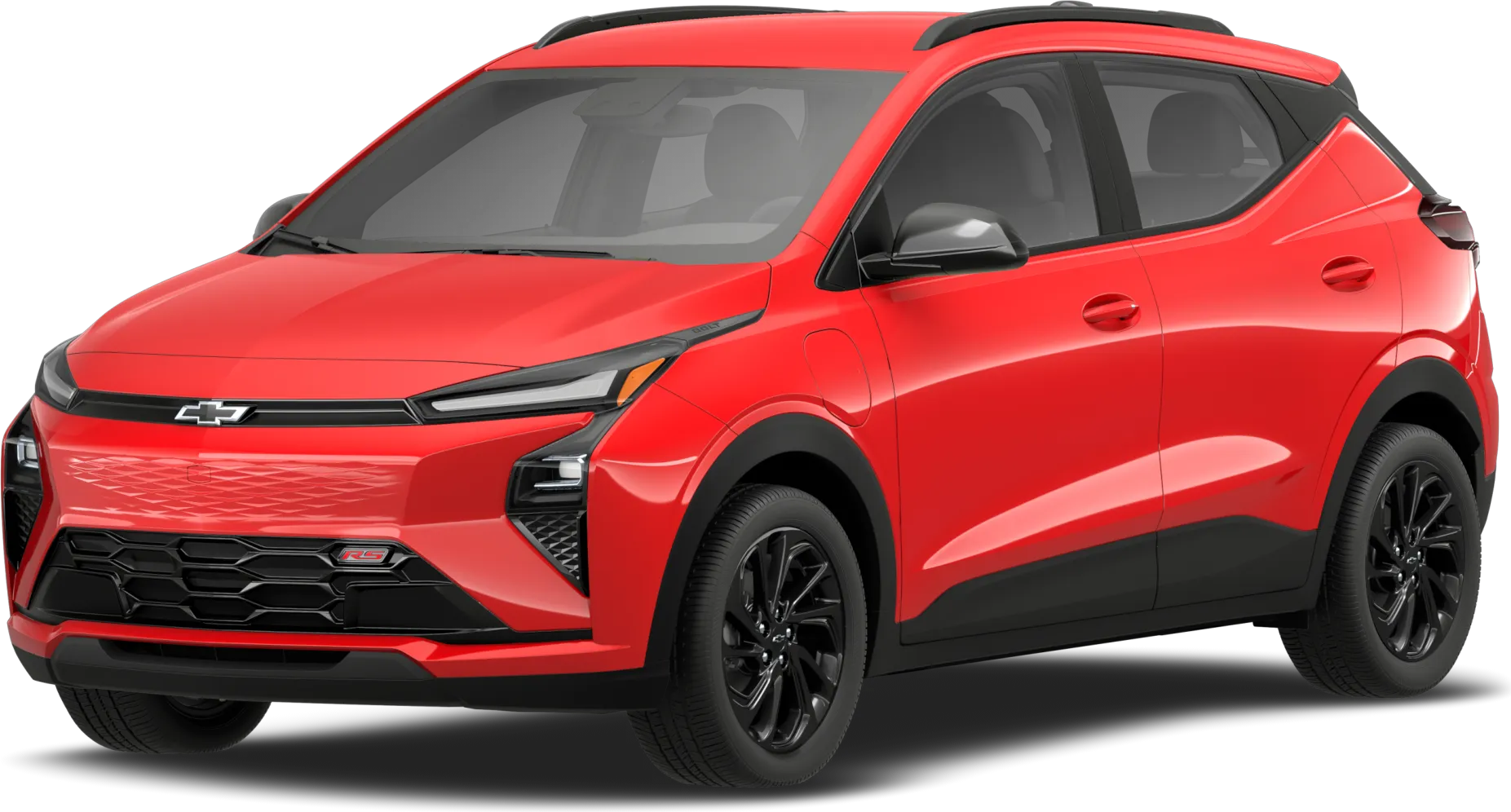
Chevrolet Bolt
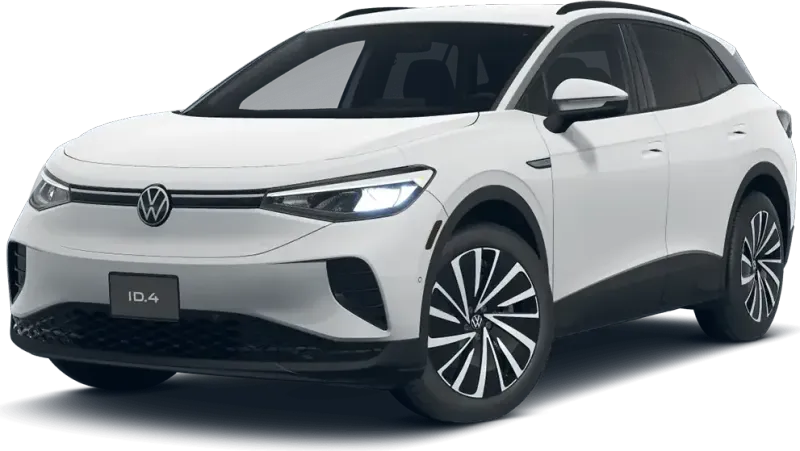
Volkswagen ID.4
On reliability, the Chevrolet Bolt beats the Volkswagen ID-4 by a large margin. The ID-4 draws more owner complaints and more recalls, and it has a cluster of unintended acceleration reports that the Bolt does not. Electrical problems hit both.
How Do the Chevrolet Bolt and Volkswagen ID.4 Generations Compare?
Verdict
The Chevrolet Bolt is more reliable than the Volkswagen ID.4, scoring 59/100 vs 48/100.
Reliability favors the Bolt by a large margin. It has fewer owner complaints and fewer recalls, and its worst problems are less often tied to crashes. The ID-4 has a cluster of unintended acceleration reports that the Bolt lacks, plus electrical shutdowns that sometimes appear in the first weeks of ownership. The Bolt is not clean. Owners describe battery fire-risk limits, long waits for parts, and sudden loss of propulsion. Even so, the ID-4's problems are broader and more often linked to crashes.
Key Differences
- 1Chevrolet Bolt scores 11 points higher in reliability
- 2Chevrolet Bolt has 11 fewer total recalls
Category Scoreboard
Chevrolet Bolt vs Volkswagen ID.4: Which Is More Reliable?
| Metric | Chevrolet Bolt | Volkswagen ID.4 |
|---|---|---|
| Reliability Score | 59/100 | 48/100 |
| Years Tracked | 5 | 5 |
| Total Recalls | 30 | 41 |
| Total ComplaintsRaw count — varies with sales volume | 531 | 895 |
| Safety RatingNHTSA overall | 2023 NHTSA | 2025 NHTSA |
| Frontal | ||
| Side | ||
| Rollover | ||
| Year Wins | 3 | 0 |
What Are the Common Problems With the Chevrolet Bolt and Volkswagen ID.4?
Electrical trouble leads both lists, but it looks different. Bolt owners describe battery fire-risk limits, such as capping charge at 90 percent and parking outside, along with propulsion loss and high-voltage warnings that keep returning. ID-4 owners describe shutdowns, frozen or rebooting screens, and doors that will not open. The ID-4 also has two crash-heavy areas the Bolt's main list lacks: unintended acceleration at low speed, where cars lurch forward while parking, and service brakes that grab hard before a stop. The Bolt's crash-linked reports involve false automatic braking and cars lunging while parking.
| Component | Chevrolet Bolt | Volkswagen ID.4 |
|---|---|---|
| ELECTRICAL SYSTEM | 188 | 395 |
| UNKNOWN OR OTHER | 30 | 112 |
| STEERING | 104 | 31 |
| POWER TRAIN | 53 | 49 |
| VEHICLE SPEED CONTROL | 16 | 49 |
| STRUCTURE | — | 60 |
| SERVICE BRAKES | 12 | 38 |
| FORWARD COLLISION AVOIDANCE | 20 | 23 |
| FUEL/PROPULSION SYSTEM | 35 | 7 |
| AIR BAGS | 11 | 13 |
| EXTERIOR LIGHTING | 15 | — |
| VISIBILITY/WIPER | 4 | — |
| BACK OVER PREVENTION | 2 | 2 |
| SEATS | — | 4 |
| WHEELS | — | 4 |
| TIRES | 2 | — |
| SEAT BELTS | 2 | — |
Raw complaint counts aggregated across all tracked model years from NHTSA owner reports. Counts vary with sales volume.
How Does Chevrolet Bolt vs Volkswagen ID.4 Reliability Compare by Year?
| Year | Chevrolet Bolt | Volkswagen ID.4 | Edge |
|---|---|---|---|
| 2023 | 64/1003R / 146C | 42/10014R / 402C | Chevrolet Bolt |
| 2022 | 61/10011R / 78C | 49/1007R / 126C | Chevrolet Bolt |
| 2021 | 61/1005R / 66C | 46/10011R / 304C | Chevrolet Bolt |
Best years to cross-shop: The 2023 Chevrolet Bolt scored 64/100 and the 2022 Volkswagen ID.4 scored 49/100 — the strongest shared model years that have been on the road for at least two years, where available.
Who Should Buy the Chevrolet Bolt vs the Volkswagen ID.4?
Chevrolet Bolt vs Volkswagen ID.4: Common Questions
- Is the Chevrolet Bolt more reliable than the Volkswagen ID-4?
- Yes, by a large gap. The Bolt has fewer owner complaints and fewer recalls than the ID-4. Its problems are real, including battery fire-risk limits and sudden loss of propulsion. The ID-4 adds unintended acceleration and braking complaints with many more crash links.
- Which has more recalls, the Bolt or the ID-4?
- The ID-4 has more. Federal recall records show 41 across its five model years, against 30 for the Bolt across its five. Both cover the same number of model years, so the comparison is direct and the ID-4 carries the heavier recall load.
- Which model years of the Bolt and ID-4 should I avoid?
- Avoid the 2018 and 2019 Bolt, which are its weakest years. On the ID-4, skip 2023 and 2024. The best Bolt years are 2023 and 2021. For the ID-4, 2022 is the safer pick, since 2025 has had less time to collect complaints.
- What is the biggest safety problem with the Volkswagen ID-4?
- Unintended acceleration at low speed. Owners say cars lurch forward while parking or in drive-through lines, even with the brake pressed. This area has 24 crash-linked complaints. Some cases involve the touch-sensitive cruise control button being bumped while turning the wheel.
- What goes wrong with the Chevrolet Bolt most often?
- Electrical trouble is the top complaint area. Owners describe battery fire-risk limits, long waits for replacement battery parts, and cars losing propulsion at speed. Steering binding that keeps the wheel from returning to center is the second most common complaint.
Related Reliability Comparisons
More Chevrolet Bolt comparisons
Decided between Chevrolet Bolt and Volkswagen ID.4? Run a VIN check before you buy — uncover hidden accidents, title issues, and open recalls.
How we score the Chevrolet Bolt and Volkswagen ID.4
Scores weight complaint severity at 35%, repair costs at 30%, recall impact at 20%, and the spread of complaints across systems at 15%, with complaint counts adjusted for US sales. Read the full methodology.
See incorrect data? Report an issue