Last updated: 2026-10-10
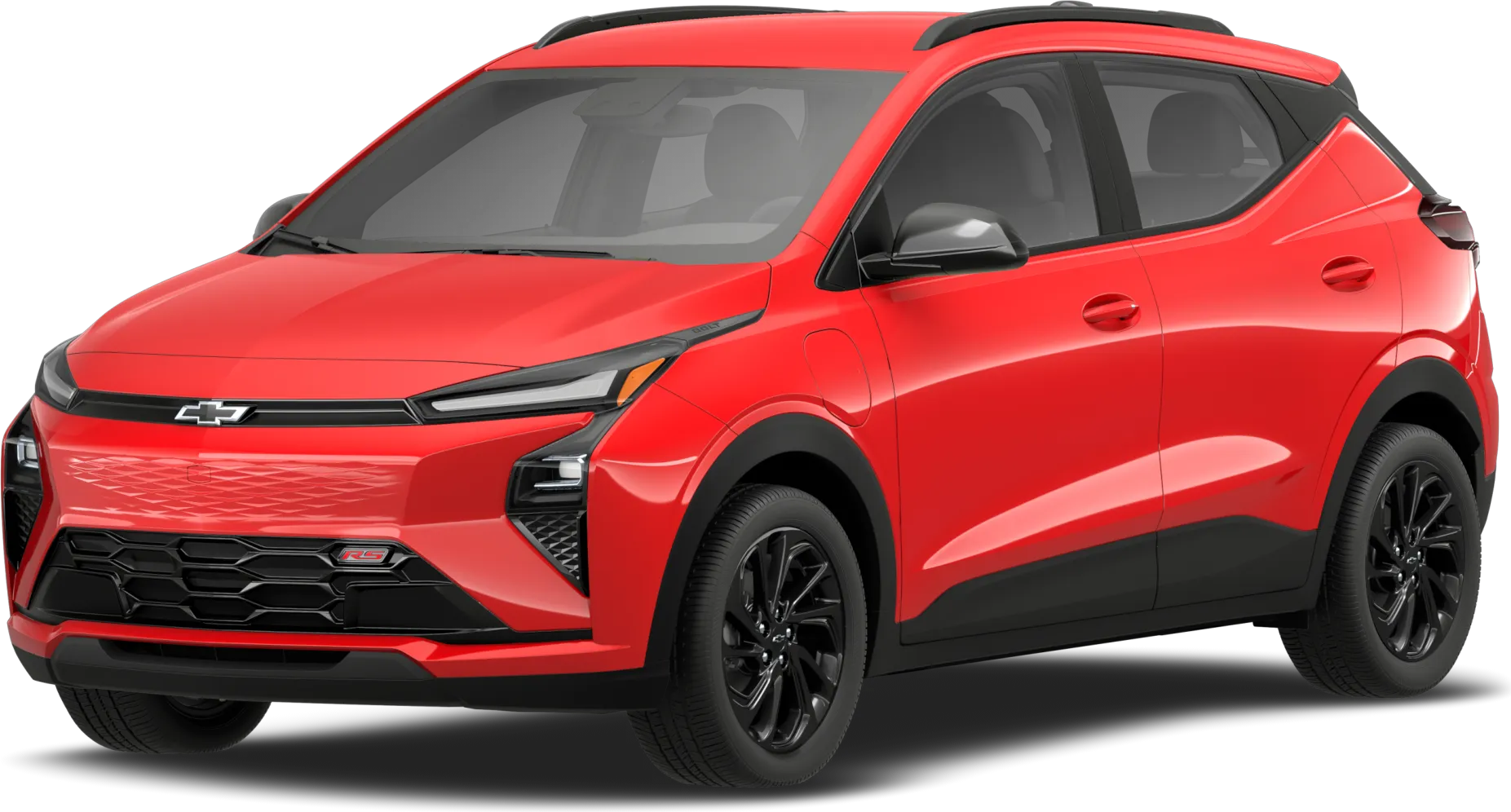
Chevrolet Bolt Years to Avoid
5 scored model years (2018–2023) · model average 59/100
Skip the 2019 Bolt. Owners report battery fires, often while parked or charging, along with steering that binds and power that cuts out suddenly. The 2023 is the year to buy, though it has its own steering and braking complaints.
Verdict
- Avoid
- 2019 52/100
- Buy
- 2023 64/100
- Model average
- 59/100
Chevrolet Bolt Years to Avoid
These model years score significantly below the Chevrolet Bolt average of 59/100.
| # | Year | Score | Rating | Recalls | Complaints | Top Issue |
|---|---|---|---|---|---|---|
| 1 | 2019 | 52/100 | Mixed | 6 | 168 | Electrical System (75) |
Why These Years Should Be Avoided
2019 Chevrolet Bolt
Battery fire reports set this year apart. Owners describe smoke from the rear underbody while parked or charging, and fires that reached garages and homes. It also has a complaint rate of 102.3 per 10,000 sold, far above the other years, plus binding steering gears and power that cuts out at highway speed.
Top issues: Electrical System (75), Steering (39), Fuel Propulsion System (16), Power Train (13), Unknown Or Other (10), Forward Collision Avoidance (2)
View full 2019reliability report →What Are Common Chevrolet Bolt Problems?
ELECTRICAL SYSTEM
188 complaintsMost reported in 2019, 2023, 2021
2019: Battery fires dominate these reports.
STEERING
104 complaintsMost reported in 2019, 2018, 2023
2019: The wheel stops returning to center after a turn, and the steering feels stiff or sticky.
POWER TRAIN
53 complaintsMost reported in 2019, 2018, 2023
2019: The car loses propulsion while moving.
FUEL/PROPULSION SYSTEM
35 complaintsMost reported in 2019, 2021, 2023
2019: Power cuts out suddenly, sometimes at highway speed.
UNKNOWN OR OTHER
30 complaintsMost reported in 2022, 2019, 2021
2022: These reports cover a mix of problems.
FORWARD COLLISION AVOIDANCE
20 complaintsMost reported in 2023, 2022, 2019
2023: Automatic emergency braking engages with nothing in the road.
Best Chevrolet Bolt Year to Buy Instead
2023 Chevrolet Bolt
The 2023 has the fewest recalls of the years listed, at 3, and a complaint rate of 23.5 per 10,000 sold against 102.3 for the 2019. It lacks the cluster of garage fire reports that mark the 2019. It is not clean, though: owners report steering binding, sudden power loss, and false emergency braking.
Found a Safe Year? Check the Specific Car
Even the 2023 Chevrolet Bolt has 3 recalls on file. A VIN check confirms the recall work on the exact car and shows its accident, title, and service history.
- Accidents
- Open Recalls
- Title History
- Odometer Rollback
All Chevrolet Bolt Years by Generation
Chevrolet Bolt Reliability Scores by Year
First generation (2016) (2017–2023)
2023 Chevrolet Bolt
3 recalls · 146 complaints
2021 Chevrolet Bolt
5 recalls · 66 complaints
2022 Chevrolet Bolt
11 recalls · 78 complaints
2018 Chevrolet Bolt
5 recalls · 73 complaints
2019 Chevrolet Bolt
6 recalls · 168 complaints
Frequently Asked Questions
Which Chevrolet Bolt year should I avoid?
Is the 2018 Chevrolet Bolt a good used car?
Is the 2023 Chevrolet Bolt a safe year to buy?
Which Chevrolet Bolt years have steering problems?
Is the 2022 Chevrolet Bolt better than the 2019?
How we score every Chevrolet Bolt model year
Scores weight complaint severity at 35%, repair costs at 30%, recall impact at 20%, and the spread of complaints across systems at 15%, with complaint counts adjusted for US sales. Read the full methodology.
See incorrect data? Report an issue