Last updated: 2026-10-10
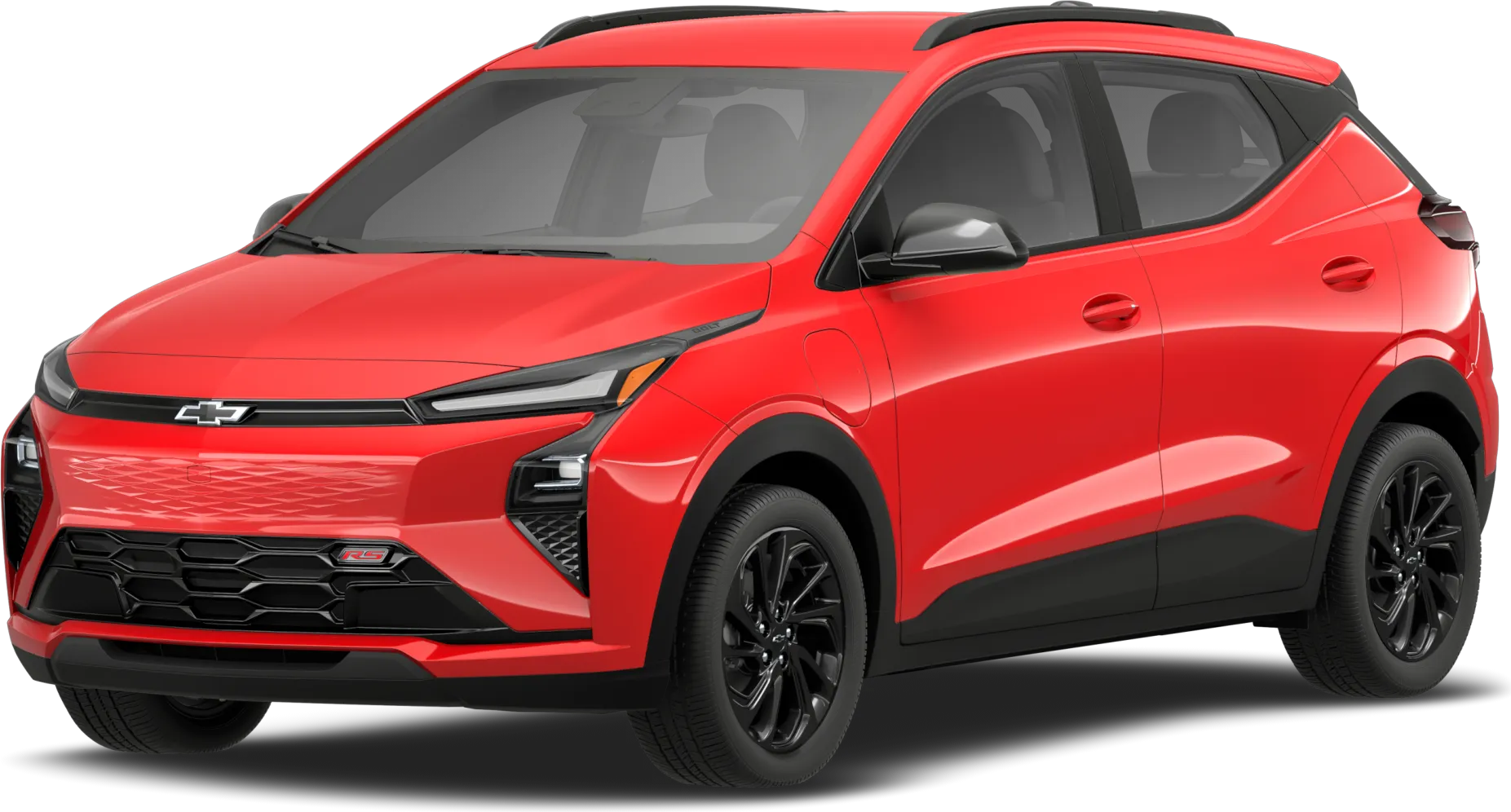
2019 Chevrolet Bolt Reliability Report
The 2019 Chevrolet Bolt has mixed reliability, well below other 2019 SUVs, with battery fire recalls and steering that sticks off center.
Recalls
6
Complaints
168
Complaint Rate
102.3per 10,000 sold
Est. Repair Cost
$649
EV Range
238 mi
Detailed Score Breakdown
Component-weighted complaints normalized by sales volume
Independent repair cost ratings
Recall count weighted by severity
Breadth of reported problem categories
The Verdict
The weakest of the five scored Bolt years, marked by battery fire recalls that mean parking outside and steering that sticks off center.
Top Issues to Watch
- ELECTRICAL SYSTEM (75)
- STEERING (39)
- FUEL/PROPULSION SYSTEM (16)
Generation & Refresh (US)
2019 is year 3 of the First generation (2016).
- Redesigned for the 2017 model year.
- Well-established in its generation — most early issues should be resolved.
- A refresh arrives in 2022.
- 1st generation Bolt (US).
What this means for buyers
Well into the generation cycle — most design and manufacturing issues should be resolved by now.
2017: First generation (2016) Launch
Generation start — new platform.
2019: This Model Year
2019 is year 3 of the First generation (2016).
2022: Mid-Cycle Refresh
Updated features and styling tweaks.
Should You Buy the 2019 Chevrolet Bolt?
Approach this model year with care. Reliability is mixed, and among 2019 SUVs it falls well below average. It is also the weakest of the five scored Bolt years. Federal crash testing gave it 5 of 5 stars, so the concern is failures, not crash protection.
Battery fires lead the owner complaints. Cars have started smoking from the rear underbody while parked, often in a garage while charging or just after. Two of the six federal recalls are park-outside recalls, and many owners describe charging limits, no overnight charging and no repair date. Steering is the next issue. The wheel stops returning to center after a turn, usually between 26,861 and 50,000 miles, with no warning light. Dealers find a failed steering gear or rack and quote around $3,000 once warranty ends. Some cars also lose power suddenly, even at highway speed, or shift themselves into Park.
The 2018 rates better, with far fewer complaints. On any 2019, ask for proof that the battery recall work is finished, and check the steering for a wheel that sticks off center.
Compared to the 2021 Chevrolet Bolt, which scored 9 points higher. See also the 2018 Chevrolet Bolt for an earlier comparison.
Pros
- +5-star NHTSA crash rating
- +Well-established generation
Cons
- −Below-average reliability score
- −Above-average recall count
- −Above-average complaint rate for SUV
- −ELECTRICAL SYSTEM: Battery fires dominate these reports (75 complaints)
- −10 fire incidents reported in owner complaints
- −Safety recall: park-outside advisory issued
Compare 2019 Chevrolet Bolt With
2019 Lexus UX
Reliability: 77/100
2019 Nissan Murano
Reliability: 77/100
2019 Lexus NX
Reliability: 77/100
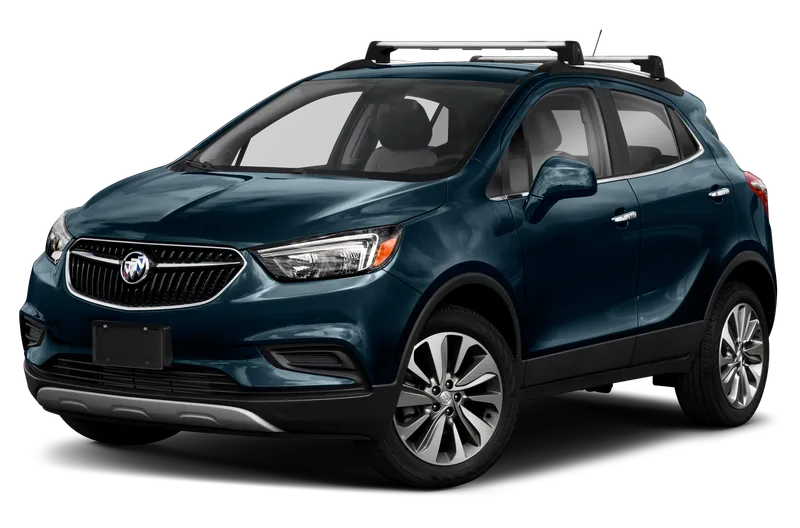
2019 Buick Encore
Reliability: 76/100

2019 Kia Soul
Reliability: 76/100
Common Problem Categories
Safety
LOW RISK- 6 manufacturer recalls issued
Other
HIGH RISK- ELECTRICAL SYSTEM (75)
- STEERING (39)
Recall Overview
6
recalls on record
The 2019 Chevrolet Bolt has 6 recalls on record, which is above average. A high count can flag multiple component concerns, though it also shows the manufacturer is actively addressing known issues.
NHTSA.gov →Complaint Breakdown
102.3
per 10,000 soldSegment avg: 21.2
Safety Incidents
2
Crashes
10
Fires
5
Injuries
0
Deaths
NHTSA 5/5 Stars
Data sourced from NHTSA complaint filings and manufacturer recall notices. Complaint narratives are owner-reported.
2019 Chevrolet Bolt Recall Details
6 recalls have been issued for the 2019 Chevrolet Bolt. All recall repairs are performed free of charge at authorized dealerships.
STRUCTURE, SEAT BELTS
General Motors, LLC (GM) is recalling certain 2017-2023 Chevrolet Bolt EV vehicles. This recall includes certain vehicles previously repaired incorrectly under NHTSA recall number 22V-930. After a crash with seat belt pretensioner deployment, the pretensioner exhaust may ignite carpet fibers near the B-pillar, causing a fire.
Consequence
A fire increases the risk of injury.
Remedy
Dealers will inspect both front seat belt pretensioners and, if necessary, install metal foil at the carpet near the pretensioner exhaust. Certain vehicles will also need a pretensioner cover installed. Repairs will be performed free of charge. Owner notification letters were mailed January 24, 2024. These vehicles were previously recalled for this same issue under recall number 22V-930 and will need to have the new remedy performed. Owners may contact GM EV Concierge at 1-833-EVCHEVY (1-833-382-4389) (TTY 711 / 1-800-833-2438) or Customer Service at 1-800-222-1020. GM's number for this recall is N232421970.
STRUCTURE, SEAT BELTS
General Motors, LLC (GM) is recalling certain 2017-2023 Chevrolet Bolt EV vehicles. After a crash with seat belt pretensioner deployment, the pretensioner exhaust may ignite carpet fibers near the B-pillar, causing a fire.
Consequence
A vehicle fire can increase the risk of injury.
Remedy
Dealers will install metal foil at the carpet near the pretensioner exhaust, and install a pretensioner cover as necessary, free of charge. Owner notification letters were mailed between January 23, 2023 and April 25, 2023. Owners may contact Chevrolet customer service at 1-800-222-1020. GM's number for this recall is N222383790.
ELECTRICAL SYSTEM
General Motors LLC (GM) is recalling certain 2017-2019 Chevrolet Bolt EV vehicles previously recalled under NHTSA recall number 20V-701. The high voltage battery could catch fire when charged to full or nearly full capacity.
Consequence
A battery fire increases the risk of injury.
Remedy
Owners are advised to take the following interim steps: Activate either the Hill Top Reserve (2017 and 2018 models) or Target Charge Level (2019 models) feature in their vehicle to limit the charge level to 90%, charge their vehicle more frequently, avoid depleting the battery to 70 miles range remaining, park outside after charging, and do not charge the vehicle indoors overnight. Defective battery modules will be replaced by GM, free of charge. Interim notification letters notifying owners of the safety risk were mailed on August 13, 2021. Owner notification letters were mailed on August 13, 2021. Owners may contact the Bolt EV Concierge Team at 1-833-382-4389. GM's number for this recall is N212343880.
Buying a used 2019 Chevrolet Bolt? Check its history first
Electrical system problems lead owner complaints about the 2019 Chevrolet Bolt, and 6 recalls were issued for it. A VIN check shows whether this car's recall work was done, plus accident, title, and odometer history.
- Accidents
- Open Recalls
- Title History
- Odometer Rollback
2019 Chevrolet Bolt NHTSA Safety Ratings
Overall Safety Rating
Crash Test Results by Configuration (expand)
Gas Powertrain
Rollover risk: 9.7%
Safety Technologies
Chevrolet BoltRepair Costs & Maintenance
Maintenance Rating
3Maintenance rating: 3 out of 5Based on NHTSA complaint patterns, recall severity, and publicly available cost benchmarks.
Est. Annual Maintenance
$649
Category-level averages derived from publicly available industry reports (AAA, CarMD). Model-level estimates produced by Auto Reliability Index.
2019 Chevrolet Bolt Example Repair Prices
National average price ranges for common repairs. These are not model-year-specific failure predictions.
| Repair | Estimated Cost |
|---|---|
| Fog Lamp Relay Replacement | $107 – $147 |
| Transmission Leak Inspection | $61 – $90 |
| Stabilizer Bar Link Kit Replacement | $107 – $144 |
| Oil Pan Gasket Replacement | $740 – $1,038 |
| Power Steering System Leak Inspection | $61 – $90 |
| Intake Manifold Gasket Replacement | $858 – $995 |
| Fuel Pump Replacement | $875 – $1,760 |
| Wheel Lug Stud Replacement | $103 – $149 |
| Wheel Hub Assembly Replacement | $471 – $534 |
| Windshield Wiper Blade Replacement | $80 – $97 |
Estimates based on national average repair costs. Actual costs may vary by location and shop.
MPG & Annual Running Costs
Electric
238 mi range
Fuel cost: $650/yr
Fuel only
28.301 kWh/100mi · 9.3 hrs @ 240V
Based on EPA fuel-cost estimates. Excludes routine maintenance, depreciation, and insurance. Data as of 2019 EPA label cycle.
Electric trims
| Trim | Drive | Trans. | Range | kWh/100mi | Fuel Cost |
|---|---|---|---|---|---|
| Bolt EV | Front-Wheel Drive | Automatic (A1) | 238 mi | 28.3 | $650 |
Used Buying Checklist
Key things to inspect or verify before purchasing a 2019 Chevrolet Bolt.
Make slow, full turns both ways and confirm the wheel returns to center without clicking, popping or sticking.
Ask for service records showing whether the steering gear or rack has been replaced, and what was replaced with it.
Have a Chevrolet dealer confirm all battery-related recall work is complete and shows as closed.
Take a long highway drive and watch for Propulsion Reduced, drivetrain malfunction or unable-to-shift warnings.
Plug into a charger and confirm the charge-port latch releases and charging starts normally.
Ask for records of any high-voltage disconnect, wiring harness or control module repairs.
Check the dashboard color and test for windshield glare in bright midday sun.
Follow traffic at highway speed and note any false emergency braking or missing collision warnings.
2019 Chevrolet Bolt Common Problems by Component
168 owner complaints grouped by vehicle system.
ELECTRICAL SYSTEM
75 complaintsSafety-relatedBattery fires dominate these reports. The cars start smoking from the rear underbody while parked, often in a garage while charging, after charging, or shortly after a drive. Owners describe white smoke, popping sounds and fires that spread to garages, homes and nearby vehicles. Eight complaints involve fire and two involve injuries. Many other complaints are about living with the battery recall: charging limits, parking outdoors, no overnight charging and no repair date. A few describe high-voltage battery warnings or the car shutting down completely at low mileage.
STEERING
39 complaintsThe wheel stops returning to center after a turn, and the steering feels stiff or sticky. Clicking, popping or knocking often comes with it. The trouble usually starts somewhere between 26,861 and 50,000 miles. It gets worse over time and does not trigger a warning light. Drivers say they have to force the wheel back to straight. Dealers find a failed steering gear or rack, sometimes along with an intermediate shaft or coupler, and quote around $3,000 once the warranty has run out. One report describes the pinion housing breaking free and steering being lost entirely.
FUEL/PROPULSION SYSTEM
16 complaintsSafety-relatedPower cuts out suddenly, sometimes at highway speed. Some cars put themselves into Park and will not shift again. One dealer traced a failure on a car with 82 miles to the high-voltage manual disconnect fuse, and another complaint blames the same disconnect lever. Other drivers get a Propulsion Reduced warning that caps power after long highway runs. Most remaining complaints are about the battery fire recall: slow remedies, limits on charging and parking, and one fire that damaged a home.
POWER TRAIN (13 complaints)
POWER TRAIN
13 complaintsSafety-relatedThe car loses propulsion while moving. It slows sharply on the freeway, sometimes shifting itself into Park, and shows messages such as drivetrain malfunction or unable to shift. One car stopped dead in an intersection. Repairs mentioned include a control module and a wiring harness. In one case the car surged, then smoked and burned after the driver pulled over. Smaller complaints cover a charge-port latch that sticks and blocks charging, a failed battery pack, a ticking shifter, and hot electronics under the hood during charging.
UNKNOWN OR OTHER (10 complaints)
UNKNOWN OR OTHER
10 complaintsMost of these complaints are about battery fire risk and the recall process. Owners describe limits on charging and parking, replacement batteries that dealers cannot supply, and a recall that still shows open after the work was done. Another complaint says dealers did not yet have the remedy for a seat belt pretensioner recall. Separate reports describe the infotainment screen freezing and blasting loud static, and a dashboard that reflects onto the windshield and blinds the driver during turns.
FORWARD COLLISION AVOIDANCE (2 complaints)
FORWARD COLLISION AVOIDANCE
2 complaintsAutomatic emergency braking fails in both directions. One driver reports the brakes clamping on with no warning while no car was closing in ahead, which raises the risk of being rear-ended. Another reports no warning and no braking at highway speed when a vehicle cut in, with alerts returning only at lower speed. The forward collision warning is also described as overly sensitive in normal traffic.
SEAT BELTS (2 complaints)
SEAT BELTS
2 complaintsOne complaint describes a dealer who could not do a seat belt pretensioner recall repair because the remedy was not available yet. The other combines several faults: a rear middle seat belt that does not retract, a parking brake that engages on its own with a grinding noise, and a backup camera image that shrank after a software update. Neither points to a widespread seat belt failure.
AIR BAGS (2 complaints)
AIR BAGS
2 complaintsSafety-relatedTwo unrelated problems appear here. In a collision with a deer, the steering wheel airbag did not deploy, even though smoke and igniter fumes filled the cabin. The other complaint describes dashboard side panels near the A-pillars that keep coming loose after repeated dealer repairs. The owner worries the trim could strike occupants if the airbags fire. With only two complaints, there is no broad pattern.
VISIBILITY/WIPER (2 complaints)
VISIBILITY/WIPER
2 complaintsSafety-relatedA light gray dashboard reflects onto the windshield and can wash out the view ahead in bright sun. One complaint describes the windshield seeming to turn white during a left turn at midday, which led to a crash with three injuries. Another says the reflection makes the windshield and side mirror hard to see through, and that the manufacturer would not call the dashboard color a defect.
LANE DEPARTURE (1 complaints)
LANE DEPARTURE
1 complaintRainwater leaks through the rear windshield wiper grommet and runs down into the trunk shorting out the amplifier that is located at the bottom underneath the tire change kit. Collision alert sounds and turn signal sounds do not function because the amplifier is shorted out. There is no visible sign of water leak unless you disassemble and entirely remove 1) the top trunk cargo liner, 2) lower trunk charger compartment liner, and 3) large styrofoam tray with tire change kit. Water pools around the amplifier corroding terminals and shorting out the amplifier creating an electrical shock hazard. There are no drainage holes in the trunk well so rainwater has no way of draining.
When Do 2019 Chevrolet Bolt Problems Start?
Based on owner complaint patterns, here's when common issues tend to appear.
Best & Worst Chevrolet Bolt Years
Best Chevrolet Bolt Years to Buy
Based on reliability index scoreChevrolet Bolt Years to Avoid
2019
(Current Model)
Chevrolet Bolt Reliability Score Trend
Scores 0–100. Higher is better. Current year highlighted.
| Year | Score | Rating |
|---|---|---|
| 2018 | 59/100 | Mixed |
| 2019 | 52/100 | Mixed |
| 2021 | 61/100 | Good |
| 2022 | 61/100 | Good |
| 2023 | 64/100 | Good |
Chevrolet Bolt Reliability Compared to Other Years
2019 Chevrolet Bolt Common Questions
10 questions from 2019 Chevrolet Bolt owners.
2004 impala stumble and hestitation
2004 impala slight hesitation on take off sometimes and sometimes engine stumbles on decell other than that runs great plenty of power and getting good gas milage tps iac igm fpr coils plugs wires and lower intake have been done when it does itt on highway with scan tool can watch rpms go from 800 to 400 back and forth cold More than a month
Camshaft sensore
I changed my camshaft position sensor in my 2013 Chevy Silverado ltz 1500 6.2 and notlw and now it will crank but no start None More than a week
DIC lights, and radio and wall of buttons
I have 2022 Corvette Stingray and the last time I cranked it up all light display but then the immediately go out. The only information that I can see on all screens is the temperature gauge gas gauge and miles per hour gauge. Everything else is out, but if I turn the signal light on, I could see that all the bright lights I can see that where everything else is out on the DIC on the wall of buttons and on the radio screen, what could be the problem? It just started I drove it around the block and screen did not come back up Started today
Shifting problem
Where is the input turbine speed sensor located on a 2007 Chevrolet avalanche
P06DE
What is causing engine power reduced/p06de code? I have a 2013 Chevy Malibu. Engine power reduced code comes on randomly, and then goes away by itself. I have replaced the oil pressure solenoid and switch. I also got a P0341 code with the P06DE a few weeks ago. I wiggled the wiring that feeds the oil pressure solenoid while the vehicle was running to see if the engine started idling any differently, and it did not. When I replaced the oil pressure switch, the plastic connector had a crack in it but it was still connected and locked in. We have not gotten a oil pressure warning but I did read the active information on my OBD2 scanner and I am getting: Engine Oil Pressure var.1 0psi Engine Oil Pressure var.2 54psi Engine Oil Pressure var.3 38psi. I feel like I have gone through everything and I can not find the issue. The last thing I am leaning toward is the camshaft position sensor because of the P0341 code I received. I read that any VVT parts can cause p06de and engine power reduced More than a month
Frequently Asked Questions
Is the 2019 Chevrolet Bolt reliable?
What are the most common problems with the 2019 Chevrolet Bolt?
Does the 2019 Chevrolet Bolt have steering problems?
Is the 2019 Chevrolet Bolt a fire risk?
Is the 2018 Chevrolet Bolt more reliable than the 2019?
Don’t buy a 2019 Chevrolet Bolt without checking its VIN first — hidden accidents, title issues, and open recalls could cost you thousands.
How we score the 2019 Chevrolet Bolt
Of the four inputs behind this score, the 2019 Chevrolet Bolt does best on how many systems draw complaints (77/100) and worst on complaint severity (32/100). Scores weight complaint severity at 35%, repair costs at 30%, recall impact at 20%, and the spread of complaints across systems at 15%, with complaint counts adjusted for US sales. Read the full methodology.
Get notified when new recalls or reliability data is added for the Chevrolet Bolt.
No spam. Only data updates for this model.
Browse More Chevrolet Models
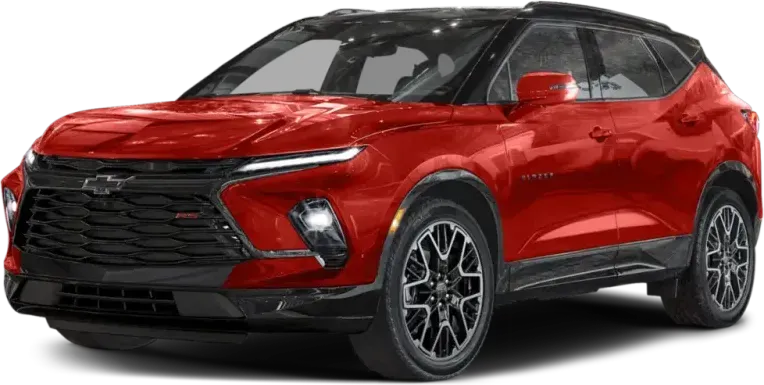
Chevrolet Blazer
Score: 88/100
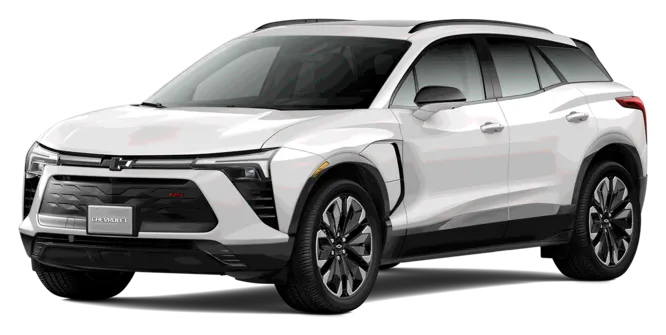
Chevrolet Blazer EV
Score: 57/100
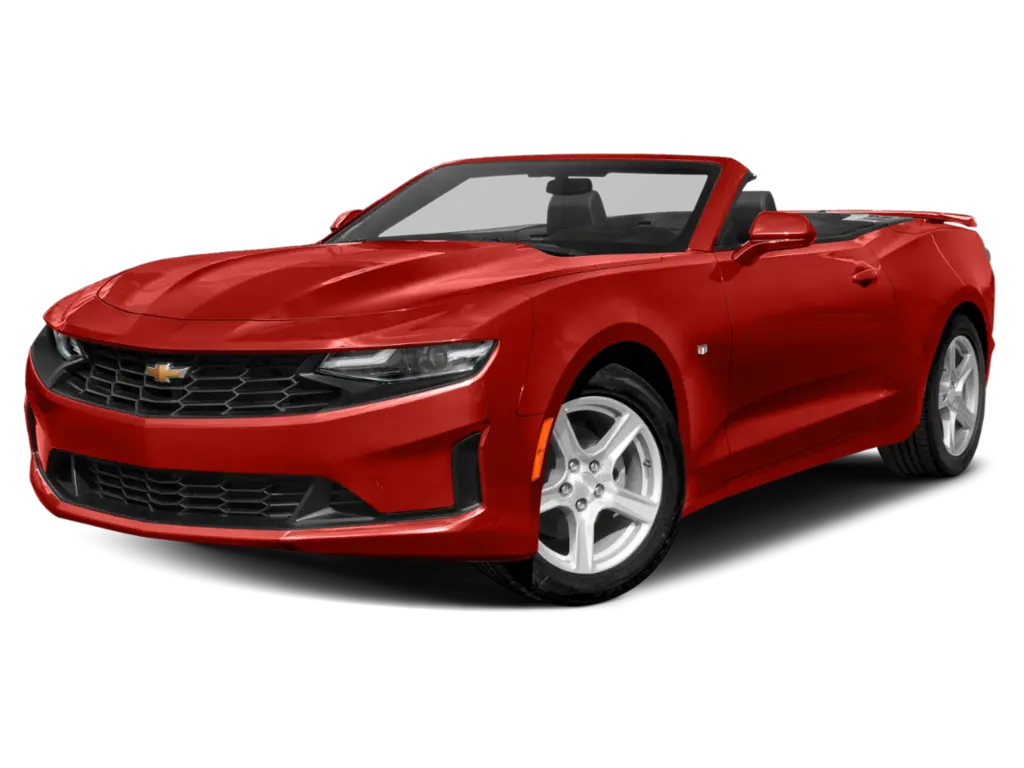
Chevrolet Camaro
Score: 77/100
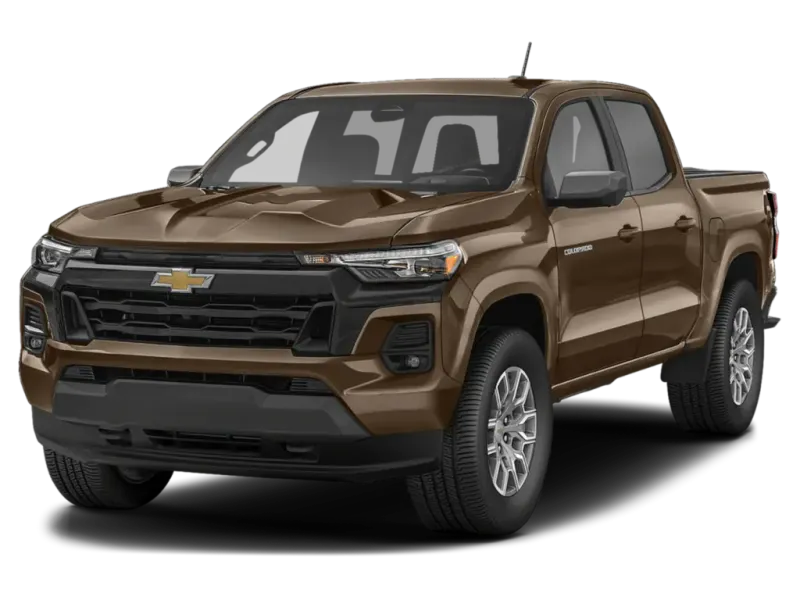
Chevrolet Colorado
Score: 88/100
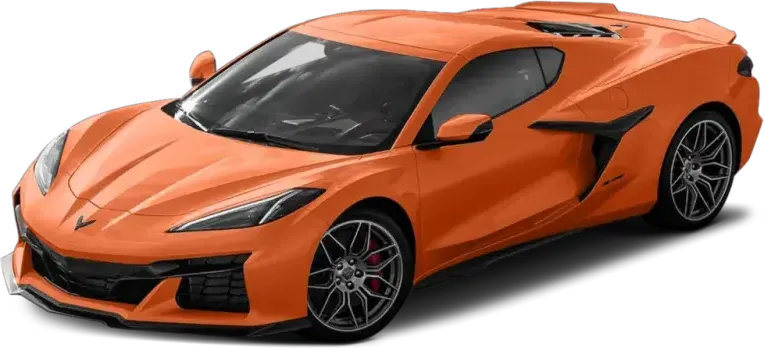
Chevrolet Corvette
Score: 76/100
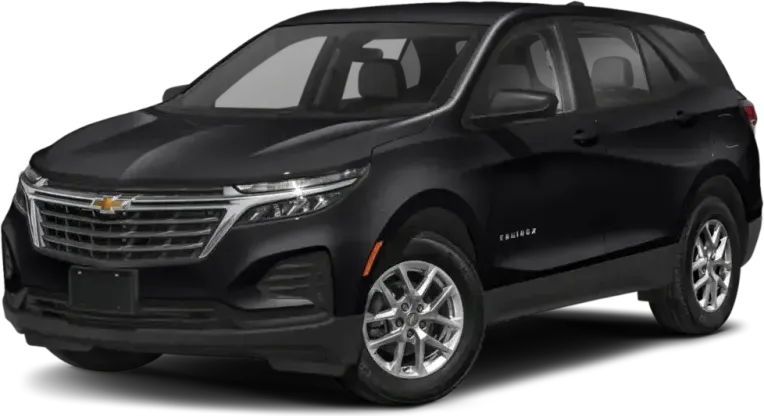
Chevrolet Equinox
Score: 82/100
Browse More 2019 Vehicles
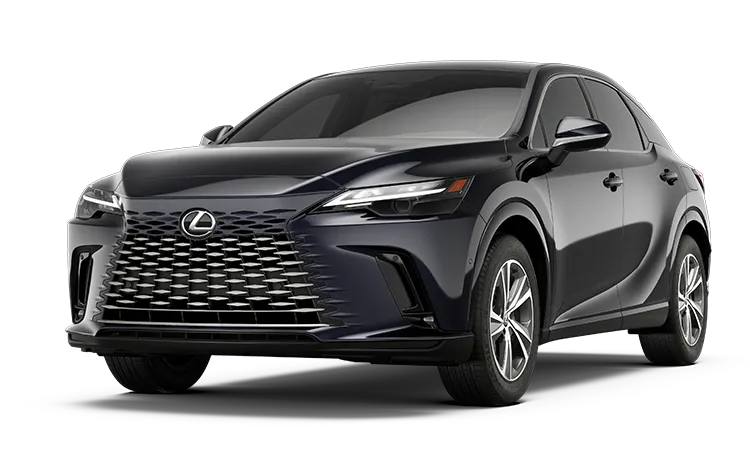
2019 Lexus RX
Score: 82/100

2019 Kia Sedona
Score: 80/100
2019 Nissan Frontier
Score: 80/100

2019 Lexus IS
Score: 79/100
2019 Chevrolet Impala
Score: 79/100
2019 Lexus GX
Score: 78/100
See incorrect data? Report an issue