Last updated: 2026-10-10
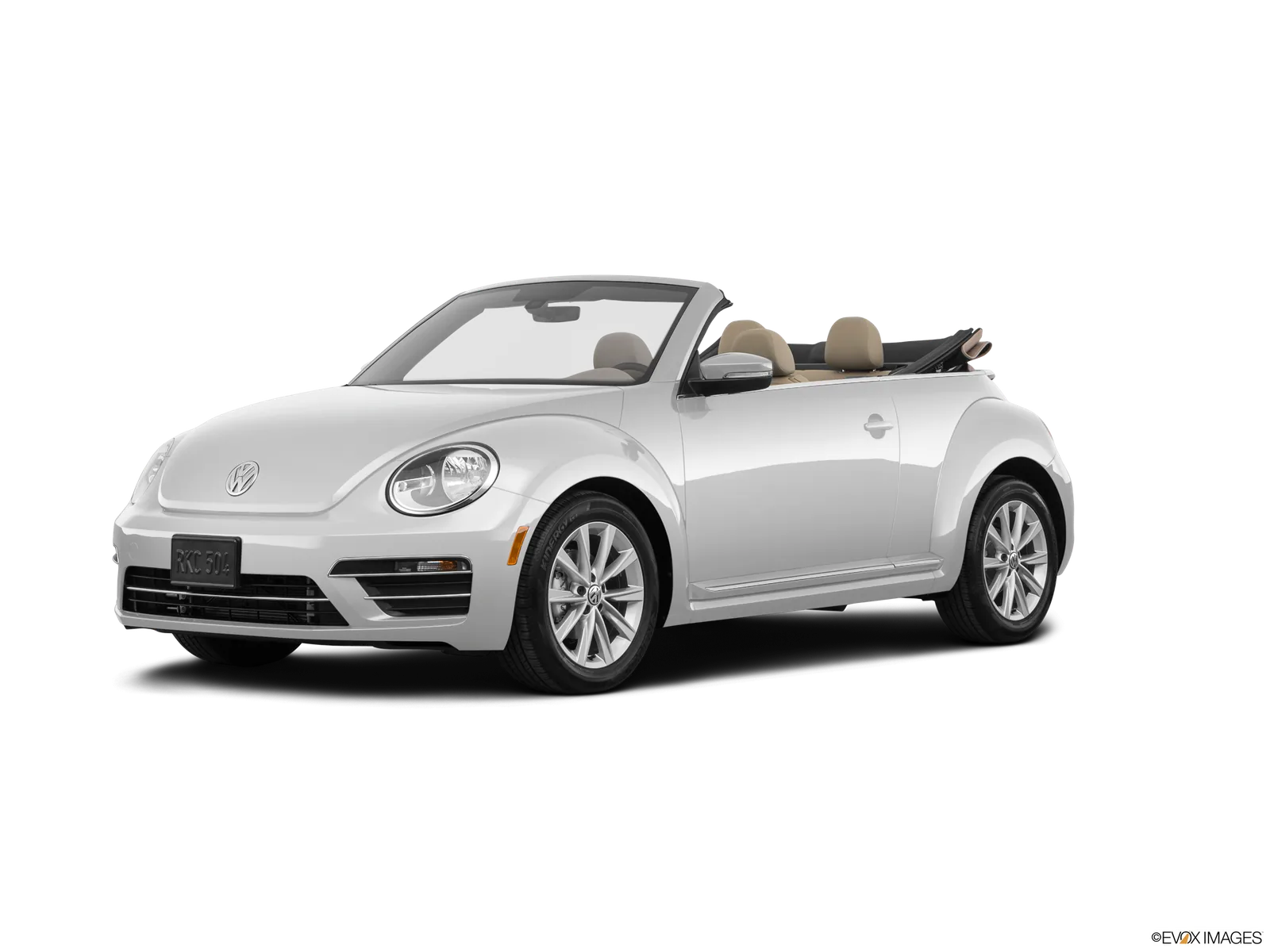
Volkswagen Beetle Years to Avoid
2 scored model years (2018–2019) · model average 74/100
No Beetle year is one to avoid. Both 2018 and 2019 rate good. They differ mainly in recall counts and complaint topics, with 2018 leaning toward air bag repair waits and 2019 toward electrical faults. The year to buy is 2019.
Verdict
- Avoid
- No outlier years
- Buy
- 2019 74/100
- Model average
- 74/100
What Are Common Volkswagen Beetle Problems?
ELECTRICAL SYSTEM
8 complaintsMost reported in 2018, 2019
2018: Power windows lower, rise, or jitter up and down on their own.
AIR BAGS
6 complaintsMost reported in 2018
2018: Most of these complaints are about waiting for an air bag recall repair, not about an air bag failing.
POWER TRAIN
2 complaintsMost reported in 2019
2019: The push-button ignition can shut the car off when it is not in Park, which leaves it free to roll away.
SERVICE BRAKES
2 complaintsMost reported in 2019
2019: The brakes reportedly fail while driving, and one owner describes it happening on 3 separate occasions and asks for a buyback or replacement car.
ENGINE
2 complaintsMost reported in 2019
2019: Stalling while driving is the main complaint, with one report counting 4 stalls in 10 days.
UNKNOWN OR OTHER
2 complaintsMost reported in 2018
2018: The ignition won't release the key or shut off the engine, and in one case the repair part was back-ordered for six months.
Best Volkswagen Beetle Year to Buy Instead
2019 Volkswagen Beetle
2019 is the site pick because both years rate good and it is the final year of this generation. It does carry more recalls and complaints than 2018, so confirm repair status on any car. The top complaint area for 2018 was air bags, mostly waits for repair parts. For 2019 it was electrical faults.
Found a Safe Year? Check the Specific Car
Even the 2019 Volkswagen Beetle has 8 recalls on file. A VIN check confirms the recall work on the exact car and shows its accident, title, and service history.
- Accidents
- Open Recalls
- Title History
- Odometer Rollback
All Volkswagen Beetle Years by Generation
Volkswagen Beetle Reliability Scores by Year
Frequently Asked Questions
Which Volkswagen Beetle years should I avoid?
Is the 2018 or 2019 Volkswagen Beetle better?
Does the 2019 Volkswagen Beetle have more recalls than the 2018?
Which Volkswagen Beetle years have transmission problems?
Is a 2018 Volkswagen Beetle still worth buying?
How we score every Volkswagen Beetle model year
Scores weight complaint severity at 35%, repair costs at 30%, recall impact at 20%, and the spread of complaints across systems at 15%, with complaint counts adjusted for US sales. Read the full methodology.
See incorrect data? Report an issue