Last updated: 2026-10-10
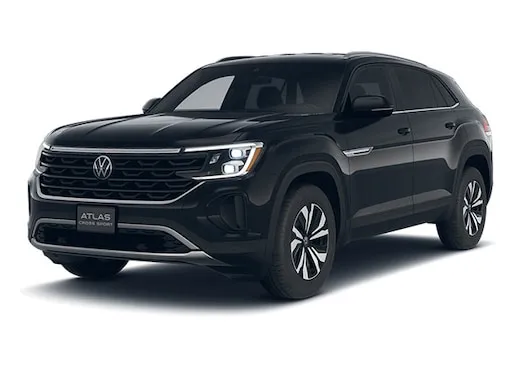
Volkswagen Atlas Years to Avoid
9 scored model years (2018–2026) · model average 54/100
Skip the 2018 and 2021 Atlas. The 2018 brings start-stop stalls, air bag faults and coolant loss, while the 2021 brings door wiring failures, air bag problems and low-speed stalling. The 2023 is the better year to buy among those on the road long enough to judge.
Verdict
- Avoid
- 2021 44/1002018 44/100
- Buy
- 2023 58/100
- Model average
- 54/100
Volkswagen Atlas Years to Avoid
These model years score significantly below the Volkswagen Atlas average of 54/100.
Why These Years Should Be Avoided
2021 Volkswagen Atlas
A failing door wiring harness drives the complaints. Cars sense an open door, rear windows drop on their own, the parking brake engages while moving, and the engine can shut off in traffic. Air bag reports include both failures to deploy and firing without a real impact. This year has 30 recalls, the most of any year.
Top issues: Electrical System (180), Air Bags (76), Engine (49), Unknown Or Other (49), Service Brakes (43), Exterior Lighting (42)
View full 2021reliability report →2018 Volkswagen Atlas
Dead 12-volt batteries and start-stop stalls lead the complaints, often in the first year or two. Engines shut off at lights and will not restart without a jump. Air bag warnings are common too. Some owners report coolant loss, repeat water pump failures, and in a few cases a full engine replacement. The year has 16 recalls.
Top issues: Electrical System (95), Air Bags (87), Engine (48), Unknown Or Other (48), Service Brakes (45), Steering (22)
View full 2018reliability report →What Are Common Volkswagen Atlas Problems?
Atlas electrical problems
512 complaintsMost reported in 2021, 2018, 2019
2021: A failing door wiring harness drives most of these reports.
Atlas airbag problems
364 complaintsMost reported in 2019, 2018, 2021
2019: The "Error: Air Bag" warning comes on with no crash, often from the front passenger occupant sensor.
UNKNOWN OR OTHER
218 complaintsMost reported in 2021, 2018, 2019
2021: The hood release cable or latch breaks.
SERVICE BRAKES
217 complaintsMost reported in 2022, 2018, 2021
2022: Grinding, squealing, shuddering and a gurgling sound come up again and again, often worst on the first stops after the car has sat for a few hours.
ENGINE
180 complaintsMost reported in 2021, 2018, 2019
2021: Stalling at low speed is the dominant pattern.
FORWARD COLLISION AVOIDANCE
91 complaintsMost reported in 2019, 2021, 2018
2019: Automatic emergency braking slams on with nothing ahead, in intersections, on bridges, over raised road plates and even in reverse.
Best Volkswagen Atlas Year to Buy Instead
2023 Volkswagen Atlas
Among years on the road long enough to judge, 2023 draws far fewer complaints per vehicle sold than 2018 or 2021, at 18.7 per 10,000 sold. Both weaker years run much higher. Its biggest issue is a passenger occupant sensor recall with long parts waits. Its complaints do not center on door wiring or coolant loss.
Found a Safe Year? Check the Specific Car
Even the 2023 Volkswagen Atlas has 11 recalls on file. A VIN check confirms the recall work on the exact car and shows its accident, title, and service history.
- Accidents
- Open Recalls
- Title History
- Odometer Rollback
All Volkswagen Atlas Years by Generation
Volkswagen Atlas Reliability Scores by Year
First generation (2017) (2018–2024)
2023 Volkswagen Atlas
11 recalls · 114 complaints
2020 Volkswagen Atlas
15 recalls · 116 complaints
2024 Volkswagen Atlas
14 recalls · 209 complaints
2022 Volkswagen Atlas
14 recalls · 217 complaints
2019 Volkswagen Atlas
11 recalls · 437 complaints
2018 Volkswagen Atlas
16 recalls · 444 complaints
2021 Volkswagen Atlas
30 recalls · 540 complaints
Frequently Asked Questions
Which Volkswagen Atlas years should I avoid?
Why is the 2021 Volkswagen Atlas a bad year?
Is the 2018 Volkswagen Atlas worth buying?
Is the 2023 Volkswagen Atlas a good year?
Are the 2025 and 2026 Atlas better than the 2023?
How we score every Volkswagen Atlas model year
Scores weight complaint severity at 35%, repair costs at 30%, recall impact at 20%, and the spread of complaints across systems at 15%, with complaint counts adjusted for US sales. Read the full methodology.
See incorrect data? Report an issue