Last updated: 2026-10-10
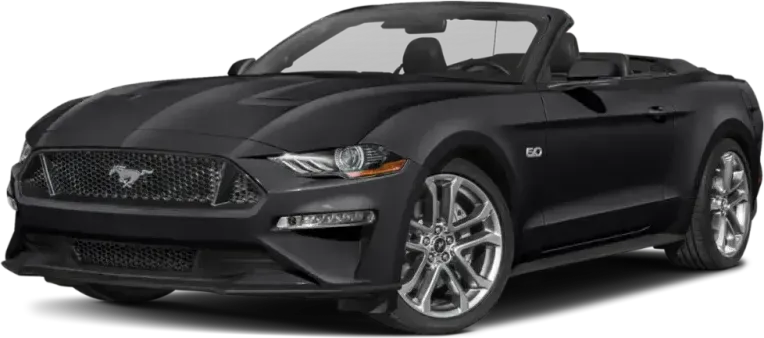
2023 Ford Mustang Reliability Report
The 2023 Ford Mustang has a good reliability standing, but steering vibration and sudden power loss are the problems to check before buying.
Recalls
6
Complaints
14
Complaint Rate
2.6per 10,000 sold
Est. Repair Cost
$709
Annual Fuel Cost
$2,400–$3,500
Detailed Score Breakdown
Component-weighted complaints normalized by sales volume
Independent repair cost ratings
Recall count weighted by severity
Breadth of reported problem categories
The Verdict
Rates better than both 2022 and 2024 and is among the stronger Mustang years, though steering shaking and sudden power loss lead its complaints.
Top Issues to Watch
- STEERING (5)
- ELECTRICAL SYSTEM (4)
- SERVICE BRAKES (2)
Generation & Refresh (US)
2023 is the last model year of the Sixth generation (2015).
- Final-year models are typically the most refined version of a generation.
- 5 years after the last refresh (2018).
- 6th generation Mustang (US).
What this means for buyers
Final-year models are usually the most polished version of a generation, but resale value may dip as buyers anticipate the next redesign.
2015: Sixth generation (2015) Launch
Generation start — new platform.
2018: Mid-Cycle Refresh
Updated features and styling tweaks.
2023: This Model Year
2023 is the last model year of the Sixth generation (2015).
Should You Buy the 2023 Ford Mustang?
Good is the standing here, and it is close to average against other 2023 coupes. Among the nine scored Mustang model years, this one is among the stronger. It also rates better than the 2022, which is mixed, and the 2024, which is good but rates worse. Owners filed 14 complaints, 2.6 per 10,000 sold. Independent repair-cost data puts yearly repairs at $709, above $526 for the class.
Steering draws the most complaints. Owners describe shaking in the wheel and a loose, darty feel at about 27 to 37 mph, which a dealer reproduced once. One crash report has the wheel turning right without warning into a curb. Electrical complaints are worse: the engine loses power, hesitates when merging, or stalls in traffic, and in another pattern the gas pedal stops responding before the car surges forward. Both brake complaints describe sudden failure, and both involve crashes. Some owners say repair parts were unavailable.
Federal recall records list six recalls, covering steering, electrical system, back over prevention, and power train. Ask the seller for proof that each was completed.
Compared to the 2024 Ford Mustang, which scored 5 points lower. See also the 2022 Ford Mustang for an earlier comparison.
Pros
- +Acceptable reliability score
- +Infrequent unscheduled repairs
- +Low major repair risk (14%)
- +Complaint rate in line with Coupe segment average (early data)
Cons
- −Above-average repair costs for its class
- −Above-average recall count
- −STEERING: Shaking and vibration in the wheel while driving are the most common reports (5 complaints)
Compare 2023 Ford Mustang With

2023 Chevrolet Camaro
Reliability: 81/100
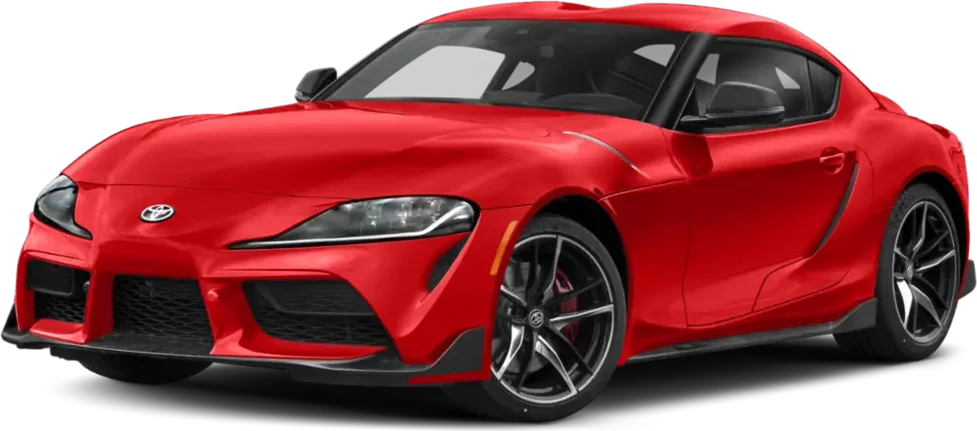
2023 Toyota Supra
Reliability: 69/100
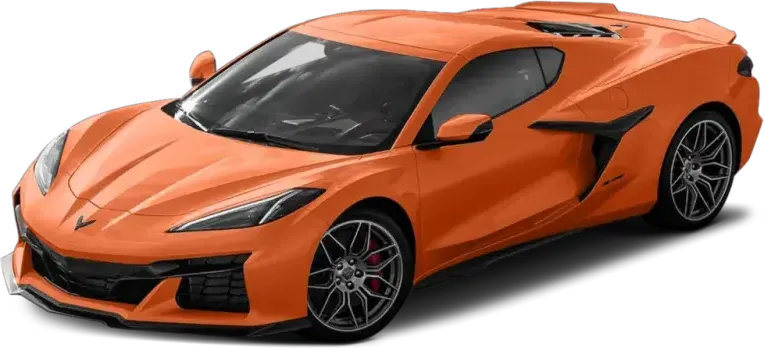
2023 Chevrolet Corvette
Reliability: 73/100

2023 Tesla Model 3
Reliability: 57/100
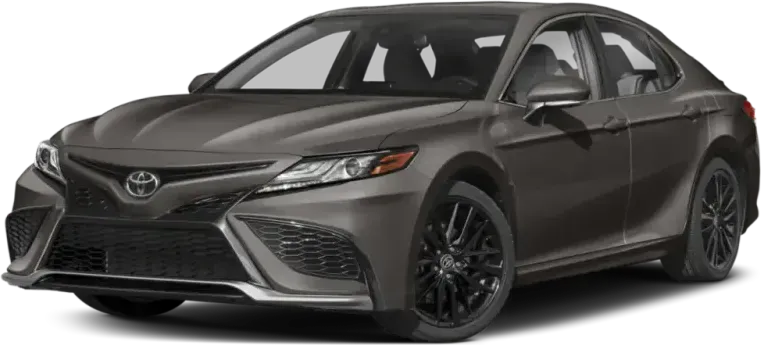
2023 Toyota Camry
Reliability: 79/100
Common Problem Categories
Safety
LOW RISK- 6 manufacturer recalls issued
Other
HIGH RISK- STEERING (5)
- ELECTRICAL SYSTEM (4)
Recall Overview
6
recalls on record
The 2023 Ford Mustang has 6 recalls on record, which is above average. A high count can flag multiple component concerns, though it also shows the manufacturer is actively addressing known issues.
NHTSA.gov →Complaint Breakdown
2.6
per 10,000 soldSegment avg: 2.6
Safety Incidents
5
Crashes
0
Fires
0
Injuries
0
Deaths
NHTSA 5/5 Stars
Data sourced from NHTSA complaint filings and manufacturer recall notices. Complaint narratives are owner-reported.
2023 Ford Mustang Recall Details
6 recalls have been issued for the 2023 Ford Mustang. All recall repairs are performed free of charge at authorized dealerships.
STEERING
Ford Motor Company (Ford) is recalling certain 2022-2023 Ford Mustang vehicles previously repaired incorrectly under recall number 24V-493. The secondary steering torque sensor may not be calibrated properly, which can cause the steering wheel to turn side to side against the driver's intentions.
Consequence
A steering wheel that turns unintentionally can cause a loss of vehicle control and increase the risk of a crash.
Remedy
Dealers will update the power steering control module (PSCM) software, free of charge. Owner notification letters were mailed March 25, 2025. Owners may contact Ford customer service at 866-436-7332. Ford's number for this recall is 25S11.
ELECTRICAL SYSTEM
Ford Motor Company (Ford) is recalling certain 2021-2023 Mustang vehicles repaired incorrectly under recall number 23V727. The brake fluid level sensor may not activate the visual warning indicator when the brake fluid is low. As such, these vehicles fail to comply with the requirements of Federal Motor Vehicle Safety Standard number 135, "Light Vehicle Brake Systems."
Consequence
Without a low brake fluid warning light, the vehicle may be driven with low brake fluid, reducing braking performance and increasing the risk of a crash.
Remedy
Dealers will update the body control module software, free of charge. Owner notification letters were mailed December 11, 2025. Owners may contact Ford customer service at 1-866-436-7332. Ford's number for this recall is 25C55. Vehicle Identification Numbers (VINs) involved in this recall will be searchable on NHTSA.gov beginning November 17, 2025.
BACK OVER PREVENTION
Ford Motor Company (Ford) is recalling certain 2018-2022 Transit Connect, 2019-2020 MKZ, MKX, Edge, Continental, F-150, Nautilus, Fusion, 2019-2023 Ranger, Mustang, 2020-2021 EcoSport, Expedition, Navigator, 2020-2022 Escape, F-250 SD, Corsair, 2020-2023 Aviator, Transit, 2020-2024 Explorer, 2021-2024 Bronco Sport, and 2022-2024 Maverick vehicles. A software error may cause the rearview camera to display a blank image, or the image may remain on the display after the backing event has ended.
Consequence
A rearview camera that displays a blank image can reduce the driver's view behind the vehicle. A rearview image that continues to be displayed after the vehicle is shifted out of reverse may distract the driver. Both of these situations can increase the risk of a crash.
Remedy
Dealers will update the rearview camera software, free of charge. Owner notification letters were mailed September 4, 2025. Owners may contact Ford customer service at 1-866-436-7332. Ford's number for this recall is 25S72.
Buying a used 2023 Ford Mustang? Check its history first
Steering problems lead owner complaints about the 2023 Ford Mustang, and 6 recalls were issued for it. A VIN check shows whether this car's recall work was done, plus accident, title, and odometer history.
- Accidents
- Open Recalls
- Title History
- Odometer Rollback
2023 Ford Mustang NHTSA Safety Ratings
Overall Safety Rating
Crash Test Results by Configuration (expand)
Gas Powertrain
Rollover risk: 9.3%
Safety Technologies
Ford MustangRepair Costs & Maintenance
Maintenance Rating
3.5Maintenance rating: 3.5 out of 5Based on NHTSA complaint patterns, recall severity, and publicly available cost benchmarks.
Est. Annual Maintenance
$709
vs $526 avg for midsize cars
vs $652 avg for all vehicles
Repair Frequency
0.2
unscheduled repair visits per year
Severe Repair Probability
14%
chance of a major repair
Annual Cost Comparison
Category-level averages derived from publicly available industry reports (AAA, CarMD). Model-level estimates produced by Auto Reliability Index.
Ford Mustang Resale Value
The Ford Mustang is estimated to retain about 76.8% of its original value after 5 years, based on observed used-car listings.
This benchmark covers the Ford Mustang model overall and is not specific to the 2023 model year.
- Value Retained
- 76.8%
- Depreciation
- 23.2%
- Listings Analyzed
- 720
after 5 years
over the same period
U.S. used-car listings
Listings observed in . Actual resale value varies by trim, mileage, condition, and location.
Explore Ford Mustang depreciation and resale value on CarResaleValue.comMPG & Annual Running Costs
Gas
17–25 MPG
Running cost: $3,100–$4,200/yr
Fuel + repair
14–22 city / 22–32 hwy MPG
Running cost includes EPA fuel-cost estimate and independent repair-cost data (repair cost estimated at model level). Excludes routine maintenance, depreciation, and insurance. Data as of 2023 EPA label cycle.
Gas trims
| Trim | Drive | Trans. | City | Hwy | Comb | Fuel Cost |
|---|---|---|---|---|---|---|
| Mustang 2.3L 4-cyl | Rear-Wheel Drive | Automatic 10-spd | 22 | 32 | 25 | $2,400 |
| Mustang 2.3L 4-cyl | Rear-Wheel Drive | Automatic (S10) | 21 | 31 | 24 | $2,500 |
| Mustang 2.3L 4-cyl | Rear-Wheel Drive | Manual 6-spd | 21 | 29 | 24 | $2,500 |
| Mustang Convertible 2.3L 4-cyl | Rear-Wheel Drive | Automatic (S10) | 20 | 28 | 23 | $2,600 |
| Mustang Convertible 2.3L 4-cyl | Rear-Wheel Drive | Automatic 10-spd | 20 | 28 | 23 | $2,600 |
| Mustang Convertible 2.3L 4-cyl | Rear-Wheel Drive | Manual 6-spd | 20 | 27 | 23 | $2,600 |
| Mustang HO Coupe 2.3L 4-cyl | Rear-Wheel Drive | Automatic (S10) | 20 | 27 | 23 | $2,600 |
| Mustang HO Convertible 2.3L 4-cyl | Rear-Wheel Drive | Automatic (S10) | 19 | 26 | 22 | $2,700 |
| Mustang HO Coupe 2.3L 4-cyl | Rear-Wheel Drive | Manual 6-spd | 20 | 27 | 22 | $2,700 |
| Mustang HO Convertible 2.3L 4-cyl | Rear-Wheel Drive | Manual 6-spd | 19 | 25 | 21 | $2,850 |
| Mustang 5.0L 8-cyl | Rear-Wheel Drive | Automatic (S10) | 15 | 24 | 19 | $3,150 |
| Mustang 5.0L 8-cyl | Rear-Wheel Drive | Manual 6-spd | 15 | 24 | 18 | $3,300 |
| Mustang Convertible 5.0L 8-cyl | Rear-Wheel Drive | Automatic (S10) | 15 | 23 | 18 | $3,300 |
| Mustang Mach 1 5.0L 8-cyl | Rear-Wheel Drive | Automatic (S10) | 15 | 23 | 18 | $3,300 |
| Mustang Mach 1 5.0L 8-cyl | Rear-Wheel Drive | Manual 6-spd | 14 | 22 | 17 | $3,500 |
Used Buying Checklist
Key things to inspect or verify before purchasing a 2023 Ford Mustang.
Run the VIN through a federal recall lookup and confirm campaigns 24V493000 and 23V727000 show as completed.
Ask for dealer repair orders proving recall work was done, not just scheduled while waiting on parts.
Drive steadily between 27 and 37 mph and feel for loose, darty, or wandering steering.
Hold the wheel lightly on a straight road and watch for shaking or a sudden pull to one side.
Accelerate hard onto a highway and note any hesitation, power loss, or stalling.
From a stop, press the throttle and confirm the engine revs right away without a delayed surge.
Press the brake pedal firmly with the engine running and reject the car if it sinks toward the floor.
Check service history for repeated visits for fuel injector, fuel line, or false collision warning complaints.
2023 Ford Mustang Common Problems by Component
14 owner complaints grouped by vehicle system.
STEERING
5 complaintsSafety-relatedShaking and vibration in the wheel while driving are the most common reports. At about 27 to 37 mph, the car can also feel loose and darty, and a dealer reproduced that instability in one case. One crash report describes the wheel turning right without warning and hitting a curb. Several reports involve recall 24V493000. The repair part is not available, and dealers offer little help while owners wait. One shaking complaint came in at about 3,000 miles, and another owner describes the car as brand new.
ELECTRICAL SYSTEM
4 complaintsSafety-relatedThe engine loses power without warning. The car hesitates, will not accelerate to merge at highway speed, and can stall in traffic. Diagnoses point to a failed fuel injector or fuel line. In another pattern, the gas pedal stops responding, and then the car surges forward and fishtails. Half of the 4 complaints involve crashes. One crash ties brake failure at about 20 mph to recall 23V727000, which went unrepaired because the part was unavailable. One owner reports 6 dealer visits.
SERVICE BRAKES
2 complaintsSafety-relatedThe brakes fail suddenly, and both complaints in this category involve crashes. In one, the collision avoidance warning comes on with nothing nearby, the brake pedal sinks to the floor, and the driver loses control at about 45 mph and hits a wall barrier. The cause was not determined, and the manufacturer offered no assistance. The other crash is blamed on faulty brakes covered by recall 23V727.
UNKNOWN OR OTHER (1 complaints)
UNKNOWN OR OTHER
1 complaintOngoing issues with rough idle. Threw a couple generic lean codes (p0171 and p0174) that did not stay. Stored code p061a:00-28. On my third dealer. Vehicle randomly shut off at stop sign with no codes thrown whatsoever. Tech believes the issue is the throttlebody. Ford Corp says it passes their tests and will not warranty the replacement. Ford Corp Basically said I have to wait till total part failure. Shutting off in traffic is obviously dangerous.
POWER TRAIN (1 complaints)
POWER TRAIN
1 complaintWhile driving up hill in low gear, the vehicle suddenly will jerk, a service light will come on, and a powertrain warning will occur. When this happens, it warns that the pre-collision assist is unavailable, as well as the exhaust mode selection. Once this occurs, the vehicle becomes much more difficult to drive as the rev match no longer occurs, the vehicle no longer increases revs as you start releasing the clutch, and when in gear it becomes more jerky as you are driving along. I don't have the experience but I suspect it is essentially in a low power mode with minimal computer aid. After being able to pull off and turn the car off for a number of minutes (not off and on as that does not resolve it), the vehicle returns to normal. This has happened twice now while driving on the same section of roadway in almost the exact same spot. I previously called the dealer after the first time and they told me if it happens again to bring it in. They did not seem interested in looking at it. I will be hopefully doing that tomorrow. I am not sure if it is related, but the vehicle did seem like it was running rich earlier in the day (a slight smell of gas when driving by).
ENGINE (1 complaints)
ENGINE
1 complaintThe last two times I have went to start my vehicle it acts as if it is not in the park position. The brake is stiff and wont budge. I have to wiggle the shifter as much as it will let me fpr a couple minutes before it lets loose to start.
Best & Worst Ford Mustang Years
Best Ford Mustang Years to Buy
Based on reliability index score2023
(Current Model)
2024
2019
Ford Mustang Years to Avoid
Ford Mustang Reliability Score Trend
Scores 0–100. Higher is better. Current year highlighted.
| Year | Score | Rating |
|---|---|---|
| 2018 | 65/100 | Good |
| 2019 | 67/100 | Good |
| 2020 | 66/100 | Good |
| 2021 | 54/100 | Mixed |
| 2022 | 59/100 | Mixed |
| 2023 | 72/100 | Good |
| 2024 | 67/100 | Good |
| 2025 | 73/100 | Good |
| 2026 | 78/100 | Good |
Ford Mustang Reliability Compared to Other Years
Frequently Asked Questions
Is the 2023 Ford Mustang reliable?
What are the most common problems with the 2023 Ford Mustang?
Does the 2023 Ford Mustang have engine power loss problems?
How many recalls does the 2023 Ford Mustang have?
How does the 2023 Ford Mustang compare with the 2022 and 2024?
Don’t buy a 2023 Ford Mustang without checking its VIN first — hidden accidents, title issues, and open recalls could cost you thousands.
How we score the 2023 Ford Mustang
Of the four inputs behind this score, the 2023 Ford Mustang does best on how many systems draw complaints (80/100) and worst on recall impact (65/100). Scores weight complaint severity at 35%, repair costs at 30%, recall impact at 20%, and the spread of complaints across systems at 15%, with complaint counts adjusted for US sales. Read the full methodology.
Get notified when new recalls or reliability data is added for the Ford Mustang.
No spam. Only data updates for this model.
Browse More Ford Models
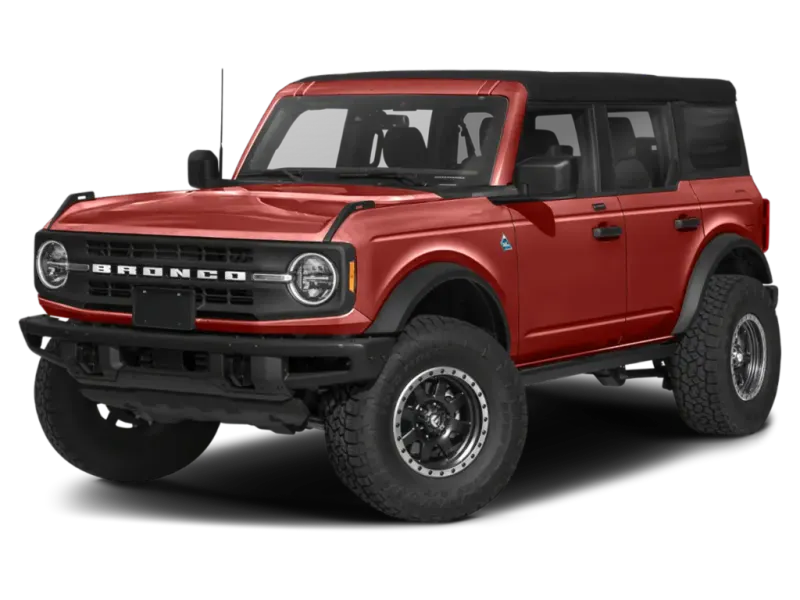
Ford Bronco
Score: 59/100

Ford Bronco Sport
Score: 77/100

Ford EcoSport
Score: 74/100

Ford Edge
Score: 76/100

Ford Escape
Score: 77/100
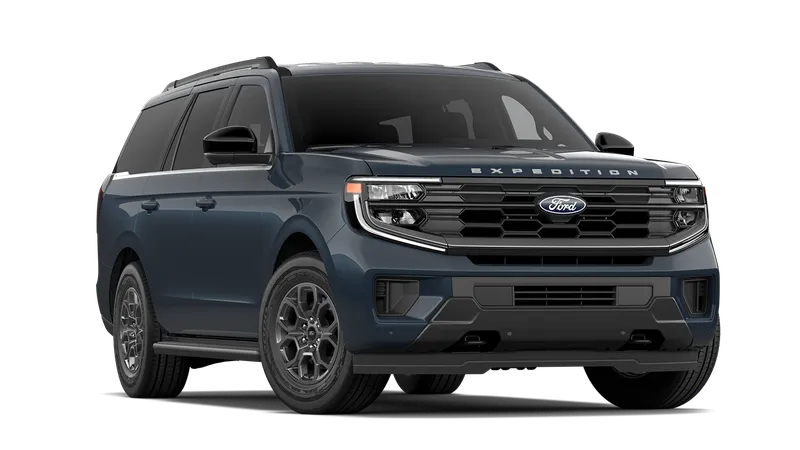
Ford Expedition
Score: 71/100
Browse More 2023 Vehicles
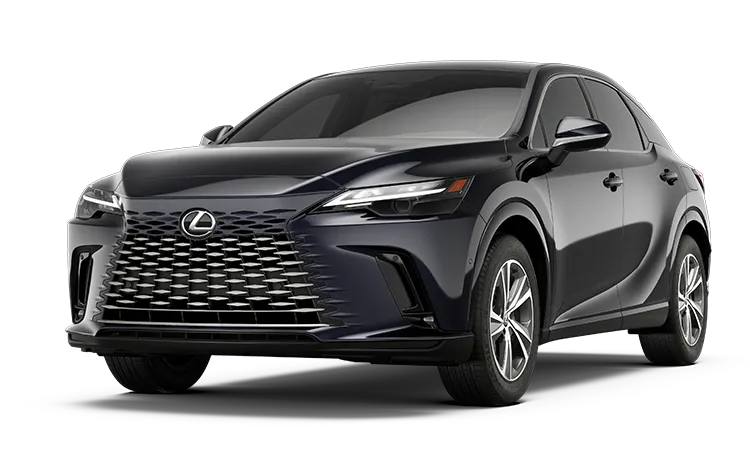
2023 Lexus RX
Score: 85/100
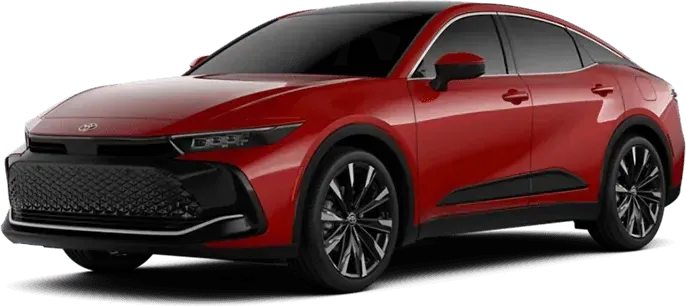
2023 Toyota Crown
Score: 84/100
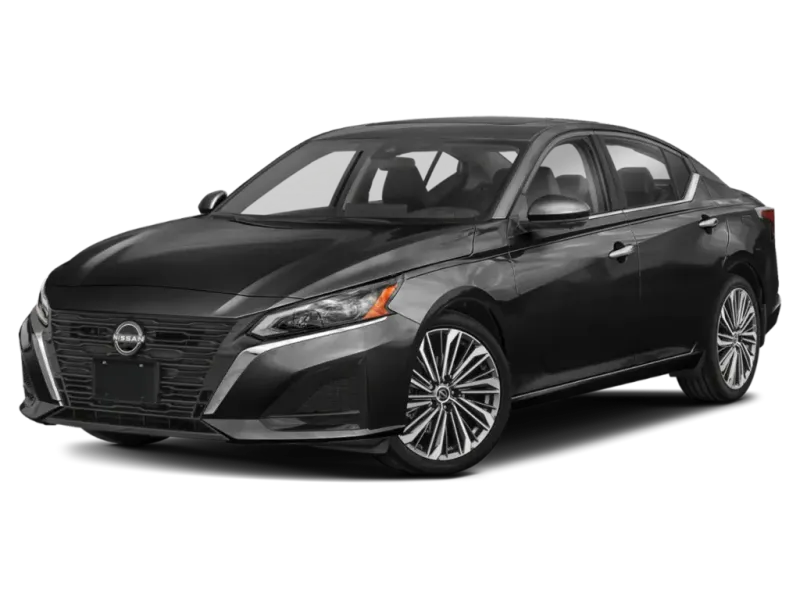
2023 Nissan Altima
Score: 84/100

2023 Lexus IS
Score: 83/100
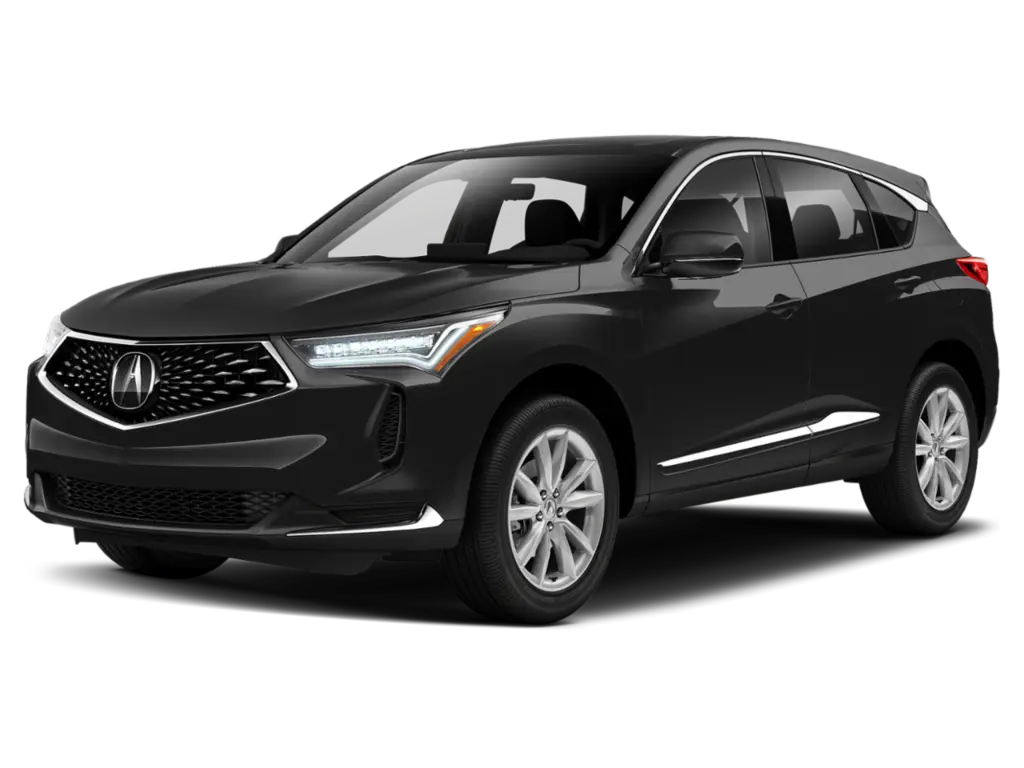
2023 Acura RDX
Score: 82/100

2023 Kia Carnival
Score: 82/100
See incorrect data? Report an issue