Last updated: 2026-10-10
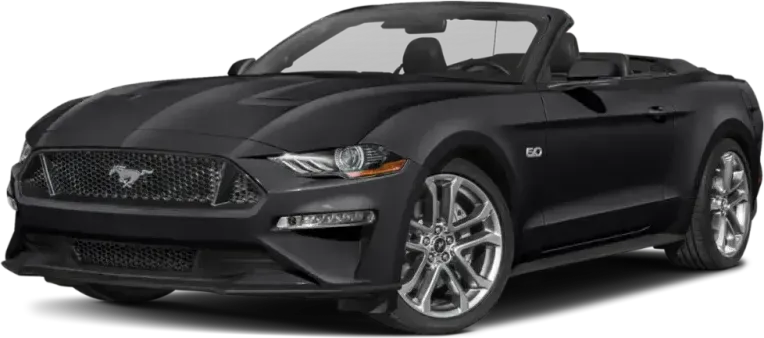
2018 Ford Mustang Reliability Report
The 2018 Ford Mustang has good reliability, but EcoBoost coolant leaks and rough automatic shifts make it one of the weaker Mustang years.
Recalls
4
Complaints
172
Complaint Rate
22.7per 10,000 sold
Est. Repair Cost
$709
Annual Fuel Cost
$2,400–$3,300
Detailed Score Breakdown
Component-weighted complaints normalized by sales volume
Independent repair cost ratings
Recall count weighted by severity
Breadth of reported problem categories
The Verdict
One of the weaker Mustang years, with coolant leaking into EcoBoost cylinders, harsh automatic shifts, and doors that unlatch while driving.
Top Issues to Watch
- POWER TRAIN (41)
- ENGINE (38)
- ELECTRICAL SYSTEM (27)
Generation & Refresh (US)
2018 received a 2018 update update for the Sixth generation (2015).
- Changes: Minor exterior redesign; Engine lineup revised, dropping V6; Increase in horsepower for EcoBoost V8.
- Year 4 in this generation (2015–2023).
- 6th generation Mustang (US).
What this means for buyers
Refresh years bring updates but can also introduce new issues. Check early recall data before buying.
2015: Sixth generation (2015) Launch
Generation start — new platform.
2018: This Model Year (Refresh)
2018 received a 2018 update update for the Sixth generation (2015).
Should You Buy the 2018 Ford Mustang?
Good, but not the best Mustang to pick. Against other 2018 coupes it sits close to average, and among the nine scored Mustang years it is one of the weaker ones. The 2019 rates about the same with fewer owner complaints (129 versus 172) and also has four recalls. Federal crash testing gives 5 of 5 stars, but independent data puts yearly repairs at $709 against $526 for the class.
Three problems matter most. On the 2.3L EcoBoost, coolant leaks into the cylinders. Owners report a rough cold start, a check engine light, and misfire codes, from about 23,000 to 72,212 miles. Dealers then often suggest a new engine, and one owner quotes $12,000. Automatic cars can jolt or hesitate when shifted from park or reverse, and shops traced some cases to a failed CDF drum between 70,000 and 102,000 miles. Doors unlatching at speed, mostly on the passenger side, are reported from 27,000 miles.
Ask for engine and transmission service records, and check the VIN for open recall work. Test the shifts from park and reverse, then work the touchscreen and backup camera.
Compared to the 2019 Ford Mustang, which scored 2 points higher.
Pros
- +Acceptable reliability score
- +Infrequent unscheduled repairs
- +Low major repair risk (14%)
Cons
- −Above-average repair costs for its class
- −Moderate recall count
- −Above-average complaint rate for Coupe
Compare 2018 Ford Mustang With
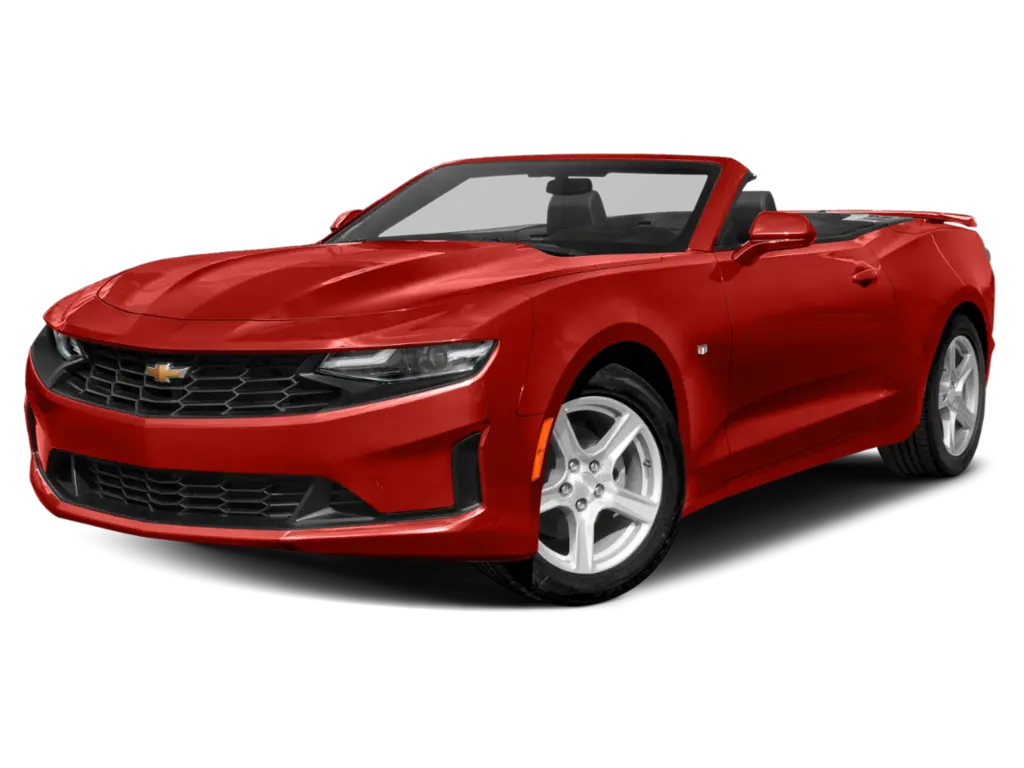
2018 Chevrolet Camaro
Reliability: 71/100
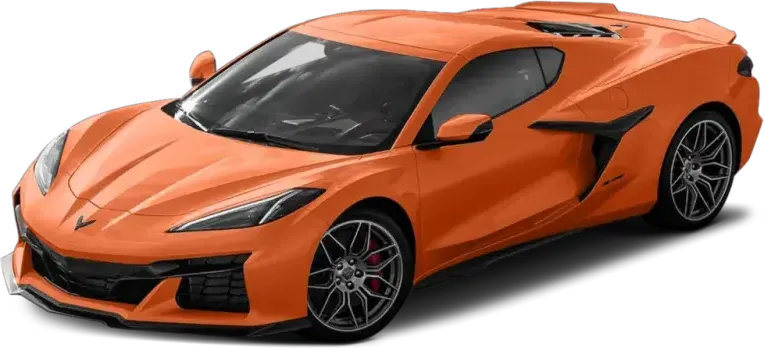
2018 Chevrolet Corvette
Reliability: 70/100
2018 Tesla Model 3
Reliability: 46/100
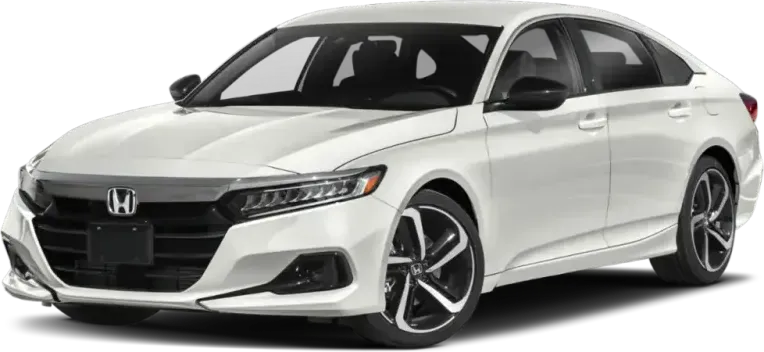
2018 Honda Accord
Reliability: 63/100
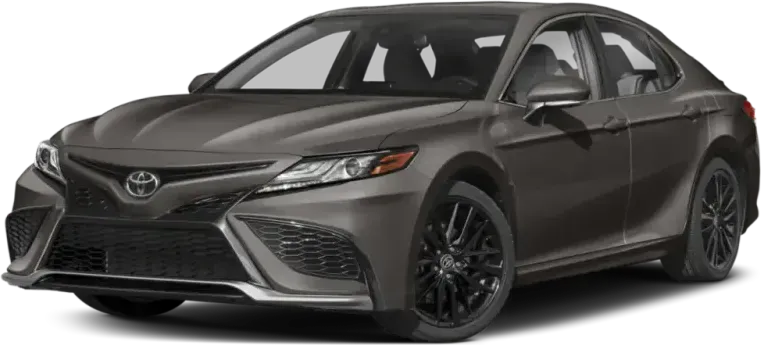
2018 Toyota Camry
Reliability: 65/100
Common Problem Categories
Safety
LOW RISK- 4 manufacturer recalls issued
Other
HIGH RISK- POWER TRAIN (41)
- ENGINE (38)
Recall Overview
4
recalls on record
A moderate 4 recalls are on file for the 2018 Ford Mustang. Each one points to a specific safety or compliance issue identified by the manufacturer or NHTSA — check the list below before buying.
NHTSA.gov →Complaint Breakdown
22.7
per 10,000 soldSegment avg: 16.9
Safety Incidents
8
Crashes
1
Fires
5
Injuries
0
Deaths
NHTSA 5/5 Stars
Data sourced from NHTSA complaint filings and manufacturer recall notices. Complaint narratives are owner-reported.
2018 Ford Mustang Recall Details
4 recalls have been issued for the 2018 Ford Mustang. All recall repairs are performed free of charge at authorized dealerships.
BACK OVER PREVENTION
Ford Motor Company (Ford) is recalling certain 2015-2019 Lincoln MKC, Mustang, F-350 SD, F-250 SD, F-450 SD, 2015-2017 Lincoln Navigator, Expedition, 2015-2018 Edge, Transit Connect, 2016-2019 F-550 SD, Transit, 2017-2019 Econoline, and 2019 Ranger vehicles. The rearview camera may display a distorted, inverted, or blank image when the vehicle is in reverse.
Consequence
A rearview camera that displays an inverted, distorted, or blank image can reduce the driver’s view behind the vehicle, increasing the risk of a crash.
Remedy
Dealers will inspect and replace the rearview camera as necessary, free of charge. Owner notification letters were mailed January 13, 2026. Ford owners will receive letters in phases, beginning January 2026 and May 2026. Owners may contact Ford customer service at 1-866-436-7332. Ford's number for this recall is 25S89. This recall expands previous NHTSA recall number 25V270. Vehicle Identification Numbers (VINs) involved in this recall will be searchable on NHTSA.gov beginning September 8, 2025.
ENGINE AND ENGINE COOLING, FUEL SYSTEM, GASOLINE
Roush Performance Products, Inc. (Roush) is recalling certain aftermarket supercharger kits, part number R1318-6006P1-AA, sold for installation on 2018 Ford Mustangs. The hose barb fittings on the supercharger kits may be manufactured incorrectly, possibly causing damage to the fuel lines and resulting in a fuel leak.
Consequence
A fuel leak can increase the risk of a fire.
Remedy
Roush will notify the known owners and replace the defective fuel rail subassemblies, free of charge. The recall began on May 31, 2018. Owners may contact Roush customer service at 1-800-597-6874. Roush's number for this recall is REMay2018.
POWER TRAIN
Ford Motor Company (Ford) is recalling certain 2017-2018 Ford F-150 and 2018 Ford Expedition and Mustang and Lincoln Navigator vehicles equipped with 10-speed automatic transmissions. A roll pin may not have been installed in the transmission, potentially causing a loss of the "Park" function.
Consequence
Despite the transmission shift lever being placed in 'Park' and the instrument panel display indicating 'Park,' the vehicle may roll away after it has been exited if the parking brake has not been applied, increasing the risk of injury or a crash.
Remedy
Ford will notify owners, and dealers will inspect the transmission to make sure it has the roll pin, installing one if it is missing, free of charge. The recall began on April 13, 2018. Owners may contact Ford customer service at 1-866-436-7332. Ford's number for this recall is 18S09.
Buying a used 2018 Ford Mustang? Check its history first
Power train problems lead owner complaints about the 2018 Ford Mustang, and 4 recalls were issued for it. A VIN check shows whether this car's recall work was done, plus accident, title, and odometer history.
- Accidents
- Open Recalls
- Title History
- Odometer Rollback
2018 Ford Mustang NHTSA Safety Ratings
Overall Safety Rating
Crash Test Results by Configuration (expand)
Gas Powertrain
Rollover risk: 9.3%
Safety Technologies
Ford MustangRepair Costs & Maintenance
Maintenance Rating
3.5Maintenance rating: 3.5 out of 5Based on NHTSA complaint patterns, recall severity, and publicly available cost benchmarks.
Est. Annual Maintenance
$709
vs $526 avg for midsize cars
vs $652 avg for all vehicles
Repair Frequency
0.2
unscheduled repair visits per year
Severe Repair Probability
14%
chance of a major repair
Annual Cost Comparison
Category-level averages derived from publicly available industry reports (AAA, CarMD). Model-level estimates produced by Auto Reliability Index.
Ford Mustang Resale Value
The Ford Mustang is estimated to retain about 76.8% of its original value after 5 years, based on observed used-car listings.
This benchmark covers the Ford Mustang model overall and is not specific to the 2018 model year.
- Value Retained
- 76.8%
- Depreciation
- 23.2%
- Listings Analyzed
- 720
after 5 years
over the same period
U.S. used-car listings
Listings observed in . Actual resale value varies by trim, mileage, condition, and location.
Explore Ford Mustang depreciation and resale value on CarResaleValue.comMPG & Annual Running Costs
Gas
18–25 MPG
Running cost: $3,100–$4,000/yr
Fuel + repair
15–21 city / 24–32 hwy MPG
Running cost includes EPA fuel-cost estimate and independent repair-cost data (repair cost estimated at model level). Excludes routine maintenance, depreciation, and insurance. Data as of 2018 EPA label cycle.
Gas trims
| Trim | Drive | Trans. | City | Hwy | Comb | Fuel Cost |
|---|---|---|---|---|---|---|
| Mustang 2.3L 4-cyl | Rear-Wheel Drive | Automatic (S10) | 21 | 32 | 25 | $2,400 |
| Mustang 2.3L 4-cyl | Rear-Wheel Drive | Manual 6-spd | 21 | 31 | 25 | $2,400 |
| Mustang Convertible 2.3L 4-cyl | Rear-Wheel Drive | Automatic (S10) | 20 | 29 | 23 | $2,600 |
| Mustang Convertible 2.3L 4-cyl | Rear-Wheel Drive | Manual 6-spd | 20 | 28 | 23 | $2,600 |
| Mustang Performance Package 2.3L 4-cyl | Rear-Wheel Drive | Automatic (S10) | 20 | 29 | 23 | $2,600 |
| Mustang Performance Package 2.3L 4-cyl | Rear-Wheel Drive | Manual 6-spd | 20 | 28 | 23 | $2,600 |
| Mustang 5.0L 8-cyl | Rear-Wheel Drive | Automatic (S10) | 16 | 25 | 19 | $3,150 |
| Mustang 5.0L 8-cyl | Rear-Wheel Drive | Manual 6-spd | 15 | 25 | 18 | $3,300 |
| Mustang Convertible 5.0L 8-cyl | Rear-Wheel Drive | Automatic (S10) | 15 | 24 | 18 | $3,300 |
Used Buying Checklist
Key things to inspect or verify before purchasing a 2018 Ford Mustang.
Run the VIN for open recalls, especially 25V572 for the rear camera wiring, and ask whether the repair was done.
On an EcoBoost, scan for misfire codes like P0300 or P0303 and check coolant level for unexplained loss.
Ask an independent shop to borescope EcoBoost cylinders for coolant intrusion before you buy.
Start the car cold and listen for a rough idle that smooths out after several seconds.
After a 30-minute drive, shift from park to drive and reverse several times, feeling for jolts or delays.
Drive on the highway and over bumps, watching for a door ajar warning, and ask for 21N10 latch repair records.
Cycle the touchscreen and backup camera from a cold start, checking for black, blue, or distorted screens.
Run the air conditioning on full and watch for weak cooling or windshield fogging.
2018 Ford Mustang Common Problems by Component
172 owner complaints grouped by vehicle system.
POWER TRAIN
41 complaintsSafety-relatedHarsh, delayed, or slipping shifts lead these reports. Automatic cars jolt or lurch from park or reverse into drive, hesitate before moving, then jump forward. Several owners say shops traced the problem to a failed CDF drum and main control, with failures reported near 70,000 and 102,000 miles. Some computer adjustments do not last. Other reports describe the car rolling away while parked, a manual clutch pedal sticking to the floor, and rear wheels locking up while slowing. Four complaints involve crashes.
ENGINE
38 complaintsCoolant leaking into the cylinders dominates these reports, almost all on the 2.3L EcoBoost. It shows up as a rough cold start, a steady check engine light, and misfire codes such as P0300 and P0303. New plugs and GDI cleaning often fail to stop it, and dealers then recommend a full engine replacement. Several failures land between about 40,000 and 70,915 miles, and one owner quotes $12,000 for the repair. Some engines lose power or die on the highway. Other owners describe ticking or knocking, and a manual GT stalls when shifted into neutral.
ELECTRICAL SYSTEM
27 complaintsSafety-relatedScreens going dark is the main complaint. The optional digital instrument cluster can blank out while driving, hiding speed and warning lights. The center touchscreen fails too, taking the radio, climate display, and backup camera with it, and dealers quote APIM module replacement at $740 to $1412.70. Backup camera images turn blue or black, tied in some cases to a trunk wiring harness under a recall whose parts are not yet available. Some door ajar warnings and doors unlatching while driving also land here. One crash with fire is on file.
STRUCTURE (14 complaints)
STRUCTURE
14 complaintsDoors unlatching while driving fill nearly every report. The passenger door is the usual culprit, though driver doors do it as well. It happens at 70 mph on highways, at city speeds, and even over railroad tracks, sometimes while the door is locked. Wind rushes in and the door ajar chime sounds, forcing a stop. One owner notes Ford handles this through Customer Satisfaction Program 21N10 rather than a recall. Convertible rear windows that will not reseal and repeated water leaks into the rear footwell make up the rest.
UNKNOWN OR OTHER (13 complaints)
UNKNOWN OR OTHER
13 complaintsA mix of unrelated failures lands here. Air conditioning evaporators leak, which can fog the windshield, and one dealer quoted $2,679.88 to replace one. Several owners report waiting on the rear camera wiring recall because dealers have no parts. Other complaints cover transmission jerking traced to a failed CDF drum, engine shutoffs from a defective throttle on a brand-new GT, SYNC and radio glitches, fading black metallic paint, passenger doors popping open, and a creaking clutch pedal.
BACK OVER PREVENTION (6 complaints)
BACK OVER PREVENTION
6 complaintsThe backup camera shows a black, cloudy, distorted, or no-signal image in reverse. Some owners link this to the wiring harness running to the trunk lid, which is the subject of recall 25V572, and report that repair parts are not yet available and the wait has dragged on. Other cases trace to a failed APIM module that also kills the radio, navigation, and Bluetooth, sometimes only until the car warms up. Out of warranty, that repair runs about $1,000.
ENGINE AND ENGINE COOLING (6 complaints)
ENGINE AND ENGINE COOLING
6 complaintsCoolant getting into cylinder 1 or 3 is the recurring failure, usually leading to a dealer recommendation to replace the engine. Warning signs include a check engine light, misfire codes, an overheating message, and coolant coming out of the exhaust. Reported failure mileages run from about 23,000 to 72,212 miles. Separate reports describe an oil leak with knocking at 49,000 miles and a rear active exhaust valve rubbing the subframe, blowing a fuse and damaging its wiring.
LATCHES/LOCKS/LINKAGES (6 complaints)
LATCHES/LOCKS/LINKAGES
6 complaintsFront doors unlatch or swing open while the car is moving, most often the passenger side and frequently at highway speed. The door ajar warning comes on and wind noise follows, and the driver has to pull over and slam the door. Many owners say it repeats. Reported mileages range from about 27,000 to 70,000 miles. One owner was told the coverage program, 21N10, had expired days before calling, and one dealer diagnosed a door spring needing replacement.
STEERING (4 complaints)
STEERING
4 complaintsSafety-relatedPower steering assist can quit suddenly with the car in motion and no warning, making the car hard to control at interstate speed. One failure came at 16523 miles, and the replacement part was on national back order. A single crash report describes the wheel turning left on its own at 63 mph before the car hit a concrete barrier. With only four complaints, this is a small but serious pattern.
AIR BAGS (2 complaints)
AIR BAGS
2 complaintsSafety-relatedOnly two complaints exist, both from crashes, with four injuries reported. In one, the side air bags did not deploy when another car struck the driver side at about 30 mph, and the car was totaled. In the other, the driver attributes a fractured left leg to the air bag in two separate city crashes at 35 miles per hour. No clear pattern emerges from so few reports.
When Do 2018 Ford Mustang Problems Start?
Based on owner complaint patterns, here's when common issues tend to appear.
Best & Worst Ford Mustang Years
Best Ford Mustang Years to Buy
Based on reliability index scoreFord Mustang Years to Avoid
Ford Mustang Reliability Score Trend
Scores 0–100. Higher is better. Current year highlighted.
| Year | Score | Rating |
|---|---|---|
| 2018 | 65/100 | Good |
| 2019 | 67/100 | Good |
| 2020 | 66/100 | Good |
| 2021 | 54/100 | Mixed |
| 2022 | 59/100 | Mixed |
| 2023 | 72/100 | Good |
| 2024 | 67/100 | Good |
| 2025 | 73/100 | Good |
| 2026 | 78/100 | Good |
Ford Mustang Reliability Compared to Other Years
Frequently Asked Questions
Is the 2018 Ford Mustang reliable?
What are the most common problems with the 2018 Ford Mustang?
Does the 2018 Ford Mustang have engine problems?
Does the 2018 Ford Mustang have door problems?
Is the 2019 Ford Mustang more reliable than the 2018?
Don’t buy a 2018 Ford Mustang without checking its VIN first — hidden accidents, title issues, and open recalls could cost you thousands.
How we score the 2018 Ford Mustang
Of the four inputs behind this score, the 2018 Ford Mustang does best on how many systems draw complaints (81/100) and worst on complaint severity (51/100). Scores weight complaint severity at 35%, repair costs at 30%, recall impact at 20%, and the spread of complaints across systems at 15%, with complaint counts adjusted for US sales. Read the full methodology.
Get notified when new recalls or reliability data is added for the Ford Mustang.
No spam. Only data updates for this model.
Browse More Ford Models
Ford Bronco
Score: 59/100
Ford Bronco Sport
Score: 77/100
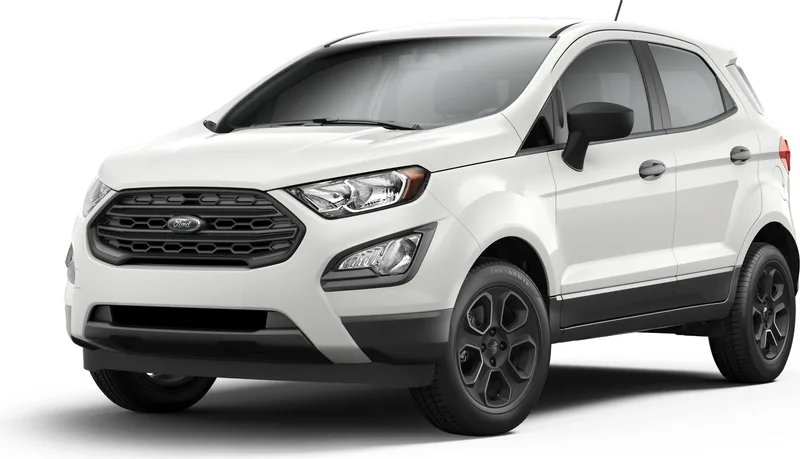
Ford EcoSport
Score: 74/100
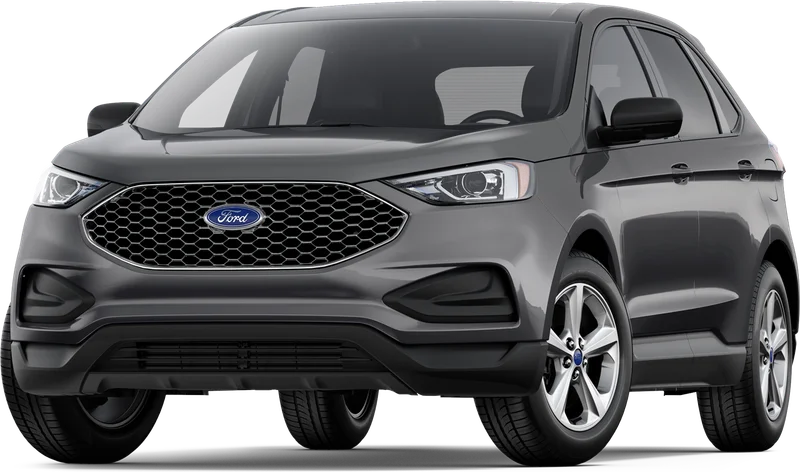
Ford Edge
Score: 76/100
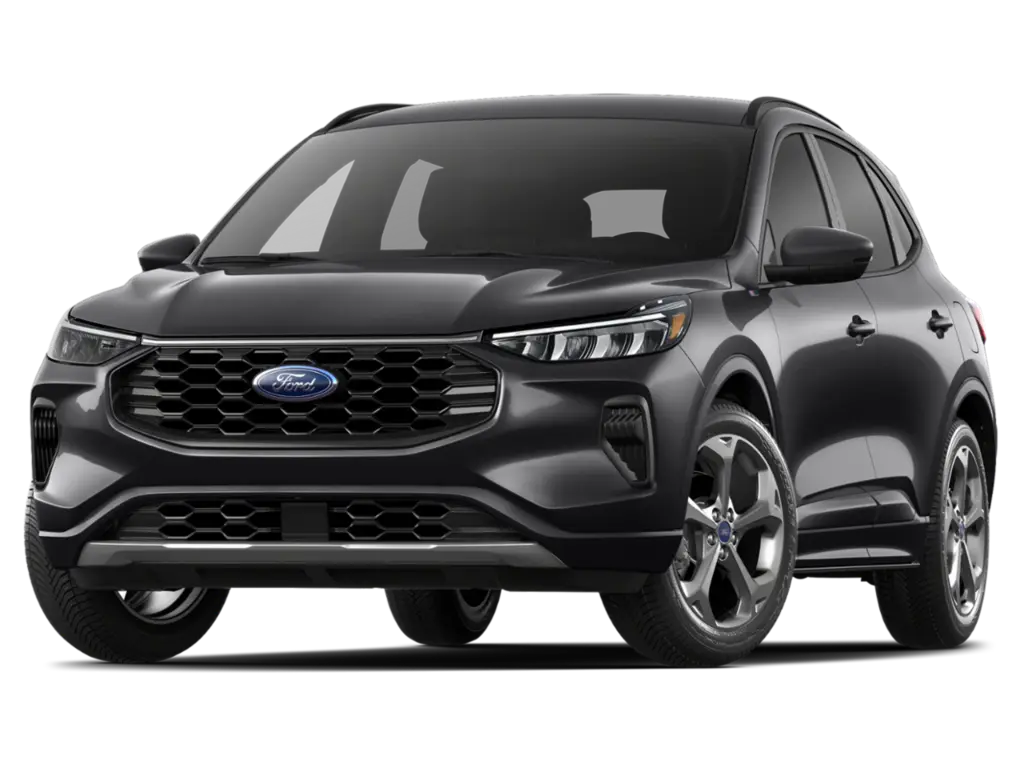
Ford Escape
Score: 77/100
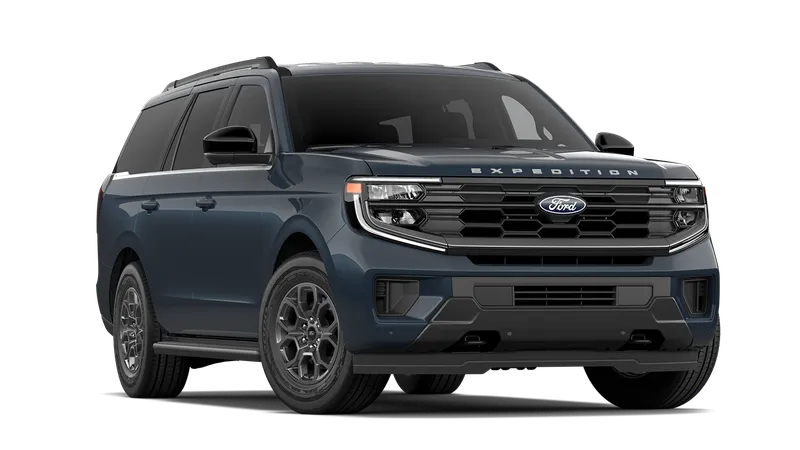
Ford Expedition
Score: 71/100
Browse More 2018 Vehicles
2018 Lexus RX
Score: 85/100
2018 Nissan Murano
Score: 82/100

2018 Lexus IS
Score: 81/100
2018 Lexus ES
Score: 80/100
2018 Toyota Corolla
Score: 80/100
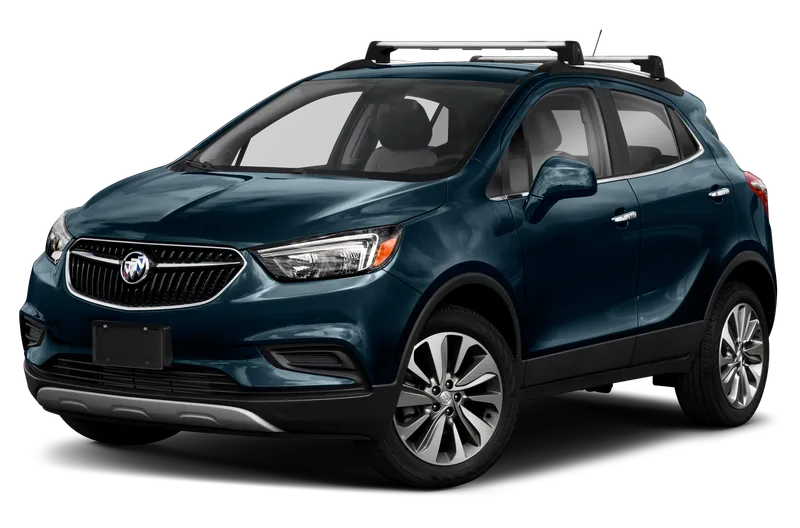
2018 Buick Encore
Score: 80/100
See incorrect data? Report an issue