Last updated: 2026-10-10
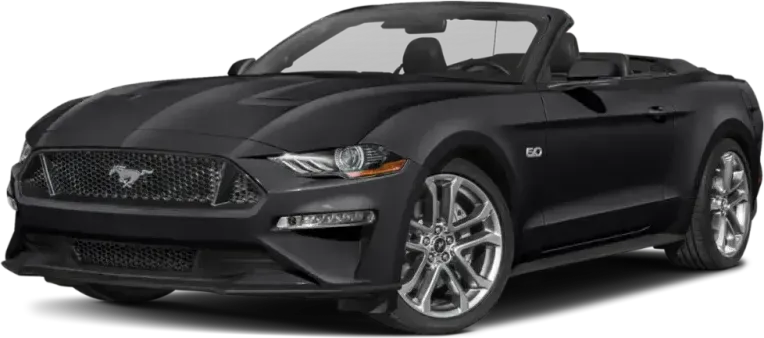
Ford Mustang Years to Avoid
9 scored model years (2018–2026) · model average 67/100
Skip the 2021 Ford Mustang. Owners filed far more complaints on it than on any other year, mostly about electrical failures, a dead front camera, and harsh automatic shifts. The 2023 is the year to buy, with very few complaints and a good standing.
Verdict
- Avoid
- 2021 54/100
- Buy
- 2023 72/100
- Model average
- 67/100
Ford Mustang Years to Avoid
These model years score significantly below the Ford Mustang average of 67/100.
| # | Year | Score | Rating | Recalls | Complaints | Top Issue |
|---|---|---|---|---|---|---|
| 1 | 2021 | 54/100 | Mixed | 18 | 373 | Electrical System (113) |
Why These Years Should Be Avoided
2021 Ford Mustang
Electrical failures lead the 2021 reports. Cars lose power or shut down while driving, often after a battery service warning. The front camera also cuts out, which disables collision warning and adaptive cruise. Owners describe harsh, jerky shifts from the 10R80 automatic as well. This year has 373 complaints and 18 recalls.
Top issues: Electrical System (113), Power Train (52), Forward Collision Avoidance (47), Unknown Or Other (39), Vehicle Speed Control (17), Service Brakes (14)
View full 2021reliability report →What Are Common Ford Mustang Problems?
ELECTRICAL SYSTEM
269 complaintsMost reported in 2021, 2022, 2018
2021: The car loses power, refuses to start, or shuts down while driving.
POWER TRAIN
165 complaintsMost reported in 2021, 2018, 2022
2021: Sudden loss of propulsion is the main complaint.
UNKNOWN OR OTHER
101 complaintsMost reported in 2021, 2022, 2019
2021: This catch-all group mixes several problems.
ENGINE
80 complaintsMost reported in 2018, 2019, 2020
2018: Coolant leaking into the cylinders dominates these reports, almost all on the 2.3L EcoBoost.
FORWARD COLLISION AVOIDANCE
55 complaintsMost reported in 2021, 2022
2021: A "Front Camera Fault" or "Pre-Collision Assist Not Available" message appears, often after hitting bumps.
STEERING
43 complaintsMost reported in 2021, 2022, 2023
2021: Most filings here describe failures of the high-voltage battery junction box.
Best Ford Mustang Year to Buy Instead
2023 Ford Mustang
The 2023 has 14 owner complaints, against 373 for the 2021 and 154 for the 2022, and it has been on the road long enough for that to mean something. Its reports center on steering vibration, not the screen failures and shift problems that dominate the weaker years. Check the steering on a test drive.
Found a Safe Year? Check the Specific Car
Even the 2023 Ford Mustang has 6 recalls on file. A VIN check confirms the recall work on the exact car and shows its accident, title, and service history.
- Accidents
- Open Recalls
- Title History
- Odometer Rollback
All Ford Mustang Years by Generation
Ford Mustang Reliability Scores by Year
Sixth generation (2015) (2015–2023)
2023 Ford Mustang
6 recalls · 14 complaints
2019 Ford Mustang
4 recalls · 129 complaints
2020 Ford Mustang
8 recalls · 101 complaints
2018 Ford Mustang
4 recalls · 172 complaints
2022 Ford Mustang
17 recalls · 154 complaints
2021 Ford Mustang
18 recalls · 373 complaints
Frequently Asked Questions
Which Ford Mustang years should I avoid?
Which Ford Mustang years have transmission problems?
Is the 2022 Ford Mustang a bad year?
Is the 2023 Ford Mustang a good year to buy?
Should I buy a 2025 or 2026 Ford Mustang instead?
How we score every Ford Mustang model year
Scores weight complaint severity at 35%, repair costs at 30%, recall impact at 20%, and the spread of complaints across systems at 15%, with complaint counts adjusted for US sales. Read the full methodology.
See incorrect data? Report an issue