Last updated: 2026-10-10
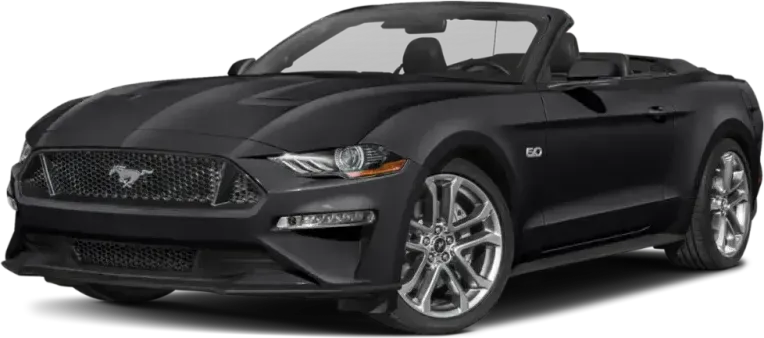
2020 Ford Mustang Reliability Report
The 2020 Ford Mustang has good reliability, but owners report camera dropouts, rough 10-speed shifts, and coolant leaks into the engine.
Recalls
8
Complaints
101
Complaint Rate
16.5per 10,000 sold
Est. Repair Cost
$709
Annual Fuel Cost
$2,400–$3,500
Detailed Score Breakdown
Component-weighted complaints normalized by sales volume
Independent repair cost ratings
Recall count weighted by severity
Breadth of reported problem categories
The Verdict
Sits mid-pack among nine scored years and rates better than 2021, with owner reports of camera, transmission, brake bracket and engine coolant trouble.
Top Issues to Watch
- ELECTRICAL SYSTEM (19)
- POWER TRAIN (17)
- SERVICE BRAKES (12)
Generation & Refresh (US)
2020 is 2 years after the 2018 update refresh.
- Year 6 in the Sixth generation (2015) (2015–2023).
- Well-established in its generation — most early issues should be resolved.
- 6th generation Mustang (US).
What this means for buyers
Post-refresh years tend to be among the most refined — updates have been applied and early kinks worked out.
2015: Sixth generation (2015) Launch
Generation start — new platform.
2018: Mid-Cycle Refresh
Updated features and styling tweaks.
2020: This Model Year
2020 is 2 years after the 2018 update refresh.
Should You Buy the 2020 Ford Mustang?
Reliability is good, and close to average among 2020 coupes. This year sits in the middle of the nine scored Mustang years. The 2019 rates about the same, with fewer recalls but more complaints. The 2021 rates worse. Repair costs run above the class, at $709 a year against $526.
Owners describe a rearview camera that goes blue or black with "Camera unavailable, contact dealer," and a digital cluster that blanks for seconds or up to 30 minutes. The 10-speed automatic can shift hard, slip, or delay engaging drive. Brake pedal brackets can snap, dropping the pedal to the floor. Coolant leaking into the cylinders often ends in engine replacement, mostly in the 60,000s.
Eight recalls are on record, including service brakes and power train. Confirm each one was completed, and ask for transmission and engine coolant repair history. The 2019 is worth comparing.
Compared to the 2021 Ford Mustang, which scored 12 points lower. See also the 2019 Ford Mustang for an earlier comparison.
Pros
- +Acceptable reliability score
- +Infrequent unscheduled repairs
- +Low major repair risk (14%)
Cons
- −Above-average repair costs for its class
- −Above-average recall count
- −Above-average complaint rate for Coupe
Compare 2020 Ford Mustang With
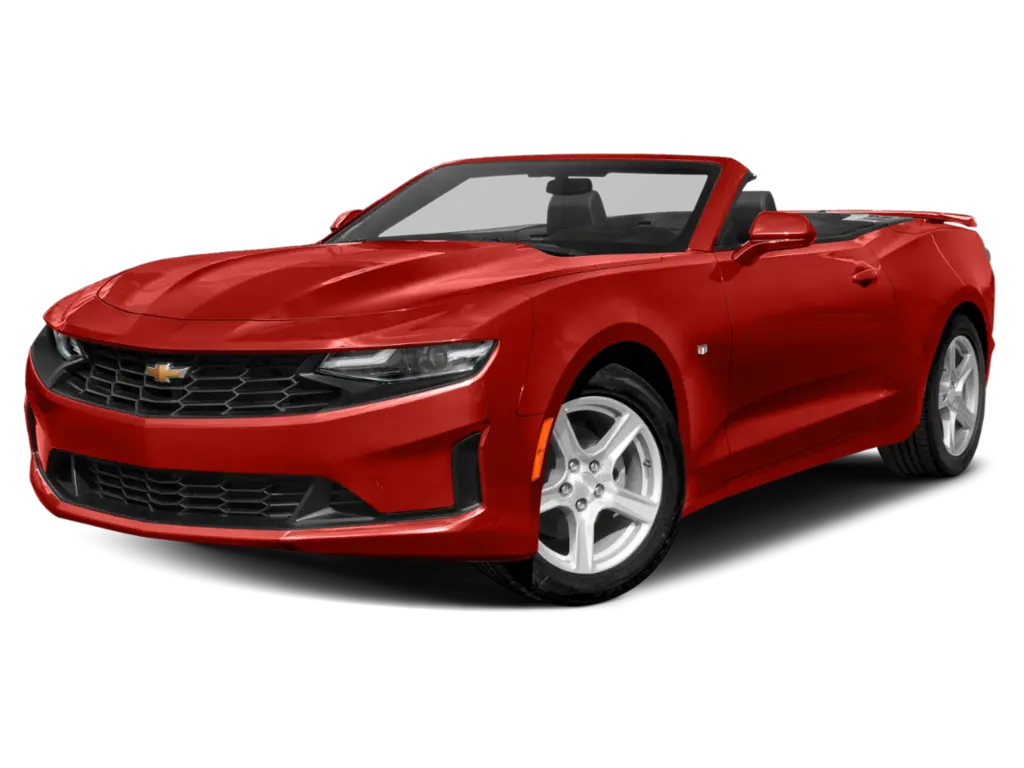
2020 Chevrolet Camaro
Reliability: 71/100
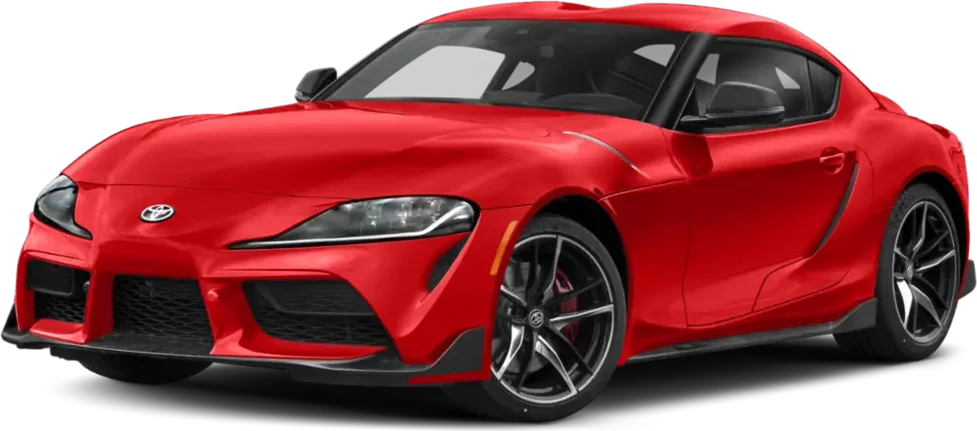
2020 Toyota Supra
Reliability: 63/100
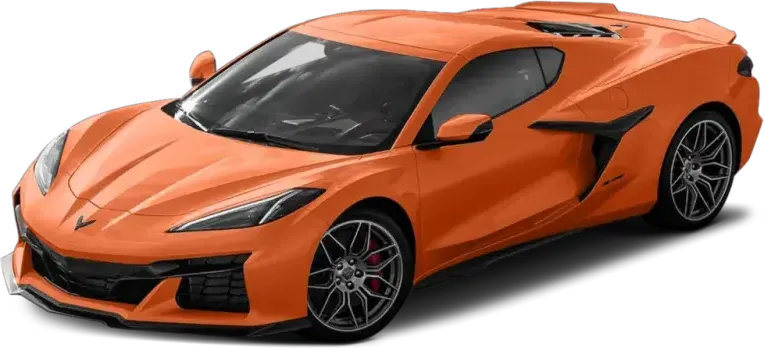
2020 Chevrolet Corvette
Reliability: 67/100
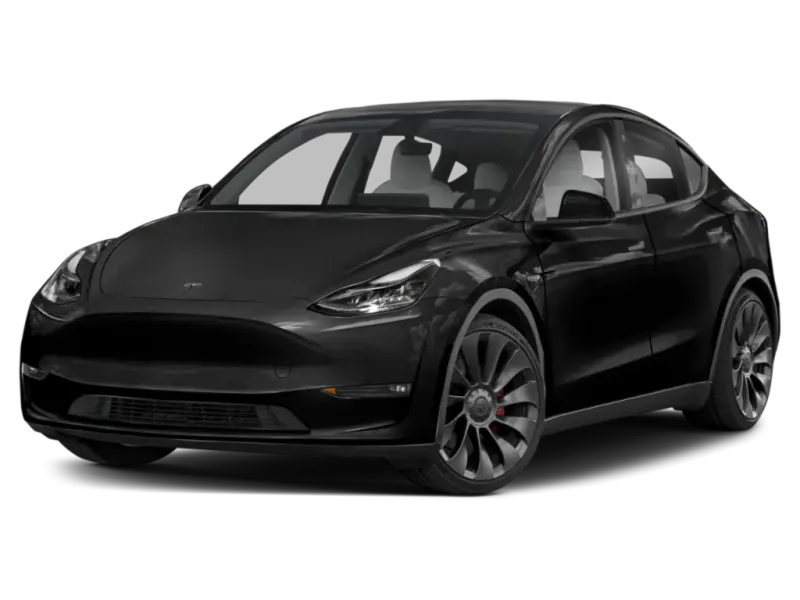
2020 Tesla Model 3
Reliability: 54/100
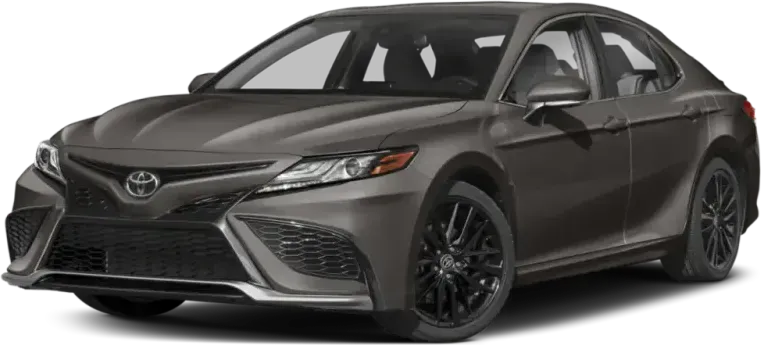
2020 Toyota Camry
Reliability: 75/100
Common Problem Categories
Safety
LOW RISK- 8 manufacturer recalls issued
Other
HIGH RISK- ELECTRICAL SYSTEM (19)
- POWER TRAIN (17)
Recall Overview
8
recalls on record
The 2020 Ford Mustang has 8 recalls on record, which is above average. A high count can flag multiple component concerns, though it also shows the manufacturer is actively addressing known issues.
NHTSA.gov →Complaint Breakdown
16.5
per 10,000 soldSegment avg: 7
Safety Incidents
12
Crashes
4
Fires
8
Injuries
0
Deaths
NHTSA 5/5 Stars
Data sourced from NHTSA complaint filings and manufacturer recall notices. Complaint narratives are owner-reported.
2020 Ford Mustang Recall Details
8 recalls have been issued for the 2020 Ford Mustang. All recall repairs are performed free of charge at authorized dealerships.
BACK OVER PREVENTION
Ford Motor Company (Ford) is recalling certain 2015-2019 Flex, 2015 Explorer, Lincoln MKT, Lincoln MKZ, 2015-2016 C-Max, Escape, Taurus, 2016 Fusion, 2018-2019 Taurus, 2019 Lincoln MKT, Fiesta, and 2020 Mustang vehicles. The rearview camera may display a distorted, intermittent, or blank image when the vehicle is in reverse.
Consequence
A rearview camera that fails to properly display an image can reduce the driver’s view behind the vehicle, increasing the risk of a crash.
Remedy
Dealers will inspect and replace the rearview camera as necessary, free of charge. Owner notification letters were mailed January 2, 2026. Owners may contact Ford customer service at 1-866-436-7332. Ford's number for this recall is 25SA9. Vehicle Identification Numbers (VINs) involved in this recall became searchable on NHTSA.gov on October 14, 2025.
BACK OVER PREVENTION
Ford Motor Company (Ford) is recalling certain 2018-2022 Transit Connect, 2019-2020 MKZ, MKX, Edge, Continental, F-150, Nautilus, Fusion, 2019-2023 Ranger, Mustang, 2020-2021 EcoSport, Expedition, Navigator, 2020-2022 Escape, F-250 SD, Corsair, 2020-2023 Aviator, Transit, 2020-2024 Explorer, 2021-2024 Bronco Sport, and 2022-2024 Maverick vehicles. A software error may cause the rearview camera to display a blank image, or the image may remain on the display after the backing event has ended.
Consequence
A rearview camera that displays a blank image can reduce the driver's view behind the vehicle. A rearview image that continues to be displayed after the vehicle is shifted out of reverse may distract the driver. Both of these situations can increase the risk of a crash.
Remedy
Dealers will update the rearview camera software, free of charge. Owner notification letters were mailed September 4, 2025. Owners may contact Ford customer service at 1-866-436-7332. Ford's number for this recall is 25S72.
ELECTRICAL SYSTEM
Ford Motor Company (Ford) is recalling certain 2020-2023 Mustang vehicles. The brake fluid level sensor may not activate the visual warning indicator when the brake fluid is low. As such, these vehicles fail to comply with the requirements of Federal Motor Vehicle Safety Standard number 135, "Light Vehicle Brake Systems."
Consequence
Without a low brake fluid warning light, the vehicle may be driven with low brake fluid, reducing braking performance and increasing the risk of a crash.
Remedy
Dealers will update the body control module software, free of charge. Owner notification letters were mailed December 21, 2023. Owners may contact Ford customer service at 1-866-436-7332. Ford's number for this recall is 23C35.
Buying a used 2020 Ford Mustang? Check its history first
Electrical system problems lead owner complaints about the 2020 Ford Mustang, and 8 recalls were issued for it. A VIN check shows whether this car's recall work was done, plus accident, title, and odometer history.
- Accidents
- Open Recalls
- Title History
- Odometer Rollback
2020 Ford Mustang NHTSA Safety Ratings
Overall Safety Rating
Crash Test Results by Configuration (expand)
Gas Powertrain
Rollover risk: 9.3%
Safety Technologies
Ford MustangRepair Costs & Maintenance
Maintenance Rating
3.5Maintenance rating: 3.5 out of 5Based on NHTSA complaint patterns, recall severity, and publicly available cost benchmarks.
Est. Annual Maintenance
$709
vs $526 avg for midsize cars
vs $652 avg for all vehicles
Repair Frequency
0.2
unscheduled repair visits per year
Severe Repair Probability
14%
chance of a major repair
Annual Cost Comparison
Category-level averages derived from publicly available industry reports (AAA, CarMD). Model-level estimates produced by Auto Reliability Index.
Ford Mustang Resale Value
The Ford Mustang is estimated to retain about 76.8% of its original value after 5 years, based on observed used-car listings.
This benchmark covers the Ford Mustang model overall and is not specific to the 2020 model year.
- Value Retained
- 76.8%
- Depreciation
- 23.2%
- Listings Analyzed
- 720
after 5 years
over the same period
U.S. used-car listings
Listings observed in . Actual resale value varies by trim, mileage, condition, and location.
Explore Ford Mustang depreciation and resale value on CarResaleValue.comMPG & Annual Running Costs
Gas
17–25 MPG
Running cost: $3,100–$4,200/yr
Fuel + repair
14–21 city / 23–32 hwy MPG
Running cost includes EPA fuel-cost estimate and independent repair-cost data (repair cost estimated at model level). Excludes routine maintenance, depreciation, and insurance. Data as of 2020 EPA label cycle.
Gas trims
| Trim | Drive | Trans. | City | Hwy | Comb | Fuel Cost |
|---|---|---|---|---|---|---|
| Mustang 2.3L 4-cyl | Rear-Wheel Drive | Automatic (S10) | 21 | 32 | 25 | $2,400 |
| Mustang 2.3L 4-cyl | Rear-Wheel Drive | Manual 6-spd | 21 | 30 | 24 | $2,500 |
| Mustang Convertible 2.3L 4-cyl | Rear-Wheel Drive | Automatic (S10) | 20 | 28 | 23 | $2,600 |
| Mustang Convertible 2.3L 4-cyl | Rear-Wheel Drive | Manual 6-spd | 20 | 28 | 23 | $2,600 |
| Mustang HO Convertible 2.3L 4-cyl | Rear-Wheel Drive | Automatic (S10) | 20 | 27 | 23 | $2,600 |
| Mustang HO Coupe 2.3L 4-cyl | Rear-Wheel Drive | Automatic (S10) | 20 | 28 | 23 | $2,600 |
| Mustang HO Coupe 2.3L 4-cyl | Rear-Wheel Drive | Manual 6-spd | 20 | 27 | 23 | $2,600 |
| Mustang HO Convertible 2.3L 4-cyl | Rear-Wheel Drive | Manual 6-spd | 19 | 26 | 22 | $2,700 |
| Mustang 5.0L 8-cyl | Rear-Wheel Drive | Automatic (S10) | 16 | 25 | 19 | $3,150 |
| Mustang 5.0L 8-cyl | Rear-Wheel Drive | Manual 6-spd | 15 | 24 | 18 | $3,300 |
| Mustang Convertible 5.0L 8-cyl | Rear-Wheel Drive | Automatic (S10) | 15 | 24 | 18 | $3,300 |
| Mustang Bullitt 5.0L 8-cyl | Rear-Wheel Drive | Manual 6-spd | 14 | 23 | 17 | $3,500 |
Used Buying Checklist
Key things to inspect or verify before purchasing a 2020 Ford Mustang.
Shift into reverse several times and confirm the backup camera shows a clear image with no blue or black screen.
Run the VIN through federal recall records and confirm the brake, backup camera, and door latch repairs are done.
On EcoBoost cars, start the engine cold and watch for white exhaust smoke, misfires, or a shaking idle.
Ask for service records showing coolant top-ups, head gasket work, or an engine or short block replacement.
On automatics, move between reverse and drive repeatedly and feel for harsh jerks or delayed engagement.
Start the car after it has sat overnight and watch for slipping out of first, revs flaring, or slamming shifts.
Lower and raise every window, including the rear ones, and confirm each closes fully and stays put.
Restart the car several times and confirm the digital instrument cluster comes on every time without going blank.
2020 Ford Mustang Common Problems by Component
101 owner complaints grouped by vehicle system.
ELECTRICAL SYSTEM
19 complaintsSafety-relatedRearview camera failures make up most of these reports. In reverse, the screen turns blue or black and shows "Camera unavailable, contact dealer." The digital instrument cluster also goes blank, sometimes for a few seconds and sometimes for 10 to 30 minutes. Dealers have traced some of these cases to failed APIM and FCIM modules. Other reports describe windows that won't close fully or move on their own, doors that unlock and open at highway speed, and a steering lock fault that keeps the car from starting. Two complaints describe fires under the hood after the car was parked.
POWER TRAIN
17 complaintsSafety-relatedMost of these reports involve the 10-speed automatic. Owners describe harsh shifts into reverse, delayed engagement into drive, slamming downshifts, slipping, and the engine revving high before lurching into the next gear. Some cars lose drive completely and need a new transmission, one at 63,000 miles. Dealers often find nothing, or they replace parts without fixing it. Two complaints describe the car moving while the brake was held, ending in crashes. Other reports cover intermittent loss of throttle with a wrench light, a fluid leak with smoke, and a broken flywheel on a manual car.
UNKNOWN OR OTHER
13 complaintsSafety-relatedBackup camera trouble dominates this group. Owners report a display that blanks out at random, a "camera disabled" message, or a mirrored image. Several say recall repairs were delayed because cameras were back-ordered, or were refused because the dealer could not reproduce the fault. Coolant leaking into the cylinders of the 2.3L EcoBoost also shows up here, with cold-start misfires and white exhaust smoke even on the revised block. Other reports cover a leaking evaporator core, a failed brake light switch that disables cruise control and limits speed, sharp exhaust tips that cut hands, and a parked car that caught fire.
SERVICE BRAKES (12 complaints)
SERVICE BRAKES
12 complaintsSafety-relatedBrake pedal brackets snap under hard braking. The pedal drops to the floor, and the parking brake is the only way left to stop the car. Several owners with a brake recall notice say they waited months for parts. One dealer said parts would not arrive until April of 2021. Three complaints describe crashes in which the car did not slow, or kept moving, with the brake pressed. No cause was confirmed in those cases. Other reports include a Hill Start Assist failure warning and rear calipers clamping the rotors at about 12,000 miles.
ENGINE (8 complaints)
ENGINE
8 complaintsCoolant leaks into the cylinders, causing a check engine light, misfires, rough running, shaking, and loss of power, often at low speed. Dealers usually recommend replacing the whole engine. Most of these failures land in the 60,000s, just past the powertrain warranty, and one owner at 64K was refused coverage. Other complaints describe failed pistons with smoke from under the hood, overheating with hesitation on acceleration, and a large oil leak at about 72,000 miles.
AIR BAGS (6 complaints)
AIR BAGS
6 complaintsSafety-relatedAirbags fail to deploy in serious crashes. All six complaints involve a collision, and four report injuries. Several describe heavy front-end or side damage, including spinning into a barrier, with no deployment at all. In one frontal crash only the driver's knee airbag fired, and the connected app later flagged a fault in the front passenger airbag system. These are owner accounts of crash outcomes, and none reports a confirmed defect.
BACK OVER PREVENTION (5 complaints)
BACK OVER PREVENTION
5 complaintsThe backup camera goes blank or shows a distorted image in reverse, followed by "Camera Unavailable - Contact Dealer." Dealers replace the camera or repair damaged wiring, and reported failures fall between about 56,671 and 90,000 miles. Two complaints are not about a failure at all. Those owners hold a notice for recall 25V695000, but the repair part is unavailable, and they say the wait is unreasonable.
VISIBILITY (3 complaints)
VISIBILITY
3 complaintsThe backup camera sometimes shows a blank or distorted image, or the screen displays "Contact your Dealer" at startup. Owners link this to recall 20V575000. In one case the car was not covered by the recall, and in another the camera failed again after the recall repair. A separate report describes the front passenger window moving by itself. It was fixed with a new window motor and wiring harness at about 20,000 miles.
ENGINE AND ENGINE COOLING (3 complaints)
ENGINE AND ENGINE COOLING
3 complaintsHead gasket failure lets coolant into the combustion chamber. Owners see a check engine light, coolant loss, and overheating while driving. Dealers recommend replacing the long block or the entire engine. In one case, an independent shop replaced only the head gasket and the problem came back. Another complaint, at about 86,000 miles, involves a failed catalytic converter and active grille shutter assembly.
STRUCTURE (2 complaints)
STRUCTURE
2 complaintsSafety-relatedThe rear wing spoiler comes loose and flies off while driving. In one case it happened again after the trunk and spoiler had already been replaced. A separate complaint describes a fuel tank that takes about 10 gallons instead of 16. The range reading drops to zero without warning and the car runs out of gas. That car had a street-racing history, and the complaint is flagged as fire-related.
When Do 2020 Ford Mustang Problems Start?
Based on owner complaint patterns, here's when common issues tend to appear.
Best & Worst Ford Mustang Years
Best Ford Mustang Years to Buy
Based on reliability index scoreFord Mustang Years to Avoid
Ford Mustang Reliability Score Trend
Scores 0–100. Higher is better. Current year highlighted.
| Year | Score | Rating |
|---|---|---|
| 2018 | 65/100 | Good |
| 2019 | 67/100 | Good |
| 2020 | 66/100 | Good |
| 2021 | 54/100 | Mixed |
| 2022 | 59/100 | Mixed |
| 2023 | 72/100 | Good |
| 2024 | 67/100 | Good |
| 2025 | 73/100 | Good |
| 2026 | 78/100 | Good |
Ford Mustang Reliability Compared to Other Years
Frequently Asked Questions
Is the 2020 Ford Mustang reliable?
What are the most common problems with the 2020 Ford Mustang?
Does the 2020 Ford Mustang have transmission problems?
Does the 2020 Ford Mustang have engine problems?
How many recalls does the 2020 Ford Mustang have?
Don’t buy a 2020 Ford Mustang without checking its VIN first — hidden accidents, title issues, and open recalls could cost you thousands.
How we score the 2020 Ford Mustang
Of the four inputs behind this score, the 2020 Ford Mustang does best on how many systems draw complaints (82/100) and worst on complaint severity (58/100). Scores weight complaint severity at 35%, repair costs at 30%, recall impact at 20%, and the spread of complaints across systems at 15%, with complaint counts adjusted for US sales. Read the full methodology.
Get notified when new recalls or reliability data is added for the Ford Mustang.
No spam. Only data updates for this model.
Browse More Ford Models
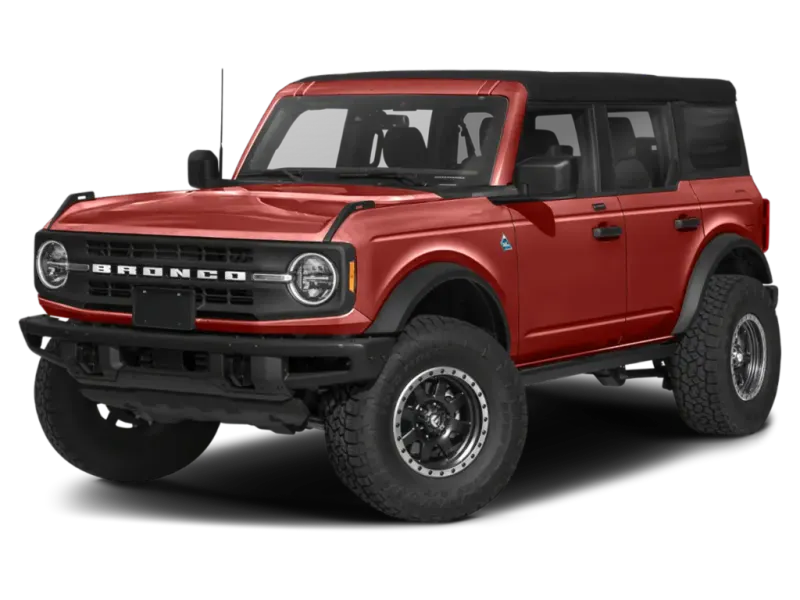
Ford Bronco
Score: 59/100
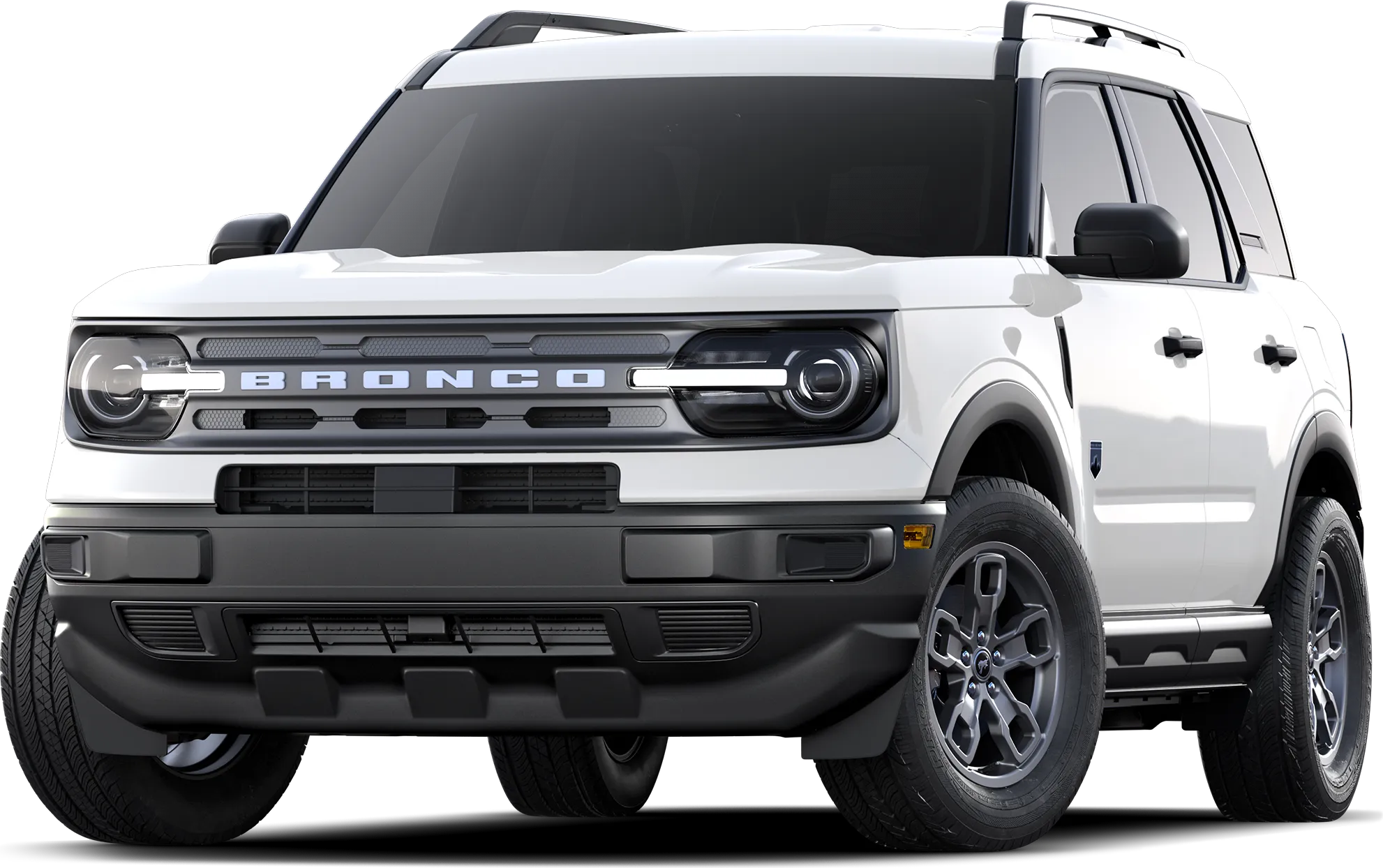
Ford Bronco Sport
Score: 77/100
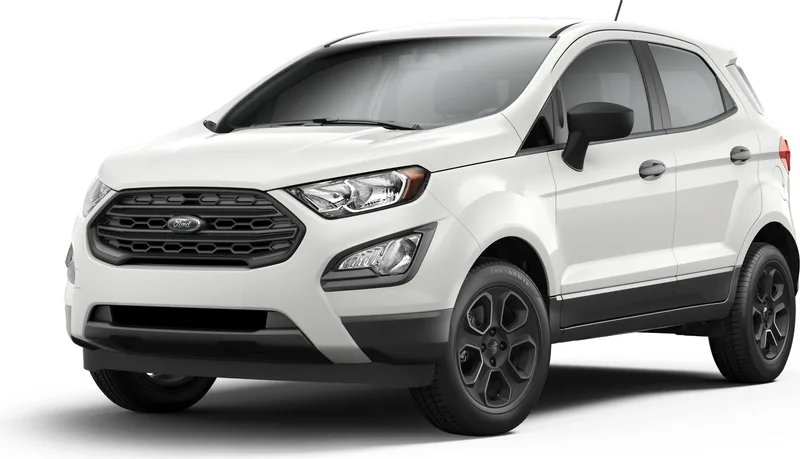
Ford EcoSport
Score: 74/100
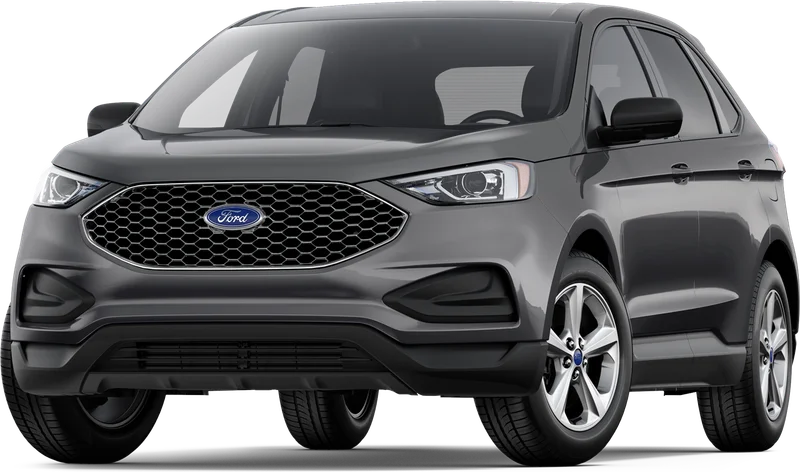
Ford Edge
Score: 76/100
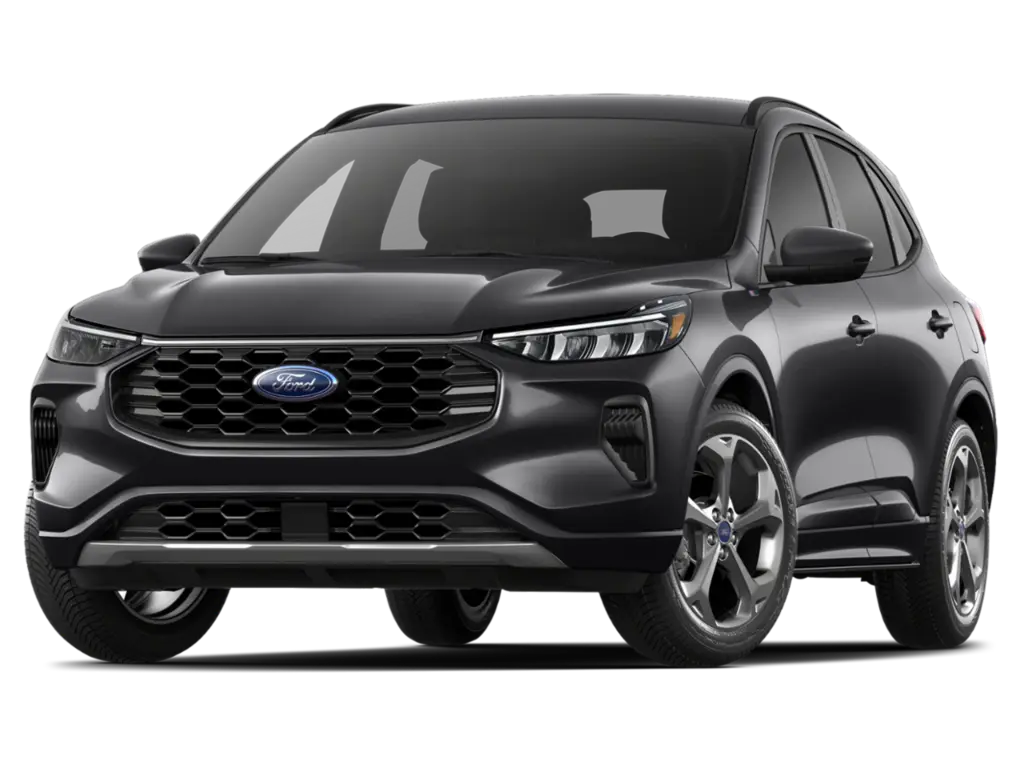
Ford Escape
Score: 77/100
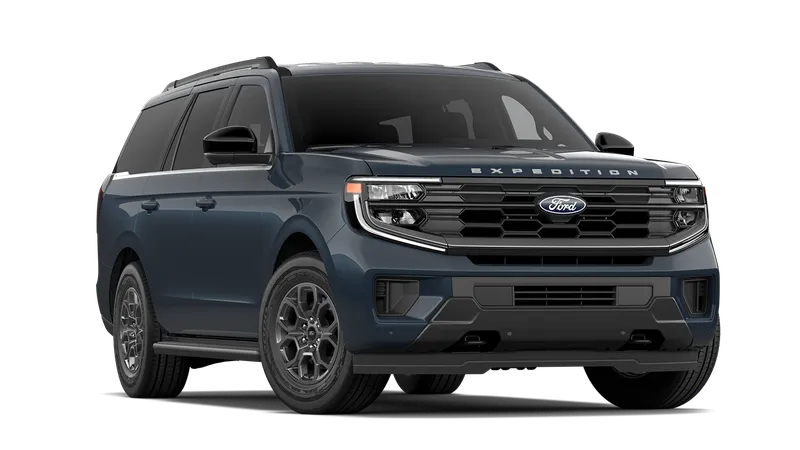
Ford Expedition
Score: 71/100
Browse More 2020 Vehicles
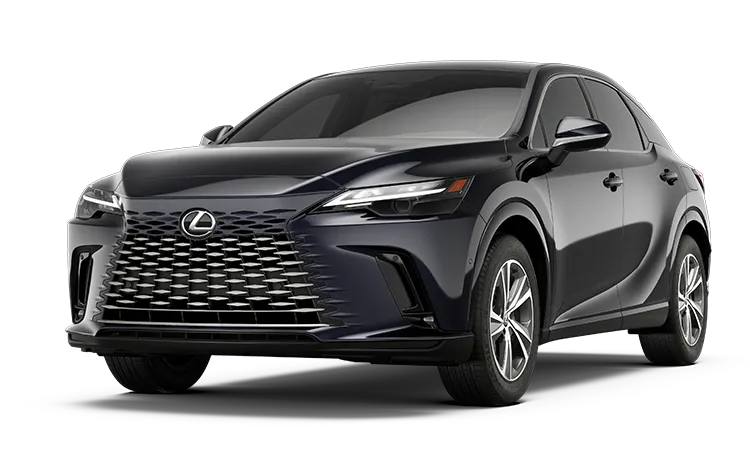
2020 Lexus RX
Score: 86/100
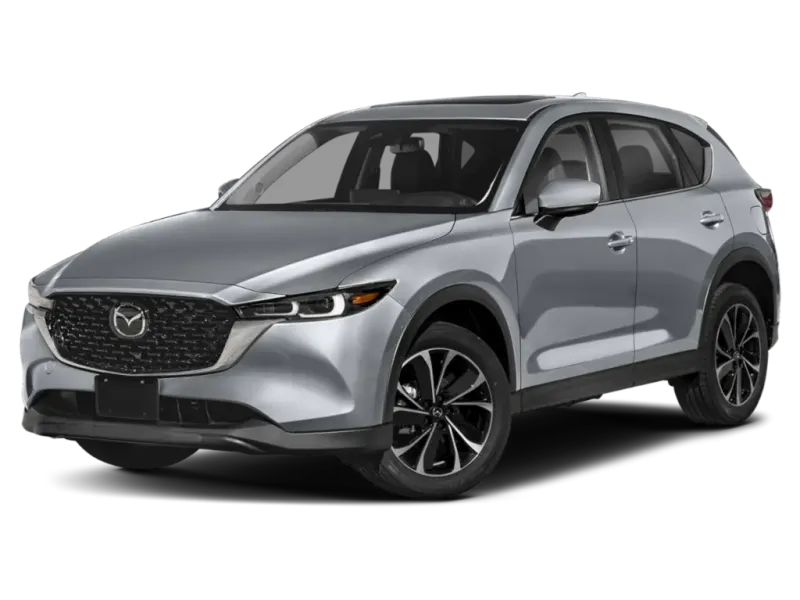
2020 Mazda CX-5
Score: 86/100
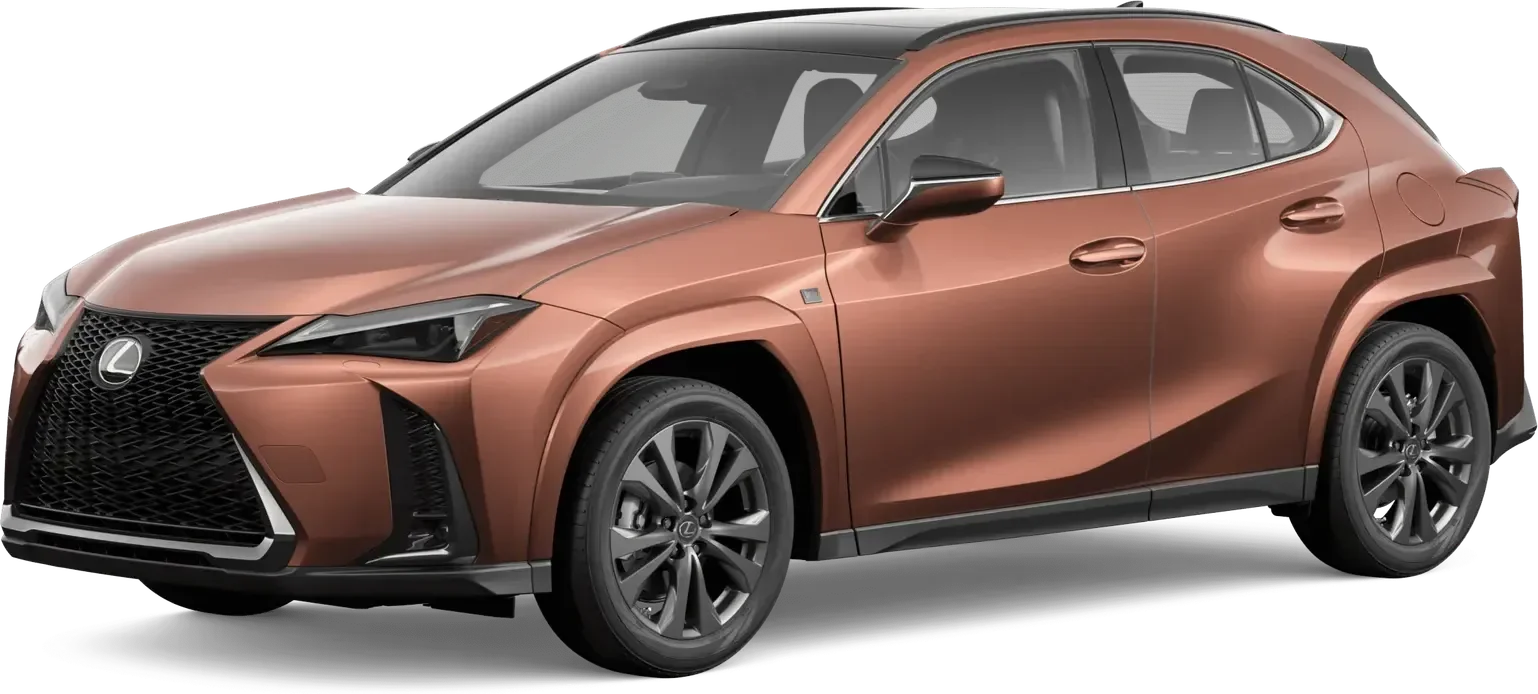
2020 Lexus UX
Score: 84/100

2020 Lexus IS
Score: 83/100
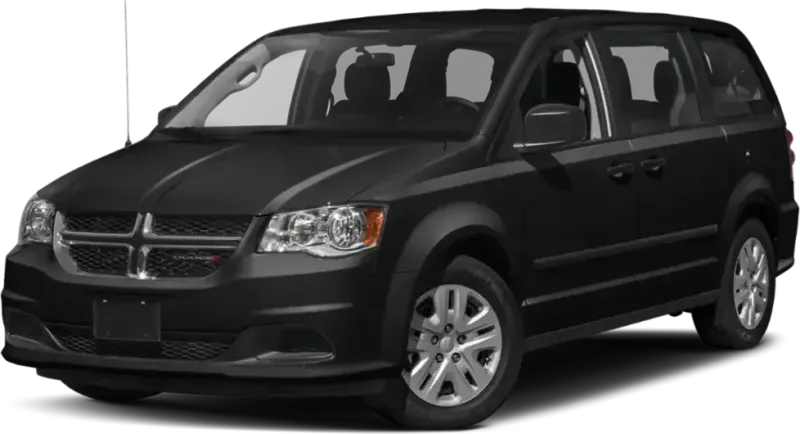
2020 Dodge Grand Caravan
Score: 83/100
2020 Kia Sedona
Score: 83/100
See incorrect data? Report an issue