Last updated: 2026-04-20
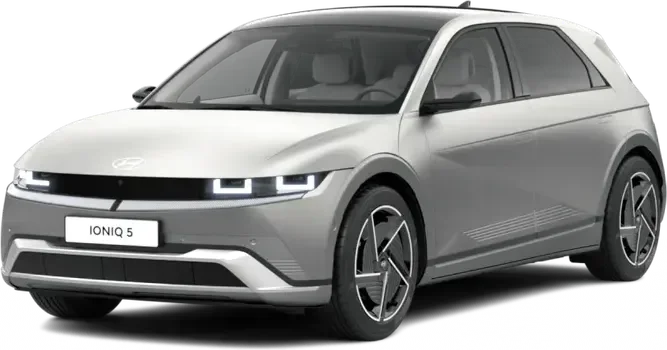
2025 Hyundai Ioniq 5 Reliability Report
The 2025 Hyundai Ioniq 5 scores 53/100 ("Mixed"). With 8 recalls and 158 owner complaints, buyers should proceed with caution.
Recalls
8
Complaints
158
Complaint Rate
33.6per 10,000 sold
Est. Repair Cost
N/A
EV Range
168–318 mi
Detailed Score Breakdown
Component-weighted complaints normalized by sales volume
Independent repair cost ratings
Recall count weighted by severity
Breadth of reported problem categories
The Verdict
Mixed reliability — proceed with caution and budget for repairs.
Top Issues to Watch
- ELECTRICAL SYSTEM (84)
- POWER TRAIN (33)
- FORWARD COLLISION AVOIDANCE (9)
Should You Buy the 2025 Hyundai Ioniq 5?
A 53/100 score puts the 2025 Hyundai Ioniq 5 in the "Mixed" tier. Buyers should approach with eyes open.
Complaint volume sits above average at 158 owner complaints alongside 8 recalls. Issues in electrical system and electrical system (84) tend to be the costly ones.
Treat an extended warranty as non-negotiable and put electrical system and electrical system (84) at the top of the inspection checklist.
Compared to the 2026 Hyundai Ioniq 5, which scored 10 points higher. See also the 2024 Hyundai Ioniq 5 for an earlier comparison.
Pros
Cons
- −Below-average reliability score
- −Above-average recall count
- −Above-average complaint rate for SUV
- −ELECTRICAL SYSTEM complaints dominate (53%)
- −Safety recall: park-outside advisory issued
Compare 2025 Hyundai Ioniq 5 With
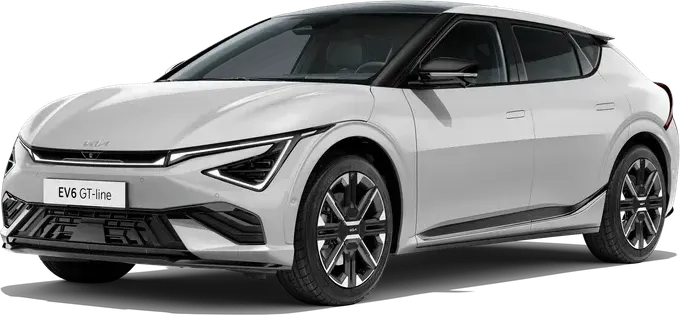
2025 KIA EV6
Reliability: 69/100
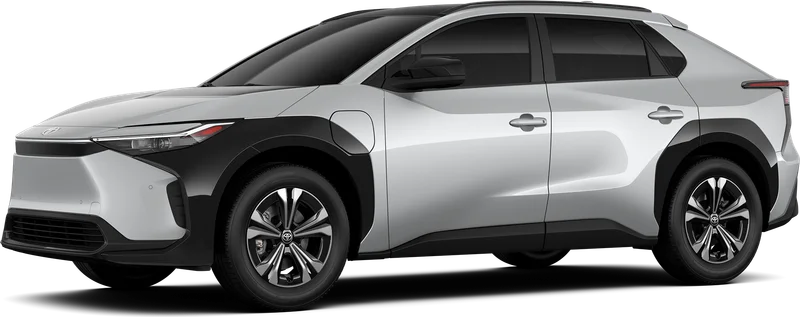
2025 Toyota bZ4X
Reliability: 76/100

2025 Tesla Model Y
Reliability: 70/100
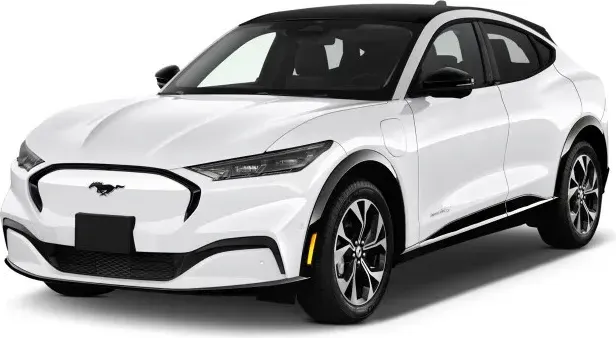
2025 Ford Mustang Mach-E
Reliability: 72/100
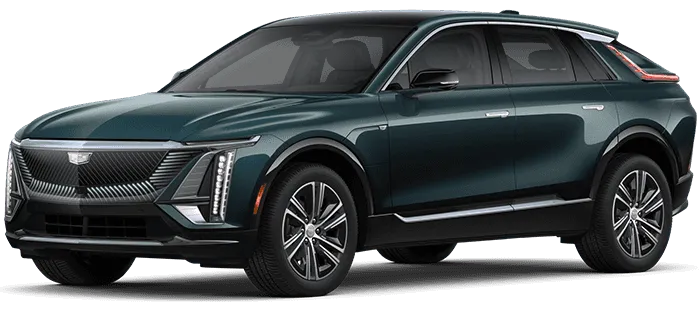
2025 Cadillac Lyriq
Reliability: 73/100
Common Problem Categories
Safety
LOW RISK- 8 manufacturer recalls issued
Other
HIGH RISK- ELECTRICAL SYSTEM (84)
- POWER TRAIN (33)
Recall Overview
8
recalls on record
The 2025 Hyundai Ioniq 5 has 8 recalls on record, which is above average. A high count can flag multiple component concerns, though it also shows the manufacturer is actively addressing known issues.
NHTSA.gov →Complaint Breakdown
33.6
per 10,000 soldSegment avg: 3.5
Safety Incidents
1
Crashes
0
Fires
1
Injuries
0
Deaths
Data sourced from NHTSA complaint filings and manufacturer recall notices. Complaint narratives are owner-reported.
2025 Hyundai Ioniq 5 Recall Details
8 recalls have been issued for the 2025 Hyundai Ioniq 5. All recall repairs are performed free of charge at authorized dealerships.
SUSPENSION
Hyundai Motor America (Hyundai) is recalling certain 2025 IONIQ 5 electric vehicles. Certain rear suspension alignment adjustment bolts may have been improperly tightened, which can cause a loss of vehicle stability control.
Consequence
A loss of vehicle stability control increases the risk of a crash.
Remedy
Dealers will replace the adjustment bolts, align the wheels, and replace tires if necessary, free of charge. Owner notification letters were mailed October 10, 2025. Owners may contact Hyundai customer service at 1-855-371-9460. Hyundai's number for this recall is 284. Vehicle Identification Numbers (VINs) involved in this recall became searchable on NHTSA.gov on September 13, 2025.
ELECTRICAL SYSTEM
Hyundai Motor America (Hyundai) is recalling certain 2025 IONIQ 5 vehicles. The high voltage battery system may contain an improperly tightened bus bar, which can cause a short-circuit.
Consequence
An electrical short in the high voltage battery system increases the risk of a fire.
Remedy
Owners are advised to park their vehicles outside and away from structures until the recall remedy is complete. Dealers will inspect and repair the high voltage battery system, as necessary, free of charge. Owner notification letters were mailed August 25, 2025. Owners may contact Hyundai customer service at 1-855-371-9460. Hyundai's number for this recall is 280.
ELECTRICAL SYSTEM
Hyundai Motor America (Hyundai) is recalling certain 2025-2026 IONIQ 5 and 2026 IONIQ 9 vehicles. The high voltage battery system may contain an improperly tightened bus bar, which can cause a short-circuit.
Consequence
An electrical short in the high voltage battery system increases the risk of a fire.
Remedy
Dealers will inspect and tighten the bus bar retention bolts, as necessary, free of charge. Owner notification letters are expected to be mailed April 6, 2026. Owners may contact Hyundai customer service at 1-855-371-9460. Hyundai's number for this recall is 294. Vehicle Identification Numbers (VINs) involved in this recall became searchable on NHTSA.gov on February 7, 2026.
Buying a used 2025 Hyundai Ioniq 5? Check its history first
Every 2025 Hyundai Ioniq 5 has a different past. A VIN check reveals hidden accidents, title problems, odometer rollbacks, and open recalls that reliability scores can't show you.
- Accidents
- Open Recalls
- Title History
- Odometer Rollback
2025 Hyundai Ioniq 5 NHTSA Safety Ratings
Crash Test Results by Configuration (expand)
Gas Powertrain
Rollover risk: 8.4%
Safety Technologies
Hyundai Ioniq 5Repair Costs & Maintenance
Maintenance Rating
2Maintenance rating: 2 out of 5Based on NHTSA complaint patterns, recall severity, and publicly available cost benchmarks.
Category-level averages derived from publicly available industry reports (AAA, CarMD). Model-level estimates produced by Auto Reliability Index.
2025 Hyundai Ioniq 5 Example Repair Prices
National average price ranges for common repairs. These are not model-year-specific failure predictions.
| Repair | Estimated Cost |
|---|---|
| Tire Pressure Monitor Lamp Diagnosis | $98 – $143 |
| General Diagnosis | $122 – $179 |
| Noise Diagnosis | $122 – $179 |
| Vibration Diagnosis | $122 – $179 |
| No Start Diagnosis | $122 – $179 |
| Pre-Purchase Car Inspection | $183 – $269 |
| Engine Oil Light Diagnosis | $122 – $179 |
| Check Engine Light Diagnosis & Testing | $122 – $179 |
| AC Diagnosis | $122 – $179 |
| Air Conditioning System Leak Inspection | $122 – $179 |
Estimates based on national average repair costs. Actual costs may vary by location and shop.
MPG & Annual Running Costs
Electric
168–318 mi range
Fuel cost: $650–$1,050/yr
Fuel only
29–47.527 kWh/100mi · 6.3–10.3 hrs @ 240V
Based on EPA fuel-cost estimates. Excludes routine maintenance, depreciation, and insurance. Data as of 2025 EPA label cycle.
Electric trims
| Trim | Drive | Trans. | Range | kWh/100mi | Fuel Cost |
|---|---|---|---|---|---|
| Ioniq 5 Standard range | Rear-Wheel Drive | Automatic (A1) | 245 mi | 29.0 | $650 |
| Ioniq 5 AWD (19 inch Wheels) | All-Wheel Drive | Automatic (A1) | 290 mi | 31.7 | $700 |
| Ioniq 5 RWD | Rear-Wheel Drive | Automatic (A1) | 318 mi | 30.0 | $700 |
| Ioniq 5 AWD (20 inch Wheels) | All-Wheel Drive | Automatic (A1) | 269 mi | 34.5 | $800 |
| Ioniq 5 AWD XRT | All-Wheel Drive | Automatic (A1) | 259 mi | 35.8 | $800 |
| Ioniq 5 N | All-Wheel Drive | Automatic (A1) | 221 mi | 43.0 | $950 |
| Ioniq 5 Robo taxi | Rear-Wheel Drive | Automatic (A1) | 168 mi | 47.5 | $1,050 |
Used Buying Checklist
Key things to inspect or verify before purchasing a 2025 Hyundai Ioniq 5.
Inspect for ICCU failure symptoms like popping sounds or warning lights
Test drive to ensure vehicle does not enter limp mode unexpectedly
Check for any outstanding recalls related to the ICCU
Verify availability of replacement ICCU parts with dealership
Test charging system for errors or interruptions
Ensure Forward Attention Warning system operates correctly without false alerts
2025 Hyundai Ioniq 5 Common Problems by Component
158 owner complaints grouped by vehicle system.
ELECTRICAL SYSTEM
84 complaintsOwners report frequent failures of the Integrated Charging Control Unit (ICCU) in the 2025 Hyundai Ioniq-5, often rendering the vehicle inoperable. Typical symptoms include a popping sound, warning lights indicating electrical system issues, and the vehicle entering a reduced power mode or shutting down completely. These failures are commonly noted at mileages ranging from as low as 200 to around 9,400 miles. Safety implications are evident as several owners describe losing power while driving, which could pose risks if occurring in traffic or at high speeds. Buyers should be aware that replacement parts for the ICCU are often on backorder, leading to extended repair times.
POWER TRAIN
33 complaintsOwners of the 2025 Hyundai Ioniq 5 frequently report issues with the Integrated Charging Control Unit (ICCU), often accompanied by a loud pop sound, followed by a loss of power or the vehicle entering "limp mode." Symptoms typically include warning lights on the dashboard, error messages about the electrical system, and the vehicle's inability to exceed low speeds, usually around 25 mph. These failures are often reported within the first few thousand miles, with some vehicles having as few as 2,949 miles. Safety implications are significant, as these issues can occur suddenly while driving, leading to potential hazards like being stranded on highways or in unsafe areas. Buyers should be aware of the potential for ICCU failures and the associated risk of sudden power loss.
UNKNOWN OR OTHER
9 complaintsSafety-relatedOwners report several issues with the 2025 Hyundai Ioniq-5, with a notable pattern involving the Integrated Charging Control Unit (ICCU) failure, leading to loss of propulsion while driving, which poses significant safety risks, especially in traffic. Multiple complaints also highlight persistent problems with the Forward Attention Warning (FAW) system, which triggers frequent and distracting alerts that cannot be fully disabled, despite attempts to adjust settings. Additionally, one report mentions a vehicle being undrivable due to a national backorder on a crucial part needed for sensor calibration after a minor collision, causing prolonged downtime. These issues often occur shortly after purchase or during early usage, as indicated by the recent nature of the complaints.
FORWARD COLLISION AVOIDANCE (9 complaints)
FORWARD COLLISION AVOIDANCE
9 complaintsOwners of the 2025 Hyundai Ioniq-5 frequently report issues with the Forward Attention Warning (FAW) system, particularly when using adaptive cruise control and lane-keeping assist. Common symptoms include persistent false alarms indicating the driver is not paying attention, even when they are looking directly at the road. These false alerts often occur regardless of eyewear, though some owners note increased frequency when wearing glasses or sunglasses. Complaints suggest these issues arise shortly after purchase, with no specific mileage range mentioned. The false alarms can distract drivers, and some owners describe situations where driving assistance features are abruptly disabled, potentially leading to unsafe conditions such as sudden deceleration or unintended lane departure. This information is crucial for potential buyers to consider, especially those interested in the vehicle's driver assistance capabilities.
FUEL/PROPULSION SYSTEM (5 complaints)
FUEL/PROPULSION SYSTEM
5 complaintsOwners report issues with the 2025 Hyundai Ioniq 5's fuel/propulsion system, particularly involving ICCU failures and high-voltage traction battery problems. Symptoms frequently include sudden loss of acceleration, unresponsive acceleration pedals, and unexpected limp mode activation while driving, often accompanied by dashboard warnings. These issues appear at varying mileages, with one traction battery failure occurring around 1,250 miles. Safety implications are noted, such as concerns over vehicle control during acceleration and braking, and one instance where a vehicle became undriveable and unable to be secured due to a dead 12V battery. Potential buyers should be aware of these recurring problems and the associated safety risks.
VEHICLE SPEED CONTROL (5 complaints)
VEHICLE SPEED CONTROL
5 complaintsOwners of the 2025 Hyundai Ioniq-5 report issues with the vehicle's speed control, particularly with the i-Pedal mode and N e-Shift mode. In i-Pedal mode, multiple reports indicate that the vehicle fails to decelerate immediately when the accelerator is released, maintaining speed for several seconds before slowing down, which can increase the risk of rear-end collisions. With the N e-Shift mode, owners describe unintended acceleration for 1-2 seconds after releasing the throttle, especially during spirited driving, which could potentially lead to unsafe situations. These issues are noted shortly after acquiring the vehicle, with no warning lamps or messages accompanying the symptoms. Safety implications include reduced reaction time and increased cognitive load, which may lead to accidents if not addressed.
ENGINE (4 complaints)
ENGINE
4 complaintsOwners of the 2025 Hyundai Ioniq-5 report several engine-related issues, with the most common being sudden power failures while driving at highway speeds, as described by multiple owners who experience a complete loss of power without warning lights. Another issue frequently mentioned is a surging or pulsing sensation at speeds of 60-65 mph, where the vehicle struggles to maintain a consistent speed. Additionally, there are reports of a loud screeching noise, potentially linked to a missing wave washer in the MGDU housing, although this seems to affect vehicles built within a specific timeframe. These problems often arise within the first few weeks of ownership, with some vehicles having as little as 500 miles on the odometer. Safety concerns are evident, particularly with the power failure incidents, as they occur unexpectedly on highways, posing a risk of accidents.
LANE DEPARTURE (4 complaints)
LANE DEPARTURE
4 complaintsOwners report issues with the 2025 Hyundai Ioniq-5's Lane Keeping Assist (LKA) system, primarily when wearing prescription or dark sunglasses. Complaints frequently mention false warnings and alarms due to the vehicle's inability to detect the driver's eyes through sunglasses, which affects the functionality of the LKA system. This problem persists even when settings are adjusted to disable the warnings. Multiple owners describe the system as nearly unusable under these conditions, suggesting a design flaw that impacts the effectiveness of the safety feature. No specific mileage or timeline patterns are noted, but the issue is consistent across reports, with implications for driver safety due to distraction and potential loss of a key safety feature.
SERVICE BRAKES (2 complaints)
SERVICE BRAKES
2 complaintsOwners of the 2025 Hyundai Ioniq 5 report issues with the vehicle's service brakes, specifically related to the Forward Attention Warning system and unintended acceleration. Complaints frequently mention that the Forward Attention Warning system gives false positives, resulting in distracting alerts and, in some cases, hard braking on the highway when the system fails to detect driver attention properly. Another issue noted by owners involves unintended acceleration when releasing the accelerator pedal, which persists for approximately three seconds before normal braking resumes. This problem is associated with a failure in the ABS module, with one report indicating this occurred at around 9,200 miles. These issues have significant safety implications, including the potential for loss of control, particularly at highway speeds.
AIR BAGS (1 complaints)
AIR BAGS
1 complaintIoniq 5 is known to have a loose and possibly dangling wire underneath the driver seat. This wire is often uncovered and unshielded, and is susceptible to becoming damaged due to the automatic seats and adjustments. This wire directly operates the airbag and if damaged loses all functionality. Hyundai is not covering any damage to this wire under warranty, and this poses an immediate threat to anyone driving their vehicle.
When Do 2025 Hyundai Ioniq 5 Problems Start?
Based on owner complaint patterns, here's when common issues tend to appear.
Best & Worst Hyundai Ioniq 5 Years
Comprehensive reliability analysis based on NHTSA data, owner complaints, and historical performance.
Best Hyundai Ioniq 5 Years to Buy
Based on reliability index scoreThe best Hyundai Ioniq 5 year is 2026 with a reliability score of 63/100, rated good. Other strong picks include 2024 (58/100) and 2025 (53/100).
2026
2024
2025
(Current Model)
Hyundai Ioniq 5 Years to Avoid
The worst Hyundai Ioniq 5 year is 2022 with a score of 46/100, primarily due to electrical system (208) issues.
Hyundai Ioniq 5 Reliability Score Trend
Hyundai Ioniq 5 reliability has improved in recent years, with newer models scoring an average of 58/100 compared to 48/100 for older years.
Scores 0–100. Higher is better. Current year highlighted.
| Year | Score | Rating |
|---|---|---|
| 2022 | 46/100 | Mixed |
| 2023 | 50/100 | Mixed |
| 2024 | 58/100 | Mixed |
| 2025 | 53/100 | Mixed |
| 2026 | 63/100 | Good |
Hyundai Ioniq 5 Reliability Compared to Other Years
Frequently Asked Questions
Is the 2025 Hyundai Ioniq 5 reliable?
What are the most common problems with the 2025 Hyundai Ioniq 5?
How many recalls does the 2025 Hyundai Ioniq 5 have?
Is the 2025 Hyundai Ioniq 5 expensive to maintain?
Don’t buy a 2025 Hyundai Ioniq 5 without checking its VIN first — hidden accidents, title issues, and open recalls could cost you thousands.
How We Calculate Reliability Scores
Auto Reliability Index scores are calculated on a 0–100 scale using a weighted formula that combines multiple public data sources. Each factor is weighted based on its predictive value for real-world ownership experience.
Key Ranking Factors
Complaint Severity
NHTSA owner complaints weighted by component category (e.g., powertrain, safety systems, electronics, cosmetic) — safety-critical issues carry more weight than cosmetic ones. Adjusted for sales volume so high-volume models aren't unfairly penalized.
Repair Costs
Independent reliability ratings based on repair frequency, average repair costs, and severity of typical repairs for each model.
Recall Impact
Number of NHTSA recalls weighted by severity. “Stop driving” and fire-risk recalls are penalized more heavily than minor software or labeling recalls.
Issue Diversity
Measures how many major vehicle systems (engine, transmission, electrical, braking, etc.) have recorded complaints. A vehicle with issues spread across many systems may indicate systemic quality issues.
Scores are grouped into four tiers:
- 80–100: Excellent— Top-tier reliability, minimal issues
- 60–79: Good— Reliable with some minor concerns
- 40–59: Mixed— Notable issues, research before buying
- 0–39: Risky— Significant problems, proceed with caution
Data is sourced from NHTSA recall records, owner complaint filings, and independent repair databases via vehicles.dev. Scores are recalculated as new data becomes available. While the weighting model is proprietary, all underlying data sources are public and traceable.
Get notified when new recalls or reliability data is added for the Hyundai Ioniq 5.
No spam. Only data updates for this model.
Browse More Hyundai Models
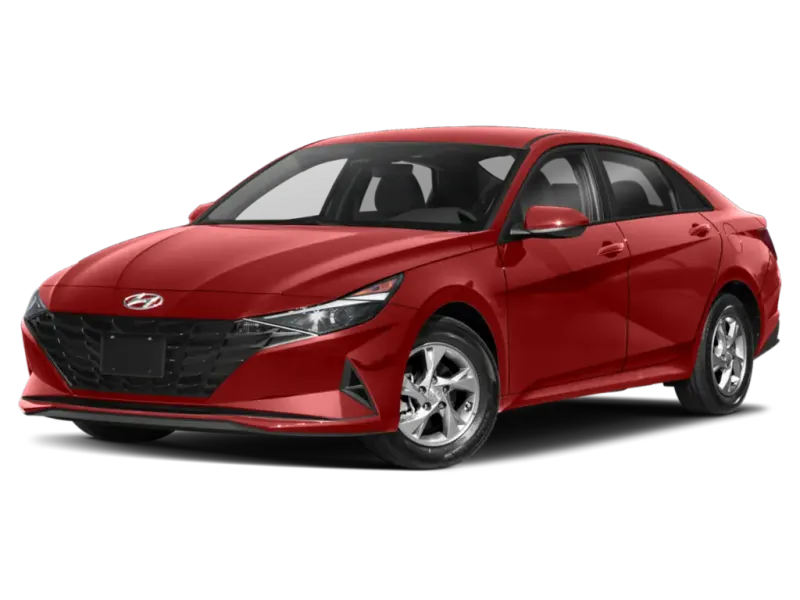
Hyundai Elantra
Score: 94/100
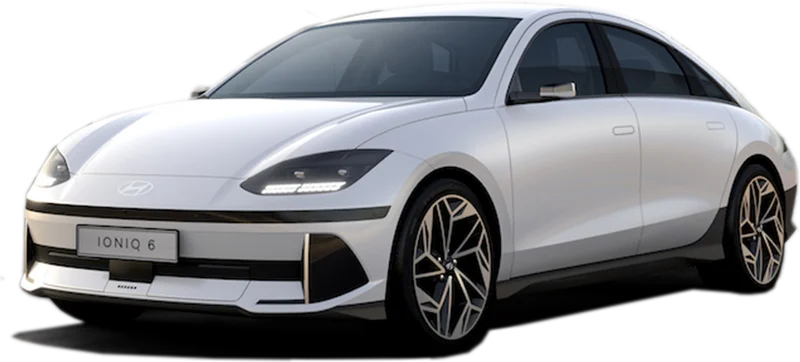
Hyundai Ioniq 6
Score: 82/100
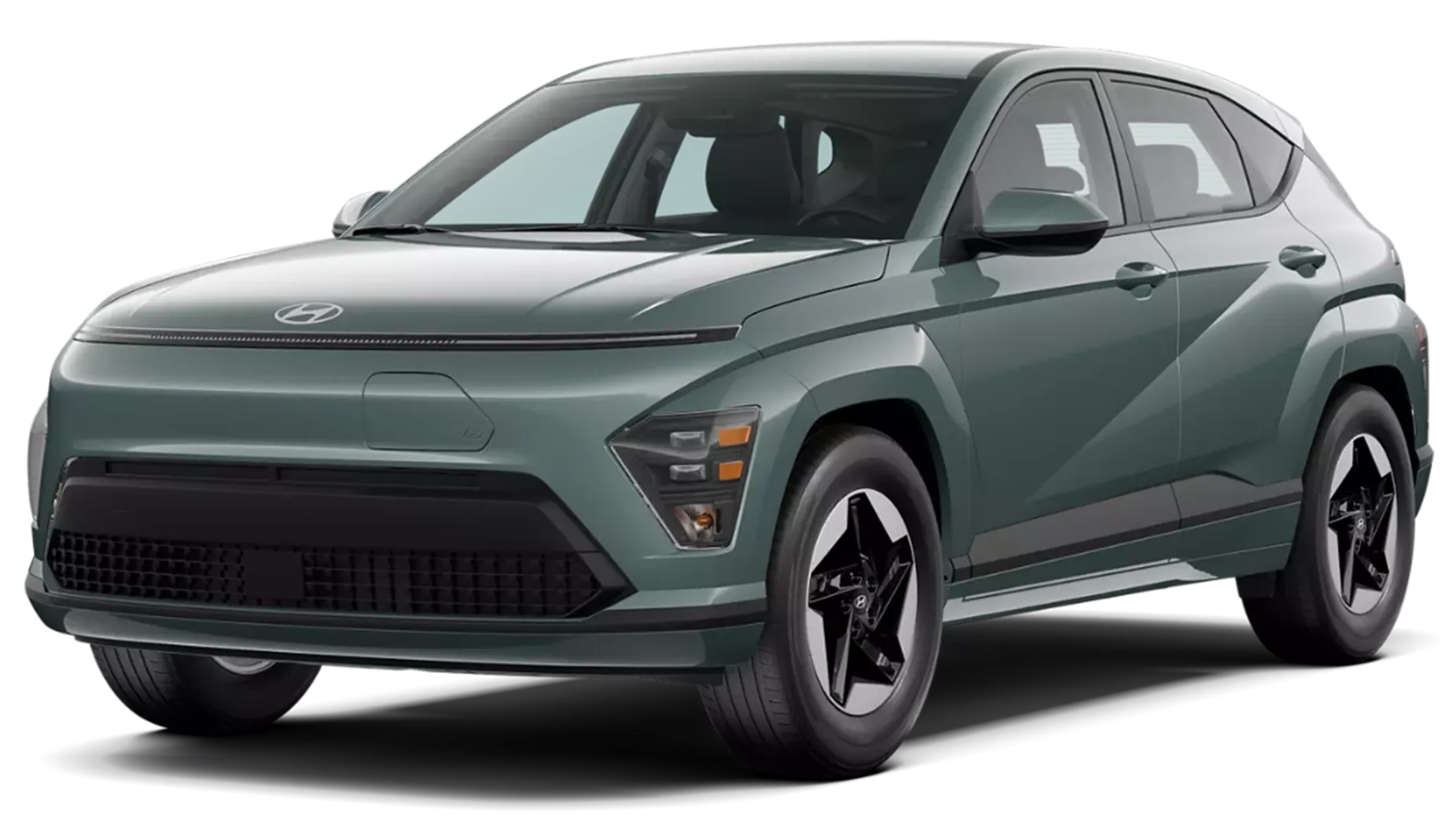
Hyundai Kona
Score: 67/100

Hyundai Palisade
Score: 72/100
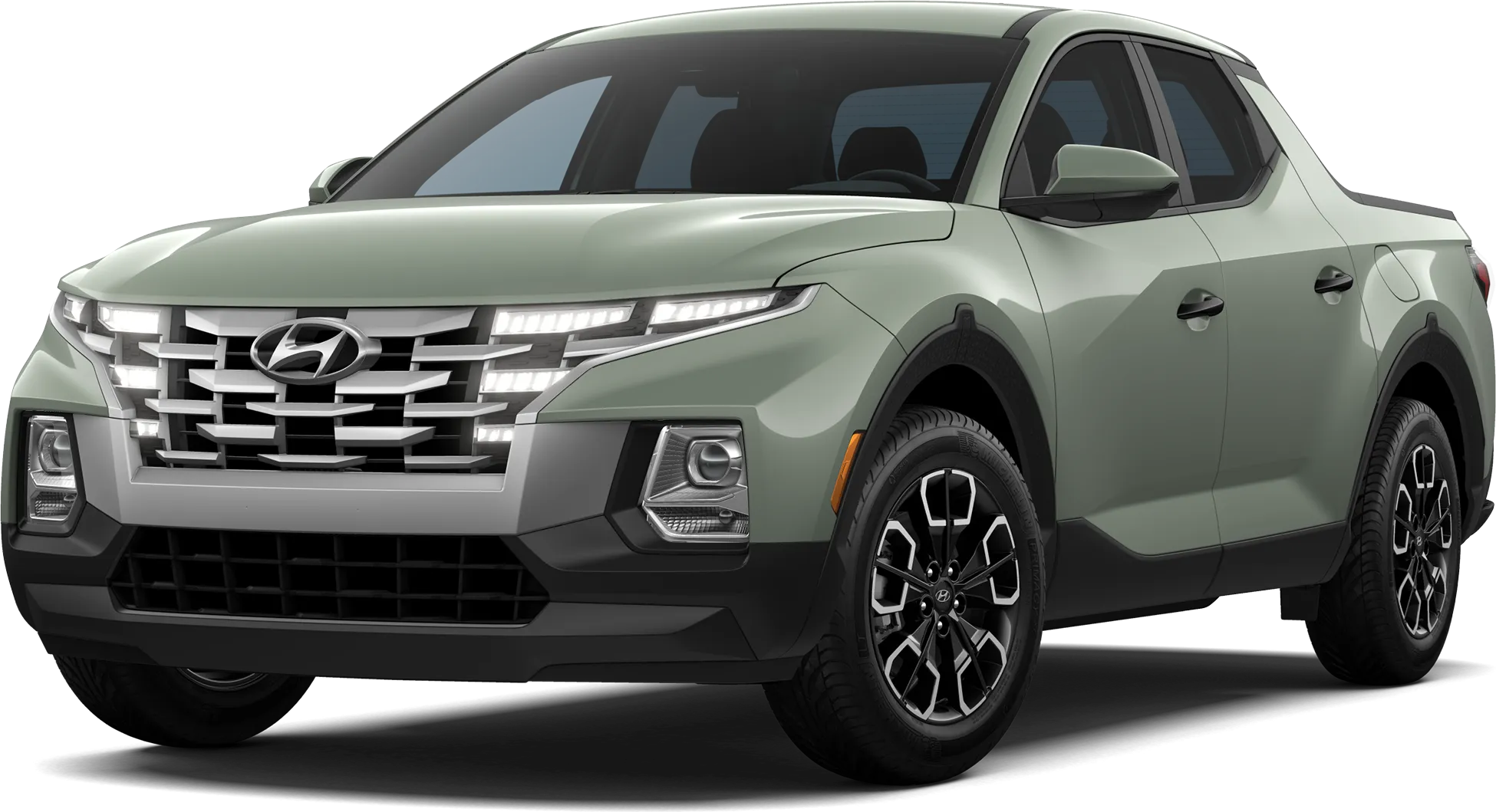
Hyundai Santa-Cruz
Score: 74/100
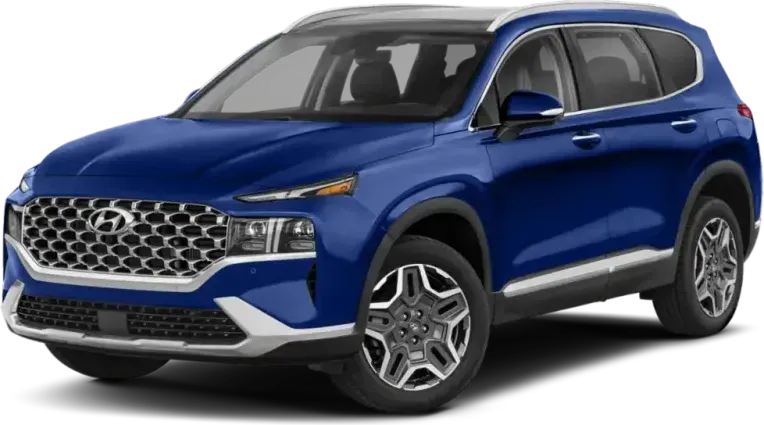
Hyundai Santa-FE
Score: 75/100
Browse More 2025 Vehicles
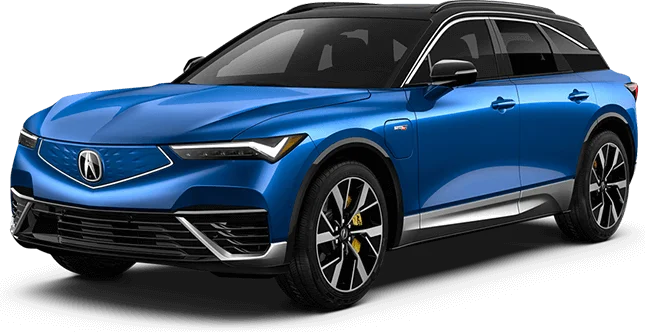
2025 Acura ZDX
Score: 88/100
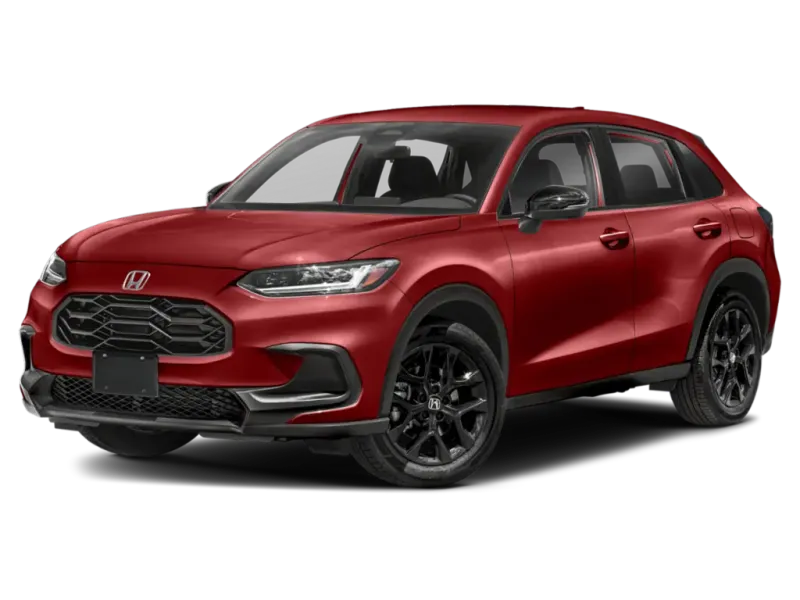
2025 Honda HR-V
Score: 88/100
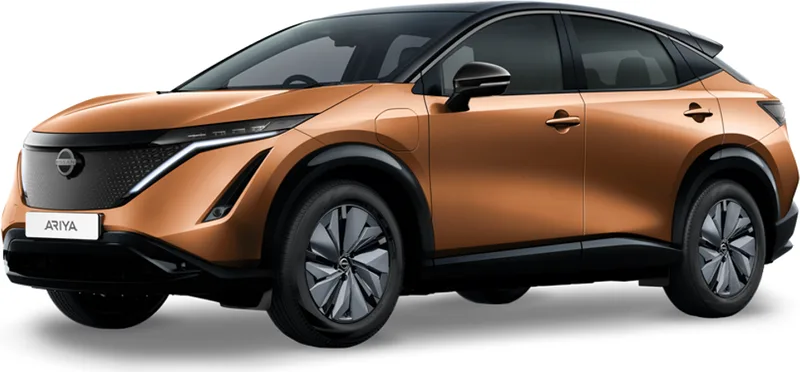
2025 Nissan Ariya
Score: 88/100

2025 KIA Carnival
Score: 88/100
2025 Hyundai Elantra
Score: 87/100
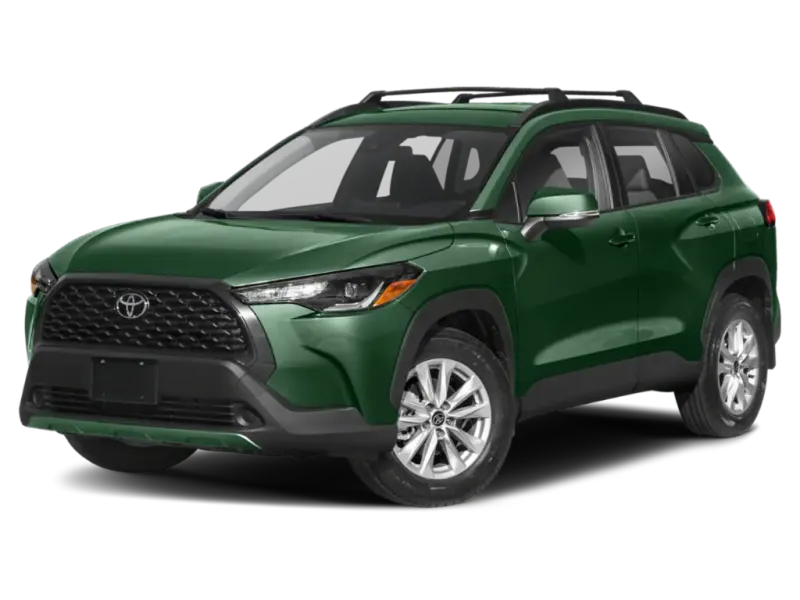
2025 Toyota Corolla Cross
Score: 86/100
See incorrect data? Report an issue